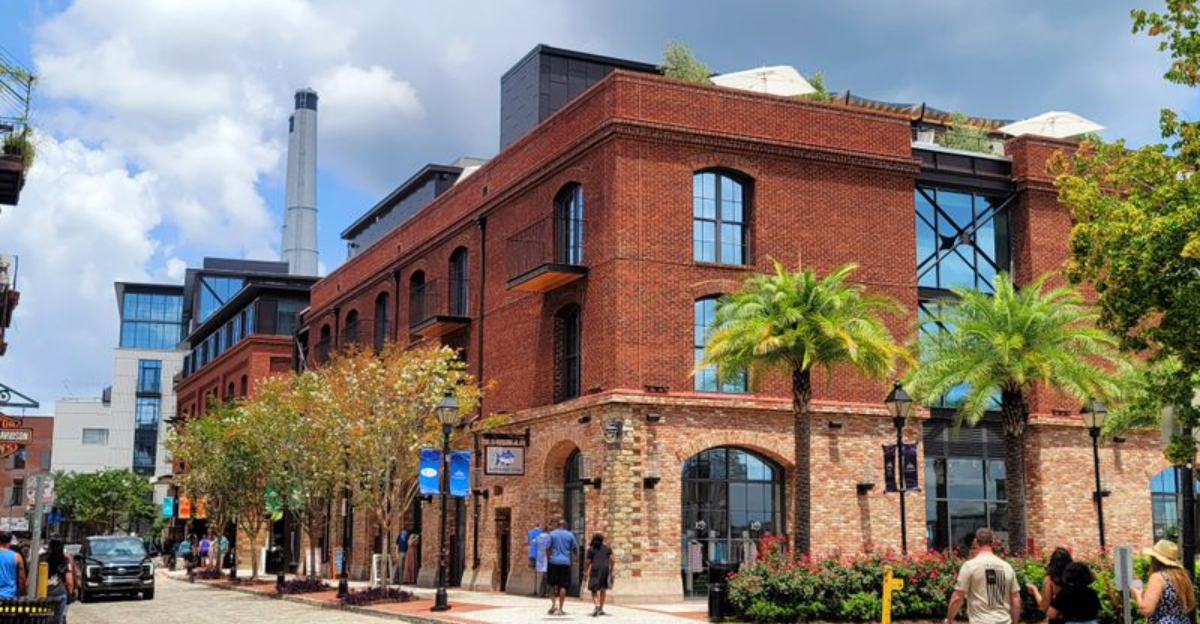
Savannah transforms into a magical wonderland each December as twinkling lights illuminate its historic squares and festive decorations adorn centuries-old buildings throughout the charming coastal city.
While tourists flock from across the country to experience the enchanting holiday atmosphere, many longtime residents find themselves increasingly frustrated by the overwhelming crowds that descend upon their beloved hometown during Christmas season.
The tension between preserving local traditions and accommodating the tourism industry has created genuine concerns among Savannah natives who feel their community celebrations are being overshadowed by commercial interests and visitor congestion.
Traffic Congestion Makes Getting Around Nearly Impossible
Navigating Savannah’s narrow historic streets becomes a nightmare during the Christmas season when thousands of visitors pour into the downtown area.
Local residents who normally enjoy a quick five-minute drive to the grocery store or pharmacy suddenly find themselves stuck in gridlock for thirty minutes or longer.
The charming cobblestone streets that give Savannah its distinctive character simply were not designed to handle modern traffic volumes, especially during peak tourist seasons.
Parking becomes another major headache as visitors occupy every available spot for hours at a time while attending various holiday events and tours.
Residents returning home from work often discover they cannot park anywhere near their own houses because tourists have taken all the street parking.
Many locals report missing important appointments, family gatherings, and even work shifts because they underestimated how long it would take to travel short distances through their own neighborhoods.
The constant honking, illegal U-turns, and confused drivers consulting GPS devices create dangerous situations for pedestrians trying to cross streets.
Emergency vehicles face serious delays when responding to calls because tourist traffic blocks intersections and narrow lanes throughout the historic district.
Some longtime Savannah families have started avoiding downtown entirely during December, which means they miss out on enjoying the very traditions their ancestors helped establish generations ago.
The frustration builds each year as city officials struggle to balance tourism revenue with the quality of life concerns expressed by permanent residents who call Savannah home year-round.
Sacred Family Traditions Get Disrupted By Massive Crowds
Generations of Savannah families have cherished specific Christmas rituals that take place in beloved locations throughout the historic district each December.
Grandparents who once brought their children to see the lighting ceremonies in quiet, intimate settings now find those same spaces packed shoulder-to-shoulder with strangers.
A simple tradition like taking annual holiday photos at Forsyth Park becomes stressful when hundreds of tourists crowd the fountain and refuse to move for local families.
Many residents recall childhood memories of peaceful evening strolls through decorated squares where they could actually hear carolers singing and smell fresh roasted chestnuts.
Today those same experiences feel more like navigating a theme park than participating in meaningful community celebrations that connect present generations with their heritage.
Church services that have been held in historic Savannah congregations for over two centuries now fill up with curious tourists who treat sacred ceremonies like entertainment attractions.
Local families arriving for Christmas Eve services sometimes cannot find seating because visitors occupied the pews earlier to experience the historic atmosphere.
The special feeling of gathering with neighbors and fellow congregation members gets lost when half the attendees are strangers snapping photos during solemn moments.
Children growing up in Savannah today may never experience the magical, close-knit holiday atmosphere their parents and grandparents remember so fondly.
This loss of intimate community connection troubles many longtime residents who worry that authentic Savannah Christmas traditions are being permanently altered by tourism pressures and commercial interests that prioritize visitor experiences over local heritage preservation.
Noise Levels Destroy The Peaceful Holiday Atmosphere
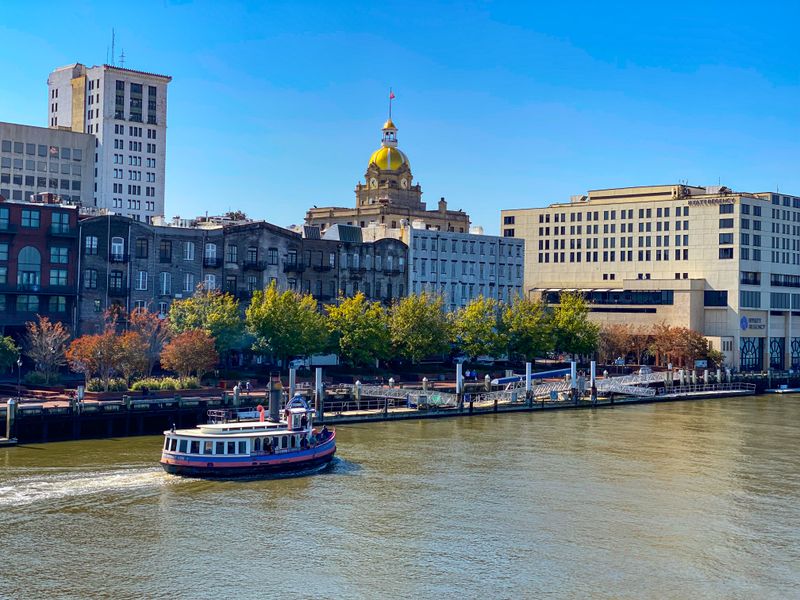
Savannah’s charm has always been rooted in its peaceful, almost dreamlike quality, especially during the quiet winter evenings of the Christmas season.
The sounds of horse-drawn carriages clip-clopping over cobblestones and distant church bells ringing used to define the holiday soundscape in this historic coastal city.
Now those gentle sounds get drowned out by tour guides shouting through megaphones, drunk tourists stumbling between bars, and constant traffic noise from rental cars circling blocks searching for parking.
Residents living in the historic district report being unable to sleep because rowdy tour groups pass by their homes late at night, laughing loudly and playing music from portable speakers.
The tranquil squares that once offered peaceful retreats from daily life now echo with the chaos of hundreds of simultaneous conversations and children screaming with excitement.
Many locals remember when December evenings meant sitting on their porches listening to neighborhood carolers and enjoying the quiet beauty of twinkling lights reflecting off historic architecture.
Those serene moments have been replaced by a constant din that feels more appropriate for a crowded shopping mall than a residential neighborhood with centuries of history.
Even during daytime hours, the noise pollution from tourist activities makes it difficult for residents to work from home, enjoy outdoor spaces, or simply have conversations on their own property.
The amplified sounds from commercial Christmas tours, party buses, and street performers create an environment that feels increasingly hostile to the people who actually live in these historic homes year-round rather than just visiting for a weekend getaway.
Local Businesses Prioritize Tourist Dollars Over Neighborhood Loyalty
Small businesses that once served as community gathering spots for Savannah residents have increasingly shifted their focus toward capturing tourist spending during the lucrative Christmas season.
The neighborhood coffee shop where locals used to meet friends for morning conversations now maintains a waiting list because tour groups reserve large blocks of tables.
Restaurants that families patronized for decades suddenly require reservations weeks in advance and have raised prices to levels that many longtime customers cannot afford.
Shop owners who once greeted regular customers by name now barely make eye contact because they are too busy managing the constant flow of visitors browsing without buying.
Many establishments have changed their inventory entirely, replacing practical items that residents actually need with overpriced souvenirs and Christmas decorations designed to appeal to tourist tastes.
Local parents discover they can no longer take their children for treats at favorite bakeries because tour groups have cleaned out the displays by mid-morning.
The sense of community that once existed between neighborhood merchants and their residential customer base has eroded as profit margins from tourism overwhelm considerations of local loyalty.
Some longtime business owners defend these changes by explaining they must capitalize on the busy Christmas season to survive slower periods throughout the year.
However, residents feel betrayed when the very establishments that benefited from their steady patronage during lean times now treat them as inconveniences during profitable tourist seasons.
This shift has fundamentally altered the character of historic Savannah neighborhoods, transforming them from authentic residential communities into commercial districts that exist primarily to extract money from visitors rather than serve the daily needs of people who live there permanently.
Disrespectful Behavior Toward Historic Sites And Private Property
Savannah residents take tremendous pride in preserving their city’s rich history and treat historic sites with the reverence they deserve as irreplaceable cultural treasures.
Unfortunately, many tourists view these same locations as mere backdrops for social media photos, showing little understanding of or respect for their historical significance.
Visitors climb on fragile historic monuments to pose for pictures, damaging centuries-old stonework that can never be fully restored to its original condition.
At Bonaventure Cemetery, tourists routinely ignore posted rules by walking on graves, leaving trash, and treating the sacred resting place like a Halloween attraction rather than a solemn memorial.
Private residences in the historic district face constant invasions as tourists wander onto porches, peer through windows, and even try doorknobs to see if homes are open for touring.
Many homeowners have installed security cameras after discovering strangers in their gardens or finding tourists using their front steps as picnic areas without permission.
The beautiful Christmas decorations that residents carefully install on their private property get damaged by visitors who touch delicate ornaments or rearrange displays to create better photo opportunities.
Some tourists apparently believe that because Savannah markets itself as a historic destination, every building and space is public property available for their entertainment and exploration.
This fundamental misunderstanding creates ongoing tension as residents grow weary of constantly protecting their homes and neighborhoods from inconsiderate behavior.
Local preservation societies report increasing incidents of vandalism and damage to historic structures during peak tourist seasons, requiring expensive repairs that strain limited conservation budgets and threaten the long-term survival of Savannah’s irreplaceable architectural heritage.
Restaurant Reservations Become Impossible For Local Residents
Imagine planning to celebrate your anniversary at the restaurant where you had your first date, only to discover tourists booked every table for the entire month of December.
This scenario plays out repeatedly for Savannah residents who find themselves shut out of their favorite dining establishments during the Christmas season.
Restaurants that once welcomed walk-in customers from the neighborhood now require reservations made weeks or even months in advance to accommodate tourist demand.
Many establishments have implemented minimum spending requirements or automatically add large gratuities during peak season, making casual dining prohibitively expensive for local families.
The problem extends beyond fine dining to include casual eateries and even fast-food establishments that experience overwhelming crowds during tourist season.
A local worker trying to grab lunch during a short break finds every nearby restaurant packed with visitors leisurely enjoying two-hour meals while browsing their phones.
Some restaurant owners prioritize tourist reservations over regular customers because visitors typically order more expensive items and are less price-sensitive than budget-conscious locals.
Families who supported these businesses throughout the year feel abandoned when they cannot secure tables for special occasions during the holidays because management favors one-time visitors over loyal patrons.
The situation has forced many residents to avoid dining out entirely during December, which means they miss opportunities to celebrate holidays and special events at places that hold sentimental value in their personal histories.
This exclusion from community gathering spaces contributes to the growing sense among locals that their own city no longer belongs to them during the most meaningful time of year for creating memories with loved ones.
Increased Littering And Environmental Damage To Historic Squares
The pristine beauty of Savannah’s famous squares requires constant maintenance and careful stewardship by residents who view these green spaces as community treasures worth protecting.
During the Christmas tourist season, these beloved parks transform into littered wastelands by evening as thousands of visitors leave behind food wrappers, plastic bottles, and various debris.
City sanitation workers struggle to keep pace with the overwhelming amount of trash generated by tourist activities, often falling behind as garbage overflows from receptacles onto the ground.
The ancient oak trees draped with Spanish moss suffer damage when tourists carve initials into bark, break branches for souvenirs, or allow children to climb on fragile root systems.
Flowerbeds carefully maintained by neighborhood volunteers get trampled as crowds cut across planted areas rather than staying on designated pathways.
Local residents who volunteer their time for regular park cleanups report finding shocking amounts of cigarette butts, beer cans, and even discarded Christmas decorations left behind after tourist events conclude.
The environmental impact extends beyond visible litter to include soil compaction from excessive foot traffic, damage to historic fountains from people throwing coins and trash into the water, and harm to urban wildlife displaced by constant human activity.
Many locals remember when the squares served as peaceful neighborhood parks where children could play safely and families could enjoy picnics without wading through garbage.
Now these same spaces require professional cleaning crews and increased security to manage the aftermath of tourist activities.
The financial burden of this additional maintenance falls on local taxpayers who already contribute to park upkeep through property taxes, creating resentment toward visitors who enjoy these spaces without contributing to their preservation or respecting their ecological fragility.
Safety Concerns Rise With Overcrowded Public Spaces
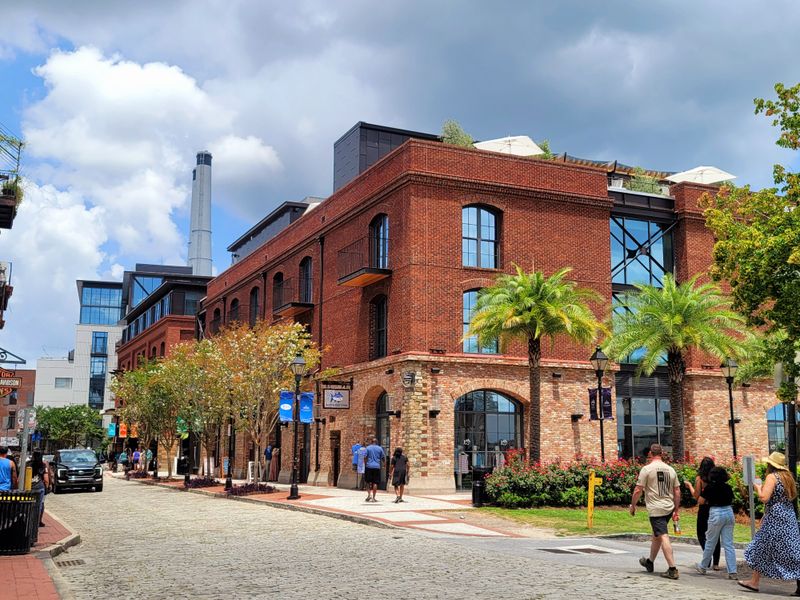
Public safety officials in Savannah have expressed growing alarm about the dangerous conditions created when thousands of tourists pack into historic areas designed for much smaller populations.
The narrow streets and compact squares that give Savannah its intimate charm become serious safety hazards when overcrowded beyond their capacity to accommodate people safely.
During popular Christmas events, the density of crowds makes it nearly impossible for emergency responders to reach people experiencing medical crises or other urgent situations requiring immediate assistance.
Parents worry about losing track of children in massive crowds where predators could easily blend in and where a separated child might panic or wander into dangerous traffic.
The combination of alcohol consumption, darkness, uneven historic cobblestones, and massive crowds creates conditions where accidents and injuries become increasingly common.
Local hospitals report treating more tourists for falls, alcohol poisoning, and crowd-related injuries during December than any other month of the year.
Residents who need to navigate through their own neighborhoods after dark find themselves pushed, jostled, and sometimes threatened by intoxicated visitors who view the entire city as one big party venue.
Pickpockets and other criminals take advantage of crowded conditions to target both tourists and locals, knowing that overwhelmed police forces cannot effectively monitor every situation simultaneously.
Fire marshals have expressed concerns that many historic buildings lack adequate exits to safely evacuate the number of people crammed inside during popular tours and events.
The potential for a catastrophic incident increases each year as tourist numbers grow but infrastructure and emergency response capabilities remain limited by the physical constraints of a centuries-old city never designed to handle such intensive seasonal population surges that strain every system beyond reasonable safety margins.
Dear Reader: This page may contain affiliate links which may earn a commission if you click through and make a purchase. Our independent journalism is not influenced by any advertiser or commercial initiative unless it is clearly marked as sponsored content. As travel products change, please be sure to reconfirm all details and stay up to date with current events to ensure a safe and successful trip.
