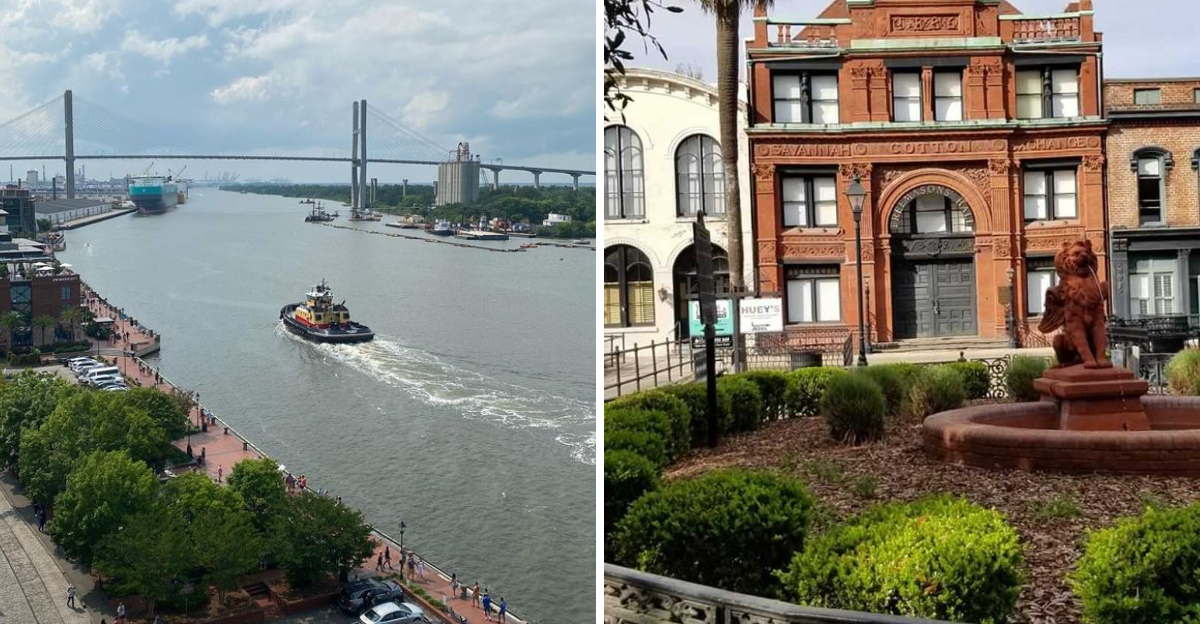
Holiday lights glow against live oaks, and the squares feel smaller as crowds press in from every side.
You catch the salt in the air off the river while carols mingle with sirens and street whistles, and that contrast says everything about Savannah in winter.
The charm holds, but the rhythm shifts, and locals read it like a storm brewing beyond the marsh.
If you want to understand why patience thins during parade season in Georgia, walk slowly, listen closely, and notice who has to squeeze past to get home.
Historic Squares Under Pressure
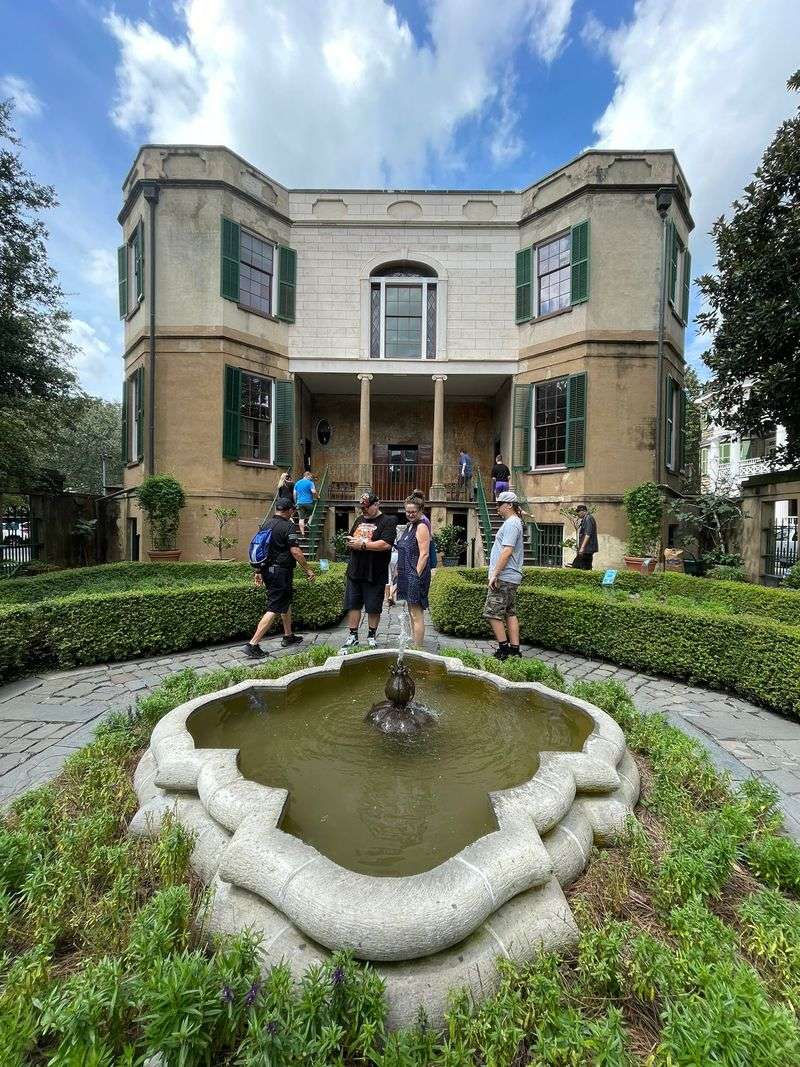
Each historic square in Savannah feels intimate until a parade day packs every brick path and bench with bodies and folding chairs.
Locals use these shaded cut throughs for daily life, and that rhythm breaks when stroller convoys and photo stops clog the corners.
It is hard to love your favorite shortcut when the route to work or groceries becomes a maze of pauses, selfies, and laughter that ignores your timeline.
On ordinary days, the mossy canopy muffles the city into a quiet that makes errands feel almost meditative.
During holiday parades, amplified music bounces off the townhouses and turns a reflective space into a performance stage that never ends.
There is beauty in the decorations, but the balance tips when people drape ribbons over plaques or lean on fragile ironwork.
You sense why residents sigh when a stranger treats a memorial as a prop for sparkle coated shoes.
The squares host weddings, protests, dog walks, and reunions, yet they also hold history, and respect matters in Georgia.
Parade weekend often introduces trash that overfills bins and drifts onto the landscaping that neighbors tend with pride.
Volunteers try to keep up, though an hour of confetti can bury a week of careful pruning.
Locals love sharing their green rooms, but they do not love blocked stoops and blaring Bluetooth speakers under bedroom windows.
If you visit, step wide, leave room, and remember these spaces are not stadium seats but living rooms without walls.
Forsyth Park’s Festive Bottleneck
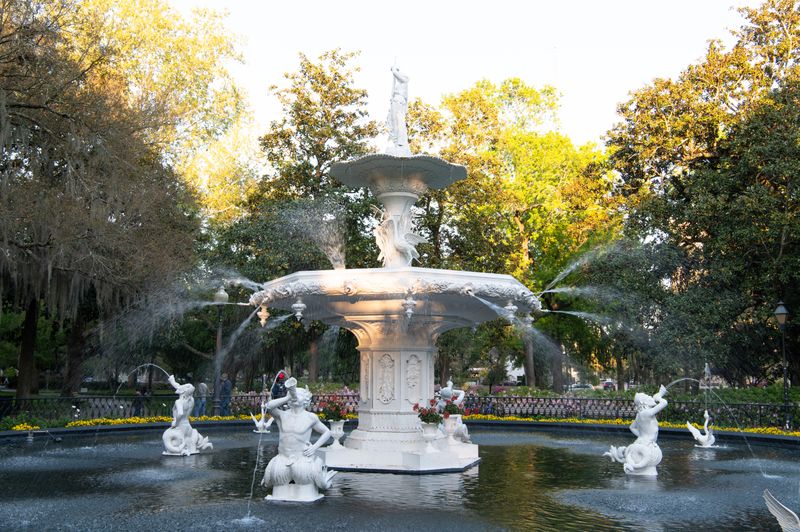
At Forsyth Park the grand fountain anchors holiday photos, and the lawn becomes a blanket of picnic gear hours before any parade reaches nearby streets.
Joggers who rely on that loop find themselves dodging coolers and tent stakes while dogs straddle leashes stretched like trip wires.
The park is large, yet entry points narrow when vendors set up, turning a shady refuge into a funnel where tempers scrape as easily as elbows.
You can hear brass rehearsals from the bandstand and smell roasted nuts that sweeten the air while lines snake toward restrooms.
Locals time their day around that circuit, and schedule slips when a stroller caravan pauses right at the fountain to organize cousins.
It feels festive until someone drifts into bike lanes and the ring of a bell gets mistaken for rudeness instead of caution.
Early mornings usually belong to gardeners and readers, but holiday weeks start loud, with sound checks bleeding into breakfast hour.
Trash bags stack by the paths waiting for pickup, and volunteers hustle to keep the lawns from becoming a patchwork of footprints.
Savannah, Georgia treats Forsyth like a communal porch, and porch rules ask for eye contact, room to pass, and an ear for neighbors.
When crowds surge, those small courtesies vanish first, replaced by urgency to claim views and save spots.
If you want to help, step off the path before stopping, keep pets close, and steer clear of beds and low hedges.
The fountain still dazzles, but respect keeps the sparkle from feeling like a glare.
River Street Gridlock and the Quiet Beyond
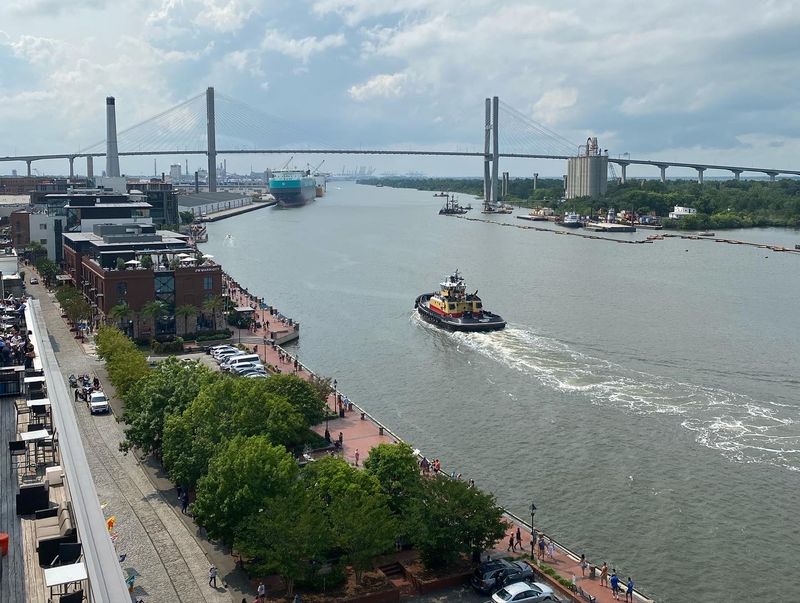
River Street promises scenery that sells postcards, but parade season turns its cobblestones into a stop and start slog that tests ankles and patience.
Locals often avoid the riverfront on big weekends because the narrow walkways stall and the steps to the bluff stack people like a queue inside a bottle.
The city’s working port moves quietly behind it all, and horns from ships mirror the brass echoing between brick warehouses.
In the calm months you feel the river breathe and the breeze carries a mix of shrimp and metal that grounds the scene.
Holiday crowds mute that subtle mood with pop speakers and group chants that bounce off stone as if the street were a stage.
It is not the joy that irritates, but the takeover of every railing and curb as if no one else lives in Georgia.
Residents know alternative overlooks along the bluff where the view widens and conversations soften into the sound of water.
Those places vanish under tripods and light wands once the parade calendar hits, and even quick errands near Bay Street slow to a crawl.
Delivery drivers circle for access and restaurant staff weave through clusters hunting a path to work.
Visitors sometimes forget that people clock in and out here, and a blocked service entry can ripple through dinner for a whole block.
If you want the river’s calm, arrive early or late, avoid the center crush, and leave the rail free for someone who needs a breath.
The city will feel grateful, and you will hear the tide again.
Trolley Bells, Carols, and Constant Noise
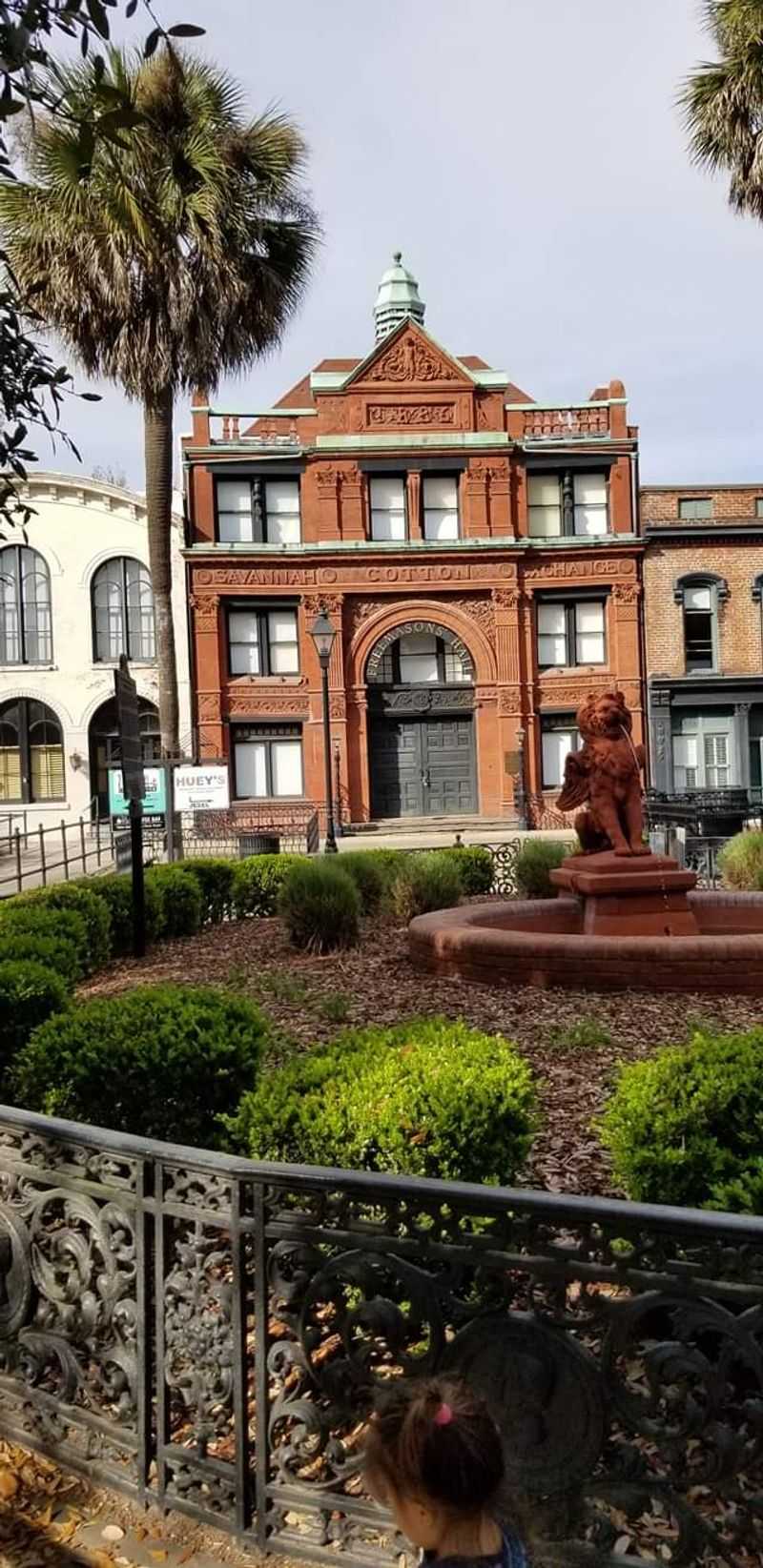
On parade weekends sound layers in Savannah like threads in a thick quilt, and the pattern can smother more than it warms.
Trolley bells ping, carols pour from portable speakers, and cheer squads practice chants that ricochet along brick and glass.
In a city of gentle porches and narrow streets, those echoes multiply until even calm voices feel loud.
Neighbors who usually chat from stoops retreat behind shutters, while night shift workers try to sleep as rehearsals stretch past dusk.
Visitors sometimes forget that residential doors sit just a few steps from the sidewalk where they gather to pregame the parade.
One loud phone call makes a hallway, and ten create a hallway that stretches across a whole square.
Locals who love music still crave pockets of quiet that let the oaks and fountain spray speak for themselves.
In Georgia, hospitality means sharing space without swallowing it, and volume is part of that bargain.
Honor the mood by lowering speakers, singing when the bands pass, and letting silence reset the scene between floats.
Even a small adjustment helps grandparents nap, toddlers settle, and anyone working a double find a little peace.
It is easier to love a parade when home does not feel invaded by a wall of noise that never ends.
Bring cheer, not a personal sound system, and the city will sing with you rather than against you.
Parking, Porch Steps, and Personal Space
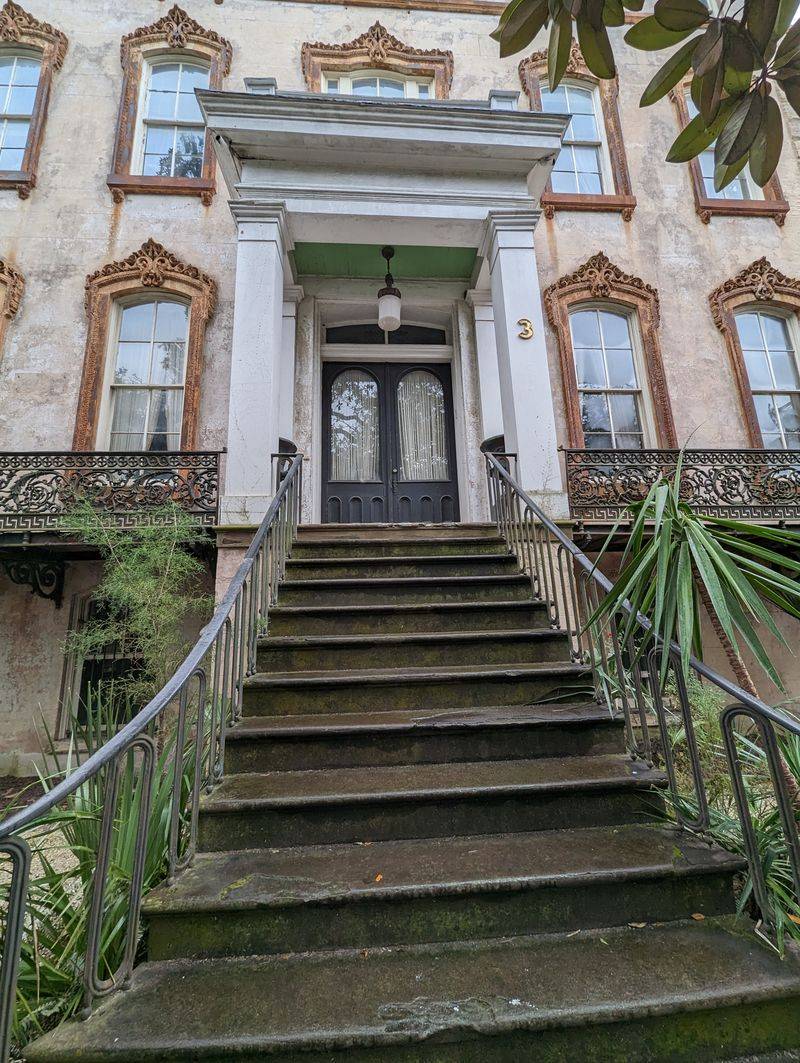
Parking flips from routine to roulette as visitors sweep into residential blocks that were not built for modern car loads.
Driveways appear short and subtle, and a bumper overhang can trap someone who needs to get to a shift or school pickup.
Neighbors who accept foot traffic on the sidewalk get tense when porch steps turn into bleachers without a knock or a hello.
It feels small, yet that small space is where life happens, from package deliveries to quiet breakfast moments.
Parade hours stretch the definition of public right of way and blur lines between welcome and entitlement.
Most locals do not mind sharing, but they do mind blocked ramps, stroller parking across stoops, and scooters abandoned like breadcrumbs.
In Savannah, Georgia, those porches hold history and daily rest, so treating them like seats at a show lands wrong.
Even the best guests forget how long it takes to remove glitter from old brick or how easily paint chips under chair legs.
Use garages when you can, double check signs, and leave more room than you think between your bumper and a curb cut.
If someone asks you to shift, take it as part of the dance rather than a scold.
Kindness flows both ways when space feels scarce, and a quick move can save a long story for everyone.
Respect the porch, and the porch will greet you back.
Trash, Confetti, and the Morning After
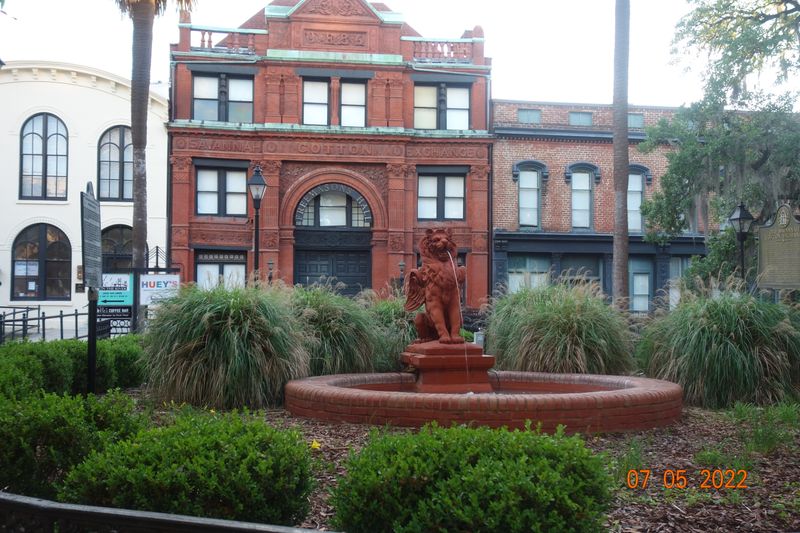
Parade night glitters bright, but morning reveals what sparkles left behind in the grass, gutters, and around bench legs.
Confetti clings to damp soil, and wrappers tuck into the roots where volunteers usually find camellia petals instead.
Sanitation crews work hard, yet even fast hands fall behind when thousands treat squares like confetti bowls that refill themselves.
Locals wake to the rustle of trash bags and the rumble of carts that chase last night’s cheer into corners.
Birds peck at shiny scraps that do not belong, and joggers get a crunch underfoot where soft mulch should be.
A city that prizes tidy edges and careful pruning feels bruised when plastic streamers snag on moss like tangled yarn.
It helps to imagine the cleanup as part of the celebration and leave as little as possible for someone else.
Pack out what you carry in, refuse glitter, and shake costumes at home, not under a live oak that has seen centuries.
In Georgia, stewardship is culture, and it shows in how quickly a square returns to calm.
That return speeds up when visitors join the rhythm and tidy their corner before moving on.
The holiday mood lingers longer when the landscape recovers fast and the next morning looks like Savannah again.
Make your footprint light, and the memory will feel lighter too.
Routes, Barricades, and Getting Around
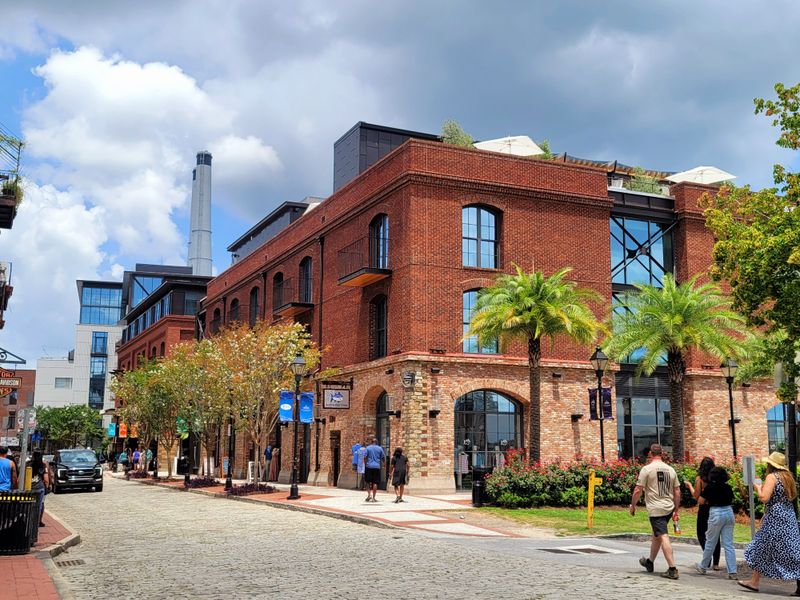
Parade routes reroute life, and in a compact city those lines shape whether errands take minutes or an entire afternoon.
Barricades slip in at dawn, and a favorite cross street suddenly becomes a dead end guarded by friendly but firm directions.
When you live here, the difference between calm and chaos can be one wrong turn onto a block that traps you until the last float passes.
Visitors feel the squeeze too, then step off curbs wherever space opens, which makes officers wave arms in urgent slow motion.
Locals watch for those crossings because experience teaches where gaps open and how bands move like tides.
There is an art to it, and it starts with reading posted maps and leaving five extra breaths for every intersection.
Savannah, Georgia communicates, but the message competes with holiday noise, and many miss the posted boards entirely.
If you are walking, pick a corner early and stay committed so you do not ripple block the crowd behind.
Drivers do best by parking outside the core and walking in, rather than chasing a perfect spot that disappears a block away.
Cyclists should plan detours that avoid rails and slick bricks, especially when the route pivots near the squares.
Once the parade swings wide, relax into the flow and let the city’s grid carry you rather than fighting it.
Your patience will read as local fluency, and the night will feel smoother.
Traditions Locals Protect
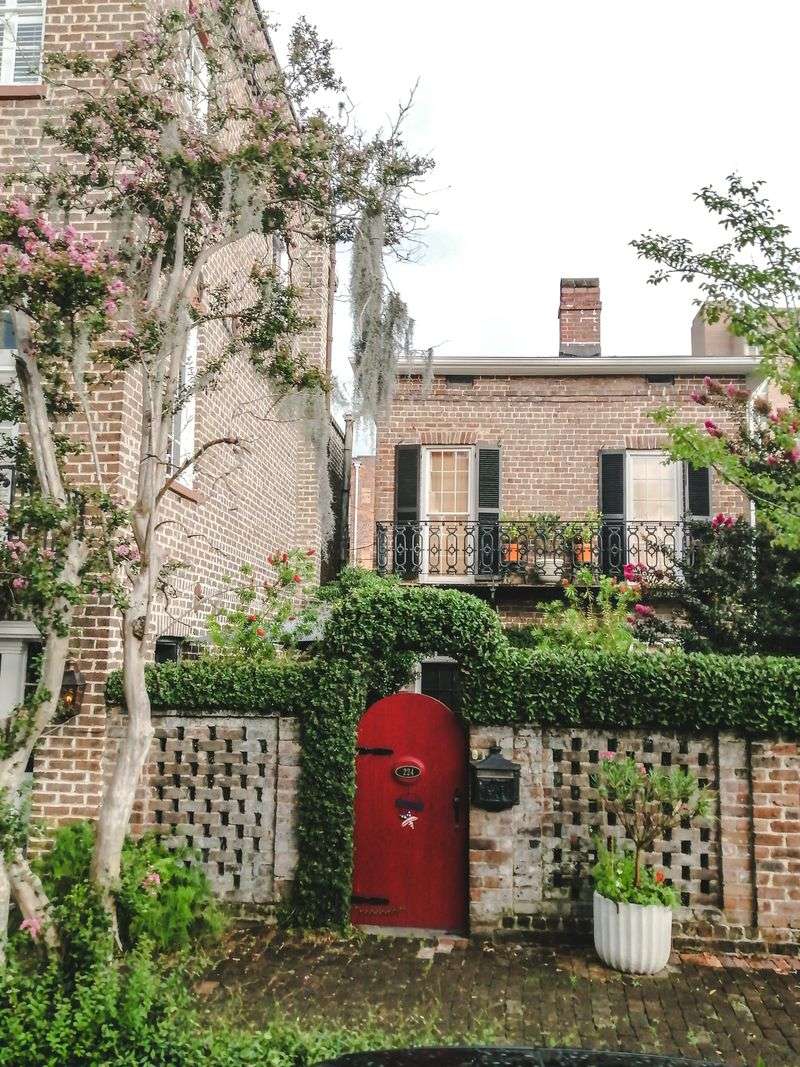
Residents hold onto rituals that might not make brochures, and those quiet habits carry more weight than the loudest float.
Porch lights glow in a muted palette, and homemade wreaths tie with simple ribbon that nods to the city’s understated grace.
Neighbors greet the season in small circles, trading recipes and stories under moss that sways like a kindly curtain.
When the parade swells, those circles feel squeezed, and the gentler pace gets buried under choreography and countdowns.
Locals do not reject visitors, but they defend the right to keep some corners soft and unannounced.
Small courtesies like not peeking into windows or blocking stoops help traditions breathe without turning private life into spectacle.
In Georgia, hospitality lives beside boundaries, and both deserve a place at the table.
Some residents slip away to lesser known squares during the busiest hours and return after the crowds thin.
Others volunteer at cleanup or route support so the event works without erasing the neighborhood’s daily pulse.
You can honor that by noticing when a space feels personal and stepping back to let it remain that way.
Parades pass, but the city stays, and the city remembers how people behaved when the music faded.
Bring warmth, leave room, and you will fit the rhythm that locals protect all season.
How To Be Welcome During Parade Season
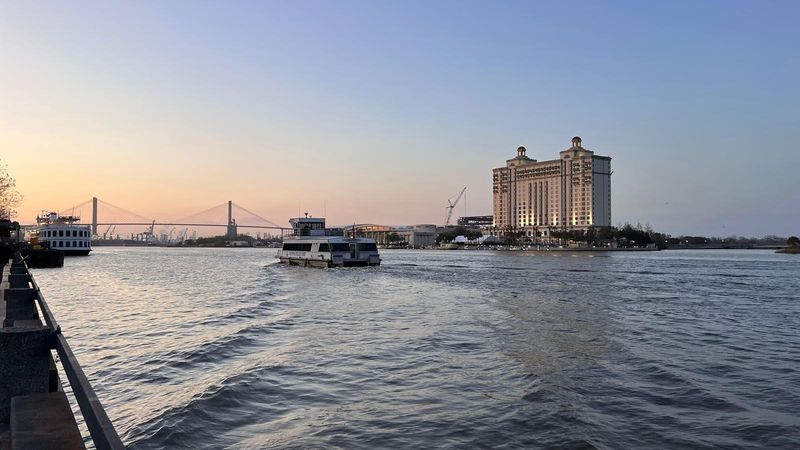
Welcome comes easily when visitors move with awareness, because the city reads small signals the way sailors read wind on the river.
Stand a step off stoops, leave railings for views rather than seats, and offer the sidewalk back to those cutting through to work.
Keep volume low until the floats arrive, then cheer in bursts and let the quiet return between acts.
Carry out what you carry in, because litter moved by a boot still counts as litter, even if it slides out of sight.
Ask a volunteer for directions rather than climbing a barricade that someone placed to protect a fragile root or view.
Give kids room to watch without pushing them into the street, and watch your elbows around cameras and elders.
In Savannah, Georgia, you can feel the difference when a crowd behaves like guests instead of owners.
That feeling opens doors, sparks conversations, and often earns a tip about a quiet square or a perfect cafe line.
Choose side routes to circulate, hold bikes by the hand in dense blocks, and step aside to let locals pass when they look focused.
Thank the crews who clean, police who wave traffic along, and neighbors who lend curb space for a minute.
By the time the last drum fades, you will have shared the city rather than consumed it, and that matters here.
Respect writes the final note, and the memory rings sweet.
Dear Reader: This page may contain affiliate links which may earn a commission if you click through and make a purchase. Our independent journalism is not influenced by any advertiser or commercial initiative unless it is clearly marked as sponsored content. As travel products change, please be sure to reconfirm all details and stay up to date with current events to ensure a safe and successful trip.
