Holidays in Sedona sound dreamy, but the reality can feel different when every cozy restaurant suddenly turns into a crowd magnet.
You want a relaxed red rock getaway, yet the waitlists stretch long and the vibe shifts from local charm to traffic and timelines.
Arizona hospitality still shines, but seasonal demand reshapes routines in ways visitors rarely notice.
If you love Sedona or plan to visit soon, here is what locals wish more travelers understood.
Each point can help you enjoy the city while keeping the peace with the people who call it home.
Endless holiday waitlists that choke small dining rooms
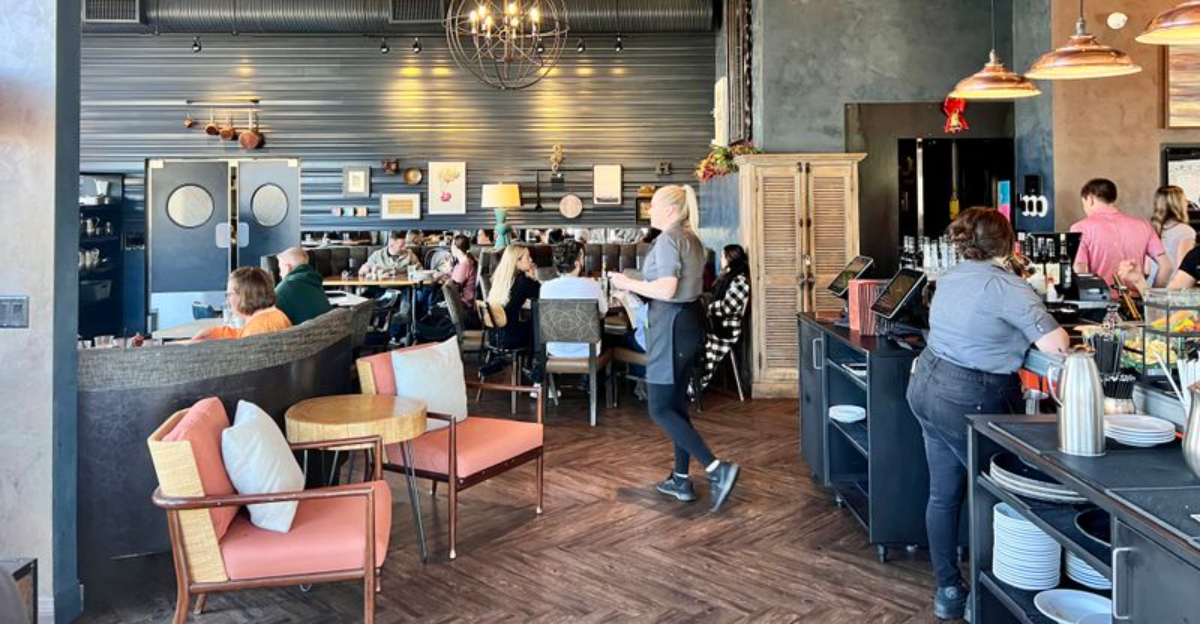
Holiday season in Sedona brings lovely lights and cheerful music, but it also brings lines that stretch around adobe walls.
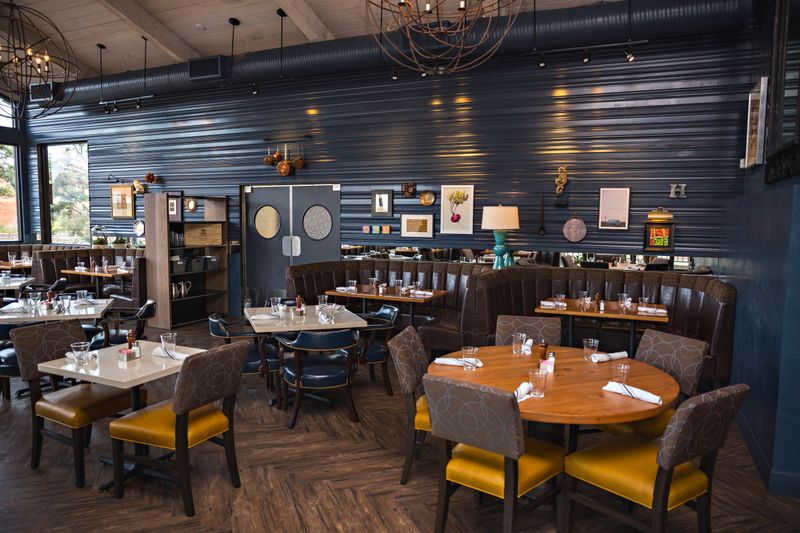
Small dining rooms designed for neighborhood dinners get overwhelmed by tour groups, leaving locals locked out of their usual spots.
The charm of Arizona evenings can feel thin when a table for two takes ninety minutes.
Servers hustle kindly, yet host stands juggle schedules like puzzle masters trying to keep everyone happy.
Visitors often book several reservations and keep only one, which creates gaps and then sudden backups that confuse the flow.
Meanwhile families who live here are told to try again after the rush, even though the rush never stops.
It is not about gatekeeping or snobbery, but about the rhythm of life that breaks when every meal requires planning weeks ahead.
Locals know these dining rooms by name, and they remember birthdays and school concerts that ended with simple comfort plates.
During holidays those memories collide with clipboards, texts, and lines that turn friendly nods into clipped conversations.
The city looks calm under the rocks, but the restaurants run at concert pace behind the host stand.
Some places switch to prix fixe to keep tickets moving, and that helps kitchens pace the night.
Even then, a surge at six can stack the line until nine while the patio fills with bundled up visitors and cold noses.
Locals adapt by eating earlier, ordering takeout, or slipping into counters right when doors open.
None of that fixes the feeling that their hangouts became staging zones for itineraries.
It is a seasonal shift that leaves many wishing for shorter lines and quieter rooms again.
Parking spillovers that blanket quiet streets near eateries
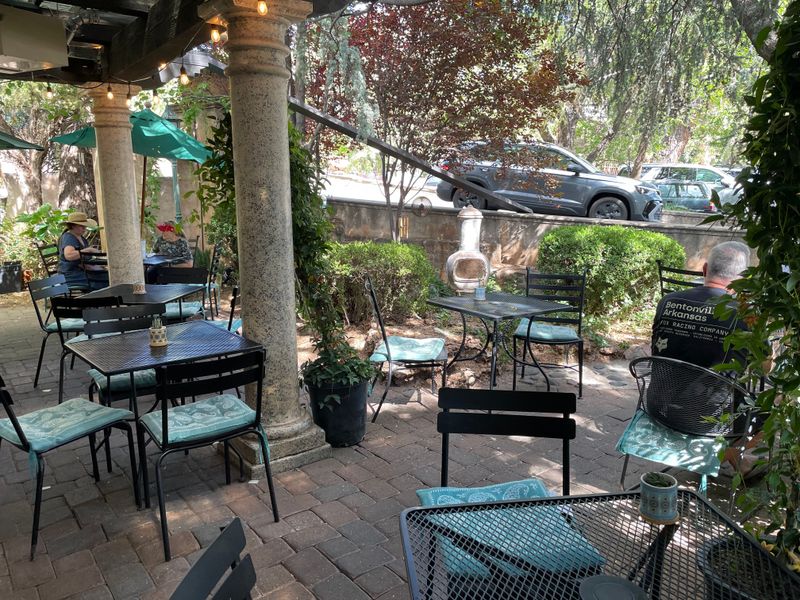
Popular restaurants sit near trailheads and small neighborhoods, which sounds convenient until lots overflow during peak weeks.
Drivers circle like patient hawks and then settle on curb edges where residents usually park.
A quick dinner becomes a rolling search that nudges cars into places not meant for crowds.
Locals wake to blocked driveways and tight corners that delivery trucks struggle to squeeze through.
Holiday lights amplify the pull, and photo stops outside entrances slow traffic to a crawl.
The scene looks festive from the sidewalk, but it feels complicated from a porch on a narrow lane.
Some restaurants hire attendants who direct guests toward legal spots and shared overflow areas.
That helps, yet a sudden storm sends everyone back to cars at once, and the knot tightens.
Arizona sunsets add urgency because diners rush to beat darkness on unfamiliar roads.
Visitor maps often highlight the main lots but miss the tiny signs that warn against residential parking.
When tickets appear on windshields, frustration lands on hosts who never wanted conflict either.
Locals wish for clearer wayfinding, better shuttle links, and more patient driving on winter nights.
Some businesses coordinate with hotels to steer guests to pick up zones and rideshare loops.
A few even discount for walkers and cyclists, which quietly reduces the gridlock.
It is a small change that keeps evenings pleasant for people living just beyond the patio lights.
Seasonal menus that sideline beloved local staples
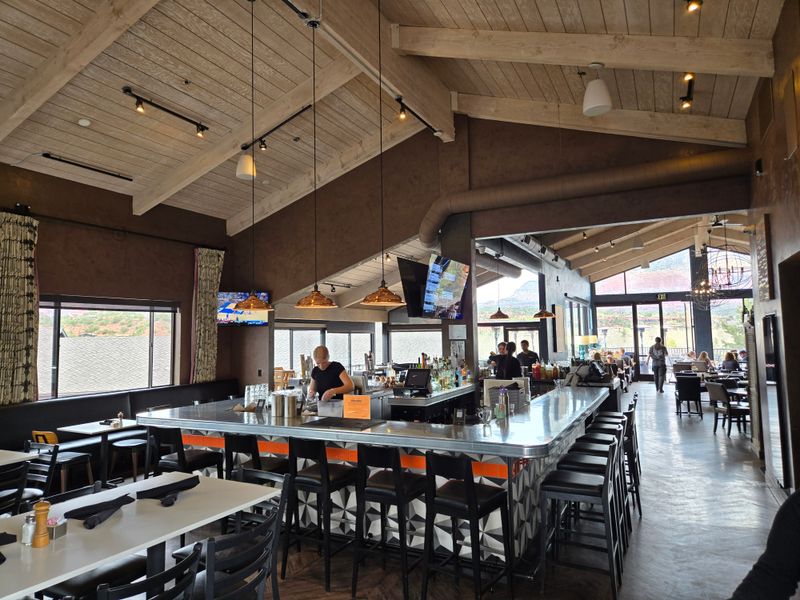
Holiday traffic pushes kitchens to simplify, and that can mean cutting the quirky dishes regulars adore.
Visitors expect festive flavors and faster pacing, so menus shrink into greatest hits plus a few seasonal specials.
Locals arrive expecting their usual green chile stew or house baked breads and find them gone until January.
Streamlined prep reduces waste and protects line cooks from burnout, but it trims part of the personality.
Arizona restaurant margins depend on volume during December, and reliable items keep tickets consistent.
That is logical for owners who must survive slow shoulder weeks on either side of the holidays.
Still, when the pot pies and off menu favorites vanish, hometown diners feel like guests in their own city.
Servers often deliver the news with sincere apologies, offering substitutes that cover most cravings.
Some kitchens keep a small stash for those who ask nicely early in the evening.
But once the rush hits, the plan locks in and creativity waits for calmer nights.
Locals learn to scan online menus for updates and call ahead to confirm returning items.
Chefs appreciate those calls because it helps forecast demand without wasting ingredients.
A few restaurants publish calendar notes showing when beloved dishes will reappear.
That transparency earns patience and keeps the mood friendly across busy evenings.
People want celebrations, but they also want the flavors that made them fall in love with Sedona.
Noise levels that erase the desert quiet
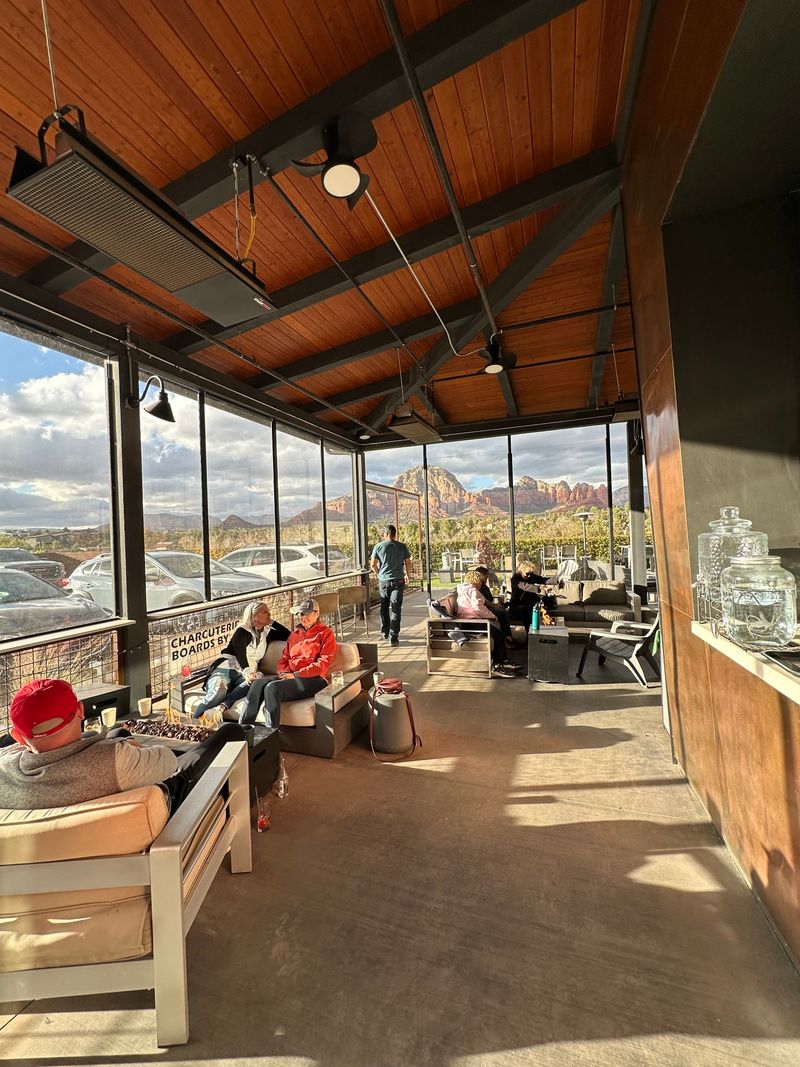
Desert evenings usually carry a hush, but tightly packed dining rooms flip that mood in seconds.
Holiday reservations stack tables close, and the buzz rises until words bounce off wood beams.
Servers lean in to hear orders while laughter and chair legs create a steady drum.
Acoustic panels help a bit, yet seasonal decorations sometimes replace them and increase the echo.
Arizona nights stay crisp outside, so patios fill and then funnel sound back toward the street.
Locals who favor mellow conversations find themselves reading lips over candlelight.
Restaurants adjust playlists and lower volumes, though the crowd itself acts like an instrument.
Hosts try to seat quiet parties along walls or near plants that soften the room.
Visitors often apologize when they realize how loud the space feels once the room is full.
No one is misbehaving, but the sum of small sounds becomes a storm by dessert.
Some places now accept text requests for low noise seating and early slots with looser spacing.
That small tool offers a path back to calm for people who live nearby.
It also helps staff avoid strained voices and end of shift headaches.
Not every dining room can change its bones, yet small adjustments show respect for the neighborhood.
Quiet meals matter in a town famous for stillness and red rock horizons.
Holiday hour changes that confuse routines
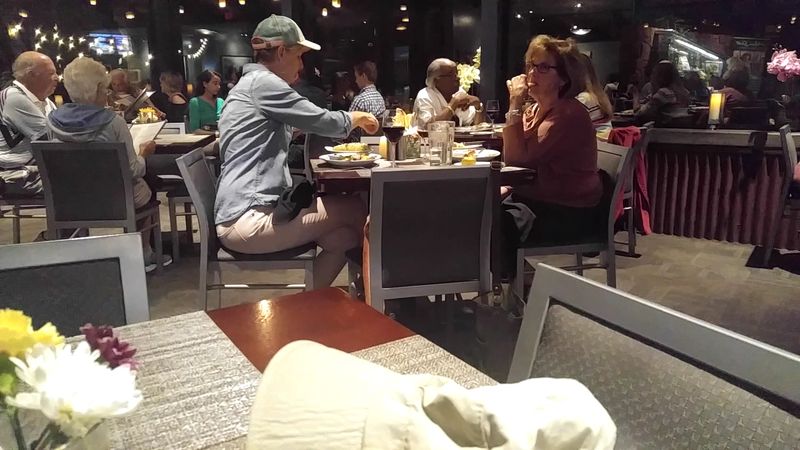
Regular schedules go out the window when holiday bookings surge and staff availability shifts.
Locals who drop by after work meet locked doors or special event signs that were posted that morning.
Web listings sometimes lag behind reality because updates move faster on social feeds.
Tourists with printed plans arrive to discover private parties covering the dining room.
Arizona visitors try to pivot, but options thin quickly once prime times disappear.
Residents lose the ability to pop in for quick salads or soups on chilly nights.
Managers juggle call outs, road closures, and weather that can snap from sun to slush.
They keep things running, yet the shifting hours chip away at the hometown rhythm.
Better signage helps, and so do voicemail updates that actually match the day.
Some spots post a weekly grid that shows openings by meal period and patio status.
That transparency reduces friction and saves everyone a drive across town.
It also builds goodwill that lasts long after decorations come down.
Locals appreciate text lists that alert them to same day changes without scrolling.
Simple tools lower stress during a season already stacked with events.
Consistency may be impossible, but clarity makes the chaos feel manageable.
Tour van drops that crowd entryways at peak times
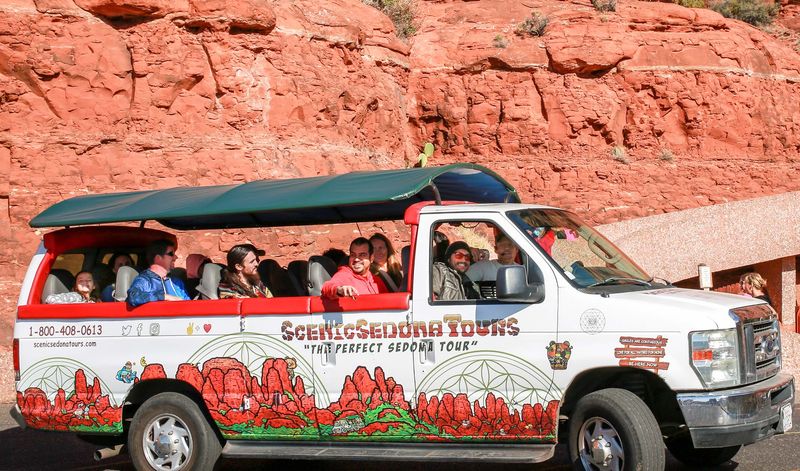
Tour vans deliver hungry groups right before sunset, and that precise timing swamps host stands instantly.
Entryways turn into staging lanes while guides confirm headcounts against reservations.
Walk ins watch seats vanish as one clipboard triggers a dozen place settings at once.
Staff stay professional and swift, though the lobby space was never built for bus size waves.
Arizona tour schedules prioritize views, which means dining blocks often overlap at the same hour.
Locals step back to let travelers pass, yet the crush can feel like a hallway commute.
Some restaurants now stagger arrivals by coordinating with operators throughout the week.
That helps keep hallways safe and reduces the sense of a constant onramp.
Clear curb markings and cones protect wheelchair access and keep strollers from getting boxed in.
Drivers appreciate defined timing so they can avoid idling along tight curbs.
Guests gain calmer first impressions, and regulars regain space to enter without weaving.
Small changes compound into smoother nights for everyone involved.
When the flow improves, the dining room keeps its warmth instead of turning frantic.
Community partners share feedback that shapes better windows for drop offs.
A little planning restores balance to busy corners of town.
Price creep that arrives with holiday prix fixe
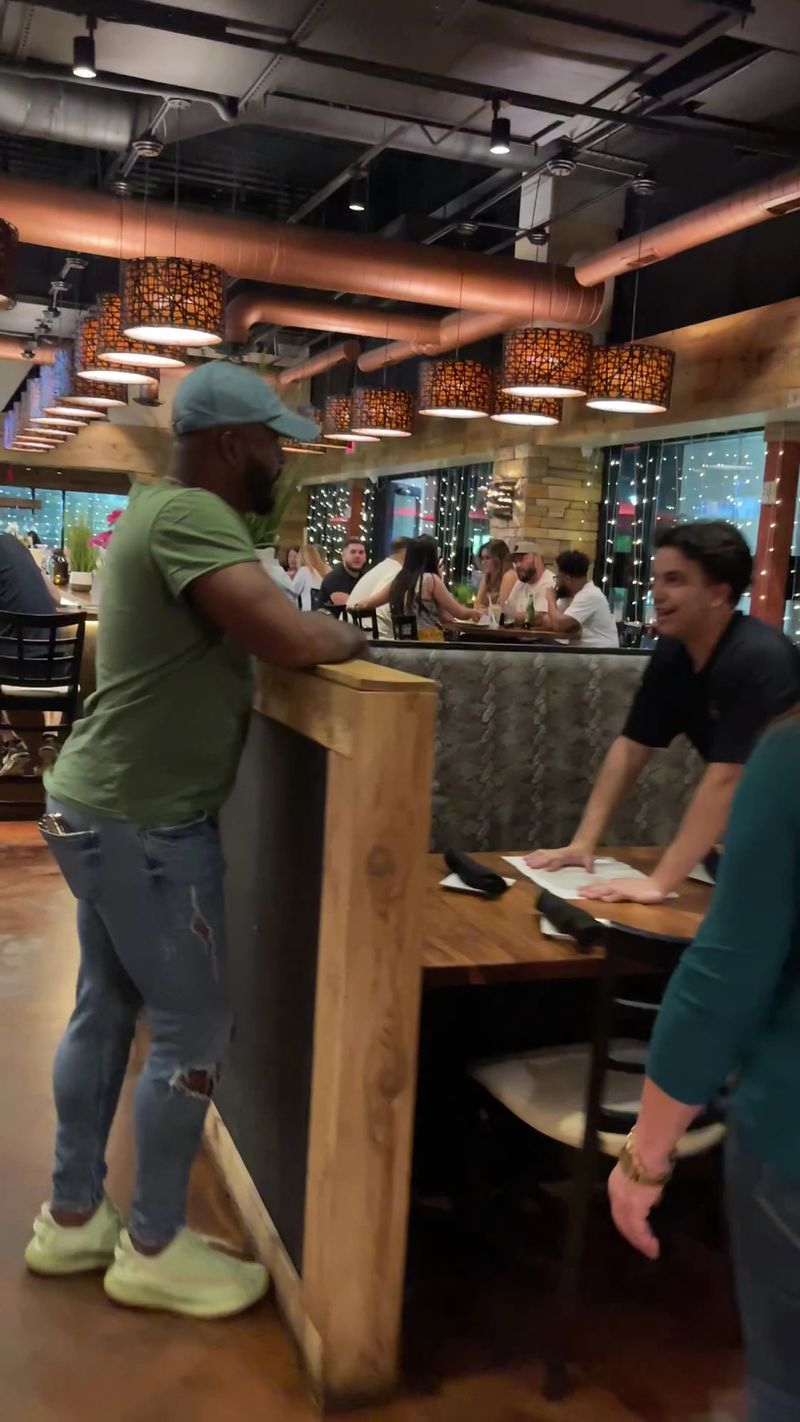
When demand spikes, set menus become the simplest path to stable pacing and margin control.
Those prix fixe prices can feel steep to locals who track costs across the year.
The food may be lovely, but not every resident wants a three course celebration on a Tuesday.
Arizona tourism helps the economy, yet it also nudges baseline prices higher each winter.
Visitors accept the splurge as part of a bucket list trip and rarely see the monthly impact.
Regulars watch small charges add up and change how often they eat out.
Some restaurants create local nights with trimmed pricing to keep neighbors at the table.
Others offer counter seats with a smaller set and a friendlier bill.
That balance preserves community while still meeting seasonal demand.
Transparent fees and clear portions reduce sticker shock before the order lands.
Servers appreciate honest signage because it keeps conversations easy and respectful.
Owners benefit from guests who feel informed rather than ambushed by numbers.
Locals understand the math, they just want options that match everyday budgets.
Small concessions make it easier to cheer for busy nights instead of dreading them.
A fair mix keeps the room lively without pushing neighbors away.
Influencer photo ops that stall seating flow
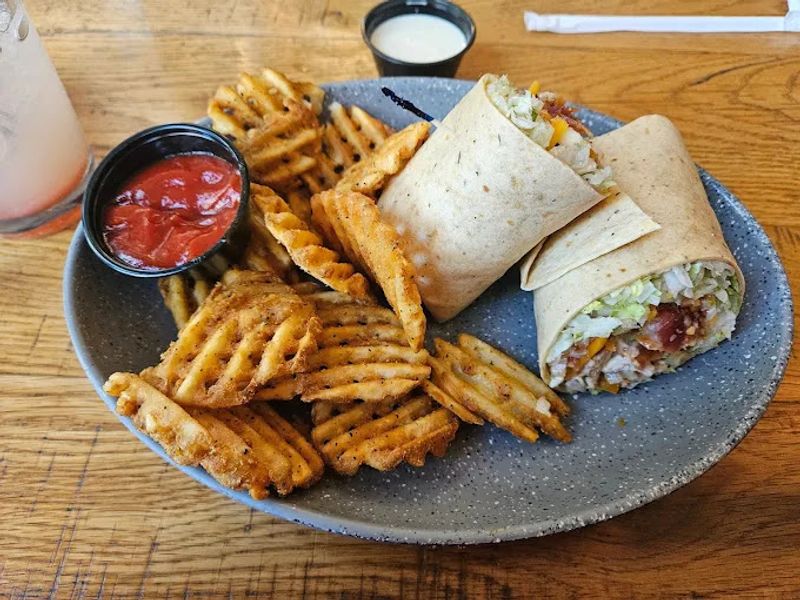
Festive backdrops and sparkling trees invite photos, and lines for selfies can block the path to seats.
Hosts juggle table readiness while guests reframe shots and step in and out of doorways.
The energy feels joyful but the hallway turns tight when tripods appear.
Staff do their best to guide people toward open space and keep the line moving.
Arizona travelers want those memories, yet the posts cost minutes when the room is slammed.
Meanwhile locals stand behind a camera queue even though their table is ready.
Restaurants respond by carving a clear corner for photos away from the host stand.
Simple floor stickers also help define the flow from door to dining room.
Some places share a polite sign that invites quick shots and asks for courtesy.
That nudge protects service speed without killing the festive mood.
Lighting adjustments reduce glare and shorten retakes, which frees space faster.
Guests usually appreciate structure when staff communicate with a smile.
The goal stays the same, get everyone seated smoothly and keep the vibe friendly.
Thoughtful layout turns a bottleneck into a cheerful side stop.
Little details keep holiday nights pleasant for people on both sides of the lens.
Staffing strain that stretches service thin
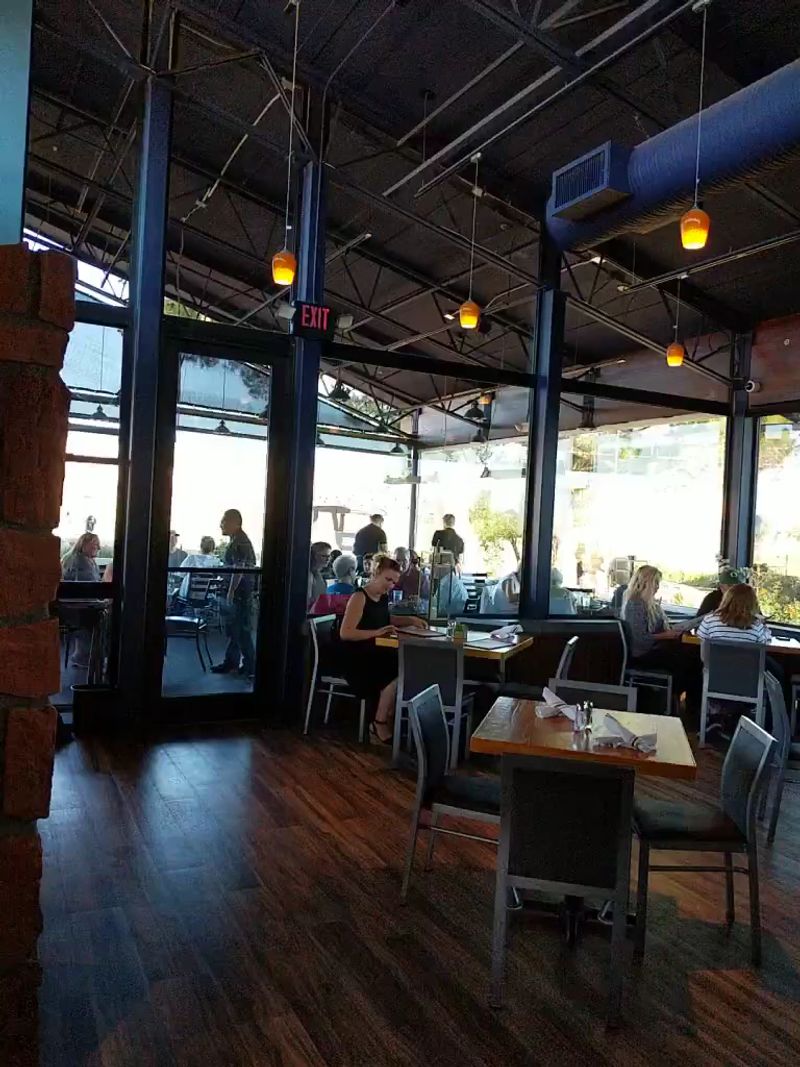
Hiring in small markets gets tough when visitors surge and schedules expand late into the night.
Managers call in seasonal help, but training windows are short and the learning curve is steep.
Guests feel the lag as ticket times creep up during peak minutes.
Regulars know the usual pace and spot the difference right away.
Arizona service workers put in long shifts while sneaking breaks between seatings.
That stamina deserves patience from everyone who loves a warm welcome with dinner.
Clear sections and streamlined menus reduce bottlenecks when a wave hits.
Cross trained staff cover hosts, bussers, and runners to keep the floor balanced.
Owners who build housing partnerships retain people through the season more reliably.
Kindness from guests also goes a long way when a team fights the clock.
Locals often tip extra time by arriving early and ordering with intent.
They know the dance and help it stay graceful even when the room swells.
Training investments pay off by spring when new staff become anchors.
Consistent faces rebuild the neighborhood feel after the last ornament drops.
Strong teams make holiday nights sparkle without fraying the edges.
Reservation systems that ignore walkable locals
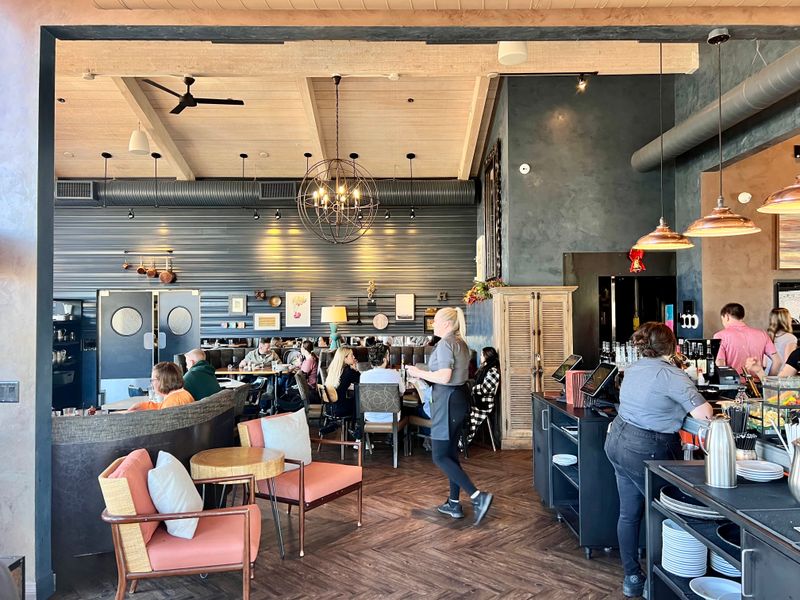
Apps prioritize bookings made weeks ahead, and that favors travelers building detailed itineraries.
Locals who walk over from nearby streets often find the entire night locked by software.
A few seats open, yet the system guards them for late arrivals that may never show.
Hosts understand the frustration but must follow rules that protect revenue.
Arizona restaurants depend on predictable tables during the highest stakes weeks.
Walk ins feel forgotten even though they support the dining room all year.
Some places now release a chunk of seats each hour for people standing at the door.
That hybrid approach softens the dynamic and keeps energy lively.
Text waits with accurate estimates also cut the stress of hovering in the lobby.
Folks can stroll a block and return when their ping arrives.
Clear communication turns what felt like a wall into a fair system.
It reminds everyone that hospitality is about human choices inside the numbers.
When locals know they have a shot, patience rises and conversations stay kind.
Visitors benefit too because the room feels neighborly instead of transactional.
Balance is the secret to happy holidays in a small desert city.
Dear Reader: This page may contain affiliate links which may earn a commission if you click through and make a purchase. Our independent journalism is not influenced by any advertiser or commercial initiative unless it is clearly marked as sponsored content. As travel products change, please be sure to reconfirm all details and stay up to date with current events to ensure a safe and successful trip.
