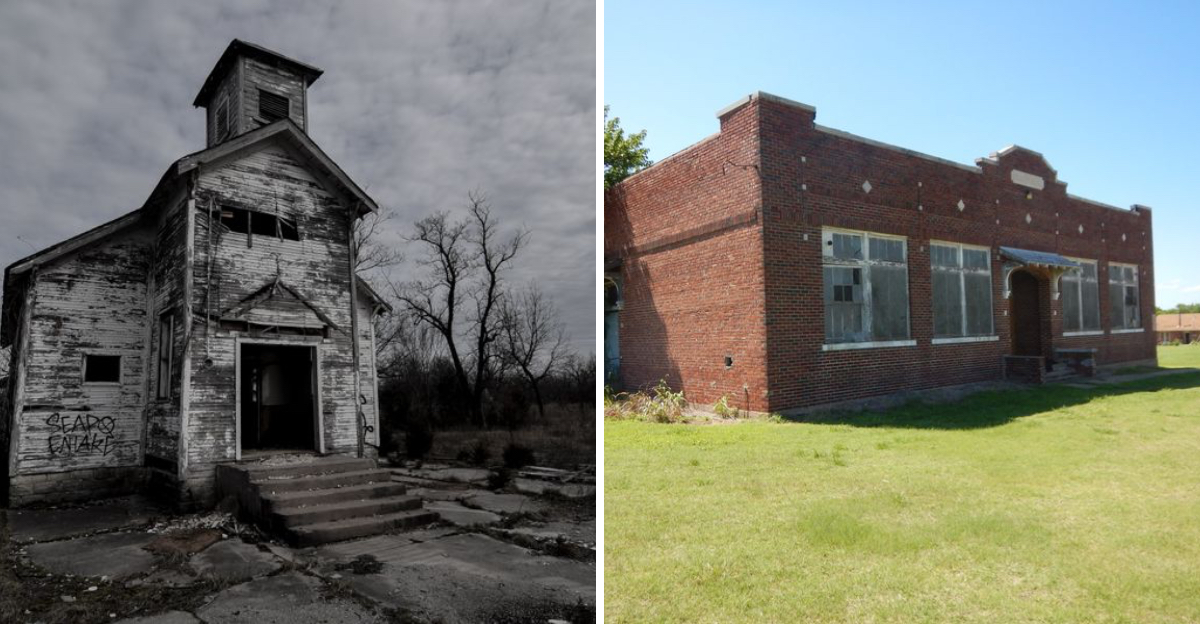
Oklahoma’s forgotten towns hold a quiet charm that comes alive during January’s crisp, clear days.
While summer brings heat and crowds, winter transforms these overlooked communities into peaceful retreats where locals can enjoy uncrowded streets and genuine small-town hospitality.
The open roads connecting these places offer stunning views of rolling plains and historic architecture that tell stories of Oklahoma’s pioneering past.
1. Picher’s Haunting History Draws Curious Explorers
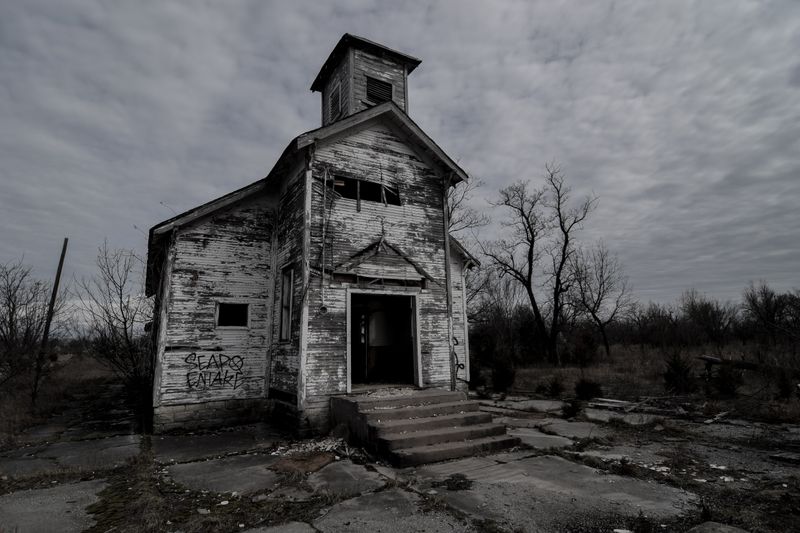
Once a booming mining town in northeastern Oklahoma, Picher now stands as a ghostly reminder of industrial ambition gone awry.
Lead and zinc mining brought prosperity here for decades, but environmental contamination eventually forced the entire population to relocate.
January’s cold air makes exploring the abandoned buildings and chat piles safer than summer’s oppressive heat.
Photographers love capturing the eerie beauty of empty storefronts and crumbling structures against winter skies.
The town’s story serves as a powerful lesson about environmental responsibility and the impermanence of boom economies.
Locals from nearby communities often bring visitors here to share tales of what Picher once was.
You’ll find rusted mining equipment scattered throughout the area, creating haunting visual contrasts with nature slowly reclaiming the land.
The chat piles, massive mountains of mining waste, create an otherworldly landscape unique to this corner of Oklahoma.
Winter months mean fewer people wandering the site, allowing for quiet reflection on the town’s rise and fall.
Many who visit feel a strange connection to the resilience of communities that built lives here despite harsh conditions.
The experience reminds travelers that progress always comes with consequences worth remembering.
Bring sturdy shoes and a camera, because the textures and colors of decay create surprisingly beautiful compositions.
This isn’t a typical tourist stop, but it offers something far more valuable than entertainment.
Understanding Picher’s history helps appreciate the delicate balance between economic development and environmental stewardship.
2. Ingalls Celebrates Its Laura Ingalls Wilder Connection
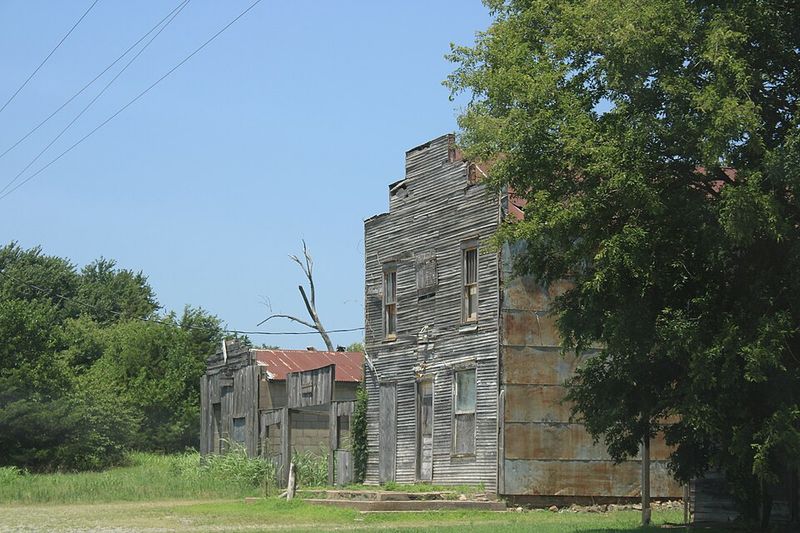
Literary history comes alive in Ingalls, where Laura Ingalls Wilder spent part of her childhood.
The town proudly maintains a museum dedicated to the famous author, offering visitors a glimpse into frontier life.
January visits mean you’ll likely have the museum nearly to yourself, allowing time to absorb every detail.
The simple cabin replica and period artifacts transport you back to the 1870s when the Ingalls family homesteaded here.
Local volunteers who staff the museum share stories passed down through generations about the real people behind the beloved books.
Walking the quiet streets, you can almost imagine young Laura playing in these same spaces over a century ago.
The town itself remains small and unpretentious, with friendly residents who appreciate visitors interested in their heritage.
A stone marker indicates where the original Ingalls homestead stood, now on private property but visible from the road.
Winter’s bare trees and muted colors somehow make the historical connection feel more authentic and immediate.
Families driving through Oklahoma often stop here to give children a tangible connection to the Little House books.
The experience offers more than nostalgia; it provides perspective on how dramatically American life has changed.
You’ll find no commercialization or theme park atmosphere, just genuine appreciation for literary and pioneer history.
Bring your well-worn copies of the books and compare descriptions to the actual landscape.
The museum gift shop carries local crafts and books that make meaningful souvenirs.
Address: 108 W 7th St, Ingalls, Oklahoma
3. Skedee Offers Authentic Ranch Country Atmosphere
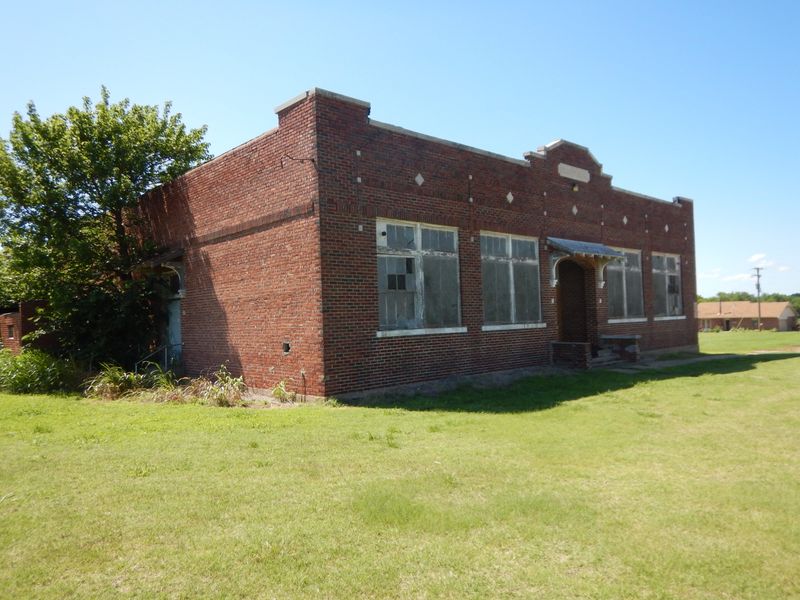
Tucked away in Pawnee County, Skedee represents ranch life at its most genuine.
With a population barely reaching double digits, this tiny community exists mainly as a crossroads for surrounding cattle operations.
January brings a special kind of quiet here, with ranchers focused on winter feeding routines and maintenance work.
The landscape stretches endlessly in every direction, offering views that city dwellers rarely experience.
Driving through, you’ll notice working corrals, weathered barns, and equipment that speaks to generations of agricultural tradition.
There’s no downtown district or commercial center, just a few buildings that serve the immediate ranching community.
What makes Skedee special is its absolute authenticity; nothing here exists for tourists or outside observers.
Local ranchers occasionally gather at the community building for meetings or social events that reinforce rural bonds.
Winter roads around Skedee provide excellent opportunities for scenic drives through Oklahoma’s ranch country.
You might spot cattle grazing on winter wheat or horses standing stoically against cold winds.
The sky seems bigger here, unobstructed by trees or buildings, displaying dramatic cloud formations.
Photographers seeking genuine Western imagery find endless subjects in the working landscapes surrounding this hamlet.
There’s something deeply peaceful about places where human activity blends seamlessly with natural rhythms.
Skedee won’t offer restaurants or shops, but it provides something increasingly rare: unfiltered rural reality.
Respect private property boundaries while enjoying the visual beauty of this working landscape.
4. Texola Straddles the Oklahoma-Texas Border
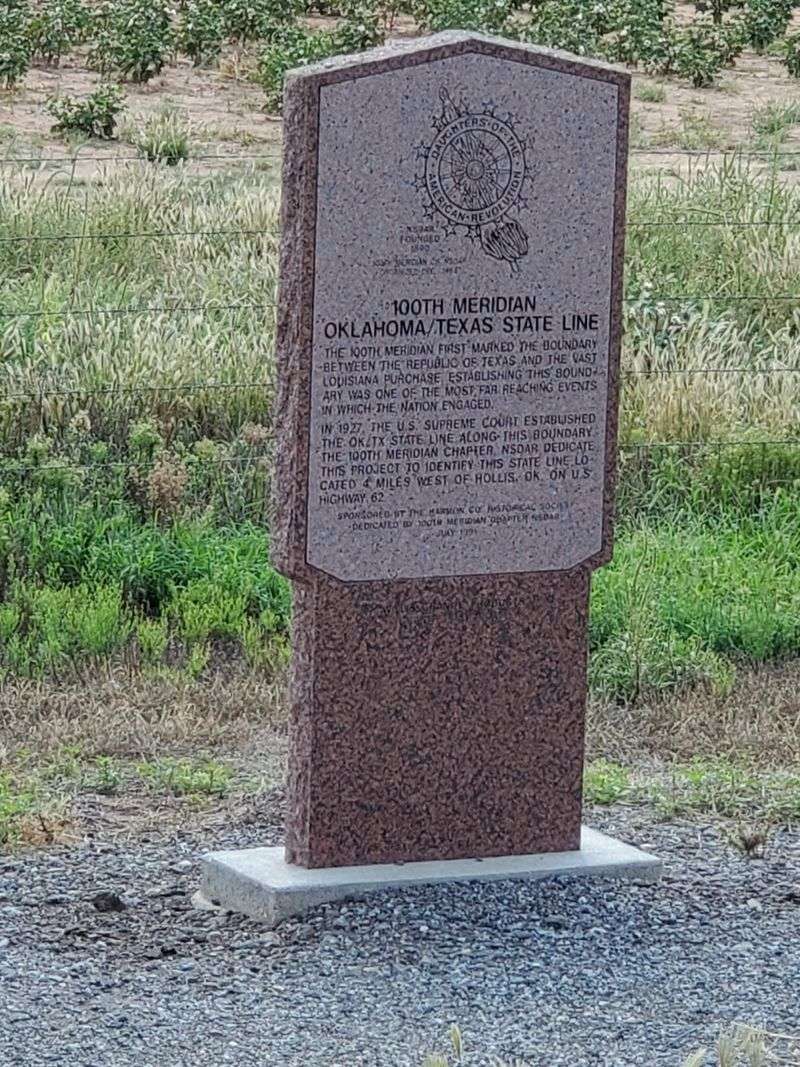
Route 66 history permeates every corner of Texola, positioned right on the state line.
This border town once thrived as travelers passed through on the Mother Road, but interstate highways redirected traffic elsewhere.
January visitors find a peaceful ghost town atmosphere with buildings that whisper stories of busier times.
The old structures along the main street display classic mid-century architecture slowly surrendering to weather and time.
Antique signs and vintage gas station remains create perfect subjects for anyone interested in Americana photography.
You can literally stand with one foot in Oklahoma and the other in Texas at the marked border.
The town’s decline mirrors the fate of countless Route 66 communities bypassed by modern highways.
Yet Texola maintains a certain dignity, with some residents still calling it home despite the economic challenges.
Winter light hits the weathered wood and faded paint in ways that summer’s harsh sun cannot match.
Collectors and history enthusiasts sometimes stop searching for vintage items among the abandoned properties.
The experience of walking these empty streets provides sobering reflection on how transportation patterns shape community survival.
You’ll notice details like old tile work, vintage signage, and architectural elements that modern construction has abandoned.
Locals who remain are typically welcoming to respectful visitors curious about the town’s history.
Bring water and snacks, as services here are essentially nonexistent.
The journey to Texola matters as much as the destination, with Route 66 stretches offering their own nostalgic appeal.
5. Kenton Showcases Oklahoma’s Panhandle Beauty
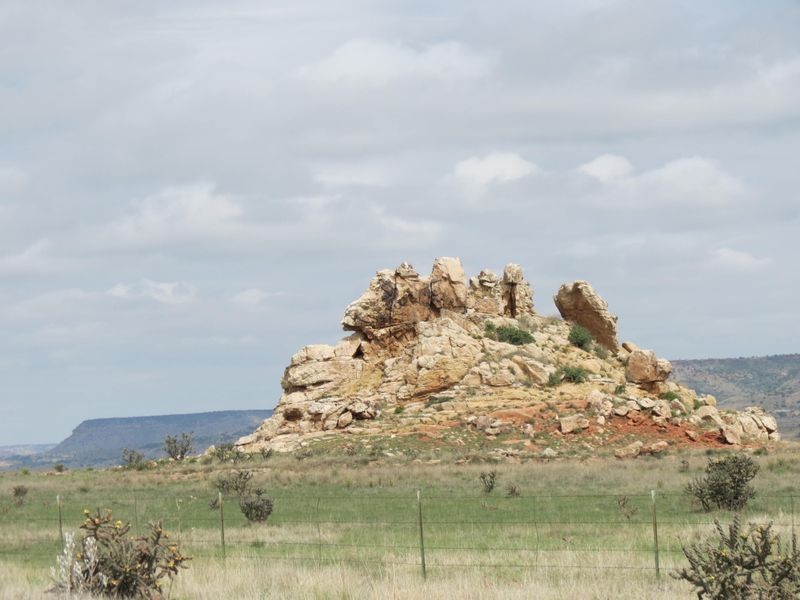
Far removed from the state’s population centers, Kenton sits in the narrow Oklahoma Panhandle near three states.
Black Mesa, Oklahoma’s highest point, rises just outside town, creating dramatic landscapes unlike anywhere else in the state.
January transforms the area into a winter wonderland when snow dusts the mesas and canyons.
The town itself remains tiny, serving mainly as a base for exploring the surrounding natural wonders.
Ranch culture dominates here, with vast cattle operations stretching across the high plains.
Clear winter air provides exceptional visibility for viewing the unique geological formations that define this region.
The Cimarron River cuts through nearby canyons, creating habitats for diverse wildlife including golden eagles.
Locals know the best spots for watching these magnificent birds soar against brilliant blue skies.
Kenton’s isolation means true dark skies at night, perfect for stargazing when temperatures drop.
The town maintains a small mercantile that serves both residents and the occasional adventurous traveler.
Conversations with locals reveal stories of harsh winters, summer droughts, and the determination required for panhandle living.
Dinosaur tracks preserved in nearby rock formations add prehistoric wonder to the area’s attractions.
January visits require preparation for potentially severe weather, but rewards include solitude and stunning scenery.
The drive to Kenton itself becomes an adventure, passing through some of Oklahoma’s most remote territory.
You’ll understand why people who love this place describe it as the state’s best-kept secret.
6. Waynoka’s Historic Harvey House Stands Proud
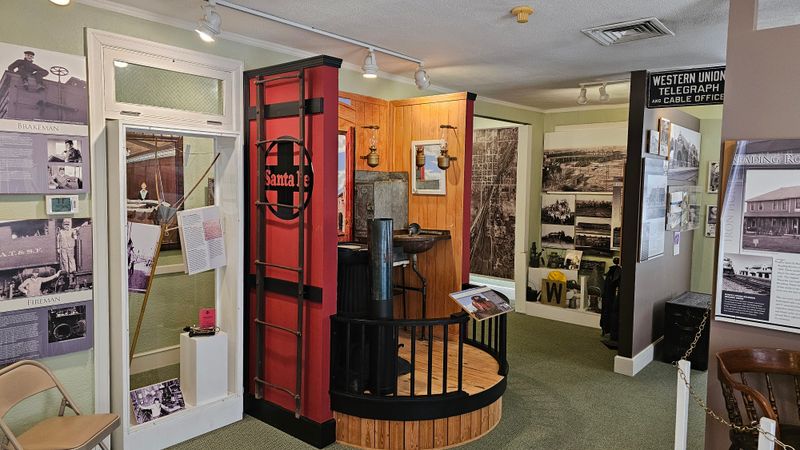
Railroad heritage defines Waynoka’s identity, particularly its beautifully restored Harvey House hotel.
Built during the golden age of rail travel, this landmark once provided elegant dining and lodging for passengers.
January allows unhurried exploration of the building’s architecture and the museum housed inside.
The Fred Harvey company established restaurants and hotels along railroad routes, bringing civilization to frontier towns.
Waynoka’s Harvey House represents one of the finest remaining examples of this important chapter in Western development.
Original fixtures, period furnishings, and historical photographs fill the interior spaces with authentic charm.
Local historical society members often give tours, sharing fascinating details about the building’s construction and heyday.
The town’s railroad connections also link it to early aviation history, as it served as an important stop for transcontinental flights.
Pilots would land here while passengers transferred to trains for overnight segments of their journeys.
This unique combination of rail and air transportation history makes Waynoka particularly interesting for travel enthusiasts.
The downtown area retains several other historic buildings worth photographing and exploring.
Winter months mean you can take your time appreciating architectural details without summer heat exhaustion.
Friendly locals appreciate visitors who show genuine interest in their town’s remarkable past.
The Harvey House stands as a testament to the elegance and ambition of early twentieth-century transportation infrastructure.
Address: 109 S Cecil St, Waynoka, Oklahoma
7. Foss Reservoir Area Provides Winter Recreation
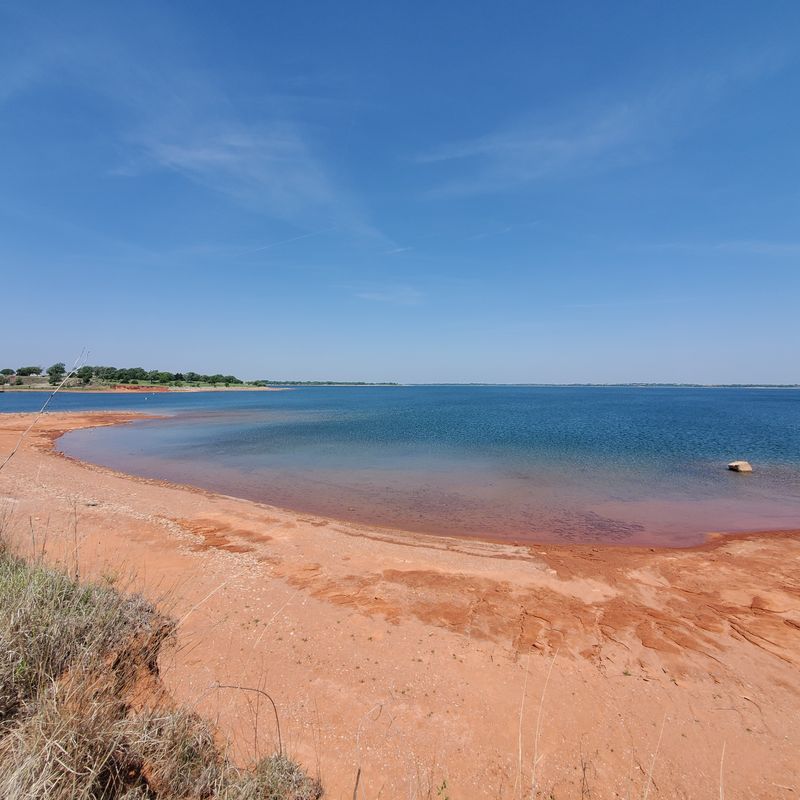
While not a traditional town, the Foss area offers locals a favorite winter escape near the reservoir.
The small community surrounding Foss Lake serves primarily as a recreation hub for western Oklahoma residents.
January fishing on the reservoir can be surprisingly productive, with cooler temperatures concentrating fish in predictable locations.
The landscape around the lake features red rock formations and rolling hills that look spectacular under winter skies.
Bald eagles migrate to this area during winter months, creating opportunities for wildlife viewing rarely available elsewhere in Oklahoma.
Local anglers guard their favorite spots jealously but generally welcome respectful visitors to the area.
The state park facilities remain open year-round, though visitation drops dramatically after summer crowds depart.
This means you can enjoy the scenic beauty and recreational opportunities without competing for space.
Hiking trails around the reservoir offer moderate exercise with rewarding views of the water and surrounding terrain.
The red earth and rock formations create striking color contrasts with the blue water and winter vegetation.
Small communities nearby provide basic services and friendly conversation with people who know the area intimately.
Many Oklahoma families consider Foss their go-to destination for quick getaways throughout the year.
Winter camping appeals to hardy souls who appreciate solitude and don’t mind cold nights under star-filled skies.
The area represents Oklahoma’s often-overlooked western regions where wide-open spaces still dominate.
Bring binoculars for eagle watching and layers for changeable weather conditions.
8. Gene Autry Honors Its Famous Native Son
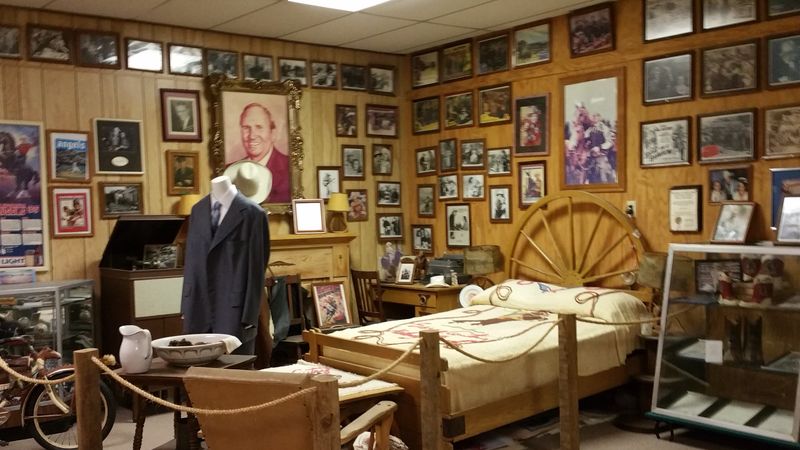
Named after the singing cowboy himself, this tiny town celebrates its connection to entertainment history.
Gene Autry grew up in this area before becoming one of Hollywood’s most famous Western stars.
The town museum displays memorabilia and photographs documenting his rise from Oklahoma ranch kid to national celebrity.
January visits offer quiet time to absorb the exhibits without summer tourist congestion.
Local residents take pride in their famous former neighbor, keeping his memory alive through careful preservation efforts.
The museum building itself reflects small-town Oklahoma architecture from the early twentieth century.
You’ll find movie posters, personal items, and artifacts that connect this rural community to the golden age of Hollywood.
Gene Autry’s story represents a classic American dream narrative: talent and determination overcoming humble origins.
The surrounding countryside looks much as it did during his youth, with ranches and open spaces defining the landscape.
Visitors often comment on how such a small, remote place could produce someone who achieved such widespread fame.
Yet that’s precisely what makes the story compelling and the town worth visiting.
The museum staff shares anecdotes and historical context that bring the exhibits to life.
Winter’s slower pace allows for extended conversations and deeper understanding of the area’s cultural contributions.
You’ll leave with appreciation for how rural Oklahoma shaped one of America’s most beloved entertainers.
Address: 47 Prairie St, Gene Autry, Oklahoma
Dear Reader: This page may contain affiliate links which may earn a commission if you click through and make a purchase. Our independent journalism is not influenced by any advertiser or commercial initiative unless it is clearly marked as sponsored content. As travel products change, please be sure to reconfirm all details and stay up to date with current events to ensure a safe and successful trip.
