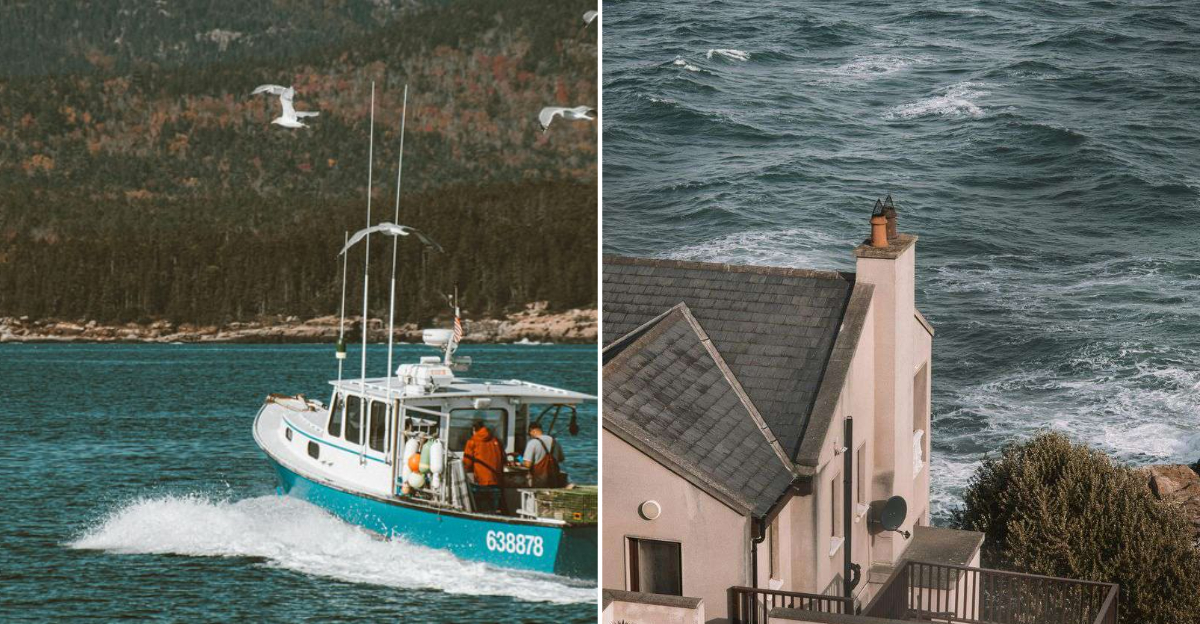
It’s easy to picture Maine’s coastal towns as places people would never want to leave, quiet harbors, seafood shacks, and views that feel straight out of a postcard.
But the reality today tells a different story. More and more residents are packing up and moving away, and the reasons go beyond what you might expect.
Talk to folks who’ve lived there for years, and you’ll hear about rising costs, limited job opportunities, and housing challenges that make staying tough.
Younger people often head to bigger cities for work, while older residents struggle with the expense of living by the water.
The towns themselves haven’t lost their beauty, they’re still stunning, but daily life has become harder to manage.
That shift is changing the character of these communities, leaving behind questions about what the future holds.
So why are Maine’s coastal towns losing residents, and what does it mean for the places that once seemed like the perfect escape? Let’s dig into the story.
1. Housing Costs Rose Faster Than Local Wages
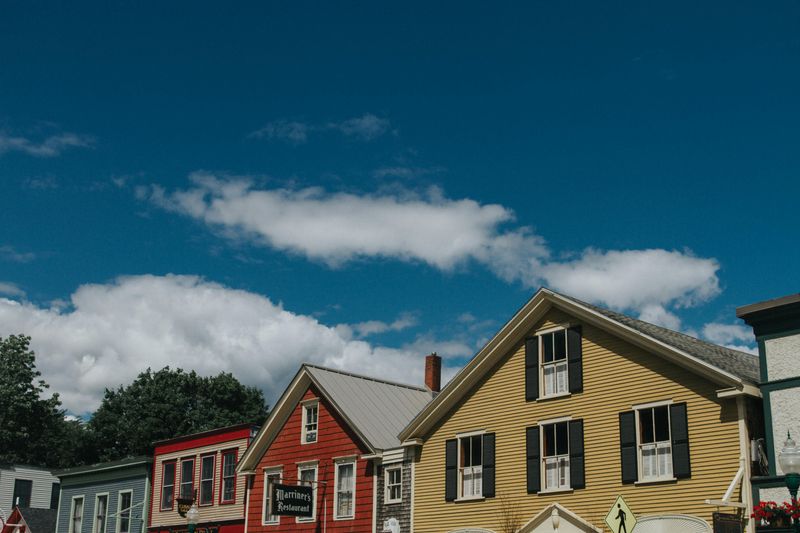
You can feel the squeeze as soon as you roll into town.
Coastal home prices surged as demand from out-of-state buyers increased, and the bidding feels like a sprint you never trained for.
Local wages tied to fishing, tourism, and service work did not keep pace, so a regular paycheck suddenly looks small next to a jumbo mortgage.
Here’s the tough part you hear over coffee. Many year-round residents simply cannot compete in the housing market, even when they have deep roots and steady work.
So people start commuting farther, couch surfing, or moving inland, and neighborhoods shift from familiar to fragile in just a few seasons.
Driving through Rockland and Camden, you notice sweet porches and tidy lawns, but the porch lights in winter tell another story.
Sellers wait for the highest outside offer, because who wouldn’t if it’s life-changing.
Meanwhile Maine feels more like a vacation idea to some buyers and less like a place where a school custodian or sternman can raise kids year-round.
It’s not only newcomers causing the crunch. Limited housing production, strict zoning, and renovation costs pile on, which makes even modest homes a reach.
You see window boxes and cedar shingles, sure, but behind that charm is a simple equation that keeps tilting against locals who keep the coast humming.
2. Seasonal Homes Replaced Year-Round Housing
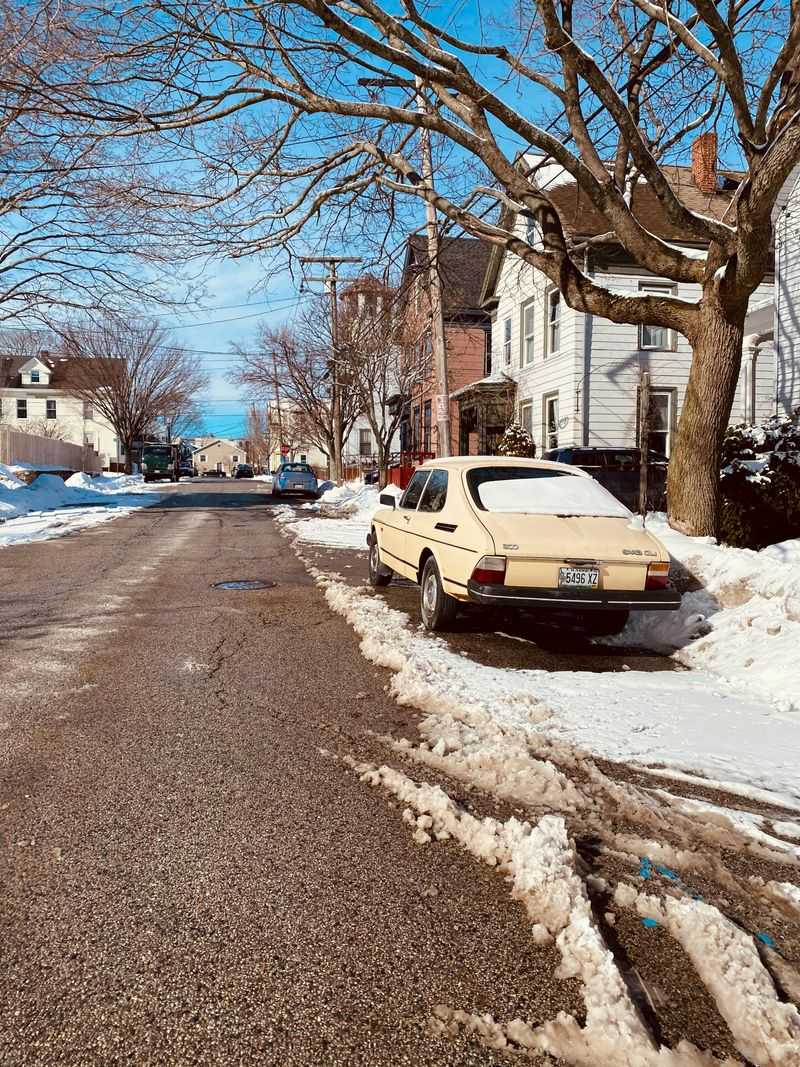
Walk down a side street in Ogunquit or York in winter and you hear it first. The quiet is almost too clean, like a set between scenes.
More properties are used only part of the year, so the laughter and porch talk fade while the blinds stay drawn.
This reduces the number of homes available for permanent residents, of course, but it also changes the rhythm.
When people arrive for a short season, they are not joining the school board or coaching the team.
Communities feel quieter in winter and less stable overall, and that slow hush nudges families to seek neighborhoods where someone is always home.
Locals tell me about block parties that used to run until dusk. Now they swap keys with caretakers and check on frozen pipes.
It’s not mean spirited, it’s just a different use of the coast, and Maine becomes a postcard you visit instead of a place you live.
I find myself looking for signs of life, like a shovel left by a stoop or a porch light on a stormy night.
Seasonal cycles will always be part of the coast, but when the balance tips, you lose the daily small talk that holds a town together. And once that fabric thins, it is hard to weave back.
3. Short-Term Rentals Changed Neighborhoods
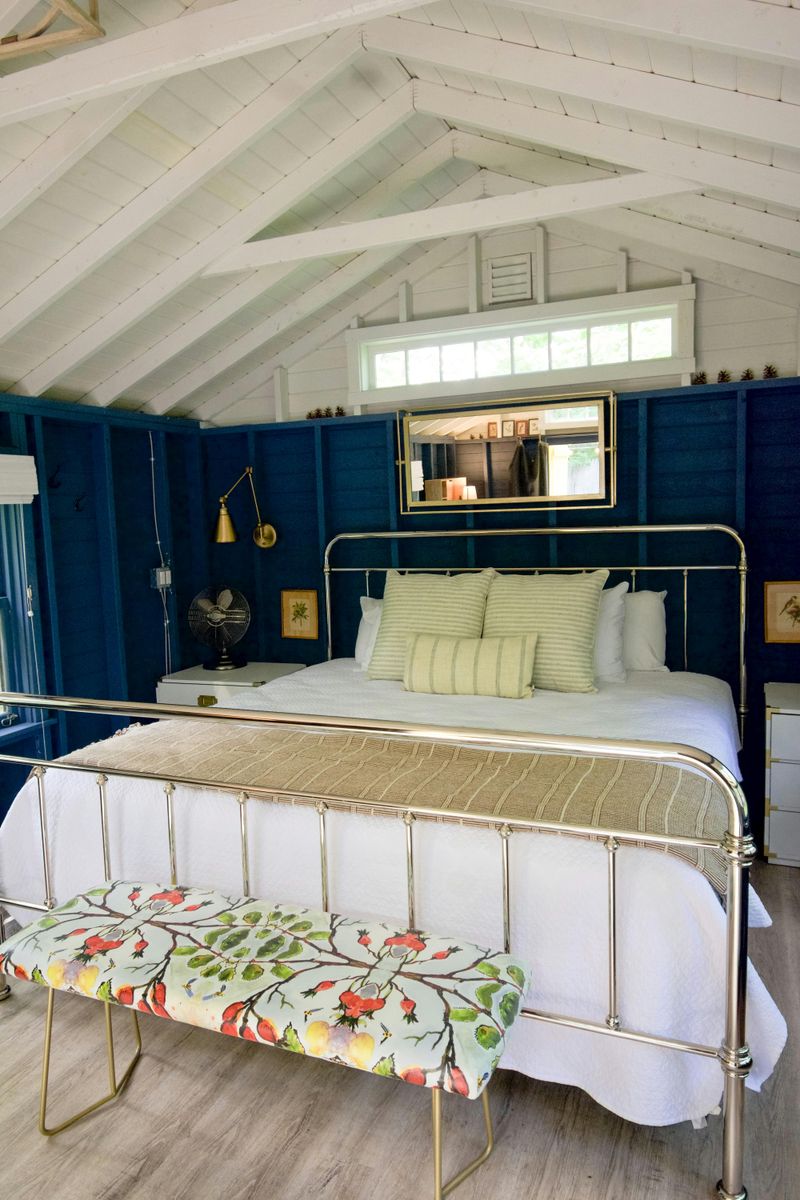
Here is where money talks loudly. Vacation rentals became more profitable than long-term leases, and you can almost see the switch flip as a house gains fresh paint and a keypad lock.
Some landlords shifted away from housing locals, not out of spite, but because the math penciled out better.
This tightened supply and pushed residents inland. Friends who once lived near the wharf now drive in before dawn, hoping for parking and a decent start to the day.
The neighborhood still looks tidy, but the regular wave to your mail carrier turns into a new set of rolling suitcases every weekend.
In Portland’s peninsula and towns like Kennebunkport, conversations turn practical. People ask where the teachers live, or the EMT, or the sternman when storms stack up.
Policies are trying to catch up, but rules move slower than the market, and the game resets every season.
When I pass a porch with a lockbox, I get it. Travel is fun, and a spare room can pay bills.
But scale matters, and Maine’s small streets feel different when the calendar, not the community, decides who sleeps behind each door.
4. Fishing Jobs Became Less Predictable
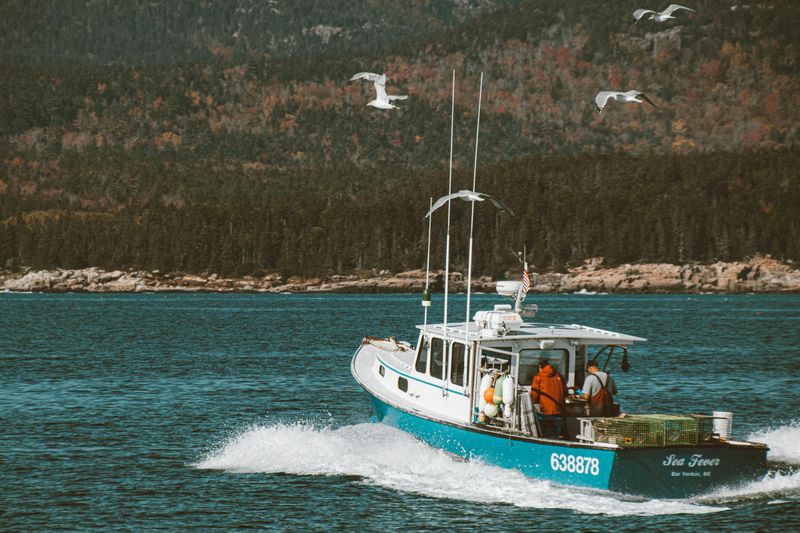
Down on the docks in Stonington and Harpswell, everyone reads the water like a book.
Regulations, warming waters, and changing lobster populations affect income, and that kind of swing changes how you plan a life.
If you cannot predict next season, you hesitate on a mortgage or a truck or even a long lease.
Younger generations see fewer long-term guarantees in the industry. Some tried, some doubled up on side gigs, and some left to find steadier work elsewhere.
It is not lack of pride, it is the math of tides and quotas stacked against a dependable paycheck.
I stood by a bait shed and watched fog lift off the bay, and it felt honest and a little fragile. The harbor still hums, but the path forward is narrow, and gear is expensive to maintain.
Mentors can teach skill and grit, but they cannot promise stability when the water itself is in flux.
So the decision becomes practical. Take a job inland with steadier hours, or keep chasing a run that might shrink.
This state will always be a working coast, but the predictability that keeps families rooted is thinner, and that is pushing people to try new harbors entirely.
5. Younger Residents Move For Opportunity

Honestly, you can feel the drift after graduation. Career options are limited in small coastal towns, and many paths lead to bigger hubs.
College graduates often relocate for work and do not return, because once you settle into a steady job elsewhere, it is hard to rewind.
This accelerates population aging, and you notice it at the library, at town meetings, and in casual lines at the hardware store.
Mentors are still here, but the bench of young volunteers gets thin, and you see the same few faces doing everything. That is not sustainable, and everyone knows it even if they say it softly.
When I roll through Belfast or Ellsworth, I spot bright posters for concerts and lectures, which helps. Still, there is no substitute for a ladder of jobs that grows with you year after year.
Without that, curiosity turns into a packed car and a friend waving goodbye at dusk.
Could remote roles help? Sometimes, but only if housing is reachable and community ties feel strong.
Otherwise you build a life where your skills fit, and that might mean a city far from Maine’s salt air and cedar-shingled blocks.
6. Healthcare Access Is Limited Locally
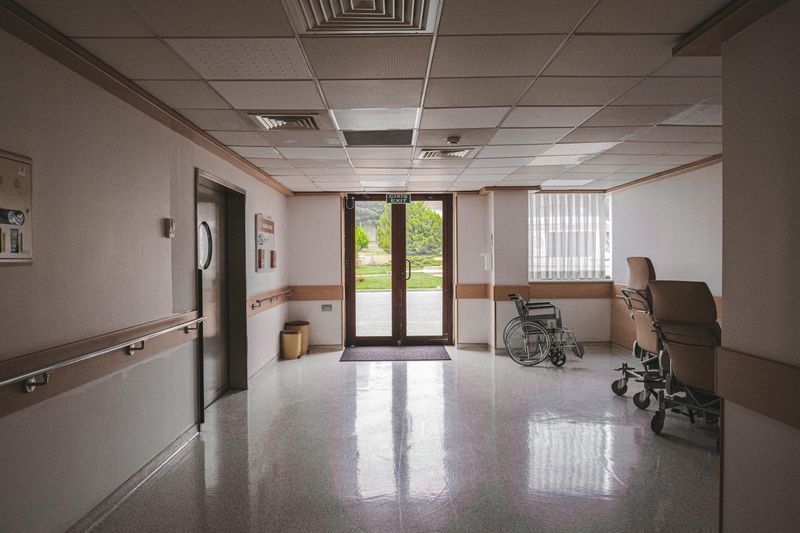
Here is a practical reason families give. Hospitals and specialists are often far away, and winter roads turn a simple appointment into a half-day trip.
Aging residents struggle with long travel times for care, and that wears on caregivers who are juggling work.
Some relocate closer to regional medical centers, and they do it with mixed feelings. You love the view, but you cannot ignore a long drive when health gets tricky.
The tradeoff becomes clear, and the move can feel like leaving a chapter of yourself behind.
In places like Blue Hill and Boothbay Harbor, you will find dedicated clinics and caring staff. Still, if a specialist is inland, the calendar fills with transit and logistics instead of routine.
That is not a knock on Maine, just the geography and the reality of small populations spread wide.
When the stakes rise, people pick accessibility. It is the same reason folks pick an apartment near a pharmacy or a neighbor who can check in.
Health pulls rank, and sometimes that means a new mailbox far from the coast you thought you would never leave.
7. Schools Shrink Or Consolidate

Ask any parent and they will bring this up fast. Declining enrollment leads to school closures or mergers, and that shakes a town to its core.
Families worry about education access and extracurricular options, and even the bus ride becomes a bigger deal when routes stretch longer.
This makes it harder to attract or retain young households. If the local school might merge again, you get cautious about buying a home or starting a long project.
The conversation becomes a loop, and the solution always seems just out of reach.
Driving past a school in Thomaston, I saw art taped to windows and a yard dusted with frost.
The building looked sturdy, but the future felt tentative, which is a strange feeling for a place meant to anchor a community. When that anchor wobbles, people make different choices.
It is not just test scores or rankings. It is whether your child has a team to join and a music room to practice in.
If that means moving inland where classes are fuller and programs are steady, some families will take the leap, even if it pulls them away from Maine’s shoreline.
8. Winter Living Is Harder Than It Used To Be
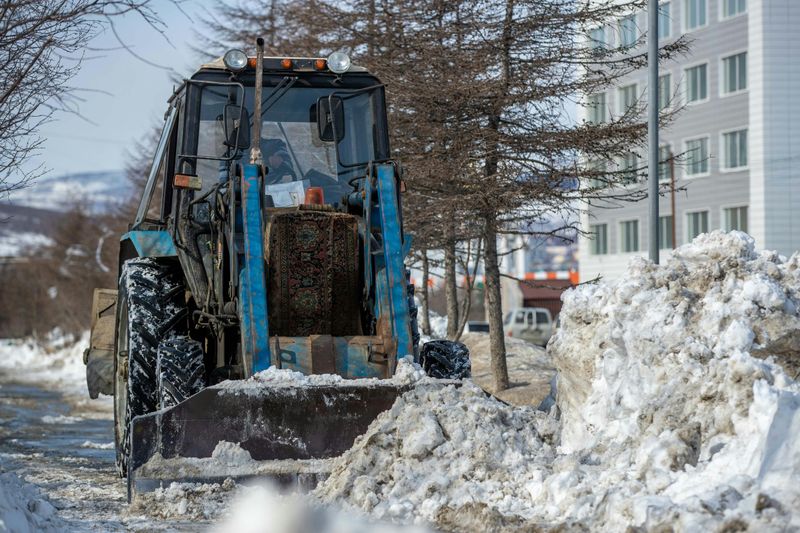
Let me be blunt. Heating costs, snow removal, and isolation add up, and that is before you count the little hassles like frozen latches and wind that sneaks under doors.
Services are reduced outside tourist season, so even small errands can stretch into a trek.
Some residents choose year-round convenience elsewhere. When storms stack up, you want neighbors nearby, a store that stays open late, and a road that is plowed before dawn.
If those are not guaranteed, the calculus tilts toward a town with more lights on after dark.
You can drive a loop near Jonesport after a squall and see the beauty that postcards worship. You can also see driveways banked high and porches taped shut against drafts.
It feels heroic until it feels relentless, and people have to decide how much weather they want to fight each year.
Winter will always be part of this state’s character, and that grit is real. But grit should not mean constant strain.
When comfort moves inland by a few exits, families sometimes follow, leaving an empty porch swing swaying in the salt wind.
9. Infrastructure Struggles To Keep Up
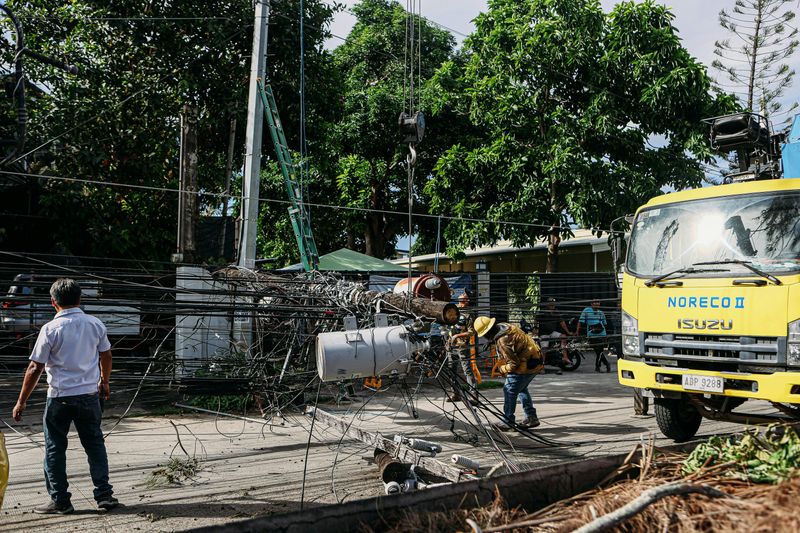
You notice it in small ways first. Roads, docks, and utilities require expensive maintenance, and the fixes arrive in bursts instead of a steady beat.
Small towns face limited tax bases, so the list of projects grows faster than the budget.
Deferred repairs affect quality of life. A rough pier makes work harder, a shaky culvert floods the lane, and a slow internet line pushes a family to consider another zip code.
None of it is dramatic alone, but together it drags on daily mood.
In places like Lubec and Vinalhaven, pride is high and volunteers step up. Still, lumber, fuel, and skilled labor do not magically appear when you pass a hat.
The result is a patchwork year, and everyone hopes the next storm is kind.
Driving across a causeway with tide pushing at both sides, I felt the fragile edge of it. Maine’s coast carries heavy weather and heavy use, and keeping it humming is costly.
When upkeep falls behind, decisions about staying turn from emotional to practical in a hurry.
10. Remote Work Did Not Offset Losses
People expected the laptops to save the coast. While some newcomers arrived, they often displaced locals, because the housing stock did not grow alongside demand.
Remote workers usually earn outside wages and drive prices higher, even if they mean well.
Population numbers still trend downward for long-term residents. A handful of new neighbors does not replace a family that leaves, and the school board can feel that math.
Meanwhile landlords see a different market and align with it, which resets the baseline for rent.
I like watching someone work by a window with a harbor view. It is a dream, but it is also a market signal that ripples across the street.
Without more homes built for year-round life, the balance does not recover.
So the remote era helped a few towns in small ways and complicated many others. Maine is proud and flexible, but housing physics wins every time.
Until production and protections catch up, the spreadsheet keeps pointing people inland.
11. Climate Pressures Add Uncertainty

Stand on a pier during a storm and you understand the stakes. Sea-level rise and stronger storms affect shorefront property, and insurance conversations get complicated fast.
Working waterfronts face long-term risk, and the cost of adaptation is not pocket change.
Some residents choose safer, inland locations, especially when repairs start stacking up.
If your home sits low and the road floods more often, you begin to imagine a driveway that stays dry. This is not panic, it is planning, and planning sometimes means packing.
In towns like Machiasport and Scarborough, you see dunes shifting and marshes taking more water.
The coast will adjust, as it always has, but the timeline for families is tighter than nature’s. A house is not a theory, it is a daily set of choices about risk.
I love the sea when it churns, but I also respect what it asks.
Maine’s beauty comes with weather that does not blink, and that reality is steering decisions you can see from a car window.
When the forecast keeps nudging the same direction, people take the hint.
