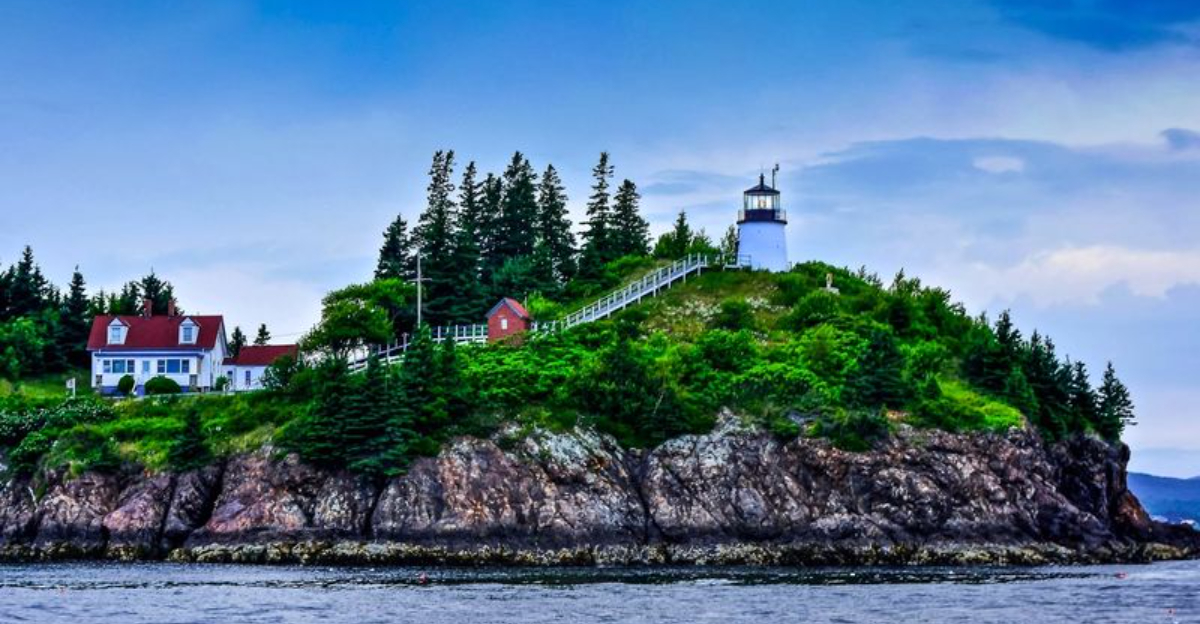
Maine’s rocky coastline hides some of America’s most charming villages, where weathered fishing boats bob in harbors and the smell of salt air mixes with fresh-baked blueberry pie.
These small towns offer something rare in our busy world: a chance to slow down and experience genuine coastal life.
From historic lighthouses perched on granite cliffs to lobster shacks serving the day’s catch, each village has its own personality and treasures.
Whether you’re seeking adventure on the water, fresh seafood straight from the ocean, or simply a peaceful place to watch the waves, Maine’s coastal communities deliver experiences you won’t find anywhere else.
The winding roads that lead to these villages might add time to your journey, but what you’ll discover makes every extra mile worthwhile.
Local shopkeepers know their customers by name, artists find inspiration in every sunrise, and generations of families have kept traditions alive.
These aren’t tourist traps with chain restaurants and souvenir shops; they’re real places where people have built their lives around the sea for centuries.
Taking a detour to explore these coastal gems means stepping into a different pace of life, where the tide schedule matters more than the clock and fresh lobster rolls are a way of life, not just a vacation treat.
Authentic Maritime Heritage Lives On

Walking through villages like Stonington or Corea feels like stepping back in time to when fishing wasn’t just a job but a complete way of life.
Wooden lobster traps stack high on docks where fishermen have worked for generations, their hands rough from pulling lines in all kinds of weather.
You’ll see boats heading out before dawn and returning with their catch as gulls circle overhead, calling out their eternal song.
Many of these communities still operate as working harbors rather than tourist destinations.
Families pass down fishing licenses and boat names from parent to child, keeping traditions alive that stretch back over a century.
The smell of bait and diesel fuel mixes with salt spray, creating an aroma that locals consider the perfume of honest work.
Museums like the Penobscot Marine Museum in Searsport preserve this heritage with incredible detail.
You can explore actual fishing vessels, see tools used by generations of mariners, and learn how these brave souls survived brutal storms and long seasons at sea.
Local elders still gather at coffee shops to swap stories about record catches and near-misses with nor’easters.
This living history isn’t staged for visitors; it’s genuine coastal culture.
Children grow up learning to tie proper knots and read weather patterns before they master algebra.
The maritime heritage shapes everything from local festivals to school schedules, which still acknowledge the fishing seasons.
Experiencing this authentic connection to the sea offers something no theme park or resort can replicate: real people living real lives tied to the ocean’s rhythms.
Unbelievable Fresh Seafood Experiences

Forget everything you think you know about seafood until you’ve tasted lobster pulled from the water that same morning.
Maine’s coastal villages serve the freshest catches you’ll ever experience, often prepared by the same families who hauled them from the depths.
Red’s Eats in Wiscasset has lines stretching down the street for good reason—their lobster rolls overflow with sweet meat and barely any filler.
But the real magic happens at lesser-known spots tucked away in tiny harbors.
Places like The Lobster Shack at Two Lights in Cape Elizabeth sit right on the rocks where waves crash during high tide.
You’ll crack open your lobster at weathered picnic tables while seabirds hope for dropped morsels and the ocean provides the soundtrack.
Many villages host clambakes on the beach, where locals dig pits in the sand and layer seaweed, clams, corn, and potatoes for a feast cooked by hot stones.
Oyster farms dot the coast, offering tours where you can learn how these delicacies grow and taste them right beside the beds where they matured.
The difference between oysters eaten within hours of harvest versus those shipped across the country is astonishing; the brininess and subtle flavors shine through.
Fish markets sell haddock, halibut, and cod so fresh they were swimming yesterday.
Local restaurants take pride in their chowders, each claiming a secret recipe passed down through generations.
Some prefer a creamy base while others swear by clear broth, but all pack their bowls with generous chunks of fish or clams.
Eating seafood in these villages isn’t just a meal; it’s participating in a tradition that connects you directly to the ocean’s bounty.
Breathtaking Natural Beauty Around Every Corner
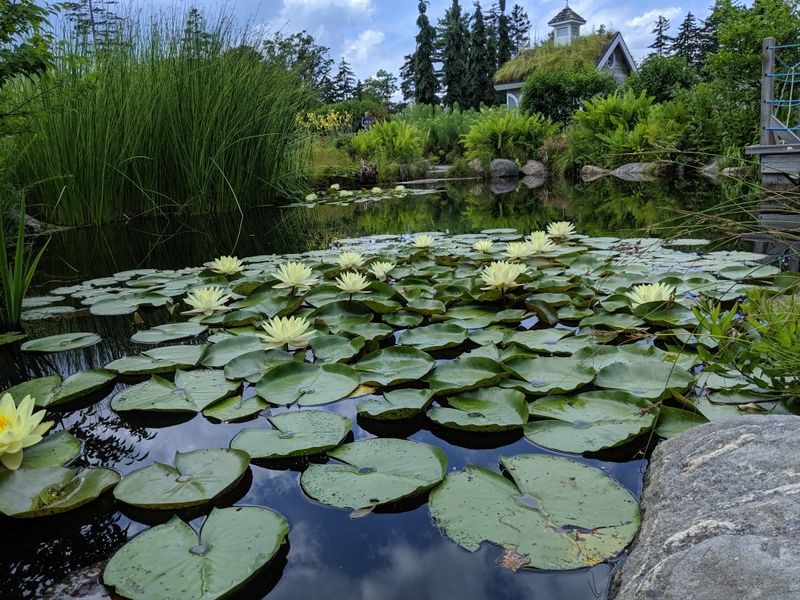
Maine’s coastline doesn’t do gentle sandy beaches like you’d find further south—instead, it offers dramatic granite formations that have withstood centuries of pounding waves.
Ragged cliffs drop straight into deep blue water where seals pop their heads up to investigate passing boats.
Spruce and pine trees grow right to the edge of rocks, their roots somehow finding purchase in cracks and crevices.
Acadia National Park near Bar Harbor gets plenty of attention, but smaller villages offer equally stunning views without the crowds.
Monhegan Island, accessible only by boat, features towering headlands where artists have set up easels for over a century.
The Marginal Way in Ogunquit provides a paved walking path along the shore where you can watch waves explode against rocks in spectacular displays of nature’s power.
Tidal pools reveal whole ecosystems when the water recedes; starfish cling to rocks, tiny crabs scuttle for cover, and anemones wave their tentacles in remaining puddles.
Kids can spend hours exploring these natural aquariums, discovering creatures they’ve only seen in books.
The tide range in Maine reaches over ten feet in some areas, completely transforming the landscape twice daily.
Sunrises over the Atlantic paint the sky in shades of pink, orange, and purple that seem too vivid to be real.
Cadillac Mountain claims to be the first place in America to see the sunrise during certain months, but any eastern-facing point in these villages offers spectacular dawn shows.
Fog rolls in mysteriously, wrapping everything in gray softness and making foghorns necessary.
This ever-changing natural beauty reminds visitors that nature, not humans, sets the schedule here.
Charming Local Art and Craft Scenes
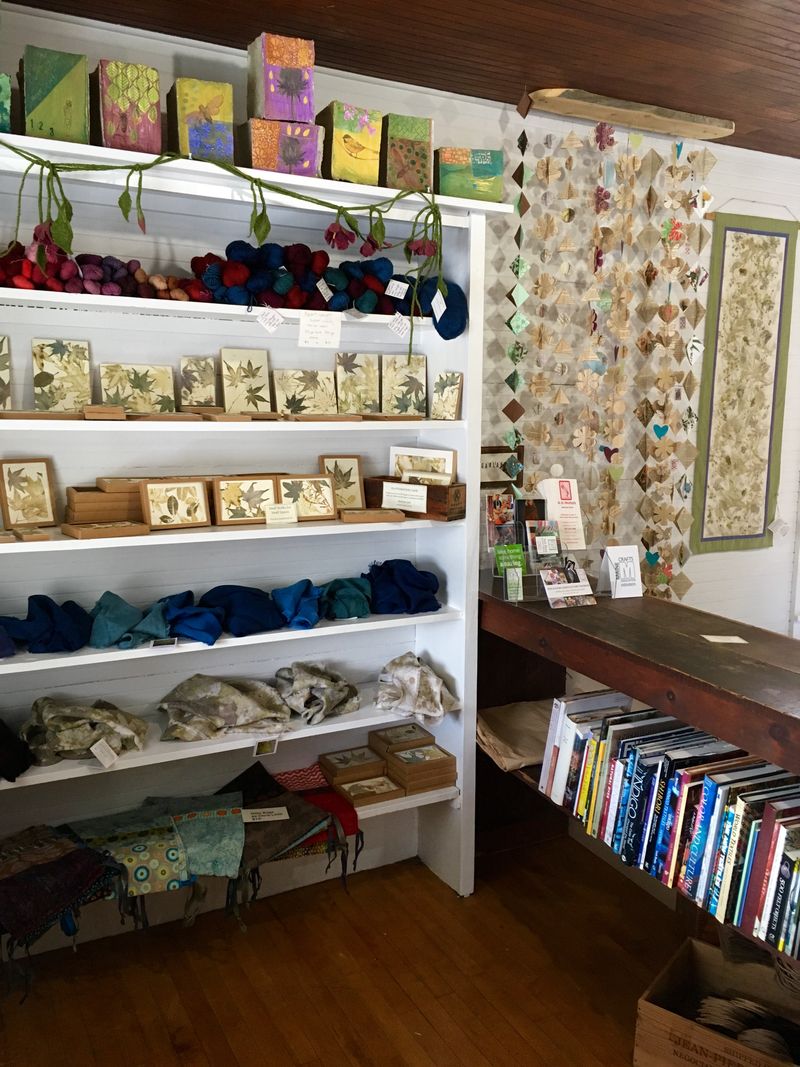
Something about the quality of light reflecting off the ocean draws artists to Maine’s coast like moths to a flame.
Galleries fill converted barns, old fish houses, and historic homes throughout these villages, showcasing works inspired by the surrounding landscape.
Rockport and Camden host dozens of galleries where you can meet the artists themselves, often working in studios attached to their exhibition spaces.
The Wyeth family made Maine famous in the art world, with three generations capturing the coast’s moody beauty.
Andrew Wyeth’s “Christina’s World” depicts a Cushing farm, and you can visit the Olson House where he painted many masterpieces.
Today’s artists continue this tradition, interpreting the sea, boats, and village life through paintings, sculptures, and photography that capture something essential about coastal living.
Craft traditions run deep here too.
Potters shape clay on wheels in studios where you can watch them work, their hands transforming lumps into beautiful bowls and mugs glazed in ocean colors.
Woodworkers build intricate model ships with the same attention to detail their ancestors used on full-sized vessels.
Weavers create warm blankets and scarves from local wool, dyed with natural colors.
Many villages host summer art festivals where creators set up booths along main streets.
You’ll find handmade jewelry incorporating sea glass smoothed by waves, photographs capturing perfect moments of coastal life, and paintings still wet from morning sessions outdoors.
Buying art here means taking home a piece created by someone who lives and breathes this landscape daily.
These aren’t mass-produced souvenirs but genuine works reflecting the artist’s deep connection to place.
Fascinating Historic Lighthouses to Explore
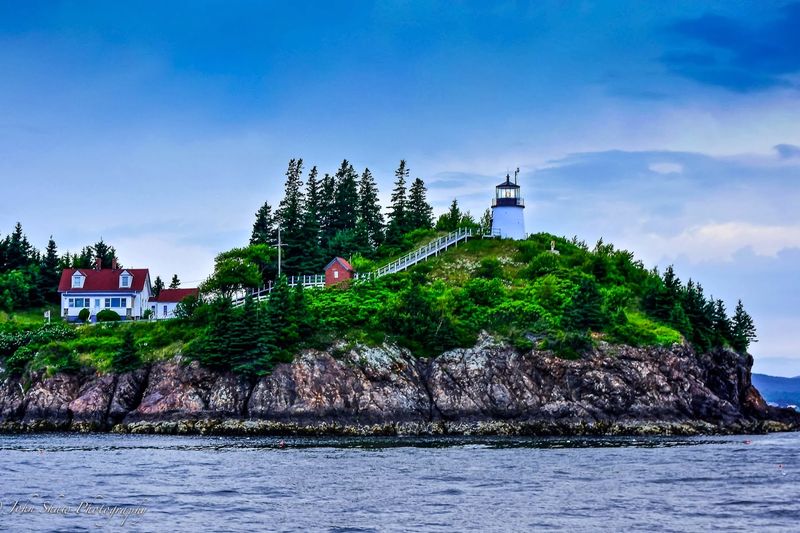
Over sixty lighthouses mark Maine’s treacherous coastline, each with stories of brave keepers who tended lights through terrible storms to guide sailors safely home.
Portland Head Light, commissioned by George Washington himself in 1791, stands as one of the most photographed lighthouses in America.
Its white tower rises against blue sky at Fort Williams Park in Cape Elizabeth, where you can explore the grounds and visit the museum in the former keeper’s quarters.
Many lighthouses welcome visitors during summer months.
Pemaquid Point Light in Bristol features a distinctive white tower perched on dramatic striped rock formations that look like giant layer cakes.
The keeper’s house contains the Fishermen’s Museum, filled with artifacts from Maine’s fishing heritage.
Climbing the spiral stairs inside operating lighthouses offers views that explain why these beacons were so crucial; the coast’s many islands, hidden rocks, and tricky currents created deadly hazards for ships.
Some lighthouses remain active aids to navigation while others have been decommissioned.
Bass Harbor Head Light in Acadia National Park sits atop a cliff accessed by a wooded trail, offering one of Maine’s most iconic views.
The red glow of its light still sweeps across the water each night, continuing its mission of keeping mariners safe.
Lighthouse keepers lived isolated lives, especially on island stations accessible only by boat.
Families raised children in these remote outposts, where the keeper’s duties included maintaining not just the light but also fog signals, weather stations, and rescue equipment.
Stories of heroic rescues and daily challenges bring history alive when you stand where these dedicated people worked.
Each lighthouse has its own personality and tale to tell.
Outdoor Adventures on Land and Sea
Maine’s coastal villages serve as perfect base camps for outdoor enthusiasts who crave adventures beyond typical tourist activities.
Kayaking through island-studded bays lets you explore at your own pace, paddling into coves where seals haul out on rocks and ospreys nest in tall trees.
Companies like Maine Island Kayak Company in Peaks Island offer guided tours for beginners and rentals for experienced paddlers.
The Maine Island Trail connects over 200 islands and mainland sites along 375 miles of coastline.
Membership in the Maine Island Trail Association gives you access to these magical spots for camping and day trips.
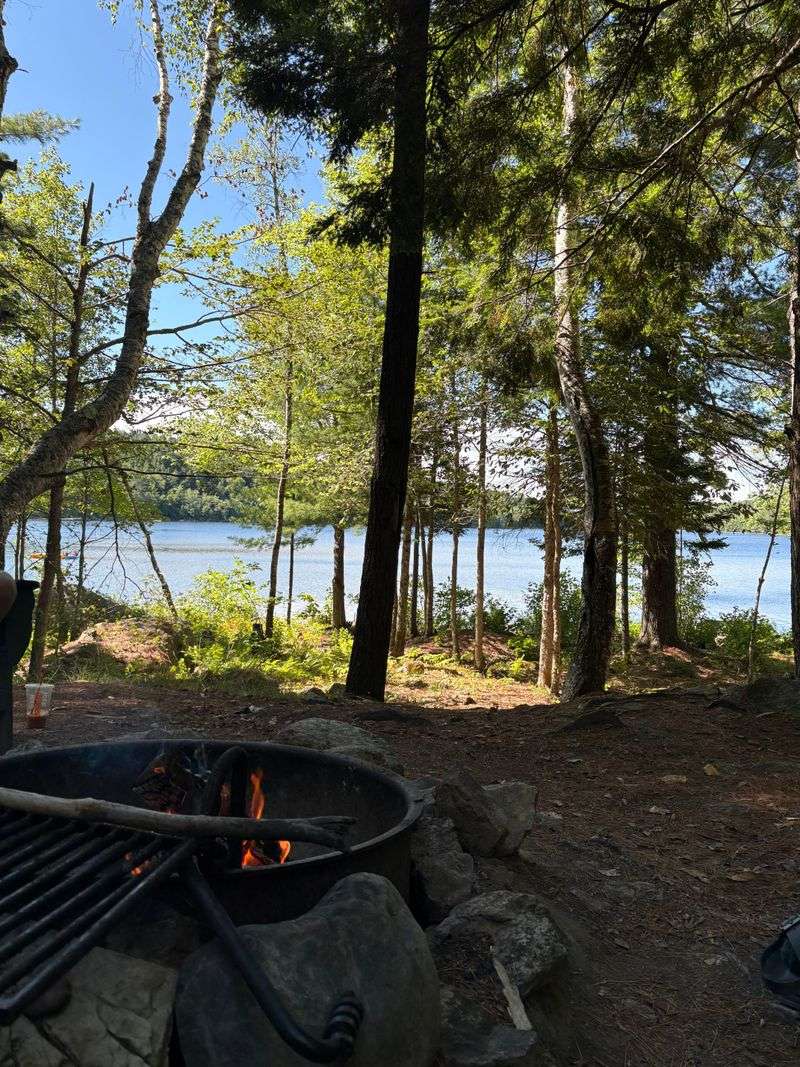
Imagine pitching your tent on an uninhabited island where the only sounds are waves lapping against rocks and wind through spruce trees.
Waking to sunrise over the ocean from your own private island creates memories that last forever.
Hiking trails wind through coastal forests and along clifftops, offering constantly changing views.
The Bold Coast Trail near Cutler takes you along dramatic cliffs where the land drops sharply to the sea below.
Bird watchers flock here during migration seasons when thousands of seabirds pass through.
Puffins nest on offshore islands, and boat tours from villages like Boothbay Harbor bring you close to these comical birds with their colorful beaks.
Sailing charters let you experience the coast as mariners have for centuries, with wind filling sails and salt spray in your face.
Windjammer cruises from Camden offer multi-day adventures aboard traditional schooners.
Fishing charters take you offshore for striped bass, bluefish, or deep-water species.
Whale watching trips venture into the Gulf of Maine where humpbacks, finbacks, and minkes feed during summer months.
Welcoming Small-Town Community Spirit
Perhaps the most compelling reason to detour through Maine’s coastal villages is experiencing genuine small-town hospitality that’s become rare in modern America.
Shopkeepers remember your face after one visit and ask about your family on the second.
Strangers strike up conversations at farmers markets, sharing recipes for the blueberries you’re both buying and offering suggestions for hidden beaches only locals know about.
Community events bring everyone together throughout the year.
Lobster boat races in summer pit captains against each other in friendly competition while crowds cheer from shore.
Winter carnivals feature ice sculptures, snowshoe races, and communal meals where everyone contributes a dish.
Church suppers serve as social gatherings where generations mix and newcomers are welcomed warmly.
These aren’t staged tourist events but real community traditions that continue whether visitors attend or not.
Local businesses support each other in ways that restore your faith in neighborliness.
The coffee shop displays flyers for the bookstore’s author reading.
The hardware store owner recommends the best painter in town even though he sells paint.
When someone faces hardship, the community rallies with fundraisers, meal trains, and whatever help is needed.
This interconnected support system creates resilient communities where people genuinely care about each other’s wellbeing.
Visitors often comment that spending time in these villages reminds them of a simpler era when people knew their neighbors and looked out for one another.
You’ll leave with new friends, email addresses scribbled on napkins, and invitations to return.
This authentic warmth isn’t a marketing strategy; it’s simply how people live in communities where cooperation and kindness aren’t old-fashioned values but daily necessities.
Dear Reader: This page may contain affiliate links which may earn a commission if you click through and make a purchase. Our independent journalism is not influenced by any advertiser or commercial initiative unless it is clearly marked as sponsored content. As travel products change, please be sure to reconfirm all details and stay up to date with current events to ensure a safe and successful trip.
