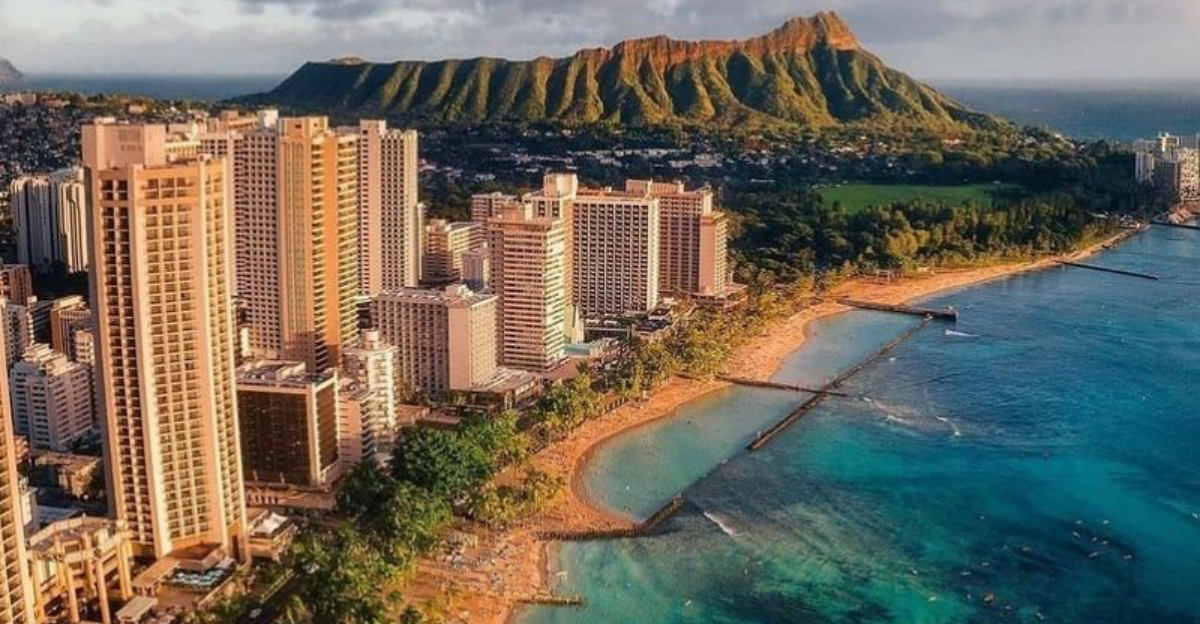
Hawaii invites wonder, yet many residents say the scales have tipped, and daily life now bends around visitor demand.
You can still experience the islands with depth and care if you listen to what communities ask.
This guide unpacks the pressure points locals feel, then offers choices that lighten your footprint.
Travel with intention, and let respect lead every step.
The Islands Feel Overcrowded Year Round
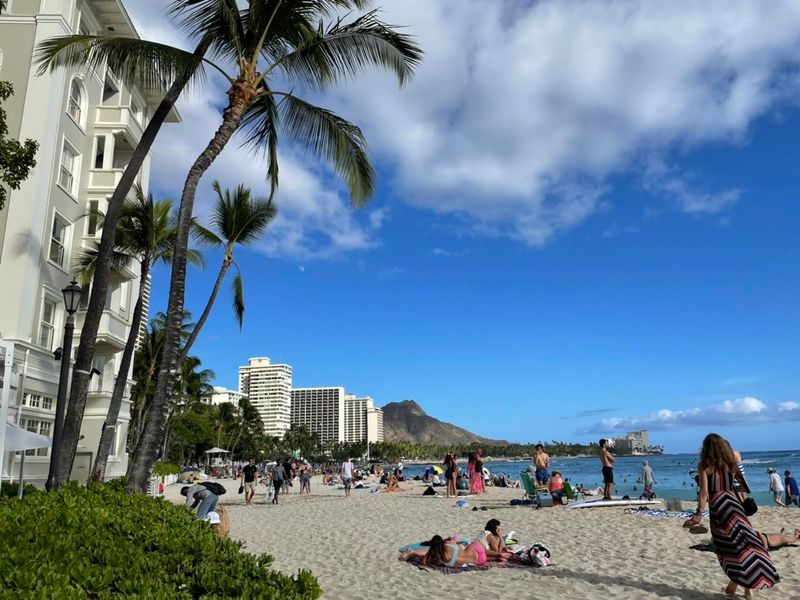
Hawaii has welcomed visitors for generations, but many residents now say the balance has tipped too far.
What once felt like a respectful exchange has become overwhelming pressure on daily life, land, and culture.
Locals are not against visitors, they are asking for limits, respect, and understanding of what is at stake.
The islands feel packed throughout the calendar, which means everyday errands collide with visitor surges on main corridors like H1 on Oahu.
Neighborhoods that once planned around quiet hours now face dawn arrivals at Lanikai and heavy turnover along Kaanapali.
Tour buses and rental cars loop lots while residents circle for a single open stall near regular weekend spots.
On Maui, shoulders near Honolua Bay jam with vehicles, which blocks fishing access and slows emergency response.
Public showers and restrooms run nonstop, so maintenance struggles and families haul more supplies from home.
Even plate lunch counters near resort zones see longer waits that push workers off schedule.
County parks add rules to protect dunes and reef paths, but locals who already comply feel unfairly policed.
People call for smart visitor management, caps at hotspots, and better transit that serves workers and guests.
Reservations for fragile places and shoulder hour incentives can distribute demand and reduce frictions.
Enforcement matters, because signs without follow through rarely change behavior along narrow beachfront roads.
Simple tools like shuttles and bike parking can shift pressure off neighborhoods that host global attention.
Crowds can feel like a wall, yet thoughtful planning opens a path where residents and respectful travelers share space.
Rising Housing Costs Push Families Out
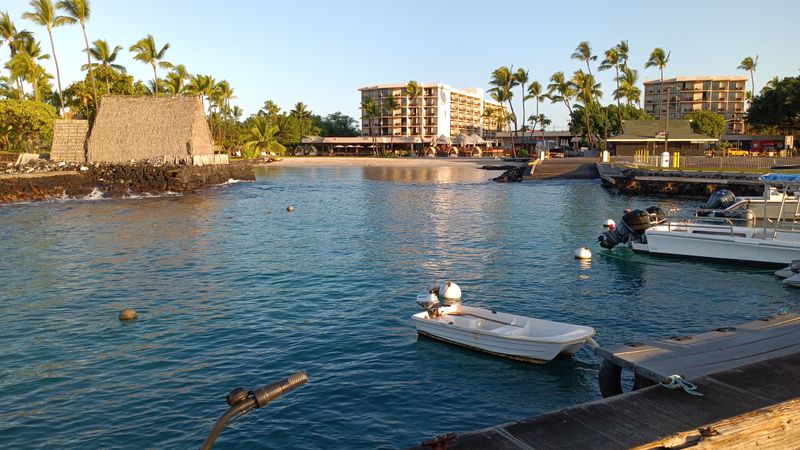
Hawaii communities describe a housing squeeze that reshapes where people live and how far they commute.
Short term rentals and luxury builds reduce long term options, so workers travel from distant neighborhoods to resort corridors.
Line cooks and housekeepers split rooms while searching for leases that stay stable beyond a season.
On Oahu, zoning enforcement curbed illegal listings in some districts, yet new postings still appear across platforms.
Families leave islands to secure housing, which severs school ties and caregiving networks built over years.
Teachers, nurses, and hotel staff spend more time in traffic and less with keiki and kupuna.
Local studies map the ripple effects on small businesses, including turnover and training costs that never settle.
Residents advocate for stricter caps, fair taxes on visitor stays, and transparent data that backs enforcement.
County programs fund affordable units, but delivery timelines lag behind market pressure and speculative demand.
Visitors can help by choosing legal accommodations and supporting hosts who comply with community rules.
Asking a property manager about permits sounds small, yet it signals values that prioritize neighbors.
Hawaii needs housing that lets cultural knowledge and daily life remain rooted in place.
When classrooms lose families, the loss echoes at sports fields, clinics, and corner stores.
Travel with care by booking responsibly, then leaving feedback that rewards compliance and local ownership.
Respect for housing policy keeps neighborhoods intact and welcomes guests without displacing residents.
Sacred Sites Have Become Photo Ops
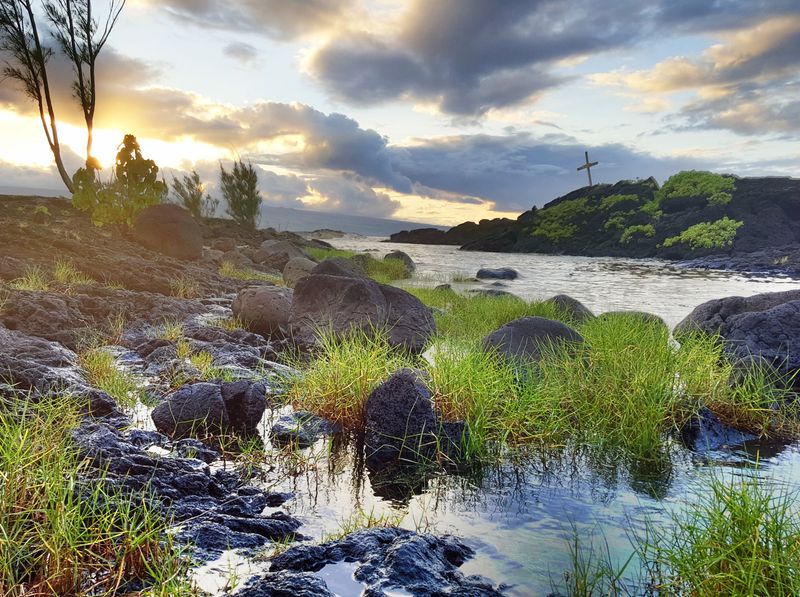
Heiau and burial grounds in Hawaii hold living significance, not just scenic value for a quick snapshot.
Some visitors still step onto lava platforms marked kapu or turn their backs to altars for posed photos.
That behavior ignores posted guidance and the requests of caretakers who steward these places.
Cultural leaders ask guests to stay on paths, avoid rock stacking, and never climb sacred structures.
They remind travelers to seek consent before photographing ceremonies or private gatherings.
Guided visits led by lineal descendants and cultural organizations offer context that transforms how you see the site.
Puuhonua o Honaunau preserves protocols that explain refuge, roles, and responsibilities across generations.
Ku sites on Oahu and valley temples on other islands share histories that deserve quiet attention.
Arriving early, speaking softly, and reading signs are simple steps that build respectful habits.
Ask yourself whether your presence adds understanding or just another image for a feed.
When in doubt, choose to learn first and put the camera away until you have permission.
Hawaii invites you to meet culture with humility so guardians can continue their work.
Fees, permits, and limits protect fragile stones and the stories within them.
Travelers who follow protocols help keep access open for future learners.
Let reverence guide your movement and your voice as you explore these places.
Water Use Has Reached Unsustainable Levels

Hawaii faces longer droughts and aging pipes while resorts and dense visitor zones draw heavy demand.
County notices announce restrictions as some households cut back and landscapes stay green near hotels.
The contrast highlights how scarce resources feel during high occupancy seasons.
State plans prioritize conservation, leak repair, and watershed restoration across connected ahupuaa.
Local nonprofits replant native forests to improve recharge and steady stream flow toward nearshore reefs.
Visitors can choose reef safe sunscreen, shorter showers, and stays that publish water practices.
Hotels that track usage and adopt xeriscaping set visible examples for peers and neighbors.
I fill bottles at public stations and skip daily linen changes to reduce laundry loads.
Hawaii needs reliable water for kalo fields, fisheries, farms, and ordinary routines.
Following posted rules protects aquifers and cuts stress on pumps and treatment systems.
Guides who teach the mountain to sea story help travelers connect choices with outcomes.
When we align habits with conservation, we leave more capacity for residents.
Small acts, repeated by many people, become decisive during dry months.
Support programs that fund leak detection and forest stewardship near headwaters.
Let this trip be the one where your footprint becomes lighter than your memories.
Traffic And Noise Disrupt Local Life
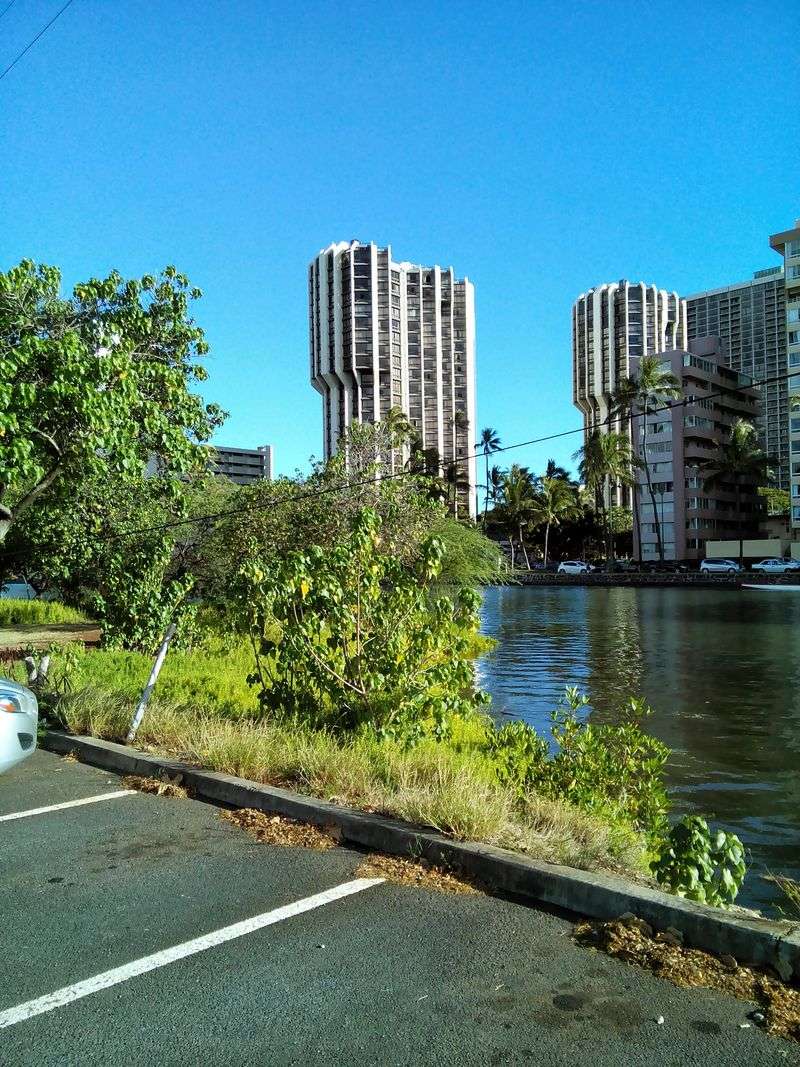
Narrow roads across Hawaii carry more rental cars than they were built to handle.
Convoys pause for photos on blind curves and stall driveways in coastal neighborhoods.
Residents who grew up visiting nearby beaches lose access when parking fills before school.
Noise drifts late as scenic areas stay busy and service corridors push into evening hours.
Counties post fines for illegal parking and test shuttle systems to sensitive spots.
Community groups publish etiquette guides that explain one lane bridge courtesy and turnout rules.
Plan routes around bus schedules and peak visitor surges near popular lookouts.
Pull into legal turnouts, let locals pass, and keep music low near homes.
Hawaii roads link schools, clinics, farms, and fire stations that need clear lanes.
Slowing down protects walkers, cyclists, and emergency teams who respond in tight spaces.
Maps can hide gradients and blind corners that feel different on wet pavement.
Respect signs that close shoulders, and never stop in vegetation that hides native birds.
Your patience reduces frustration more than any social post or quick snapshot.
Choose early starts, midday breaks, and town centers where parking is managed.
Think of the drive as a shared responsibility rather than a ride to a view.
Cultural Labor Often Goes Unpaid
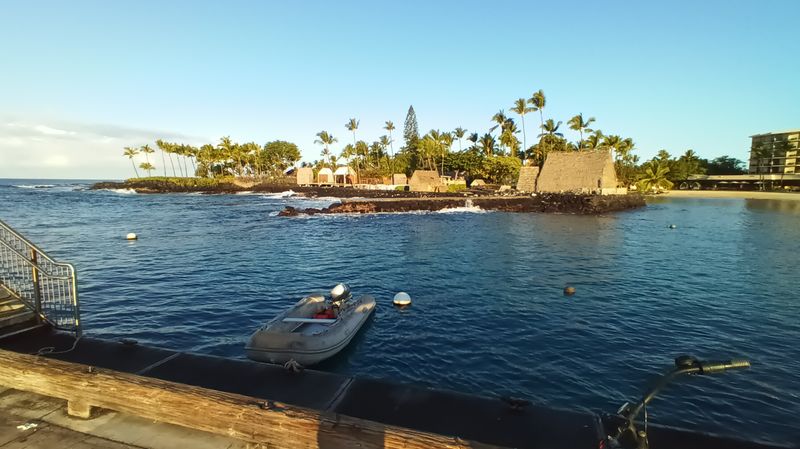
Hawaiian culture lives through hula, oli, and moolelo taught by kumu who carry generations of training.
Venues sometimes book performances as add ons without contracts that reflect the labor behind them.
Audiences leave inspired yet unaware of sources, protocols, and time invested in preparation.
Cultural leaders ask for long term partnerships, clear credit, and budgets that fund apprentices.
Schools and halau model this by naming lineages and setting aside time for learning.
Events that publish program notes and language guides help visitors meet culture with respect.
Travelers can choose experiences led by local practitioners and follow kapu on certain chants.
Ask who benefits from your ticket and whether the organization supports training and care.
Hawaii thrives when carriers of knowledge earn stability, not just applause.
Fair pay and scheduling allow deeper teaching and safer protocol for ceremonies.
Tip appropriately where allowed and recognize the intellectual work on stage.
Seek workshops that explain context before any performance begins.
Responsible tourism puts resources where the culture actually lives.
That approach sustains language, craft, and community beyond any single event.
Choose to learn first, then share credit when you tell the story later.
Environmental Damage Adds Up

Every choice touches reefs, beaches, and forests that evolved in delicate balance across Hawaii.
Scientists link certain chemicals to coral stress, so protective clothing and reef safe products help.
Popular trails show widened ruts and exposed roots where shortcuts speed erosion into bays.
Volunteers remove plastic from wrack lines and replant native species on windward slopes.
Agencies now require permits or day caps at certain hotspots to let ecosystems recover.
Visitors can stay on marked routes, pack out trash, and skip single use plastics.
Guides who follow wildlife distance rules protect monk seals, turtles, and seabirds.
Outfitters that sanitize gear reduce invasive spread between streams and reefs.
I ask operators about conservation commitments before booking and read their reports.
Those small checks nudge the market toward better practices and transparency.
When pressure drops, coral nurseries and dunes find room to rebound.
Forest birds benefit from paths that keep boots off fragile understory.
Consider the next visitor and leave the place easier to care for.
Choose reusable bottles, respect closures, and follow restoration crew directions.
Careful travel keeps rare life in the water and on the wing for years.
Emergency Resources Get Stretched Thin
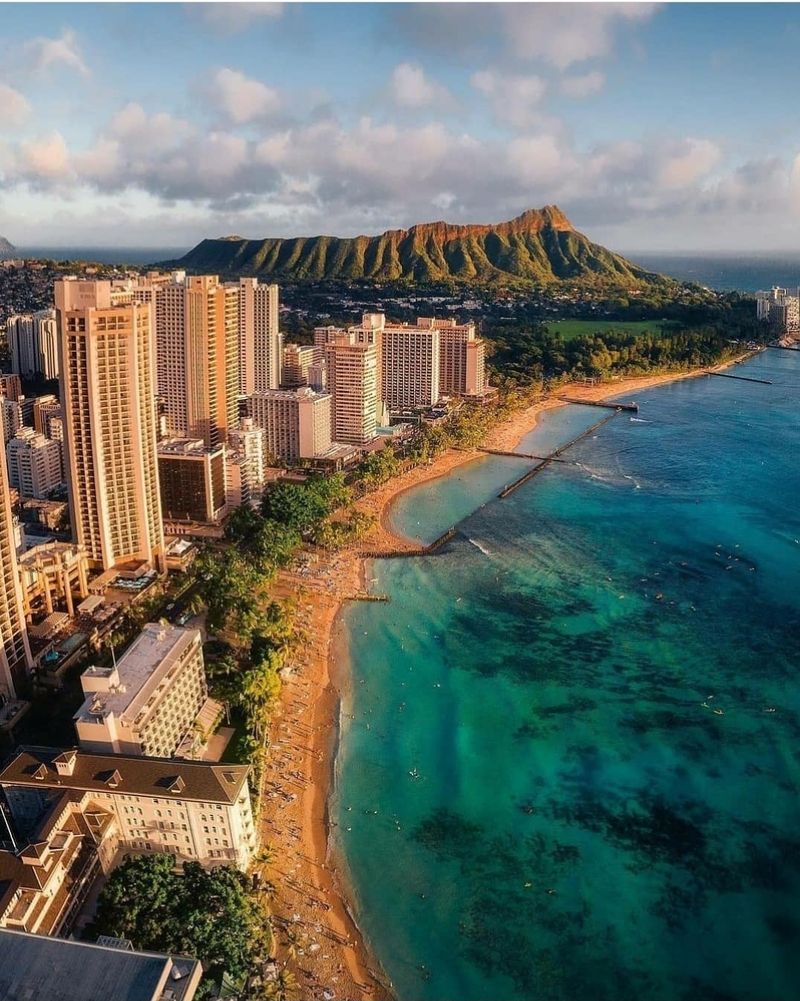
Rescue teams in Hawaii respond when hikers ignore closures or visitors misread surf warnings.
Those calls require fuel, gear, and on call staff who could serve other emergencies.
Each preventable incident pulls capacity from neighborhoods that rely on quick response.
Counties publish safety guides and apps with real time ocean and trail conditions.
Visitors can choose open routes, hire guides, and match plans to fitness and weather.
Asking lifeguards about currents saves trouble and shows respect for local expertise.
I carry a map, check forecasts, and set a turnaround time before stepping out.
Communication with someone in town adds a layer of accountability and care.
Hawaii cannot absorb constant risky choices without strain on families and budgets.
Travel feels better when teams stay free to help residents who face real emergencies.
Good planning turns adventure into a memory rather than a headline.
Read signs, avoid unauthorized routes, and resist crowds clustering at unstable overlooks.
Wear proper footwear and carry water so small issues do not spiral.
Leave space for emergency vehicles by respecting no parking zones near trailheads.
Thoughtful decisions keep everyone safer from ridge to reef across the islands.
Economic Benefits Stay Uneven
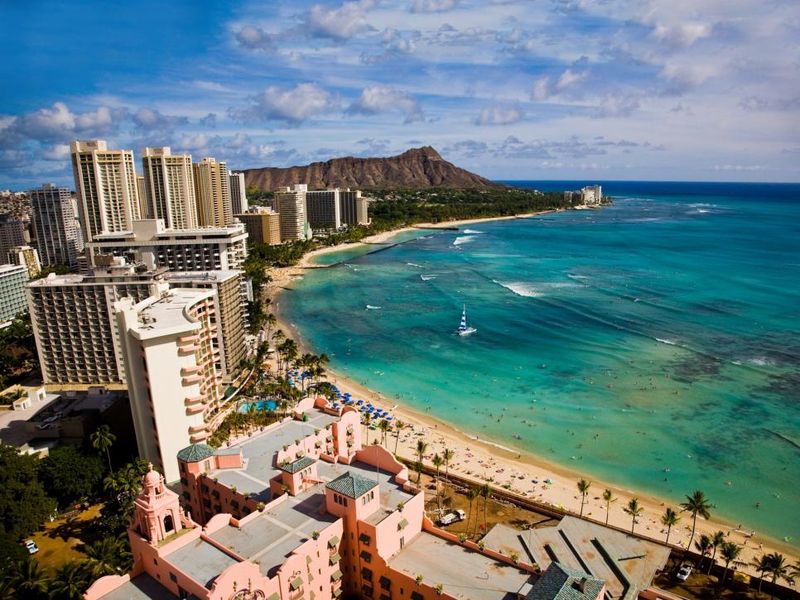
Tourism anchors many jobs in Hawaii, yet profits often flow to owners located outside the state.
Workers describe long shifts that barely cover rent, child care, and commuting costs.
Economists encourage stronger links to farms, fisheries, and makers who keep value local.
Some hotels and tour companies publish supplier lists and invest in training that builds careers.
Visitors can support resident guides, certified products, and locally owned shops.
Asking who owns the business clarifies where your dollars land after checkout.
Community certifications and clear labeling help travelers choose with confidence.
When demand rewards fair labor, employers expand benefits and skill pathways.
Hawaii deserves an economy that treats workers as the backbone, not a line item.
Feedback that mentions wages and sourcing pushes managers to improve practices.
Book experiences that include cultural education and revenue sharing with host communities.
Skip imported souvenirs and seek artisans who tell the story of their materials.
Balanced tourism spreads opportunity without extracting identity from place.
That outcome relies on guests who ask questions and value transparency.
Your itinerary can become a vote for businesses that invest in people.
A Call For Respectful Balance
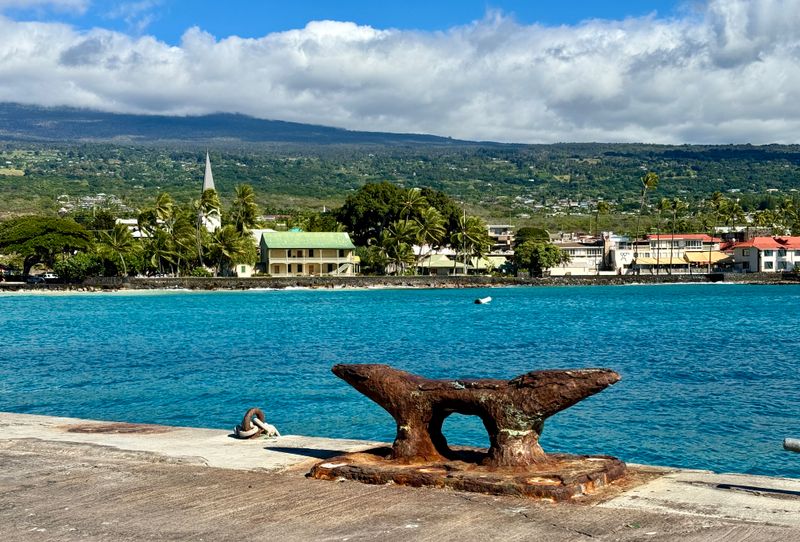
Most locals are not asking you to stay away, they are asking you to arrive informed and considerate.
Start with history, language basics, and county guidelines that explain how to tread lightly.
Book permits, honor caps, and choose tours that give back to the places you visit.
Volunteer days that restore trails or reefs turn a trip into shared stewardship.
That mindset shifts the tone from consumption to conversation with host communities.
Hawaii remains beautiful, while water, housing, and reef health ask for practical help.
Reservation systems and visitor fees can fund care if designed with resident input.
Support policies that keep parks open while protecting neighborhoods and sacred sites.
Shop local, respect quiet hours, and thank staff who keep things running smoothly.
Ask consent before photos and follow cultural protocols that guardians outline on site.
Tip fairly where appropriate and recognize the labor that holds culture in place.
Travel with humility so people feel seen, not managed by a passing crowd.
Hawaii can stay home for its residents and still welcome guests who show respect.
Let your choices model what sustainable travel looks like on these islands.
Leave more than footprints by sharing time, learning, and resources where invited.
Dear Reader: This page may contain affiliate links which may earn a commission if you click through and make a purchase. Our independent journalism is not influenced by any advertiser or commercial initiative unless it is clearly marked as sponsored content. As travel products change, please be sure to reconfirm all details and stay up to date with current events to ensure a safe and successful trip.
