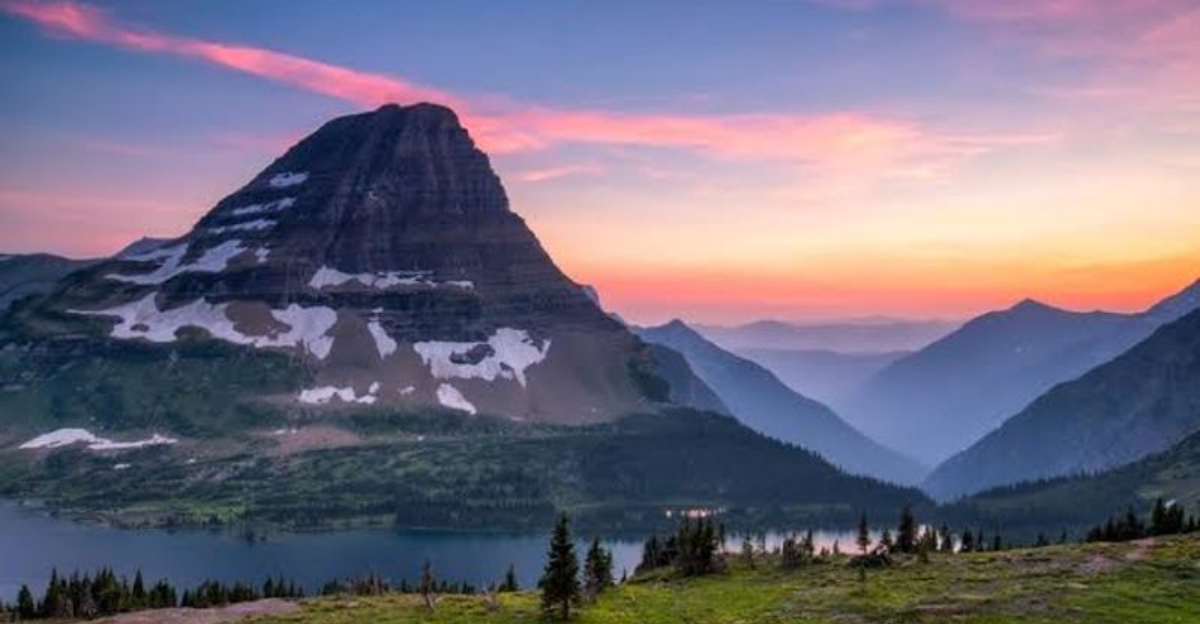
Montana has earned its reputation as one of the last true wilderness havens in the United States, where cell service fades and nature takes center stage.
In our hyper-connected world, finding a place to genuinely unplug feels nearly impossible, yet this Big Sky Country offers exactly that rare opportunity.
With vast stretches of untouched land, minimal light pollution, and communities that embrace slower living, Montana provides the perfect backdrop for anyone seeking relief from digital overload.
Whether you’re exhausted from endless notifications or simply craving real connection with the natural world, Montana’s unique blend of isolation and beauty creates an environment where digital detox isn’t just possible; it’s practically unavoidable.
From mountain ranges that stretch beyond cell towers to towns where Wi-Fi takes a backseat to wildlife, this state invites you to rediscover what life feels like without screens.
The landscapes here demand your attention in ways your phone never could, offering healing through simplicity and space.
Preparing for a Montana digital detox means embracing uncertainty, trading GPS for paper maps, and learning to navigate by landmarks instead of apps.
This transformation doesn’t happen overnight, but Montana’s raw beauty makes the transition feel natural and necessary.
Limited Cell Service Forces Real Disconnection

Spotty cell coverage isn’t a bug in Montana; it’s practically a feature that helps visitors truly disconnect from digital life.
Many areas throughout the state simply don’t have reliable service, making it physically impossible to scroll through social media or check work emails constantly.
This forced disconnection might feel uncomfortable at first, but it quickly becomes liberating as you realize how much mental space opens up without constant digital interruptions.
Glacier National Park’s backcountry trails offer miles where your phone becomes nothing more than a camera, unable to ping, buzz, or distract you from the present moment.
The Bob Marshall Wilderness Complex spans over 1.5 million acres with virtually no cell coverage, creating vast pockets where technology simply cannot follow you.
Even some Montana towns like Polebridge operate with minimal connectivity, encouraging visitors to engage with their surroundings rather than their screens.
Without the ability to constantly check your phone, you’ll notice subtle changes in how you experience time and space.
Conversations become deeper because nobody’s half-listening while scrolling through notifications.
Meals taste better when you’re fully present instead of photographing every plate for social media validation.
Your awareness sharpens as you start noticing bird calls, weather changes, and the way light shifts across mountain peaks throughout the day.
This technological limitation actually enhances safety awareness too, as you learn to prepare properly, carry maps, inform others of your plans, and develop self-reliance skills that atrophy in our always-connected world.
The initial anxiety of being unreachable gradually transforms into peaceful acceptance that the world will continue spinning without your constant digital participation.
Vast Wilderness Areas Promote Solitude and Reflection
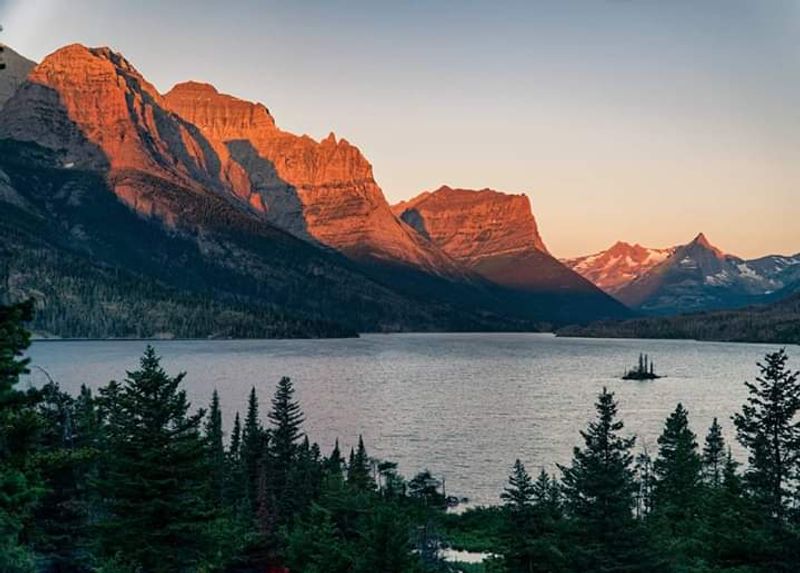
Montana contains approximately 147,000 square miles of land, making it the fourth largest state with one of the lowest population densities in America.
This mathematical reality translates into something profound: genuine solitude that’s increasingly rare in modern life.
When you venture into places like the Absaroka-Beartooth Wilderness or the Scapegoat Wilderness, you might go days without encountering another human being, creating space for the kind of deep reflection that’s impossible amid digital noise.
The sheer scale of Montana’s wild places dwarfs human concerns, putting daily stresses into proper perspective.
Standing beneath the Chinese Wall; a 1,000-foot limestone escarpment stretching for 22 miles; makes your inbox seem laughably insignificant.
Paddling across Flathead Lake’s crystal waters, you realize that most things demanding your digital attention simply aren’t that urgent or important.
This perspective shift doesn’t happen through intellectual understanding but through visceral experience of landscapes that have existed for millions of years and will continue long after you’re gone.
Solitude in these vast spaces also reconnects you with your internal dialogue, the thoughts and feelings usually drowned out by podcasts, music, and endless content consumption.
Many visitors report that their first few days feel uncomfortably quiet, almost boring, as their minds adjust to the absence of constant stimulation.
But this boredom eventually breaks open into creativity, clarity, and emotional processing that’s been postponed by digital distraction.
Questions you’ve been avoiding, decisions you’ve been delaying, and feelings you’ve been numbing all surface naturally when you’re surrounded by nothing but mountains, sky, and your own thoughts.
Dark Sky Preserves Restore Natural Circadian Rhythms
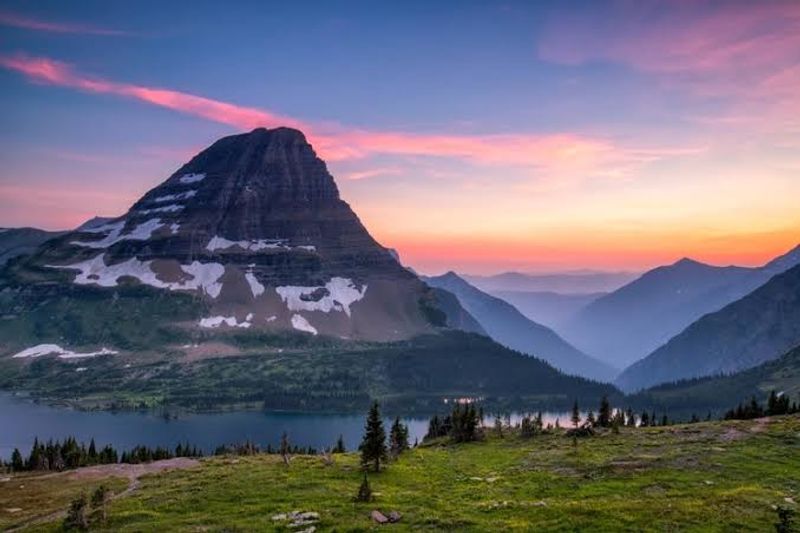
Light pollution has stolen the stars from most Americans, but Montana’s dark sky preserves offer something increasingly precious: nights as they’re supposed to be.
Glacier National Park recently achieved International Dark Sky Park status, joining a select group of places where the Milky Way appears so bright it casts shadows.
When you experience true darkness for the first time, something ancient awakens; your body remembers how to sync with natural light cycles rather than the artificial glow of screens.
Our modern addiction to devices disrupts sleep patterns partly because blue light from screens interferes with melatonin production, the hormone that regulates sleep.
Spending evenings under Montana’s star-filled skies instead of scrolling through phones allows your circadian rhythm to reset naturally.
Guests at remote lodges like the Paws Up Resort near Greenough often report sleeping more deeply than they have in years, waking naturally with sunrise rather than to alarm clocks.
This isn’t just romantic notion; it’s biological reality as your body recalibrates to the light-dark cycle humans evolved with over millennia.
Watching meteor showers from the Missouri Breaks or identifying constellations above Yellowstone’s northern entrance becomes evening entertainment that actually relaxes rather than stimulates your nervous system.
The absence of light pollution also means absence of the urban hum; the constant low-level noise and electromagnetic activity that keeps city dwellers in perpetual low-grade stress.
Many visitors describe feeling their shoulders drop and breathing deepen within hours of arriving in these dark, quiet spaces.
Your body knows the difference between artificial and natural environments even when your conscious mind doesn’t, responding with reduced cortisol levels and improved parasympathetic nervous system function when removed from constant artificial stimulation.
Outdoor Recreation Demands Present-Moment Awareness
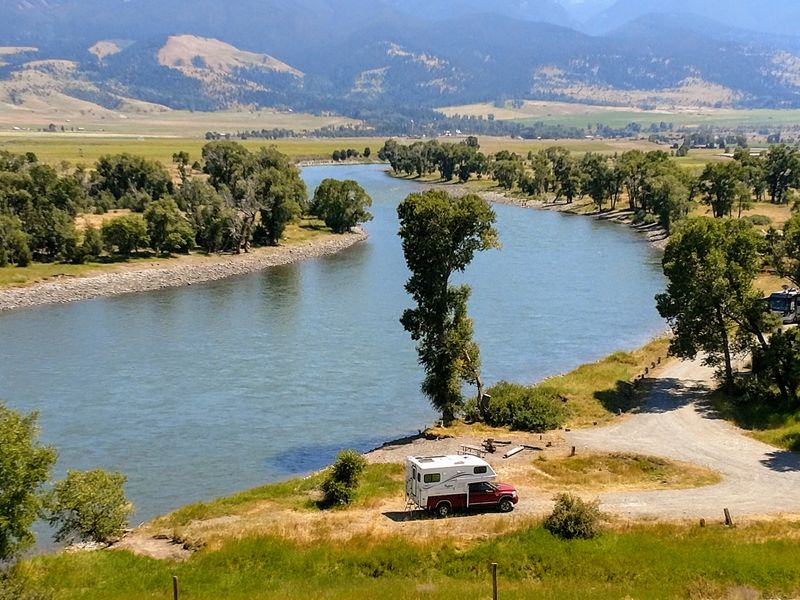
Fly fishing on the Yellowstone River near Livingston requires a level of presence that leaves no room for distracted thoughts about notifications or emails.
You must read the water, understand insect hatches, time your cast perfectly, and respond instantly when a trout strikes; all activities demanding complete engagement with the present moment.
This forced mindfulness becomes addictive as you realize how satisfying full attention feels compared to the scattered, multitasking mindset that dominates digital life.
Montana’s outdoor activities naturally cultivate what psychologists call “flow state,” that absorption where time disappears and self-consciousness fades.
Rock climbing in Hyalite Canyon near Bozeman demands total focus; one distracted moment could mean a dangerous fall.
Mountain biking the technical trails around Whitefish requires reading terrain, adjusting balance, and making split-second decisions that leave no mental bandwidth for ruminating about work problems.
Backpacking through the Beartooth Mountains means constantly assessing weather, navigation, water sources, and wildlife signs; practical concerns that crowd out abstract digital worries.
These activities also provide clear, immediate feedback unlike the ambiguous metrics of digital success.
Either you catch the fish or you don’t; either you reach the summit or you don’t; either you successfully navigate to camp or you don’t.
This clarity feels refreshing after the endless, unmeasurable scroll of social media where there’s always more content, more comparison, more anxiety.
Physical accomplishment in Montana’s outdoors offers genuine satisfaction that digital achievements simply cannot replicate; your muscles remember climbing that peak in ways your brain never remembers clearing your inbox.
The exhaustion from a day of hiking, paddling, or skiing is the good kind that leads to deep sleep rather than the wired fatigue from screen time.
Small-Town Culture Values Face-to-Face Interaction
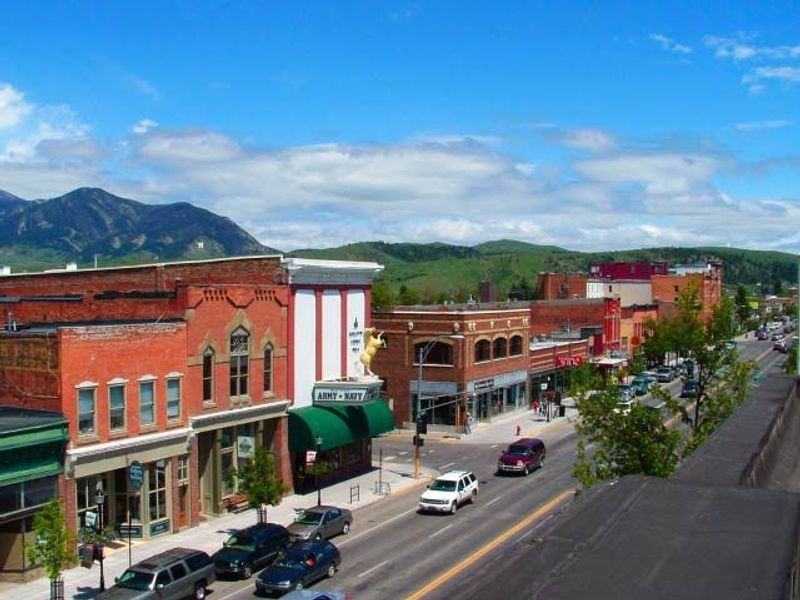
Walking into the Cowboy Bar and Grill in Gardiner means encountering locals who actually make eye contact, ask where you’re from, and share genuine recommendations rather than Yelp reviews.
Montana’s small towns operate on relationship economies where reputation matters more than online ratings, and face-to-face conversation remains the primary communication method.
Places like Red Lodge, Philipsburg, and Choteau maintain cultures largely untouched by the performative nature of social media, where people value authenticity over curated online personas.
These communities remind visitors what social interaction felt like before smartphones mediated every connection.
At the Tippet Rise Art Center near Fishtail, visitors gather for classical music performances in stunning outdoor venues, sharing the experience directly rather than through phone screens.
The Old Saloon in Emigrant has been serving locals and visitors since 1902, maintaining traditions of storytelling, live music, and unhurried conversation that feel revolutionary in our rushed digital age.
Many Montana establishments still operate with cash-only policies or spotty credit card machines, forcing slower transactions that often lead to actual conversations with shopkeepers.
This cultural emphasis on direct human connection provides social nourishment that digital interaction cannot replicate.
Research consistently shows that face-to-face interaction reduces stress hormones, increases oxytocin, and provides emotional regulation in ways that texting and social media fail to achieve.
Spending time in Montana communities where people still wave at passing cars, hold doors for strangers, and engage in small talk reminds you that humans are fundamentally wired for in-person connection.
The loneliness epidemic plaguing digitally-connected societies feels noticeably absent in places where neighbors still borrow sugar, share elk meat, and gather for community events without needing Facebook invitations to make them happen.
Seasonal Weather Creates Natural Rhythm and Adaptation
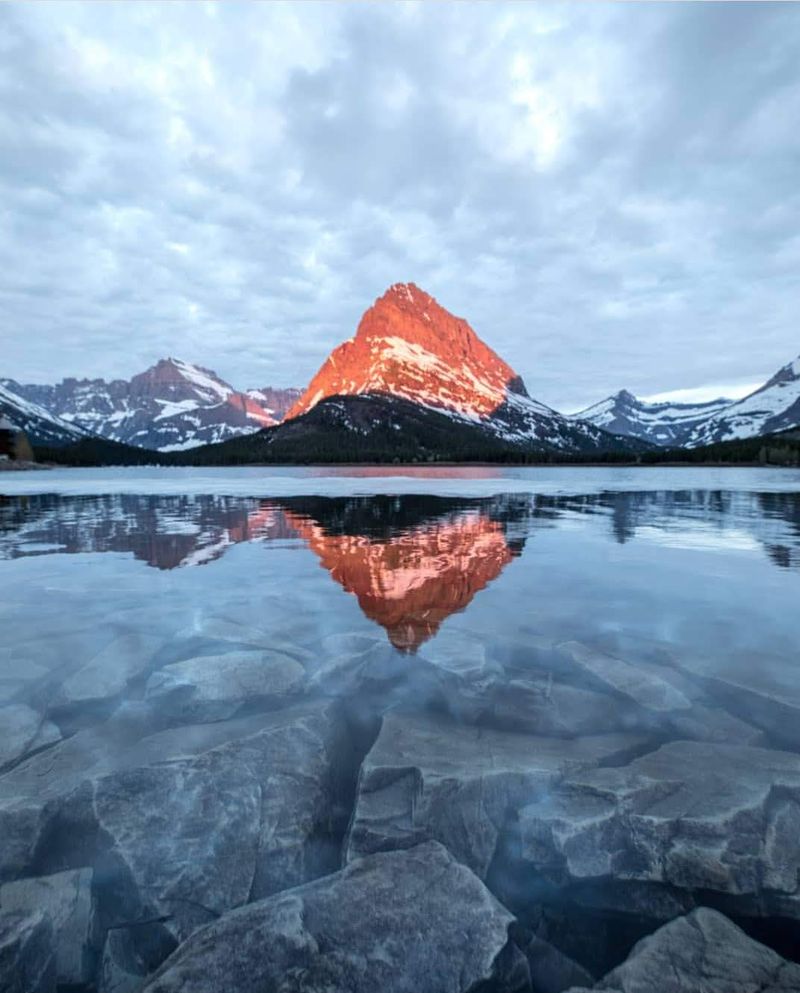
Montana’s dramatic seasonal shifts demand attention and adaptation in ways that reconnect you with natural cycles your ancestors understood intimately.
Winter temperatures can plunge to 40 below zero in places like Cut Bank, while summer days in Billings might reach 100 degrees; extremes that make weather a tangible force rather than something you simply check on an app.
This variability teaches you to read clouds, feel wind direction, notice temperature drops, and develop intuition about coming changes rather than relying on smartphone forecasts.
Experiencing weather directly rather than through digital mediation transforms your relationship with the natural world.
Getting caught in an afternoon thunderstorm while hiking the Highline Trail in Glacier becomes a vivid memory rather than an Instagram story; the smell of rain on hot rock, the electricity in the air before lightning strikes, the primal urgency of seeking shelter.
These unmediated experiences register in your body and memory differently than filtered, photographed, and shared moments.
You develop respect for natural forces that no amount of nature documentaries can instill.
Montana’s seasonal rhythms also encourage a slower, more intentional lifestyle that contradicts the 24/7 always-on digital culture.
Winter’s early darkness and cold naturally encourage rest, reflection, and indoor activities; humans historically used this season for restoration.
Spring’s dramatic awakening, with wildflowers exploding across meadows and rivers swelling with snowmelt, provides genuine excitement that doesn’t require artificial stimulation.
Summer’s long daylight hours invite extended outdoor adventures, while fall’s crisp air and changing aspens create natural urgency to prepare and appreciate before winter returns.
Living according to these rhythms, even briefly, reminds you that humans aren’t designed for the constant, seasonless sameness of climate-controlled buildings and always-available digital content.
Wildlife Encounters Demand Respectful Attention and Humility

Encountering a grizzly bear on the trail in the Northern Continental Divide Ecosystem instantly clarifies priorities in ways that make work emails seem absurd.
Montana contains significant populations of apex predators including grizzlies, wolves, and mountain lions, plus massive herbivores like bison, elk, and moose; animals that command respect and full attention.
These encounters cannot be experienced through a screen; attempting to photograph a moose while ignoring its warning signs could result in serious injury, teaching the hard lesson that some moments require presence over documentation.
Wildlife watching in Montana cultivates patience and humility that counteract the instant gratification of digital life.
Spending dawn hours at Lamar Valley in Yellowstone waiting for wolves to appear teaches you that meaningful experiences often require stillness, silence, and acceptance that nature operates on its own schedule.
You cannot scroll to the next thing when wildlife watching becomes boring; you either commit to the patience required or miss the moment entirely.
This practice of sustained attention, increasingly rare in our distracted age, strengthens mental muscles that atrophy from constant digital task-switching.
Animals also model behaviors worth emulating during digital detox: they’re fully present, responding to immediate environmental cues rather than abstract future worries or past regrets.
Watching a fox hunt in a meadow near Red Rock Lakes National Wildlife Refuge demonstrates complete absorption in the present task.
Observing bighorn sheep navigate impossible cliff faces near the Sun River shows focus and confidence without self-consciousness or performance.
These creatures live without anxiety about how they’re perceived, without comparing themselves to other animals, without documenting their lives for external validation; lessons that feel especially relevant for humans recovering from social media’s comparison trap and performance pressure.
Dear Reader: This page may contain affiliate links which may earn a commission if you click through and make a purchase. Our independent journalism is not influenced by any advertiser or commercial initiative unless it is clearly marked as sponsored content. As travel products change, please be sure to reconfirm all details and stay up to date with current events to ensure a safe and successful trip.
