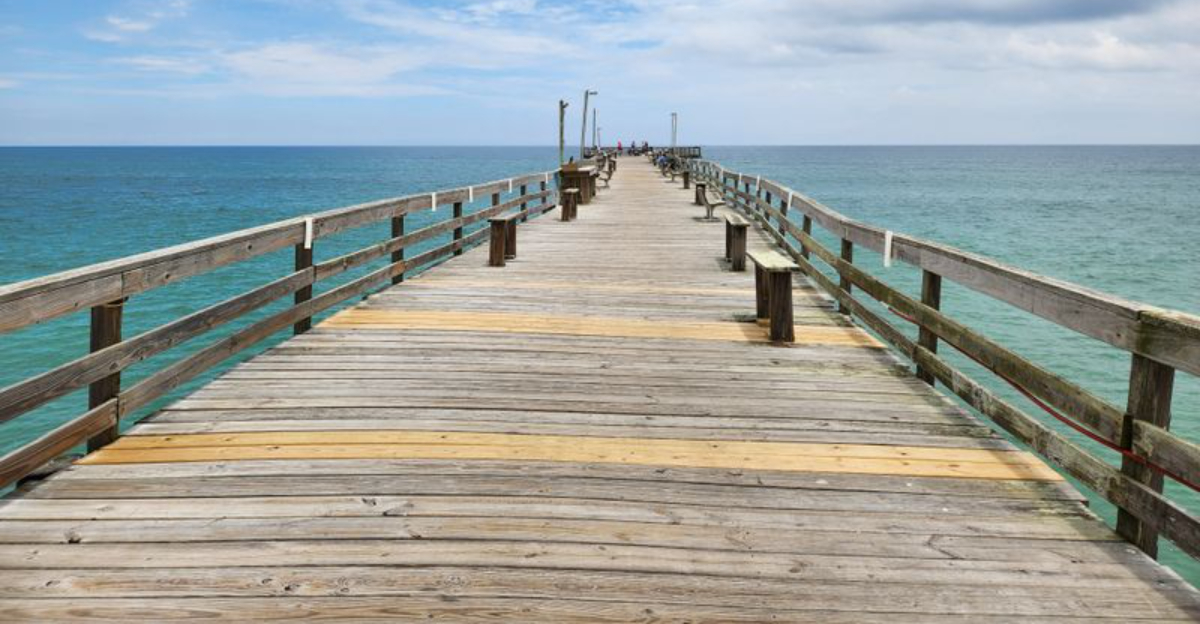
Winter on the Outer Banks feels like a secret finally ready to be shared, with quiet beaches and rosy sunrises that seem reserved just for you.
The summer crowds are gone, leaving behind a stretch of sand and sea that feels like your own private retreat.
Cozy coastal towns add charm with local cafés, seafood shacks, and shops that welcome you in from the chill.
Trails, lighthouses, and hidden dunes turn every walk into a little adventure, even in the off-season.
It’s the kind of winter break where you reset, recharge, and discover why travelers keep coming back to this coastal escape.
Empty Beaches With Winter Sunrises
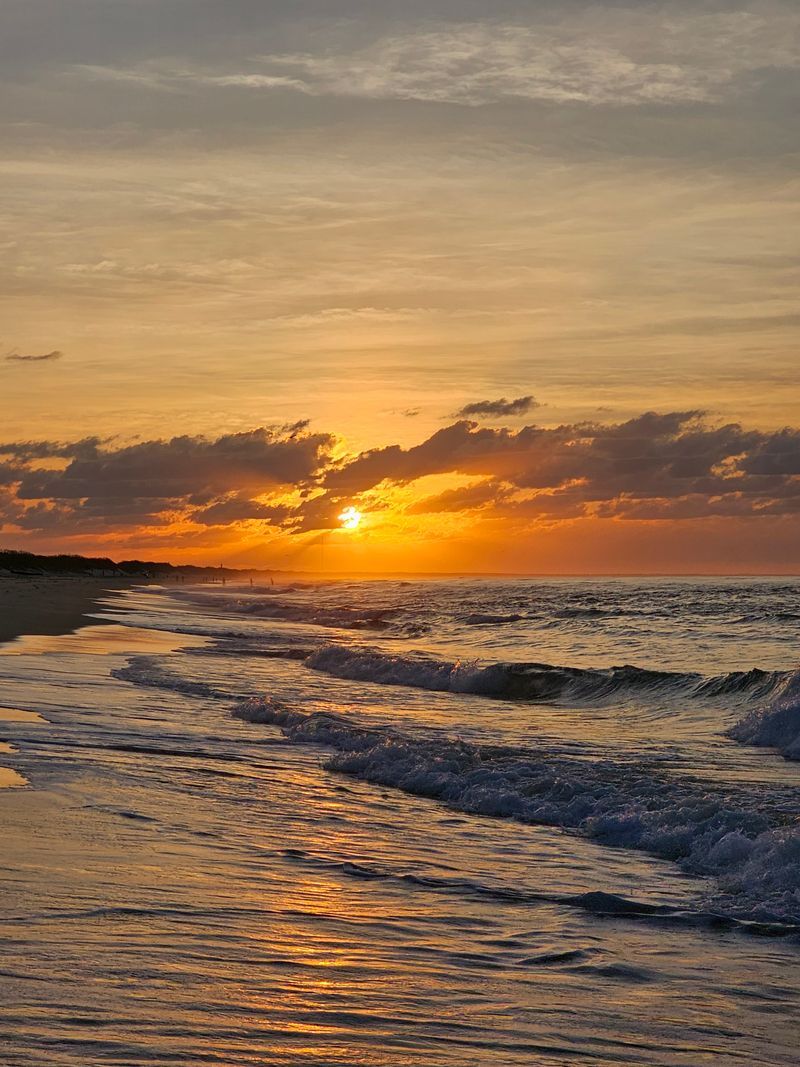
Winter mornings on the Outer Banks arrive in a hush that makes every footstep feel special, and the sky wakes slowly with calm hues.
You can time your stroll to the first light and watch pelicans glide low across the Atlantic while the tide folds back with a relaxed rhythm.
The air is crisp but generous, and the sun warms the sand just enough to keep you wandering longer than planned.
Bring a light layer and let the wind guide your pace, because the shore spreads for miles and crowds rarely gather this time of year.
You can pause by a weathered dune fence and listen to the steady thrum of waves that softens the mind like a friendly metronome.
Shells often collect in neat lines after a north wind, and you can scan for sea glass in little glints that flash between ripples.
Photographers love the even light that winter gives, and you can frame a lighthouse silhouette or the bones of a pier with clean clarity.
North Carolina feels close in these moments, like the coast is speaking in slow words that ask you to breathe and look again.
You can carry a thermos and settle near the dunes where sea oats whisper, and the day opens in quiet chapters that feel well paced.
Patience rewards you with shifting color, so you can watch gold move to coral while gulls trace lines that fade into calm.
By the time the sun clears the water, you might feel lighter, and the boardwalk behind you becomes a soft path back to breakfast.
Wright Brothers National Memorial, Kitty Hawk
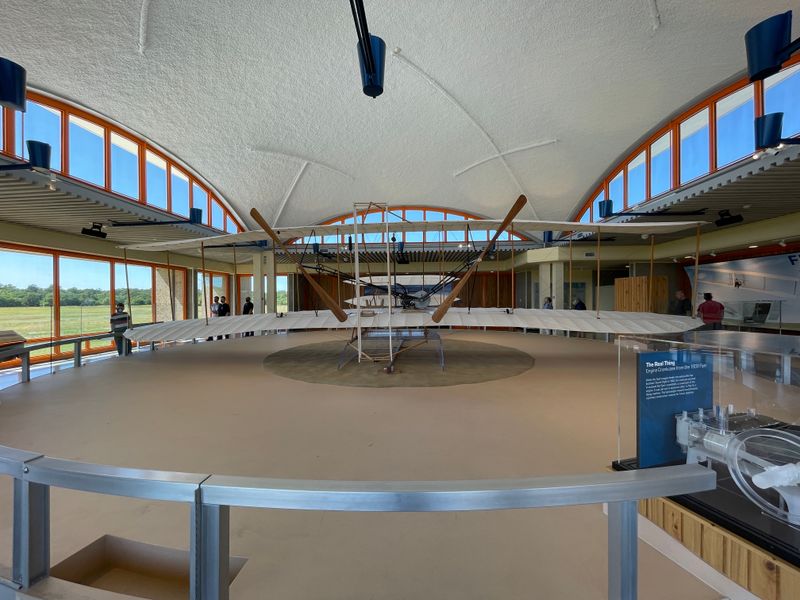
Standing at Wright Brothers National Memorial in winter gives you room to take in the slope of Kill Devil Hill without rush or noise.
The granite monument rises clean against the sky, and the first flight markers stretch across the field with quiet precision.
You can follow the stone blocks that mark each flight, and the distances feel more human when the path is yours to walk alone.
The reconstructed camp buildings add shape to the story, and you can peek into the workshop where careful hands shaped spruce and muslin.
Rangers share clear context about the 1903 flights, and the visitor center displays the engineering ideas that changed how people travel.
The outer lawn opens toward dunes where the wind still runs swift, and you can sense why testing here made practical sense.
Winter light sharpens the monument edges, so photos come out balanced, with soft shadows that flatter the stone face.
If you crave a quiet bench, you will find one near the pavilion, and the breeze carries a faint salt note from the ocean.
North Carolina takes pride in this site, and the memorial honors persistence more than spectacle, which fits the season mood.
The walk to the top is steady and short, and your view lines drift across Kitty Hawk to a calm ribbon of water on the horizon.
Interpretive signs are concise, and you can pace your reading to match the measured steps between distance markers.
You leave with a grounded sense that curiosity plus grit can lift more than wings, and the path back feels lighter under your shoes.
Cape Hatteras Lighthouse Views and Night Skies
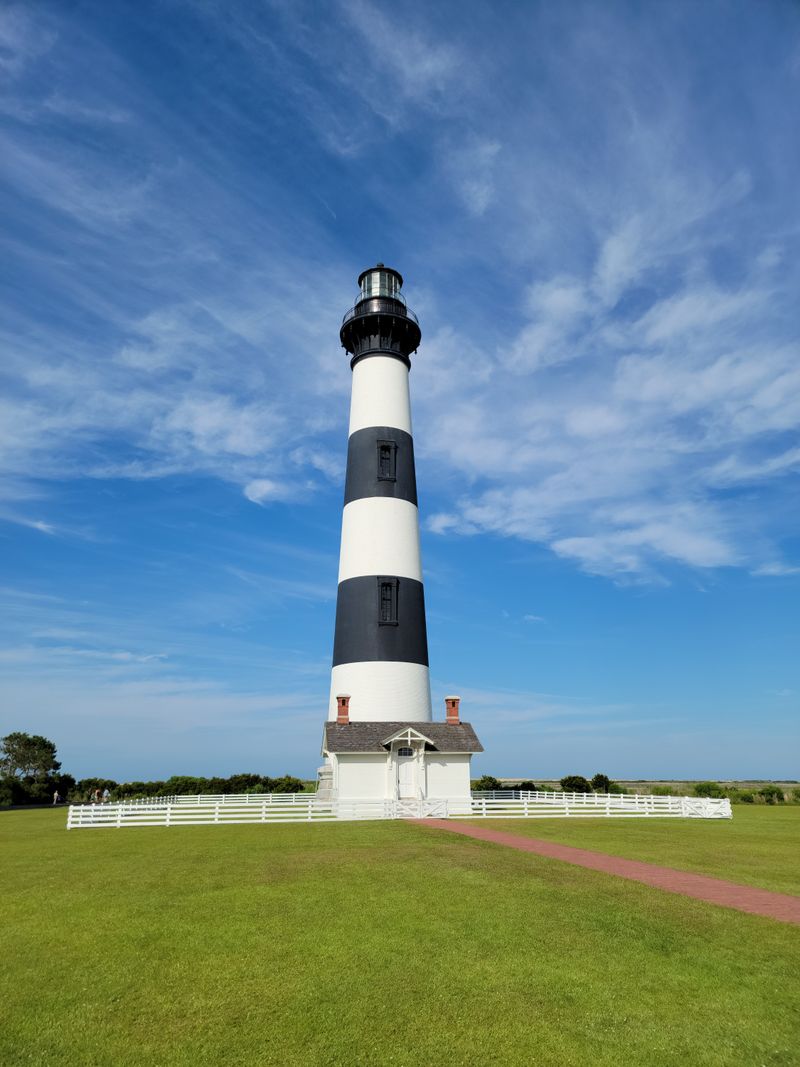
Cape Hatteras Lighthouse stands tall with its spiral stripes, and winter evenings bring a clean sky that deepens color with every minute.
You can wander the boardwalks around the grounds, and the brisk air keeps your steps lively as the light room begins to glow.
Daytime visits feel open and unhurried, with rangers sharing current updates about restoration plans and safety around the site.
Sunset lays a soft gradient over the dunes, and you can wait as the first stars pop like small notes above the beacon.
The night sky here can turn beautifully clear, and you can pick out constellations over the Atlantic with little competition from town lights.
Photo seekers find sharp silhouettes along the fence line, and long exposures reward patience with crisp detail around the lantern.
North Carolina coastal winters often bring steady winds, so a snug layer helps you linger for the full shift from blue to dark.
During the day you can explore nearby trails, and the fragrance of salt and pine leans in while gulls ride the moving air.
Interpretive panels outline the history of storms and rescues, and you can picture the hard work that kept mariners safe along shoals.
Parking is simple in the off season, and friendly staff answer questions about lighthouse moves and preservation timelines.
Stargazing works best on moonless nights, and you can check forecasts for clarity that favors steady viewing across the dune line.
You leave with sand in your cuffs and a camera full of quiet moments, and the path back feels gentle under a sky still bright with points.
Wild Horses of Corolla, Observed Respectfully
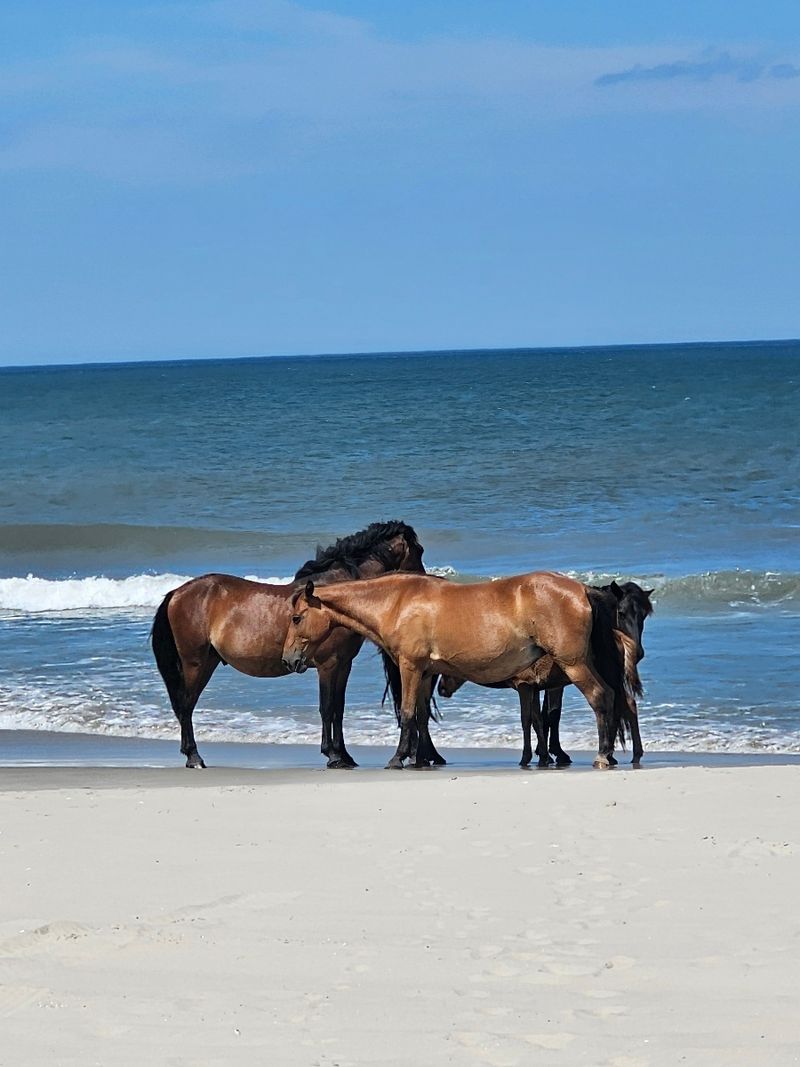
Seeing the Corolla wild horses in winter feels like a gift, because the beaches are calm and the light sits soft on their coats.
You can book a permitted tour with guides who know the terrain, and they keep a safe buffer that protects the herd.
The recommended viewing distance supports their health, and you can bring binoculars to appreciate gentle movements without crowding.
Four wheel drive access north of Corolla makes travel possible across firm sand, and guides handle conditions with steady skill.
Stories trace the herd to long ago shipwrecks, and guides present those tales as legend while focusing on current conservation facts.
Winter winds sometimes lift manes in playful swirls, and that small drama reads beautifully against neutral dunes and pale water.
North Carolina regulations emphasize respectful space, and you can learn why feeding and approaching cause stress for these animals.
Your photos look more honest when framed from a distance, and the setting adds a sense of freedom that suits their nature.
Tracks curve like ribbons across the sand, and you can watch how horses choose higher ground when spray pushes up the beach.
Guides point out plants that hold dunes in place, and you will see how the landscape supports wildlife through spare winter months.
If weather turns, tours adjust for safety, and you can reschedule with ease since off season calendars are more flexible.
You leave grateful for a quiet sighting that feels unforced, and the ride back carries a peaceful rhythm that stays with you.
Pea Island National Wildlife Refuge Birding
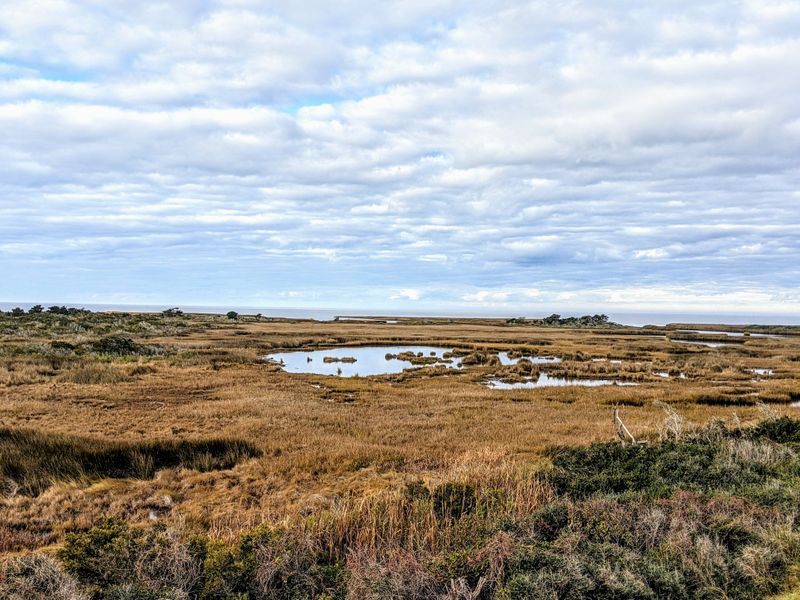
Pea Island National Wildlife Refuge turns into a winter stage for birds, with ponds and marshes that host flocks in calm rotation.
You can walk the North Pond trail and pause at overlooks where light lands flat and soft for clear viewing.
Bring binoculars and note how ducks raft in groups while egrets stalk channels that glint like ribbons.
Information boards list seasonal species, and you can log sightings that change week to week as weather moves through.
Volunteers sometimes staff the visitor center with updates, and you can ask about tide timing that influences movement.
Wind carries a light salt note here, and your pace slows naturally with the flow of wings across open water.
North Carolina conservation work shows in maintained paths and signage that keep people on routes that protect habitat.
Photographers appreciate the stability of platforms, and even a modest lens can capture honest detail in clear air.
The refuge feels generous in winter, with fewer visitors and more moments where sound narrows to calls and gentle splash.
Wear layers and a simple hat, because steady breezes cool quickly once the sun drops behind low scrub.
You can pair birding with a beach walk just across the road, and that mix gives the day a balanced shape.
Leaving the refuge, you carry a calmer cadence, and your notes hold a tidy list of sightings that guide tomorrow’s plan.
Bodie Island Lighthouse Boardwalks
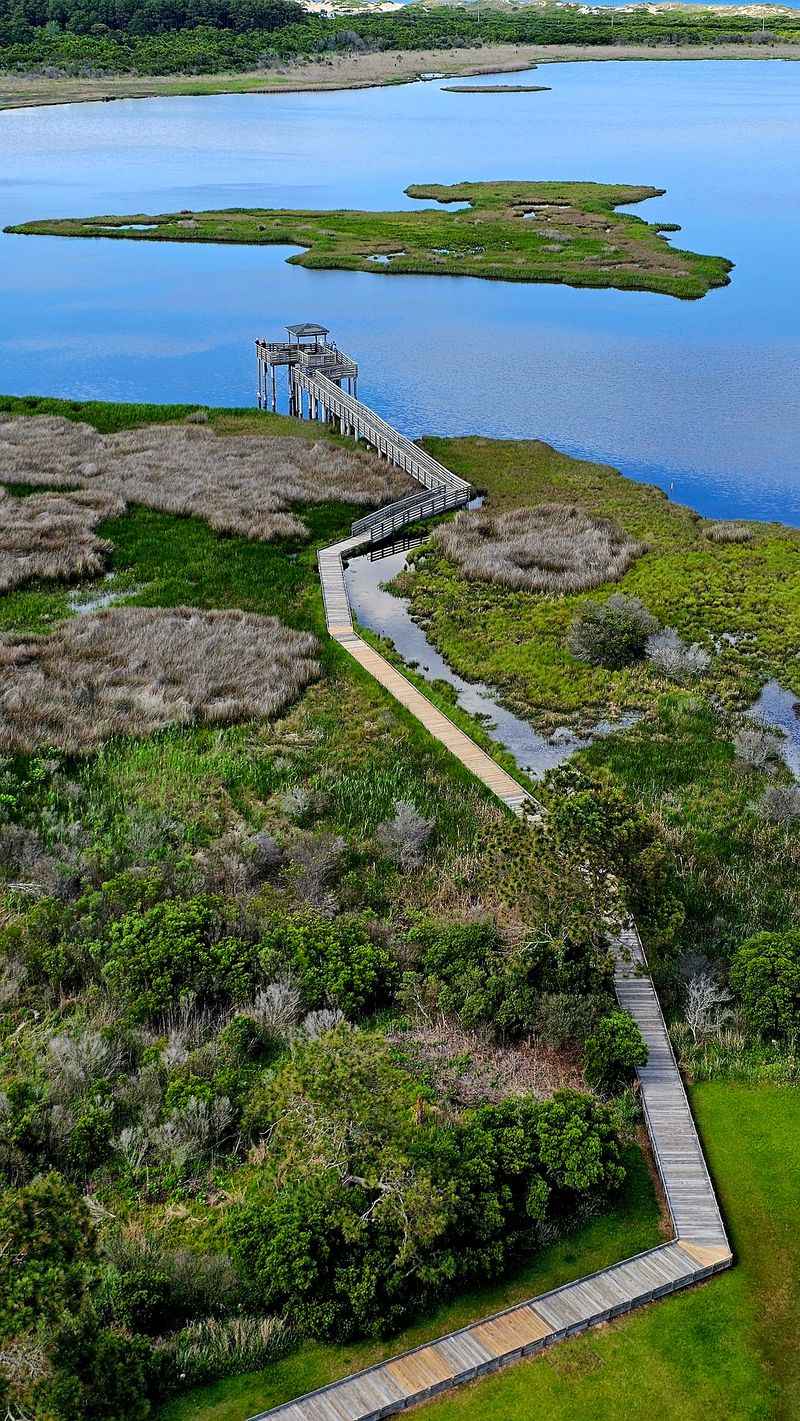
The Bodie Island Lighthouse area brings a gentler quiet, with marsh boardwalks that stretch over still water and a clean view of the tower.
You can pace the planks as the wind brushes reeds, and reflections shift with small ripples from hidden fish.
Interpretive signs describe the ecosystem, and you can connect lighthouse history with the calm rhythm of the wetlands.
Afternoons often glow in pale gold, and your photos find symmetry in lines that run toward the lantern room.
Climbing schedules vary by season, so you can check current details and plan a stop that matches your route.
Even when the tower is closed, the grounds reward patience, and birds often sit still long enough to study markings.
North Carolina coastal marshes carry a delicate fragrance, and the air feels clean as it slides across open water.
Parking is simple in winter, and you can linger on benches where the view stretches beyond reeds to a slim horizon.
If clouds thicken, the scene shifts to moody grays, and the lighthouse stands steady like a punctuation mark in the landscape.
Walk quietly and you will hear subtle clicks from crabs beneath the edge boards along shaded water.
The setting invites slow breathing, and your steps find a measured cadence that suits the season well.
You leave with clear eyes and a calm mind, and the boardwalk carries you back with an easy line to the lot.
Jockey’s Ridge State Park Sand Dunes
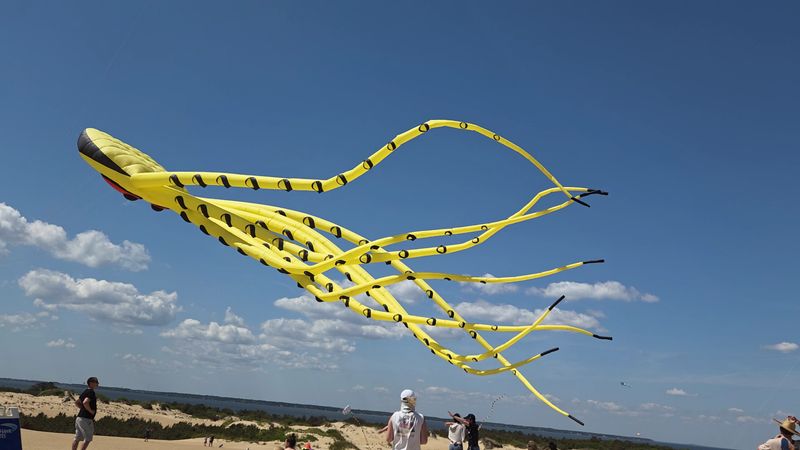
Jockey’s Ridge State Park delivers a sweep of sand that feels otherworldly, and winter light draws fine lines across each ripple.
You can follow the boardwalk from the parking area and step onto dunes that hold heat by day and cool fast at dusk.
Kite flyers find steady wind here, and colors rise against the sky with a playful lift that looks effortless.
Hang gliding instruction runs seasonally, and you can watch students practice smooth launches in a controlled zone.
The high ridge offers a wide view of the sound, and sunsets stretch out in layered color that softens the day.
Signs guide you away from sensitive plants, and you can tread lightly to keep the dunes healthy for future visits.
North Carolina state park staff share current tips about conditions, and they keep access points tidy and well marked.
On chilly days the sand packs firm, and walking becomes simple as the breeze keeps footprints crisp behind you.
The ridge crest makes a fine perch for photos, and the slopes lend graceful curves that lead your eye toward the water.
Bring a scarf for the wind and a headlamp if you stay for sunset, because the ambient light fades quickly.
Families enjoy simple games on the flats, and the space gives room for pure movement without tight boundaries.
You leave with sand in your shoes and a smile, and the walk back feels like a gentle slide through warm toned shadows.
Roanoke Island Festival Park History Walk
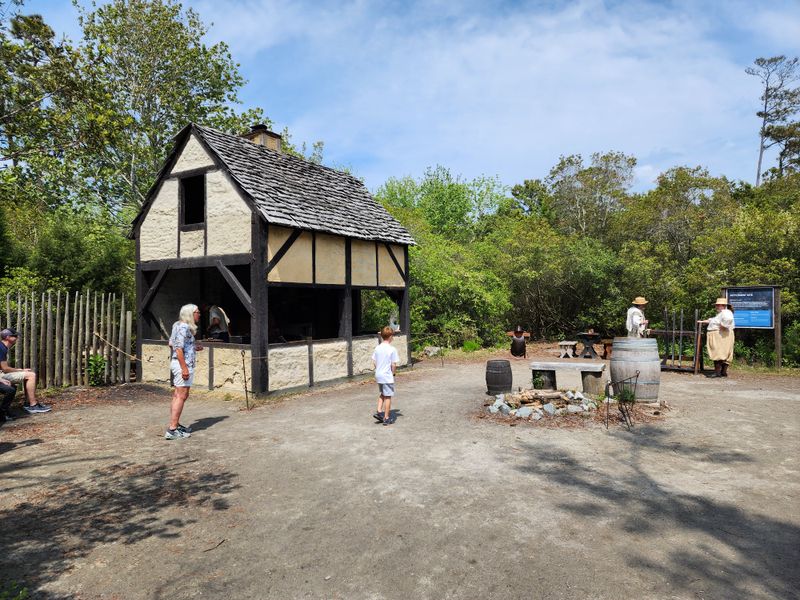
Roanoke Island Festival Park offers a hands on window into early coastal life, with boardwalks that cross calm water toward engaging exhibits.
You can step onto the Elizabeth II ship replica and appreciate how tight quarters feel for long voyages across shifting seas.
Interpretive staff share clear demonstrations of period tools, and you can try simple tasks that explain daily effort centuries ago.
The settlement area shows cooking spaces and workshops, and you can ask questions about methods that kept people warm through winter.
Boardwalk trails loop around marsh edges, and the views open to Manteo waterfront with quiet charm in the cold season.
Indoors you will find galleries that balance artifacts with interactive elements, which helps younger travelers stay curious.
North Carolina history sits close here, since the Lost Colony story began nearby, though parts of that tale remain debated.
Staff present legends as legends and facts as facts, and that clarity suits a thoughtful winter visit perfectly.
The Elizabeth II remains docked at 1 Festival Park, Manteo, NC 27954, and signage confirms hours that shift by season.
You can pair the park with a stroll through downtown Manteo, where storefronts glow with soft lights on cool afternoons.
Parking is straightforward, and benches along the water give you a warm place to rest in the sun between exhibits.
The walk back over the boardwalk feels light, and your mind holds new context for the shores you explore the next day.
Chic and Cozy, Black Pelican Oceanfront Restaurant
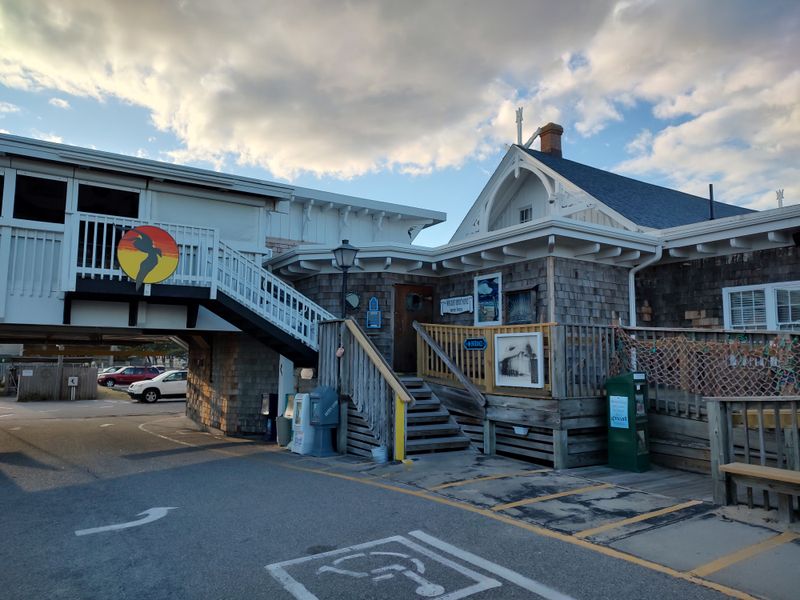
Black Pelican Oceanfront Restaurant makes a comfortable stop after a beach walk, with warm wood, nautical touches, and big windows toward the water.
You can settle into a booth that faces the Atlantic and feel your shoulders drop while the room hums at a gentle pace.
History threads through the building, and framed photos quietly tell how this spot served coastal needs long before today.
The entrance sits at 3848 N Virginia Dare Trail, Kitty Hawk, NC 27949, and parking remains easy in the calmer months.
Staff greet you with relaxed energy, and seating near the windows gives a steady show of waves in changing light.
The menu is broad and well known, and you can focus on ambiance and easy conversation while keeping an eye on the horizon.
North Carolina hospitality comes through in small touches, like a quick check on your comfort and a helpful answer to simple questions.
Large tables fit families, while two tops by the glass feel right for a slower meal that stretches across sunset.
The upstairs room holds a classic coastal vibe, and decor leans toward clean lines that let the ocean remain the star.
On breezy days the entry deck feels fresh, and the view north along the beach reaches farther than expected.
If you prefer a quiet corner, hosts guide you to a spot away from the main flow where conversation stays easy.
You leave feeling warm and unhurried, and the short drive back to your stay keeps the evening smooth and simple.
A Simple Coffee Pause, Front Porch Cafe
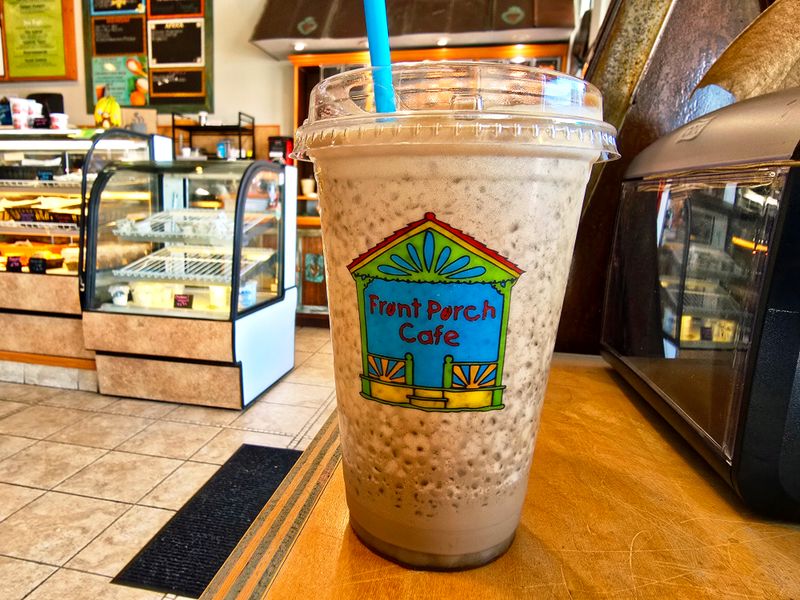
Front Porch Cafe offers a casual place to warm up, with friendly staff and a bright counter that anchors the room.
You can ease into a cushioned chair and let the winter light fill the space while soft chatter drifts across tables.
Shelves of beans line the walls, and the smell creates a welcoming mood that pairs well with a slow morning plan.
The Nags Head location at 2515 S Croatan Hwy, Nags Head, NC 27959, keeps hours that work for early risers and afternoon stops.
Regulars trade greetings with staff, and you can find a quiet corner for reading or map checks before heading out.
Wi Fi is steady and appreciated, and the layout balances solo nooks with group tables that fit a relaxed meetup.
North Carolina beach towns know how to keep winter simple, and this cafe follows that rhythm with calm service.
Windows catch low sun that lands in warm rectangles, and the light looks good on wood tables and tidy shelves.
The counter team moves smoothly, and the line stays friendly even when a burst of visitors drops in from the road.
You can pick a seat near the front door and watch locals pop by with quick waves and easy smiles.
When you head out, the chill feels lighter, and your next stop falls into place with a steady and happy pace.
The memory you carry is simple and nice, and that suits a winter day that runs on comfort and calm.
Winter Fishing Piers and Quiet Soundside Paths
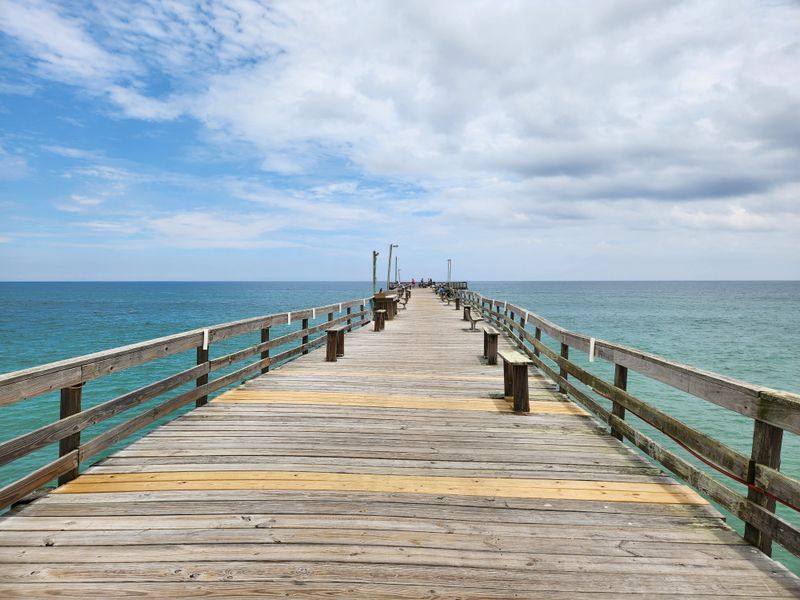
Winter pier time on the Outer Banks trades summer buzz for space, with long planks that stretch into soft colored water at dawn.
You can walk out past the breakers and feel the boards flex underfoot while the horizon holds a fine straight line.
Anglers arrive early with tidy gear, and you can watch the calm ritual of casting that marks the season.
If you prefer land walks, soundside paths curve under bare shrubs, and benches face water that mirrors slow moving clouds.
Layer up and keep fingers warm, because the wind finds gaps quickly when you stand still to take photos.
Interpretive signs at some piers share storm history, and you can trace how repairs kept these structures part of daily life.
North Carolina winters bring clear air that sharpens details, and your camera picks up grain in old timbers with pleasing texture.
Sunset facing the sound often glows copper and rose, and the last light turns railings into clean silhouettes.
The walk back carries a calm pace as gulls drift to roost, and you can hear gentle clinks from rigging in nearby slips.
If you want indoor warmth after, local cafes welcome layered clothes and sandy shoes without fuss in the quiet months.
You will likely meet a friendly dog or two on leashes, and owners nod with easy smiles as they pass.
By evening you feel pleasantly tired in a simple way, and the day settles like a good book that closes on a smooth page.
Dear Reader: This page may contain affiliate links which may earn a commission if you click through and make a purchase. Our independent journalism is not influenced by any advertiser or commercial initiative unless it is clearly marked as sponsored content. As travel products change, please be sure to reconfirm all details and stay up to date with current events to ensure a safe and successful trip.
