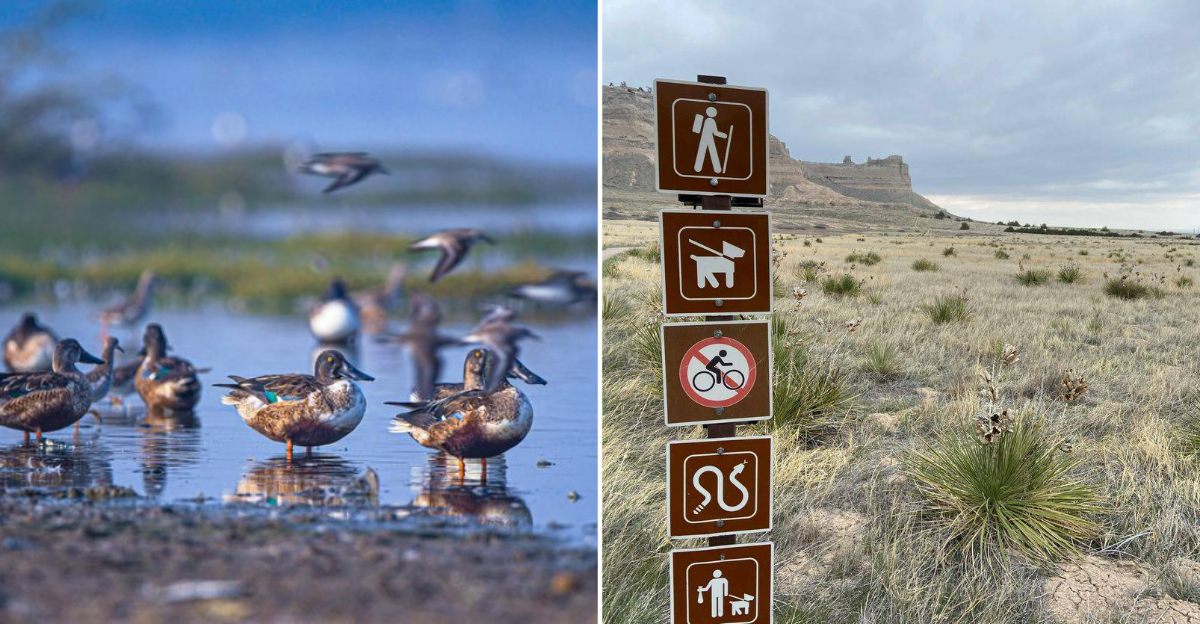
Have you noticed how some of Nebraska’s quiet getaways don’t feel so quiet anymore?
Places that used to be perfect for unplugging, whether it was a small lake, a hiking trail, or a tucked-away park, are now busier, louder, and not quite the escape they once were.
It’s not that these spots lost their charm, but more people have discovered them, and with that comes crowds, traffic, and sometimes even a little chaos.
I’ve been to a few of these places myself, and it’s a strange mix of emotions. On one hand, it’s great to see more people appreciating Nebraska’s natural beauty.
On the other hand, when you’re looking for peace and end up surrounded by noise, it can feel disappointing.
Locals notice it too, what used to be a hidden gem is now a weekend hotspot. Nebraska still has plenty of beauty to offer, but the idea of “peaceful” is changing fast.
Curious to see why those calm spots aren’t so calm anymore?
1. Social Media Put Quiet Places On Loud Maps

Remember when we could wander out to Lake McConaughy and hear only wind and gulls? Now one viral video drops, and suddenly the beach looks like a parking lot with waves.
Once a hidden lake or trail shows up on a viral post, visitation can spike overnight, and you feel it in the chatter that never quite fades.
Nebraska spots that handled local traffic suddenly see crowds with no added infrastructure. Parking, trash, and trail wear increase fast, so even a gentle shoreline looks scuffed by midday.
Peace fades when popularity arrives faster than planning, and you start timing your day around other people’s drones and photo ops.
The vibe shifts at places like Platte River State Park where overlooks turn into stages. Folks line up, then linger, so the quick pause you imagined turns into waiting.
If you still want that quiet, go early, step off the obvious views when it is allowed, and keep plans flexible so you can pivot if a location feels cooked.
Social feeds are not the enemy, but they do flatten nuance. A post cannot show fragile ground or how narrow a trail is.
If you share a spot, you owe it context, timing tips, and a nudge toward “leave no trace”. Nebraska deserves hype that protects the hush, not just collects likes.
2. Weekend Crowds Travel Farther Than Before
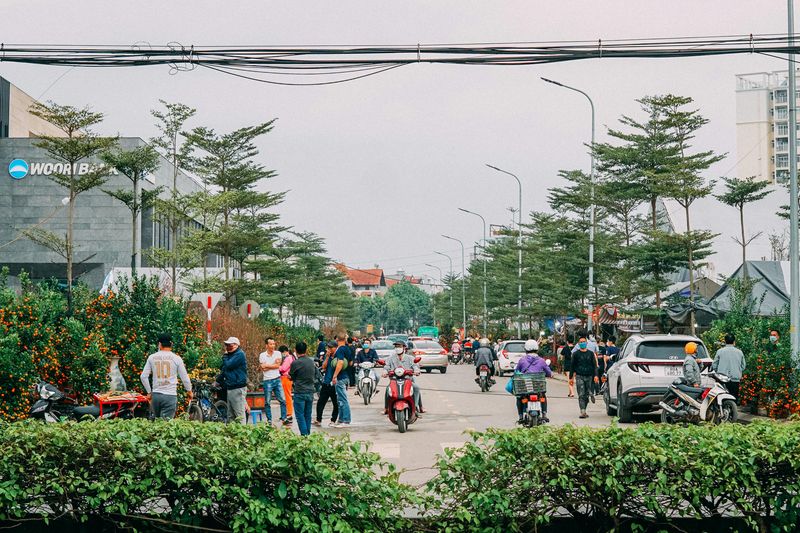
Here is the new rhythm. Remote work and flexible schedules changed how people travel, so Friday morning already feels like Saturday out on the trails.
More visitors now arrive from out of state for short getaways, and they treat Nebraska like an easy swing on a bigger loop.
Places that once felt empty Monday through Friday now feel busy all week, and the lull is shorter and softer. The rhythm locals relied on has shifted, and it is not personal, it is just momentum.
At Mahoney State Park you notice it in the full lots before noon and a constant shuffle at the overlooks.
What helps is leaning into odd hours. Sunrise still buys you some breathing room, and late afternoons can mellow after the daytrip surge.
If a trailhead looks stacked, pick a parallel path or walk the same route in reverse to unhook from the train.
I try to think like water and flow around the logjam. Keep your gear simple so you can move when a spot feels cooked.
If you want company, lean into it and chat with folks about what brought them here. This state can hold both calm and buzz, but it might take more intentional choices than it used to.
3. Wildlife Areas Are Pulling Double Duty
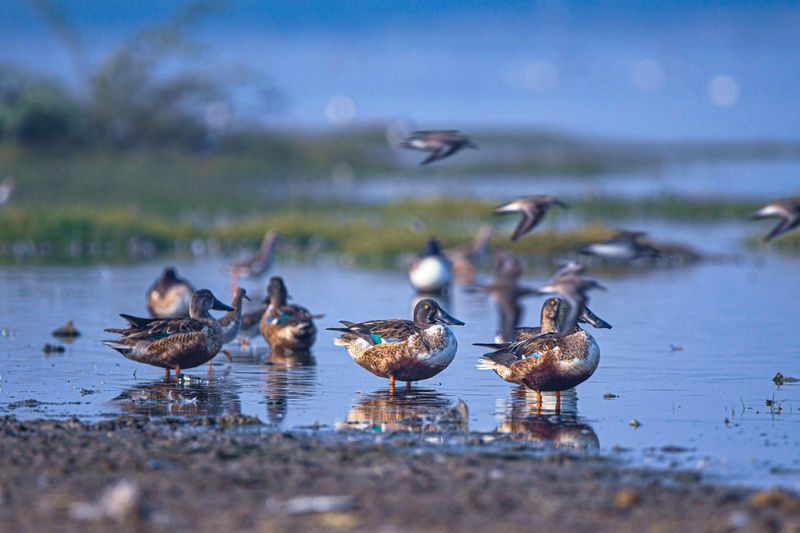
Quiet used to come easy at DeSoto National Wildlife Refuge. Now binoculars outnumber songbirds on peak days, and you can feel the path pulsing.
Nebraska’s refuges are both conservation zones and tourism draws, which means every step needs to be calm and purposeful.
Increased foot traffic stresses habitats meant to stay undisturbed, and the little choices matter.
Birding and wildlife viewing numbers have risen, especially during migration seasons, so blinds and platforms fill fast.
Quiet observation has turned into steady movement, and that motion alone can push animals deeper.
What helps is staying patient. If a blind is full, hang back and use the edges rather than crowding inside.
Keep voices low, skip speakers, and stick to marked routes so you do not slice across feeding zones.
At places like Crescent Lake National Wildlife Refuge the space is huge, but the sensitive spots are tiny. Move slowly and let the landscape set the pace, not the other way around.
You might see less in the moment, but you will feel the quiet settle in again, which is the whole reason we came. Nebraska still whispers if we meet it halfway.
4. State Parks Are Carrying More Than They Were Built For
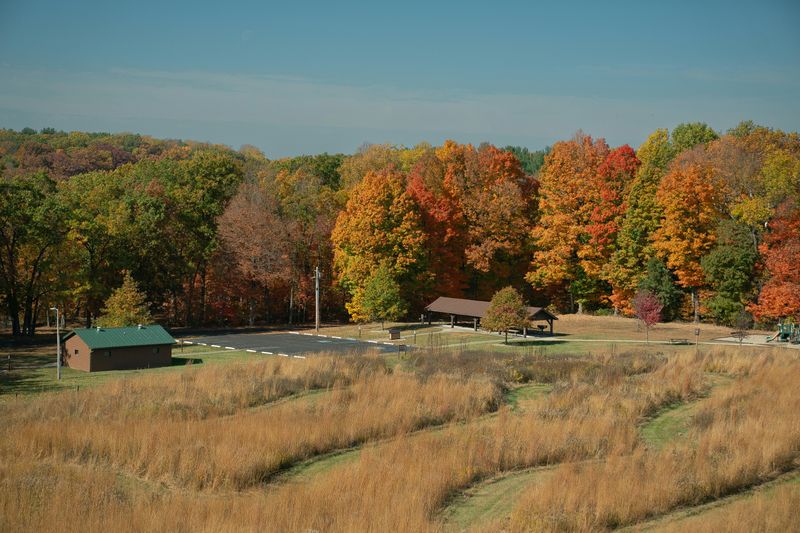
You know the feeling when a trail seems one size too small? Many parks were designed decades ago for regional use, and that shows on sunny weekends.
Facilities struggle under higher visitation without matching expansion, and lines form where there never used to be lines.
Crowded trails and full campgrounds are now common during peak months, which tightens the mood.
The experience feels tighter and noisier than before, especially at places like Indian Cave State Park where narrow trails bottleneck near overlooks.
Pace gets set by the slowest group, and the forest soundtrack turns chatty.
So we adapt: hit lesser used loops, or start with a fire road and slip onto singletrack later. Carry small trash bags and model good trail manners so the vibe nudges better instead of worse.
If a campground is packed, consider dispersed style areas where it is allowed or look for day use corners with shade and space.
I always bring a simple folding seat and make my own quiet pocket away from nodes. Parks here still carry plenty of peace, but it takes a lighter touch and a bit of timing.
5. Events Spill Beyond Their Boundaries
Small festivals are fun until the ripple keeps rolling, and seasonal events attract more visitors each year, which is great for towns and tough on quiet corners.
Traffic, noise, and overflow parking now affect nearby quiet areas, even when the event itself is tidy.
What was once a single busy weekend can stretch into weeks as setup and teardown extend the bustle.
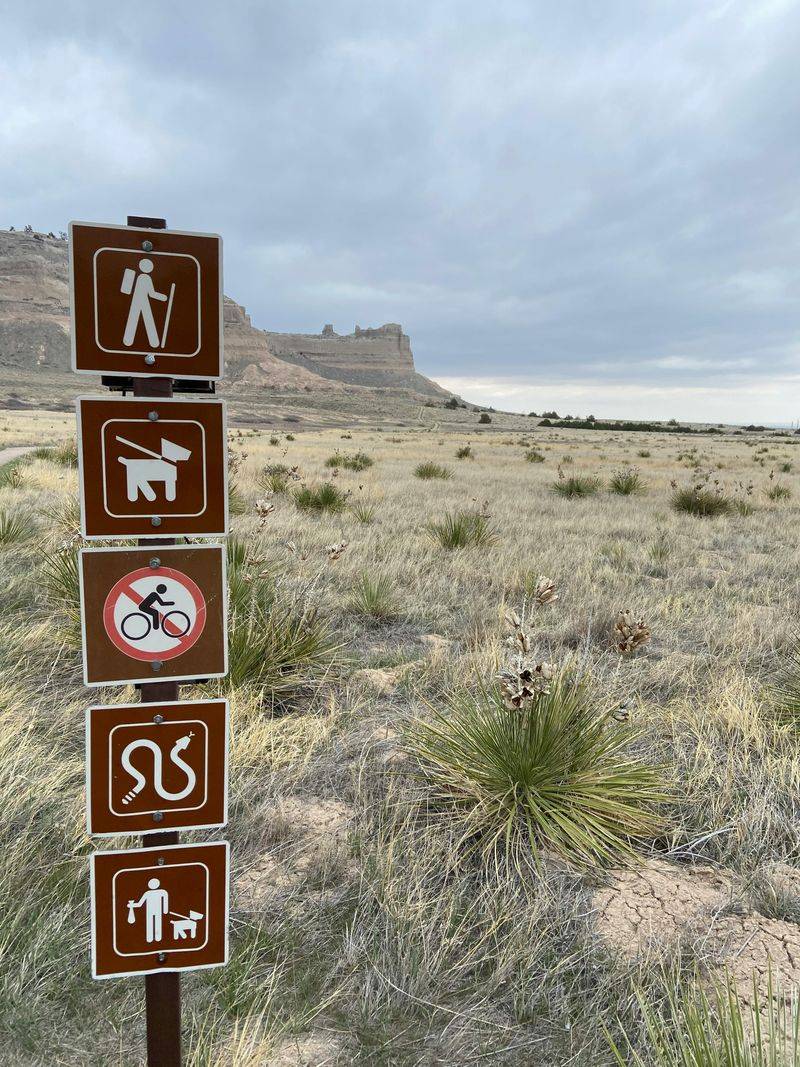
The calm before and after is shrinking, and you feel it at Scotts Bluff National Monument when nearby happenings stack with regular visitation.
The trail scene turns lively even if you were hoping for a slow stare at the buttes.
Plan around it like the weather. If you see posters or posts about upcoming events, reshuffle your route and save popular overlooks for off hours.
Make sure to keep your plan soft and your expectations softer.
It helps to treat the crowd as part of the story rather than a glitch. Grab a quieter spur trail, then circle back when energy dips.
Nebraska towns throw good gatherings, and the land can still feel calm if we give it a beat to settle between the cheers.
6. Increased RV Travel Changed The Soundscape
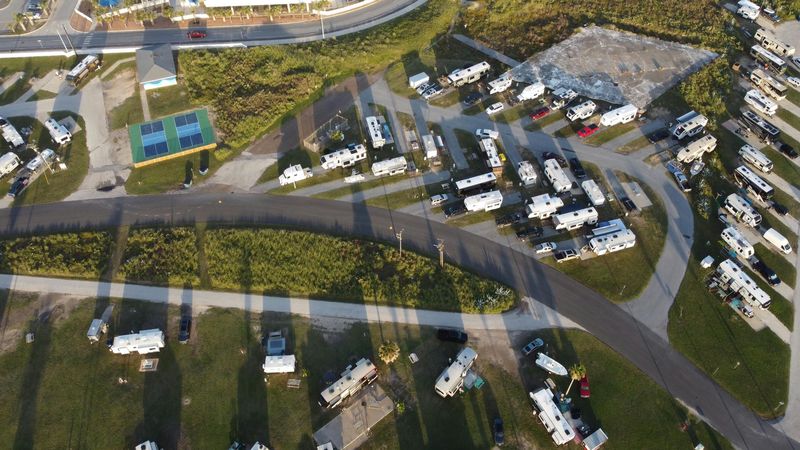
This one sneaks up on you at night. Nebraska has seen a rise in RV and van travel, and those rolling homes bring comfort plus a soft mechanical chorus.
More generators, vehicles, and overnight stays change how places sound, and your ears pick it up the second the sun dips.
Areas once silent after sunset now carry steady background noise, so that big sky moment feels different. Stillness is harder to find near big camp loops at places like Fort Robinson State Park.
I don’t think it’s bad, it is just a new soundtrack that runs a little longer.
If quiet is the point, aim for walk in sites or choose tent areas buffered by trees. Park farther from the hub and let distance do the work.
A short stroll can shave the noise down to a murmur. Earplugs help, but timing helps more: arrive earlier, scout the layout, and listen before you commit.
Nights here still carry a soft hush if you create a small gap between you and the generators.
7. Trail Etiquette Has Slipped
I do not think people mean harm. New visitors do not always understand “leave no trace” practices, and tiny misses add up fast.
Louder groups, off trail walking, and music on speakers are more common, and the energy shifts even when the place still looks the same.
Even small behavior shifts add up in quiet environments, from crushed grasses to nervous wildlife.
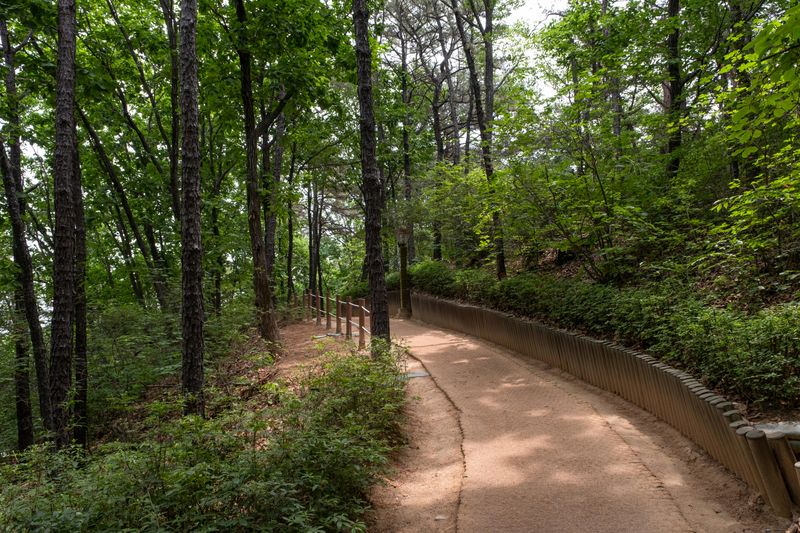
The mood changes as much as the landscape, and it is obvious at places like the Cowboy Trail where long straight lines amplify sound. A single speaker can carry for a surprising distance.
You can set the tone with small moves. Keep voices low, stash the speaker, and step aside with a smile when riders roll through.
If you see someone drifting off trail, a friendly heads up works better than a lecture.
Signs help, but modeling works faster. When kids see someone pack out trash, they copy it.
Kindness travels just as far as noise does, and it might be the quietest tool we have to keep trails feeling calm.
8. River Recreation Has Intensified
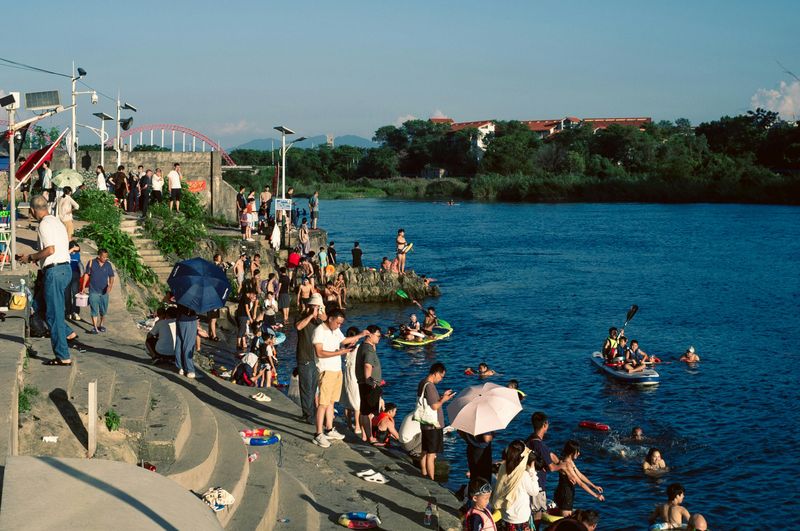
Float days used to feel sleepy. Rivers once used mostly by locals now draw floaters and paddlers from farther away, and the launch points stack with energy.
Busy weekends bring noise, litter, and crowding along access points, so the mellow drift now starts with a queue.
Wildlife movement along riverbanks is affected, and you notice more skittish herons and fewer lingering deer.
The calm flow people remember feels disrupted, especially on the Niobrara where timing is everything. If that first bend is jammed, the tone can take a while to reset.
Solutions are simple but specific: launch earlier or later, pick midweek when you can, and choose longer stretches that thin the pack.
Pack out micro trash and keep voices low so your group blends into the current.
Rest at side channels if it is allowed, let faster groups pass, and keep music in your head instead of on a speaker.
A softer footprint buys back some hush. Rivers here still carry the kind of calm you can hear if we let the water lead again.
9. Development Creeps Closer To Nature
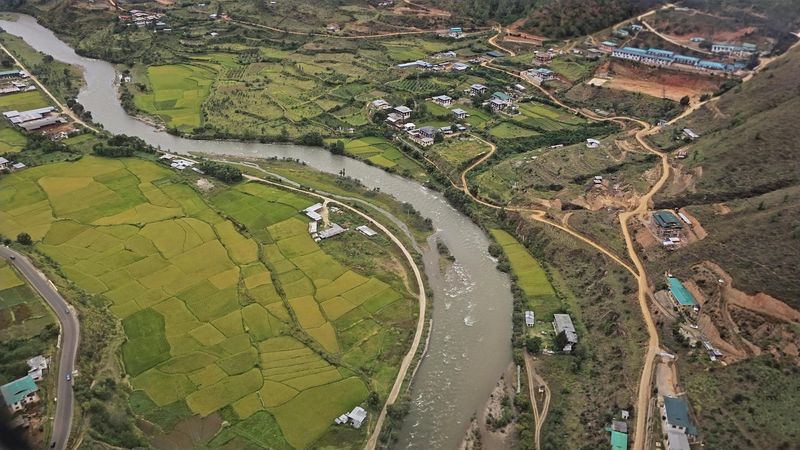
You can see it from the trail now. Housing and lodging continue expanding near scenic areas, and the edges feel busier even before you park.
What used to be buffer land is now built up, and it changes the tone long before you reach the overlook.
Light, traffic, and human presence spread outward, which means night skies carry a faint glow where they used to go pitch black.
Peace erodes gradually rather than all at once, like a low tide you do not notice until your ankles are dry. At Platte River valley lookouts, the horizon has more pinpricks than stars.
There is still a way to find quiet. Slip deeper onto interior loops, look for tree cover that shields light, and plan stargazing where development sits far behind you.
Make sure to bring a red light so your eyes stay adjusted and the night stays soft.
Growth is not the villain, but it does change the soundtrack and the view. If we keep our choices gentle, the land keeps giving.
Nebraska always teaches patience, and this is one more lesson in looking twice for the hush.
10. Fewer Truly Off Season Windows Exist
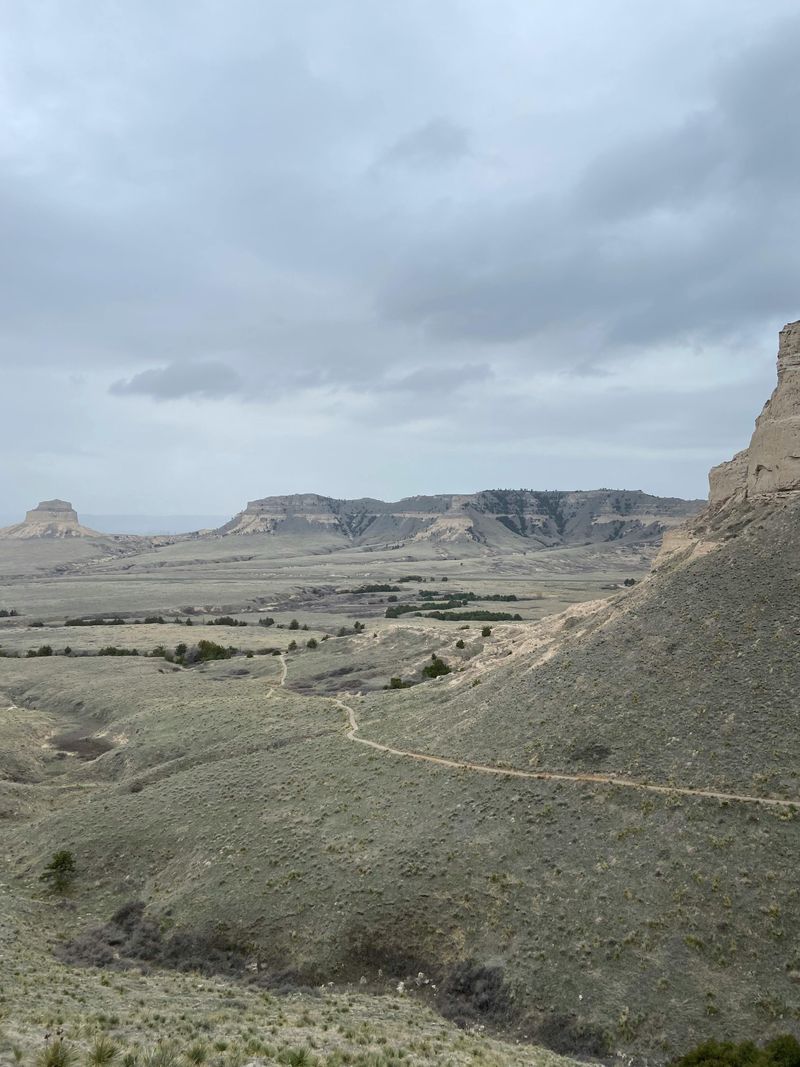
Chasing the shoulder season used to work like a charm. Word spreads quickly about shoulder seasons now, and the quiet window is thinner than it looks on a calendar.
Fall and spring no longer guarantee solitude in popular spots, and that surprises people at the trailhead.
Visitors chase quieter timing, but so does everyone else, which turns the plan into a crowd magnet.
Crowds simply shift instead of disappearing, and places like Ponca State Park show a steady flow even on gray days. I feel like the trick is to zig before others think to zig.
Try using weather as your filter. If it is breezy or a bit damp, that is your cue to move.
Also, pack layers, trust the forecast, and aim for the edges of daylight where folks hesitate.
A little discomfort buys a lot of quiet. Keep snacks handy, keep plans flexible, and call it a win if a lookout belongs to you for just a minute.
This state does not promise silence, but it rewards people who meet it where it is.
11. Photography Culture Encourages Lingering
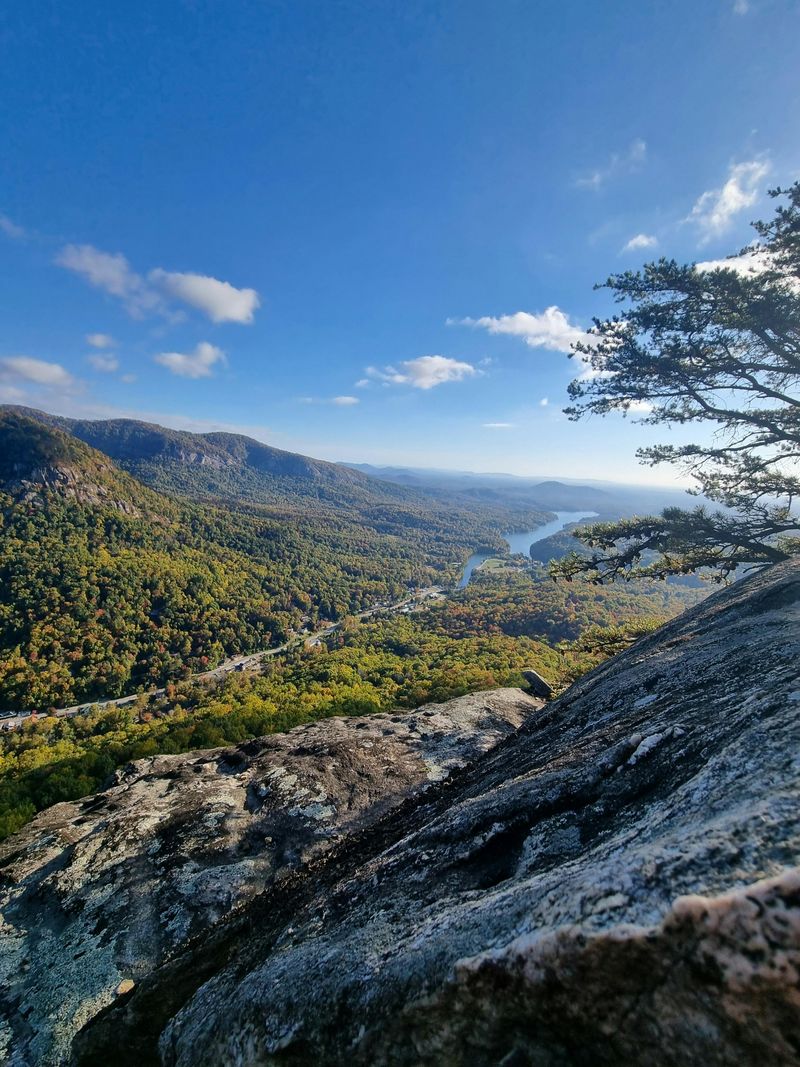
We all love a good shot, but wow, do tripods slow a trail. People stay longer to get the perfect shot, and narrow overlooks plug up fast.
Overlooks and narrow trails clog more easily, and the line forms behind a lens you cannot walk through.
Movement slows and congestion builds, which means a quick pause turns into a small standoff.
Quiet moments turn into waiting periods, especially at Chimney Rock viewpoints where angles are limited. No one is wrong, but the vibe gets sticky.
Patience helps, and so does a good plan: take your frames, then step aside fast and review later. If a spot is crowded, use a longer lens from a wider shoulder so you do not pin the flow.
Offer to take a quick shot for someone and keep the line light. Landmarks here have room for both awe and courtesy, and a little awareness makes the whole scene breathe again.
