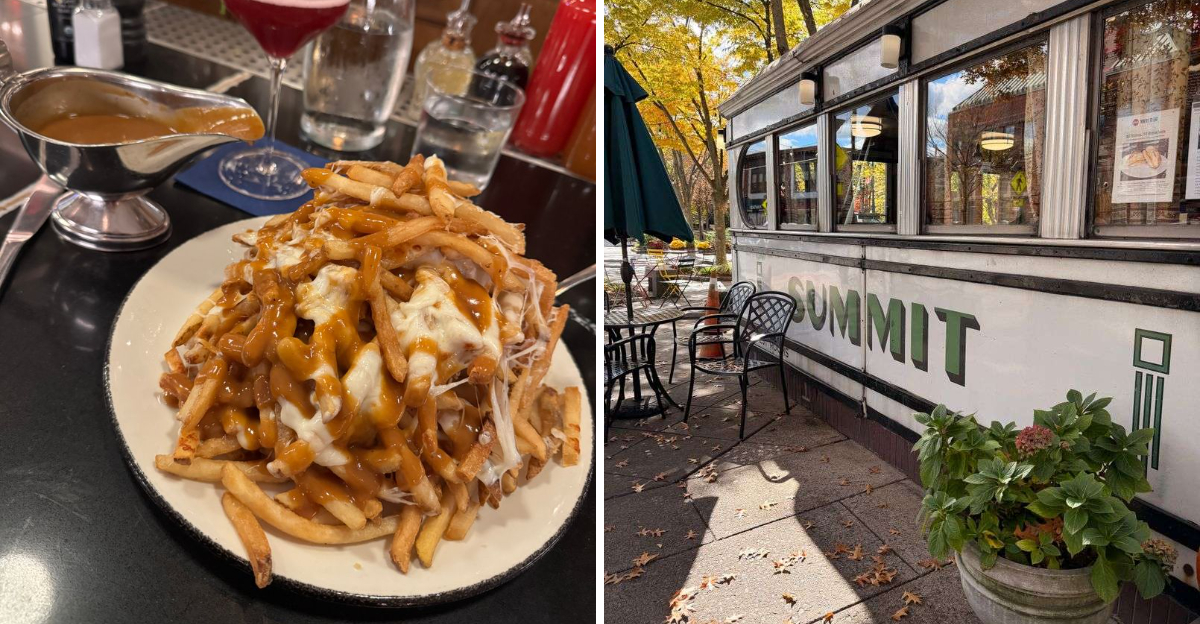
New Jersey holds a title that no other state can claim: the Diner Capital of the World. With over 500 diners scattered across its highways and neighborhoods, the Garden State has more chrome-topped, neon-lit eateries per square mile than anywhere else on the planet.
But this isn’t just about numbers; it’s about history, culture, and a way of life that has been sizzling on griddles since the early 1900s. New Jersey didn’t just embrace the diner; it literally built the industry from the ground up, manufacturing these iconic structures and shipping them across America.
The state’s unique geography, sandwiched between New York City and Philadelphia, created a constant flow of travelers, truckers, and shift workers who needed a place to eat at any hour.
Add in waves of immigrant families who turned these prefab buildings into multi-generational empires, and you’ve got a culinary phenomenon that refuses to fade.
Why does New Jersey own the diner scene so completely? Because nowhere else can you get disco fries at 3 AM while sitting next to a CEO and a construction worker who are both ordering the same pork roll sandwich.
The Manufacturing Hub That Built an Industry
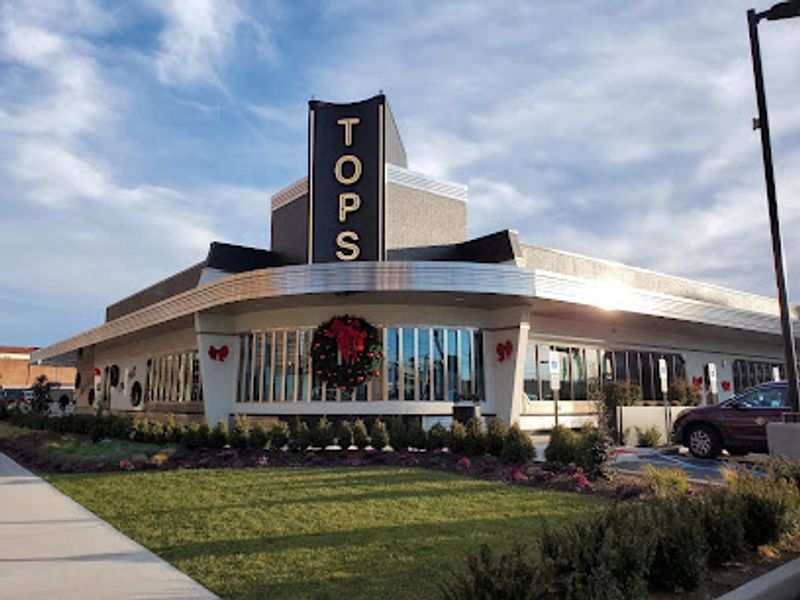
Long before food trucks and fast-casual chains, New Jersey was busy constructing the blueprint for American dining. Companies like Jerry O’Mahony Inc. in Elizabeth, Silk City Diners in Paterson, and Kullman Industries in Avenel turned the Garden State into a factory floor for chrome dreams.
These businesses didn’t just build restaurants; they engineered portable, prefabricated dining cars that could be loaded onto flatbed trucks and shipped anywhere in the country.
The genius of this model was its simplicity and scalability. Each diner was constructed in sections, complete with stainless steel exteriors, built-in booths, and fully equipped kitchens.
Once assembled on-site, these structures became instant landmarks in small towns and busy highways alike.
New Jersey’s central location made it the perfect hub for distribution. Rail lines and major highways connected the state to every corner of America, allowing manufacturers to deliver their shiny creations from coast to coast.
By the mid-20th century, thousands of diners had rolled out of New Jersey factories, spreading the state’s culinary DNA across the nation.
Even as the industry evolved and some manufacturers closed their doors, the legacy remained. New Jersey had not only popularized the diner; it had industrialized it, turning a simple concept into a nationwide movement.
The state’s factories may be quieter now, but their creations still shine on roadsides everywhere, a testament to the ingenuity and entrepreneurial spirit that defined an era.
The Architecture of the American Road
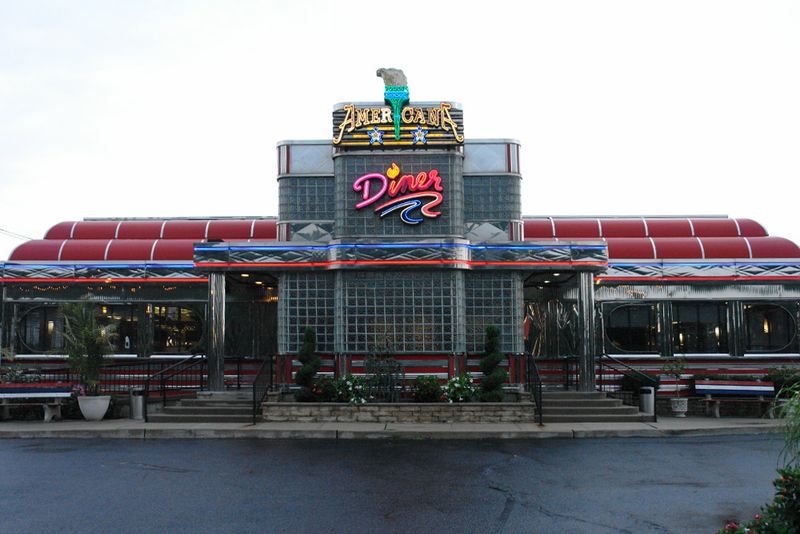
Step back in time and picture the gleaming, streamlined beauty of a classic New Jersey diner. These weren’t just buildings; they were works of art designed to catch the eye of every passing motorist.
Inspired by the sleek lines of railroad dining cars, early diners featured stainless steel exteriors, wraparound windows, and neon signs that glowed like beacons in the night.
The design wasn’t just about aesthetics; it was about psychology. The shiny chrome reflected sunlight during the day and streetlights at night, creating a visual magnet that drew hungry travelers off the highway.
Glass brick accents added a touch of sophistication, while the compact, efficient layout maximized seating without sacrificing comfort.
Inside, the layout was just as intentional. Long counters with swivel stools encouraged quick service and casual conversation, while cozy booths provided a more intimate dining experience.
Every detail, from the checkerboard floor tiles to the jukebox in the corner, was designed to evoke a sense of nostalgia and Americana.
As car culture exploded in the 1950s and 1960s, the diner became a symbol of freedom and mobility. It represented a place where anyone could stop, refuel, and feel at home, no matter where the road had taken them.
New Jersey’s diners perfected this formula, blending function with flair in a way that no other state could replicate. The architecture itself became iconic, a visual shorthand for a uniquely American experience.
The Cultural Melting Pot Behind the Counter
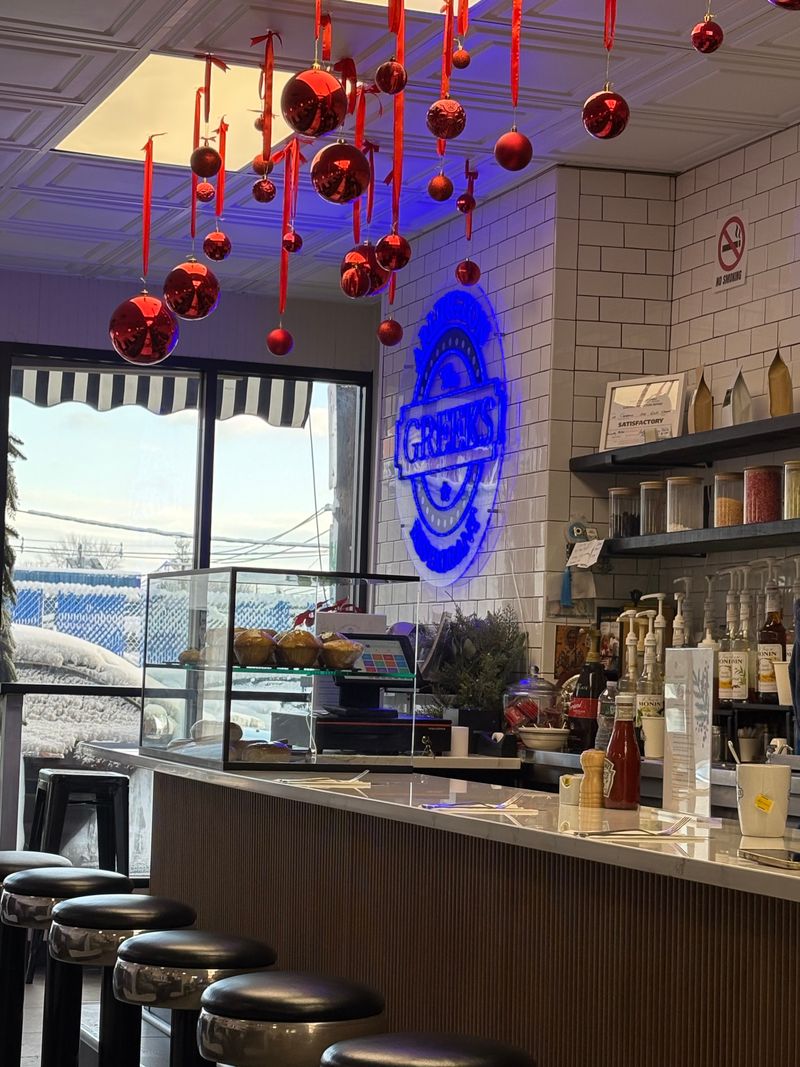
Walk into any New Jersey diner and you’re not just tasting food; you’re experiencing a living piece of immigrant history. The diner industry in the Garden State has been overwhelmingly shaped by Greek-American families who arrived in waves throughout the 20th century.
These entrepreneurs saw opportunity in the prefabricated structures rolling out of New Jersey factories and transformed them into thriving, multi-generational businesses.
What makes this story so compelling is the cultural fusion that resulted. Greek families brought their own culinary traditions and work ethic, but they also embraced the diversity of their customers.
The result was a menu that could satisfy anyone who walked through the door, from moussaka to matzah ball soup, from Italian sausage to Irish soda bread.
This melting pot mentality extended beyond the menu. Diners became community gathering spots where people from all walks of life could sit side by side, united by good food and great coffee.
The owners knew their regulars by name, remembered their favorite orders, and became fixtures in the neighborhoods they served.
The Greek-American influence also introduced a level of hospitality that became synonymous with the diner experience. Service was fast, friendly, and unpretentious, with a genuine warmth that made every customer feel like family.
This cultural blend is one of the key reasons New Jersey diners stand apart from their counterparts in other states, offering not just a meal but a welcoming embrace.
The 24/7 Lifestyle That Never Sleeps
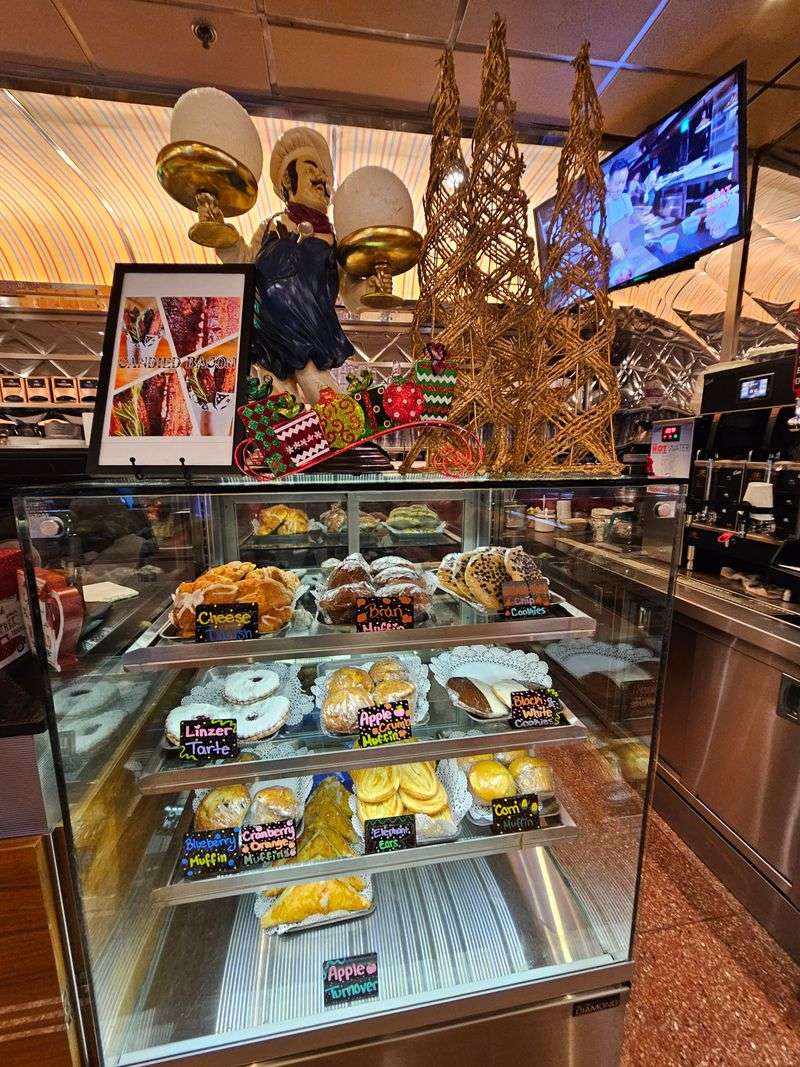
New Jersey’s industrial backbone created a unique demand that traditional restaurants simply couldn’t meet. With heavy manufacturing, trucking, and refinery industries operating around the clock, there was always a population of workers finishing a shift at odd hours.
When the factory whistle blew at 3 AM, where could these workers go for a hot meal and a strong cup of coffee?
The diner filled that void perfectly. Unlike conventional restaurants that closed at 9 PM, diners stayed open 24 hours a day, seven days a week, offering a reliable haven for anyone who needed it.
This wasn’t just about convenience; it was about community and survival in an economy that never stopped moving.
Shift workers weren’t the only beneficiaries. Late-night revelers, insomniacs, long-haul truckers, and early-morning commuters all found refuge in the warm glow of the diner’s neon sign.
The all-night model created a democratic space where time zones didn’t matter and breakfast could be served at midnight without raising an eyebrow.
This 24/7 culture also reinforced the diner’s role as a social equalizer. A nurse coming off a double shift might sit next to a college student cramming for an exam, both ordering the same stack of pancakes and sharing the same weary camaraderie.
The round-the-clock operation became a defining characteristic of New Jersey diners, cementing their reputation as the ultimate anytime, anywhere comfort food destination.
The Diner Staple Menu That Defies Convention
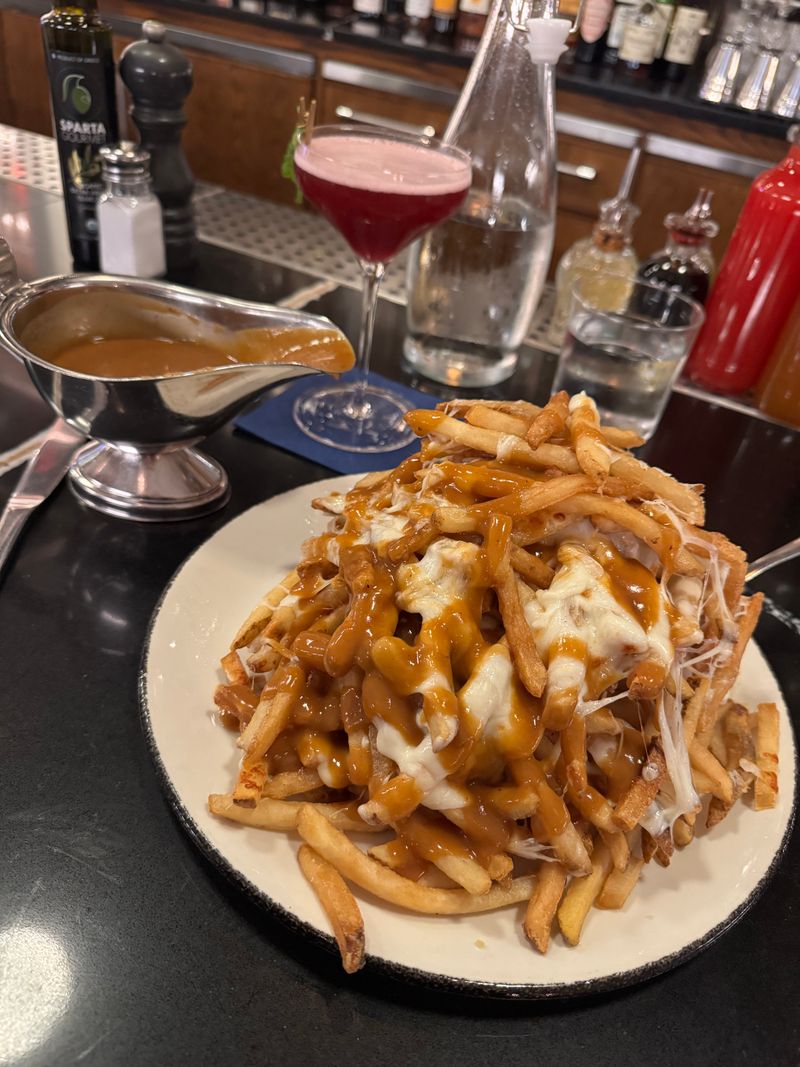
Forget everything you know about traditional restaurant menus. New Jersey diners operate in a culinary universe all their own, where breakfast is a 24-hour event and the menu stretches for pages like a novel.
This isn’t just variety for variety’s sake; it’s a philosophy that says every craving deserves satisfaction, no matter the hour or the whim.
The legendary Disco Fries epitomize this approach. Take a plate of crispy fries, smother them in brown gravy, and top with gooey mozzarella cheese, and you’ve got a late-night masterpiece that has fueled countless post-concert crowds.
Then there’s the iconic Pork Roll, Egg, and Cheese sandwich, a Garden State staple that locals swear by and outsiders struggle to understand until they take that first bite.
Open-faced turkey sandwiches, towering club sandwiches, Greek salads, Italian pasta dishes, and Jewish deli classics all coexist peacefully on these sprawling menus. You can order a western omelet at 2 PM or a steak dinner at 7 AM, and nobody will bat an eye.
The menu is a reflection of the state’s diversity and the diner’s commitment to serving everyone.
This culinary democracy extends to portion sizes, too. Plates arrive overflowing, and coffee cups are bottomless, creating a sense of abundance that feels increasingly rare in modern dining.
The diner menu isn’t just about food; it’s about possibility, comfort, and the promise that whatever you’re hungry for, they can make it happen.
Iconic Landmark: The Summit Diner
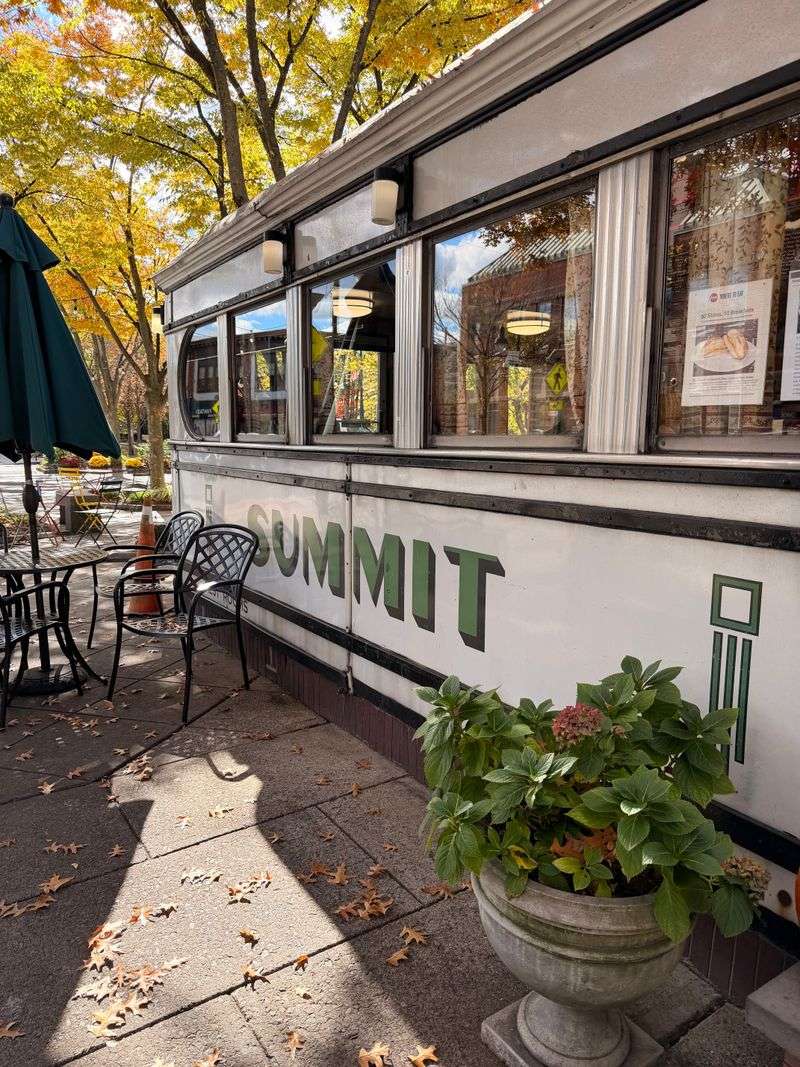
Some diners are just buildings; others are legends. The Summit Diner falls firmly into the latter category, standing as one of the oldest and most beloved diners in New Jersey.
Established in 1929 and housed in a 1938 Jerry O’Mahony rail-car style structure, this spot has been serving locals for nearly a century, and the love affair shows no signs of cooling.
What makes the Summit Diner so special? Start with the sliding wooden doors that greet you at the entrance, a rare architectural detail that transports you straight back to the golden age of American diners.
Inside, the compact layout and vintage details create an atmosphere that feels both cozy and historic, like stepping into a time capsule that still serves killer food.
The menu here is pure diner perfection, but locals will tell you that the Pork Roll is the real star. Grilled to crispy perfection and served with eggs and cheese on a fresh roll, it’s the kind of breakfast that has people lining up on weekend mornings.
The coffee is strong, the service is fast, and the vibe is authentically old-school.
Located at 1 Union Place, Summit, New Jersey 07901, the Summit Diner isn’t just a place to eat; it’s a piece of living history. Generations of families have made memories here, and the diner’s enduring popularity proves that some things never go out of style.
If you want to understand why New Jersey owns the diner title, this is where your pilgrimage should begin.
Iconic Landmark: The Tick Tock Diner
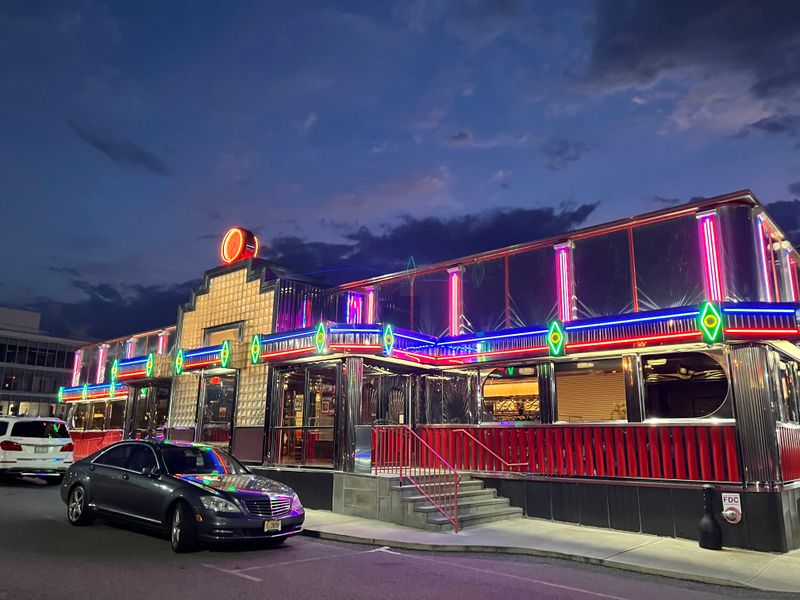
If the Summit Diner represents old-school charm, the Tick Tock Diner embodies the evolution of the modern mega-diner. Perched on the busy Route 3 corridor in Clifton, this sprawling chrome palace has become a New Jersey institution, instantly recognizable by its massive neon sign that boldly proclaims ‘Eat Heavy.’ That slogan isn’t just marketing; it’s a promise.
The Tick Tock Diner can seat hundreds of people at once, a testament to its popularity and the sheer volume of hungry customers who pass through its doors daily. Whether you’re catching a late-night bite after a concert, fueling up before a road trip, or just craving a stack of pancakes at an ungodly hour, the Tick Tock delivers with the efficiency of a well-oiled machine.
The menu here is encyclopedic, offering everything from classic diner fare to Greek specialties, Italian entrees, and enough dessert options to satisfy the sweetest tooth. The portions are generous, the prices are reasonable, and the atmosphere buzzes with the energy of a place that’s always packed, no matter the time of day.
Located at 281 Allwood Road, Clifton, New Jersey 07012, the Tick Tock Diner has become more than just a restaurant; it’s a cultural landmark and a rite of passage for anyone who spends time in the Garden State. The neon glow of that ‘Eat Heavy’ sign has guided countless travelers to comfort and satisfaction, making it one of the most iconic symbols of New Jersey’s diner dominance.
The Diner as a Hollywood Movie Set
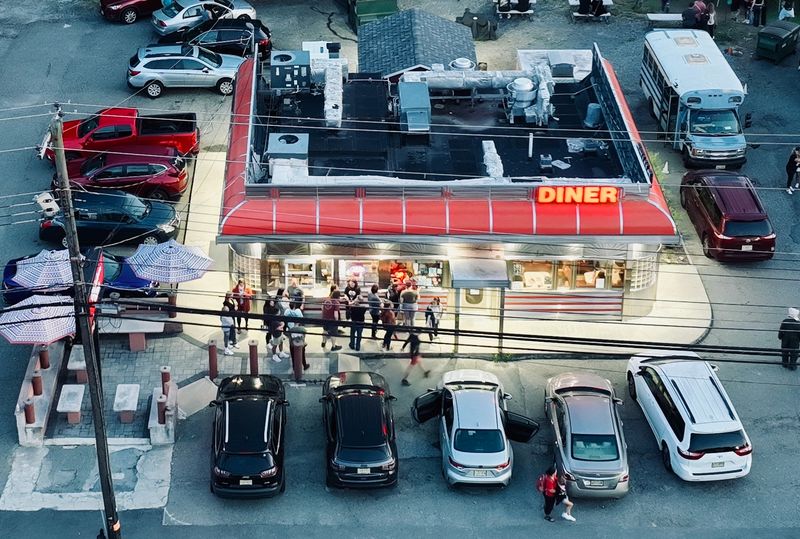
New Jersey’s abundance of perfectly preserved vintage diners has made the state a favorite filming location for Hollywood producers looking for authentic Americana. When a script calls for a classic diner scene, chances are good that the cameras will roll somewhere in the Garden State.
These chrome-topped beauties provide instant visual appeal and a sense of nostalgia that’s impossible to fake on a soundstage.
The Sopranos, arguably New Jersey’s most famous television export, featured numerous diner scenes shot at real locations throughout the state. Jersey Girl, Kevin Smith’s love letter to his home state, also showcased local diners in all their neon-lit glory.
These appearances in popular media have only reinforced the cultural significance of New Jersey diners, turning them into symbols recognized far beyond state lines.
One notable example is the Bendix Diner, a historic spot that has appeared in multiple films and television shows. Currently undergoing renovation for a planned 2026 reopening, the Bendix represents the ongoing commitment to preserving these architectural treasures for future generations.
The fact that filmmakers continue to seek out these locations speaks to their timeless appeal and authentic character.
This relationship between diners and cinema has created a feedback loop of cultural relevance. Movies and TV shows introduce these locations to wider audiences, which in turn drives tourism and reinforces the diner’s place in American popular culture.
New Jersey’s diners aren’t just serving food; they’re serving as living film sets that help tell stories about American life, making them indispensable to both the culinary and entertainment landscapes.
The Geography of Perpetual Hunger
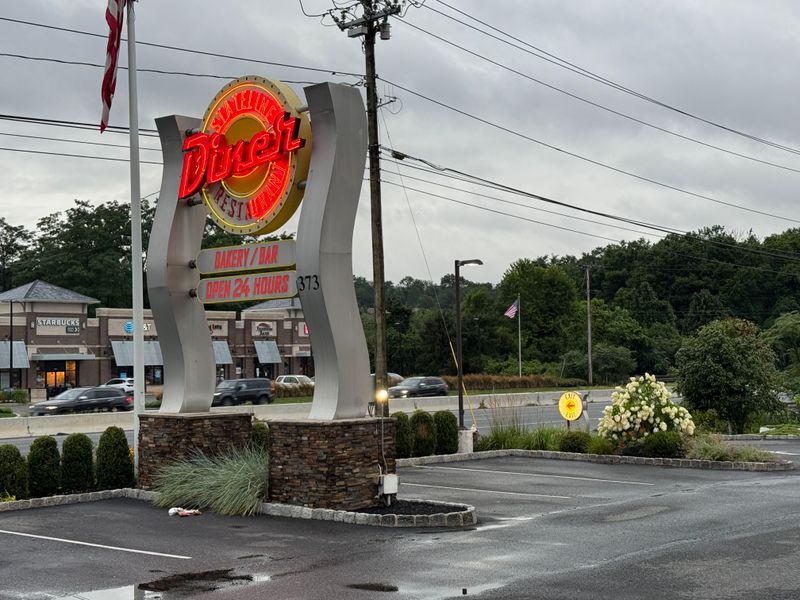
Geography isn’t just about maps and borders; it’s about opportunity and necessity. New Jersey’s unique position nestled between New York City and Philadelphia created a perfect storm of conditions that made the diner not just possible but essential.
The state became a corridor for millions of travelers, commuters, and truckers who needed convenient, affordable places to eat along their journeys.
Major highways like the New Jersey Turnpike, the Garden State Parkway, and countless state routes crisscross the landscape, creating a network of perpetual motion. Every exit became a potential location for a diner, and enterprising owners seized the opportunity.
The constant flow of traffic meant a steady stream of customers at all hours, making the 24/7 diner model not just viable but highly profitable.
The state’s compact size also played a role. With so much population density packed into a relatively small area, diners could serve both local communities and passing travelers simultaneously.
This dual customer base provided stability and ensured that even during slower periods, there were always regulars to keep the griddles hot and the coffee brewing.
The proximity to major urban centers also influenced the diner’s evolution. Ideas, trends, and culinary innovations from New York and Philadelphia filtered into New Jersey diners, where they were adapted and refined.
This constant cross-pollination of cultures and cuisines helped create the diverse, eclectic menus that define the modern New Jersey diner experience, making geography a silent but powerful partner in the state’s diner dominance.
The Immigrant Dream in Chrome and Neon
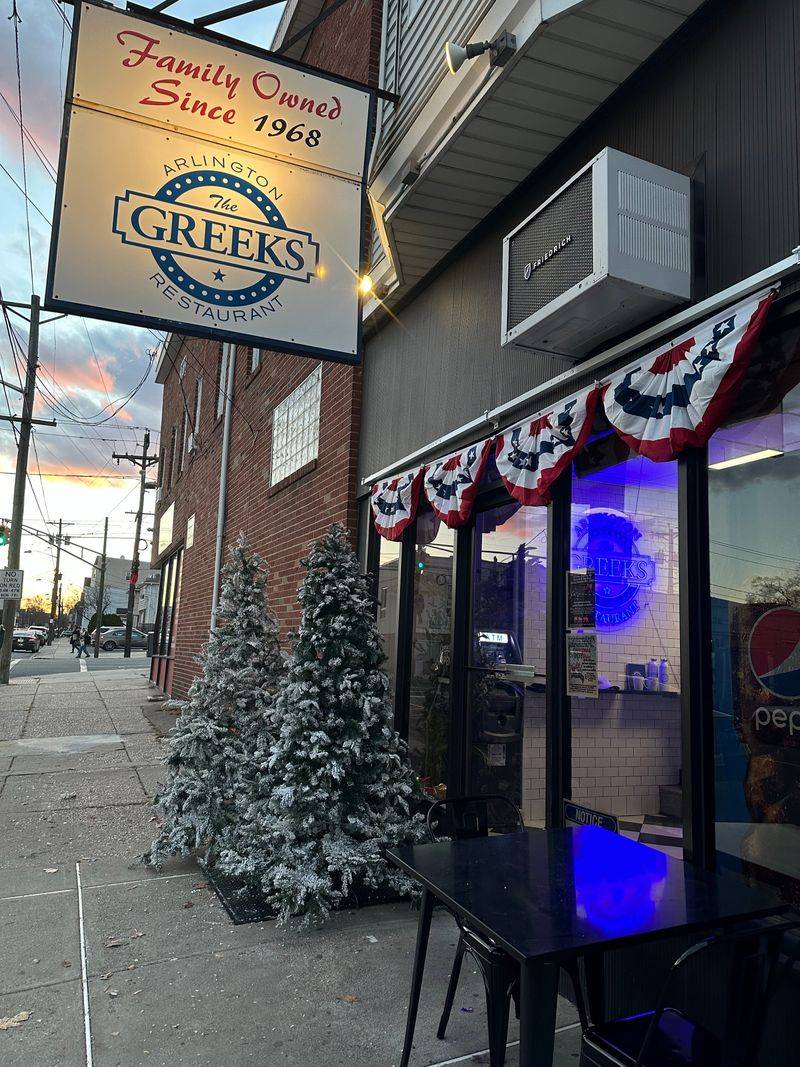
Behind every great diner is a story of ambition, hard work, and the pursuit of the American Dream. For countless immigrant families, particularly those from Greece, the diner represented an accessible entry point into business ownership.
The prefabricated structures manufactured in New Jersey were relatively affordable compared to building a restaurant from scratch, and the proven business model reduced some of the risks inherent in entrepreneurship.
These families didn’t just buy buildings; they invested their lives. Working 18-hour days, seven days a week, entire families pitched in to make their diners succeed.
Parents worked the griddle while children bussed tables and washed dishes, creating a family enterprise that often spanned multiple generations. The diner became more than a business; it was a legacy, a testament to sacrifice and determination.
The success of these immigrant-owned diners also contributed to the broader cultural fabric of New Jersey. As these families became established, they hired workers from their communities, sponsored new immigrants, and became pillars of local economies.
The diner wasn’t just serving food; it was creating opportunities and building bridges between old and new Americans.
This immigrant narrative adds depth and humanity to the story of New Jersey’s diner capital status. It reminds us that behind the chrome facades and neon signs are real people with dreams, struggles, and triumphs.
The diner industry became a pathway to prosperity for thousands of families, and their collective contributions transformed New Jersey into the undisputed Diner Capital of the World.
The Future of the Chrome Palace
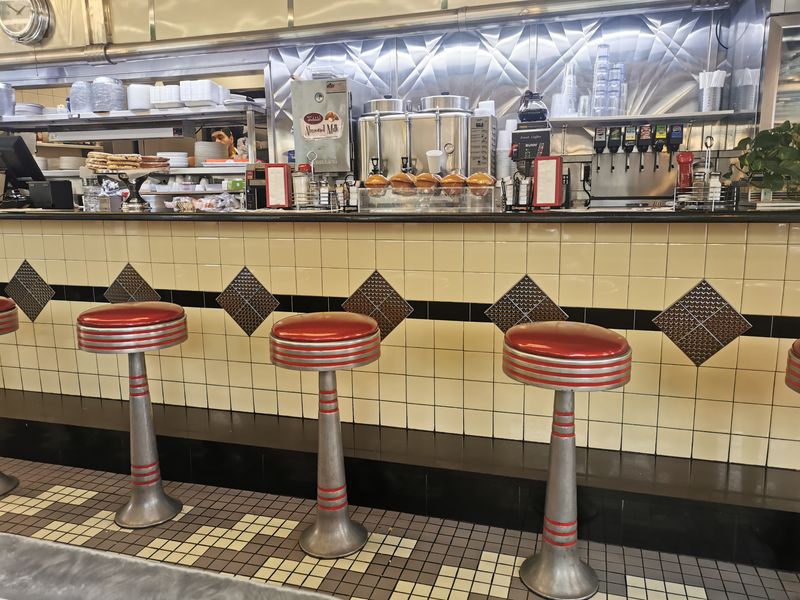
As we roll into 2026, the question isn’t whether New Jersey diners will survive but how they’ll continue to thrive in an ever-changing food landscape. Fast food may be faster, and fine dining may be fancier, but the diner occupies a unique middle ground that no other dining format can replicate.
It’s the only place where a CEO and a construction worker can sit at the same counter, united by a bottomless cup of coffee and a shared slice of cheesecake.
The enduring appeal of the diner lies in its democratic spirit and its refusal to conform to trends. While restaurants chase Instagram-worthy presentations and molecular gastronomy, diners keep serving honest food at honest prices, with no pretense and no apologies.
This authenticity resonates with customers who are tired of overpriced small plates and want a meal that actually fills them up.
Many classic diners are undergoing renovations and updates, blending vintage charm with modern amenities like Wi-Fi and updated menus that include vegetarian and healthier options. These adaptations show that diners can evolve without losing their essential character, appealing to new generations while keeping loyal regulars happy.
The future of New Jersey’s chrome palaces looks bright precisely because they’ve stayed true to their roots. In a world that often feels increasingly disconnected and impersonal, the diner remains a welcoming space where everyone belongs.
As long as people crave comfort, community, and a damn good cup of coffee at 3 AM, New Jersey diners will continue to reign supreme as the beating heart of American dining culture.
Dear Reader: This page may contain affiliate links which may earn a commission if you click through and make a purchase. Our independent journalism is not influenced by any advertiser or commercial initiative unless it is clearly marked as sponsored content. As travel products change, please be sure to reconfirm all details and stay up to date with current events to ensure a safe and successful trip.
