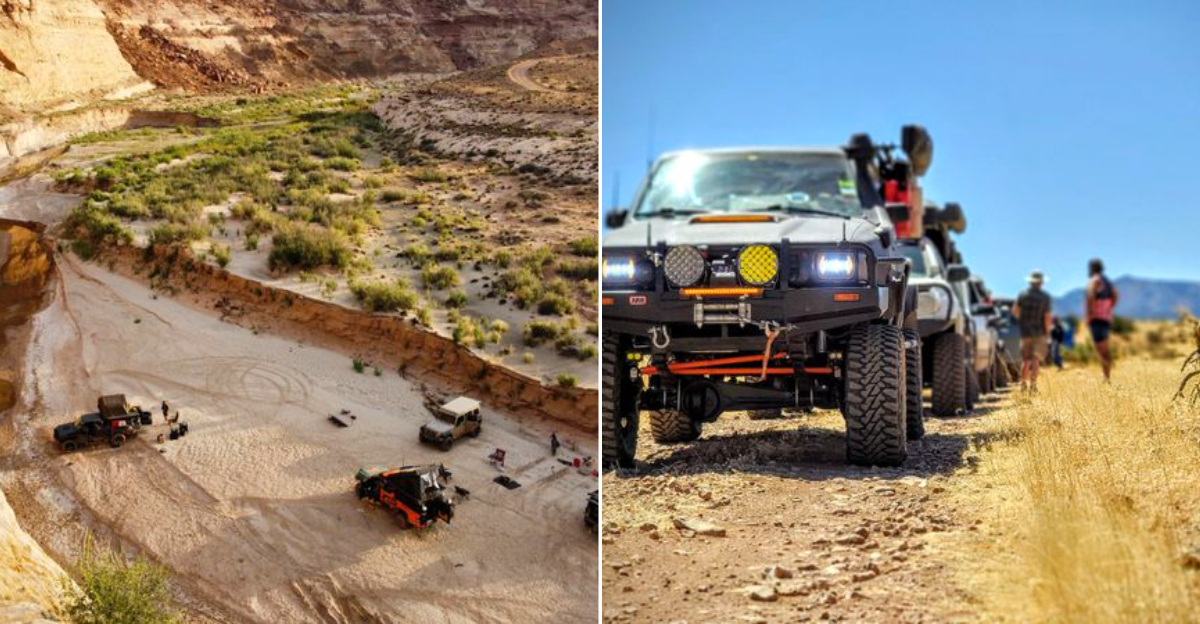
Think you’re ready for a scenic New Mexico backroad adventure? Those winding desert lanes, high mesas, and quiet washes look inviting, but there’s one hidden factor that can turn a casual drive into a stressful scramble.
Loose gravel, sudden dips, and steep drop-offs are obvious hazards, but it’s the unexpected wildlife, narrow single-lane stretches, and disappearing cell service that catch most travelers off guard.
Maps may promise smooth sailing, but a turn too fast or a moment of inattention can put you in a tricky spot.
Even experienced drivers find themselves slowing to a crawl, scanning the horizon, and carefully judging distances. The key is preparation and patience.
Keep your eyes peeled, maintain a steady speed, and give yourself room for surprises. Once you respect the backroads’ quirks, the rewards are unmatched: sprawling landscapes, hidden vistas, and a sense of freedom that only New Mexico’s quiet stretches can deliver.
“Looks Fine On Maps” Turns Into Trouble Fast
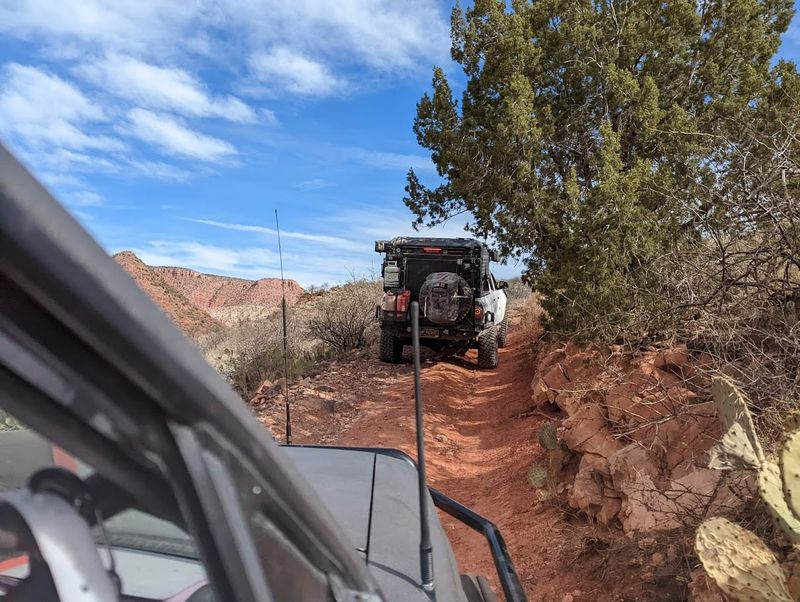
The trouble starts when the map shows a neat, skinny line, and your brain fills in a road that rides exactly like it looks. In New Mexico, that line might be packed gravel one mile and soft caliche the next, with a cattle guard tossed in like a punchline.
Google or a state atlas is not lying, but it is not telling the full story either.
These tools assume consistency that the high desert does not respect, especially after quick rain or wind.
Out by Abiquiu or near the malpais west of Grants, a route that looked straightforward can split, fade, or tilt into a washboard that shakes bolts loose. You do not notice the shift until you have already committed and there is nowhere wide to turn around.
That is the hidden reason right there. Small map assumptions compound with long sightlines that trick depth and distance, so you underestimate time and overestimate traction.
Your eyes say the road is flat and simple, but the surface is changing under the tires.
Ten minutes turn into an hour when the line on the screen turns into a patchwork of ranch track and county maintenance.
Give the map less authority and the landscape more attention. If the track narrows or the shoulders soften, stop early, step out, and read the dirt before it reads you.
Unmarked Road Forks That Send Drivers The Wrong Way
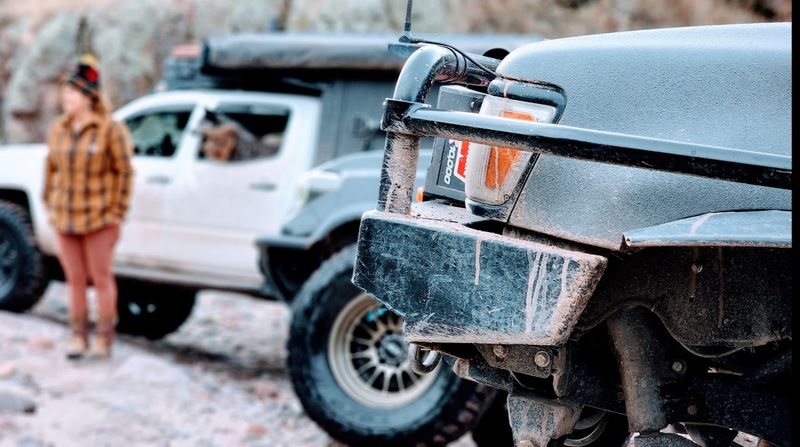
You ever roll up to a fork and every direction looks equally correct and equally wrong? That is half the backroads between Cuba and the Jemez foothills, where ranch tracks braid like spaghetti across pale dirt.
Signs go missing or never existed, and a cairn can mean a boundary or nothing at all.
Your app shrugs while the compass spins slow and smug.
I have seen a crisp county road turn into twin ruts and then split again by a windmill, each branch looking traveled. Pick the shiny one and you might end up at a locked gate or a stock tank.
The trick is to pause before the split, not after you choose.
Walk thirty paces down each branch, read the gravel size, the tire patterns, the fence lines, and whether the center grass is high or crushed.
In New Mexico, the county road often rides near a fence or a right of way. The ranch track usually dips toward water or equipment.
Drop a waypoint when you decide, and photograph the junction from your vehicle roof for reference. When you return, that photo will save you from the classic “was it the left-left or the right with the juniper stump” routine.
Soft Sand And Deep Ruts That Swallow Regular Cars
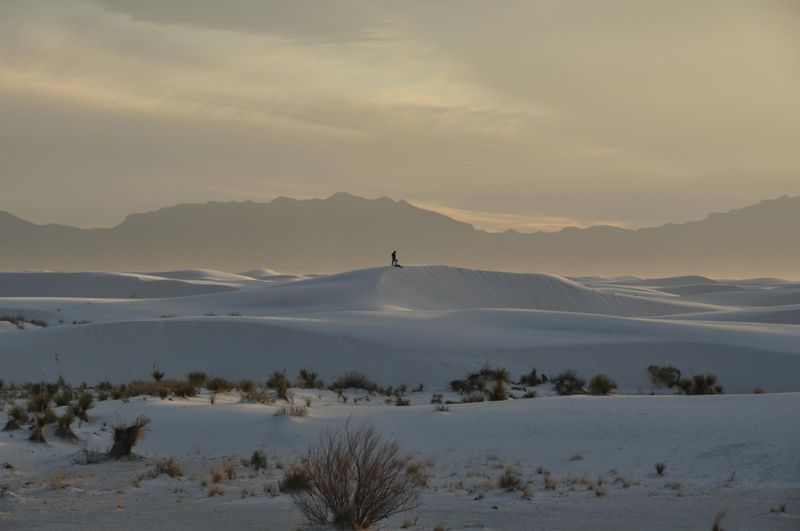
Sand looks friendly until the front tires surf it like pudding. Down by White Sands extension roads or in the Rio Puerco country, you can step out and sink past the ankle while the car settles with a sigh.
Ruts tell their own story, and fresh ones mean someone else struggled recently.
Old, sharp-edged ruts hide under dust and grab sidewalls before you feel it.
Momentum helps until it does not, which is usually one second before the belly hangs and the wheels spin. Airing down a little can change everything, but you need a compressor to bring pressure back before pavement.
If you must cross, test the rut by walking the line and kicking the crust. Aim the tires on the high parts, and keep steady throttle instead of stabbing the gas.
Do not straddle a rut that is deeper than the clearance you know you have.
Drop one tire in the shallow side and let the chassis ride level.
Carry a shovel, traction boards, and a short strap even for New Mexico day trips. They look dramatic until you need them once, and then they look like peace of mind.
Flash Flood Washes That Appear With Zero Warning
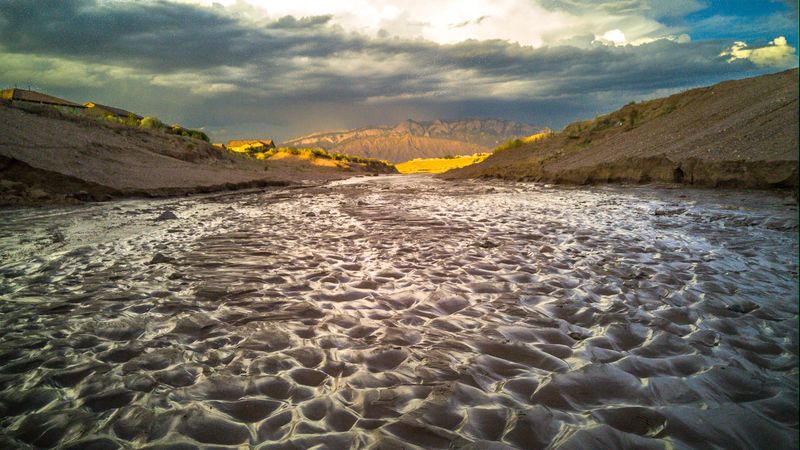
The sky looks calm over you while the mountains pour out a surprise. Water does not need your permission to move, and New Mexico arroyos make that point loud whenever upstream cells unload.
A road can be bone-dry at noon and a brown river by the next hour.
The wash settles, leaves slick silt, and suddenly the crossing you trusted feels like soap.
South of Socorro or near the canyons west of Las Cruces, a named road will simply vanish into a sandy bowl. Locals wait, then they test with a stick and watch for the shine of flow under the crust.
If you see debris hung in mesquite at shoulder height, that wash jumps wider than it looks.
Do not be the person who gives it a try because the other side is so close.
Back up to high ground and breathe while the sky makes its decision. It is better to camp the idea than to camp the car in a channel.
When in doubt, read the clouds over the source region, not your hood. New Mexico storms travel fast across open miles, and runoff beats you to the crossing every time.
Cell Dead Zones That Turn A Small Mistake Into A Long One
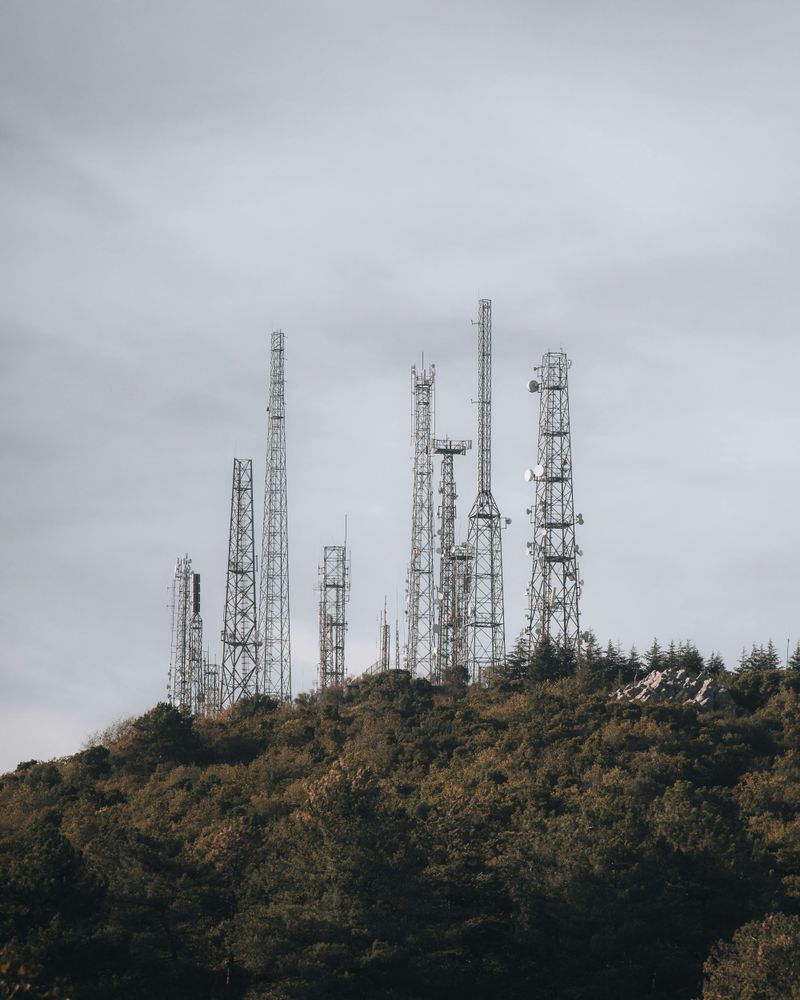
You know that quiet buzz you feel when the bars drop and do not come back? That is the moment a simple wrong turn becomes a long walk made longer by second guessing.
Between Española and the Chama basin, or on the long skirts near Quemado, service blinks out like a light. Apps that loved you on pavement suddenly give you the cold shoulder.
This is where redundancy stops being a nerd move and becomes freedom.
Paper maps, a cached layer, a waypoint habit, and a buddy who knows the plan make the gap feel smaller.
I like to write the route on a sticky note and tape it near the dash. It feels old-school, and it works when the screen decides to nap.
If you do get stuck here, climb a small hill before you burn fuel.
A few feet of elevation can be the difference between silence and a single life-saving bar.
Also, text beats a call in weak service, so send a breadcrumb when you can. New Mexico is big, and a tiny message can bring help to the right arroyo instead of the wrong county.
Gates, Private Land, And “No Outlet” Surprises
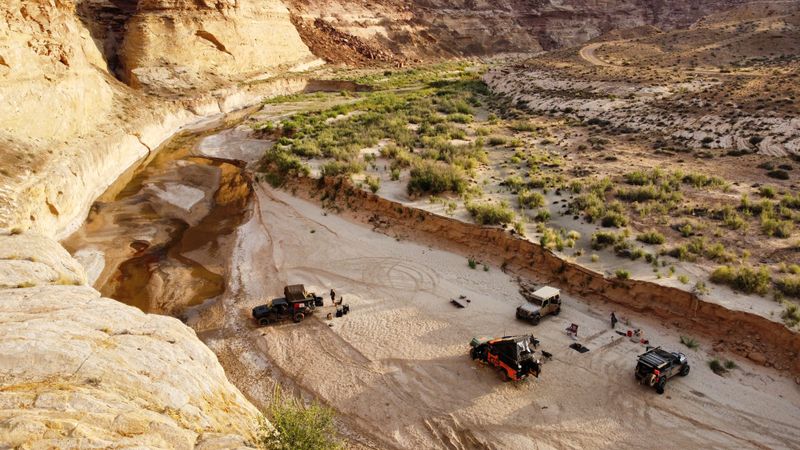
Out here, a road can feel public until a gate says otherwise with a clank. Counties thread through ranches, and easements shift like sand unless you know the parcel lines.
You will see handwritten signs that look temporary but mean business.
If a gate was closed when you arrived, close it behind you exactly the same way.
Near Magdalena or south of Santa Rosa, a solid county lane can dead-end at a tidy yard with dogs who do not care about your map. It is awkward, and it burns daylight fast when you need to backtrack miles.
Respect goes a long way, and so does a calm wave. If you meet a rancher, ask which spur gets you out without crossing stock or soft pasture.
Look for tire polish on a cattle guard to spot the maintained path.
Chains that are slack might still be there to remind you not to wander.
Carry a printed plat or mark public land layers before you roll. In New Mexico, land mosaics get weird near river corridors, and the cleanest route is not always the legal one.
Fuel Gaps That Catch People Between Tiny Towns
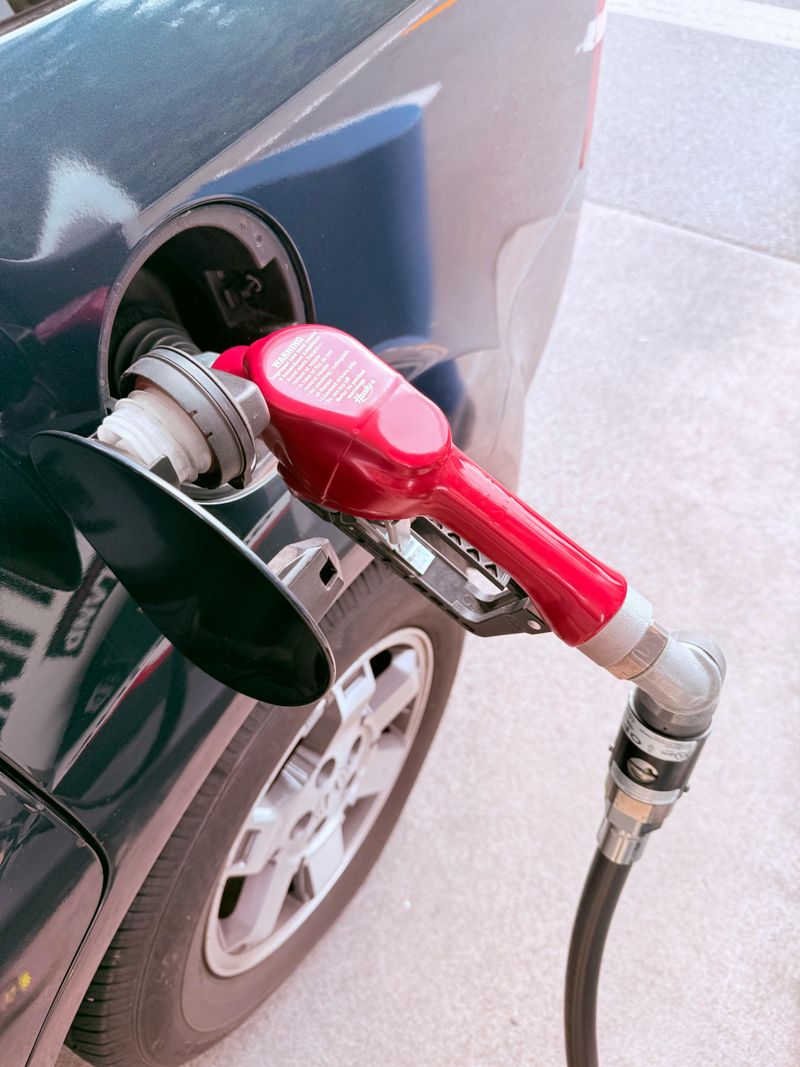
The gauge lies kindly until it does not. Distances stretch out in New Mexico, and a quick spin to a viewpoint can quietly double your loop.
Tiny towns are lovely, but pumps can be closed or card-only.
The next spot on the map might be open later, or it might be a memory.
Between Vaughn and the plains, or running the Enchanted Circle offshoots, I have watched the range tumble faster than the miles. Dirt eats fuel with the slow grind of low gears and idling at gates.
Top off whenever you see a station, even if you feel fine. That little habit turns future problems into non-events.
Keep a small approved can if your setup allows it, and stash a clean funnel. You will forget the funnel once, and then never again.
Write down a bail route that hits pavement sooner. New Mexico backroads reward the driver who plans like a pilot and still waves at clouds.
Weather Swings That Change A Road In One Afternoon
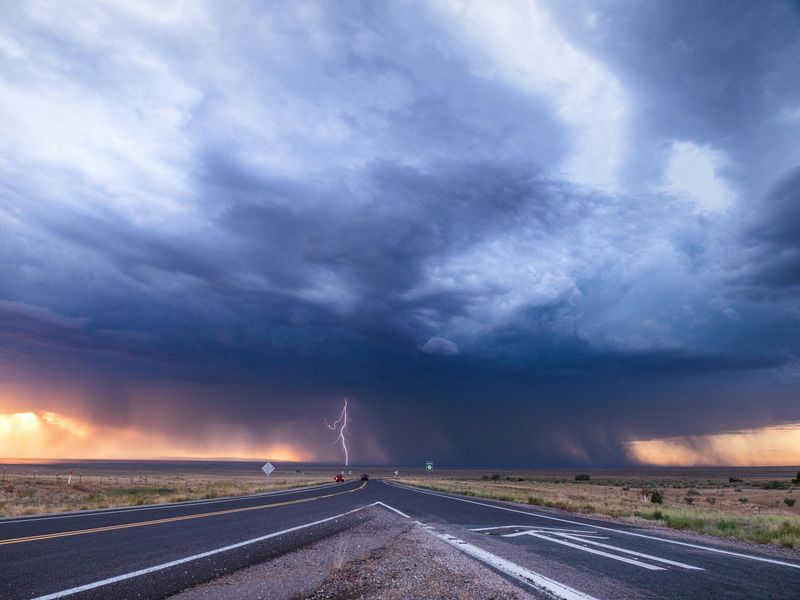
Morning sun says go, afternoon wind says nope. The surface you started on is not the surface you drive by the time shadows stretch.
Clay turns to paste after a sprinkle, then dries into ruts that aim your tires for you.
Add gusts, and the dust becomes a curtain that hides rocks you would rather miss.
Up near Taos Plateau or along the San Juan basin, wind stacks sand across tracks like waves. Then a cool snap makes the shade icy while the sun bakes the next bend.
Pack for the swing, not the snapshot. Layers, a tarp, and a cheap poncho weigh nothing but feel like a superpower when the sky flips.
Check the road shoulders for wet shine before you commit to a downhill.
If it looks greasy, turn around while turning is easy.
New Mexico rewards patience with views you cannot get from the interstate. Wait an hour, let the road change back, and then roll like you meant to all along.
Navigation Habits That Fail On New Mexico Backroads

City habits die loud out here. Following the blue arrow without cross-checking is how folks end up swapping confidence for a long sigh.
In New Mexico, the smartest move is old and slow. Glance from sky to ground to screen, then repeat until it feels like breathing.
I keep a running story in my head about landmarks. “Volcano cone to the right, windmill ahead, fence turns south at the cottonwood,” that kind of thing.
It sounds silly, but it sticks when the app forgets your name.
Landmarks do not crash or buffer, and they point you home when the light gets low.
Also, read mile markers like breadcrumbs on paved connectors. They make backtracking graceful when dirt plans change on the fly.
New Mexico teaches this lesson kindly if you listen early. If not, it will repeat the class with longer homework.
The Simple Checklist That Makes These Drives Safer
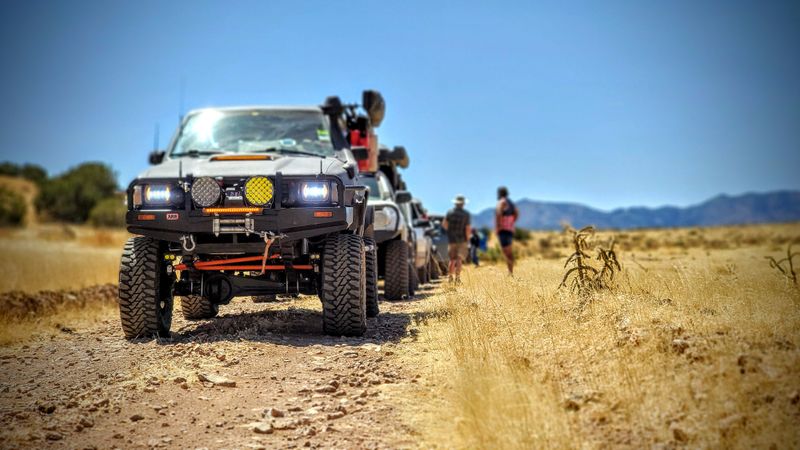
Here is the short list I actually use. It lives in a tote so I do not have to rethink it every time the desert calls.
Maps both paper and cached, plus a charged power bank. A note with the route and return time left with a friend who will actually notice.
Tire kit with gauge, plug kit, and compressor because sharp basalt does not care about your plans.
A compact shovel and boards for the sand you did not think was deep until it was.
Headlamp and a bright vest so dusk does not turn simple tasks weird. Gloves, a hat, and a tarp that becomes shade, ground cloth, or makeshift mat.
First aid basics and a sense check on weather and fire restrictions. Extra water for you and for the radiator if things go sideways gently.
That is it, plus patience. New Mexico rewards the driver who shows up humble, leaves a trace of kindness, and takes home more dust than drama.
Dear Reader: This page may contain affiliate links which may earn a commission if you click through and make a purchase. Our independent journalism is not influenced by any advertiser or commercial initiative unless it is clearly marked as sponsored content. As travel products change, please be sure to reconfirm all details and stay up to date with current events to ensure a safe and successful trip.
