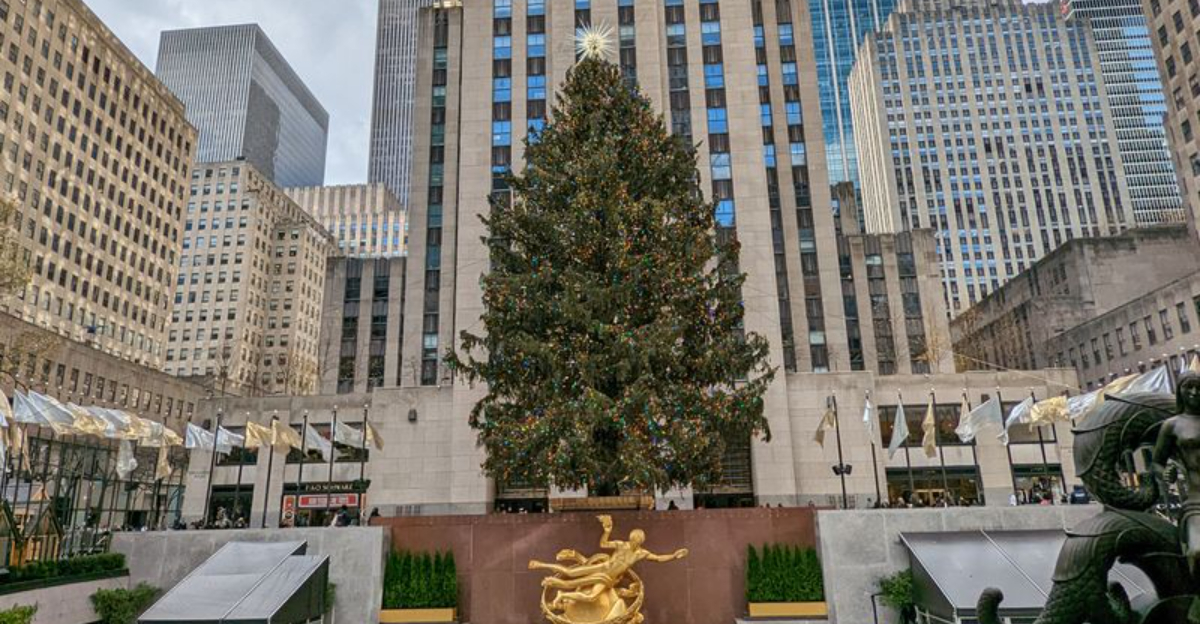
Rockefeller Center, located at 45 Rockefeller Plaza in the heart of Midtown Manhattan, transforms into one of the most famous holiday destinations on Earth every winter when its towering Christmas tree is lit.
Tourists from across the globe flock to this iconic landmark to witness the dazzling lights, snap photos with the tree, and experience the magic of a New York City Christmas.
While the scene looks picture-perfect in movies and holiday specials, the reality for local New Yorkers is quite different.
The massive crowds, sidewalk congestion, and general chaos that descend upon Rockefeller Center each holiday season have made this beloved tradition something many locals actively avoid, turning what should be a joyful celebration into a source of genuine frustration for those who live and work in the city.
Sidewalks Become Completely Impassable During Peak Hours
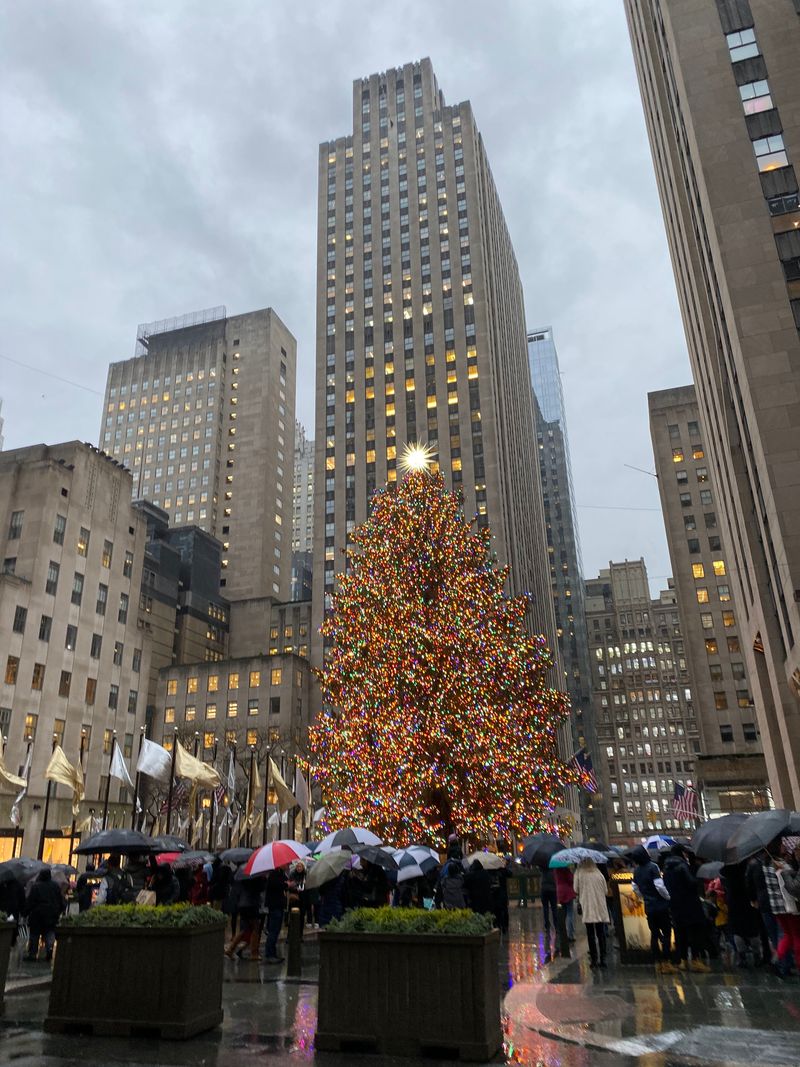
Anyone who has tried to walk through Midtown Manhattan during the Christmas tree season knows the absolute nightmare that sidewalk navigation becomes.
What normally takes five minutes to traverse can easily stretch into twenty or thirty minutes of shuffling, dodging, and waiting.
Tourists stop abruptly in the middle of walkways to take photos, creating human roadblocks that ripple backward through the crowd.
Locals who are simply trying to get to work, meet friends, or run errands find themselves trapped in a slow-moving sea of sightseers.
The frustration builds quickly when you are already running late and you cannot even cross the street because the crosswalk is jammed with people staring upward at the tree.
Fifth Avenue and the surrounding blocks transform into what feels like a permanent traffic jam, except the traffic is entirely made up of pedestrians.
For New Yorkers who pride themselves on efficiency and quick movement through the city, this grinding halt to their normal pace feels maddening.
The situation becomes even worse when large tour groups stop to listen to their guides, effectively creating walls of people that block entire sections of sidewalk.
Locals often resort to walking in the street or taking lengthy detours through buildings just to avoid the main plaza area.
The experience of being stuck behind someone taking their hundredth selfie while you are trying to get somewhere important captures exactly why residents develop such negative feelings about the seasonal crowds.
During evening hours when the tree is lit and most tourists arrive, the area becomes nearly impossible to navigate without serious patience.
For people who live in New York and need to use these streets daily, the holiday season at Rockefeller Center represents weeks of added stress and wasted time.
Commute Times Double Because of Tourist Congestion
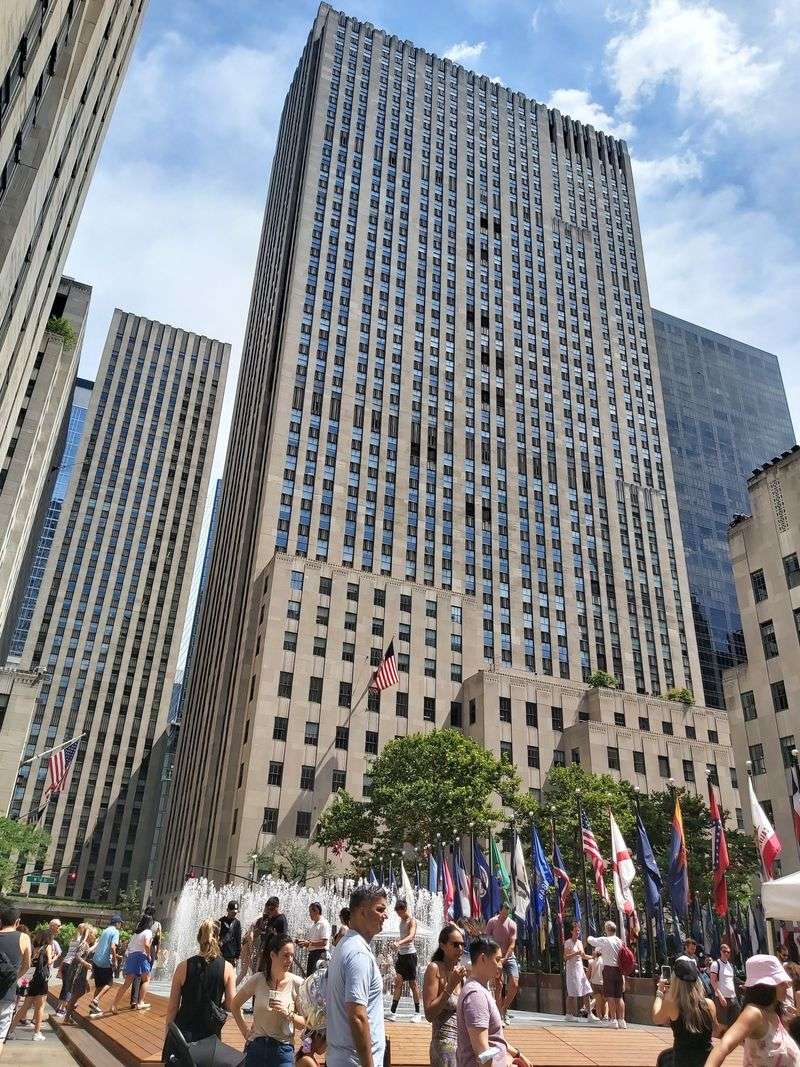
Working New Yorkers who commute through Midtown during the holiday season face dramatically longer travel times because of the Christmas tree crowds.
Subway stations near Rockefeller Center become overwhelmed with confused tourists trying to figure out the transit system while locals desperately try to catch their trains.
The 47-50 Streets Rockefeller Center station, which serves the B, D, F, and M lines, becomes particularly chaotic as visitors with large bags and strollers clog the narrow platforms and stairways.
Locals who normally zip through these stations find themselves stuck behind groups of people who stop at the bottom of stairs to check their phones or discuss which direction to go.
The street-level congestion also affects bus routes, with crosstown buses crawling along at a snail’s pace because pedestrians spill into the roadways.
Many New Yorkers who work in the area learn to leave home much earlier than usual just to account for the inevitable delays.
The psychological toll of knowing your commute will be frustrating every single day for several weeks weighs heavily on residents.
Even walking to nearby restaurants or shops becomes a calculated mission requiring extra time and strategic route planning.
For locals who are used to the predictable rhythm of city life, having their daily routines disrupted by unpredictable crowd patterns creates genuine stress.
The irony is not lost on New Yorkers that a symbol meant to bring holiday joy actually brings them daily aggravation during what should be a festive season.
Parents trying to get children to school, professionals rushing to meetings, and service workers heading to shifts all find their schedules thrown into disarray.
The cumulative effect of losing an extra hour or more each day to tourist-related delays adds up to significant time lost over the entire holiday period.
Local Businesses Become Inaccessible to Regular Customers
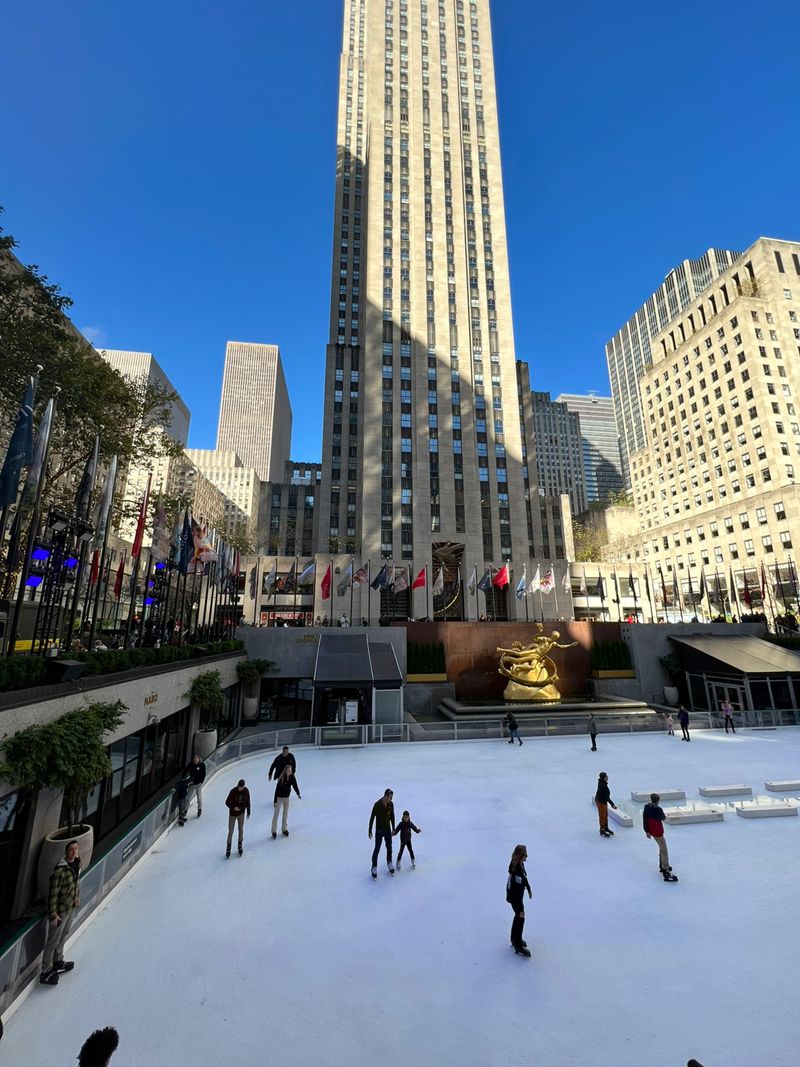
The businesses surrounding Rockefeller Center that rely on local clientele throughout the year suddenly find their regular customers cannot reach them during the holiday season.
Coffee shops where neighborhood residents normally grab their morning brew become packed with tourists, creating long lines and changing the entire atmosphere.
Restaurants that locals frequent for lunch or dinner become impossible to access without fighting through dense crowds on the sidewalks outside.
The overwhelming tourist presence drives away the steady customers who keep these businesses running during the rest of the year.
While some establishments benefit from the influx of visitors, many others find that tourists are less likely to return and more likely to complain about New York prices.
Regular customers who value their neighborhood spots feel frustrated when their favorite places become overrun with people who do not understand local etiquette.
The sense of community that exists in these businesses during normal times disappears when every table and counter space is occupied by visitors taking photos of their food.
Locals who work nearby and depend on quick lunch breaks find themselves unable to get in and out of restaurants efficiently.
Some residents simply avoid the entire area for weeks, choosing to go elsewhere rather than deal with the hassle of reaching their preferred spots.
This displacement creates resentment among New Yorkers who feel like their own neighborhood has been temporarily taken over by outsiders.
The economic reality is complicated because while tourist dollars provide a boost, the loss of loyal local customers can hurt businesses in the long run.
For New Yorkers who value their relationship with neighborhood establishments, watching those places become tourist attractions rather than community spaces feels like a loss.
Security Checkpoints and Barricades Create Obstacle Courses
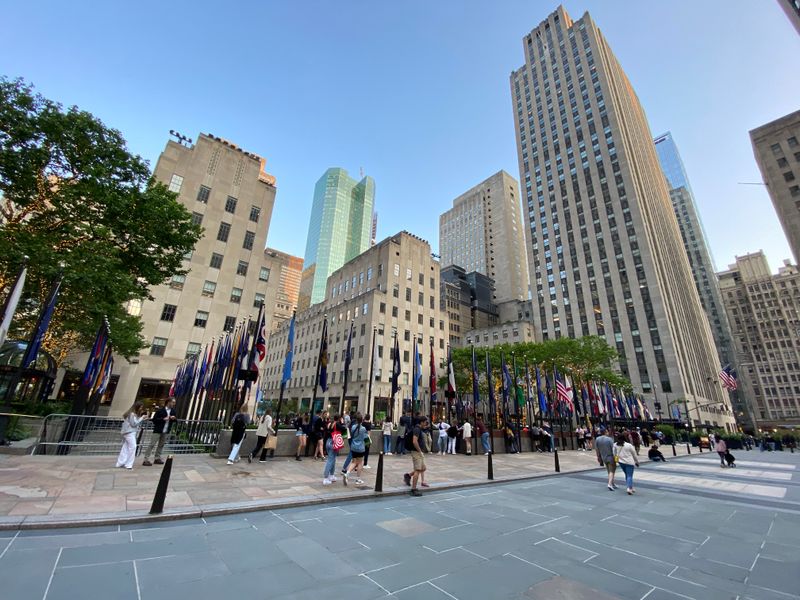
Managing the enormous crowds at Rockefeller Center requires extensive security measures that turn the surrounding blocks into a maze of barriers and checkpoints.
Metal barricades line the sidewalks and plaza areas, funneling pedestrians through specific narrow pathways that slow movement even further.
Police officers and security personnel station themselves throughout the area, which is necessary for safety but adds to the feeling that locals are navigating a high-security zone just to walk down their own streets.
For residents who are simply trying to get from point A to point B, these security measures feel like unnecessary obstacles that would not exist without the massive tourist influx.
The barricades often block shortcuts and usual walking routes, forcing locals to take longer paths around the secured areas.
During particularly busy times, security staff may direct crowds in specific directions, preventing New Yorkers from accessing streets they normally use.
The presence of bag checks and security screenings for those entering certain areas creates additional delays that locals find irritating when they are not even there to see the tree.
The transformation of public space into a controlled, restricted area rubs many New Yorkers the wrong way because it limits their freedom of movement.
While everyone understands the need for safety in crowded spaces, the extent of the security apparatus feels excessive to locals who navigate the city without issue the rest of the year.
The visual impact of seeing your neighborhood turned into what resembles a concert venue or stadium environment creates a sense of disconnection from the place you call home.
For elderly residents or those with mobility challenges, navigating around barricades and through crowded checkpoints becomes genuinely difficult.
The security measures, while well-intentioned, contribute to the overall feeling among locals that Rockefeller Center during Christmas is a place to avoid rather than enjoy.
Noise Levels Skyrocket Throughout the Day and Night
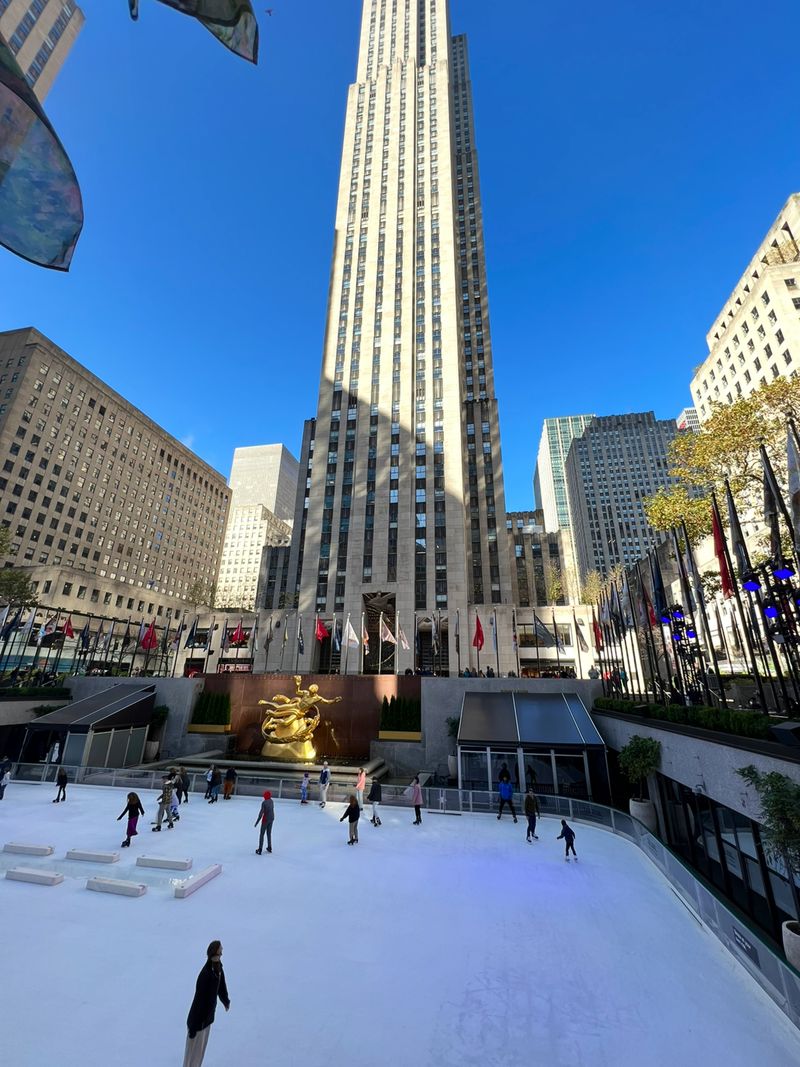
The constant hum of thousands of voices, street performers, and holiday music creates a noise level that locals find exhausting during the Christmas tree season.
New Yorkers are certainly accustomed to city sounds, but the particular type of noise generated by excited tourist crowds has a different quality that many find grating.
Amplified holiday music plays continuously in the plaza area, competing with street musicians and performers who stake out spots nearby.
The excited chatter and exclamations of visitors seeing the tree for the first time echo through the streets at all hours.
For people who live in nearby apartments or work in surrounding buildings, the persistent noise pollution becomes inescapable background stress.
Unlike normal city noise that residents have learned to tune out, the unpredictable bursts of crowd reactions and music keep people on edge.
Evening hours bring no relief because the tree lighting attracts even larger crowds who stay late into the night.
Residents trying to sleep in nearby buildings find themselves kept awake by the sounds of thousands of people gathered just outside their windows.
The acoustic effect of voices bouncing off the tall buildings surrounding Rockefeller Center amplifies the noise throughout the entire neighborhood.
Local workers trying to concentrate in offices near the plaza struggle to focus with the constant din filtering through windows.
The addition of television crews filming segments and reporters conducting interviews adds another layer of noise with their equipment and crowds of onlookers.
For New Yorkers who value the surprising pockets of relative quiet that exist even in Midtown, losing that peace for weeks feels like an invasion of their sensory space.
Garbage and Litter Accumulate Faster Than Cleanup Can Handle
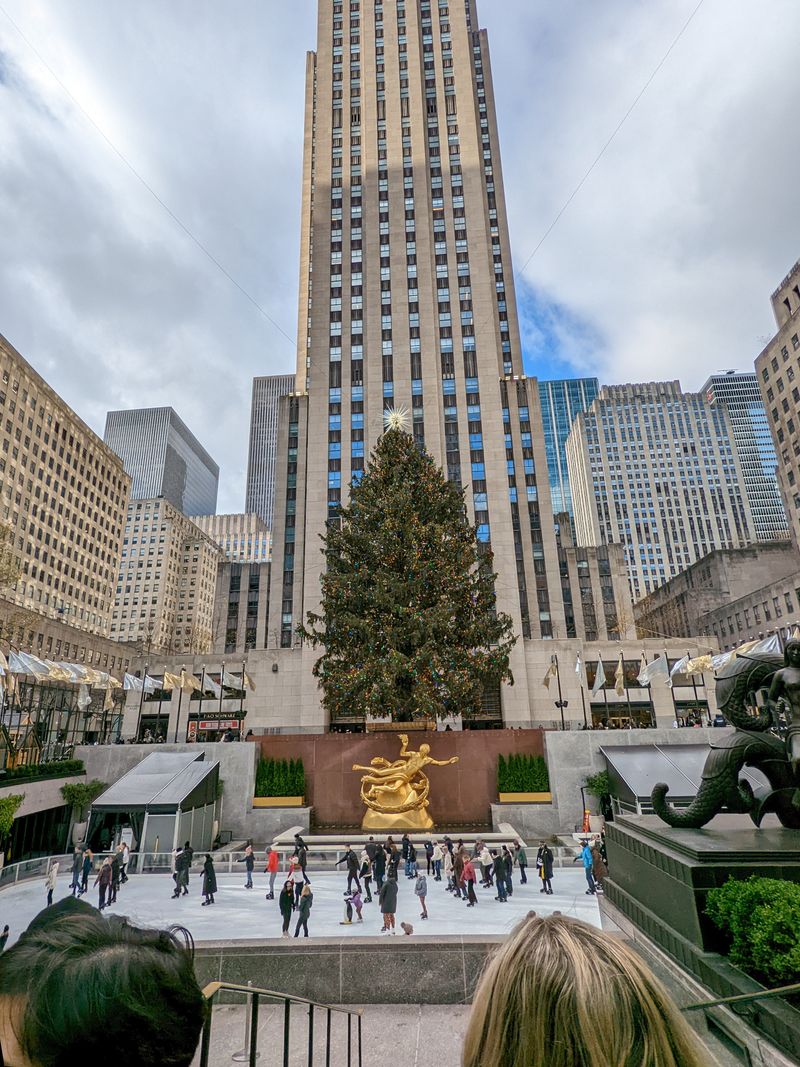
Tens of thousands of visitors each day generate an enormous amount of trash that overwhelms the normal waste management systems in the area.
Coffee cups, food wrappers, shopping bags, and other debris pile up around trash cans and spill onto sidewalks throughout the day.
Locals who take pride in their city find the visible accumulation of garbage frustrating and embarrassing, even though they are not responsible for creating it.
The sheer volume of tourists means that sanitation workers struggle to keep pace with the constant flow of waste being generated.
Trash bins designed for normal pedestrian traffic cannot accommodate the holiday crowds, leading to overflowing receptacles surrounded by piles of refuse.
The problem becomes particularly noticeable in the evening after crowds have been present all day, with litter scattered across the plaza and surrounding streets.
For New Yorkers who walk through the area regularly, seeing their neighborhood in this condition creates feelings of frustration and helplessness.
The environmental impact of this massive waste generation also concerns residents who are conscious of sustainability issues.
Single-use cups, plastic bags, and disposable items accumulate at alarming rates, creating mountains of trash that must be hauled away.
The smell of garbage becomes noticeable in warmer-than-usual winter weather, adding another unpleasant dimension to the crowded conditions.
Locals who care about maintaining clean public spaces feel disheartened watching the area they frequent become littered despite the best efforts of sanitation crews.
The contrast between the sparkling, pristine image of the Christmas tree and the reality of trash-strewn sidewalks just steps away highlights the disconnect between tourist fantasy and local reality.
The Area Loses Its Authentic New York Character
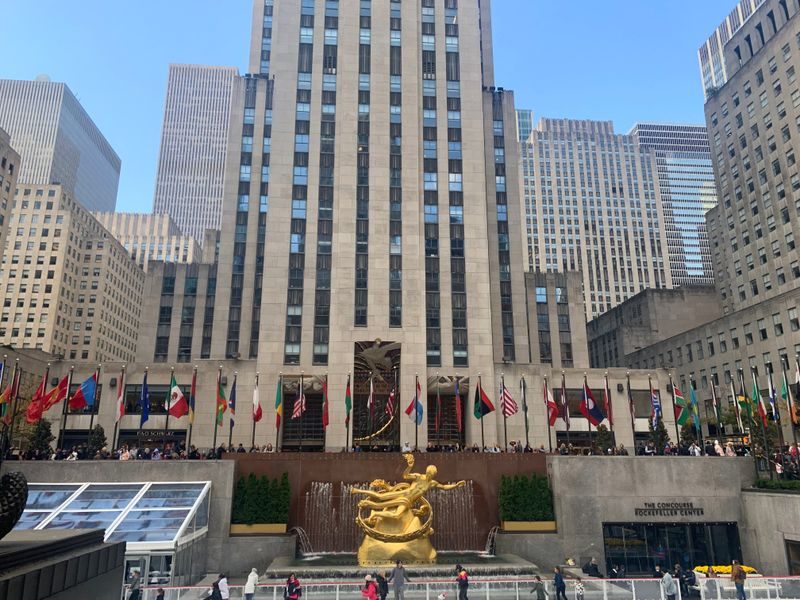
Perhaps the most intangible but deeply felt complaint from locals is that Rockefeller Center during Christmas loses the authentic New York character that makes the city special.
The area transforms into something that feels more like a theme park or tourist attraction than a real neighborhood where people live and work.
New Yorkers pride themselves on the genuine, gritty, fast-paced nature of their city, and the sanitized, commercialized holiday spectacle feels at odds with that identity.
The constant stream of visitors treating the area as a photo backdrop rather than a living space creates a sense that locals are extras in someone else’s vacation experience.
The businesses that cater specifically to tourists, with inflated prices and generic offerings, push out the authentic character that makes New York neighborhoods unique.
Locals feel like outsiders in their own city when every interaction and transaction seems designed for visitors rather than residents.
The performative nature of the Christmas tree spectacle, with its corporate sponsorships and media coverage, feels disconnected from the real holiday experiences New Yorkers create in their own communities.
For residents who remember when Rockefeller Center felt more integrated into the fabric of the city rather than separated as a tourist destination, the change is particularly noticeable.
The loss of local character extends beyond just the holiday season, as businesses and developers increasingly cater to tourist expectations rather than community needs.
New Yorkers who value authenticity over spectacle find the whole production exhausting and antithetical to what they love about living in the city.
The irony that people come to New York to experience its unique energy and then congregate in spaces that feel generic and commercialized is not lost on locals.
This cultural displacement, even if temporary, contributes to the broader feeling among residents that their city is being transformed into a destination for others rather than a home for themselves.
Emergency Services Face Delays Responding to Incidents
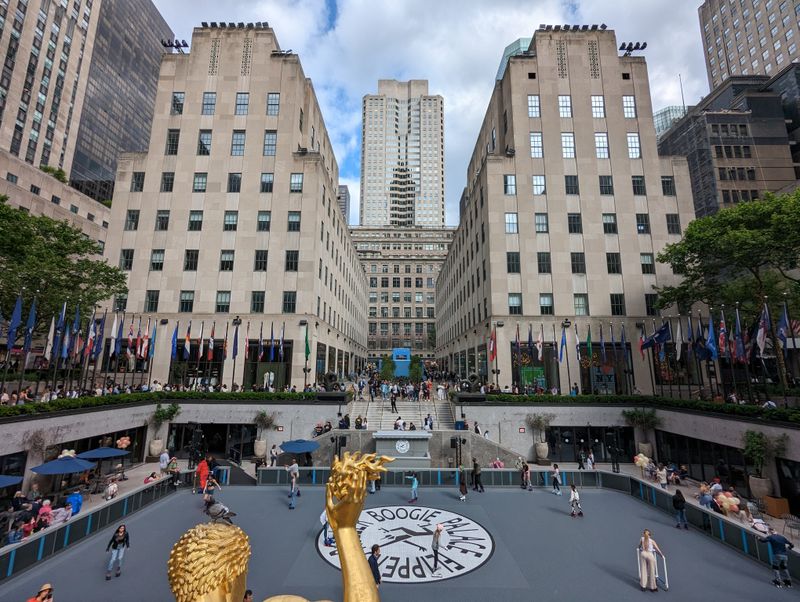
The massive crowds and traffic congestion around Rockefeller Center during the holiday season create serious concerns about emergency response times.
Ambulances, fire trucks, and police vehicles struggle to navigate through streets packed with pedestrians and vehicles moving at a crawl.
For locals who live or work in the area, knowing that emergency services might be delayed reaching them because of tourist crowds is genuinely frightening.
Medical emergencies, fires, or other urgent situations require quick response times that become nearly impossible when streets are gridlocked.
The presence of barricades and crowd control measures, while necessary for managing tourists, can actually impede emergency vehicles trying to access certain areas.
Residents with health conditions or elderly neighbors worry about what would happen if an ambulance needed to reach them quickly during peak crowd times.
The city does its best to maintain emergency lanes and routes, but the sheer volume of people makes rapid response challenging.
Local emergency rooms and urgent care facilities also see increased demand from tourists who get injured or sick while visiting, potentially stretching resources.
For New Yorkers who understand how critical response time is in emergencies, the added delays caused by seasonal crowds represent a real safety concern.
The frustration locals feel is not just about inconvenience but about legitimate worry that the tourist influx could have dangerous consequences for residents.
Parents with young children, people with medical conditions, and elderly residents all share heightened anxiety during the weeks when crowds are at their peak.
This safety dimension adds weight to local complaints, transforming them from mere annoyance into serious quality-of-life issues that affect community wellbeing.
Dear Reader: This page may contain affiliate links which may earn a commission if you click through and make a purchase. Our independent journalism is not influenced by any advertiser or commercial initiative unless it is clearly marked as sponsored content. As travel products change, please be sure to reconfirm all details and stay up to date with current events to ensure a safe and successful trip.
