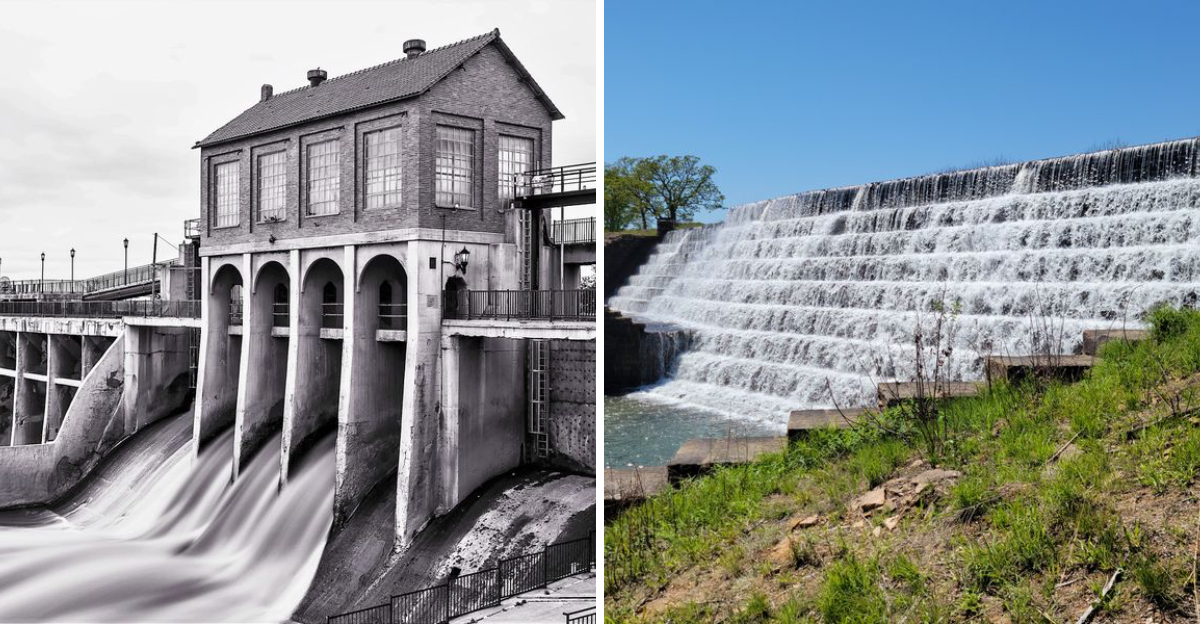
Is Oklahoma hiding the coolest hangout spots in plain sight, or are we all just late to the party? Spillways across the state have gone from forgotten infrastructure to viral sensation, and locals aren’t exactly thrilled.
What used to be quiet, utilitarian structures managing lake overflow are now packed with selfie-seekers, thrill-chasers, and curious travelers who stumbled upon them online. These weren’t designed for Instagram fame or weekend crowds, but here we are.
From Lake Overholser to Broken Bow, spillways are attracting visitors who were never supposed to find them in the first place. The question is: should we be flocking to these spots, or are we ruining something that was never meant to be a destination?
Some say it’s harmless exploration. Others argue it’s a safety hazard and a burden on local resources.
Whether you think spillways are Oklahoma’s best-kept secret or a ticking time bomb of bad decisions, one thing’s for sure: they’re not staying secret anymore. So what’s the real story behind this sudden obsession?
From Utility to Attraction
For decades, Oklahoma’s lake dam spillways existed in a strange middle ground. They were public infrastructure, but not destinations.
Locals knew where they were, engineers monitored them, and anglers or nearby residents occasionally passed through.
That balance has shifted rapidly. Spillways were designed to move excess water safely, not to host visitors.
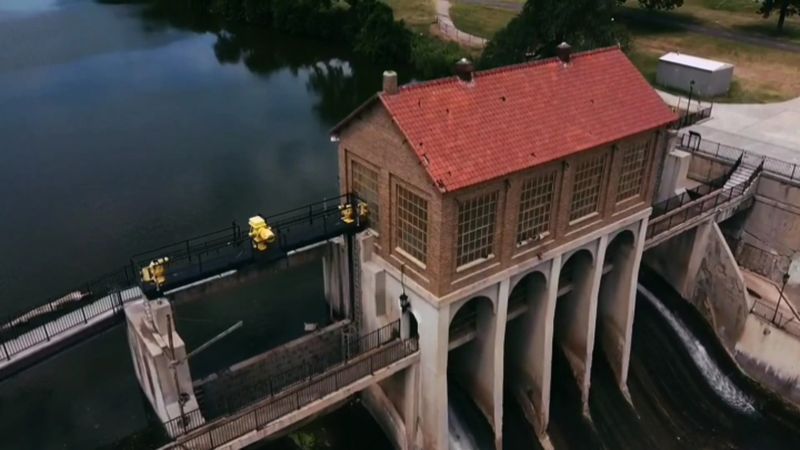
Places like the spillway at Lake Overholser Dam or below Broken Bow Lake Dam were functional, loud, and often fenced or minimally marked.
Their appeal was incidental, not intentional. Nobody marketed them.
No tourism board promoted them. They simply existed as part of the water management system that keeps Oklahoma’s lakes from flooding.
Now, however, these same structures are drawing hundreds of visitors weekly. People arrive with cameras, picnic blankets, and expectations of scenic grandeur.
The problem is that spillways weren’t built with aesthetics or accessibility in mind.
Concrete channels, steep embankments, and rushing water create dramatic visuals, but they also present real hazards. Visitors walk along edges never meant for foot traffic.
They climb barriers designed to keep people out, not invite them in.
The shift from utility to attraction happened quietly at first, then all at once. What changed wasn’t the spillways themselves, but how people discovered them.
Social media turned functional infrastructure into destination content, and Oklahoma’s spillways became the latest example of a place rebranded by virality rather than design.
Social Media Changed the Equation
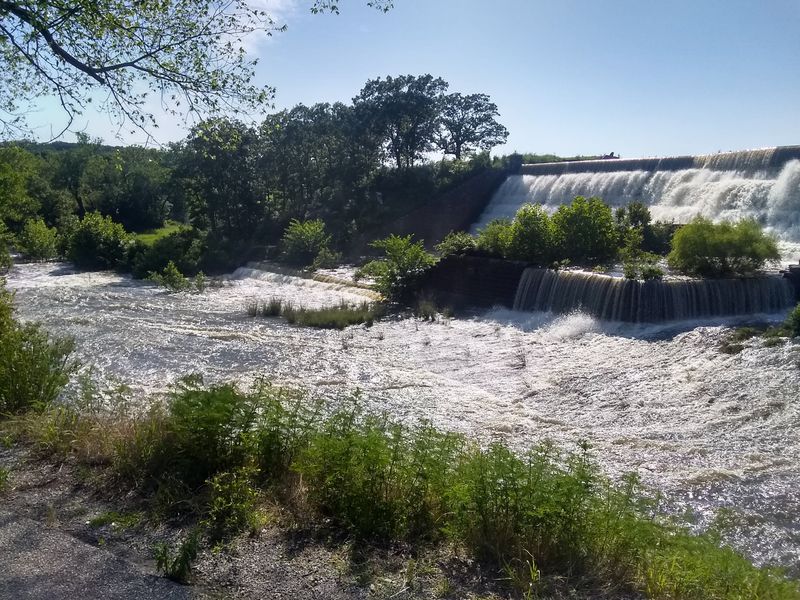
Once photos and short videos began circulating, spillways were reframed as hidden scenery rather than working structures. The contrast of rushing water, concrete geometry, and scale plays well online.
What was once known only through proximity is now searchable, tagged, and shared far beyond its original audience.
Platforms like TikTok and Instagram thrive on visual drama. Spillways deliver exactly that.
Water crashing over concrete, mist rising in the sunlight, and the sheer power of nature controlled by human engineering create compelling content.
Users tag locations, add filters, and caption their posts with phrases like “hidden gem” or “secret spot.” Algorithms pick up on engagement, pushing the content to more viewers. Suddenly, a spillway near Lake Murray or Keystone Lake isn’t just infrastructure anymore.
It’s a trending location.
The cycle repeats. More people see the posts, more people visit, more people post.
Each wave of visitors amplifies the next. What started as a few curious explorers becomes a steady stream of tourists.
Local authorities weren’t prepared for this shift. There was no gradual ramp-up, no time to install proper signage or parking.
The spillways went from obscure to overrun in months, not years.
Social media didn’t just change how people found these places. It changed why they went.
Visitors aren’t coming for utility or function. They’re coming for content, for the photo opportunity, for the chance to say they were there before it became too mainstream.
The Illusion of Discovery
Many visitors arrive believing they have uncovered something secret. In reality, spillways were never hidden, just undocumented for tourism.
That difference matters. These sites were not designed for crowds, parking, or lingering, which is why tension has grown between visitors and local managers.
The sense of discovery is part of the appeal. Finding a place that feels off the beaten path, even if it’s technically public, creates a thrill.
But spillways weren’t concealed for mystery. They were simply functional spaces that didn’t require promotion.
Engineers and water management officials knew exactly where they were. So did locals who grew up nearby.
But without tourism infrastructure or online presence, these places remained outside the typical travel circuit.
Now, that’s changed. GPS coordinates are shared freely.
Directions are posted in comments. The illusion of discovery persists, but it’s just that: an illusion.
What visitors are finding isn’t a secret. It’s a place that was never meant to be found by strangers.
This creates a fundamental mismatch. Visitors expect a welcoming environment, clear paths, and safe viewing areas.
What they find instead are industrial sites with minimal amenities and real dangers. The disappointment can lead to risky behavior as people push boundaries to get the experience they imagined.
Oklahoma’s spillways reveal how modern travel culture redefines accessibility. If a place can be photographed and geotagged, it becomes a destination whether it was designed as one or not.
Why Locals Are Frustrated
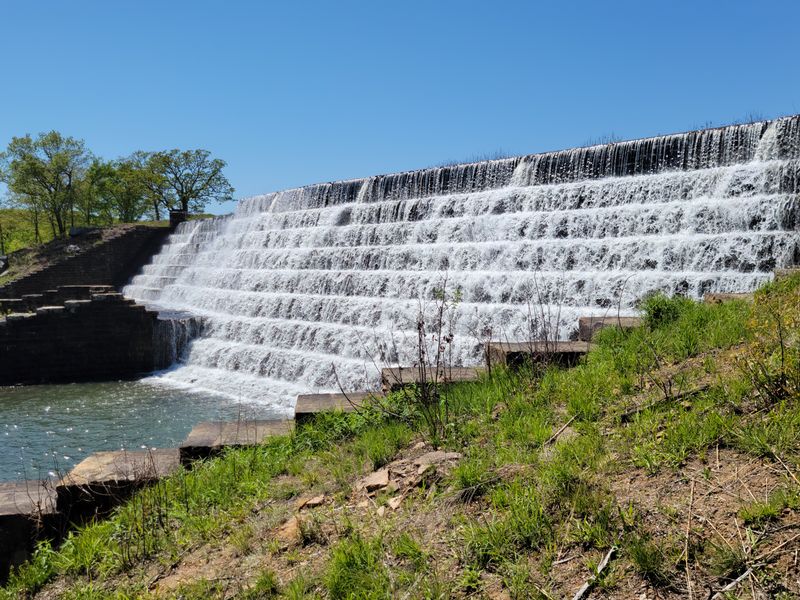
Increased foot traffic brings safety concerns, erosion, trash, and blocked access for maintenance crews. At spillways near Lake Murray Dam, local authorities have had to increase signage and enforcement simply to keep people out of restricted zones.
Residents who live near these spillways are watching their quiet neighborhoods transform. What used to be peaceful areas with occasional visitors are now dealing with weekend crowds, traffic congestion, and parking problems.
Trash is a persistent issue. Visitors leave behind bottles, food wrappers, and other debris.
Spillway areas aren’t equipped with garbage facilities because they were never intended as recreational sites. Cleanup falls to local volunteers or overwhelmed maintenance staff.
Erosion has accelerated in areas where visitors walk repeatedly over the same ground. Vegetation gets trampled, soil compacts, and natural drainage patterns change.
Over time, this can affect the stability of embankments and surrounding land.
Safety concerns are even more pressing. Spillways operate based on water levels and weather conditions.
When water is released, currents become dangerously strong. Visitors unfamiliar with these dynamics can find themselves in life-threatening situations.
Local emergency responders have reported an uptick in calls related to spillway incidents. People slip on wet concrete, get too close to fast-moving water, or become stranded when water levels rise unexpectedly.
Each rescue diverts resources from other community needs.
For longtime Oklahoma residents, the frustration isn’t about gatekeeping. It’s about watching infrastructure designed for one purpose become misused for another, with consequences that fall on local communities to manage.
A Mismatch of Purpose
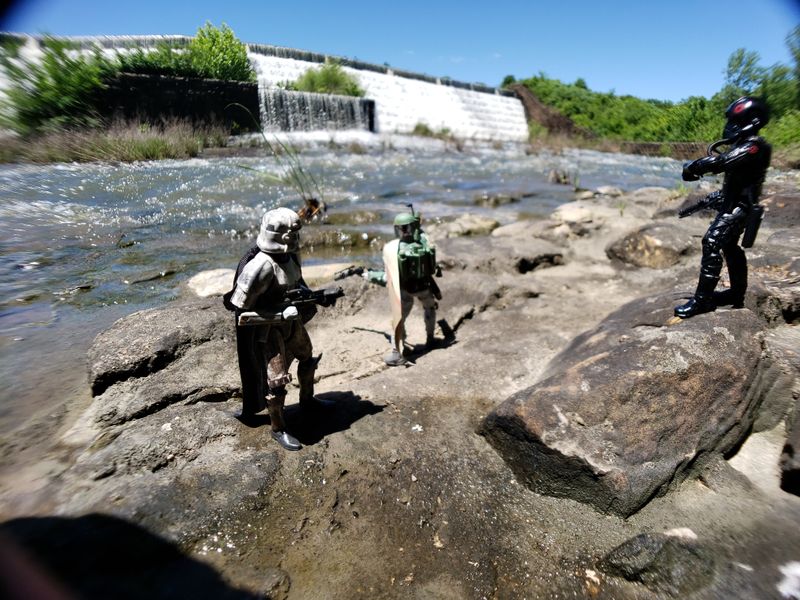
The core issue is not access, but expectation. Visitors treat spillways like scenic overlooks.
Operators treat them like critical infrastructure. Those roles were never meant to overlap.
Scenic overlooks are designed with visitor experience in mind. They have railings, viewing platforms, informational plaques, and parking areas.
Spillways have none of these. They exist to manage water flow, prevent flooding, and protect downstream communities.
When visitors arrive expecting a tourist-friendly environment, they’re disappointed by the lack of amenities. When operators try to enforce safety restrictions, visitors feel unfairly excluded.
Both sides are operating from completely different frameworks.
This mismatch creates conflict. Visitors argue that public infrastructure should be publicly accessible.
Operators counter that accessibility doesn’t mean these spaces are safe or appropriate for recreation. Both perspectives have merit, but they’re fundamentally incompatible.
Adding to the complexity is the fact that spillways operate dynamically. Water flow changes based on rainfall, lake levels, and seasonal conditions.
A spillway that seems calm one day can become a torrent the next. Visitors accustomed to static attractions don’t always understand this variability.
Oklahoma’s water management agencies are caught in the middle. They’re responsible for maintaining infrastructure that was never designed for public interaction, yet they’re now dealing with crowds who expect recreational access.
Retrofitting spillways for tourism would be expensive and might compromise their primary function.
The mismatch of purpose highlights a broader challenge in modern infrastructure planning. As more people seek out unconventional destinations, the line between utility and attraction continues to blur.
What This Says About Travel Now
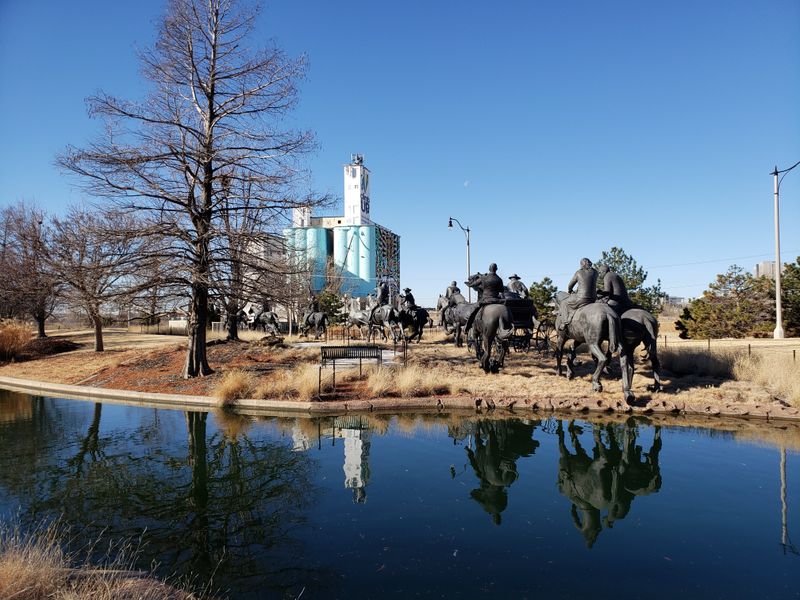
Oklahoma’s spillways reveal a larger pattern. As fewer places feel undiscovered, utilitarian spaces are being reinterpreted as experiences.
The problem is not curiosity, but scale. Spillways were never meant to be found, framed, or crowded.
Modern travelers are increasingly drawn to places that feel authentic or unpolished. Spillways fit that description perfectly.
They’re raw, functional, and unadorned by tourism marketing. That authenticity is precisely what makes them appealing.
But authenticity at scale becomes something else entirely. When dozens or hundreds of people descend on a space designed for solitude or function, the experience changes.
What was authentic becomes performative. What was quiet becomes chaotic.
This pattern repeats across travel culture. Abandoned buildings, industrial sites, and infrastructure spaces are all being reframed as destinations.
The appeal lies in their lack of commercialization, but that very appeal leads to commercialization.
Oklahoma’s spillways are just one example. Similar dynamics play out with fire lookout towers, water towers, and utility roads.
Social media accelerates the process, compressing what might have taken decades into months.
The challenge for travelers is navigating the tension between exploration and impact. Visiting a spillway isn’t inherently wrong, but doing so without understanding its purpose or risks creates problems.
Responsible travel requires recognizing when a place isn’t designed for you, even if you can technically access it.
What Oklahoma’s spillways say about travel now is this: discovery has been democratized, but so have its consequences. The tools that make exploration easier also make it harder to preserve what makes places worth exploring.
Lake Overholser Dam Spillway
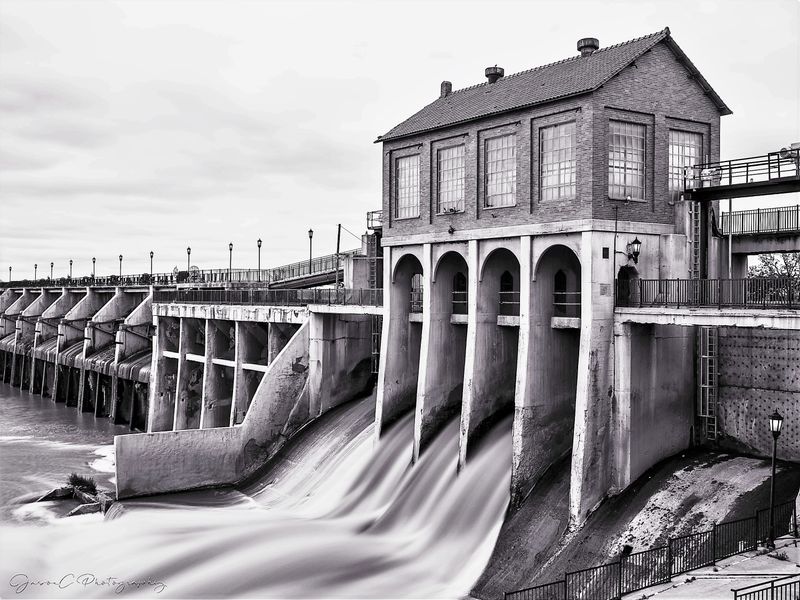
Situated on the western edge of Oklahoma City, Lake Overholser Dam has become one of the most visited spillways in the state. Built in the early 20th century, this structure was designed to supply water to the growing city, not to entertain weekend adventurers.
Yet here we are. The spillway’s proximity to urban areas makes it easily accessible, which is both a blessing and a curse.
Visitors can reach it within minutes from downtown, but that convenience has led to overcrowding on busy days.
The concrete apron where water cascades during releases offers dramatic photo opportunities. When the spillway is active, the sound alone is enough to draw curious onlookers.
The visual of water pouring over the dam creates a sense of power and scale that’s hard to replicate elsewhere.
Local authorities have installed additional fencing and warning signs in recent years. Despite these efforts, people still venture into restricted areas.
The allure of getting closer to the action often overrides caution.
What makes Lake Overholser particularly interesting is its dual role. It’s still an active water supply for Oklahoma City, meaning operations can’t be adjusted for visitor convenience.
When water needs to be released, it happens regardless of how many people are nearby.
The spillway’s popularity has sparked debates about whether Oklahoma City should embrace its new role as a tourist draw or double down on restrictions. For now, the city is taking a cautious approach, prioritizing safety over spectacle.
Address: 2800 Overholser Dr, Oklahoma City, Oklahoma
Broken Bow Lake Dam Spillway
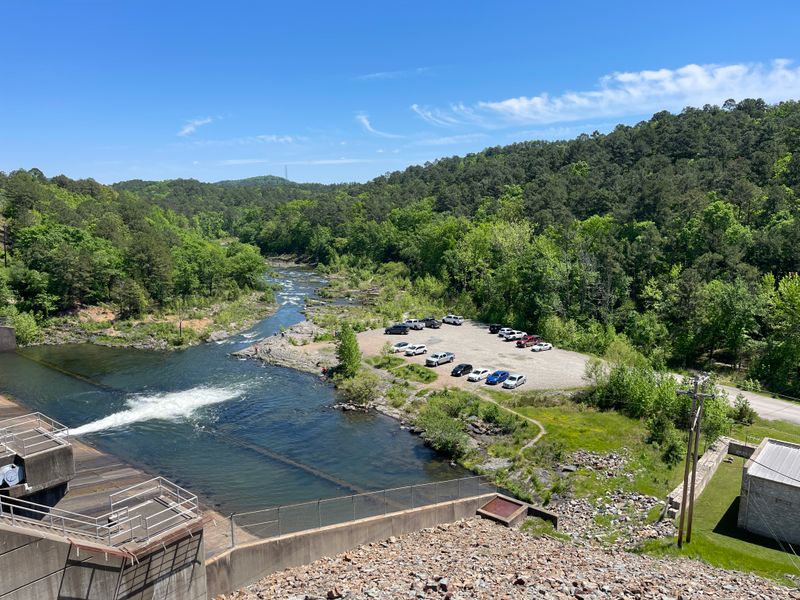
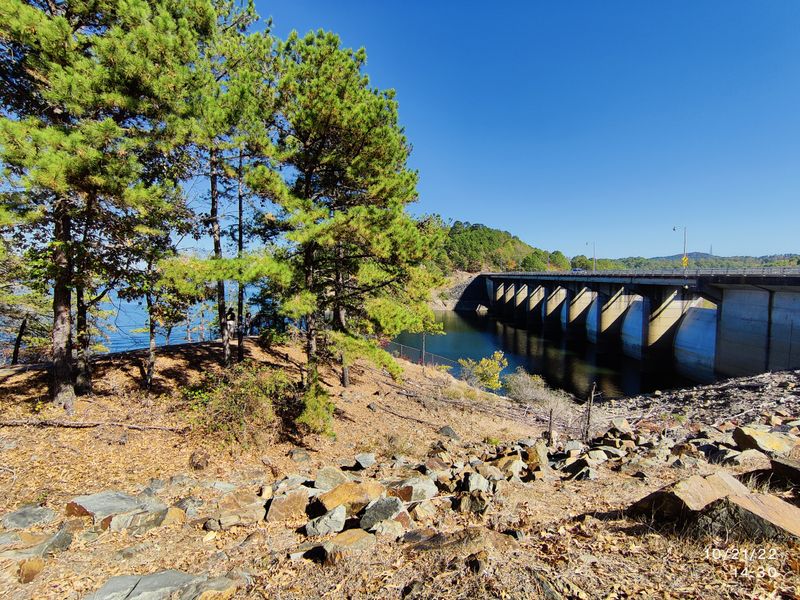
Tucked into the scenic Ouachita Mountains of southeastern Oklahoma, Broken Bow Lake Dam is a stunner. The spillway here combines natural beauty with engineering prowess, creating a setting that feels almost cinematic.
Water releases at Broken Bow are less frequent than at some other dams, which makes active spillway events even more sought after. When word gets out that water is flowing, visitors flock to the area, turning what should be a routine water management operation into a spectator event.
The surrounding forest adds to the appeal. Towering pines frame the concrete structure, and the sound of rushing water echoes through the trees.
It’s easy to see why this spot has become a favorite for photographers and nature enthusiasts.
But the remote location presents challenges. Cell service is spotty, and emergency response times are longer than in urban areas.
If someone gets injured or stranded, help isn’t just minutes away.
The spillway sits within a state park, which has helped manage some of the visitor impact. Park rangers can monitor activity and enforce rules more effectively than at unmanaged sites.
Still, the sheer volume of visitors during peak times strains resources.
Broken Bow’s spillway is a reminder that even well-managed natural areas can be overwhelmed by sudden popularity. The infrastructure that exists for park visitors wasn’t designed for the crowds that now show up specifically for the spillway.
Oklahoma’s southeastern corner has long been a destination for outdoor recreation, but the spillway has added a new dimension to that appeal, one that’s proving difficult to balance with conservation and safety goals.
Lake Murray Dam Spillway
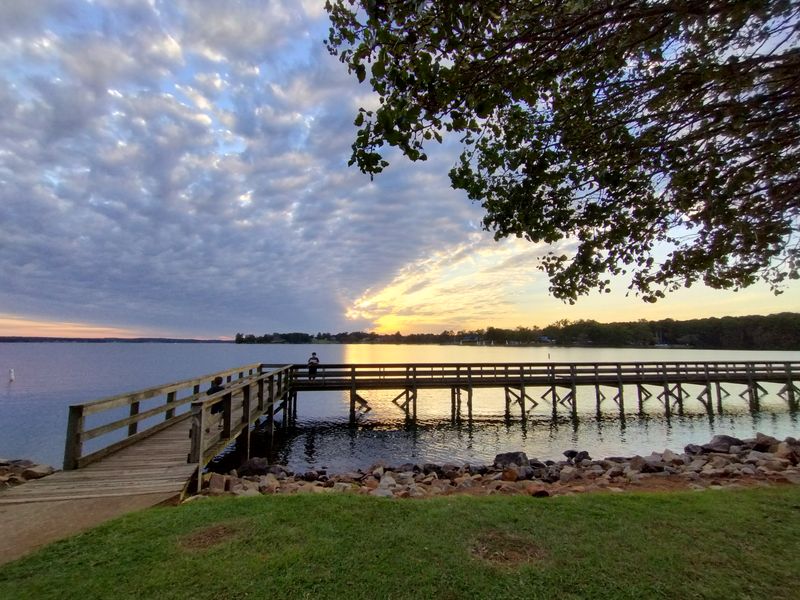
Down in south-central Oklahoma, Lake Murray Dam holds the distinction of being one of the oldest state park dams in the region. The spillway here has a vintage character that newer structures lack, with weathered concrete and a design that reflects mid-century engineering aesthetics.
Lake Murray State Park is already a popular destination, so the spillway’s rise in popularity adds another layer to an already busy recreational area. On summer weekends, the combination of beachgoers, campers, and spillway visitors creates a logistical puzzle for park management.
The spillway itself is impressive when active. Water pours over multiple gates, creating a cascading effect that’s both beautiful and powerful.
The adjacent areas offer decent vantage points, though they’re not officially designated as viewing areas.
This ambiguity is part of the problem. Visitors assume that if they can access a spot, it’s safe to be there.
Park staff spend considerable time redirecting people from hazardous locations, a task that’s become more demanding as visitor numbers have grown.
Local residents have mixed feelings. Some appreciate the increased attention to the park and the economic benefits that come with more visitors.
Others worry about the environmental impact and the strain on park resources.
Lake Murray’s spillway represents the challenges faced by established recreational areas when a new attraction emerges within their boundaries. The infrastructure exists to support park visitors, but not at the scale and intensity that spillway tourism demands.
Oklahoma’s commitment to preserving its state parks is being tested by these shifting visitor patterns. Balancing access with preservation requires resources and planning that weren’t part of the original vision.
Keystone Lake Dam Spillway
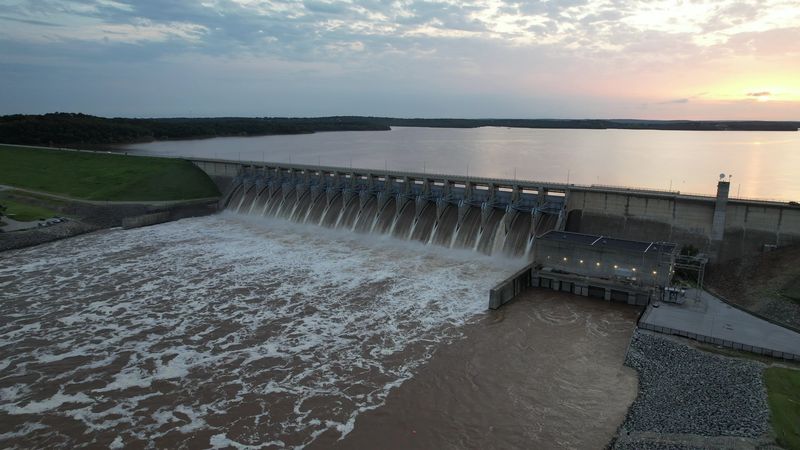
Positioned along the Arkansas River in northeastern Oklahoma, Keystone Lake Dam is a massive structure that serves multiple purposes: flood control, hydroelectric power, and recreation. The spillway here is built on a grand scale, reflecting the dam’s importance to the region.
When Keystone’s spillway is operational, it’s a sight to behold. The volume of water that moves through the gates is staggering, creating mist that can be seen from miles away.
That spectacle has made it a magnet for visitors seeking dramatic natural displays.
The dam is managed by the U.S. Army Corps of Engineers, which brings a level of oversight that some smaller dams lack.
Security is tighter, and rules are more strictly enforced. Despite this, the spillway still attracts crowds who test boundaries and ignore warnings.
One unique aspect of Keystone is its role in regional flood control. When heavy rains hit Oklahoma, Keystone Dam is often called into action to prevent downstream flooding.
These releases are necessary and sometimes urgent, leaving no time to clear the area of curious onlookers.
The spillway’s popularity has led to discussions about public education. The Corps has increased outreach efforts, explaining the dam’s function and the dangers of getting too close during releases.
These campaigns have had some success, but changing behavior at scale is a slow process.
Keystone Lake Dam sits in a region of Oklahoma known for its natural beauty and outdoor recreation. The spillway adds another dimension to that appeal, but it also highlights the need for better visitor education and infrastructure investment to keep up with changing tourism patterns.
Dear Reader: This page may contain affiliate links which may earn a commission if you click through and make a purchase. Our independent journalism is not influenced by any advertiser or commercial initiative unless it is clearly marked as sponsored content. As travel products change, please be sure to reconfirm all details and stay up to date with current events to ensure a safe and successful trip.
