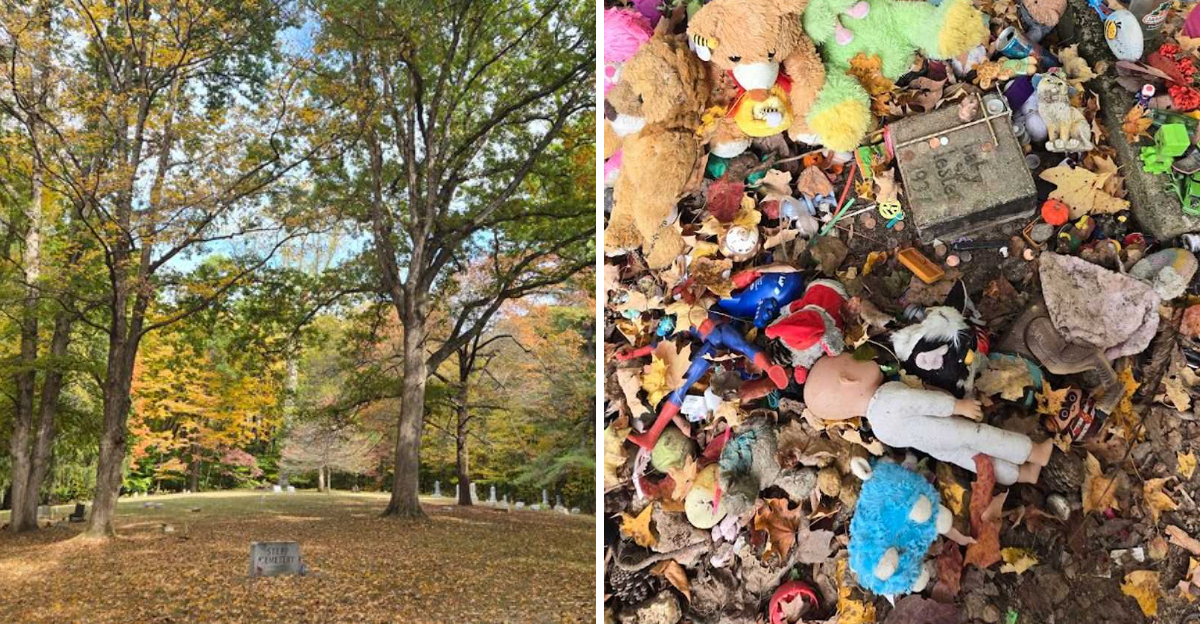
Deep in the dense woodlands of south-central Indiana, a small graveyard sits quietly off a narrow forest road, drawing curious visitors and seasoned paranormal investigators alike.
A historic cemetery located within Morgan-Monroe State Forest has earned a reputation as one of the most haunted spots in the state.
The legends tied to this place go far beyond typical ghost stories, weaving together local folklore, tragedy, and unexplained encounters reported over the years. Surrounded by thick trees and deep silence, the setting itself adds to the eerie atmosphere that visitors often describe as unsettling.
Even in daylight, the weathered stones and isolated location create a sense of mystery that is hard to ignore. If you have ever wondered what makes a graveyard truly haunting, this place has answers that tend to linger long after you leave.
Seek the Weeping Lady in Black
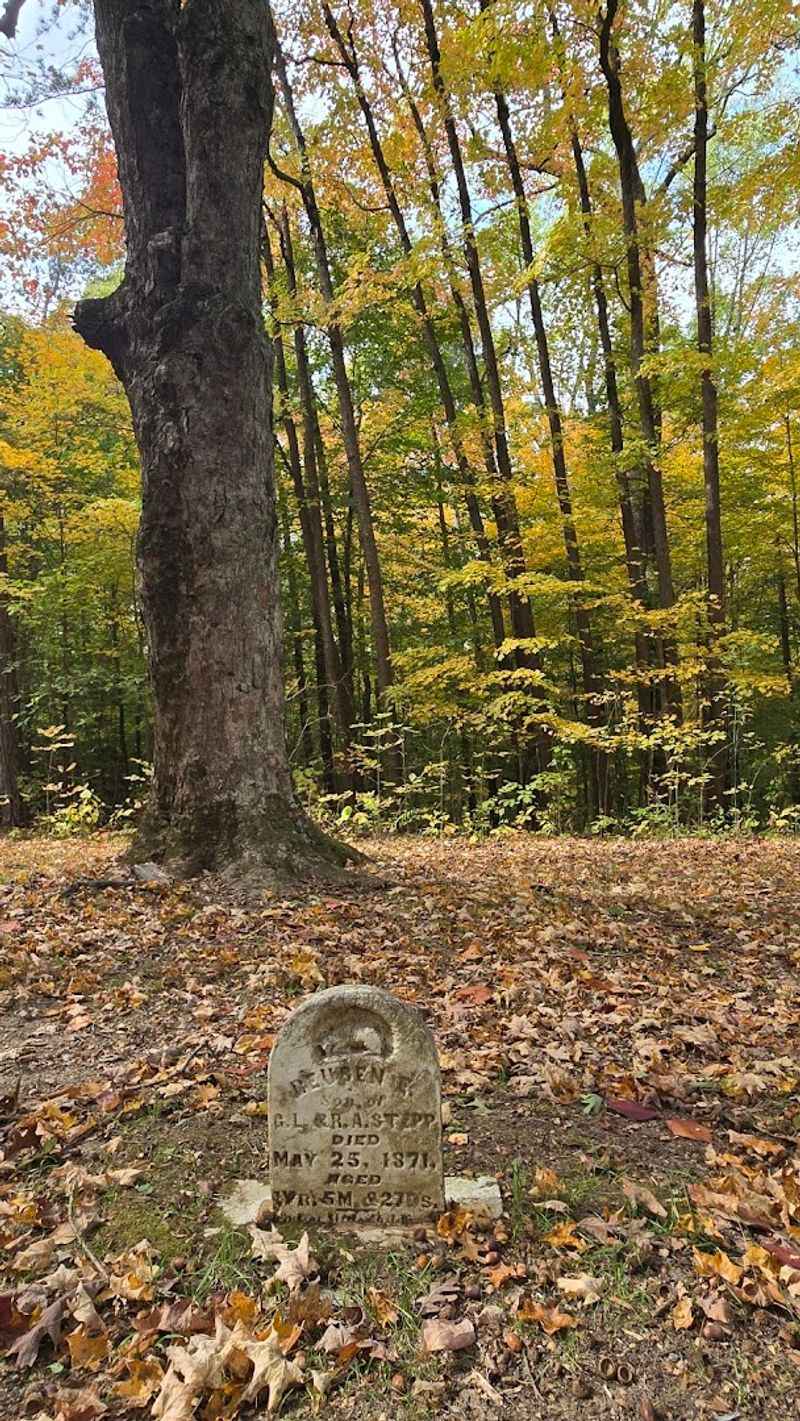
Few legends in Indiana folklore are as enduring as the story of the Lady in Black. She is described as a mournful figure, draped in dark clothing, spotted sitting on an old tree stump near a child’s grave.
Visitors have reported seeing her late at night, her outline barely visible through the forest mist, silently grieving in the dark.
The stump she supposedly haunts is often called the Warlock’s Chair. Some stories say she was a witch or a grieving mother, while others claim she was a caretaker who simply never left.
Whatever her origin, her presence is one of the most frequently reported paranormal experiences at Stepp Cemetery.
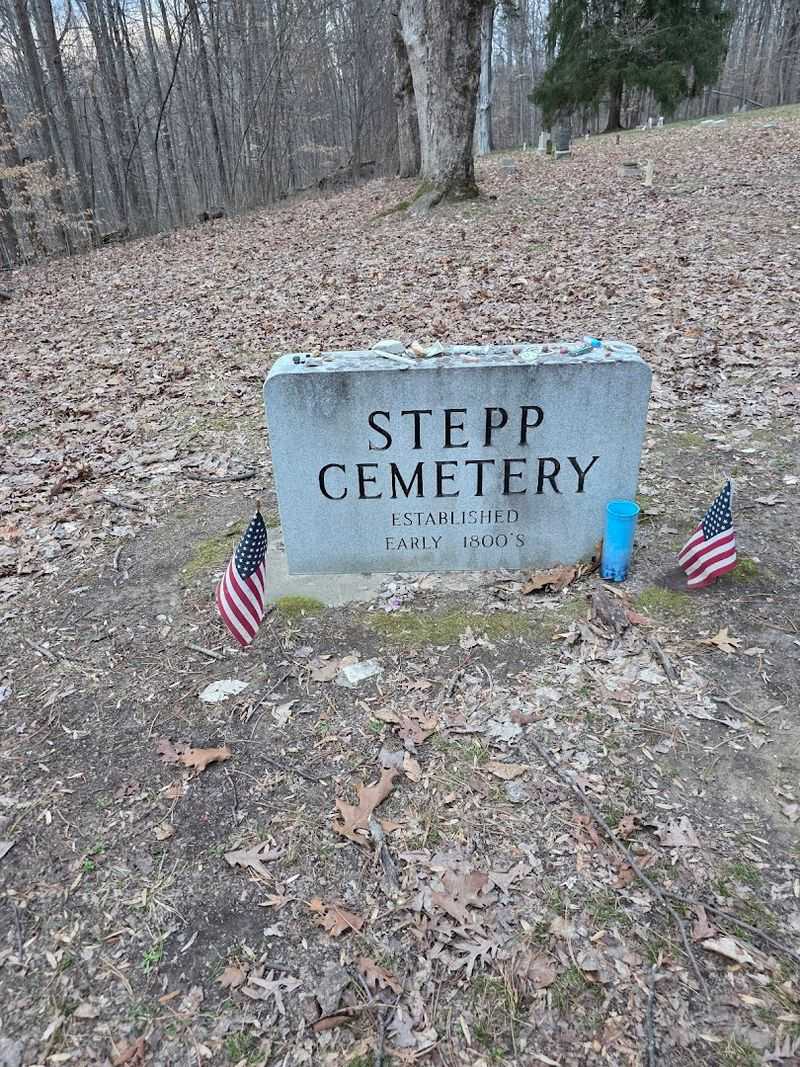
You can find Stepp Cemetery inside Morgan-Monroe State Forest, at Martinsville, IN 46151. The cemetery sits along a quiet forest road with limited parking, so plan to pull off carefully to the side.
Visiting around dusk gives you the best chance to feel the atmosphere shift as the light fades through the canopy above. Whether you believe in ghosts or not, standing near that old stump in the growing dark is a genuinely unsettling experience that stays with you long after you leave the forest behind.
Do Not Sit on the Warlock’s Chair
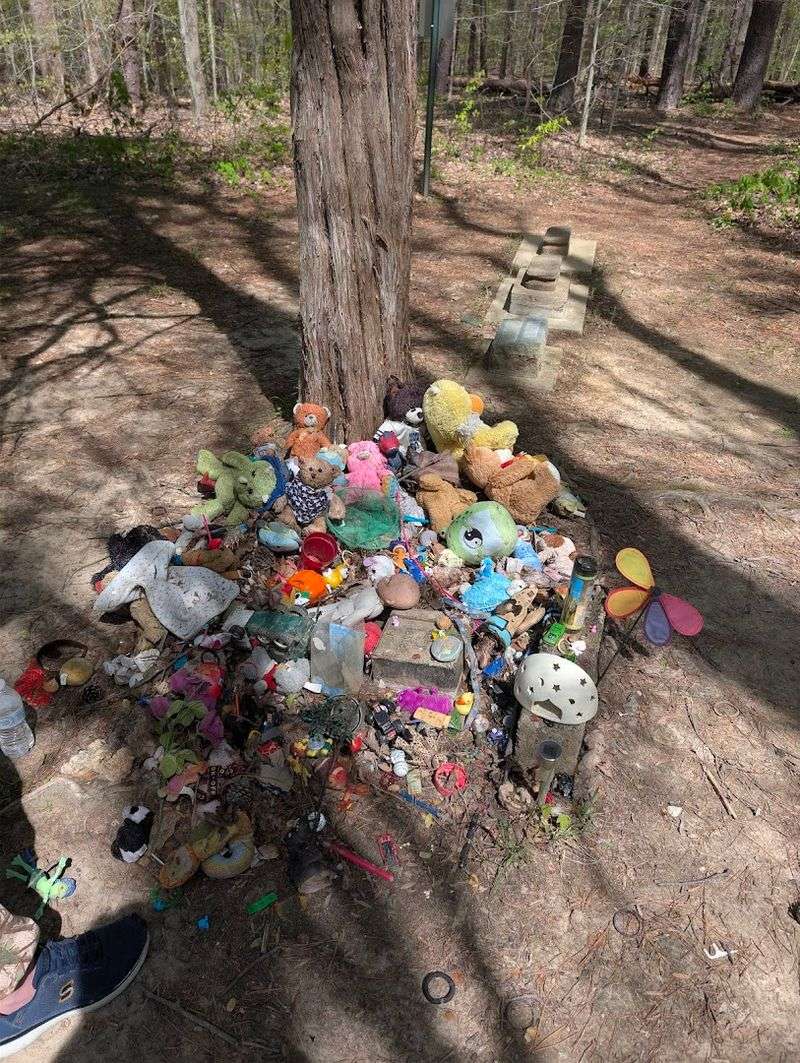
There is one rule most visitors learn before they even arrive: do not sit on the Warlock’s Chair. This old tree stump, worn smooth by decades of weather and curious hands, sits near the grave marked for Baby Lester, 1937.
The legend claims that anyone who sits on it will die within a year, a warning that does not stop everyone but certainly makes people think twice.
Small toys and trinkets are often left near Baby Lester’s grave by visitors who feel moved by the story. It is a quiet, sobering detail that reminds you these are real people buried here, not just props for ghost stories.
The stump itself looks ordinary in daylight, but at night it takes on a different quality entirely, especially when the forest goes quiet around it.
Paranormal investigators who have spent time at this site describe a heavy, pressing feeling near the stump that does not appear elsewhere in the cemetery. Some have captured unusual EMF readings in the immediate area.
Whether you chalk that up to old roots underground or something less explainable is entirely up to you.
What is clear is that this small corner of the cemetery carries more weight than its size suggests, and most people who visit remember it as the spot that made the hair on their arms stand up without any obvious reason.
Plan to Learn the Crabbite Cult History
Not every frightening thing about Stepp Cemetery involves apparitions. The historical layer beneath the ghost stories is equally unsettling.
Local accounts describe a fringe religious group known as the Crabbites who may have used this isolated spot for unconventional and disturbing rituals. The group was reportedly a splinter sect with beliefs and practices far outside mainstream religion.
Stories passed down through local communities include accounts of snake handling, animal sacrifice, and ecstatic ceremonial dancing conducted in the cemetery after dark.
While documented historical records on the Crabbites are scarce, the oral tradition surrounding them is remarkably consistent across different sources and generations.
That consistency alone gives the stories a weight that is difficult to brush aside.
Some paranormal researchers believe that repeated ritual activity in a single location can leave a kind of residual energy behind, which would explain why so many unrelated visitors report similar feelings of dread or being watched.
Whether or not you believe in that theory, knowing the possible history of a place changes how you experience it.
Standing among these headstones and imagining what may have taken place here on dark nights long ago adds a layer of unease that pure ghost hunting cannot replicate.
The history here is murky by design, and that ambiguity makes it all the more compelling for anyone drawn to the unexplained corners of Indiana’s past.
Come Listen for Whispers Among the Trees
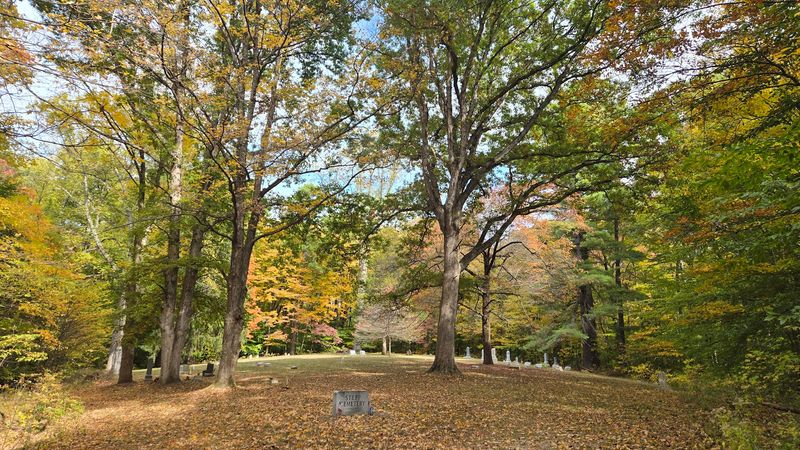
Something strange happens to sound inside Stepp Cemetery. Visitors consistently report hearing faint voices, shuffling footsteps, and low whispers when no other living person is nearby.
The surrounding trees of Morgan-Monroe State Forest create a natural sound buffer, which makes any unexpected noise feel sharper and more immediate than it would in an open space.
Some people describe hearing their own name called out softly, only to turn around and find nothing. Others mention footsteps crunching through leaves behind them that stop the moment they stop walking.
These kinds of experiences tend to happen more frequently after dark, when the forest insects quiet down and the air feels heavier.
Skeptics point out that forests naturally produce odd acoustic effects, and that is a fair point worth keeping in mind. But the sheer number of unrelated visitors who describe nearly identical experiences at this specific location is hard to dismiss entirely.
Even people who arrive with a purely curious mindset often leave feeling like they heard something they cannot explain. If you plan to visit, bring a voice recorder and keep it running.
Reviewing the audio afterward has surprised more than a few people who thought they were alone the entire time. The trees here seem to hold onto sound in a way that feels almost intentional, like the forest itself is listening back.
Try Bringing Your Electronics and Watch Them Fail
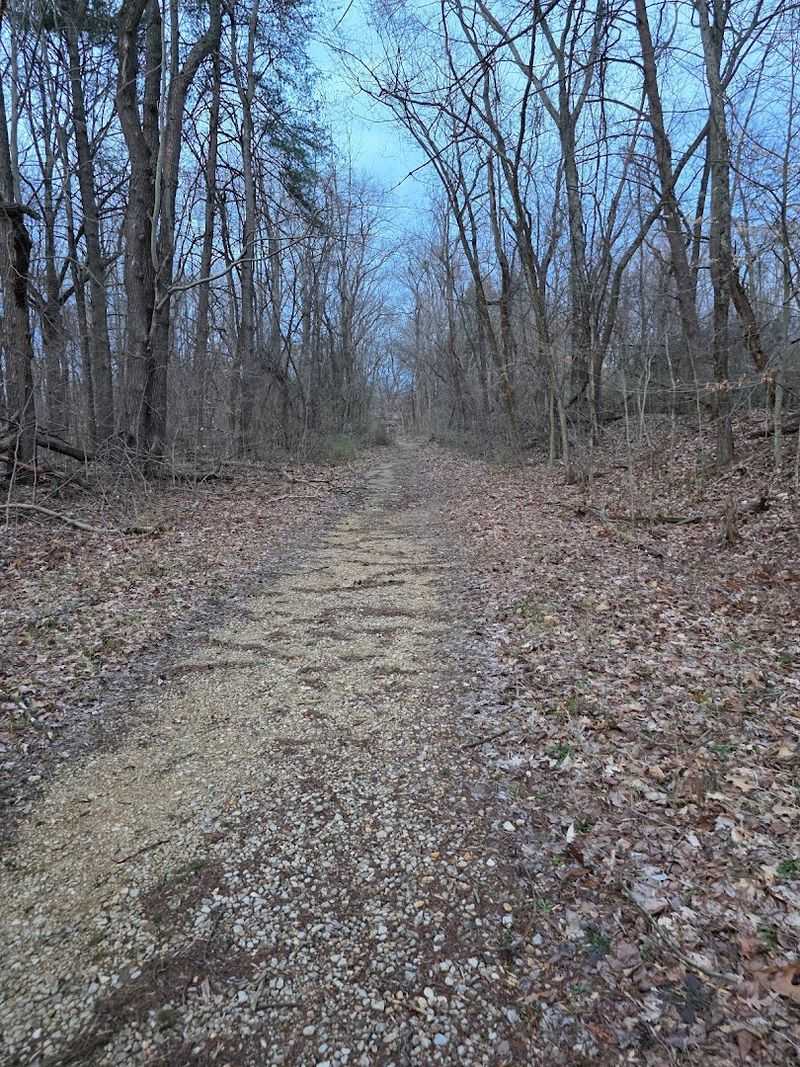
Electronics behave oddly at Stepp Cemetery. That is not an exaggeration pulled from one or two accounts.
It is a pattern reported by paranormal investigators, casual visitors, and curious skeptics across many separate visits spanning years. Cameras drain their batteries without explanation.
Phones freeze or shut off entirely. EMF meters spike in spots where there are no obvious electrical sources nearby.
One investigator who visited with professional-grade scanning equipment reported strong and consistent engagement responses during a nighttime session. The readings were described as leaning toward the malevolent end of the spectrum, which is not exactly a comfortable thing to hear.
Other visitors have noticed that photos taken inside the cemetery sometimes show light anomalies or blurred shapes that were not visible to the naked eye at the time of the shot.
Bringing your own equipment is a good way to form your own conclusions. Keep fresh batteries in everything, because you will likely need them sooner than expected.
A thermometer is also worth having on hand, since sudden cold spots near specific graves have been noted by multiple investigators.
None of this is proof of anything supernatural on its own, but when equipment fails repeatedly in the same location and nowhere else on the same trip, it raises questions worth sitting with.
The cemetery has a way of making even the most grounded visitor pause and reconsider their assumptions about what is and is not possible.
Make Time for the Hook-Handed Mother Legend
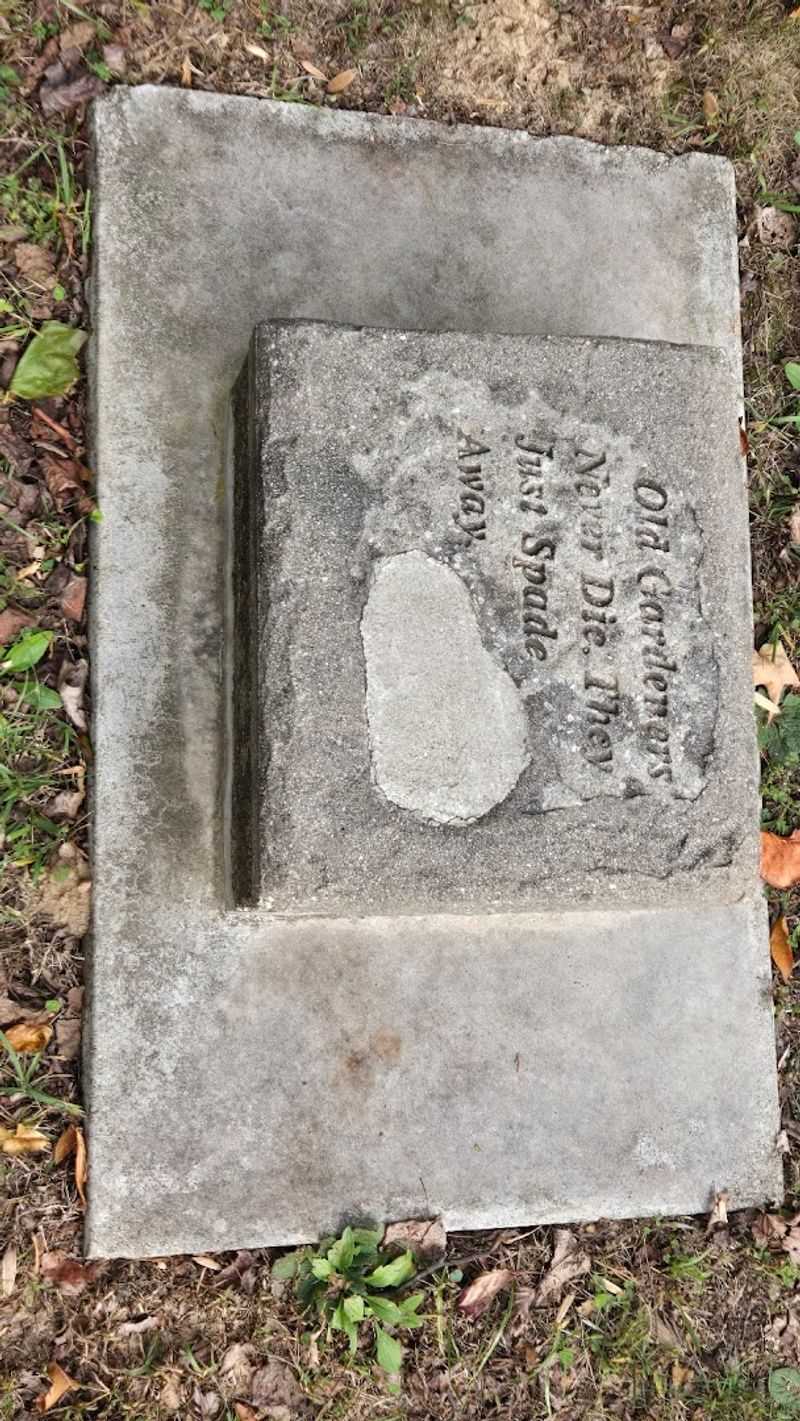
Among all the stories attached to Stepp Cemetery, the tale of the hook-handed mother carries a particular kind of emotional weight. The legend describes a woman who lost her young son in a car accident and was herself badly injured in the same crash, losing her hand in the process.
After recovering and being fitted with a hook prosthetic, she reportedly visited her son’s grave every single night, refusing to let him face the dark alone.
Over time, the story evolved to include reports of her spirit continuing that same vigil long after her own death. Visitors who have lingered near the cemetery late at night have described hearing a scraping or dragging sound along the old fence line, which local storytellers attribute to her hook.
Whether that explanation holds up is another matter entirely, but the sound has been noted by enough people to become part of the cemetery’s lore.
What makes this legend stand out from the others is the tenderness underneath the fear. At its core, it is a story about a parent who refused to abandon her child even after death.
That kind of devotion is easy to understand, which might be exactly why this story resonates so strongly with people who hear it.
Visiting the graves here with that story in mind shifts the experience from simple thrill-seeking into something that feels more like bearing witness to real human grief, which is quietly more powerful than any ghost sighting.
Skip Nothing: Find the Teenage Girl’s Lost Spirit

The final piece of the Stepp Cemetery puzzle involves a teenage girl whose story dates back to the 1950s. According to local legend, she was murdered somewhere in the surrounding expanse of Morgan-Monroe State Forest, and her body was left near the cemetery grounds.
The details of the story vary depending on who tells it, but the emotional core remains the same: a young life cut short, with no resolution and no peace.
Her spirit is said to wander the tree line after dark, sometimes appearing as a faint shape moving between the trunks just beyond the reach of a flashlight beam.
Some versions of the story claim she searches for something she lost, while others say she is simply unable to leave the place where her life ended so abruptly.
Visitors who have spent extended time at the cemetery after dark describe a specific feeling near the eastern edge of the grounds that feels different from the rest of the site.
Whether this legend is rooted in any documented historical event is unclear, but its persistence in local storytelling says something about how deeply it has embedded itself in the community’s memory.
The combination of youth, violence, and unanswered questions makes it one of the most emotionally affecting stories connected to this place.
If you visit Stepp Cemetery with an open mind and a quiet presence, this corner of the grounds deserves your attention just as much as the famous stump does.
