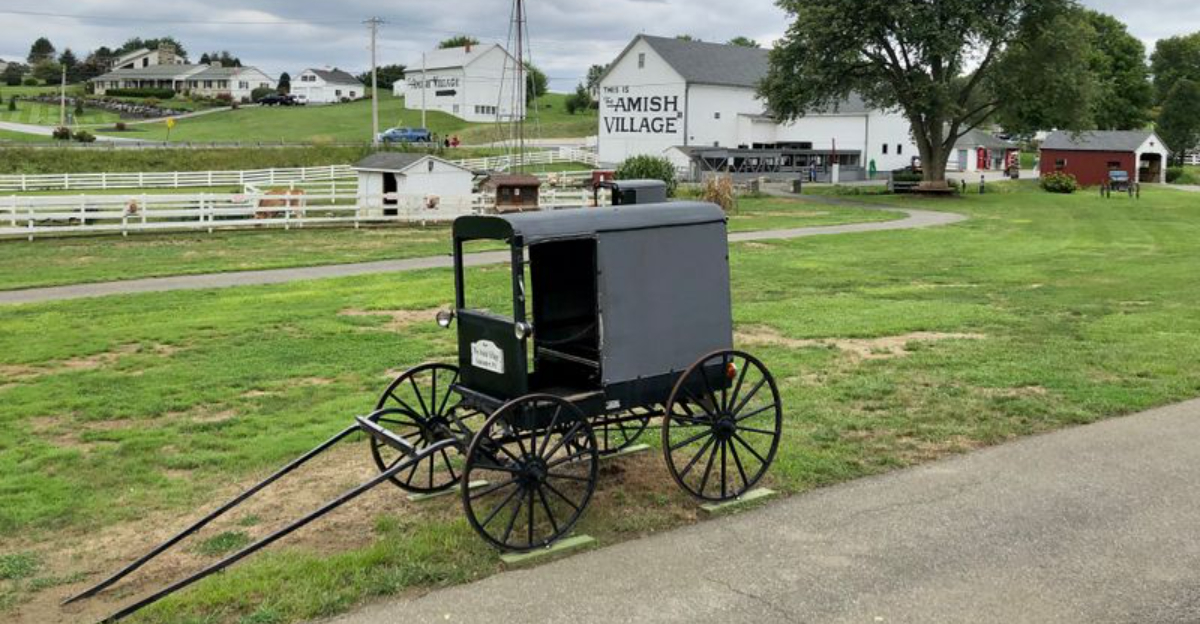
Visiting Indiana’s Amish Country often leaves people with a strange, lingering feeling they struggle to put into words.
It’s not just about the horse-drawn buggies or handmade quilts, though those are part of the experience.
Something deeper happens when you slow down and witness a way of life that seems to exist outside of time itself.
The Silence That Speaks Louder Than Words
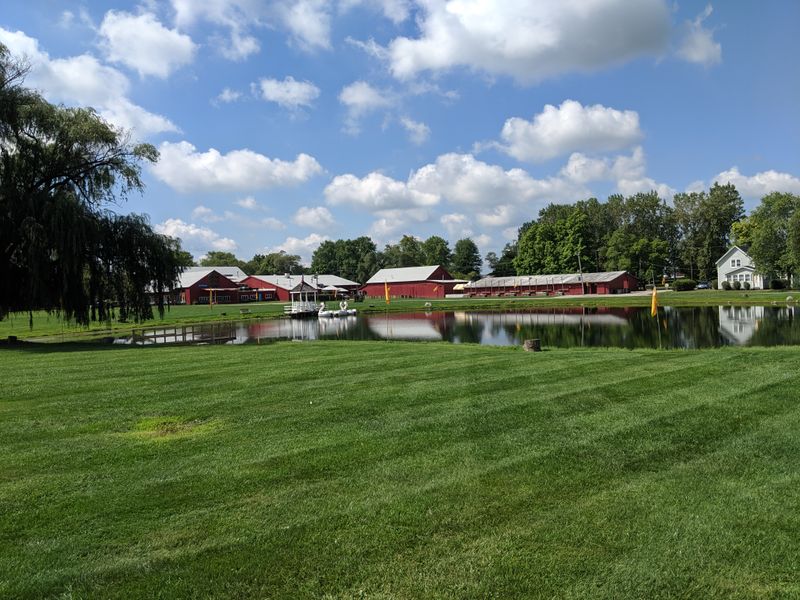
When you first arrive in Amish Country, one of the most striking things you notice is the absence of everyday noise.
There are no honking horns, no blaring sirens, and no constant hum of traffic that most of us have learned to tune out.
Instead, you hear birds singing, wind rustling through cornfields, and the rhythmic clip-clop of horse hooves on pavement.
This kind of quietness feels almost foreign to modern ears.
We live in a world where silence is rare, and when we finally encounter it, something inside us shifts.
It’s not uncomfortable silence, but rather a peaceful kind that invites you to slow down and breathe.
Many visitors report feeling their shoulders drop and their breathing deepen within minutes of arriving.
The silence allows thoughts to surface that normally get drowned out by the chaos of daily life.
You start noticing small details, like the way sunlight filters through tree leaves or how clouds move across the sky.
This isn’t just about the absence of sound.
It’s about creating space for reflection and inner peace that most people didn’t even know they were missing.
The Amish have built their communities intentionally away from the noise and rush of modern society.
When you leave, you carry that silence with you for a while.
It lingers in your memory like a gentle reminder that peace is possible.
You might not be able to explain why the quiet affected you so deeply, but you know something important happened.
That unexplainable feeling is the gift of rediscovering silence in a noisy world.
Watching Craftsmanship That Takes Real Time
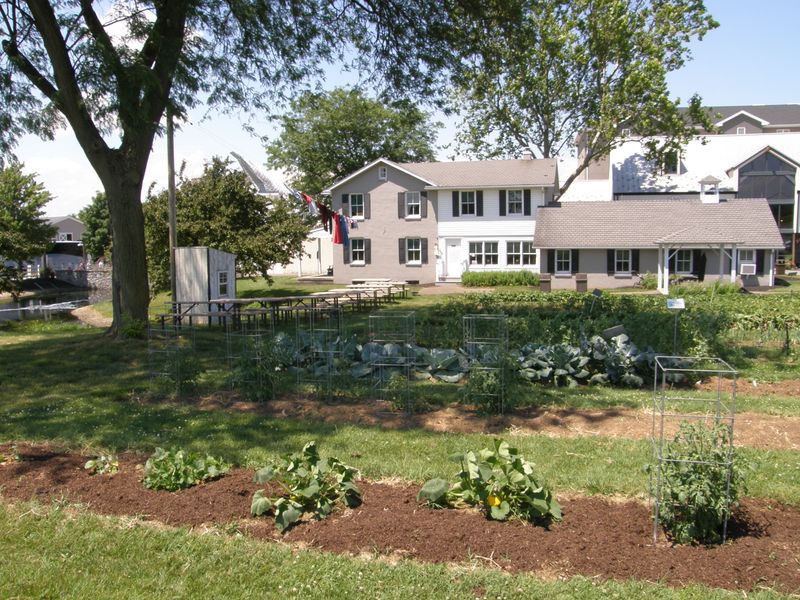
In Amish Country, you can watch furniture makers, quilters, and blacksmiths create items completely by hand.
There are no assembly lines, no mass production, and no shortcuts taken to speed up the process.
Each piece takes hours, days, or even weeks to complete, and every detail receives careful attention.
Watching someone work this way feels almost revolutionary in our fast-paced world.
We’re used to ordering things online and having them arrive the next day.
We expect instant results and quick fixes for everything.
But here, you see a chair being built one joint at a time.
You watch a quilt being stitched square by square, with patterns passed down through generations.
The craftspeople don’t rush, and they don’t seem stressed about deadlines.
There’s something deeply satisfying about witnessing this kind of work.
It reminds us that quality takes time and that some things can’t be rushed.
The Amish believe that work itself is a form of worship, and it shows in the care they put into every creation.
Many visitors find themselves mesmerized watching these artisans at work.
Time seems to slow down, and you start thinking about your own relationship with work and creation.
You wonder when modern society decided that faster was always better.
When you purchase something handmade in Amish Country, you’re not just buying an object.
You’re taking home a piece of someone’s time, skill, and dedication.
That connection between maker and user feels important, even if you can’t quite put your finger on why.
It’s a reminder that beautiful things are worth waiting for.
Families Working Together Without Complaint
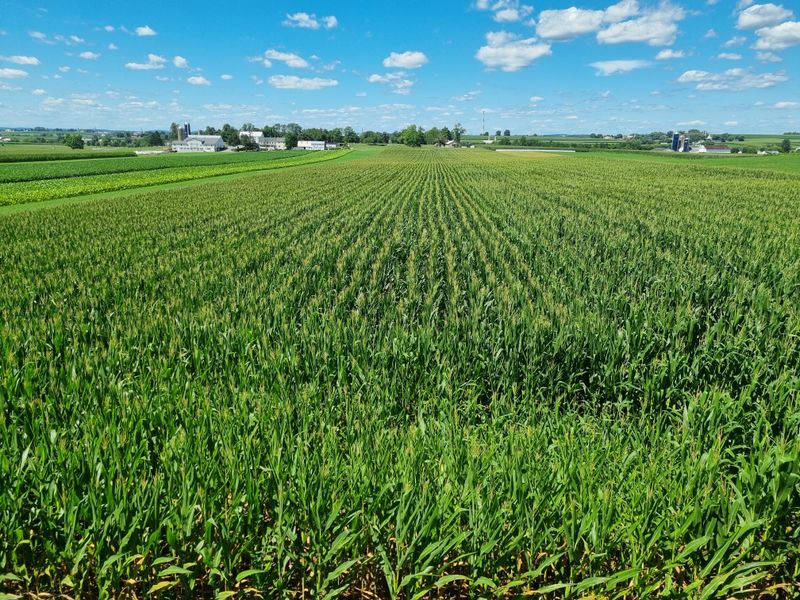
Drive through Amish Country during planting or harvest season, and you’ll see entire families working side by side in the fields.
Children as young as five or six have small tasks they can handle, while teenagers operate equipment and adults coordinate the work.
Grandparents often supervise or handle lighter duties, and everyone knows their role without needing to be told.
What strikes visitors most is the absence of complaining or resistance.
Kids aren’t glued to screens or arguing about chores.
Teenagers aren’t rolling their eyes or trying to get out of helping.
The work is simply expected, and everyone participates as part of belonging to the family unit.
There’s no negotiating or bargaining, just a shared understanding that the work needs to be done.
This kind of cooperation feels almost magical to modern parents who struggle to get their kids to clean their rooms.
The Amish view work as something that brings families together rather than pulls them apart.
Children learn responsibility and develop strong work ethics from a very young age.
They also learn the satisfaction that comes from contributing something meaningful to their family’s wellbeing.
Watching this dynamic unfold creates a strange mixture of admiration and sadness in many visitors.
We admire the unity and purpose we see, but we also feel sad recognizing how disconnected our own families have become.
We wonder what we’ve lost in our pursuit of individual entertainment and personal convenience.
This glimpse into family cooperation stays with people long after they leave.
They can’t quite explain why seeing a family work together affected them so deeply.
But something about witnessing that kind of unity touches a nerve and makes them question modern family dynamics.
Food That Actually Tastes Like Food Used To
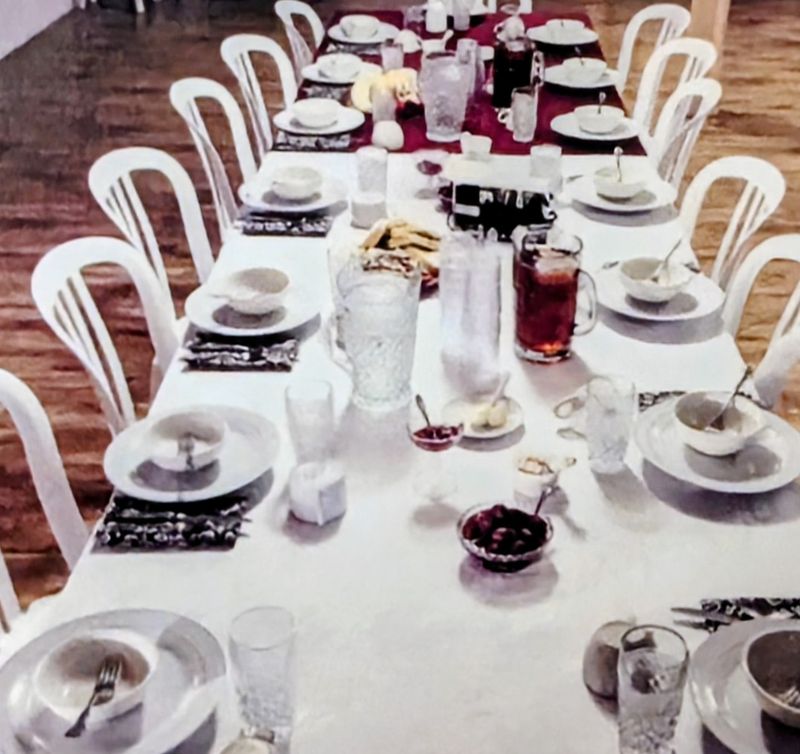
Eating at an Amish restaurant or being invited to share a meal in an Amish home is an experience that catches people off guard.
The food tastes different from what we’re used to, richer and more flavorful in ways that are hard to describe.
Bread has substance and texture, vegetables taste like they came from actual soil, and meat hasn’t been processed into something unrecognizable.
Many visitors find themselves saying things like, “This is what chicken used to taste like,” or “I forgot bread could be this good.”
The ingredients are simple, fresh, and often grown or raised right on the property.
There are no artificial flavors, no chemical preservatives, and no shortcuts taken in preparation.
The Amish have maintained traditional farming and cooking methods that produce food the way our great-grandparents would have eaten.
Their chickens roam freely, their vegetables grow in real dirt enriched with natural compost, and their baking uses real butter and farm-fresh eggs.
Everything is made from scratch, and you can taste the difference immediately.
Places like Das Dutchman Essenhaus at 240 US-20, Middlebury, IN 46540, serve traditional Amish meals that leave visitors amazed.
The experience of eating real food reminds us how far removed we’ve become from understanding where our meals come from.
We’ve gotten used to convenience and artificial enhancement without realizing what we’ve sacrificed.
After eating authentic Amish food, grocery store produce and packaged meals seem lifeless by comparison.
Visitors leave with a new appreciation for real ingredients and traditional preparation methods.
They can’t fully explain why the food affected them so much, but they know something important was revealed.
It’s the taste of authenticity in a world full of imitations.
Communities That Actually Know Their Neighbors
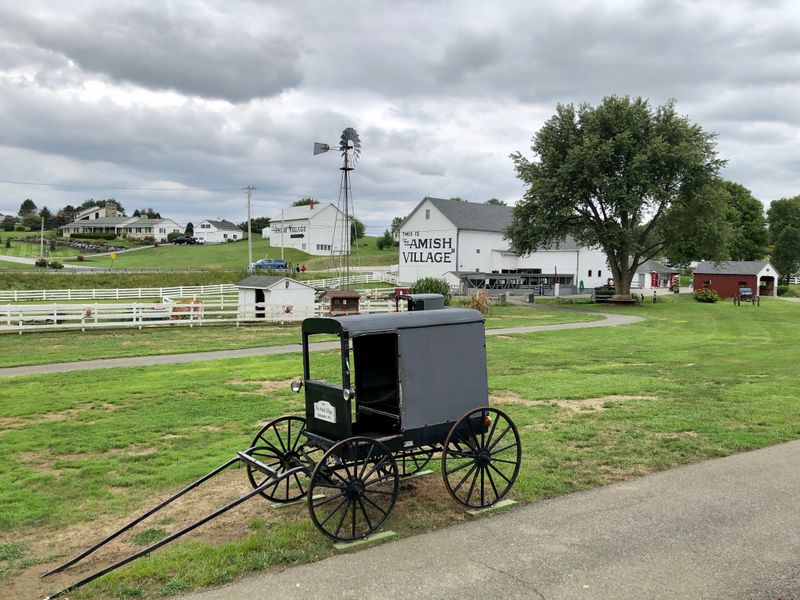
One of the most striking aspects of Amish life is how deeply connected community members are to one another.
Everyone knows everyone else, not just by name but by family history, needs, and circumstances.
When someone needs help, neighbors show up without being asked, bringing tools, food, and willing hands.
Barn raisings are the most famous example of this community cooperation.
When a family needs a new barn, the entire community gathers to build it in a single day.
Men handle construction while women prepare enormous meals, and by sunset, a complete barn stands where there was nothing that morning.
This level of cooperation and mutual support feels almost mythical to modern visitors.
Many of us don’t even know the names of people living next door to us.
We’ve become isolated in our own homes, connected to distant people through screens but disconnected from those closest to us geographically.
The Amish have maintained something precious that most of modern society has lost.
They’ve kept the understanding that humans need each other and that community isn’t optional but essential.
Their support networks are built into daily life, not something you have to seek out when crisis strikes.
Watching or hearing about this kind of community involvement creates a longing in many visitors.
They realize they’re missing something fundamental in their own lives.
The isolation of modern life suddenly feels less like independence and more like loneliness.
People leave Amish Country wondering how to rebuild connections in their own neighborhoods.
They can’t quite explain why witnessing community cooperation affected them so deeply.
But they know they’ve seen something important about how humans are meant to live together.
That realization stays with them long after they return home.
Children Playing Outside Without Supervision or Fear
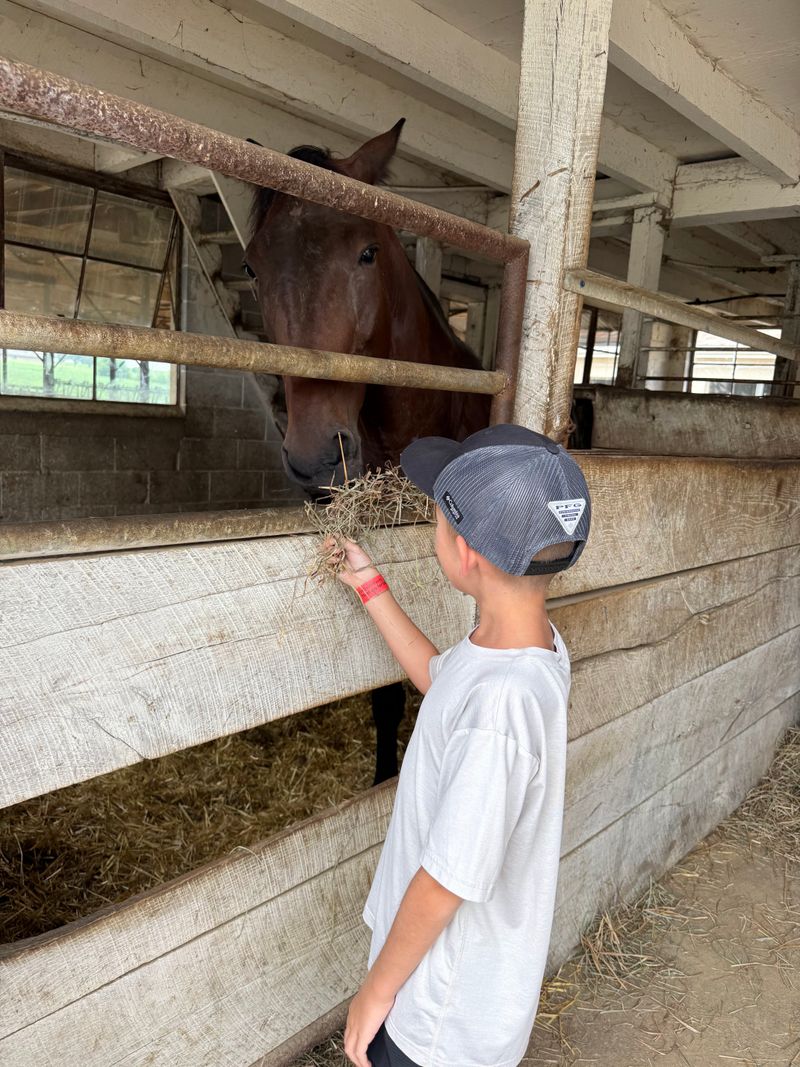
Throughout Amish Country, you’ll see children playing outside in ways that seem almost nostalgic.
They run through fields, climb trees, play ball games, and explore their surroundings without adults hovering over them.
There are no smartphones in their pockets, no tablets to distract them, and no worried parents checking on them every five minutes.
These kids are genuinely free to be children in ways that modern kids rarely experience.
They make up their own games, solve their own problems, and develop independence through unstructured play.
Their entertainment comes from imagination, physical activity, and interaction with other children.
Watching this unfold can be jarring for parents who’ve been taught to fear every possible danger.
We’ve become accustomed to constant supervision, scheduled activities, and controlled environments for our children.
The idea of kids just wandering around and entertaining themselves seems almost reckless by modern standards.
But Amish communities have maintained the trust and safety that allows children this kind of freedom.
Everyone in the community watches out for all the children, creating a network of care without smothering supervision.
Kids learn responsibility, develop confidence, and build resilience through real experiences rather than virtual ones.
Many visitors watch these children with a mixture of envy and sadness.
They remember their own childhoods when playing outside until dark was normal.
They recognize what their own kids are missing in our safety-obsessed, screen-dominated culture.
This glimpse of childhood freedom leaves a lasting impression that’s hard to articulate.
Visitors can’t fully explain why seeing kids play affected them so much.
But they know they witnessed something important about what childhood should look like.
That image of carefree play stays with them as a reminder of simpler times.
The Absence of Advertising and Commercial Messages
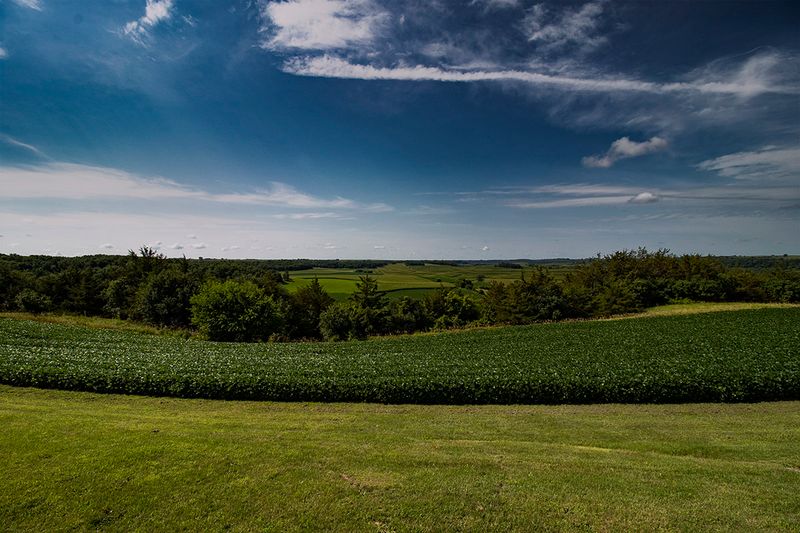
Driving through Amish Country, you quickly notice what’s missing from the landscape.
There are no billboards screaming at you to buy things you don’t need.
There are no flashing signs, no commercial messages, and no constant pressure to consume.
The roads are lined with farms, fields, and forests rather than advertisements.
Your eyes can rest on natural beauty without being interrupted by corporate logos or sales pitches.
The visual quietness is just as striking as the auditory silence.
Most of us have become so accustomed to advertising that we don’t even notice it anymore.
We’re bombarded with thousands of commercial messages every single day, telling us we’re not good enough unless we buy their products.
This constant exposure shapes our desires, our insecurities, and our sense of what matters in life.
In Amish Country, that pressure simply doesn’t exist.
The landscape isn’t for sale, and your attention isn’t being constantly hijacked by marketers.
You can just exist without being told you need to be different, better, or more successful.
This freedom from commercial manipulation creates a sense of relief that many visitors don’t expect.
Their minds feel clearer, and they start thinking their own thoughts rather than thoughts planted by advertisers.
The constant low-level anxiety created by consumer culture begins to fade.
When visitors return to their regular lives, the advertising suddenly feels overwhelming.
They notice how much mental space it occupies and how exhausting it is to be constantly sold to.
They can’t quite explain why the absence of advertising affected them so deeply.
But they know they experienced freedom from commercial pressure, and that freedom felt important.
The memory of that visual peace stays with them as a reminder of what life could be like without constant marketing.
Dear Reader: This page may contain affiliate links which may earn a commission if you click through and make a purchase. Our independent journalism is not influenced by any advertiser or commercial initiative unless it is clearly marked as sponsored content. As travel products change, please be sure to reconfirm all details and stay up to date with current events to ensure a safe and successful trip.
