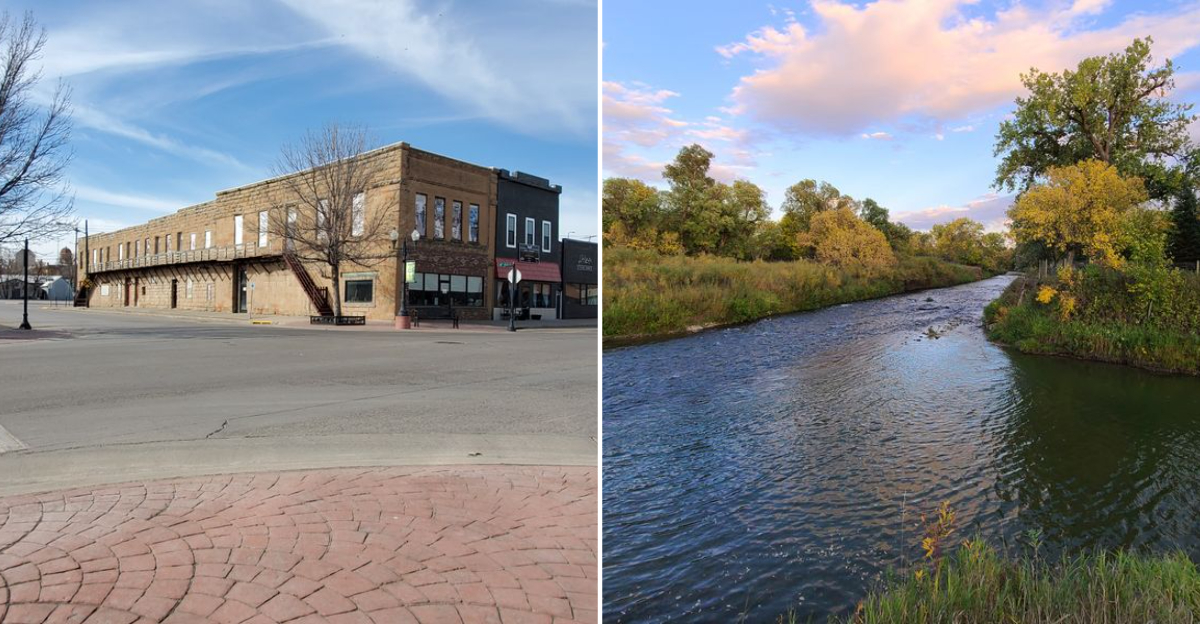
Ever wonder why photographers keep showing up in places most people call “dull”? That’s exactly what’s happening in Belle Fourche, South Dakota.
On the surface, it looks like a quiet town with not much going on, but that’s what makes it so appealing behind the lens. Belle Fourche has this understated charm that sneaks up on you.
The wide-open skies, the way the light hits the old buildings, and the calm streets all create a backdrop that’s surprisingly photogenic. It’s not about flashy landmarks or big crowds.
I think it’s about capturing the kind of everyday beauty that feels authentic. I’ll admit, I didn’t expect much when I first stopped by, but once I started looking closer, I saw why photographers love it.
There’s a certain mood here that you just can’t fake, and it shows up in every shot.
So while some might dismiss Belle Fourche as “boring,” those with a camera know better. Sometimes the best photos come from the places nobody’s talking about. Would you take the drive?
1. Big-Sky Light Makes Every Photo Look Bigger
You know that feeling when the sky looks like it got turned up a notch? Belle Fourche has that almost every day because there is nothing tall to block the view.
The horizon sits low, so your frame opens up without effort.
The sunrise rolls in with long, gentle light that stretches across fields and rooftops. Clouds build into layered shapes that make wide angles feel alive.
You can stand anywhere, pivot slowly, and catch a new pattern above you.
Want drama without tricks? Aim a wide lens at the clean horizon and let the sky chew up two thirds of the image.
It looks huge because it truly is.
Evenings here are slow and generous, which helps if you like working a scene instead of racing it.
Colors start soft, then slide into richer tones you can stack into a simple, strong composition. I think it is the kind of town where light does the heavy lifting.
Skip the clutter, find a fence post, a road stripe, or one lone tree, and let the sky take over. Your photos breathe because the place gives them room.
2. The “Dull” Reputation Is Exactly The Hook
People call it dull and that is why it works. You are not dodging tour buses or fighting ten tripods for the same angle.
Here, the pace slows, and the small details step forward.
With fewer distractions, you notice the way light slips across brick and gravel. You hear wind in the grass and time your shutter with the rhythm of shadows.
That calm dialed my focus in without trying.
It is funny how quiet reads as confidence in photos. Frames feel settled, not frantic, which makes them stronger.
You can build a whole series on stillness.
I like walking a single block and letting the story reveal itself. A sign, a doorway, a stretch of curb where the sun hits just right, nothing forced, nothing staged, just real texture.
Give yourself permission to shoot slow. Wait a minute longer than usual and watch the scene change.
That tiny shift is the hook you take home.
3. The Geographic Center Monument Gives You A Built-In Hero Shot
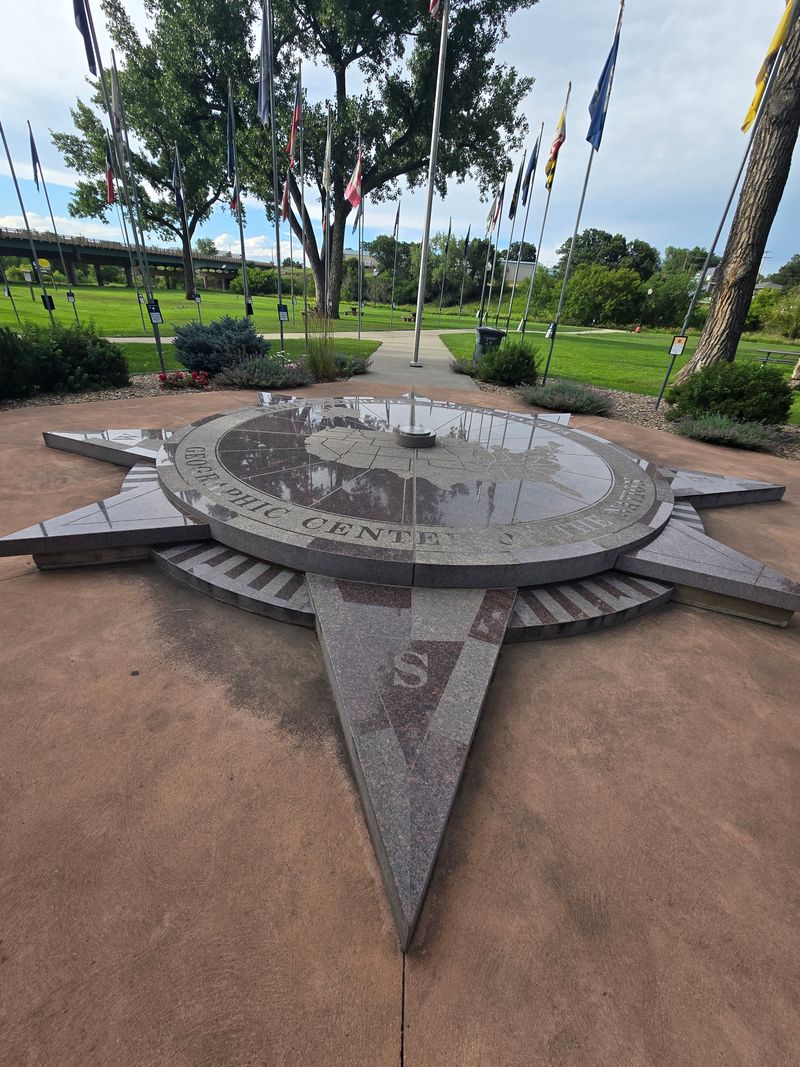
Want an instant opener for your album? The Geographic Center of the Nation Monument plants a giant compass-rose right at your feet.
It begs for a wide lens and a low angle.
Stand near the edge, tilt up, and the shapes pull your viewer straight in. Flags line the space and layer in repeating colors and verticals.
The background stays clean, so the foreground hits harder.
I like shooting it twice in one visit. First with crisp midday contrast, then again as evening softens the stone.
Both reads work because the geometry is doing heavy lifting.
Move around the circle and watch how shadows carve into the lines. You will find symmetry, then break it with a corner crop that feels modern.
Simple edits go a long way here, trust me.
This is the shot that anchors the story of Belle Fourche: strong, bold, and easy to frame fast.
4. The Actual “Center” Fact Adds A Cool Story Caption
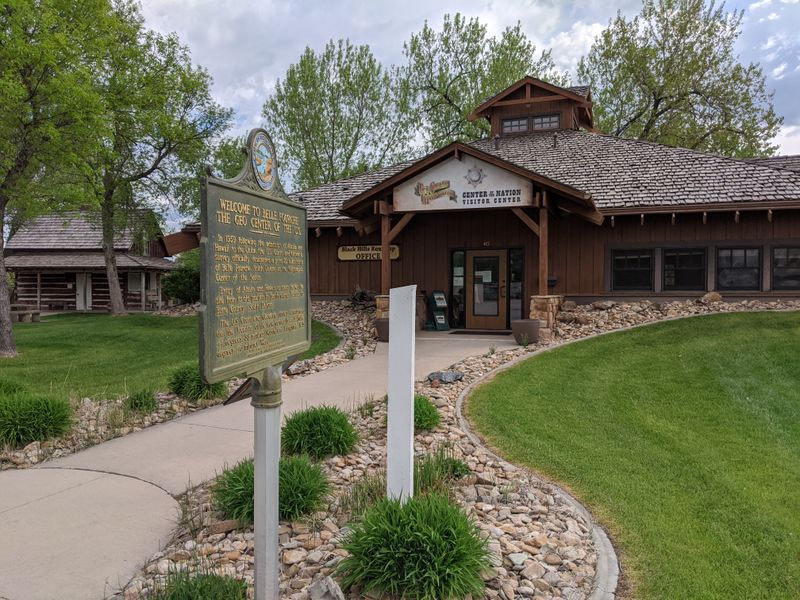
Here is the detail that makes your caption pop: the true geographic center sits on private land outside town, and Belle Fourche hosts the official monument.
That little twist gives your post a built-in punchline.
It is not just a pretty compass. It is a conversation starter that turns a single frame into a short story.
People lean in because they want the why behind it.
Shoot the plaque tight, then pair it with a wide area of the plaza. That two-image combo explains everything without a wall of text.
Your feed gets both beauty and context.
I also like recording a quick note about how towns adopt symbols like this. It feels human and gives the set a sense of place.
The story helps your photos travel further.
So go ahead and write that caption with confidence. It is accurate, interesting, and really easy to remember.
5. Historic Main Street Textures Do The Work For You
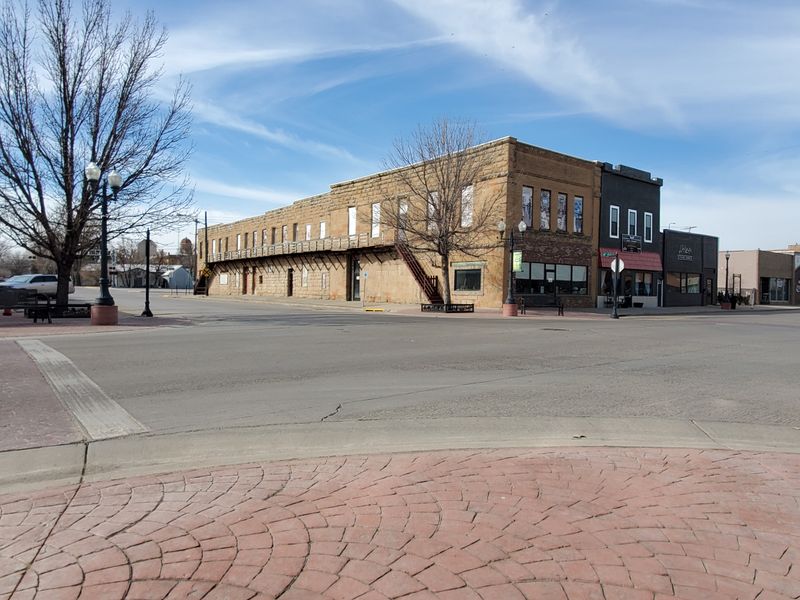
Main Street is where your lens relaxes. Brick, old signage, and weathered trim turn simple frames into tactile ones.
You do not have to hunt for character, it is already layered in.
Walk slowly and let angles present themselves. Corners catch light, windows mirror the street, and little details feel honest.
That is a gift when you are building a set with range.
I like side light that skims across the bricks. Texture pops, and colors stay grounded.
It reads like the American West without shouting.
Try a normal lens to keep things true. Step forward instead of zooming, and watch perspective sharpen.
Street feels more personal that way in my opinion.
Mix a few quiet portraits of place: a doorway, a bench, a patch of shadow where a sign casts shape. This South Dakota town does the rest.
6. The Belle Fourche River Keeps Changing The Mood
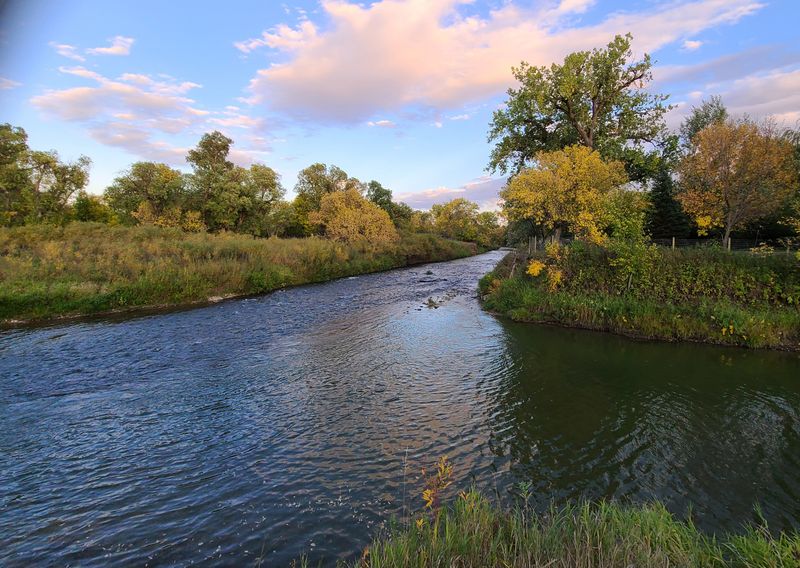
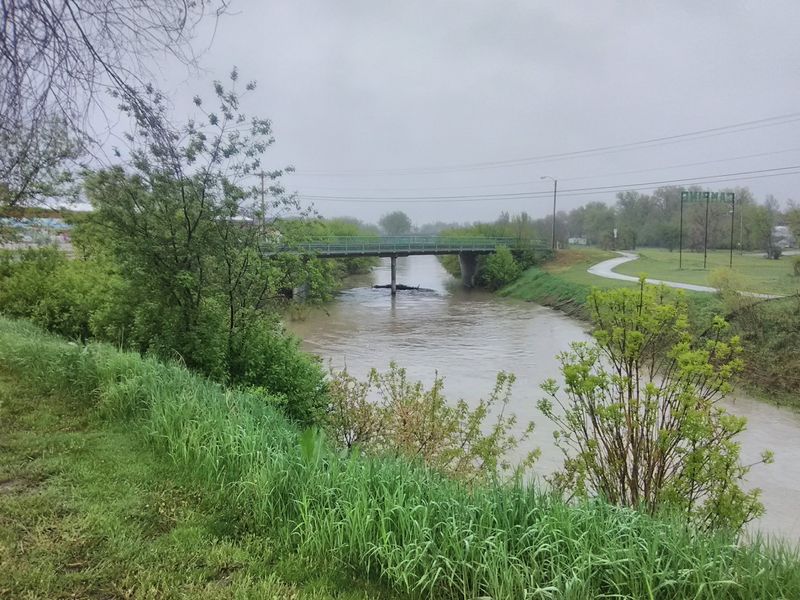
The river is the mood ring here. One morning it throws a glassy reflection, another day it leans into mist.
Seasons redraw the same bend again and again.
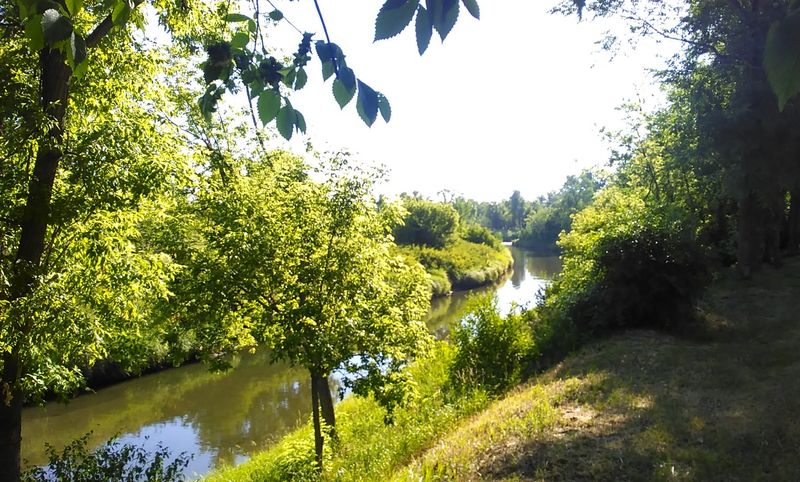
I like to scout a curve with a clear bank and let the water lead the eye. Keep the horizon simple so the reflection has room.
Even a tiny ripple becomes a story point.
In winter, frost sketches fine details on branches. In fall, color slips across the surface like paint.
You can shoot the same spot and never repeat yourself.
Work with early light for calm water. Later in the day, aim for texture and movement.
I think both looks feel right in this setting.
Make sure to bing patience, not gear overload. One lens, one tripod if you like, and a steady pace, the river will meet you halfway.
7. The River Walk Makes It Easy To Scout Without Guesswork
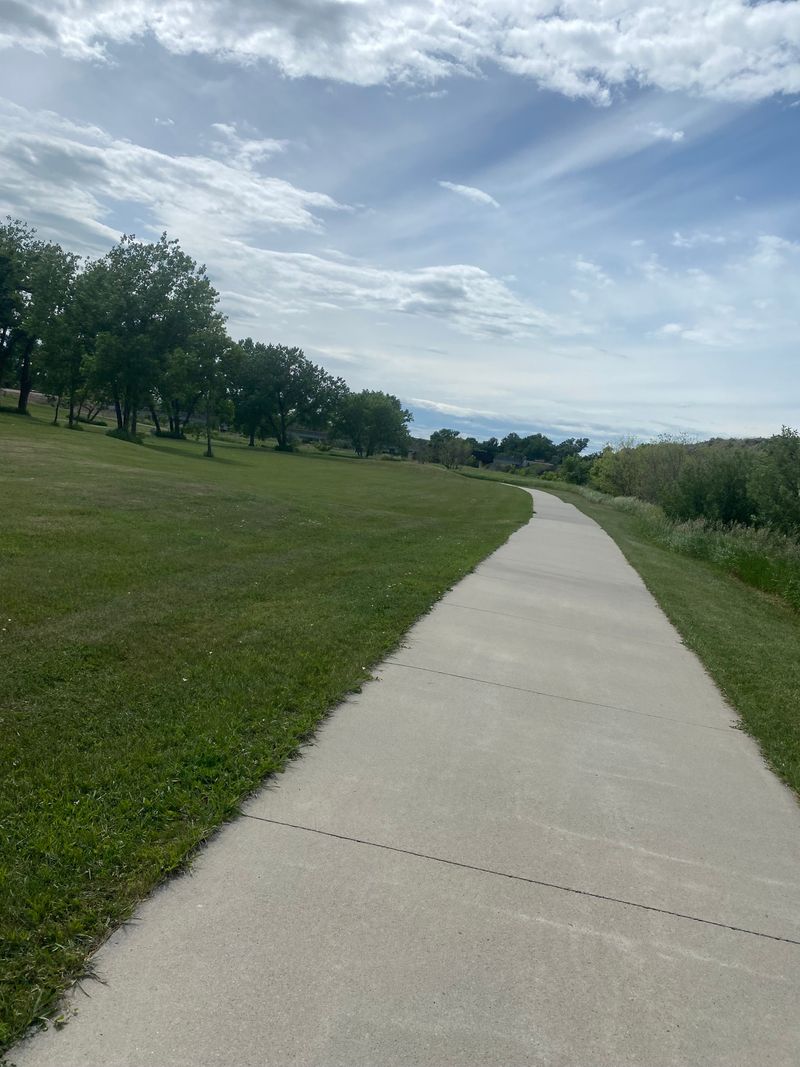
If you like a plan, the River Walk hands you one. Signed paths trace the water and reveal angles without dead ends.
It feels like built-in scouting for anyone short on time.
Follow the curves and watch for repeating shapes. Railings, shadows, and tree lines set up clean leading lines.
You can build a tidy sequence in one pass.
I keep the setup light, a wide lens for context and a normal lens for details. Swapping fast keeps the rhythm easy.
When the sun drops, the path gathers gentle contrast. Edges glow, water calms down, and your shots start to hum.
It is hard not to leave with keepers, which is amazing.
Skip the rush and let the route guide you. You will find frames that feel intentional without feeling stiff, and that balance is the whole point.
8. The Tri-State Museum Area Packs Multiple Photo Stops Together
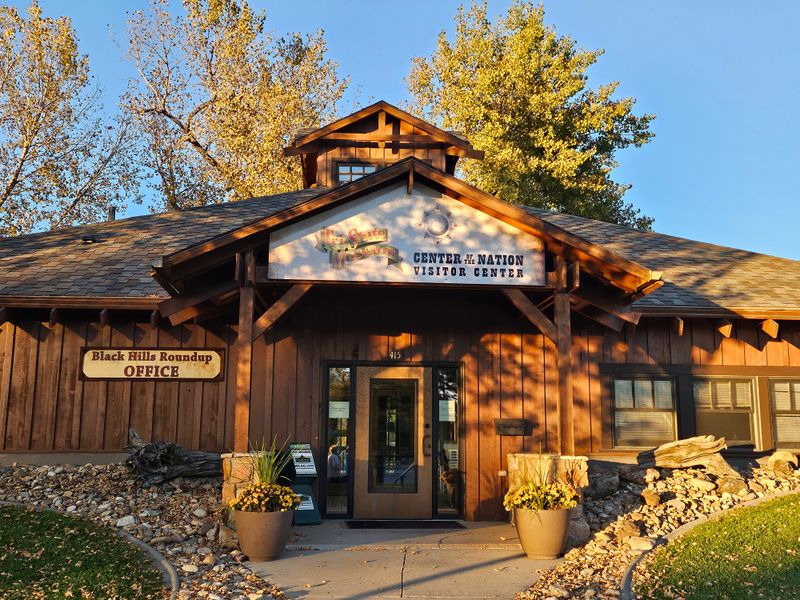
Here is the practical move: park once by the Tri-State Museum and make a loop that nets a day’s worth of looks.
The monument sits close, flags ripple, and the plaza geometry lines up fast.
Start with a wide establishing shot of the museum. Then swing to the compass-rose and work low angles that stretch across the stone.
It all fits together like a tidy storyboard.
I like to mix in detailed frames: signage, textures on the plaza, and the way light skips across polished edges. Those pieces hold the bigger shots in place.
It saves you time and energy, which matters when light shifts quickly. You can adjust position without moving the car.
Efficiency keeps your head in the images, not logistics.
By the end of an hour, you have variety without chaos. That is the kind of day that makes editing easy later.
9. The Black Hills Roundup Brings Action Shots To A Quiet Town
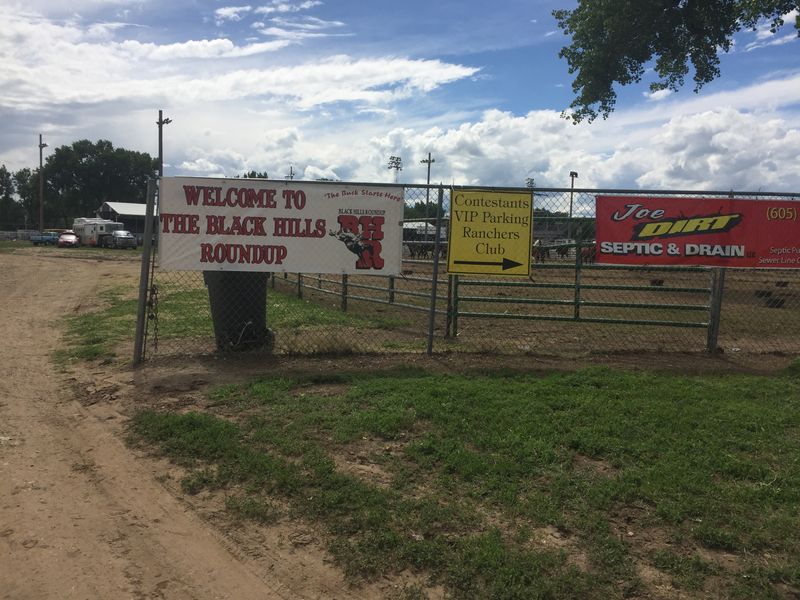
Most days feel calm here, then the Roundup swings in and flips the tempo.
Suddenly, there is motion, color, and faces everywhere. It is a rush if you like capturing real expressions.
Fast shutter, clean backgrounds, and a good perch do the trick. Look for dust kicked into sunbeams and lean into that glow.
Timing matters here, but the energy helps you find it.
I tend to frame wider at first to catch context, then I tighten up for moments that say it all. You will come home with a lively set that still feels grounded in South Dakota.
Remember to pace yourself between bursts. Breathe, review, and plan your next angle: that simple reset keeps your eye fresh.
When the arena quiets, grab a few establishing shots outside. The contrast between calm streets and action scenes ties the story together.
Your sequence will feel complete, believe me.
10. The Prairie Outside Town Delivers Clean Compositions
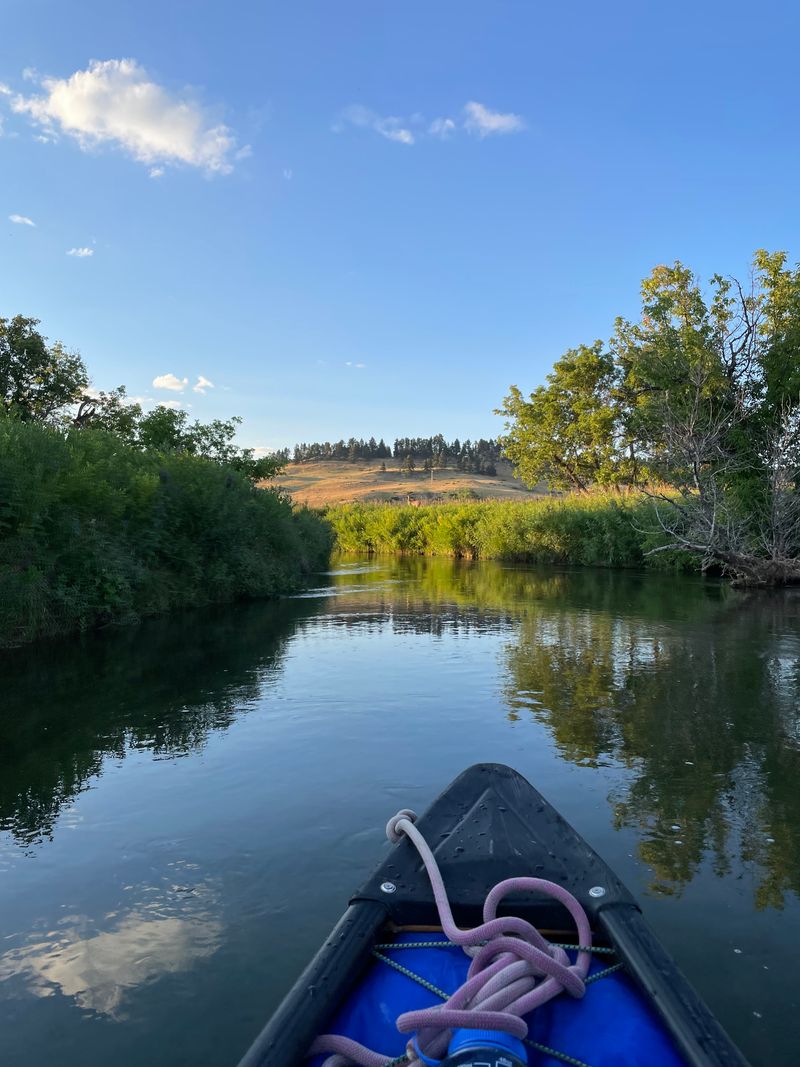
Need a frame that breathes? Drive a few minutes and the prairie opens like a blank page.
One fence line, one road, one horizon, and your eye relaxes.
This is where minimalism shows its muscle. A single subject holds the scene and everything else supports it.
You do not fight clutter because there is none.
The light rakes across grass in long strokes. Clouds drift into soft layers that fill the top half without noise.
Even small changes read big out here, which I love.
I like to park safely and walk a bit. Angles shift fast when there are no buildings to block them.
You can build a set that whispers and still feels strong.
Keep edits gentle, let color stay true, and let space do the talking. The prairie carries the photo farther than you expect.
That is South Dakota doing what it does best.
11. Rustic Ranchland Details Add Real West Texture
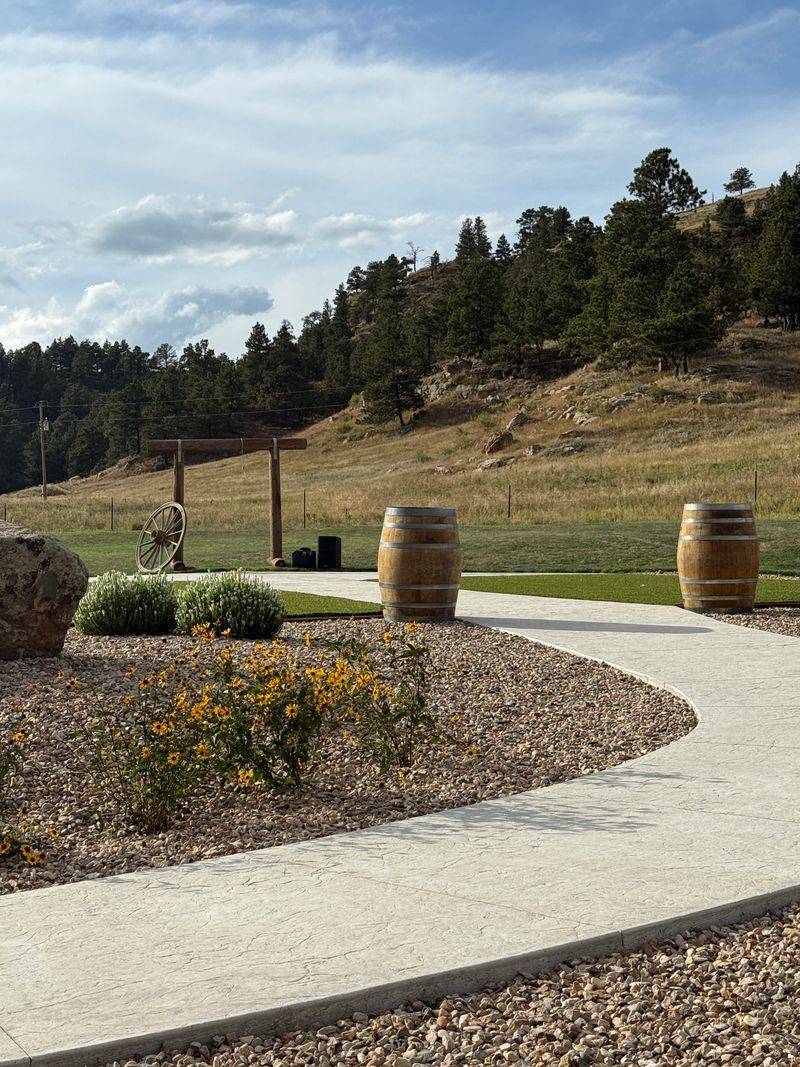
Out past town, ranchland turns into a living set. Old barns lean just right, fences stack into lines, and hardware shows years of use.
I think it reads honest the second you frame it.
I like the side light to pull grain from weathered boards. You can feel the surface without touching it.
Small details speak louder than big scenes here.
Look for gates, rope marks, and shadows that cross at angles. Those little intersections give you rhythm.
Keep compositions simple so the textures lead.
Ask yourself what feels true to the place, then aim there and skip anything that looks arranged. Your shots will hold up because they are grounded.
When the sun drops, the backlight turns dust into glow. It is a quiet kind of drama that suits South Dakota really well.
12. The Whole Town Rewards Photographers Who Slow Down
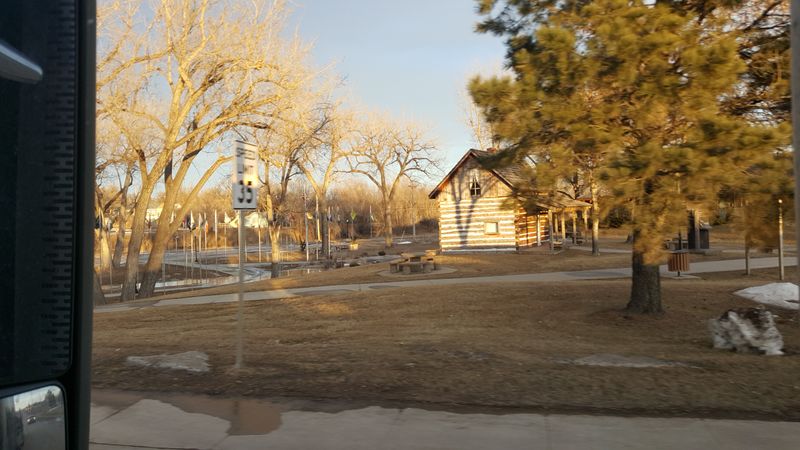
Here is the real reason people are showing up: Belle Fourche rewards patience.
When you slow down, the town turns generous.
Light and shadow do small, lovely things. Corners soften, signs glow, and stillness becomes your subject.
It is not flashy, and that is the charm.
I like to walk without a plan for a while. Let the town pick the frames and just follow.
You end up with photos that feel lived-in.
Blue hour carries a quiet hum, and the streets hold it well. A few soft glows, a steady horizon, and a calm color palette make editing easy.
The sequence comes together smoothly.
In a world that pushes speed, this South Dakota town leans the other way, and that calm shows in the work. Bring patience and leave with photographs that breathe.
Dear Reader: This page may contain affiliate links which may earn a commission if you click through and make a purchase. Our independent journalism is not influenced by any advertiser or commercial initiative unless it is clearly marked as sponsored content. As travel products change, please be sure to reconfirm all details and stay up to date with current events to ensure a safe and successful trip.
