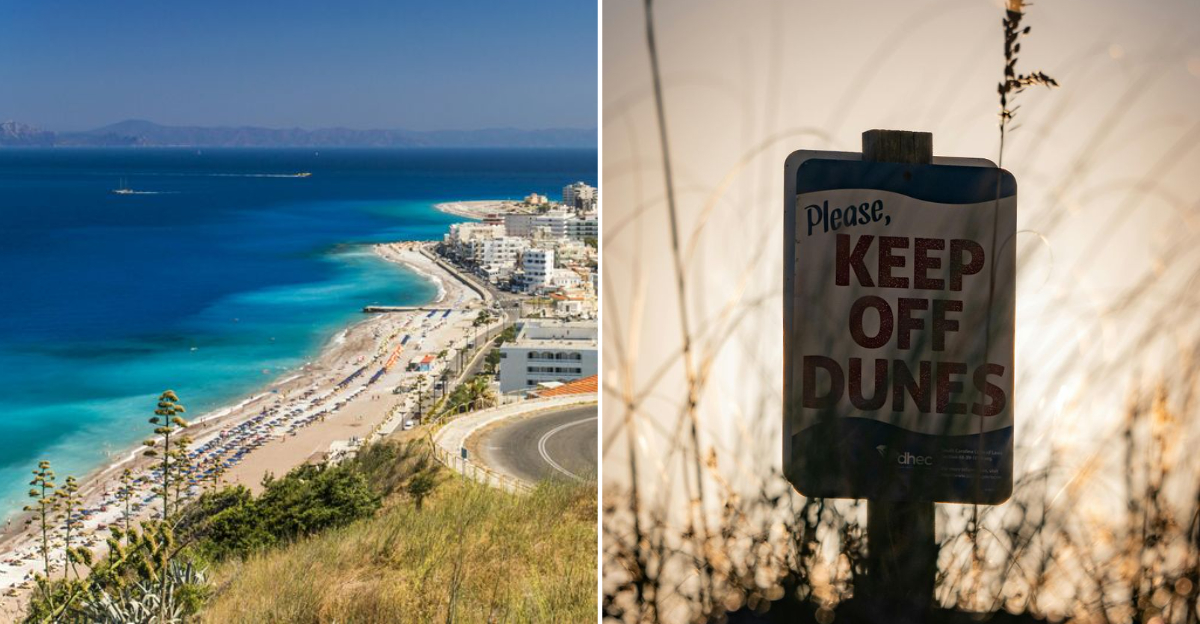
Ever been to a beach that just didn’t feel the same as you remembered? That’s the story with Rhode Island’s coastline these days.
For years, these beaches were the go-to spots for summer fun, soft sand, salty air, and that laid-back vibe that made you forget about everything else. But lately, something feels off.
The crowds are bigger, the prices are higher, and the charm that once made these places special seems harder to find.
I grew up thinking Rhode Island beaches were the perfect escape, but the last time I visited, it felt more stressful than relaxing.
Parking was a headache, the shoreline looked worn down, and even grabbing a snack felt like a mini battle.
It’s not that the ocean isn’t beautiful, it always is, but the overall experience doesn’t carry that same magic anymore.
So, what happened? Let’s dig into why Rhode Island’s beaches have lost some of their shine, and whether they can get that spark back.
1. Crowds Now Outnumber Quiet Moments
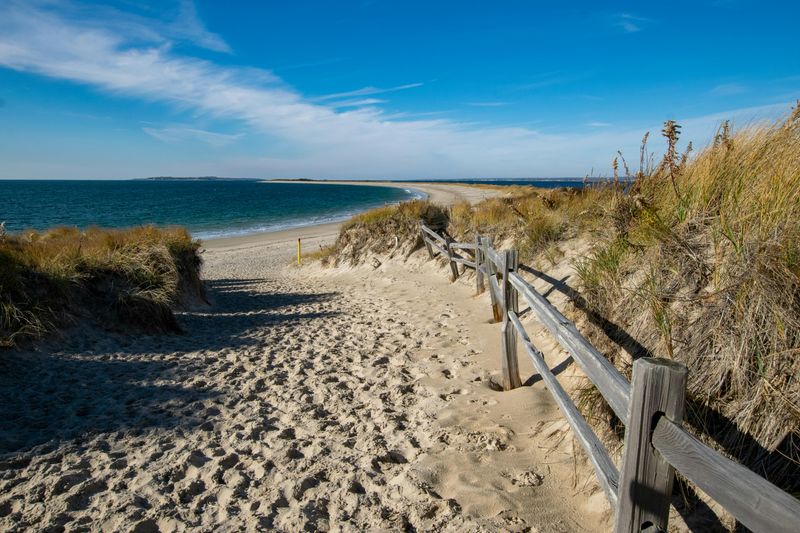
Here is the thing you notice first: there are simply more people. Many Rhode Island beaches draw bigger numbers now, especially since coastal tourism surged after 2020.
That once sleepy morning hush has a chorus of rolling coolers, folding chairs, and quick step conversations drifting over the sand.
Parking fills early, walk on access feels tighter, and the midmorning rush lands fast. Even weekdays feel lively, and that used to be an easy play.
The sense of stumbling onto a calm, uncrowded shoreline is harder to find than it used to be.
I still chase the quiet by arriving super early and walking farther down the line. It helps, though it does not completely restore the old rhythm.
You adjust your expectations, take a breath, and lean into small pockets of calm when they appear.
Noise travels across open water, so every excited cheer or Bluetooth speaker seems bigger. When a lifeguard whistle blows, every head turns at once.
The mood is not bad, just busier, and that changes how the whole day feels.
If you are seeking that soft, personal moment, pick a lesser known access point and keep moving. Tides shift the crowd as much as the shoreline.
Some days the ocean gives you a quiet minute anyway, and you hold it like a secret.
2. Parking Has Become A Daily Battle

Honest question, when did the parking lot become the main event? Limited beachfront spots have not grown with visitation, and you feel that squeeze right away.
Seasonal permits, resident only zones, and early morning competition now define the routine before your toes touch sand.
That means the day starts with strategy instead of ease. You scan signs, check time limits, and make backup plans two turns ahead.
For many visitors, the stress arrives long before the first wave reaches your ankles.
There is a mental tax to circling a lot while the sun climbs. You end up negotiating with yourself about how long you will stay.
The whole thing adds tension that used to be rare on a simple beach day.
I feel like getting around it takes a small playbook. Carpool, arrive earlier than feels reasonable, or pick satellite lots where the walk is longer but calmer.
The trade is extra steps for a quieter mind.
Once you finally lock the car and hoist the bag, the day can still be good. You just need a minute to shake off the logistics buzz.
A slow walk past the dune grass helps settle everything back into place.
3. Erosion Has Changed The Shoreline
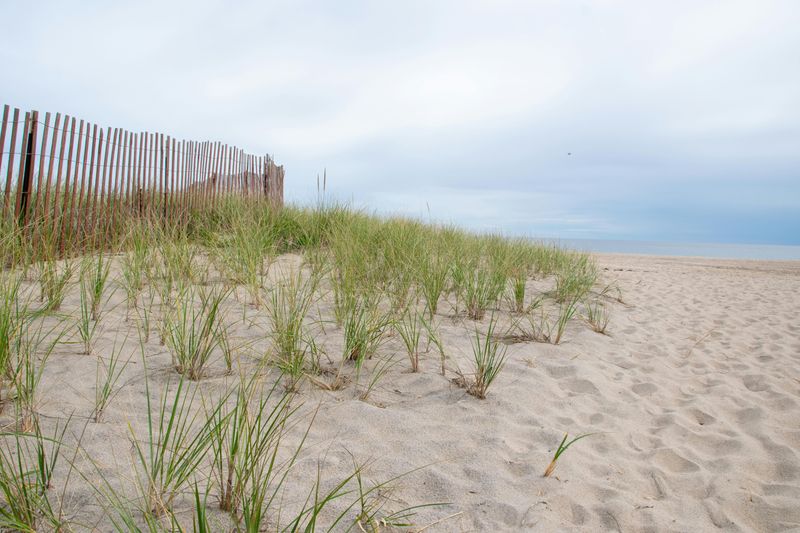
Stand where you remember standing, and the line feels different. Coastal erosion has reshaped sections of the Rhode Island coast.
Storm surge, rising sea levels, and repeated nourishment projects have narrowed natural beach width in places.
Some entrances drop onto a skinnier strip than memory expects. You notice water licking closer to the dune fence on a normal day.
It is not broken, just altered, like an old photo that has faded at the edges.
When the beach is thinner, people cluster tighter. That subtle squeeze changes your personal bubble, and it nudges the mood.
The soundtrack becomes more shared, less private.
It also changes small rituals. Where you once set a chair, now you keep an eye on the tide line.
The ocean draws its map, and you adjust, even if the new shape feels unfamiliar.
There is still beauty in the curve of the coast. Watch the way waves carve and refill, always in motion.
The place evolves, and experiencing that change becomes part of being here.
4. Climate Change Has Altered The Rhythm
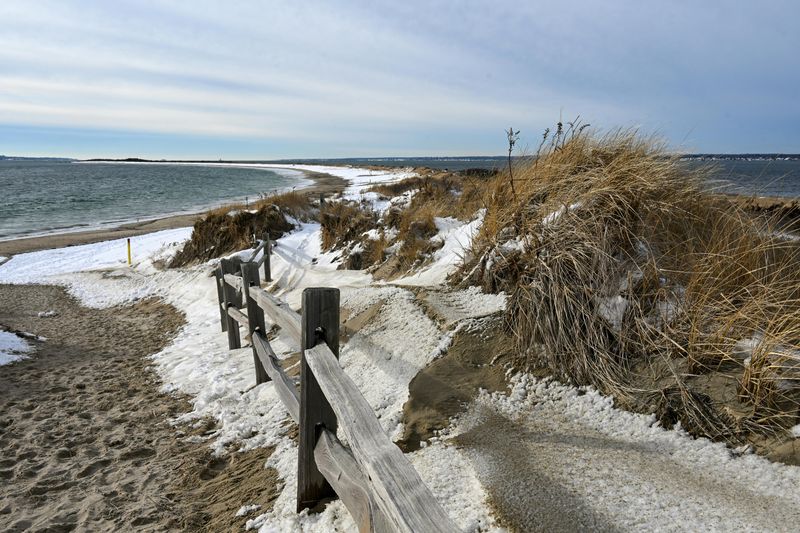
Lately the season feels jumpy. Warmer ocean temperatures and stronger storms are nudging the rhythm statewide.
Beach days arrive with a maybe attached, and plans feel softer around the edges.
Heat waves, flooding, or sudden closures pop up more often. That reliable summer pattern so many remember is harder to count on.
You can still catch a great day, but it takes more luck and flexibility.
I have started checking conditions like I check directions. Wind, surf, and advisories tell a story before I even load the trunk.
It is not dramatic, just practical, because the weather flips faster than it used to.
On the ground, that means shorter windows with sweet air and friendly water. You grab them when they appear, even if that means shifting lunch or leaving early.
The good moments still land, just on their own timetable.
When clouds muscle in, I try not to take it personally. The coast is alive, and we are guests.
Accepting the swing helps you notice quieter details, like light moving over the dunes.
5. Commercialization Has Replaced Simplicity
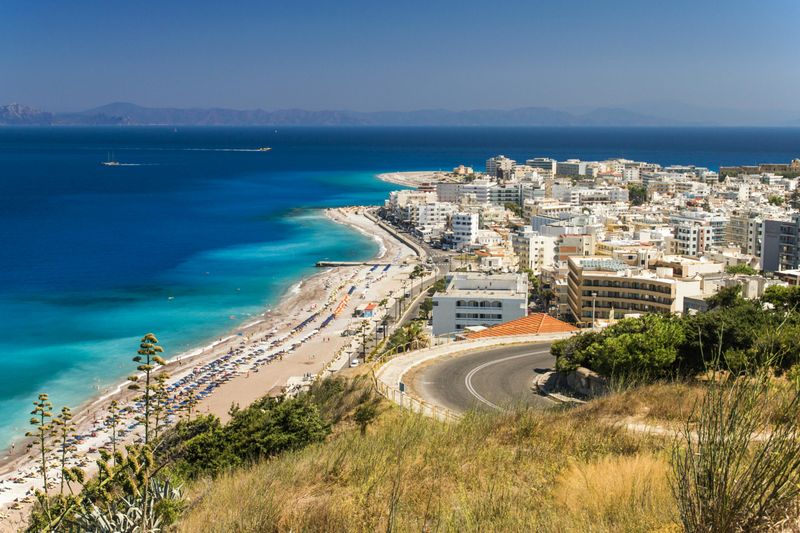
You can feel the dial turned up. Around popular spots, food trucks, events, and nearby development have multiplied.
Convenience is nice, but the added noise and scripted energy can overpower the natural rhythm.
What once felt like a simple seaside escape now feels more structured and busy. Timelines, music, and announcements add a soundtrack you did not ask for.
It is fun for some, and overwhelming for others.
I love a good scene, just not every single time. Some days you want only wind, waves, and the soft thud of footsteps on sand.
When vendors and speakers crowd the edges, the beach starts to feel like a plaza with water.
I think the fix is to pick your lane. If you want a buzz, lean into it and enjoy the spectacle.
If you want quiet, slide a few access points away and let the sound fade.
Rhode Island still has stretches where the ocean does the talking. You just have to choose with intention.
That small bit of effort pays off with calm you can actually hear.
6. Access Rules Keep Getting Stricter
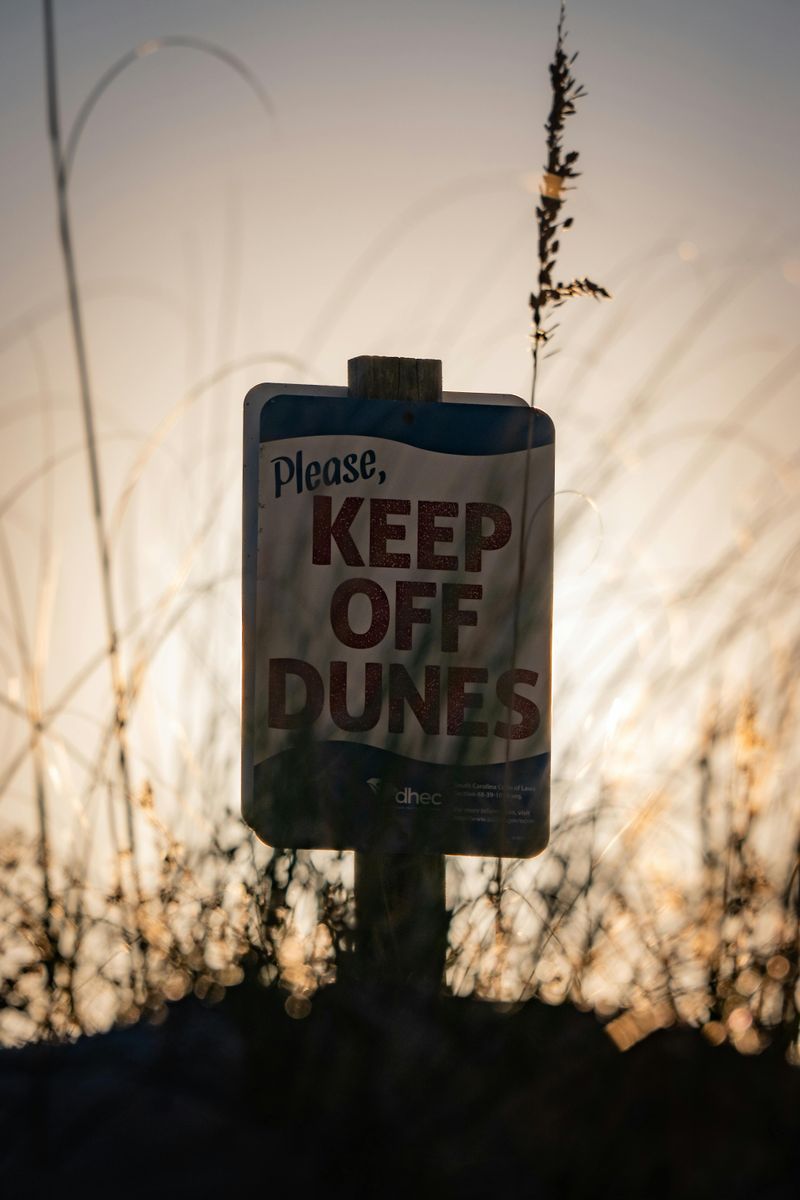
The gatekeeping feels tighter lately. Many beaches now enforce stricter rules on entry times, parking duration, and permits.
These changes protect sensitive areas but can pinch casual plans.
Spontaneous beach days are harder to pull off. You read the sign, check the app, and second guess the schedule.
I know it is a lot for a plan that used to be “throw a towel and go.”
On the bright side, those rules do help manage impact. Dunes, birds, and water need the buffer.
You just feel the trade when a simple visit becomes paperwork and timing.
My move is to treat it like catching a ferry. Set a window, arrive within it, and breathe if you miss it.
The ocean will still be there when the next window opens.
Fair warning, rules change by town and season. A quick scan saves headaches and keeps the day light.
Less guessing means more beach, which is really the point.
7. Local Crowding Has Increased Too
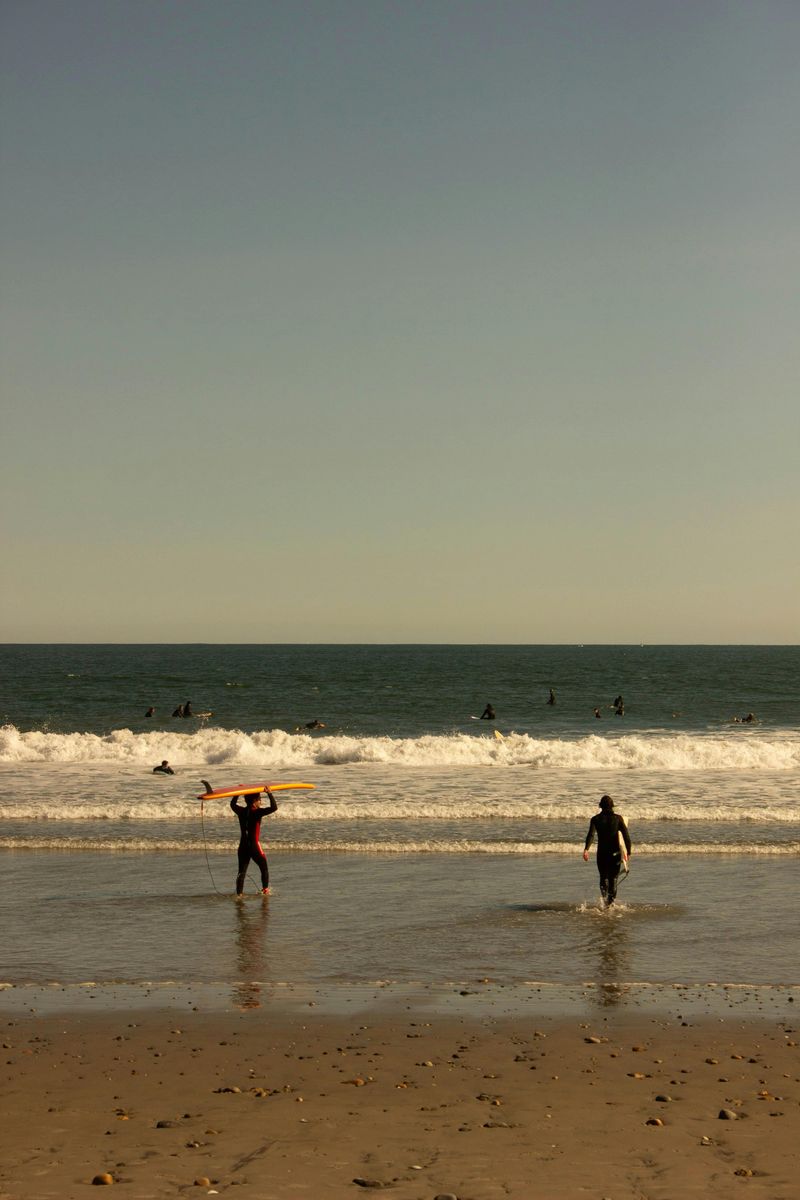
It is not just tourists anymore. Local use has grown, and beaches stay lively beyond the usual peak.
More year round residents and seasonal visitors keep the shoreline humming.
The off hours that once felt peaceful are shrinking. Dawn patrol has company, and twilight walks weave through clusters of chairs.
You feel connected, sure, but privacy gets thinner.
There is a neighborly mood to it. People recognize each other, swap quick nods, and claim familiar patches of sand.
It is sweet and crowded at the same time.
To find quiet, you pivot. Go farther down the strand, or pick a smaller access where the walk is longer.
The extra distance buys you breathing room.
I still love a sunset with a gentle crowd. It feels like the whole town is exhaling.
Just know that easy solitude now takes a little planning on your side.
8. Water Quality Closures Break The Mood
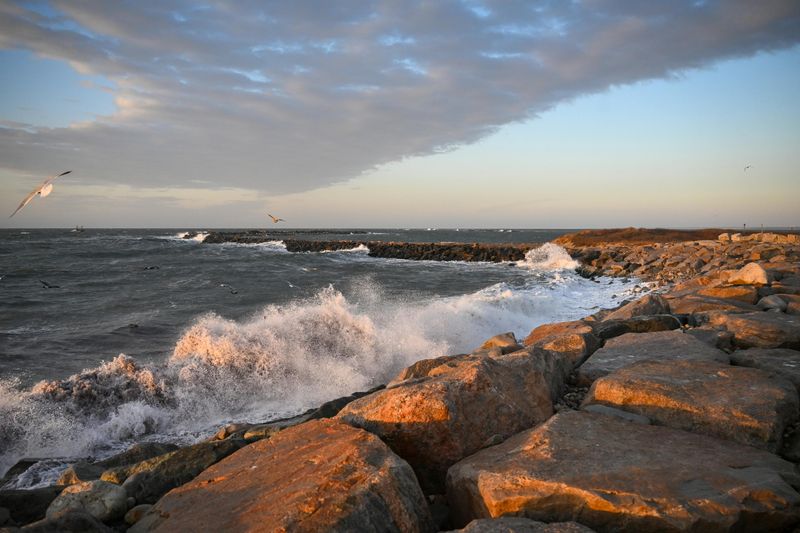
This one stings right in the plans: beach advisories and short closures still pop up after heavy rain. Even brief shutdowns chip away at that carefree feeling you want from the day.
You might drive, park, and set up, only to learn the water is off limits. That switch flips the mood fast.
You can still sit, but it feels like the ocean has a keep out sign.
I try to check advisories before rolling out. It is not glamorous, just smart, and it saves a lot of backtracking.
If the flag is up, I pivot to a walk or a book and let time pass.
When the water reopens, the vibe rebounds, though not instantly. People ease back in with a little caution.
The trust returns with each clean wave.
None of this ruins the beach, it just adds uncertainty that did not feel so common before.
Planning around it becomes part of the coastal routine.
9. Rising Costs Change Expectations
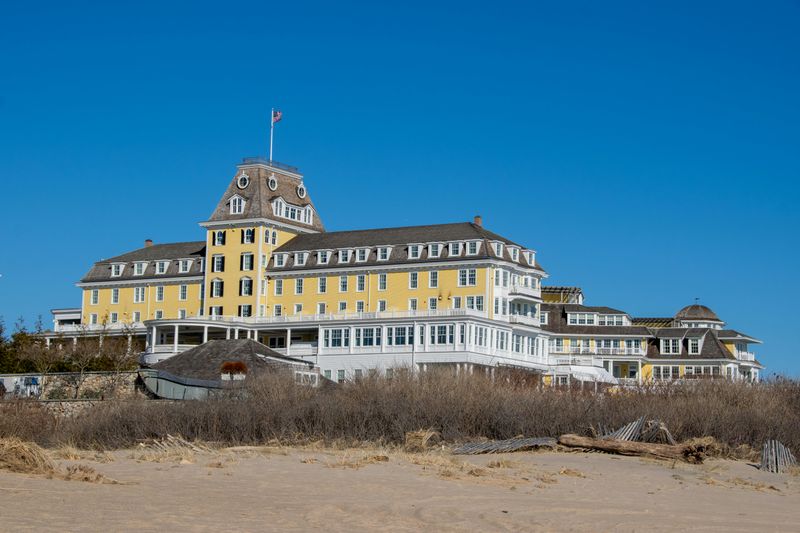
Money sneaks into the mood. Parking, nearby dining, and places to stay have climbed, and you feel it in your shoulders.
When a simple beach day costs more, expectations float up too.
That pressure makes it harder to relax. You start grading the day like a purchase.
I have caught myself doing that math and missing the breeze. It is a trap.
The best reset is to scale the plan down and let the ocean do the heavy lifting.
Bring fewer extras and more patience. Make sure to pick a spot where the walk is a little longer and the scene mellower.
Lower stakes tend to create better days, even when budgets feel tight.
Rhode Island is still Rhode Island, with that familiar light and steady gull talk. The trick is to choose experiences that do not hinge on spending.
Good coastline is free the moment you start listening.
10. Natural Dunes Are More Restricted
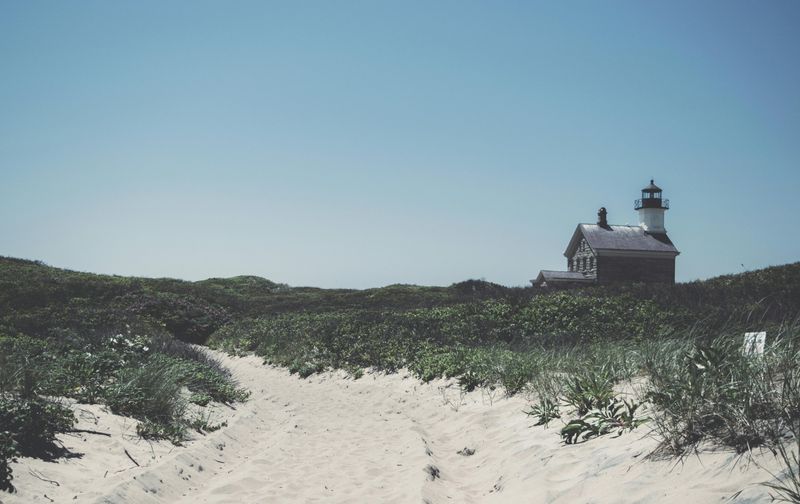
You will notice more ropes and signs along the dunes. Protection efforts have stepped up to safeguard fragile ecosystems.
While necessary, fencing and restricted access change how the beach feels and functions.
The landscape reads more managed than wild. Paths funnel you onto boardwalks, and you stay off the grasses.
It is the right move, even if it trims a piece of nostalgia.
I remind myself that dunes are living guardrails. They keep storms from chewing deeper into town.
Respecting them is part of having beaches at all.
There is still romance in the curve of grass and sand. Watch how it ripples in the wind, even behind a line.
The distance asks for quieter attention instead of wandering feet.
Follow the boards, leave the roots alone, and enjoy the coastline that protection helps preserve. The view remains gorgeous, it just comes with gentle boundaries now.
11. Shorter Windows Of Ideal Conditions
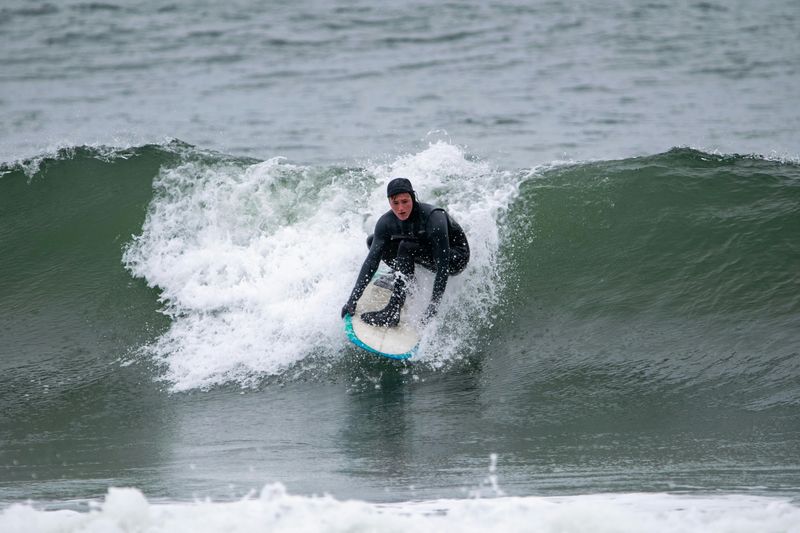
Some days the timing feels like threading a needle. Perfect beach stretches exist, but the window is tighter.
Heat spikes, sudden storms, or gusty wind roll in more frequently.
So you plan with a lighter grip. Keep an eye on radar, and do not get attached to a fixed schedule.
I think that flexibility is the difference between frustration and fun.
I love slipping in for a quick swim when the water looks friendly, then I bail before the sky turns dramatic. Short visits keep the day simple and satisfying.
Think of it like catching good light for a photo. You move when it is right, and you stop when it fades.
The ocean rewards people who pay attention.
Rhode Island weather can spin on a dime, and that is part of the charm. Treat the change like a conversation, not a setback.
You might love the beach more when you meet it halfway.
12. Nostalgia Sets An Unfair Standard
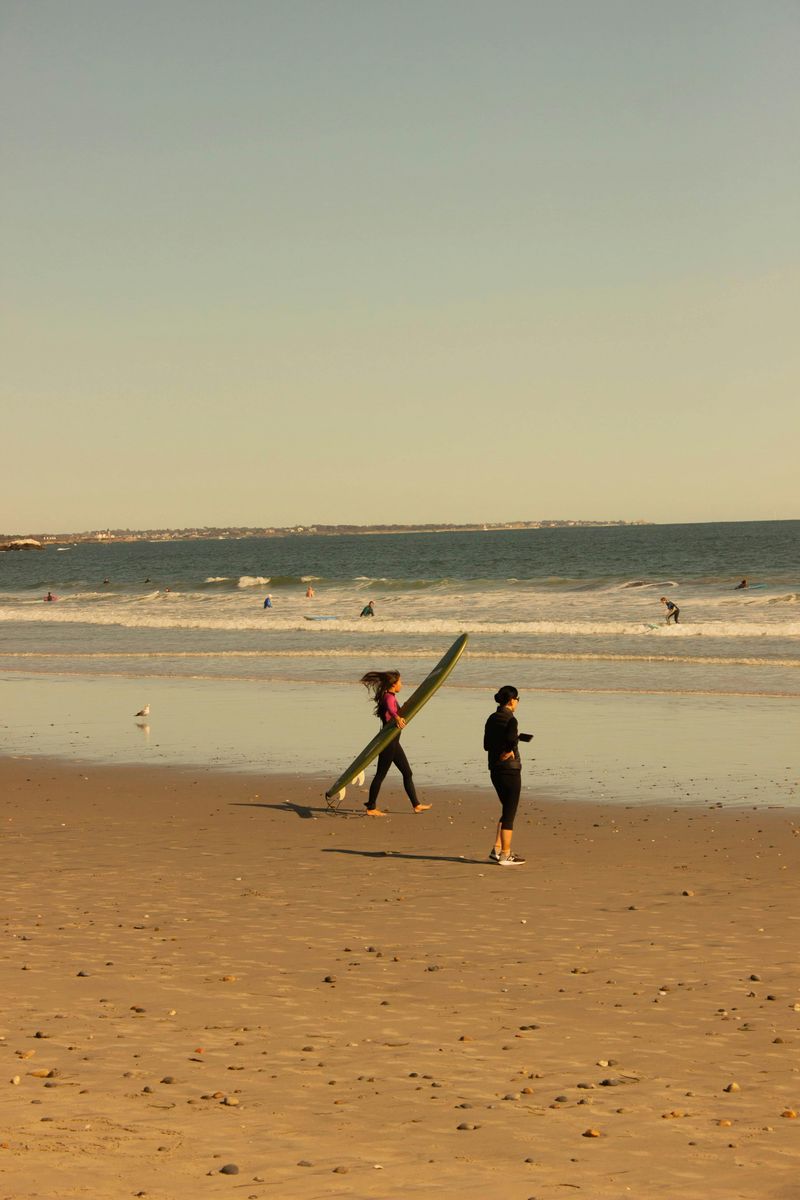
Here is a quiet truth: many of us compare today’s beaches to childhood memories shaped by fewer people and simpler expectations.
Those emotional benchmarks are tough for any place to match.
Sometimes the magic faded not because the beach failed, but because time moved on. You grew up, the world sped up, and the coastline evolved.
That gap between memory and now can feel personal.
I try to meet the beach that is standing in front of me. When I do, small moments cut through fast.
A clean set of waves, a line of terns, a soft breeze that cools the day exactly right.
Letting go of the old script brings a fresher kind of joy. It does not erase the past, it just makes room for a new version of wonder.
Rhode Island still holds that spark if you let it be different. Give yourself permission to like what is here.
That is where a quieter kind of magic tends to show up.
