Travelers crisscrossing the scenic backroads of South Carolina often find themselves drawn to Charleston, where history whispers from cobblestone streets and salt air mingles with the aroma of slow-cooked Southern fare.
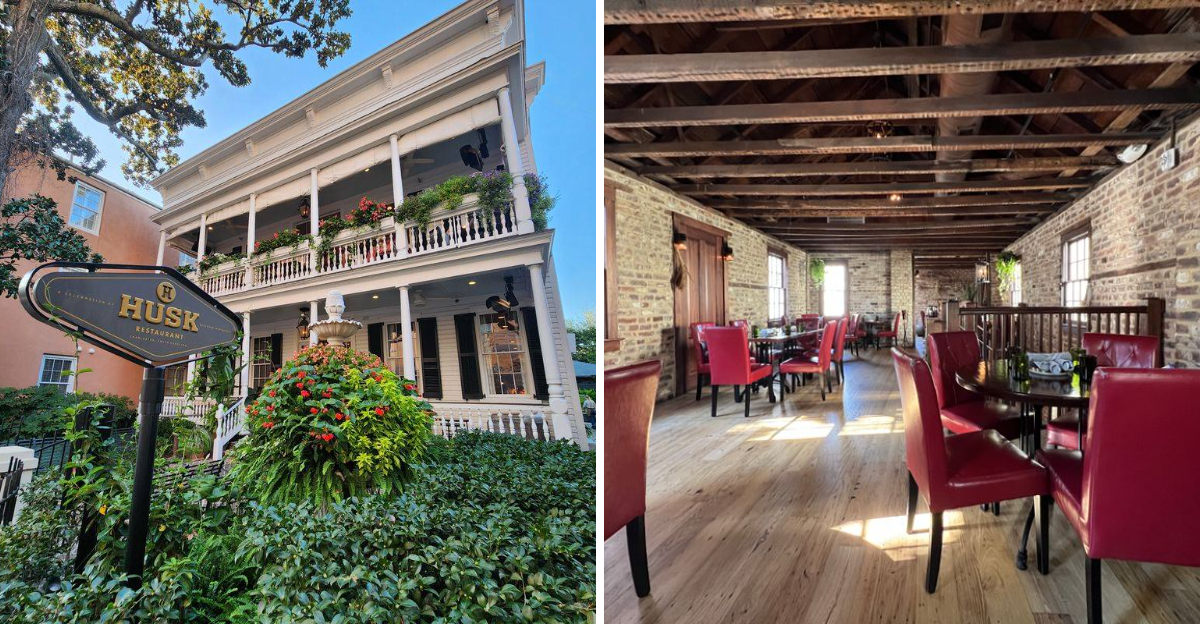
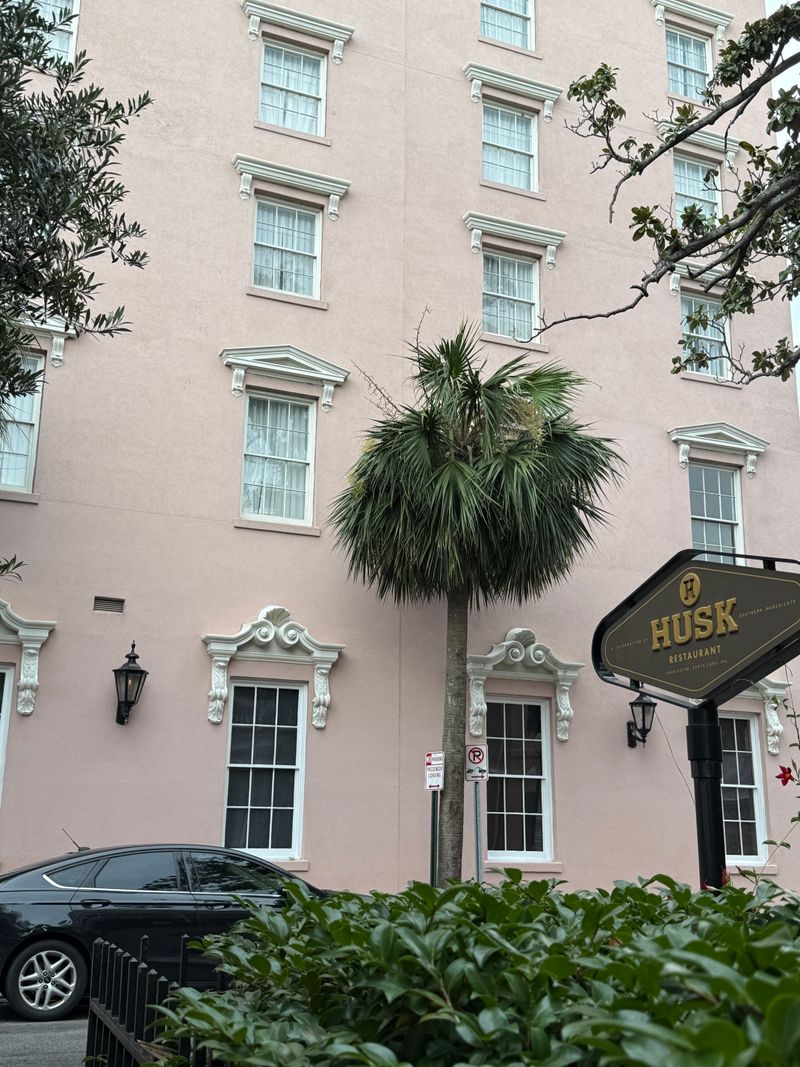
Among the city’s culinary landmarks, one restaurant stands out as a must-visit destination for road trippers seeking authentic Lowcountry flavors: Husk, nestled in a beautifully restored Victorian-era home at 76 Queen Street.
This Southern restaurant has earned its reputation not just through exceptional cooking, but by honoring the agricultural heritage of the region with a menu that changes daily based on what local farmers and fishermen bring to the kitchen.
Road warriors and food enthusiasts alike make special detours to experience what makes Husk a true reflection of South Carolina’s rich culinary traditions and warm hospitality.
A Victorian Home That Tells Charleston’s Story
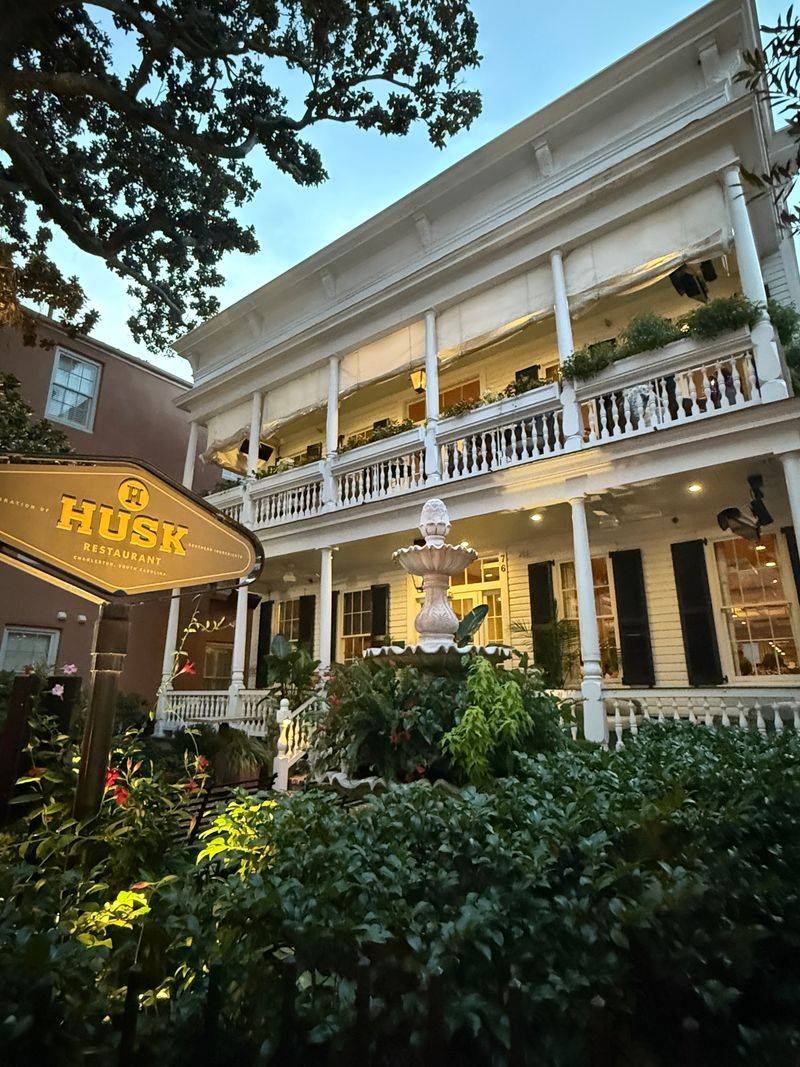
Walking up to Husk feels like stepping into a living postcard from Charleston’s golden era.
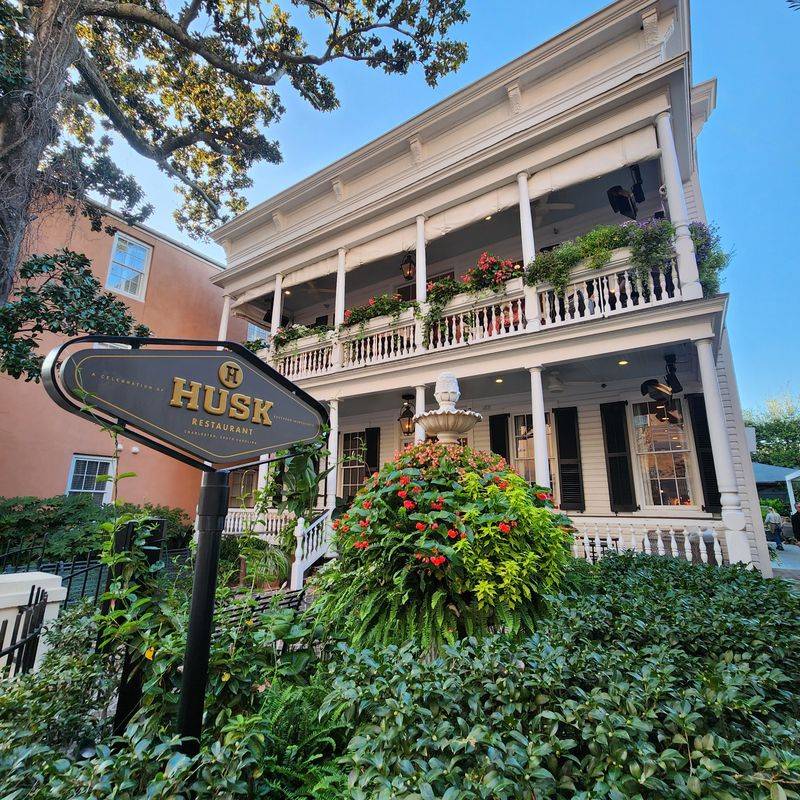
The restaurant occupies a meticulously restored Victorian mansion that dates back generations, complete with wraparound porches, towering windows, and architectural details that speak to the craftsmanship of another time.
Weathered brick pathways lead visitors through a small garden where herbs grow in neat rows, hinting at the farm-to-table philosophy that defines the dining experience inside.
The building itself serves as a perfect ambassador for Charleston’s commitment to preserving its architectural heritage while adapting historic structures for modern use.
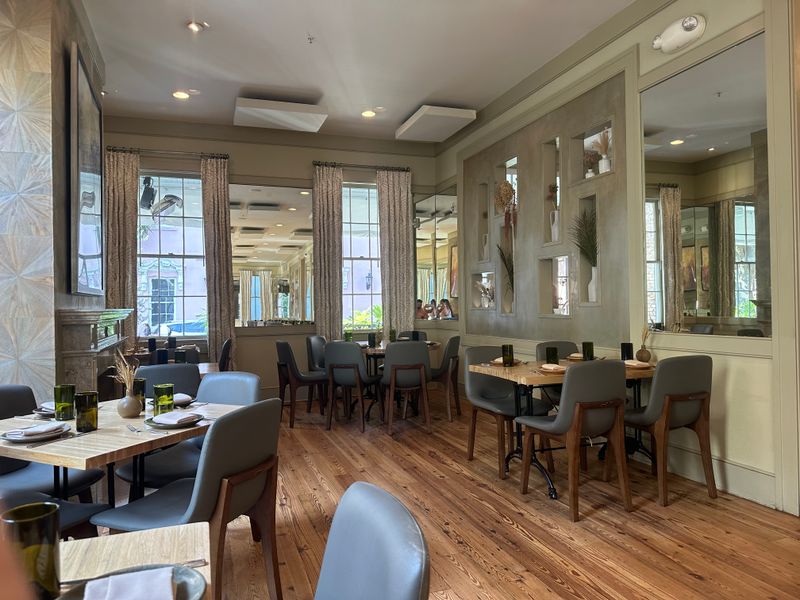
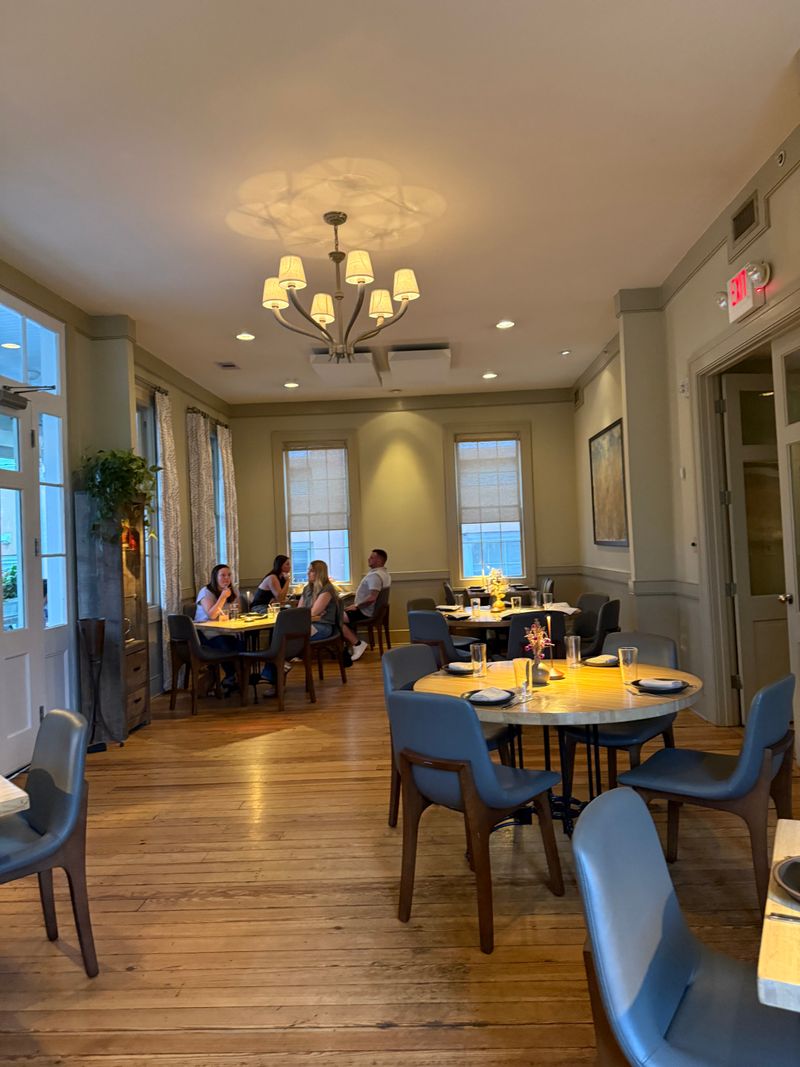
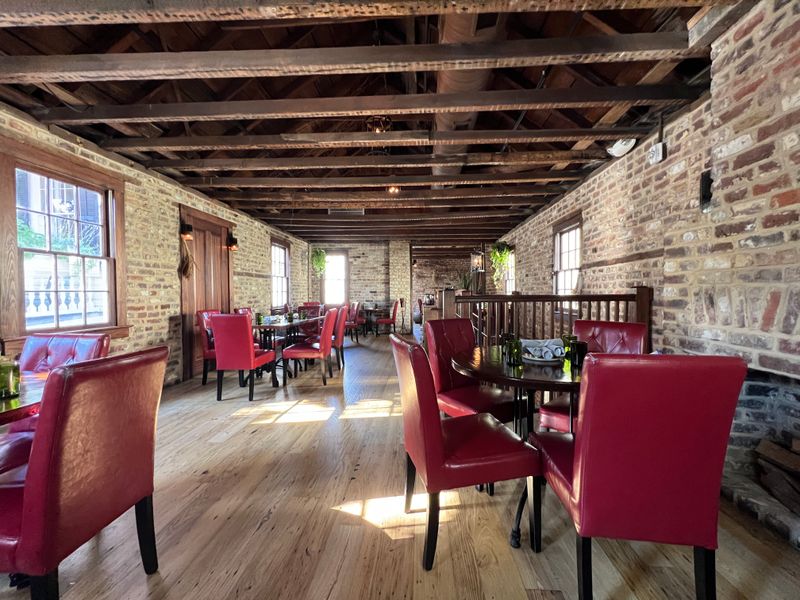
Inside, original hardwood floors creak gently underfoot, and high ceilings create an airy atmosphere that feels both elegant and welcoming.
Large windows flood the dining rooms with natural light during daytime service, while evening hours bring a warm glow from carefully chosen fixtures that complement the vintage setting.
Every corner of this space reflects thoughtful restoration work that honors the past without feeling like a museum.
For travelers exploring Charleston’s historic district, Husk represents the perfect marriage of place and purpose.
The location on Queen Street puts diners within walking distance of other landmarks, making it an ideal stop during a day of sightseeing.
Yet the building commands attention on its own merits, standing as a testament to Southern architectural tradition and the care taken to preserve these structures for future generations to enjoy and appreciate fully.
Farm-to-Table Philosophy That Actually Means Something
Many restaurants claim to source locally, but Husk has built its entire identity around ingredients grown, raised, or caught within the surrounding region.
The menu changes daily because chefs work directly with farmers, fishermen, and artisan producers who determine what appears on plates based on seasonal availability and peak freshness.
This approach means diners never know exactly what they will find, creating an element of discovery that appeals to adventurous eaters and curious travelers alike.
Heirloom vegetables that most people have never heard of make regular appearances, prepared in ways that highlight their unique flavors and textures.
Grains milled from heritage varieties grown on small South Carolina farms add depth and character to dishes that might seem simple at first glance.
Proteins come from ranchers and fishermen who share the restaurant’s commitment to sustainable practices and quality over quantity.
This dedication extends beyond just purchasing local products.
The kitchen team maintains relationships with producers, visiting farms and learning about growing practices that influence how ingredients taste and perform in recipes.
For road trippers interested in understanding regional food culture, eating at Husk provides insight into what makes Lowcountry cuisine distinctive.
The connection between land and plate becomes tangible when vegetables still taste like the soil they grew in and seafood carries the brininess of nearby waters, creating meals that could only happen in this particular corner of South Carolina.
Southern Classics Reimagined With Respect and Creativity
Husk walks a delicate line between honoring traditional Southern recipes and bringing fresh perspectives to familiar flavors.
Chefs here understand that road trippers come seeking authentic regional food, not fusion experiments that lose connection to place and tradition.
Yet they also recognize that great cooking requires creativity and willingness to explore new techniques while maintaining respect for culinary heritage.
Classic preparations like cornbread appear on the menu, but made with stone-ground heirloom cornmeal that delivers flavor modern varieties cannot match.
Greens get cooked low and slow in the time-honored way, though the specific varieties might change based on what local farms have ready for harvest.
Shrimp and grits, perhaps the most iconic Lowcountry dish, receives treatment that balances comfort with refinement, using the sweetest local shrimp and grits ground from corn grown specifically for this purpose.
Each plate demonstrates understanding of why certain flavor combinations became Southern staples in the first place.
Bitter greens pair with rich pork, acidic tomatoes cut through fried foods, and cornmeal provides neutral ground for bold seasonings to shine.
These fundamental principles guide the kitchen even as specific dishes evolve with the seasons.
For travelers seeking genuine taste of the region, this approach delivers satisfaction without pretension, creating meals that feel both special and authentically rooted in South Carolina’s culinary landscape and agricultural bounty.
Breakfast and Brunch Worth Planning Your Route Around
Weekend mornings at Husk reveal why so many road trippers time their Charleston visits to include Saturday or Sunday brunch service.
The restaurant opens its doors at 10 AM on these days, welcoming travelers who have worked up serious appetites exploring the city or driving in from nearby coastal towns.
Southern breakfast traditions take center stage, with biscuits that achieve the perfect balance of crispy exterior and tender, flaky interior.
These arrive warm, ready to be split open and topped with preserves made from seasonal fruits or paired with savory accompaniments that showcase local ingredients.
Grits appear in various forms, demonstrating the versatility of this humble grain that forms the foundation of so many Lowcountry meals.
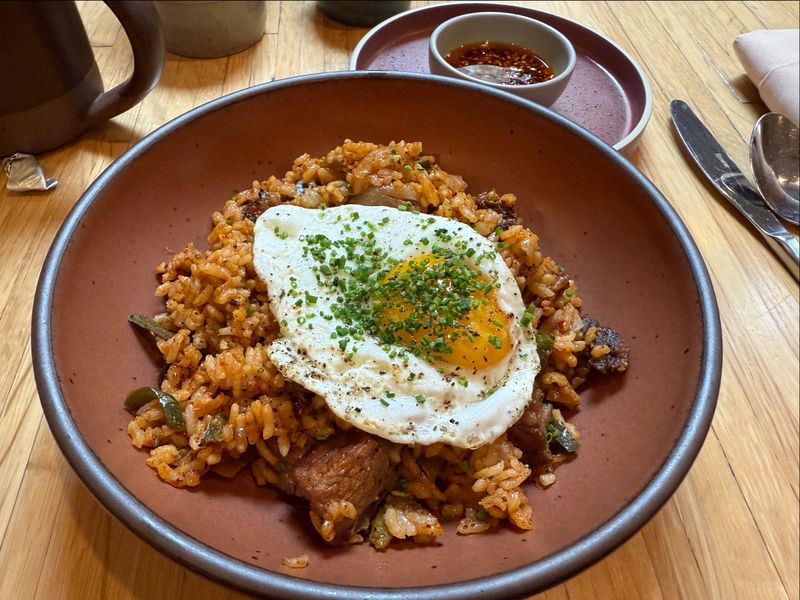
Creamy and smooth, they provide canvas for toppings that change based on what the kitchen has available, from slow-cooked vegetables to perfectly prepared eggs.
Morning dishes incorporate vegetables that many breakfast menus overlook, bringing color and nutrition to plates while introducing diners to produce they might not encounter elsewhere.
The brunch service moves at a pace that encourages lingering, making it ideal for travelers who want to slow down and savor both food and atmosphere.
Large windows let in morning light that illuminates the historic dining rooms, creating an inviting space for starting the day.
For road trippers planning routes through South Carolina, scheduling a weekend visit specifically to experience Husk’s morning offerings proves worth the extra planning and coordination.
A Menu That Captures the Seasons of the Lowcountry
Understanding Lowcountry seasons means recognizing subtle shifts that city dwellers from other regions might miss entirely.
Spring brings tender greens and early vegetables that taste nothing like their winter-stored counterparts found in supermarkets hundreds of miles away.
Summer explodes with tomatoes, peppers, and okra that define warm-weather Southern cooking, while stone fruits arrive from nearby orchards for brief, glorious weeks.
Fall delivers sweet potatoes, winter squash, and the last of the summer crops clinging to productivity before frost arrives.
Even winter, often considered a lean time for fresh produce, yields hearty greens, root vegetables, and preserved ingredients that sustained Southern cooks for generations.
Husk’s daily-changing menu reflects these natural rhythms in ways that help travelers understand the region’s agricultural calendar.
Dishes that appear in June would be impossible to recreate in December using the same ingredients, and the kitchen makes no attempt to pretend otherwise.
This honest approach to seasonal cooking means visitors who return at different times of year will have completely different experiences.
The restaurant essentially offers a living lesson in what it means to eat seasonally and locally.
For road trippers interested in food beyond just satisfying hunger, this seasonal focus provides context for understanding Southern cuisine’s deep connection to land, climate, and the patient work of growing food in harmony with natural cycles.
Service That Makes Travelers Feel Like Welcomed Guests
Southern hospitality represents more than just friendly service; it embodies a cultural value that treats guests with genuine warmth and attentiveness.
Husk’s staff demonstrates this tradition through interactions that feel personal rather than scripted, taking time to explain dishes, share stories about ingredients, and offer recommendations based on individual preferences.
Servers possess deep knowledge about the menu and its ever-changing components, able to describe not just what appears on plates but where ingredients came from and why chefs chose particular preparations.
This educational aspect enhances the dining experience without feeling like a lecture, instead creating conversations that help diners appreciate the thought behind each dish.
For travelers unfamiliar with certain Southern ingredients or preparations, staff members provide guidance that builds confidence in ordering and trying new things.
The pacing of service allows for leisurely meals without feeling rushed, recognizing that many diners come here to relax and enjoy an extended break from the road.
Yet the team also reads the room well, understanding when travelers need quicker service to catch shows or tours scheduled for later in the evening.
This balance requires skill and attention that elevates the entire experience beyond just consuming food.
Road trippers often mention the service as a highlight equal to the cuisine itself, noting how staff made them feel valued and cared for during their visit to Charleston and this special restaurant.
Location That Puts You in the Heart of Charleston’s Story
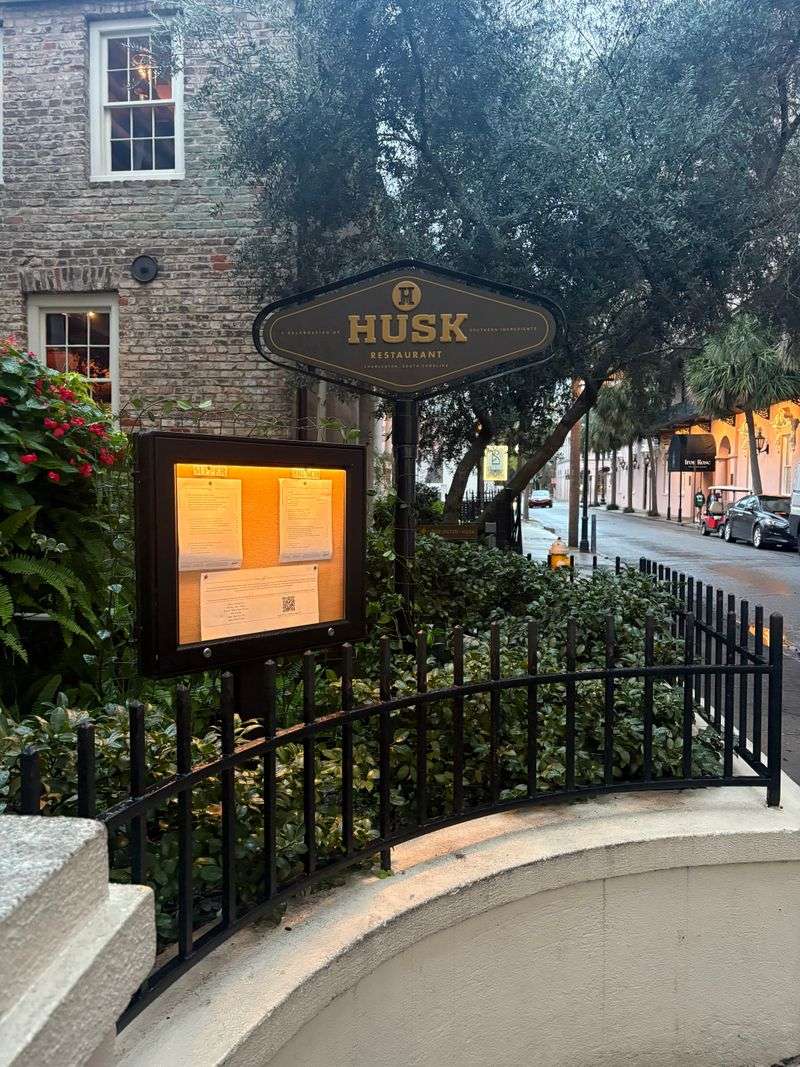
Queen Street runs through one of Charleston’s most historically rich neighborhoods, where every block reveals layers of the city’s complex past.
Husk’s location places diners within easy walking distance of significant landmarks, house museums, churches that predate the American Revolution, and streetscapes that have changed little in appearance over the past century.
Before or after meals, travelers can explore the surrounding French Quarter, where art galleries occupy ground floors of historic buildings and hidden gardens peek through wrought-iron gates.
The proximity to waterfront areas means a short stroll brings visitors to views of Charleston Harbor, where shipping traffic and pleasure boats share waters that witnessed crucial moments in American history.
This central location makes Husk an ideal anchor point for a day of exploring Charleston on foot.
Many road trippers park their vehicles and spend hours wandering the neighborhood, using the restaurant as either starting point or destination for their urban adventure.
The surrounding streets showcase Charleston’s famous architectural details: single houses with piazzas facing gardens rather than streets, colorful shutters protecting windows from harsh sun, and palmetto trees reminding visitors they have reached the subtropical South.
Eating at Husk becomes part of a larger experience of immersing oneself in Charleston’s distinctive character and charm.
The restaurant does not exist in isolation but rather contributes to the neighborhood’s identity as a place where history, culture, and contemporary life blend seamlessly together.
Why This Stop Becomes a Highlight of Any Southern Road Trip
Road trips through the South offer countless opportunities to eat well, from roadside barbecue joints to coastal seafood shacks that serve the day’s catch.
Yet certain restaurants transcend the category of mere meal stops, becoming destinations that justify planning entire routes around them.
Husk occupies this rare space, offering experiences that travelers remember and talk about long after returning home.
The combination of historic setting, ingredient-focused cooking, genuine hospitality, and connection to place creates something greater than the sum of its parts.
Meals here provide insight into what makes Lowcountry cuisine distinctive while demonstrating how traditional Southern cooking continues to evolve without losing its soul.
For food-focused travelers, eating at Husk answers questions about regional specialties, seasonal ingredients, and the relationships between farmers, chefs, and diners that define the farm-to-table movement at its best.
The restaurant proves that celebrating local food culture does not require sacrificing sophistication or creativity.
Road trippers seeking authentic experiences rather than tourist traps find exactly what they are looking for within these Victorian walls.
Whether visiting Charleston for the first time or returning as seasoned veterans of the city’s dining scene, guests discover that Husk consistently delivers meals worth the detour, the wait, and the planning required to secure a table during busy seasons and popular dining hours.
Address: 76 Queen St, Charleston, SC 29401
Dear Reader: This page may contain affiliate links which may earn a commission if you click through and make a purchase. Our independent journalism is not influenced by any advertiser or commercial initiative unless it is clearly marked as sponsored content. As travel products change, please be sure to reconfirm all details and stay up to date with current events to ensure a safe and successful trip.
