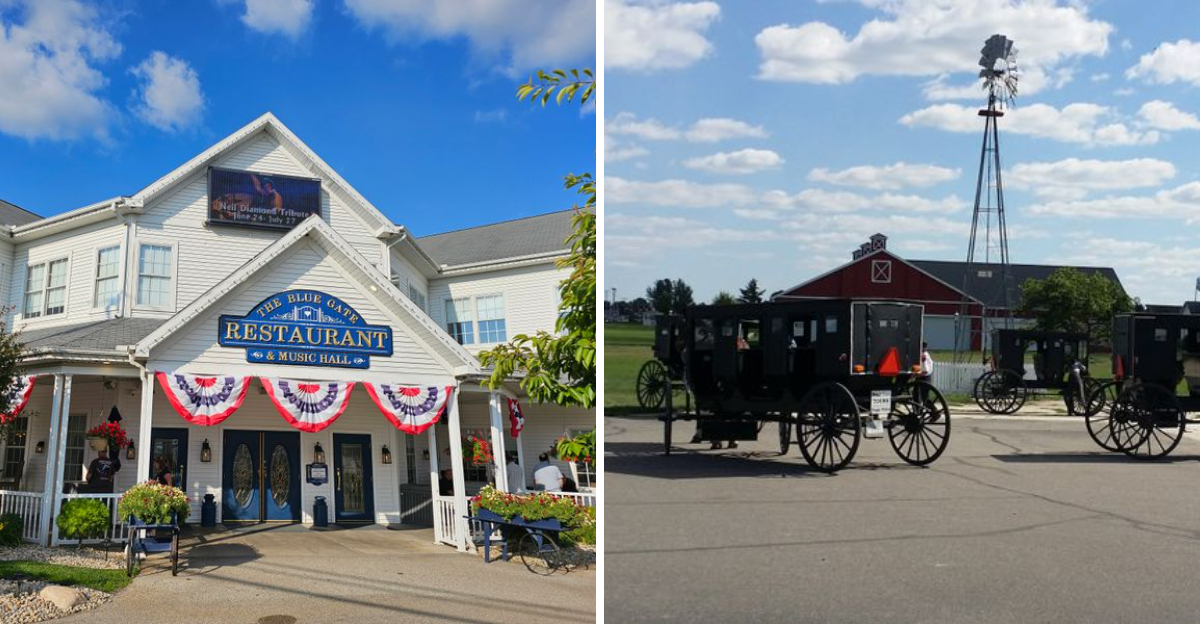
Tucked away in northeastern Indiana, Shipshewana is a small town that feels like stepping back in time. Horse-drawn buggies clip-clop down the streets, handmade quilts hang from clotheslines, and the scent of fresh-baked bread drifts through the air.
This charming community has remained deeply connected to its Amish heritage for generations. While the modern world rushes forward, Shipshewana holds steady, preserving traditions that many thought would fade away.
Visitors from across the country come here to experience a slower pace of life and witness authentic Amish culture. The town’s dedication to simplicity, craftsmanship, and community creates an atmosphere unlike anywhere else.
Whether you’re browsing the famous flea market, sampling homemade pies, or watching skilled artisans at work, you’ll understand why this place continues to capture hearts. Shipshewana isn’t just a tourist destination; it’s a living testament to a way of life that values faith, family, and hard work above all else.
The Shipshewana Auction & Flea Market Draws Crowds from Everywhere
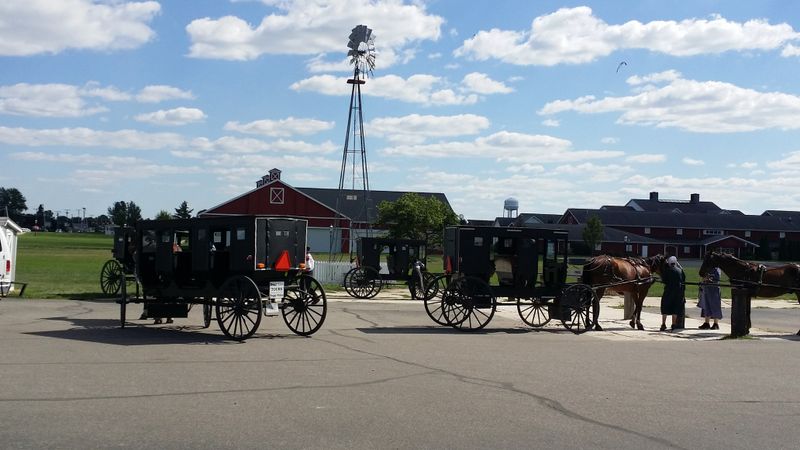
Every Tuesday and Wednesday from May through September, thousands of people flood into the Shipshewana Auction & Flea Market, transforming this quiet town into a bustling hub of activity. This is not your typical suburban yard sale; it is one of the Midwest’s largest flea markets, sprawling across acres of land with over 700 vendors selling everything imaginable.
Amish families arrive before dawn in their buggies, setting up booths filled with handcrafted furniture, quilts stitched with incredible precision, and baked goods that sell out within hours. Walking through the market feels like exploring a treasure hunt where each turn reveals something unexpected.
You might find antique farm tools next to a booth selling homemade jams, or hand-forged iron hardware beside stacks of colorful quilts. The livestock auction happens simultaneously, where Amish farmers buy and sell horses, cattle, and chickens using methods their great-grandparents would recognize.
The auctioneer’s rapid-fire chant echoes across the pens while serious bidders nod and gesture. What makes this market special is its authenticity.
These are not mass-produced items shipped from warehouses.
Many vendors are Amish craftspeople selling goods they made with their own hands in small workshops behind their homes. A grandmother might sell her famous shoofly pies while her granddaughter demonstrates traditional weaving techniques.
The market operates on cash and personal connections rather than credit cards and online reviews. The Shipshewana Auction & Flea Market is located at 345 South Van Buren Street, Shipshewana, IN 46565.
Even on scorching summer days, the crowds keep coming because nowhere else offers this combination of quality craftsmanship, fair prices, and genuine Amish culture all in one place.
Horse-Drawn Buggies Are Still the Primary Transportation
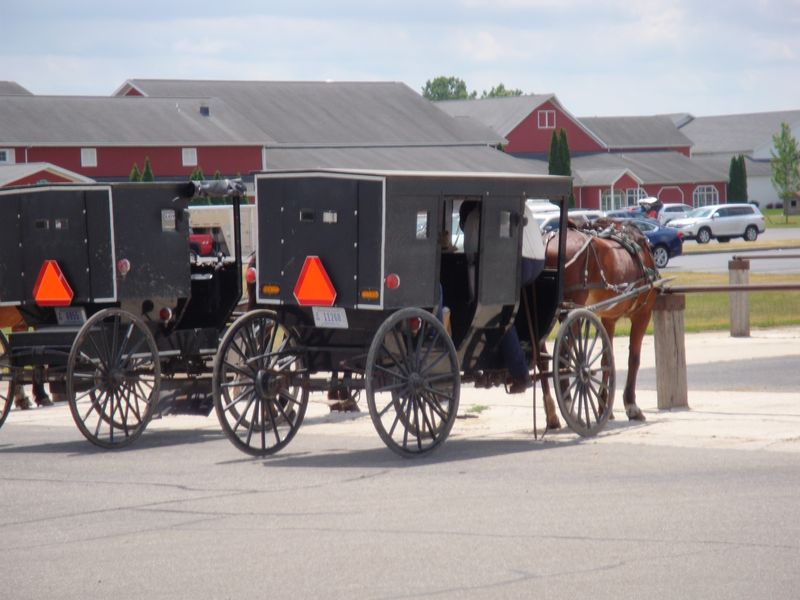
Unlike other places where Amish buggies are rare novelties, Shipshewana’s roads remain filled with these distinctive black carriages every single day. Main Street features designated buggy parking areas that fill up quickly on market days, with dozens of horses patiently waiting while their owners shop or conduct business.
The rhythmic clatter of horseshoes on pavement provides the town’s constant soundtrack, reminding everyone that this community hasn’t abandoned its traditional ways. The Amish population in LaGrange County, where Shipshewana sits, is one of the largest and fastest-growing in North America.
Families rely on horse-drawn transportation not as a tourist attraction but as their genuine means of getting around. Children ride to school in buggies, farmers haul equipment to fields, and entire families travel to church services using the same methods their ancestors did centuries ago.
Modern cars share the roads respectfully, slowing down and giving wide berth to the slower-moving carriages. Traffic signs throughout the area warn drivers to watch for buggies, and special buggy lanes help keep everyone safe.
At night, the buggies display battery-powered lights and reflective triangles, creating an almost magical sight as they glide through the darkness. Local businesses provide hitching posts and water troughs, understanding that accommodating buggy traffic isn’t optional but essential to serving the community.
Watching a young Amish father expertly guide his horse through downtown traffic while his children wave from the back seat offers a glimpse into a lifestyle that prioritizes simplicity over speed. The buggies are not museum pieces or props for photographs; they are working vehicles that prove traditional transportation can coexist with modern infrastructure when communities make the effort.
Menno-Hof Museum Preserves Amish and Mennonite Heritage
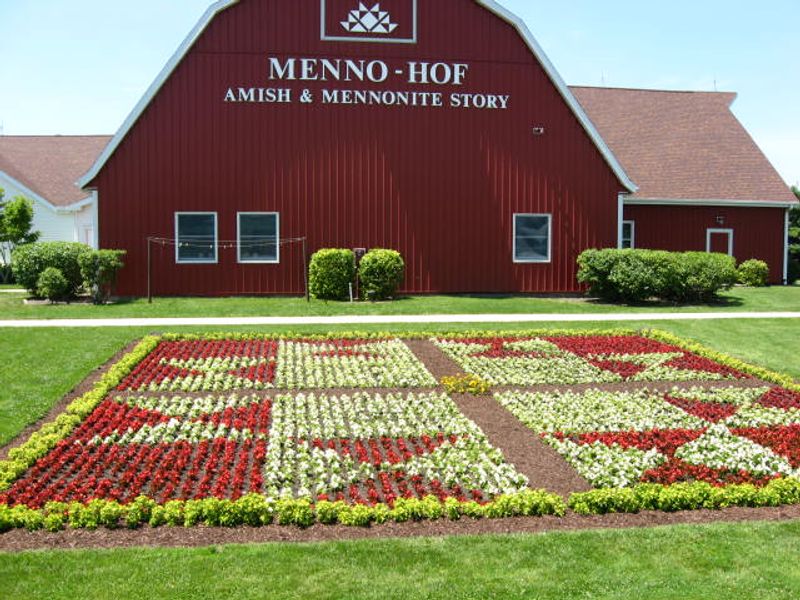
Standing at 510 South Van Buren Street in Shipshewana, the Menno-Hof Amish & Mennonite Museum offers visitors an immersive journey through five centuries of Anabaptist history. This is not a dusty collection of old artifacts behind glass; it is an experiential museum where you walk through recreated environments that tell powerful stories of faith and persecution.
The building itself resembles a traditional barn, fitting perfectly into the surrounding landscape while housing exhibits that explain why Amish communities like Shipshewana exist today. Visitors step into a dark dungeon where early Anabaptists were imprisoned for their beliefs, hearing recorded testimonies of those who faced torture rather than renounce their faith.
The experience shifts to a cramped ship’s hold, recreating the dangerous Atlantic crossings that brought Amish and Mennonite families to America seeking religious freedom. These immersive exhibits help outsiders understand that Amish culture is not about stubbornness or rejecting progress; it is rooted in deeply held convictions about faith, community, and separation from worldly influences.
The museum explains differences between various Anabaptist groups, from Old Order Amish who reject electricity to more progressive Mennonites who embrace modern technology while maintaining core beliefs. Interactive displays let children try on traditional clothing, examine handwritten German Bibles, and learn about barn raisings.
A tornado-shaped theater presents a multimedia show about how Amish communities support each other during disasters without relying on insurance or government aid. Menno-Hof succeeds because it was created with input from local Amish and Mennonite families who wanted to share their story accurately.
The museum does not romanticize or criticize; it simply presents the history and beliefs that shape daily life in Shipshewana, helping visitors appreciate the remarkable faith that sustains this community.
Family-Owned Restaurants Serve Authentic Amish Cooking
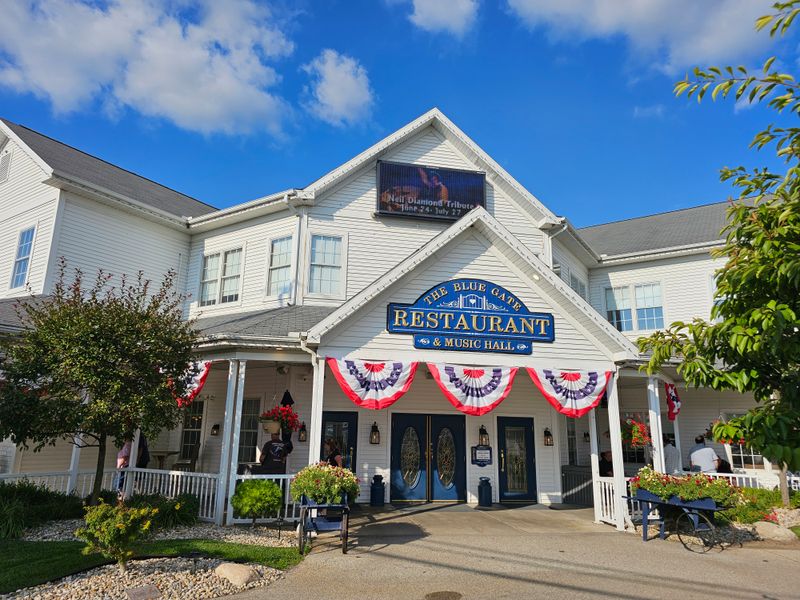
Forget trendy farm-to-table restaurants with celebrity chefs; Shipshewana’s dining scene revolves around hearty, honest cooking passed down through generations of Amish families. Places like Das Dutchman Essenhaus, Blue Gate Restaurant, and the Farmstead Restaurant serve meals that stick to your ribs and warm your soul.
These are not fusion experiments or deconstructed dishes; they are traditional recipes using ingredients grown locally and prepared with care. A typical Amish-style meal starts with fresh-baked bread still warm from the oven, served with real butter and homemade apple butter.
Entrees include fried chicken with crispy golden skin, tender pot roast with vegetables, or ham loaf glazed with brown sugar. Side dishes arrive family-style in generous portions: creamy mashed potatoes, buttered noodles, corn, green beans cooked with bacon, and coleslaw with a slightly sweet dressing.
Everything tastes like it came from someone’s grandmother’s kitchen because it essentially did; many recipes have been used by the same families for over a century. The dessert selection challenges any diet plan you might have.
Shoofly pie, a molasses-based treat that’s sweeter than you’d imagine, sits alongside fruit pies bursting with cherries, apples, or berries picked at nearby farms. Peanut butter cream pie offers a rich, decadent finish to any meal.
The portions are enormous because Amish culture values hospitality and ensuring no guest leaves hungry. Das Dutchman Essenhaus, located at 240 US-20, Middlebury, IN 46540, operates a full bakery where you can watch workers prepare pies, breads, and pastries.
The restaurants employ both Amish and non-Amish staff, creating a genuine community atmosphere where service comes with a smile and a willingness to explain any unfamiliar dishes to curious visitors.
Working Farms Surround the Town in Every Direction
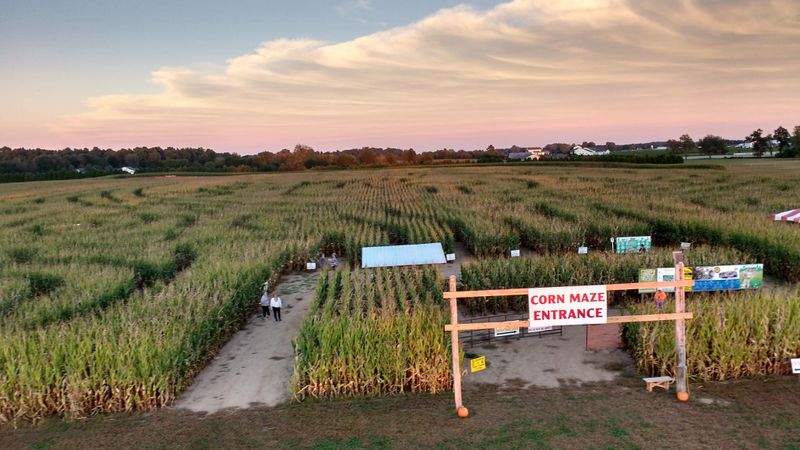
Drive any road leading out of Shipshewana and within minutes you’ll pass working Amish farms that look remarkably similar to photographs from a hundred years ago. White farmhouses with green shades sit alongside massive barns, windmills pump water into stock tanks, and laundry lines display rows of dark clothing flapping in the breeze.
These are not historical recreations or tourist attractions; they are active farms where families grow crops, raise livestock, and live according to principles of simplicity and self-sufficiency. Fields stretch toward the horizon, planted with corn, soybeans, wheat, and hay using methods that balance tradition with practical efficiency.
While some Amish farmers have adopted modern equipment pulled by teams of horses instead of tractors, others stick to older implements that require more manual labor but avoid dependence on fuel and complex machinery. During planting and harvest seasons, you’ll see entire families working together in the fields, from grandparents to young children, everyone contributing according to their abilities.
Many farms include roadside stands where families sell fresh produce, eggs, baked goods, and seasonal items directly to customers. A handwritten sign might advertise sweet corn, tomatoes, or strawberries, with an honor box for payment when nobody’s available to make change.
This trust-based system works because the community values honesty and reputation above quick profits. Neighbors know each other, and word spreads quickly about anyone who takes advantage.
The farms also raise dairy cattle, beef cattle, pigs, chickens, and horses, not as hobbies but as essential parts of their livelihood. Barn raisings still happen when families need new structures, with dozens of men arriving at dawn to frame and roof an entire barn in a single day.
These farms prove that agriculture does not require massive machinery or corporate ownership to remain productive and sustainable.
Skilled Craftsmen Create Furniture Built to Last Generations
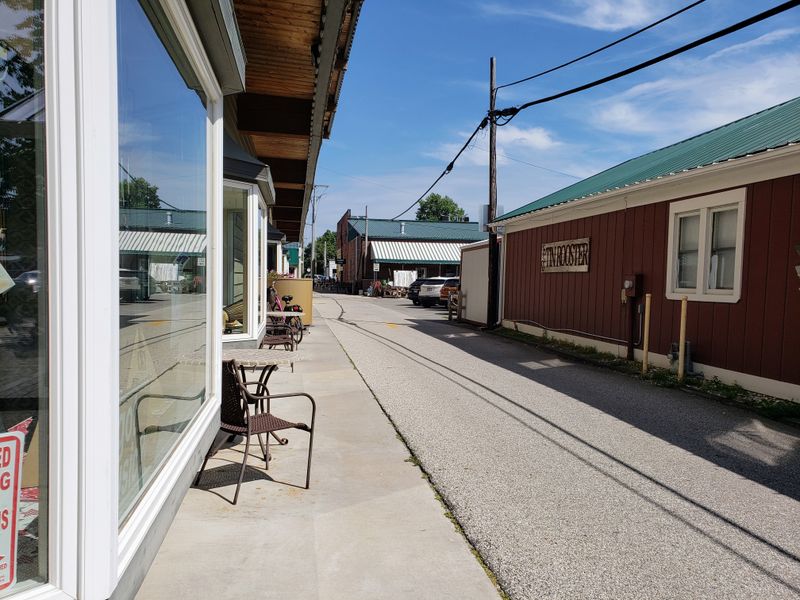
Walk into any furniture workshop around Shipshewana and you’ll immediately smell fresh-cut wood and hear the rhythmic sounds of hand tools shaping lumber into heirloom-quality pieces. Amish craftsmen have earned worldwide reputations for creating furniture so well-made that it gets passed down through families like treasured jewelry.
These are not assembly-line products with particle board and staples. They are solid wood constructions joined with techniques that have proven themselves over centuries.
Workshops operate without electricity in many cases, relying instead on pneumatic tools powered by compressed air from diesel generators or hydraulic systems. This allows Amish craftsmen to maintain their separation from the electrical grid while still achieving the precision modern customers expect.
A single dining table might take weeks to complete as the woodworker carefully selects boards, joins them seamlessly, and applies multiple coats of hand-rubbed finish. The attention to detail shows in every dovetail joint, every smoothly gliding drawer, and every perfectly level surface.
Popular items include mission-style furniture, Shaker designs, and traditional farmhouse pieces made from oak, cherry, maple, or walnut harvested from sustainable sources. Custom orders allow buyers to choose wood types, stains, and dimensions that fit their specific needs.
Unlike mass-produced furniture that wobbles after a few years, these pieces remain sturdy for decades because they are built using proper joinery rather than shortcuts. Many workshops welcome visitors who want to watch craftsmen work, though photography policies vary depending on individual beliefs about images.
Seeing a skilled woodworker transform rough lumber into a beautiful rocking chair or entertainment center helps people understand why Amish furniture commands premium prices. You are not just buying furniture; you are investing in craftsmanship that honors both the material and the maker’s skill.
Dear Reader: This page may contain affiliate links which may earn a commission if you click through and make a purchase. Our independent journalism is not influenced by any advertiser or commercial initiative unless it is clearly marked as sponsored content. As travel products change, please be sure to reconfirm all details and stay up to date with current events to ensure a safe and successful trip.
