
Small-town Vermont sparkles with holiday cheer, but not everyone is feeling festive.
Villagers love their cozy Christmas fairs, yet crowds of tourists often overwhelm the tiny streets.
Lines for cocoa stretch endlessly, parking disappears, and the charm feels lost in the shuffle.
Locals grumble that what was once a neighborly gathering now resembles a bustling city market.
For them, the season’s magic dims when overcrowding turns tradition into chaos.
Parking lots swallowed by out of town traffic
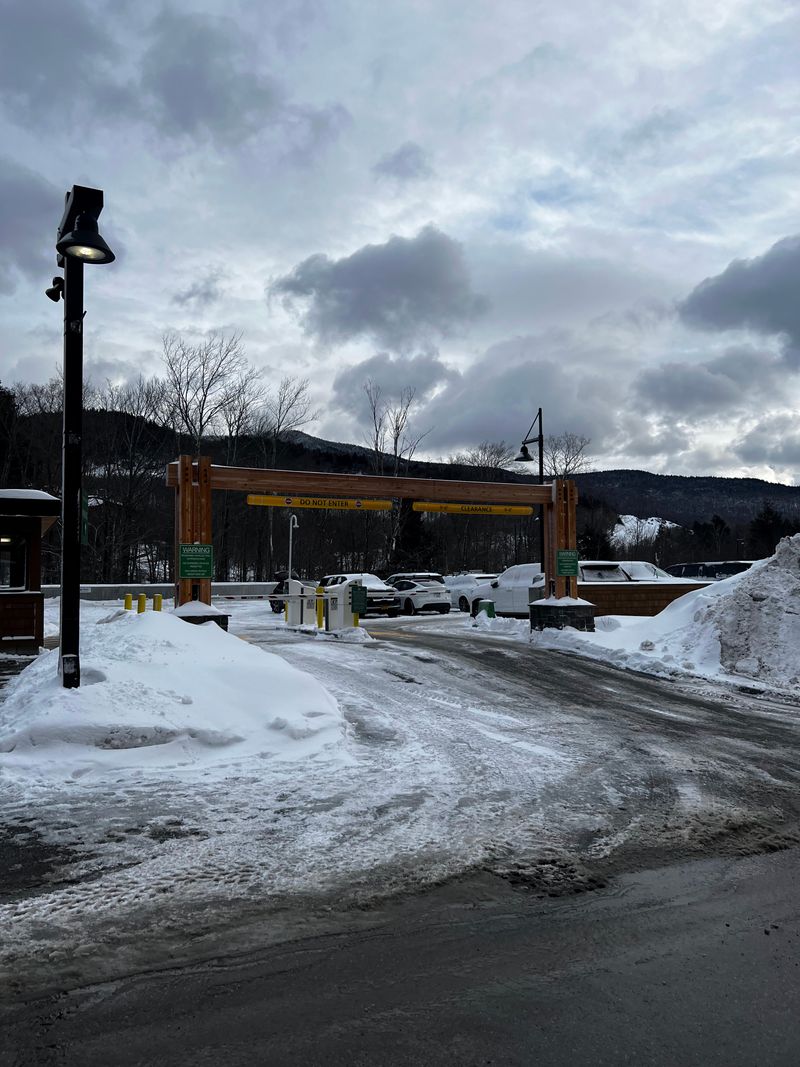
You pull into a charming Vermont village and immediately hit a wall of brake lights that wraps around the green like a red ribbon that never ends.
Locals who usually pop to the post office in five minutes end up circling side streets for half an hour while visiting drivers nose into private driveways and block plow zones.
Even when a volunteer waves a glow stick, the lines pile up and the stress rises.
In a state where winter roads need clear shoulders for snow removal, full curbs mean the next storm has nowhere to go and the slush lingers.
Residents worry about ambulances squeezing past, and they fret about stacked cars near blind rises that turn scenic lanes into tight chutes.
You feel the tension when a delivery truck cannot make the turn and the whole route freezes in place.
Temporary satellite lots help, but only if shuttle schedules run often and include heated stops to keep people moving safely.
Several towns try one way loops during peak weekends, yet patience runs thin when signage is small or hidden by wreaths.
Snowbanks add another wrinkle as tires slide and bump curbs while visitors leap puddles in dress shoes not built for Vermont ice.
Simple fixes matter, like prebooked parking with time windows that spread arrivals and digital maps that steer guests to real spaces not guesswork.
You also notice that locals prefer priority spots for seniors near libraries or town halls because cold wind can be punishing even for short walks.
When fair planners coordinate with road crews, the flow improves and tempers calm.
Until then, the charm can wobble as engines idle under the stars and the glow of Christmas feels stuck in gridlock.
Sidewalk bottlenecks that stall strollers and seniors

You expect a cozy stroll past wreaths and window displays, yet you inch forward shoulder to shoulder as if the sidewalk itself is holding its breath.
In Vermont, snowbanks nibble the edges of brick walks and leave tight corridors where strollers clip boots and trekking poles tap for balance.
Everyone tries to be polite, but the stop start rhythm makes even short blocks feel long.
Accessibility becomes the flash point when curb cuts vanish under slush and temporary ramps tilt at awkward angles.
Wheel users need room to turn and pass, and parents need a lane that does not fold around a sandwich board or a prop lamppost.
When planners forget space for pauses, the line of people becomes a wall.
Local volunteers can help by setting marked passing zones and quiet pull offs so folks can adjust mittens without clogging the stream.
Simple rope guides keep doorways clear so shop thresholds do not become choke points during busy hours.
Better still, timed entry for indoor craft barns takes pressure off sidewalks that are already narrower in winter.
You notice how calm returns when vendors shift displays a few inches and open a shoulder for mobility aids.
Protecting Vermont charm means protecting pace, and that requires real width even when picturesque snow stacks like frosting.
Lighting matters too, because a bright path prompts steady steps and reduces hesitation that ripples backward.
With thoughtful spacing and clear rest nooks, the night turns from a shuffle to a meander, and moods thaw along with the sidewalks.
Noise levels that drown out carols and conversation
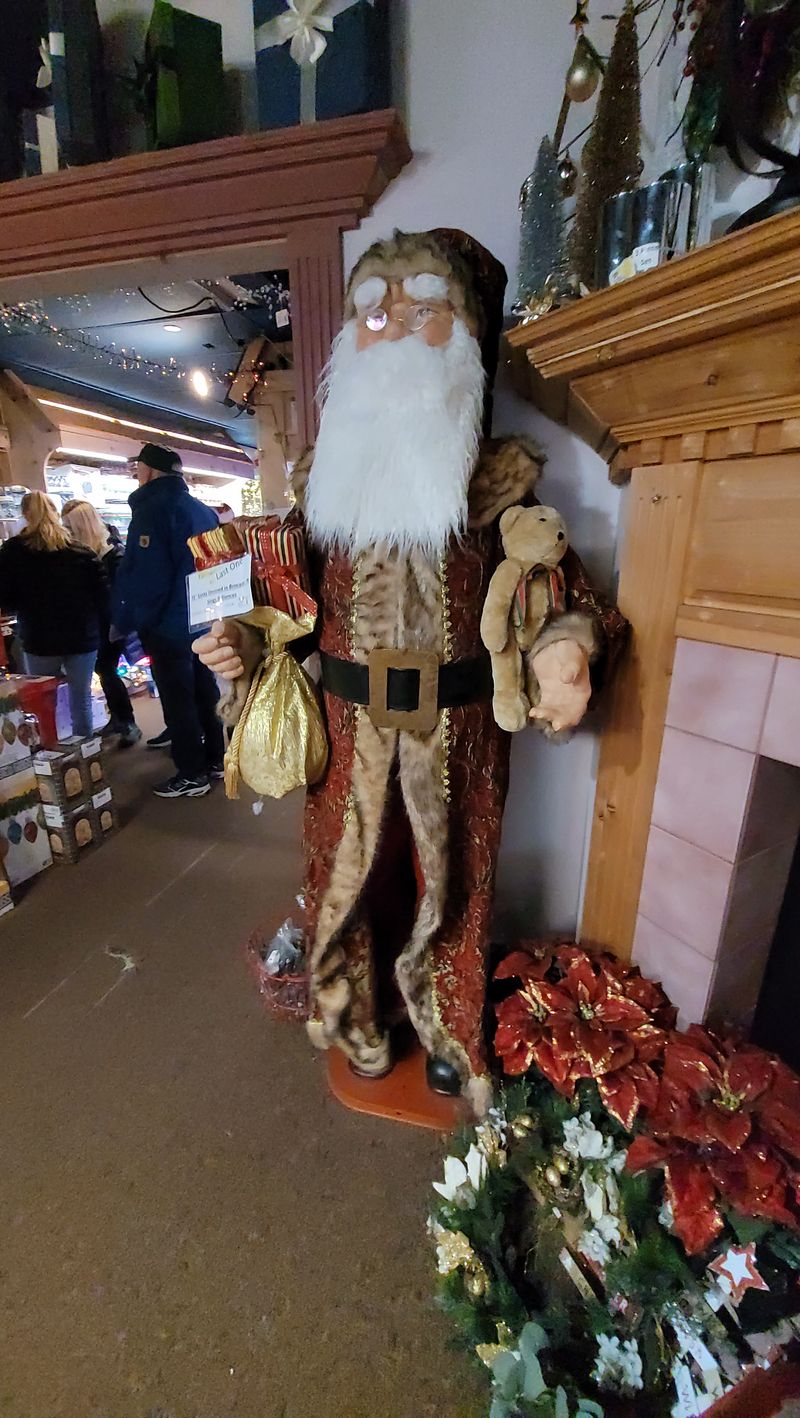
The soundtrack of a Vermont holiday should be soft carols over the crunch of snow, but amplified announcements can stack against the village buildings and ricochet like a pinball.
Neighbors who live above shops expect a merry buzz, not a rolling echo that rattles until closing time.
You feel the strain when voices climb just to be heard.
Sound seems to travel farther in cold air, and narrow streets can form a canyon that traps chatter and brass notes together.
Children cover their ears while elders lean in, and the sweet blend of choir and wind ends up muddied by overlapping sources.
Even performers struggle when their monitors fight the crowd pulse.
Smart placement helps, like turning speakers inward toward listeners and setting limits that cap volume after a certain hour.
Small zones for acoustic sets give relief to folks who want a calm pocket without leaving the fair.
Quiet hours respect Vermont residents trying to sleep before early snow clearing or morning milking.
You can still have festive energy with gentle levels, especially when singers and fiddlers take turns instead of stacking schedules.
Volunteers with decibel meters can coach vendors to refit Bluetooth speakers that creep up during peak times.
Clear communication works when maps show quiet corners and families choose routes that match comfort levels.
With careful tuning, the holiday mood hums instead of roars, and carols float again like breath in winter air.
Strained local services from restrooms to trash
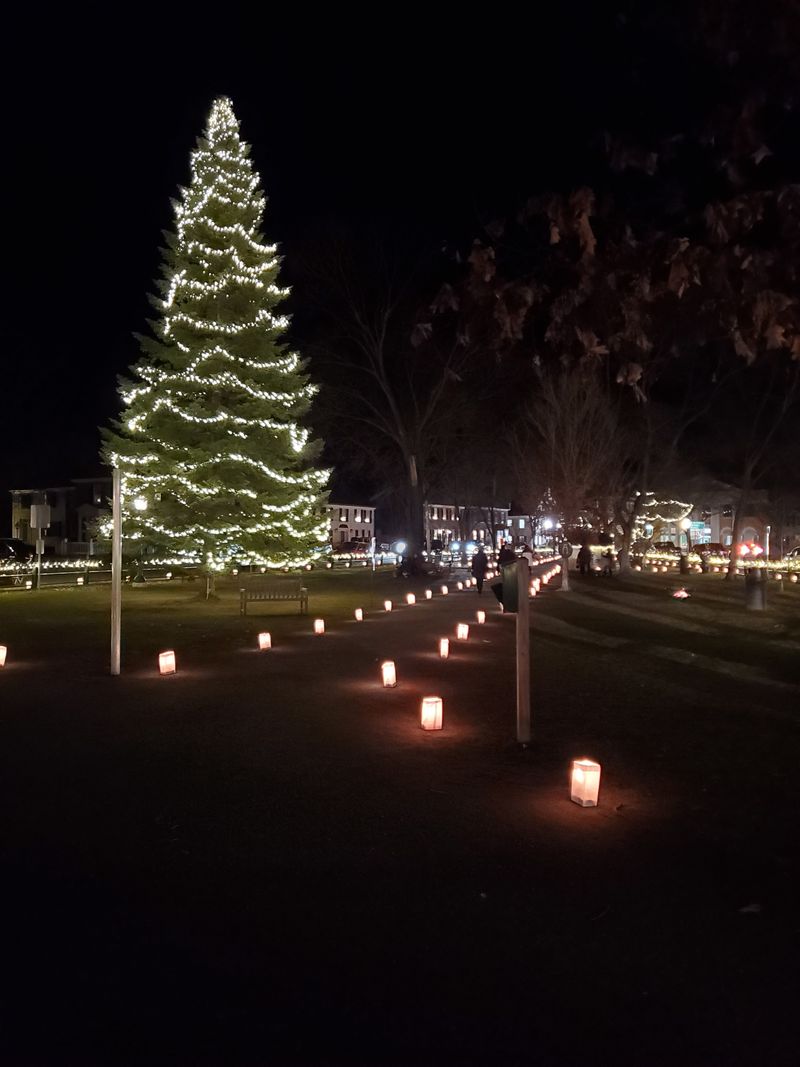
You notice the first sign in the restroom line that snakes past the gazebo, and the second when an overfull bin becomes a messy landmark near the lamppost.
Small Vermont towns run lean, so a sudden surge of guests stretches maintenance crews that also handle winter sanding and plowing.
The festive glow can dim when basic services fall behind.
Portable restrooms help, but only when stocked with hand warmers, sanitizer, and posted cleaning times that people trust.
Recycling works best when shapes and colors are obvious and lids keep snow from turning cardboard into slush.
Without clear stations, trash drifts into snowbanks and reappears in spring, which no one wants.
Locals prefer a plan that adds service hours during peak evenings and gives volunteers simple routes to swap liners before a bin tips.
Fair maps that mark facilities reduce the wandering that clogs sidewalks and frustrates families.
Water bottle refill spigots cut lines at concessions and keep cups from multiplying under benches.
In Vermont, stewardship sits at the heart of community life, and that includes waste sorted right and restrooms that feel safe and warm.
You can help by packing a small trash bag and using designated drop points when stations are busy.
When organizers and visitors share responsibility, the space stays tidy and the mood stays bright.
The fair feels like a welcome rather than a burden, and the village breathes easier by the end of the night.
Crowded craft barns that edge out local sellers
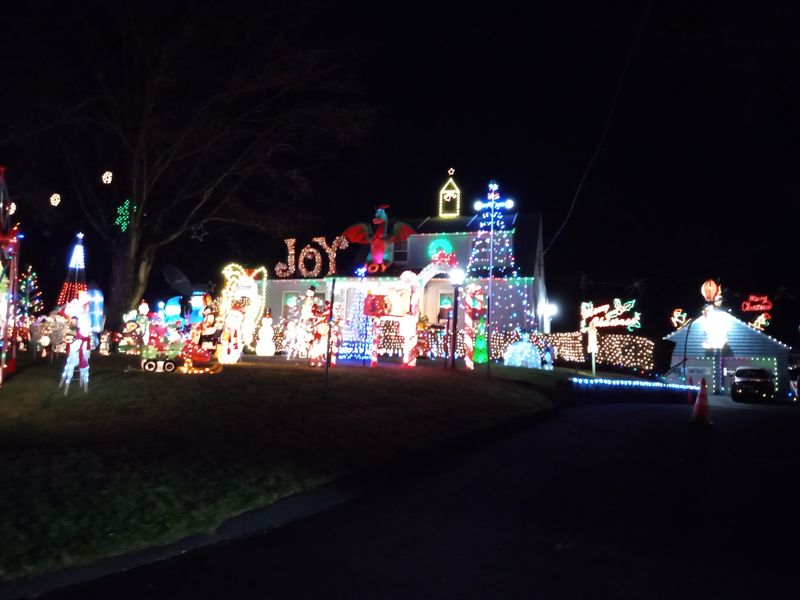
You step into a warm barn with cedar scents and handmade goods that sparkle under string lights, yet the press of bodies turns browsing into a bumper dance.
Local artisans who count on holiday sales watch potential customers skim past because it is simply too hard to stop and chat.
The experience feels hurried and less personal.
In Vermont, crafts come with stories about woodlots, flocks, and family techniques passed down through the years.
Those conversations get clipped when aisles shrink to single file and shoppers cannot pause without blocking three directions.
Short tempers can flare when returns and pickups compete with first looks.
Timed entry blocks for indoor barns ease the pinch and keep sellers in view rather than behind a wall of winter coats.
One way aisles with occasional pull outs give room for lingering and still keep the line moving for everyone else.
Maps that show vendor numbers help buyers return later rather than crowd the nearest table just to avoid losing track.
You can see the difference when locals redirect eager guests to off peak windows that favor conversation and careful selection.
Highlighting Vermont makers online with preordering options reduces pressure on the floor while preserving the magic of pickup moments.
Fair organizers can cluster similar goods to balance flow so that bottlenecks do not form around a single hot item.
When space and time are respected, the barn becomes a gallery again, and the crafts regain the attention they deserve.
Tour bus drop offs that flood tiny greens
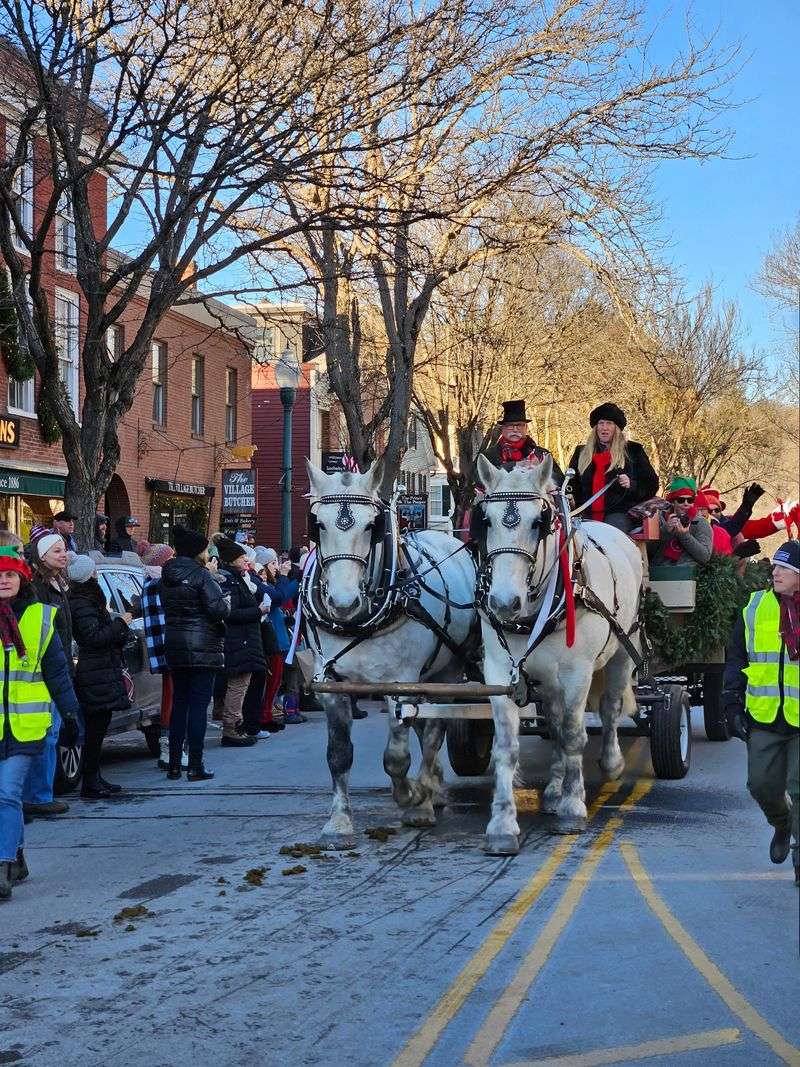
The moment a tour bus doors open on a small green, you feel a tide of people sweep across the paths and swallow the gentle rhythm of the evening.
Villagers who had a calm loop planned are suddenly dodging big groups moving as one and stopping all at once for photos by the tree.
The scale mismatch is the issue, not the visitors themselves.
Vermont greens are intimate common spaces edged by churches and libraries, and they handle steady trickles beautifully.
When fifty people arrive in the same minute, crosswalks clog and sightlines vanish near the snowy curb.
Even the train of strollers becomes a moving barrier that shoestring volunteers cannot easily guide.
Staggered drop windows spread groups, and off site staging at municipal lots keeps the green for walking not waiting.
Simple wristbands tied to time slots help drivers and guests know when to return without bunching lines.
Clear bus routes prevent idling near homes where exhaust and noise settle under cold air.
You notice the calm when guides lead smaller clusters with a local volunteer who points out history while maintaining pace.
Vermont hospitality shines brightest when movement feels human scale and the green stays a shared space.
Guests appreciate smoother flow too, because photos look better without a sea of jackets blocking the view.
With coordination and patience, buses become part of the rhythm rather than a wave that knocks the cadence off beat.
Short term rentals that crowd quiet streets
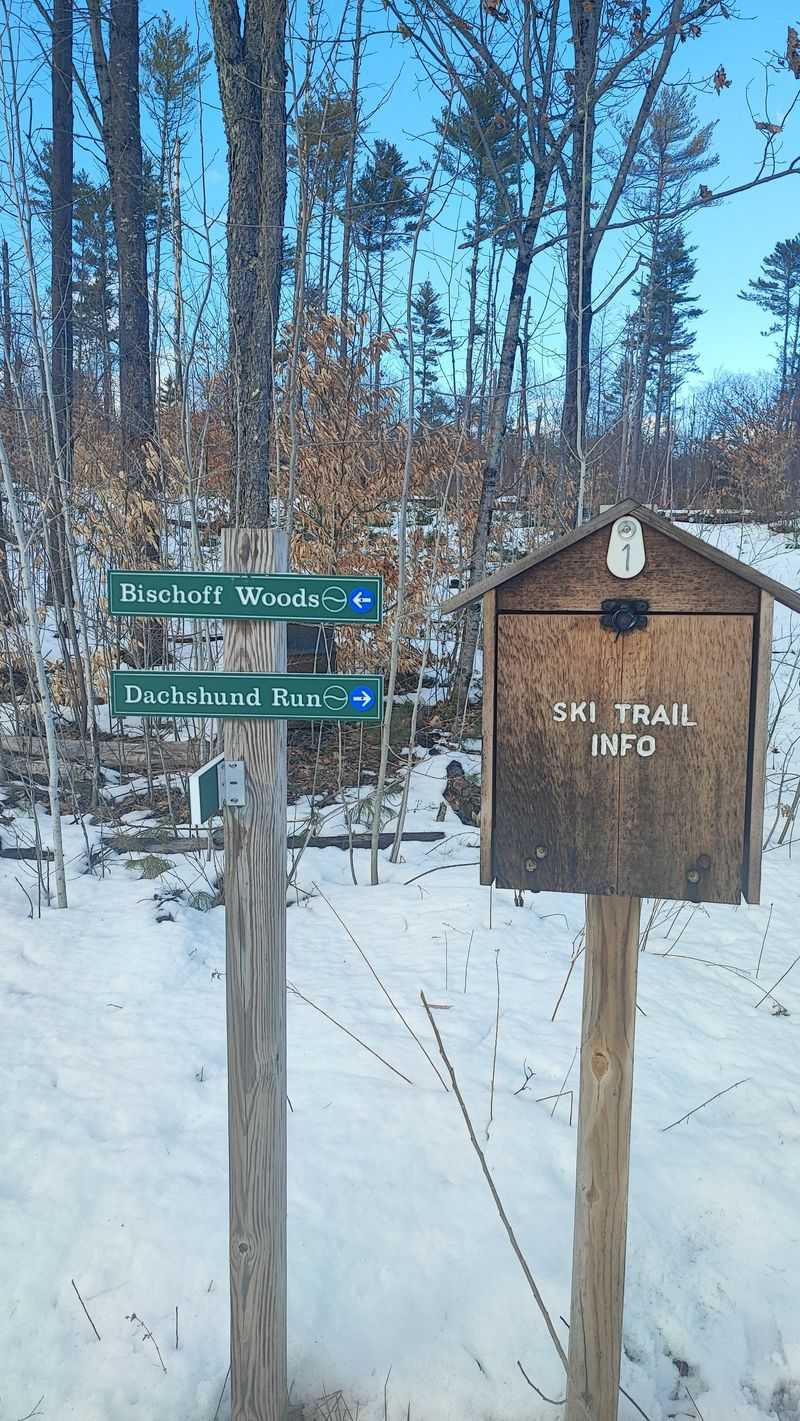
You might book a cute farmhouse near the green and discover that three other groups did the same, turning a sleepy lane into a busy corridor overnight.
Neighbors who value calm winter evenings now juggle porch conversations, late arrivals, and rolling suitcases on crunchy snow after the fair winds down.
The friction is subtle but real.
Vermont towns often set quiet hours to protect rest for folks who work early shifts or care for livestock before sunrise.
Short term rentals multiply parked cars and complicate snowplow routes that need clean edges for safe morning travel.
Trash day surprises can add to the mess if bins appear after dark in the wrong spot.
Hosts who post clear house rules, limit occupancy, and provide driveway diagrams keep the peace and avoid curb spillover.
Welcome binders that list shuttle stops and walking routes reduce late night car loops by guests hunting for spaces.
You can help by shoes off policies that keep floors quiet and by planning grocery runs earlier to avoid midnight slams.
Local regulations change, and responsible hosting keeps Vermont neighborhoods friendly while supporting the winter economy.
Communities appreciate guests who write to hosts about snow removal plans and pickup times for linens to prevent early trucks.
When everyone treats the street as shared, the glow of the fair carries home without fraying nerves.
That balance lets visitors enjoy the season while residents keep the calm that drew people to the village in the first place.
Overbooked eateries and long waits in the cold
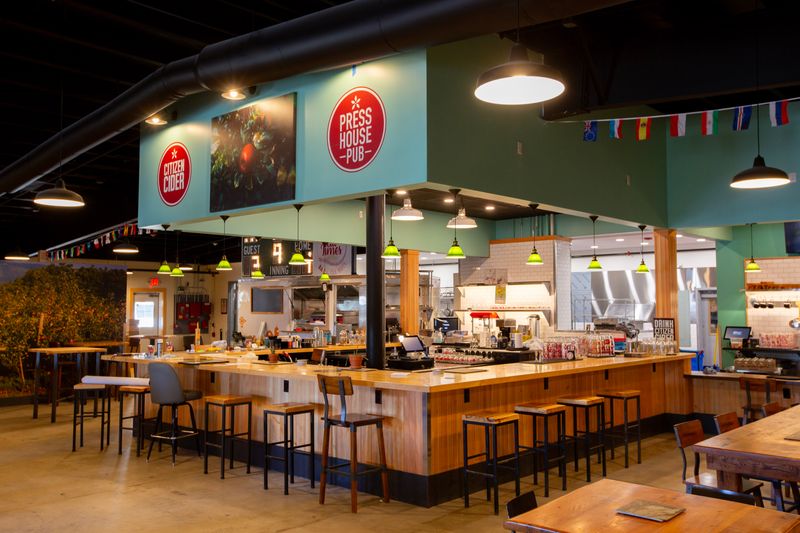
The line outside a favorite Vermont restaurant can curl past two storefronts as families huddle under awnings and watch breath clouds drift away.
Locals who usually pop in for a quick bowl of soup find their names stuck behind a long list of visitors with flexible plans.
The chill creeps in as minutes stretch and toes go numb.
Good hosts announce realistic times and encourage reservations across staggered slots to avoid bursts that overwhelm tiny kitchens.
Warm vestibules with benches save energy and help guests last until their table is ready without clogging the sidewalk.
Clear waitlist texts prevent clustering at the door and keep the path open for passersby.
You can plan ahead by picking earlier dinners or late lunches so the peak window eases for everyone.
A few towns add pop up seating in community halls that offer hot tea and board games while you wait for pings.
This approach lifts the mood and keeps Vermont streets unblocked for plows and pedestrians.
Restaurants appreciate steady flow that lets staff focus on service rather than managing crowd control outside.
Posting capacity and estimated turnover times reduces frustration and sets fair expectations during special weekends.
Friendly signage that points to alternative spots nearby spreads the love and trims queues without pressure.
With thoughtful pacing and warm shelters, the holiday dinner rush feels neighborly rather than nerve rattling.
Road wear and plow challenges after big weekends
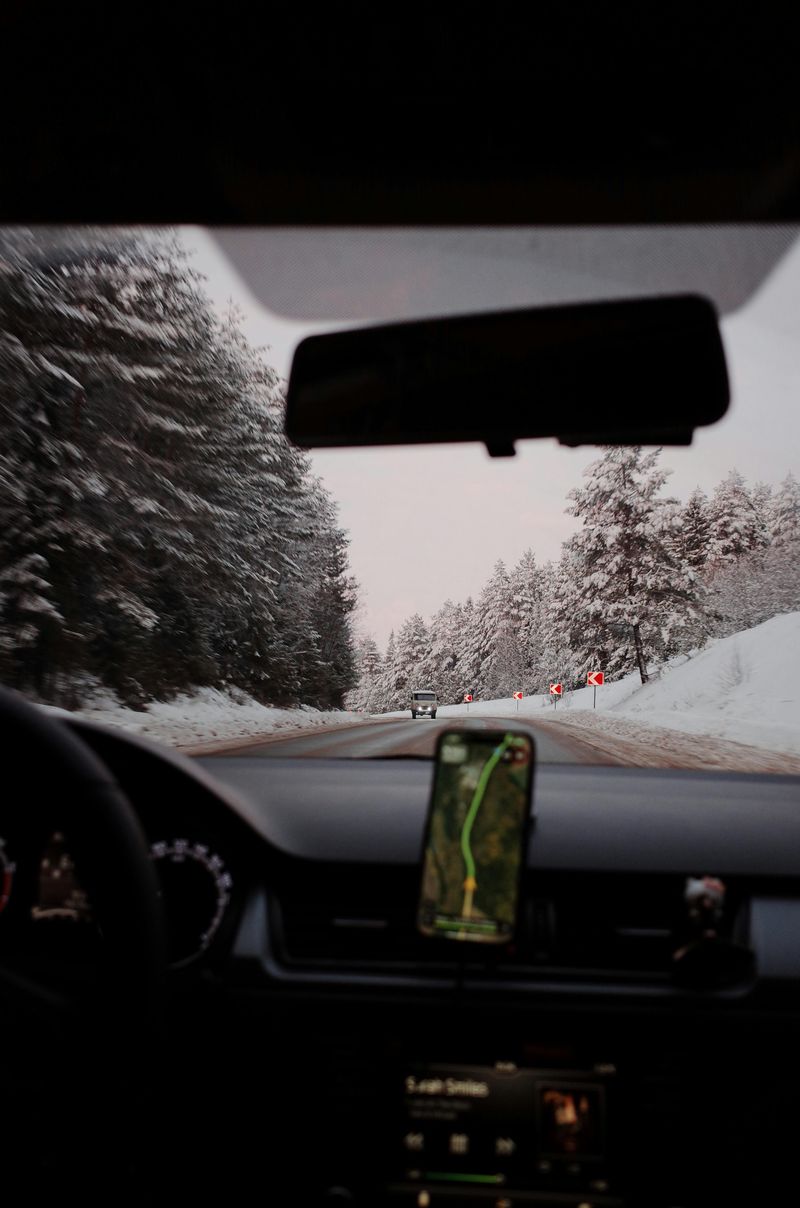
After a packed fair weekend you see the scuffed shoulders and carved ruts where cars sought makeshift spaces that were never meant for parking.
Those small scars add up in Vermont where freeze thaw cycles pry at every edge and widen cracks by morning.
What feels minor on Saturday can become a pothole by Tuesday.
Plow drivers need clean margins to push snow safely, and leftover cones or signs freeze into place and snag blades on early runs.
Narrowed lanes raise risks for school buses and delivery trucks that keep villages humming through winter.
It is not dramatic to say that maintenance capacity defines how cheery the season feels after the lights go out.
Event plans that protect turf with mats and that mark no parking zones clearly can prevent costly spring fixes.
Volunteers who sweep sand piles and retrieve stakes reduce damage and keep waterways clear when thaws arrive.
You can spot the difference when a town posts post event checklists and shares them with vendors before permits are issued.
Vermont budgets are careful, and every saved repair dollar can fund library hours or skating rink lights instead.
Sharing responsibility for the roads is a quiet gift that keeps the holiday glow shining beyond the fair.
When guests respect boundaries and crews have room to work, the village feels cared for long after the carols fade.
Dear Reader: This page may contain affiliate links which may earn a commission if you click through and make a purchase. Our independent journalism is not influenced by any advertiser or commercial initiative unless it is clearly marked as sponsored content. As travel products change, please be sure to reconfirm all details and stay up to date with current events to ensure a safe and successful trip.
