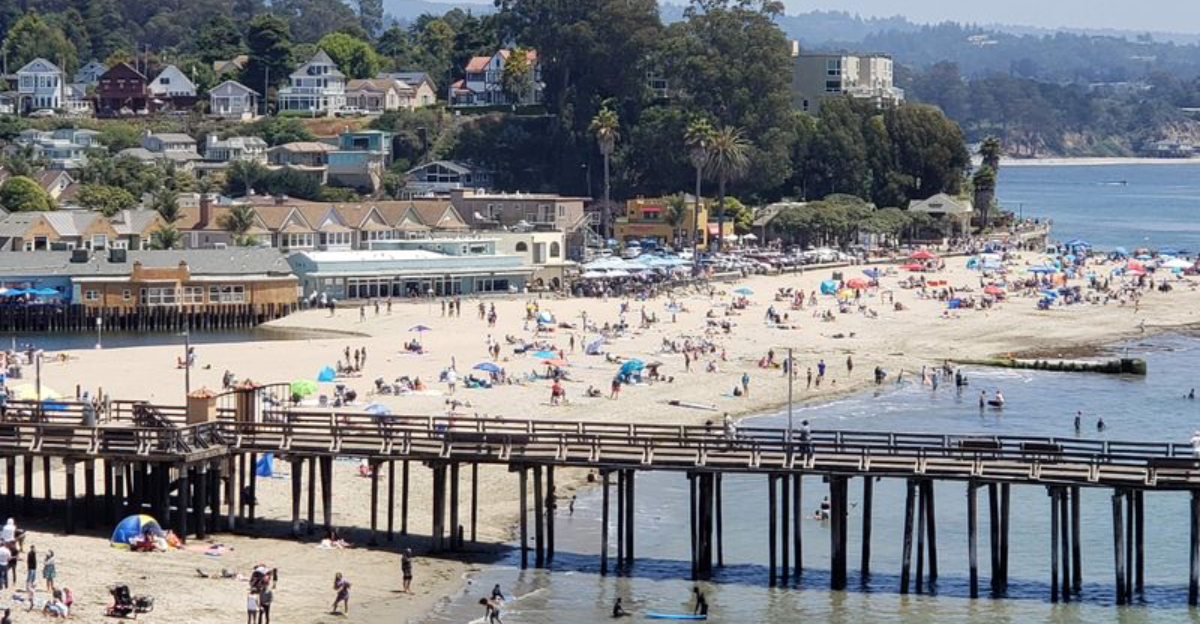
California sells the dream of easy beach days, yet locals quietly plan around the coastline instead of flocking to it.
You will hear it in conversations at coffee counters and trailheads, where people swap surf reports for park maps.
The coast still dazzles, but the logistics often dim the glow.
Keep reading and you will see why longtime residents seek calmer corners while still loving the Pacific.
Parking feels like winning the lottery
California’s beaches built the state’s image, surfboards, sunsets, and endless summer.
But talk to longtime residents, and you’ll hear a quieter truth, many don’t spend nearly as much time by the water as they used to.
It’s not because they’ve stopped loving the coast.
It’s because the experience has changed.
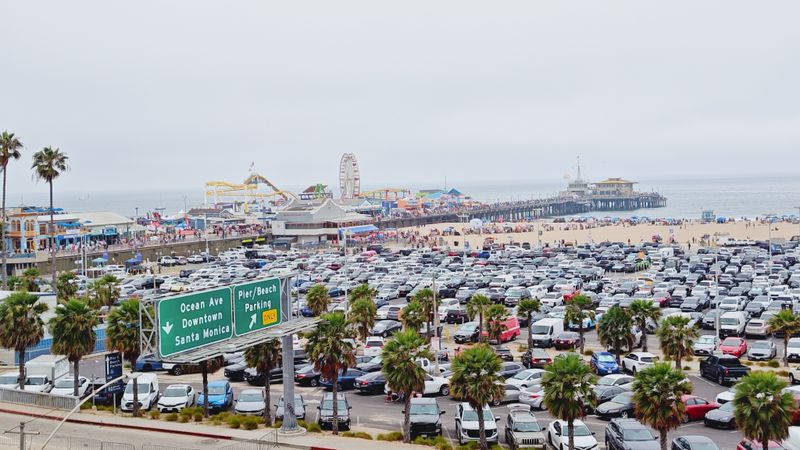
In most coastal cities, free parking near the sand has vanished.
Lots fill by midmorning, and meters run long hours with strict enforcement.
I used to keep a beach bag in the trunk and roll out whenever the sky looked clear.
Now I count blocks, check signs, and track time on an app before I even grab sunscreen.
Locals tell me the hunt for a legal spot sets the tone for the entire outing.
It adds stress before the first step onto the sand.
Neighborhoods near the coast post residential permits that shut out casual visits.
I’ve watched friends loop streets until the mood fades and plans shift inland.
Parking structures sometimes open space, but long lines form at peak hours.
The system works for determined travelers with tight plans, yet it discourages quick trips.
I still go, but I budget time and patience.
If I miss the early window, I often choose a trailhead with open curb space and no timers.
California locals know the drill and adapt with early starts and simple setups.
They still love the ocean, just without the meter stress.
The coast remains magnetic, yet the pregame can feel like a maze.
Beat the rush, or pick inland calm.
Your day will likely feel better.
Crowds stretch for miles
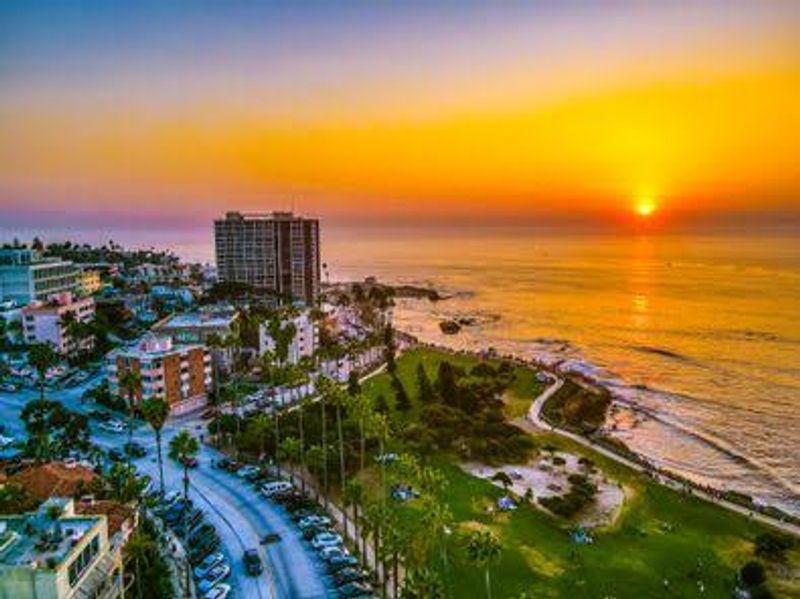
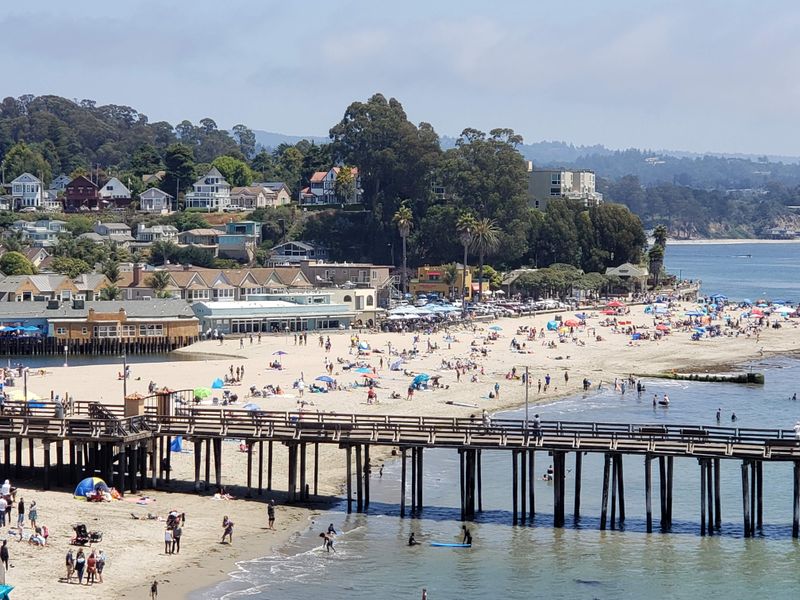
On weekends, popular beaches like Santa Monica, Huntington, and Malibu fill shoulder to shoulder.
I love the energy but not the squeeze.
The walkways buzz with scooters, strollers, and vendors, and every turn becomes a slow shuffle.
By late morning, the sand turns into a patchwork of towels with little breathing room.
Locals know the rhythm and often adjust.
I plan sunrise arrivals or late afternoon dips when the crowds thin and the light softens.
Friends who grew up here talk about quiet pockets that felt easy to claim.
Those pockets still exist, but they sit farther from parking and require more planning.
Coastal commissions maintain access, yet the sheer popularity keeps climbing.
Many choose canyons, community pools, or small coves instead.
If you want space, you need flexible timing and low expectations for solitude.
California still offers big sky moments by the water, just not when everyone else heads there at once.
I scout winds and tides to gauge comfort and crowds.
Calmer mornings make movement easier on the paths.
Midweek strolls give you room to look up and breathe.
California rewards patience when the forecast is perfect.
The crowd curve spikes fast, then eases late.
Arrive early, wander far, and keep expectations light.
The result usually feels more relaxed.
Your towel will thank you for the extra space.
So will your mood by sunset.
Tourism pushed prices up
From café menus to short stays, beach communities grew expensive.
I feel it most during simple errands near the coast.
A snack and a drink multiply into a full tab.
Longtime neighbors tell me they plan around that cost by bringing food from home or skipping the stop entirely.
Tourism supports jobs and keeps boardwalks lively, and I appreciate that reality.
Yet the day adds up when even small treats feel steep.
I still budget for a coastal coffee because the scene charms me, but I won’t hang around without a plan.
Friends who live nearby say they head inland for errands and save seaside visits for special moments.
That shift keeps the beach from being the default backdrop.
California draws visitors year round, and businesses price for demand.
Locals adapt with thermoses, picnic baskets, and quick exits.
The coastline remains worth it, but it no longer feels casual on the wallet.
I map errands away from the water to keep costs predictable.
Window shopping scratches the itch for coastal scenery.
Public plazas give you a seat without a tab.
California knows how to stage a pretty street.
The trick is savoring the scene without overspending.
Bring layers, linger briefly, and move on when you are done.
Your budget will travel farther that way.
The ocean looks the same whether you buy anything or not.
It is fine to admire and keep walking.
Your day stays lighter when the bill does too.
Traffic steals the joy of the trip
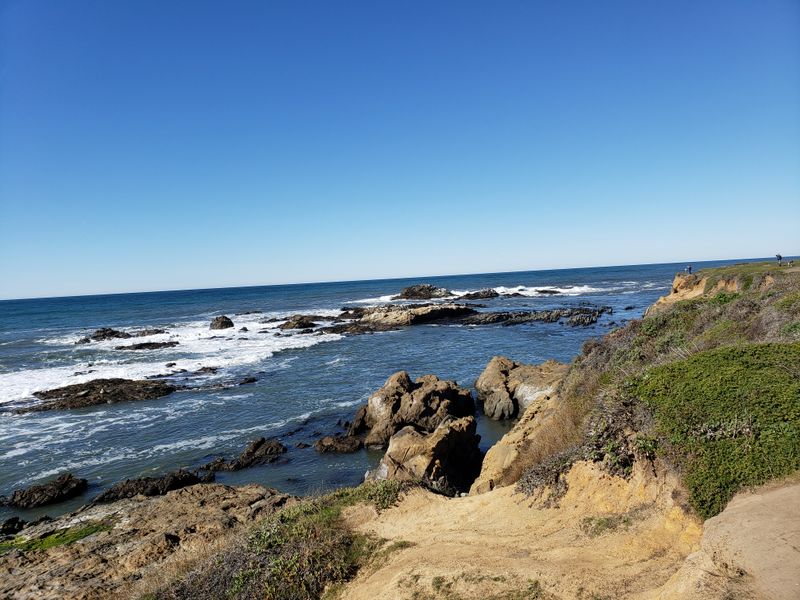
Highways like Pacific Coast Highway or Interstate 5 slow to a crawl on warm weekends.
I’ve seen a quick hop to the water double in length once brake lights appear.
Locals who once dipped out after work now check traffic maps before committing.
If the red lines cover half the route, we pivot to a neighborhood park.
I try to ride a bike when a safe path exists, or I take a bus if the schedule lines up.
That move reduces stress and usually lands me close to the boardwalk.
Still, not every beach sits near transit, and some routes require transfers that stretch the day.
Timing helps, but real relief comes off peak or on weekdays.
I also pair beach time with nearby errands to make the drive feel worthwhile.
California gives scenic drives, yet gridlock dulls the sparkle.
The ocean doesn’t change, but the path to it shapes the mood.
Patience matters more than ever when the forecast hits perfect.
I check live cams to gauge crowds near lots and ramps.
Flexible timing keeps the day lighter on nerves.
California rewards early birds when lanes stay open.
Late exits beat the worst return crush.
Think windows, not fixed hours, and you will breathe easier.
Leave margin for detours in case a lane closure pops up.
Park once, then walk or ride where possible.
Your future self will appreciate the calm.
The coast feels better when the approach cooperates.
That lesson repeats all season.
The water isn’t always clean
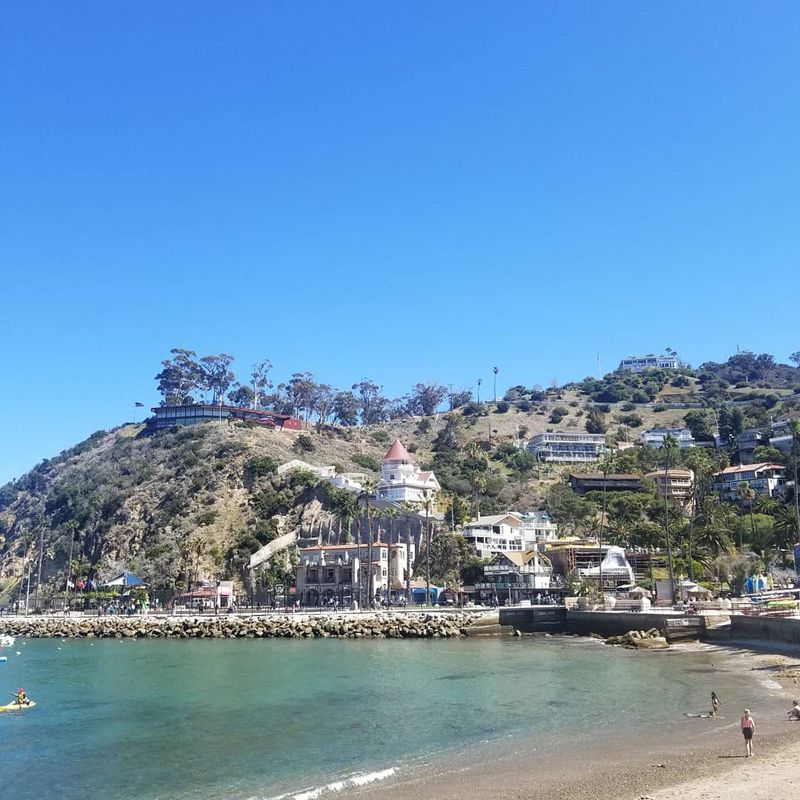
Storm runoff and urban pollution sometimes lead to warnings that keep swimmers out.
I check county health pages before paddling out, especially after rain.
In July 2025, Los Angeles County issued advisories at spots like Avalon Beach at Catalina Island and Mother’s Beach in Marina del Rey due to elevated bacteria.
Those notices help people make smart choices, so I plan around them.
When I see a caution, I swap surfing for a pier walk or a sandy jog.
I also favor beaches with consistent testing and clear postings.
Water quality varies by cove, swell, and recent weather.
Local newsletters, Heal the Bay reports, and county updates paint a useful picture.
I still swim on clear days with good scores and calm conditions.
The key sits in timing and information.
California cares about public health at the shore, and the alerts reflect that effort.
Paying attention keeps my ocean days safe and enjoyable.
I look for posted placards near lifeguard towers before I wade in.
After heavy rain, I usually wait for clearer readings.
Harbor areas need extra caution due to low circulation.
California’s coastal agencies keep updates moving quickly.
That speed helps families plan safer beach time.
A good score means a green light for a refreshing dip.
When the score dips, a promenade stroll scratches the itch.
The ocean will be there tomorrow with better odds.
Smart timing beats stubborn plans every time.
Your lungs and skin will thank you.
Rules keep piling up
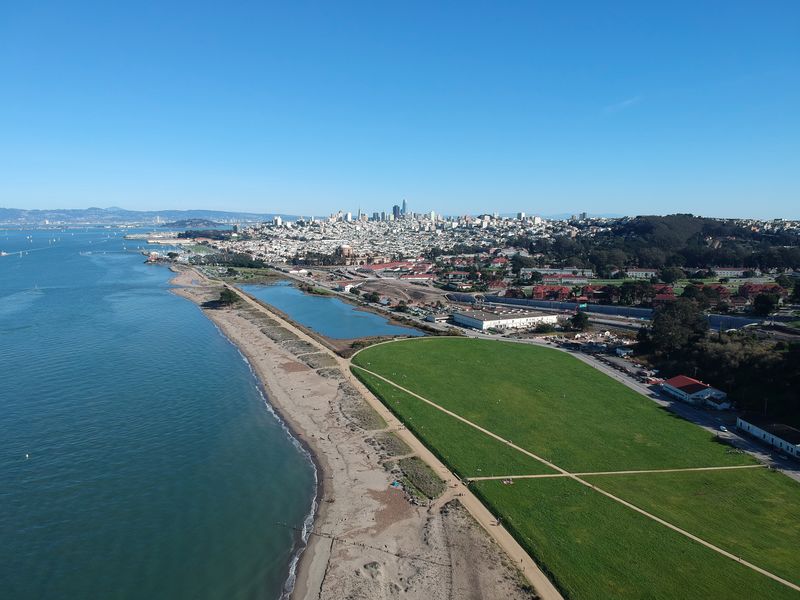
No fires outside rings, no dogs during certain hours, no drones, and limited hours for volleyball nets.
The rules grew to protect people and habitats.
I respect that purpose and still feel the friction when I plan a casual outing.
A last minute cookout becomes a checklist of permits and zones.
I handle it by reading signs and checking park websites before leaving home.
Clear expectations make the day smoother.
Some beaches offer excellent facilities with marked areas and helpful rangers.
Others enforce tight restrictions due to wildlife or neighborhood concerns.
If I want spontaneity, I bring simple gear and low expectations.
When I want a full setup, I reserve in advance.
California balances recreation with conservation, and that balance changes by location.
Understanding the ground rules preserves the experience.
It also nudges locals to quieter places where logistics stay simple.
I scan bulletin boards at entrances for seasonal notes.
Protected species areas deserve wide berth and patience.
Respect yields better moments for everyone on the sand.
California signage is improving and worth your time.
A quick read can save a fine and a headache.
Lean gear keeps movement easy between zones.
Your day opens up when rules feel clear.
That clarity turns limits into smooth planning.
The beach becomes simpler again.
Erosion and rising tides changed favorite spots
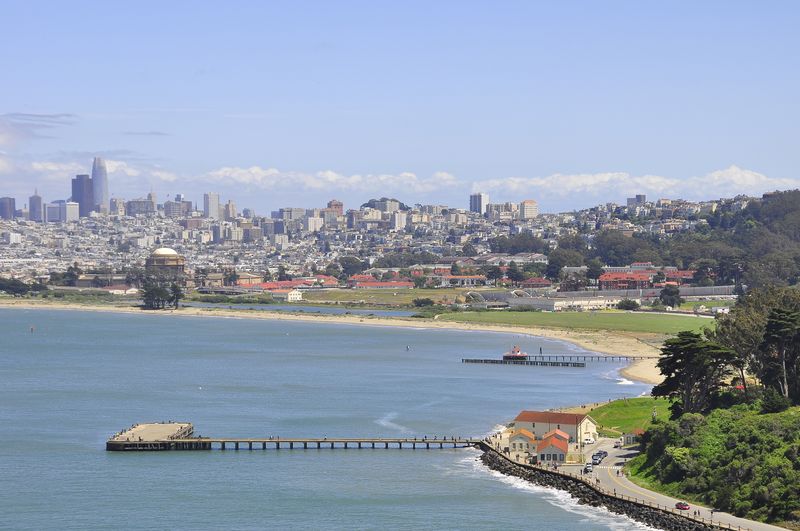
Several stretches of coastline lost sand or access due to erosion.
I’ve returned to stairways that now sit closed or half buried.
Friends point to old hangouts that feel smaller every season.
Goleta Beach near Santa Barbara shows this clearly with long term erosion that reduced recreational space.
Rising seas and stronger storms also reshape shorelines across the state.
I’ve learned to check local updates before setting a plan, especially after winter swells.
Some communities replenish sand or rebuild access points, but projects take time and money.
When I find a healthy beach, I savor it and pack out every bit of trash.
The changing coast doesn’t erase the joy of a calm morning, yet it asks for patience and flexibility.
California’s beaches remain beautiful, but they evolve.
That reality pushes locals to explore new coves, piers, and trails while honoring what the ocean takes and gives.
Adaptation becomes part of the ritual for regulars.
I look for posted closures and marked detours at bluff edges.
Seasonal tides can hide hazards under calm surface water.
Local agencies update notices when access shifts again.
California’s shoreline will keep changing with the seasons.
Prepared visitors adjust plans and still enjoy the view.
The goal is to move gently through fragile places.
Small steps can protect walkways and nesting zones.
That care keeps options open for next year.
The ocean remains generous when treated with respect.
Everyone wins when patience leads.
Tourist behavior wears thin
Most visitors act respectfully, but small lapses add up.
I’ve picked up wrappers near storm drains and sidestepped sand left in doorways.
Loud music travels far on a breezy afternoon.
A few blocked driveways can frustrate an entire block.
Community groups run cleanups and education campaigns, and many tourists join in.
I bring extra bags and model the behavior I want to see.
When people feel welcome and informed, they usually help keep the place tidy.
Clear signage and easy to find bins make a difference.
If a spot starts to feel noisy, I move along the coast or choose a cove with limited access.
Courtesy keeps the shared space pleasant.
California’s coastline hosts everyone, and small habits shape the experience.
Locals step back when the vibe slips, yet a thoughtful crowd can turn the day around fast.
I look for posted quiet hours on piers and promenades.
Shared spaces work best when expectations feel obvious.
California cities are improving sign design for clarity.
That helps newcomers blend in without guessing norms.
It keeps daily life calmer for nearby residents.
Simple choices protect the welcome mat for everyone.
Pack out trash, keep volume low, and read the signs.
The result feels instantly better on a crowded day.
Small actions scale quickly in busy places.
Your steps set the tone.
Other escapes feel calmer
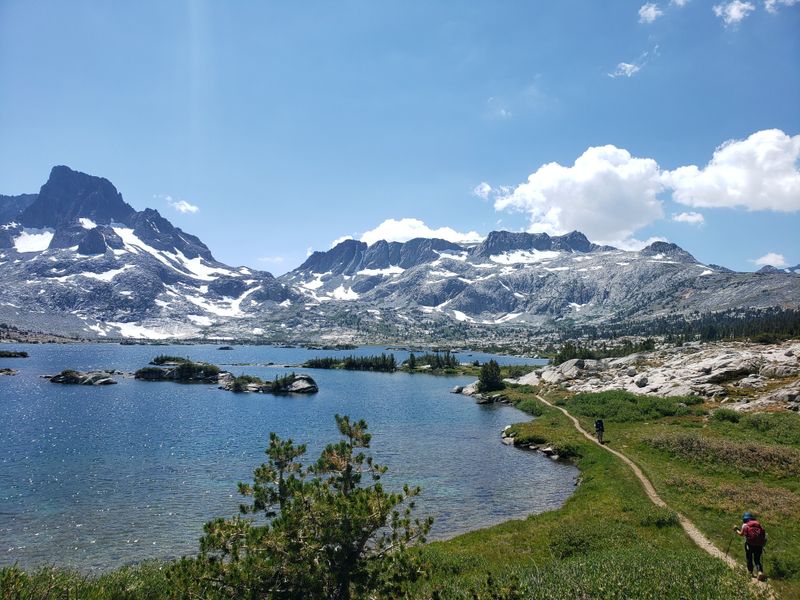
California offers mountains, desert trails, and lakes within a short drive.
I often trade a beach blanket for a ridge walk in Topanga or a shaded loop near Big Bear.
Trails give me space to breathe without fighting traffic or crowds.
Parking at trailheads can fill, but it usually turns over fast and stays straightforward.
I also love low key lakeside beaches with mellow water and quiet shorelines.
They lack surf but give an easy swim and a picnic ready vibe.
Friends who surf still chase swells, while the rest of us mix it up with forest routes and alpine views.
Variety keeps weekends fresh and cuts the stress of coastal planning.
I return to the ocean when conditions and timing line up.
The inland options help me wait for those perfect windows.
California rewards flexibility, and locals know how to read the seasons.
That knack turns planning into a simple checklist instead of a gamble.
I bring layers and plenty of water for higher elevation walks.
Trail maps at kiosks make route choices easy.
Shade breaks keep the pace comfortable on warm days.
California’s inland scenery stands up to the coast beautifully.
The trade gives a calmer day with fewer variables.
Pick a loop, park once, and settle into the rhythm.
Your shoulders drop within minutes of silence.
The beach will still be there tomorrow.
Balance keeps the love for the ocean strong.
Choice is the true luxury here.
The magic’s still there, just on weekdays
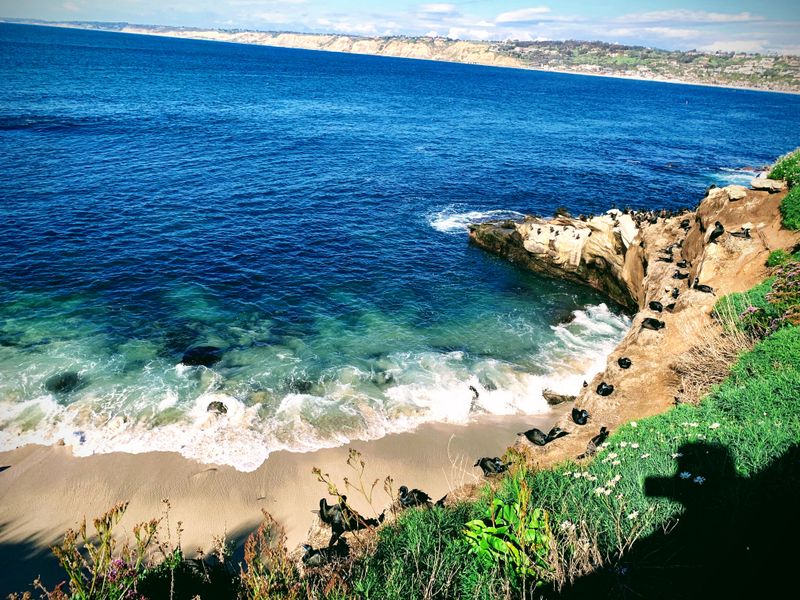
Those who still go say the trick is timing.
Early mornings or midweek afternoons bring back the old calm.
I watch fog lift while surfers paddle out and footprints fade behind me.
The beach feels personal again, and the day starts clean.
Weekday visits also pair well with remote work or a flexible schedule.
I block a short window, pack light, and move with the tide.
Parking gets easier, and lifeguard towers hum without the weekend rush.
I chat with anglers at the pier and learn about conditions.
Health advisories stay part of my routine, and I check them before I swim.
The coast still gives what I came for, a horizon, a breeze, and a reset.
California hasn’t lost the magic.
Locals simply learned to find it when the world isn’t watching.
I aim for windows between school runs and lunch hours.
Light traffic smooths the edges of the plan.
Shadows soften the landscape and make photos glow.
California shines brightest with space to breathe.
A quiet weekday can restore your affection for the shore.
You step lighter when fewer feet share the path.
The ocean sounds louder without the crowd.
Small rituals, like a short walk, deepen the moment.
Try one midweek and notice the difference.
Your week may feel newly balanced.
Dear Reader: This page may contain affiliate links which may earn a commission if you click through and make a purchase. Our independent journalism is not influenced by any advertiser or commercial initiative unless it is clearly marked as sponsored content. As travel products change, please be sure to reconfirm all details and stay up to date with current events to ensure a safe and successful trip.
