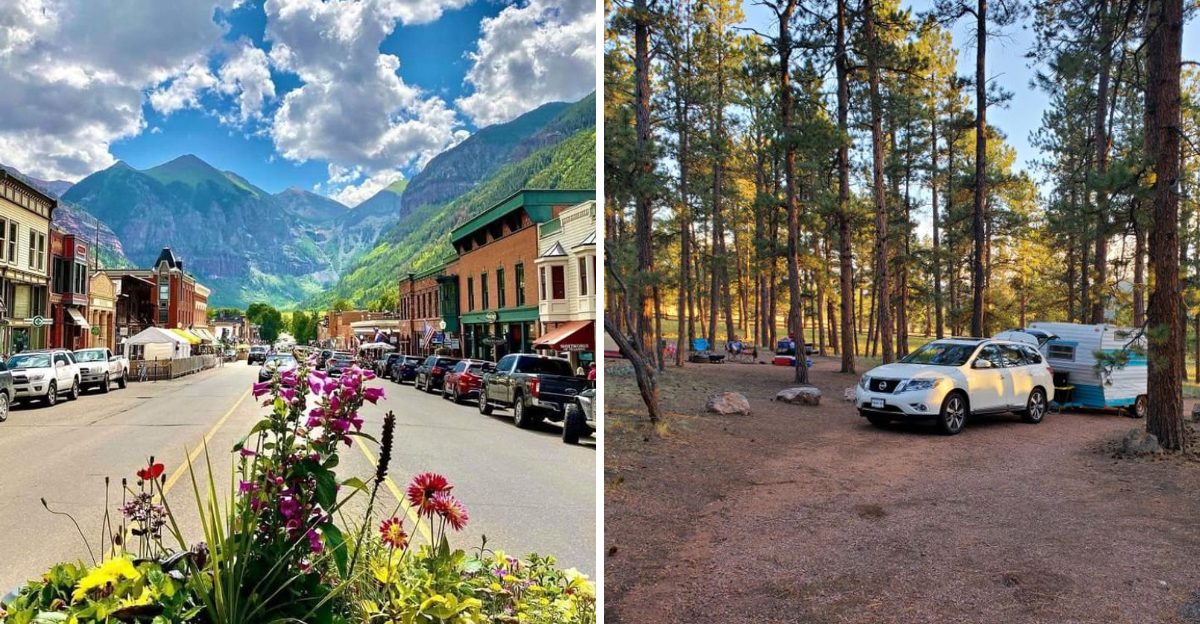
Colorado looks like a giant playground, yet the rules that protect its peaks and parks can trip up even seasoned travelers.
You might think a harmless shortcut or a quick photo stop is no big deal, but that choice could cross a legal line you did not see coming.
This guide breaks down the surprising missteps that lead to tickets, tense talks with rangers, and avoidable fines.
Read on so your memories are bright and your record stays clean across Colorado.
Stay On The Trail Or Risk A Ticket
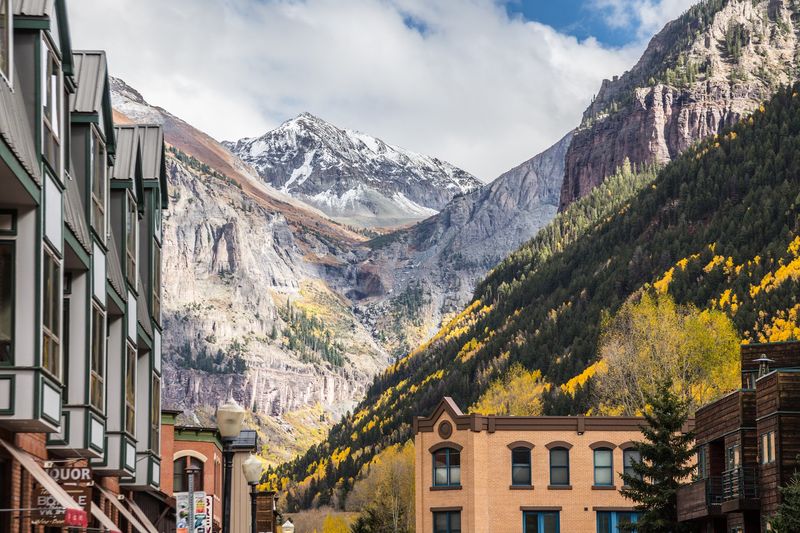
Colorado’s mountains attract millions of visitors every year, but many of them do not realize they are breaking one of the state’s most misunderstood laws, rules that protect fragile environments and public lands.
It is rarely about bad intentions, it is about habits from elsewhere that do not translate to thin alpine soils.
What feels like a harmless detour off a path can be a violation here, and rangers treat it seriously.
The hidden rule is simple, stay on the trail, and understand that a single boot print can widen into a scar.
In Rocky Mountain National Park at 1000 U.S. Highway 36, Estes Park, CO, signs mark tundra zones where stepping off is illegal.
Golden Gate Canyon State Park at 92 Crawford Gulch Road, Golden, CO, posts closures on meadows and switchbacks.
City open spaces across Colorado add ropes, maps, and clear markers to guide your steps.
When you meet puddles, walk through or rock hop on durable surfaces rather than cutting corners.
If you need to pass, wait for a firm spot or bedrock, and avoid social trails so they can fade back to green.
Rangers start with education, then escalate when warnings fail, especially during peak visitation.
I keep poles for balance, slow my pace, and remind friends that tundra recovery takes years, not weeks.
The view stays grand from the path, and the ground survives for the next traveler who loves Colorado.
Wildflower Picking Is Not Souvenir Shopping
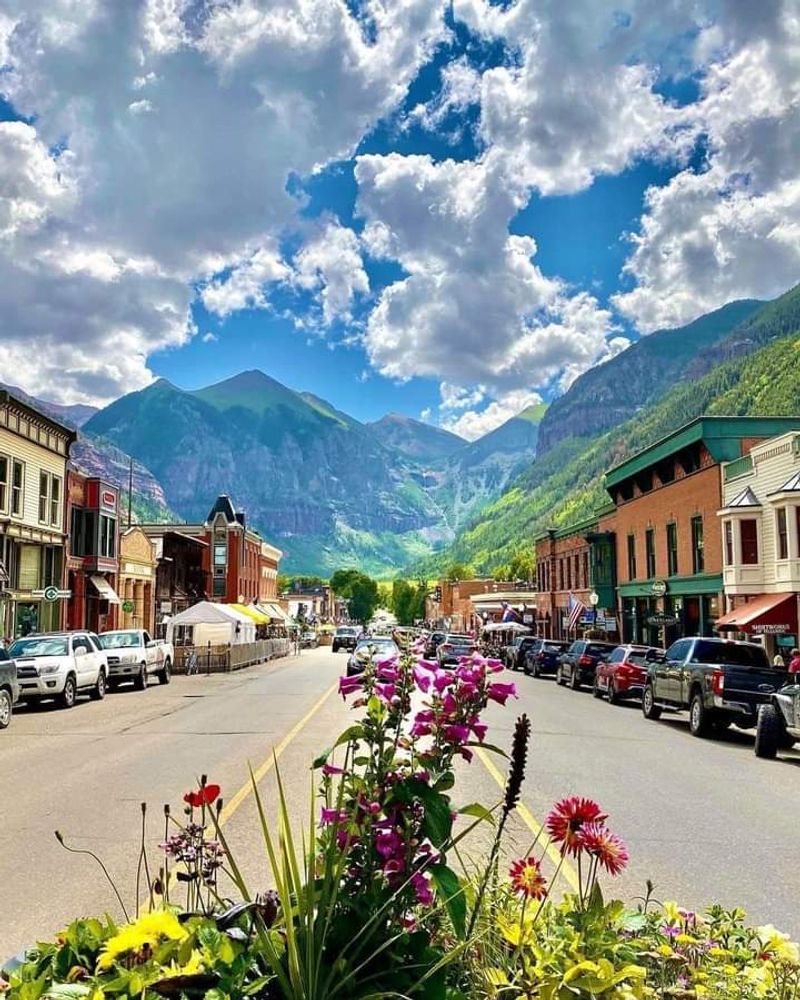
Colorado meadows look like open bouquets, yet removing flowers counts as destruction of natural resources across many protected areas.
Visitors often bend for one stem, only to learn that taking any bloom harms pollinators and seed cycles.
The rule exists to keep alpine meadows intact and viable for future seasons.
Rocky Mountain National Park at 1000 U.S. Highway 36, Estes Park, CO, and state parks across Colorado ban collection of plants.
Open space programs near Denver and Boulder post signs reminding hikers to take only photos.
A close shot with a zoom lens beats a plucked souvenir and keeps bees and butterflies fed.
Guides model good habits, pointing out rare species while keeping hands off the petals and stems.
Fines back the science, and rangers do enforce when people ignore repeated reminders on busy trails.
I carry a small reflector to brighten colors without touching delicate blooms or trampling grass.
Kneel on durable surfaces like rock, frame the meadow, and let the wind give movement to your shot.
Colorado protects plants above timberline and in sensitive valleys, where growth is slow and damage lingers.
You leave with color on a memory card, not a citation in your pocket, and the field remains full for the next hiker.
Shoulder Parking Can Be Illegal And Unsafe
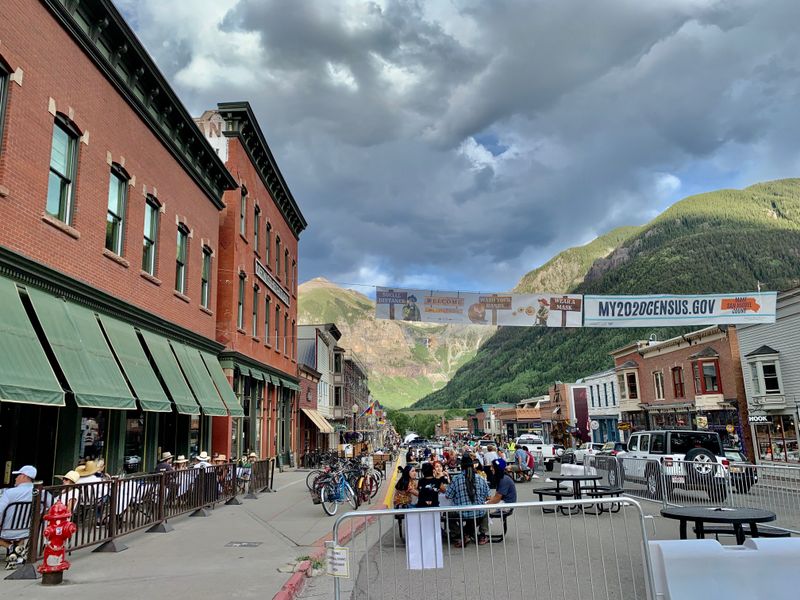
Scenic roads tempt drivers to pull over anywhere, but parking off the shoulder can break Colorado law and damage habitat.
What looks like a harmless grassy strip might be private property, protected willow, or a restoration zone.
Oil drips and tire ruts add up fast along popular corridors.
Trail Ridge Road viewpoints within Rocky Mountain National Park at 1000 U.S. Highway 36, Estes Park, CO, have signed pullouts for safe stops.
Independence Pass near CO 82, Aspen, CO, limits stopping to marked areas for safety and resource protection.
Your map app will not flag closures or habitat rules, so read roadside signs and plan legal viewpoints.
I choose trailheads with overflow options and shuttles, then loop back if lots are full.
It saves time, avoids stress, and keeps me within posted regulations when crowds spike.
A legal parking space beats the risk of a ticket or tow on a narrow mountain curve.
Colorado prioritizes safety along steep grades, where sudden stops create hazards for everyone.
Expect patrols near guardrails and high traffic overlooks during busy seasons throughout the state.
Park where signs allow, step out with care, and enjoy the panorama without a citation shadowing the moment.
Drone Flights Are Banned In Most Parks
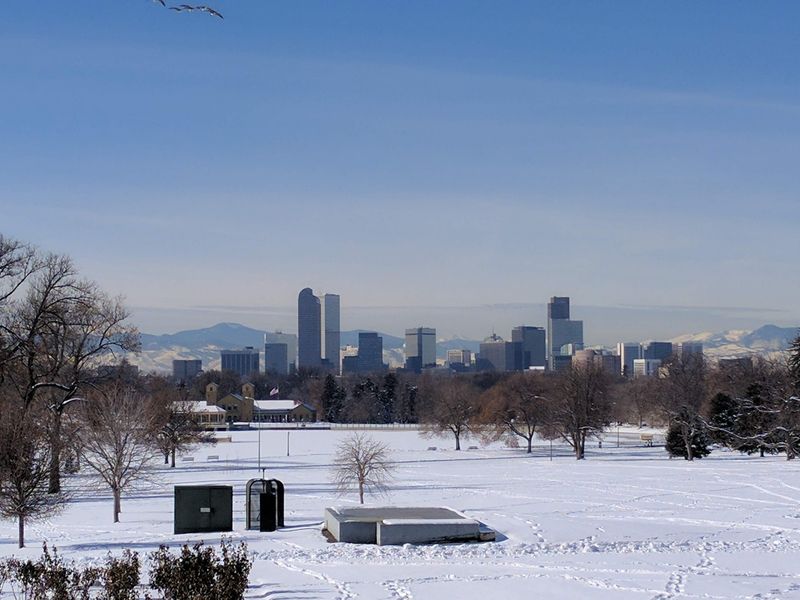
Drones promise sweeping mountain footage, yet Colorado bans them in national parks and many state and city open spaces.
Launches often end fast when staff remind pilots of the posted rules protecting wildlife and visitors.
Noise and disturbance can disrupt raptors, bighorn sheep, and search and rescue operations.
Rocky Mountain National Park at 1000 U.S. Highway 36, Estes Park, CO, enforces a blanket prohibition on unmanned aircraft.
City of Boulder Open Space and Mountain Parks at 2520 55th Street, Boulder, CO, restricts flights without specific authorization.
State Wildlife Areas across Colorado add seasonal closures that apps do not always show.
I check official web pages before packing a drone and bring binoculars for quiet long views.
That swap keeps me legal while still enjoying wildlife from a respectful distance.
If aerial images are essential, seek designated areas on lands that allow flights away from closures.
Ask rangers to confirm boundaries, and verify any temporary order that might appear after storms.
Colorado’s varied jurisdictions require a careful read of local signs at each trailhead.
Follow the posted symbols, keep the air calm, and let the mountains speak without a buzz overhead.
Camp Only Where Camping Is Allowed
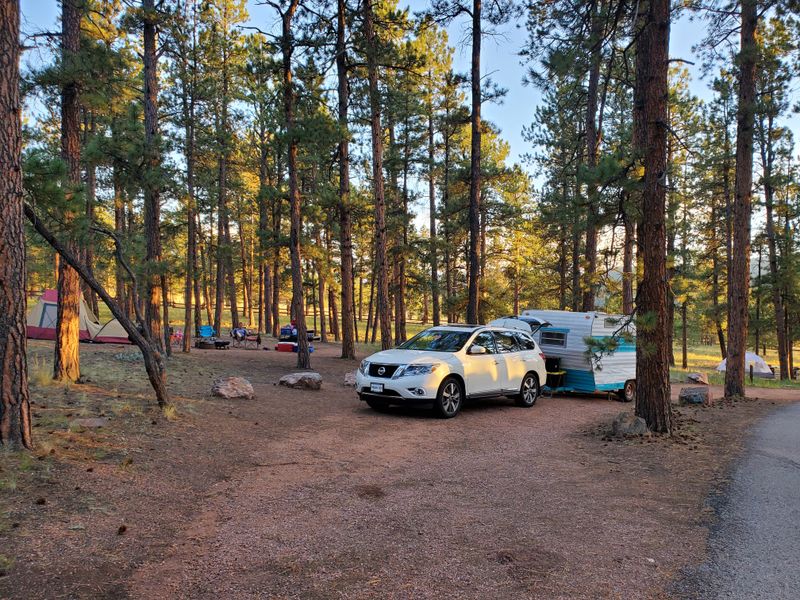
Dispersed camping sounds like go anywhere, yet in Colorado it only applies to specific corridors and signed sites.
Tents pushed into meadows or next to wetlands break rules that protect water quality and plants.
Legal spots are marked, mapped, and designed to concentrate impact on durable ground.
White River National Forest Supervisor’s Office at 900 Grand Avenue, Glenwood Springs, CO, provides district maps for designated sites.
Pike National Forest Ranger Stations across Colorado post current orders and seasonal fire restrictions.
Distance rules from water and trails still apply, and new fire rings are not allowed.
I choose gravel pads with existing rings and carry a stove when restrictions tighten.
Quiet hours and group limits keep the forest calm for everyone after sunset.
Print the latest maps or download them for offline use before you head into dead zones.
Rangers cite campers who ignore closures, rip vegetation, or park outside posted boundaries.
Colorado keeps more places open when campers stick to the system that spreads use fairly.
Plan ahead, arrive early, and let the landscape rest while you rest within the lines.
Never Feed Wildlife, It Is Illegal
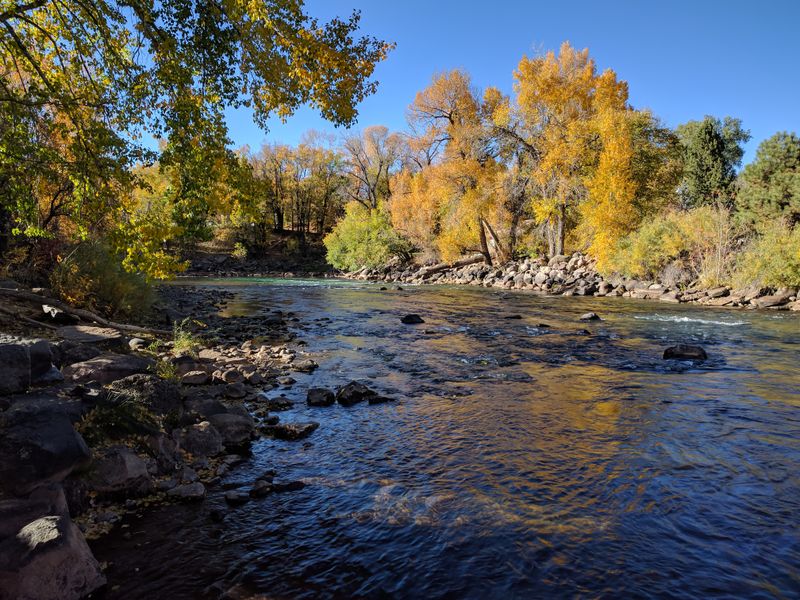
Handing snacks to chipmunks, deer, or elk may feel friendly, but feeding wildlife is treated as harassment in much of Colorado.
Animals learn to approach people and roads, which leads to bites and collisions that nobody wants.
Rangers patrol busy overlooks and picnic areas where habits are harder to break.
Estes Park Visitor Center at 500 Big Thompson Avenue, Estes Park, CO, shares guidance on viewing from a safe distance.
Red Rocks Park and Amphitheatre at 18300 W Alameda Parkway, Morrison, CO, posts clear no feeding signs on popular trails.
Open spaces and county parks extend similar rules to protect animals and visitors.
I keep food sealed, store snacks in the car, and use a long lens for close images.
That approach keeps wild behavior wild and reduces conflict in campgrounds and parking lots.
Teach kids the crumb free rule, and make watching rather than interacting the reward.
If an animal approaches, step back, secure food, and give it room to pass.
Colorado’s wildlife thrives when people enjoy the view without offering a bite.
Bring patience, keep space, and you will leave with better photos and a clean record.
Leave Rocks, Cones, And Antlers Where They Lie
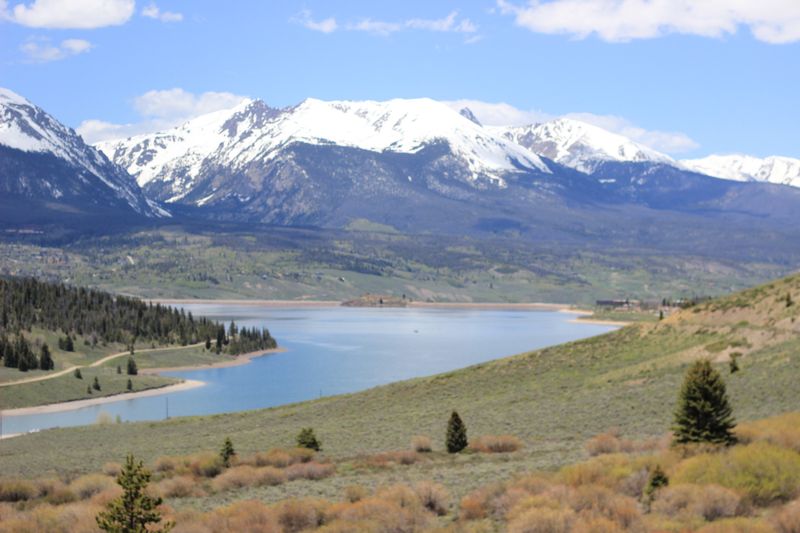
Pocketing a shiny rock, a pinecone, or a shed antler might feel harmless, but removal of natural materials is prohibited in many Colorado parks.
Those items anchor soil, feed rodents, and mark fragile routes that visitors need to navigate safely.
Taking them adds up across busy seasons, leaving less for ecosystems and education.
Colorado Parks and Wildlife Headquarters at 6060 Broadway, Denver, CO, outlines park rules on resource protection.
Mesa Verde National Park at 35853 Road H, Mancos, CO, enforces strict bans on collecting within its boundaries.
BLM and national forests allow limited casual collection in some zones, with clear exceptions and posted closures.
I skip pocket keepsakes, shoot detail photos, and log a GPS point to remember the spot.
That habit satisfies curiosity and leaves the landscape intact for future visitors.
Antlers return minerals to the soil, and cones feed wildlife through lean months.
Rocks stabilize trails where wind and water tug at the edges.
Colorado stays richer when treasures remain part of the scene that drew you there.
Take memories, share coordinates, and let the land keep the pieces that make it whole.
Smoking Restrictions Protect Dry Seasons
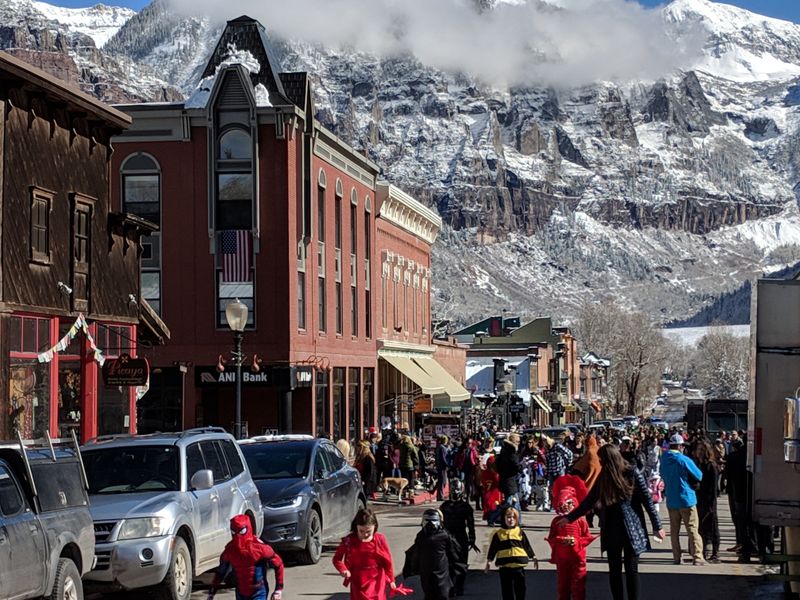
Outdoor smoking rules in Colorado reach beyond buildings, and during fire season they often ban smoking at trailheads and parking areas.
A single ember can start a chain of calls and an aircraft response in dry grass.
County fire restrictions shift with weather and are posted at kiosks and online.
Jefferson County Open Space Headquarters at 700 Jefferson County Parkway, Golden, CO, updates stage orders for popular foothill trails.
San Juan National Forest Supervisor’s Office at 15 Burnett Court, Durango, CO, posts current limits on flames and smoking.
Smoking outside an enclosed vehicle may be prohibited when restrictions are active.
I check county pages each morning on road trips and carry a tin for cold ashes from my stove.
That routine prevents sparks and keeps me aligned with the latest orders.
When in doubt, ask at a ranger station or read the signboard at the lot.
Enforcement increases when winds rise and humidity drops across Colorado.
The goal is open trails, clear skies, and quiet radios for firefighting crews.
Hold the line with care, and the forests will be there when you return.
Respect Seasonal Road And Trail Closures
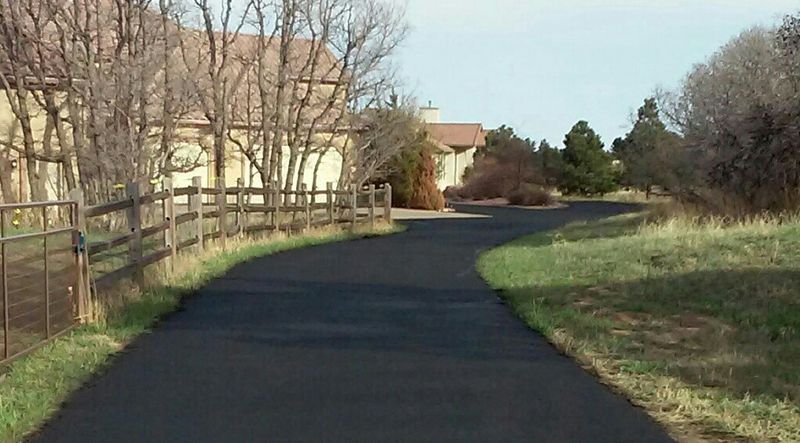
Seasonal closures look like suggestions to some drivers, yet in Colorado they are legal orders that protect soft roads and wildlife.
Bypassing a gate or following faint tracks into a meadow can earn a ticket and leave deep ruts.
Those ruts channel water and lengthen the damage long after snow melt.
Arapaho and Roosevelt National Forests Office at 2150 Centre Avenue, Fort Collins, CO, publishes Motor Vehicle Use Maps for each district.
Grand Mesa, Uncompahgre and Gunnison National Forests at 2250 South Main Street, Delta, CO, post storm related extensions to closures.
Apps can lag, so cross check maps and signs before turning a wheel.
I download current PDFs, verify gate status at trailheads, and carry alternate plans.
When a gate is shut, I turn around and choose an open loop that fits conditions.
Rangers cite for creating new routes or skirting berms beside closures.
Recovery crews spend weeks fixing the scars that a quick shortcut creates.
Colorado keeps more terrain available when we give soft soils time to heal.
Respect the sign, enjoy the drive, and let the backcountry stay resilient.
Aspen’s Snowball Ordinance Catches Visitors Off Guard
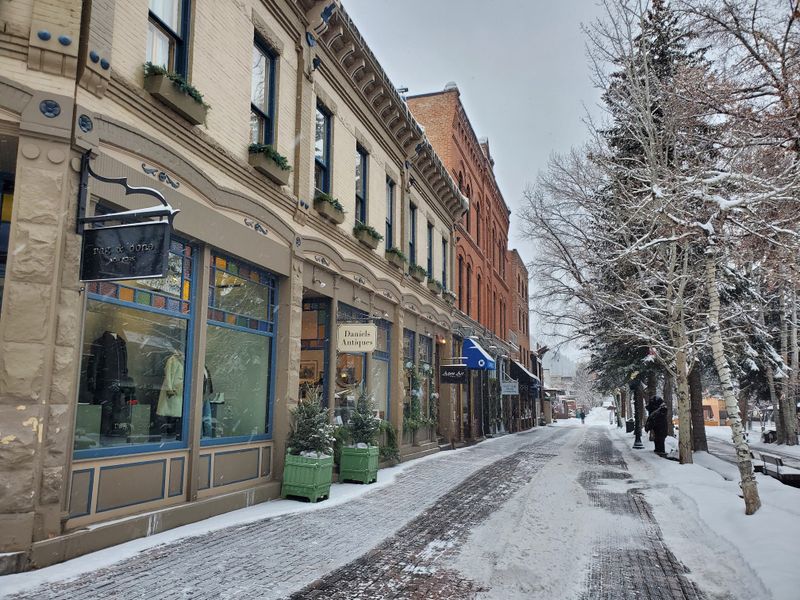
Not every surprise hides in the backcountry, because Aspen outlaws throwing snowballs and similar projectiles in public places.
Playful tosses on busy streets can risk injuries or property damage when sidewalks fill with people.
Police educate first, then enforce when games spill into crowded blocks.
City of Aspen offices at 130 South Galena Street, Aspen, CO, publish municipal codes that include the projectile rule.
Winter brings more pedestrians, so reminders appear when storms drop fresh snow downtown.
The ordinance covers objects that could hit buildings, cars, or passersby.
Keep snow play to designated areas or private yards with permission from owners.
If you want a winter photo, scoop a handful for a close shot rather than a throw.
You still capture the vibe without risking a citation in the plaza.
Other ski towns in Colorado may post similar rules, so scan local codes before street games.
Ask a visitor center staffer where playful scenes fit the law and the setting.
Fun stays fun when it respects the people sharing those mountain streets.
Know Before You Go, Ignorance Is Not A Defense
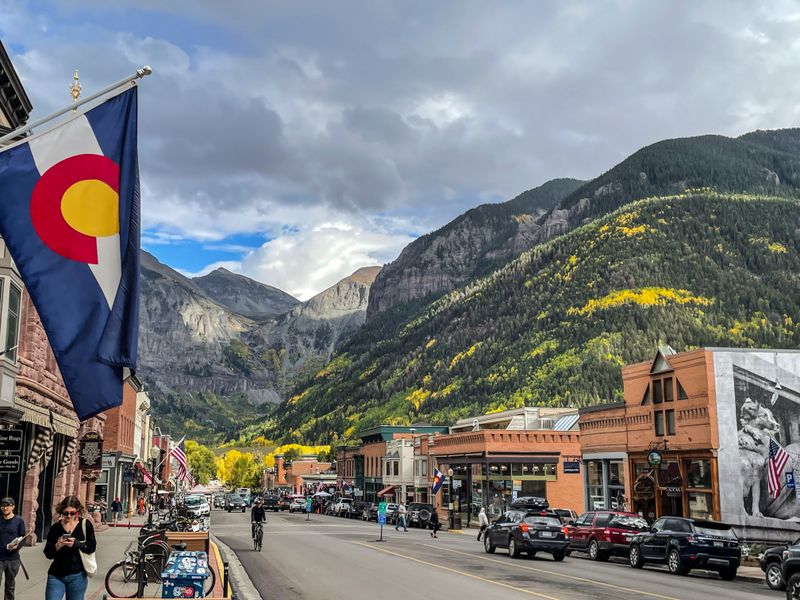
Most rangers prefer to inform rather than ticket, yet growing crowds across Colorado have pushed agencies to enforce more often.
Citations often follow when repeated guidance fails, not because someone wanted a bad day.
The solution is simple, learn the rules before you roam and share them with your group.
Colorado Welcome Center at 1300 Broadway, Denver, CO, offers statewide brochures and current advisories.
Local visitor centers near parks maintain boards with temporary closures and safety notes for trails.
Download offline maps, read district orders, and carry a small kit that fits your plan.
A trash bag, a stove, layers, and patience solve more problems than you expect.
Ask questions at the desk, confirm details at the trailhead, and adjust when signs change.
That mindset keeps you nimble when weather or wildlife shifts priorities.
Colorado rewards prepared travelers with smoother days and fewer unwanted surprises.
Plan ahead, tread lightly, and treat every sign as a friendly nudge that keeps places open.
You will head home with memories, not warnings, and the landscape will thank you.
Dear Reader: This page may contain affiliate links which may earn a commission if you click through and make a purchase. Our independent journalism is not influenced by any advertiser or commercial initiative unless it is clearly marked as sponsored content. As travel products change, please be sure to reconfirm all details and stay up to date with current events to ensure a safe and successful trip.
