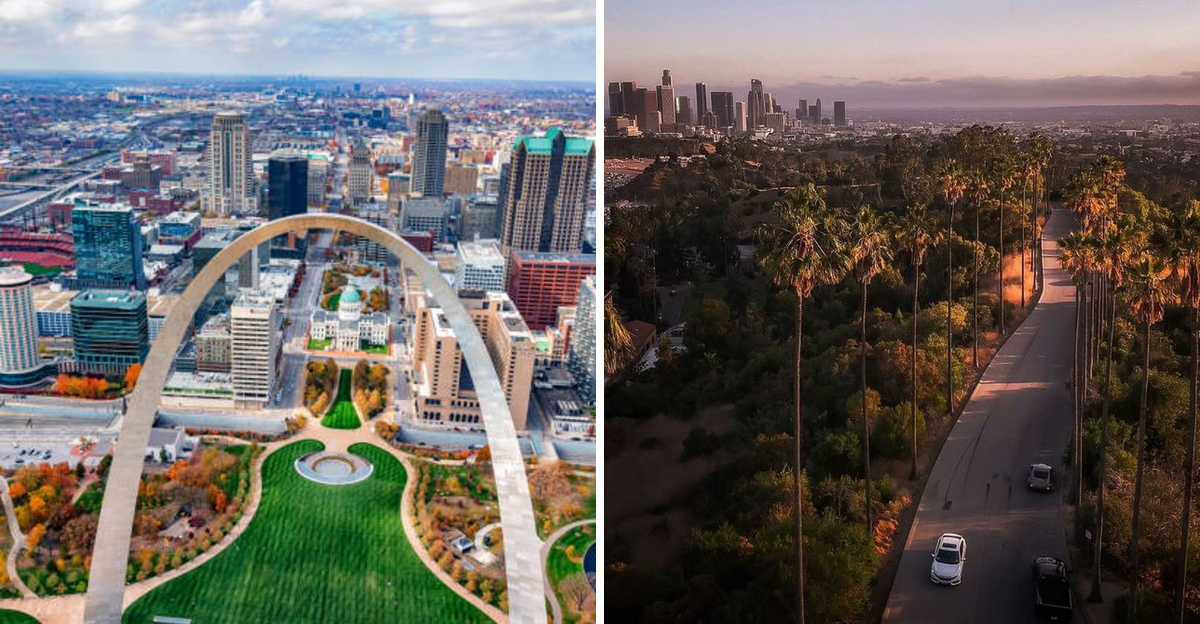
California invites big dreams, then confronts you with details that feel different on the ground.
You expect sun, glamor, and easy days, yet crowds, costs, and logistics can shape the trip more than the views.
You might still love the coastline and parks, but the experience often hinges on timing and planning.
If you want the magic without the whiplash, it helps to know what recent travelers are noticing across the state.
1. Sky High Prices Drain Vacation Budgets
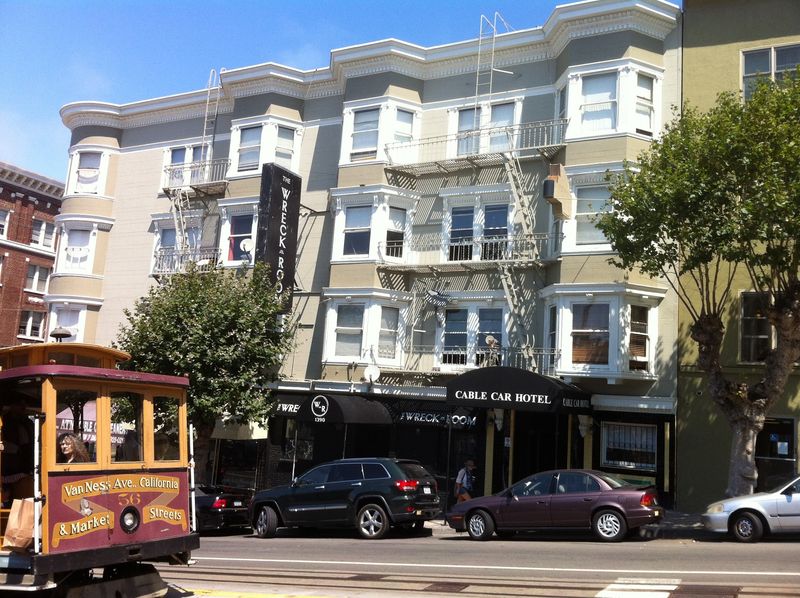
California has long been a dream destination, promising sun soaked beaches, iconic landmarks, and Hollywood glamour.
But lately, more visitors are returning with stories that do not match the Golden State image.
From rising costs to changing city conditions, travelers question whether California still delivers what they expected.
Sticker shock often starts near San Francisco International Airport at 780 S Airport Blvd, San Francisco, CA 94080, and continues into the city center.
Rates climb around Union Square at 333 Post St, San Francisco, CA 94108, where basic rooms can feel like a splurge.
In Los Angeles, accommodations near 6801 Hollywood Blvd, Los Angeles, CA 90028, push budgets before you even add parking.
Parking garages by 325 S Grand Ave, Los Angeles, CA 90071 introduce extra costs that add up quickly over a week.
Resort towns, from Santa Monica at 200 Santa Monica Pier, Santa Monica, CA 90401, to Anaheim near 1313 Disneyland Dr, Anaheim, CA 92802, intensify the pressure.
Visitors compare California with destinations where lodging and transit cost less and value feels higher.
Many travelers report trimming activities, skipping tours, and shortening stays to keep spending in check.
Families juggle tradeoffs, choosing fewer nights near the beach to afford one marquee attraction.
International guests describe currency exchange as an added hurdle when planning city days.
Even road trippers feel the squeeze when urban parking and tolls complicate a carefree itinerary.
California still enchants, yet its prices demand strategy, flexibility, and realistic expectations.
Booking early, staying near transit, and prioritizing neighborhoods can help the experience feel worth the cost.
2. Homelessness Crisis Overshadows Famous Sights
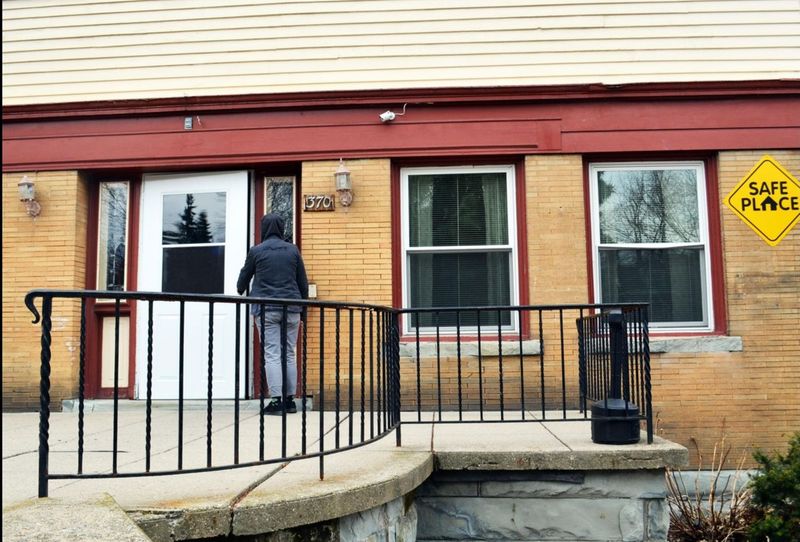
California’s postcard scenes can fade when reality appears steps from top attractions.
Many visitors describe a visible homelessness crisis around well known districts and transit hubs.
The contrast between expectation and daily life creates an emotional jolt that shapes the day.
Around Union Square at 333 Post St, San Francisco, CA 94108, travelers often encounter tents and outreach teams alongside luxury storefronts.
Near Powell Street Station at 899 Market St, San Francisco, CA 94103, the sidewalks tell a different story than brochures.
Families report feeling unprepared to explain complex social issues during a sightseeing walk.
In Los Angeles, the Walk of Fame around 6801 Hollywood Blvd, Los Angeles, CA 90028 can involve difficult encounters.
Visitors also mention conditions near 6200 Hollywood Blvd, Los Angeles, CA 90028, where crowds mix with people in distress.
Tourists are encouraged to stay aware, plan routes, and keep itineraries flexible.
Local organizations and city services work on long term solutions that go beyond tourism.
Travelers who research neighborhoods often feel more comfortable moving between highlights.
Choosing daylight hours and well lit corridors can ease navigation for families.
California remains captivating, yet the human challenges are part of the urban reality.
Seeing both beauty and hardship can be sobering, especially on a short trip.
Balanced planning helps you engage with the city while maintaining a safe, respectful experience.
Expectations grounded in current conditions make the journey feel more honest and manageable.
3. Traffic Gridlock Turns Day Trips Into Ordeals
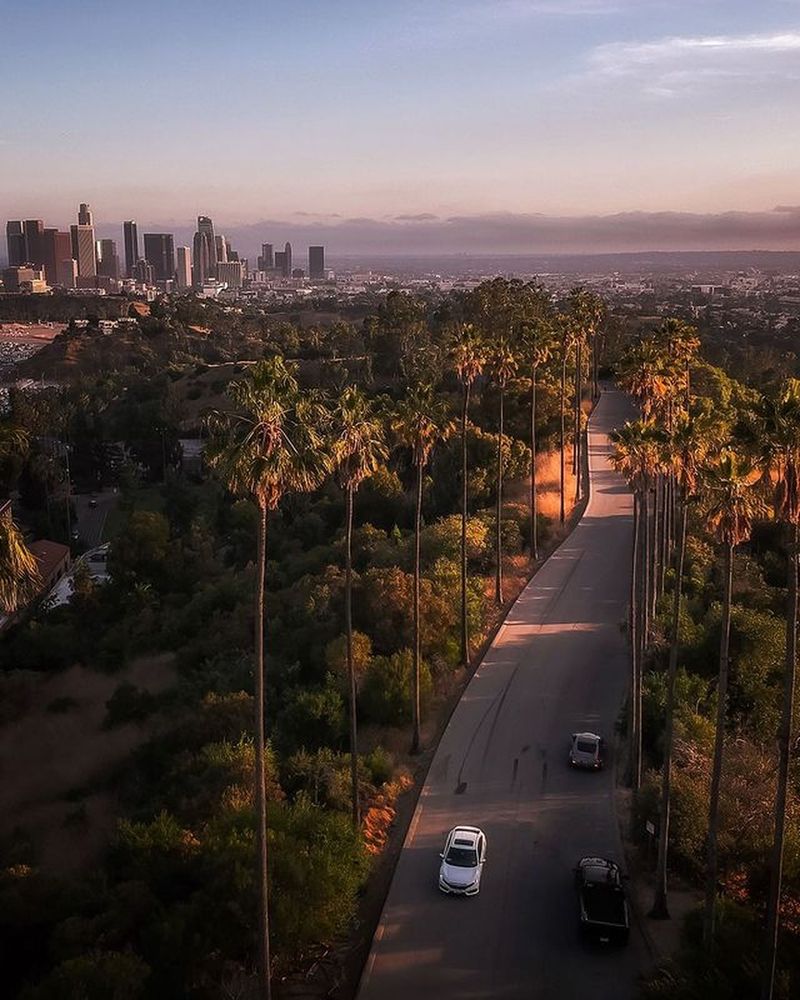
Road trip fantasies meet California traffic, and timing becomes everything.
Visitors find that distance on a map rarely predicts the hours it takes to move.
The gap between plans and reality can swallow a travel day without warning.
Driving near the Hollywood area by 6801 Hollywood Blvd, Los Angeles, CA 90028 often involves crawling speeds.
The stretch toward Santa Monica around 200 Santa Monica Pier, Santa Monica, CA 90401 fills quickly during peak periods.
Southbound routes toward Anaheim near 1313 Disneyland Dr, Anaheim, CA 92802 demand generous buffers.
Even scenic ambitions like Malibu via 23000 Pacific Coast Hwy, Malibu, CA 90265 can stall behind brake lights.
Bay Area excursions from 1 Dr Carlton B Goodlett Pl, San Francisco, CA 94102 to wine country hit weekend bottlenecks.
Public transit helps in specific corridors, though coverage varies by neighborhood.
Parking near major beaches and cultural sites adds more time to the schedule.
Travelers adjust by limiting stops and clustering sights in tight geographic zones.
Starting early, checking live conditions, and committing to fewer moves makes days calmer.
California rewards patience, but momentum matters when daylight hours are precious.
Some visitors swap long drives for walking districts and shorter local loops.
Less distance, more depth can turn a frustrating plan into a smooth visit.
Smart pacing keeps energy for the moments you came to see.
4. Overcrowded Attractions Diminish Experience Quality
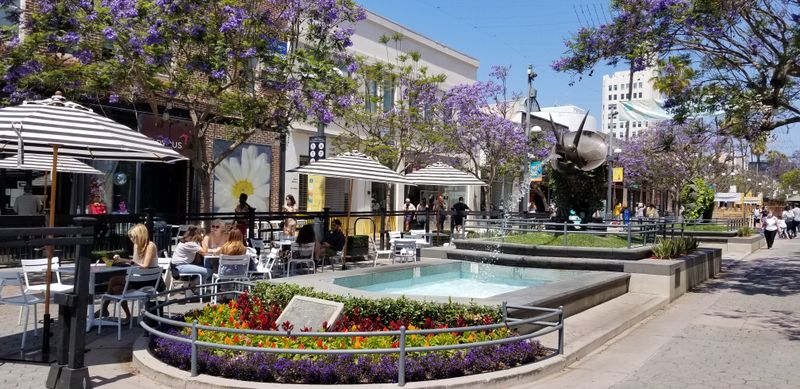
California’s icons attract the world, and the world shows up all at once.
Visitors arrive early, only to find lines forming across parking lots and trails.
Patience becomes the hidden ticket that determines how the day feels.
At Tunnel View, Yosemite National Park, Wawona Rd, Yosemite Valley, CA 95389, tripods and rails fill quickly.
Along Santa Monica State Beach at 200 Santa Monica Pier, Santa Monica, CA 90401, boardwalks stay busy from morning.
Urban viewpoints near 201 Powell St, San Francisco, CA 94102 can feel like rush hour on sidewalks.
Reservation systems smooth some peaks, though spontaneity becomes harder to keep.
Once quiet overlooks spread across social media and change within a season.
Travelers recommend off peak months and sunrise arrivals for calmer scenes.
Even then, logistics like parking and shuttle timing require attention.
Choosing lesser known trailheads near popular parks can preserve the mood.
Urban parks and neighborhood overlooks sometimes deliver similar views with breathing room.
California is generous with scenery, yet the route matters as much as the destination.
Editing itineraries keeps you present instead of chasing a list.
Accepting a slower rhythm helps the magic return between the crowds.
Plan with humility, and the moments you do get often feel brighter.
5. Climate Challenges Disrupt Vacation Plans
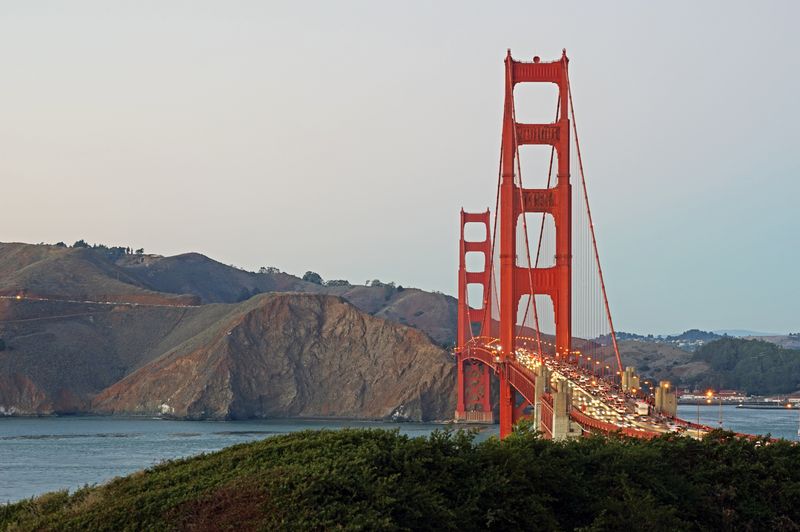
California’s weather stories have become part of trip planning rather than background noise.
Heat inland, fog on the coast, and occasional smoke can rearrange a carefully crafted day.
Flexibility turns into the most valuable item in your backpack.
Fog often blankets Golden Gate Overlook, 1600 Langdon Ct, San Francisco, CA 94129, and chills summer afternoons.
Along Griffith Observatory, 2800 E Observatory Rd, Los Angeles, CA 90027, wildfire haze can dim skyline views.
Storm systems bring heavy rain that closes roads and delays scenic drives.
When forecasts shift, backups like museums and indoor landmarks keep the trip afloat.
Planning cool morning hikes and shaded breaks helps in warmer valleys.
Air quality alerts require checking conditions before committing to outdoor time.
Locals adapt quickly, and visitors benefit from the same nimble approach.
Coastal microclimates mean a short drive can change the feel of the day.
Layered clothing and extra water solve more problems than most souvenirs.
California still glows in the right window, but windows open and close fast.
Choosing shoulder seasons can balance temperatures and crowd levels.
Weather adds texture, yet preparation keeps it from defining your memories.
Stay curious, watch the sky, and pivot with purpose when conditions change.
6. Safety Concerns in Urban Tourist Areas
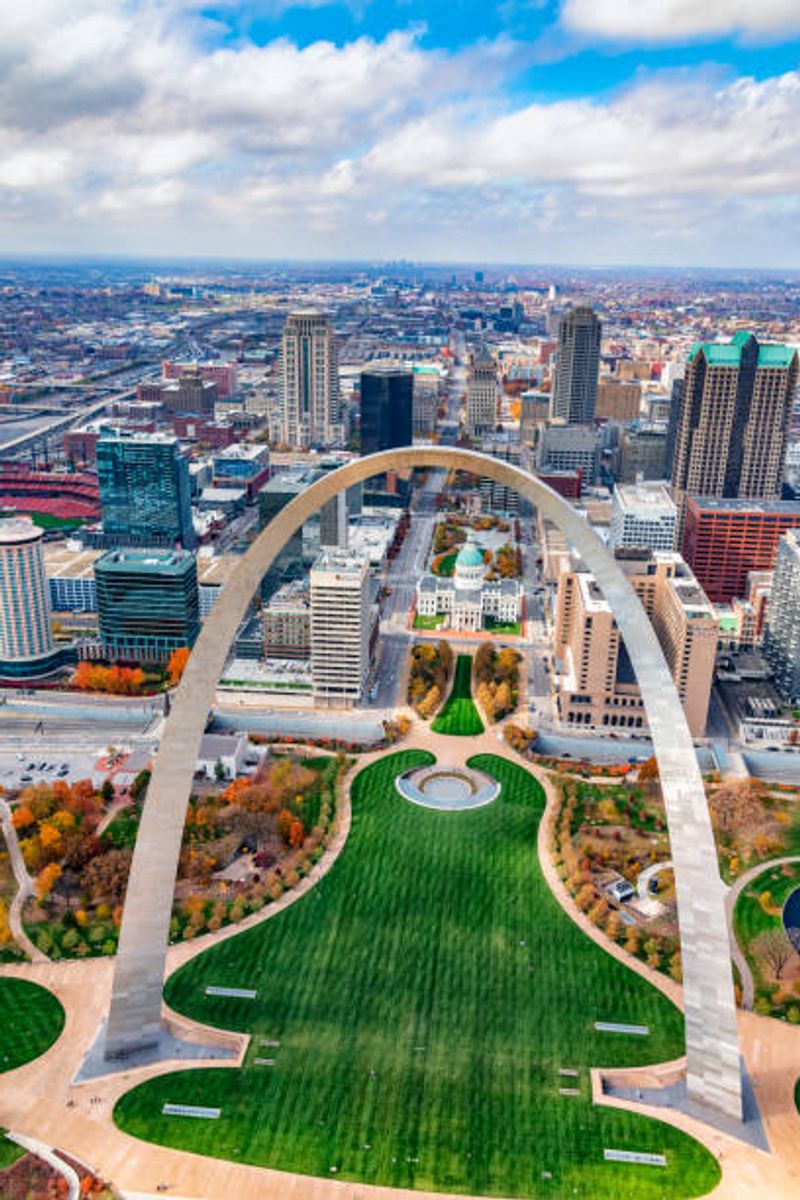
Safety shapes how freely you explore, and California’s cities ask for situational awareness.
Visitors describe petty theft and car break ins as the most common concerns around hotspots.
Simple habits go a long way toward keeping the day easy.
San Francisco’s Fisherman’s Wharf around 2801 Leavenworth St, San Francisco, CA 94133 draws steady crowds.
Garage areas near 500 Beach St, San Francisco, CA 94133 prompt extra care when parking.
In Los Angeles, Hollywood and Highland at 6801 Hollywood Blvd, Los Angeles, CA 90028 remains busy into evening.
Downtown Oakland near 1 Frank H Ogawa Plaza, Oakland, CA 94612 blends offices, transit, and nightlife corridors.
Travelers choose daylight exploration, well lit streets, and secure hotel lots when possible.
Local advice from front desks and visitor centers helps refine routes.
Leaving nothing in vehicles, even hidden, reduces risk and stress later.
Walking with purpose and keeping phones secured supports a relaxed pace.
California rewards curiosity, especially when paired with practical habits.
Most trips finish incident free, yet mindful choices create calmer days.
Pick a few districts and linger where you feel comfortable.
Small pivots, like rideshares after dark, keep energy for the sights.
Confidence grows when the plan respects the city’s rhythms and edges.
7. Deteriorating Urban Cleanliness Shocks Visitors
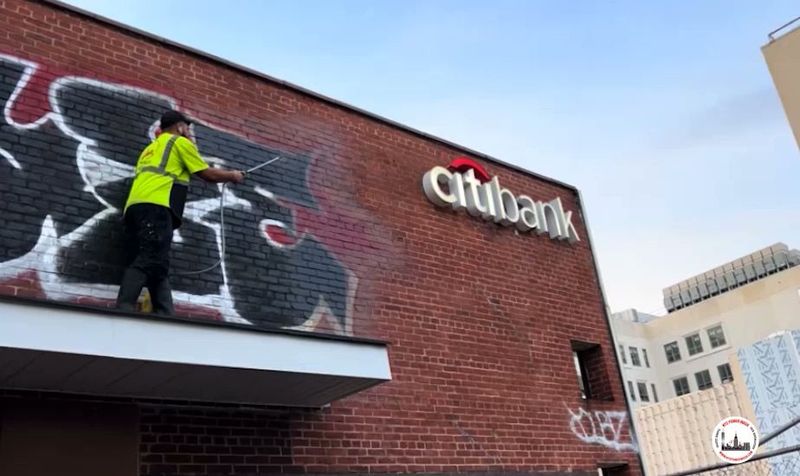
First impressions carry weight, and some California streets look tired on arrival.
Visitors share surprise at litter, graffiti, and inconsistent maintenance across popular corridors.
The mood shifts when a postcard block sits next to a neglected one.
San Francisco Civic Center near 1 Dr Carlton B Goodlett Pl, San Francisco, CA 94102 shows the contrast clearly.
Portions of the Mid Market area at 1355 Market St, San Francisco, CA 94103 feel busy but worn.
Los Angeles has similar pockets near 200 N Spring St, Los Angeles, CA 90012 around government buildings.
Beach paths by 200 Santa Monica Pier, Santa Monica, CA 90401 vary with tide, events, and cleanup cycles.
Some districts invest in ambassadors who tidy sidewalks and assist visitors.
Picking routes with active storefronts and steady foot traffic helps the atmosphere.
Morning hours often look fresher than late night returns along the same stretch.
California’s beauty shines, yet upkeep changes block by block.
Adjusting expectations reduces the sting of a mismatched brochure image.
Local reports and neighborhood guides point you toward cleaner promenades.
Public spaces improve when events and markets activate the scene.
Patience and open eyes reveal corners that still sparkle without filters.
Planning your walks like attractions makes urban wandering more rewarding.
8. Disappointing Reality Behind Instagram Spots

Social media promises perfection, but real scenes come with context and timing.
Filters hide crowds, fences, and logistics that shape the actual visit.
Expectations soar, then reality levels them with details on the ground.
The Pink Wall at 8221 Melrose Ave, Los Angeles, CA 90046 often sits behind lines and equipment.
Salvation Mountain at Beal Rd, Calipatria, CA 92233 requires a remote desert drive and harsh light.
Wildflower displays near 15101 Lancaster Rd, Lancaster, CA 93536 depend on recent conditions.
Access rules change to protect fragile landscapes that cannot handle heavy foot traffic.
Parking and queue systems reshape simple photo stops into longer undertakings.
Travelers who pivot toward less hyped viewpoints report better moods.
Early arrivals and weekday windows create space for thoughtful moments.
California still delivers color and texture, though not always where the algorithm points.
Seeking local art walls and neighborhood murals yields calmer backdrops.
Curated expectations keep disappointment from overshadowing adventure.
Short lists and open afternoons allow surprising finds between pinned spots.
Authentic memories come from presence, not only from a grid ready image.
Choose places that match your interests, then let the light decide the rest.
9. Declining Service Quality Despite Premium Prices
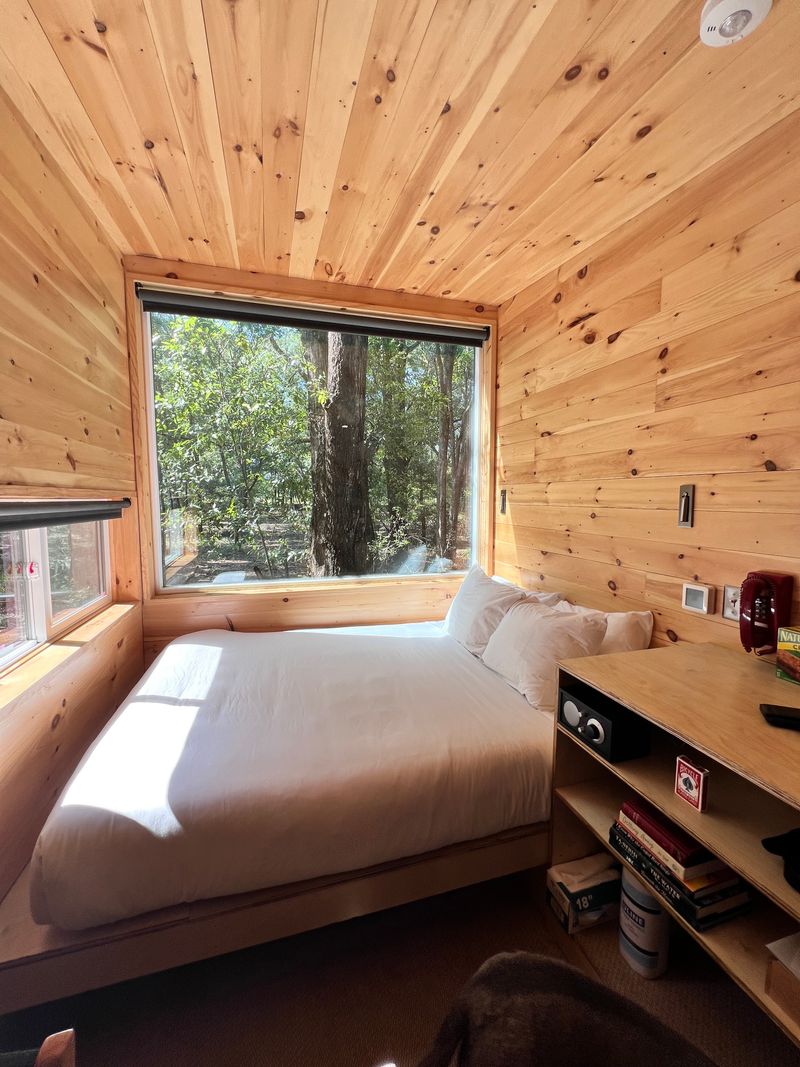
Travelers across California report that service sometimes lags behind the high costs.
Staffing gaps ripple through hotels, restaurants, and venues that once ran more smoothly.
The result is longer waits and fewer personal touches during busy periods.
Hotel check in areas like 335 Powell St, San Francisco, CA 94102 can back up in the afternoon.
Attractions near 700 Exposition Park Dr, Los Angeles, CA 90037 adjust hours and entry flows.
Beachfront districts at 1415 Ocean Ave, Santa Monica, CA 90401 feel understaffed at peak times.
Guests adapt by confirming hours, joining waitlists early, and using mobile check in features.
Managers are training new teams while balancing changing demand patterns.
Simple kindness toward staff often leads to quicker solutions and better tips on timing.
California hospitality still shines when teams have bandwidth to engage.
Setting a realistic pace prevents service hiccups from defining the day.
Building buffers around meals and check ins keeps energy steady.
Consider earlier dinners or late lunches to dodge the crowd surge.
Pick lodgings with clear communication and easy access to transit or parking.
With planning, you can protect the special moments you crossed the map to find.
Leave space for serendipity, and let the best interactions set the tone.
10. Water Restrictions Impact Resort Experiences

Conservation in California shows up where travelers expect polished resort scenes.
Signs encourage shorter showers, linen reuse, and careful outdoor watering to save resources.
The changes are practical, yet they alter how a property looks and feels.
In Palm Springs around 101 N Palm Canyon Dr, Palm Springs, CA 92262, desert landscaping replaces thirsty lawns.
Golf corridors near 37977 Bob Hope Dr, Rancho Mirage, CA 92270 showcase drought tolerant designs.
Historic estates along 750 Hearst Castle Rd, San Simeon, CA 93452 display restrained fountains.
Garden paths may appear less lush during peak conservation periods across the state.
Visitors adjust expectations, focusing on architecture and mountain backdrops for atmosphere.
Resorts communicate policies clearly, and staff help explain seasonal variations.
Travelers who appreciate design details often enjoy the cleaner, minimalist lines.
California’s climate reality becomes part of the travel story rather than a footnote.
Choosing properties that highlight native plants can enhance the sense of place.
Morning and evening light flatter courtyards that lean into sculptural landscaping.
Sustainability efforts aim to preserve the region you came to see.
Understanding the why behind conservation makes the experience more meaningful.
You leave with a deeper connection to the landscape that shaped the itinerary.
Dear Reader: This page may contain affiliate links which may earn a commission if you click through and make a purchase. Our independent journalism is not influenced by any advertiser or commercial initiative unless it is clearly marked as sponsored content. As travel products change, please be sure to reconfirm all details and stay up to date with current events to ensure a safe and successful trip.
