Utah’s national parks showcase some of the most stunning and dangerous landscapes in America.
Every year, thousands of visitors flock to these natural wonders, but some take dangerous risks to capture the perfect moment or experience.
The combination of dramatic scenery and social media pressure creates a recipe for reckless behavior that puts lives at stake.
1. The Perfect Photo Imperative
Social media has changed how people experience nature. Instead of simply enjoying the view, visitors now feel pressured to capture jaw-dropping images that will impress their followers online.
Tourists climb dangerously close to cliff edges at places like Mesa Arch in Canyonlands, risking fatal falls. The desire for likes and shares often outweighs common sense and safety warnings.
Park rangers report countless incidents of people venturing into restricted areas or removing safety barriers. The quest for viral fame has turned peaceful parks into potential death traps for the unprepared.
2. The Illusion of Accessibility
Well-paved trails and visitor centers create a false sense of security. Many tourists assume that because one area is developed, the entire park must be equally safe and easy to navigate.
Zion’s main canyon features smooth pathways and shuttle buses, making it feel almost like a theme park. This comfort zone mentality proves deadly when visitors wander into unmarked backcountry terrain without proper preparation or equipment.
The contrast between maintained tourist areas and wild backcountry is stark. People dressed in flip-flops and carrying water bottles meant for gym workouts suddenly find themselves lost in unforgiving wilderness.
3. The Awe of Vertigo at Zion
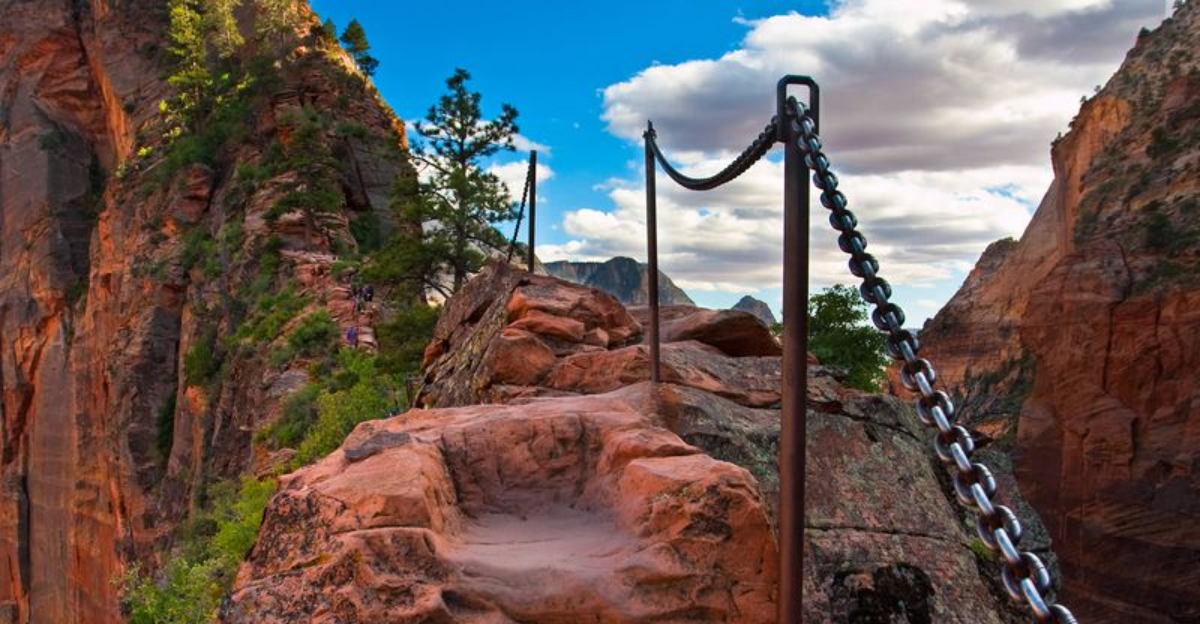
Angel’s Landing ranks among America’s most thrilling hikes. The final half-mile features chains bolted into rock, with thousand-foot drops on both sides that make your stomach flip.
Despite multiple deaths, tourists continue flocking to this iconic trail for the adrenaline rush. The Narrows presents a different danger, hikers wade through a river between towering canyon walls where flash floods can strike without warning.
Something about staring down into those massive drops creates an intoxicating mix of fear and excitement. For thrill-seekers, the risk becomes part of the attraction rather than a deterrent.
4. The Solitude Incentive in Canyonlands
Canyonlands sprawls across 337,598 acres of remote wilderness. The vast emptiness appeals to adventurers seeking escape from crowded tourist spots, but isolation here can quickly become life-threatening.
Remote trails wind through areas where cell phones don’t work and help might be days away. Temperatures soar above 100 degrees in summer, and water sources are virtually nonexistent in many sections.
The seductive promise of having an entire canyon to yourself lures unprepared hikers deeper than they should venture. What starts as a peaceful solo adventure can end in emergency rescue operations or worse.
5. Underestimating Heat and Dehydration
Desert air tricks visitors into dangerous complacency. Because the climate is dry, sweat evaporates instantly, making people unaware of how much fluid they’re losing until symptoms appear.
Summer temperatures regularly exceed 105 degrees Fahrenheit. Tourists from cooler climates often ignore ranger warnings, bringing inadequate water for strenuous hikes that can take six hours or more to complete.
Heatstroke symptoms include confusion, dizziness, and collapse, conditions that become fatal when you’re miles from help. Every summer, rescue helicopters airlift dehydrated hikers who thought they could handle the desert conditions with just one water bottle.
6. The Irresistible Arch
Delicate Arch stands as Utah’s most recognizable landmark, appearing on license plates and postcards. Its gravity-defying beauty tempts tourists to climb directly on the fragile sandstone formation despite clear prohibitions.
Landscape Arch spans 290 feet and holds the record for longest natural arch in North America. Large chunks have fallen from it in recent years, yet visitors still walk beneath it for dramatic photos.
These ancient formations took millions of years to create but can collapse in seconds. The urge to touch, climb, or pose daringly on these geological wonders continues despite warning signs and documented collapses.
7. The Search for Untouched Beauty
Popular viewpoints feel too crowded for some visitors seeking authentic wilderness experiences. They venture off marked trails, believing they’ll discover hidden gems that other tourists miss.
Going off-trail damages fragile desert ecosystems that take decades to recover. Cryptobiotic soil crusts, which prevent erosion and provide nutrients, get crushed under footsteps and may never regenerate.
Beyond environmental damage, off-trail exploration leads to disorientation in terrain where landmarks all look similar. Search and rescue teams spend countless hours locating lost hikers who thought they could navigate unmarked wilderness with just their smartphone GPS.
8. Summit Fever at Bryce Canyon
Bryce Canyon’s amphitheaters filled with orange and red hoodoos create an almost otherworldly landscape. The colorful rock spires rise from the canyon floor like a fantasy kingdom carved by nature.
Tourists frequently climb over protective railings to peer down into the bowls below. The weathered limestone crumbles easily underfoot, and what looks like solid ground can give way without warning, sending people tumbling into the formations below.
The term summit fever usually applies to mountain climbers, but it fits here too. Visitors become so focused on reaching the ultimate viewpoint that they ignore unstable edges and bypass safety barriers.
9. The Once-in-a-Lifetime Mentality
Many visitors save for years to afford their Utah national parks vacation. This creates intense pressure to see and do everything, regardless of physical fitness levels or weather conditions.
Families push young children on advanced trails because they may never return. Elderly tourists attempt strenuous hikes despite health conditions, driven by fear of missing their only chance to experience these wonders.
This mentality leads to poor decision-making when conditions deteriorate. Rather than turning back when storms approach or exhaustion sets in, tourists push forward, thinking this represents their sole opportunity to complete the experience.
10. The Grand Scale of the Landscape
Standing before a 2,000-foot canyon wall makes humans feel insignificant. The monumental scale of Utah’s landscapes creates a psychological effect where personal safety seems less important than the experience itself.
Massive stone monoliths and endless vistas dwarf individual concerns. Some tourists report feeling almost hypnotized by the grandeur, drawn toward cliff edges as if the landscape itself exerts a magnetic pull.
This sense of scale distorts judgment about distances and dangers. What appears to be a short walk to a viewpoint might actually involve hours of difficult terrain, and drops that look manageable from afar prove deadly up close.
11. Weather Extremes and Flash Floods
Utah’s weather can shift from sunny to life-threatening within minutes. Clear blue skies give no warning of storms forming miles away that send deadly flash floods through narrow canyons.
The Narrows in Zion has claimed multiple lives when walls of water suddenly surge through the slot canyon. Tourists often ignore flash flood warnings posted at trailheads, assuming the sunny weather means they’re safe.
Desert thunderstorms dump incredible amounts of rain in short periods. Water funnels into canyons from surrounding areas, creating floods even when it’s not raining where hikers are located, catching them completely off guard.
12. Inadequate Gear and Preparation
Rental car tourists arrive wearing cotton clothing and tennis shoes designed for city streets. They carry smartphones instead of maps, assuming technology will keep them safe in areas without cell service.
Proper hiking boots, layered clothing, navigation tools, and emergency supplies get left behind to save luggage space. Many visitors don’t research trail difficulty or length before setting out, treating serious backcountry routes like casual nature walks.
Park rangers report finding stranded hikers wearing sandals on technical trails meant for experienced climbers. The gap between what these environments demand and what tourists bring creates preventable emergencies throughout the season.
Dear Reader: This page may contain affiliate links which may earn a commission if you click through and make a purchase. Our independent journalism is not influenced by any advertiser or commercial initiative unless it is clearly marked as sponsored content. As travel products change, please be sure to reconfirm all details and stay up to date with current events to ensure a safe and successful trip.
