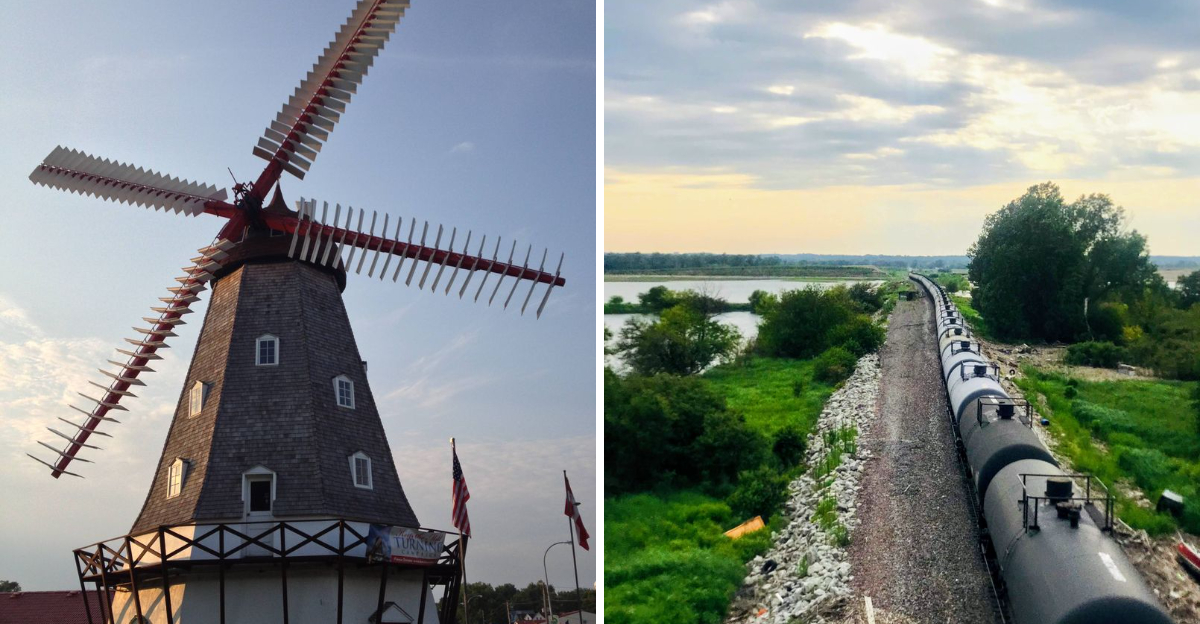
Iowa’s rural heartland holds a secret that more travelers are discovering every year.
Scattered across the state, a collection of small towns has learned to thrive by slowing down rather than speeding up.
Known as “Shrink Smart” communities, these places traded rigid schedules and tourist traps for authentic experiences and genuine connections.
When you visit these ten Iowa towns, you’ll find that the best moments happen when you let go of your itinerary and embrace the unhurried rhythm of small-town life.
1. Allerton
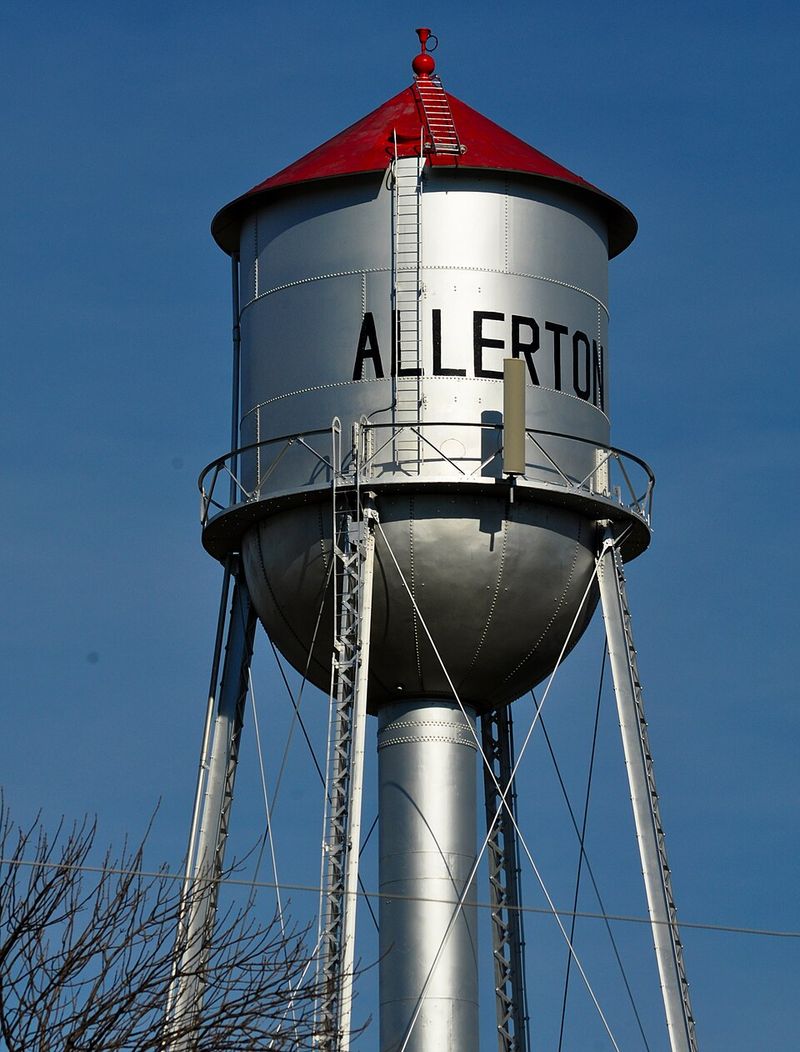
Southern Iowa’s rolling landscape cradles Allerton, a town that has turned population decline into an opportunity for deeper community bonds.
Rather than fighting demographic trends, residents here chose to focus on what makes their home special.
The result is a place where everyone knows your name, and that familiarity breeds comfort rather than claustrophobia.
Allerton’s charm lies in its refusal to pretend it’s something it’s not.
There are no manufactured attractions or forced entertainment venues trying to lure tourists with empty promises.
Instead, the town offers something far more valuable in our overscheduled world: authentic human connection.
Local diners serve hearty Midwestern meals where the waitress remembers how you take your coffee after just one visit.
Historic buildings stand as proud reminders of the town’s past, lovingly maintained by residents who understand the importance of preserving heritage.
Community events happen organically, driven by genuine enthusiasm rather than marketing committees.
The high school football games draw crowds not because of championship aspirations but because supporting your neighbors matters here.
Farmers still wave from their tractors as you drive past, and that small gesture carries more warmth than any five-star hotel greeting.
Allerton teaches visitors that slowing down isn’t about being lazy or unambitious.
It’s about being present, being intentional, and being human in a world that often forgets those values.
When you leave Allerton, you’ll carry with you a renewed appreciation for simplicity.
2. Correctionville
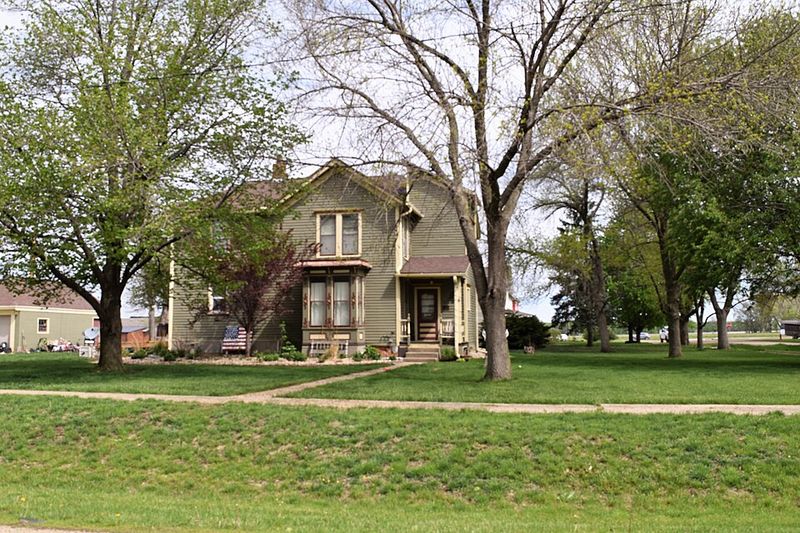
Tucked into Iowa’s western edge, Correctionville earned its unusual name from a land survey correction made in the 1850s.
That quirky origin story perfectly captures the town’s ability to adapt and find opportunity in unexpected circumstances.
Today, Correctionville stands as proof that communities can thrive by focusing on quality relationships rather than quantity of residents.
The town square serves as the beating heart of local life, hosting farmers markets where vendors sell produce picked that very morning.
Conversations here meander like the nearby Little Sioux River, flowing naturally from weather to family news to philosophical musings about life.
Nobody rushes these interactions because rushing would miss the entire point.
Local businesses operate with the kind of personal service that big-box stores can never replicate.
The hardware store owner knows your project before you finish explaining it, and he’ll spend thirty minutes helping you find exactly the right solution.
Churches anchor the community, not just as places of worship but as centers for social connection and mutual support.
When someone faces hardship, the town responds with casseroles, helping hands, and the kind of genuine care that money cannot buy.
Correctionville’s streets tell stories through their architecture, from Victorian homes to mid-century storefronts.
Each building represents generations of families who chose to stay, to invest, and to believe in their hometown.
Visitors discover that without a rigid schedule, they notice details they would otherwise miss.
The way light filters through oak trees, the sound of wind through cornfields, the taste of pie at the local cafe.
3. Elk Horn
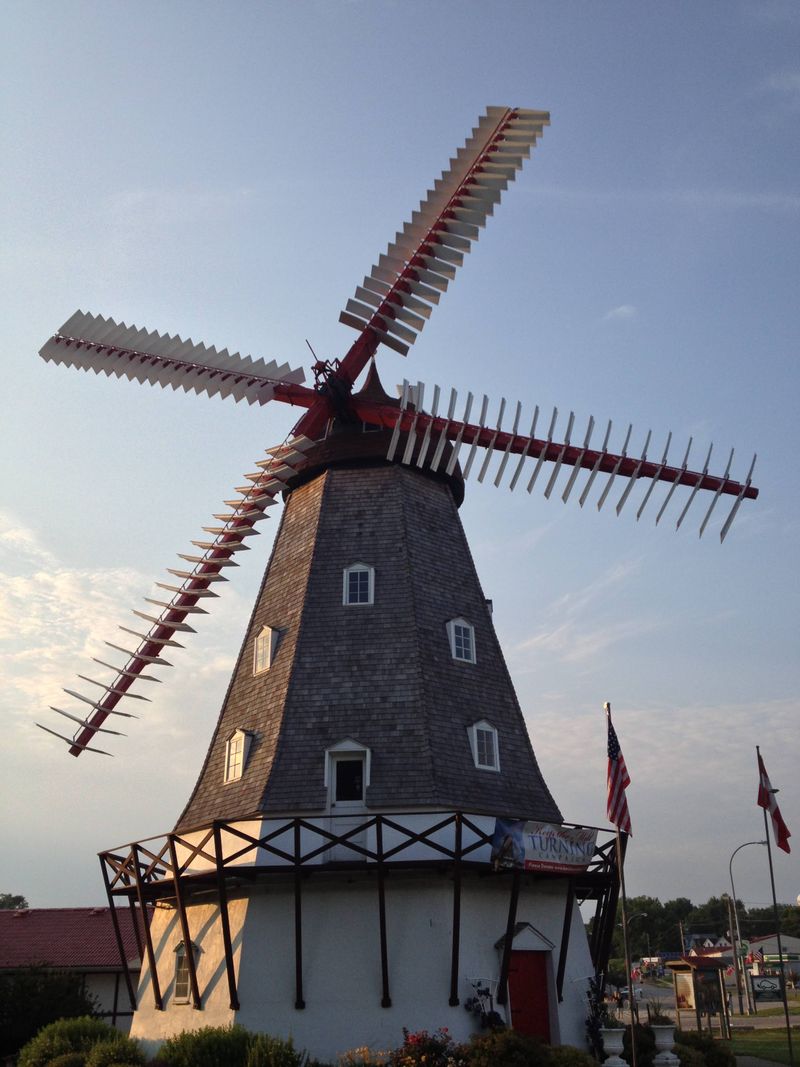
Elk Horn wears its Danish heritage like a badge of honor, creating a unique cultural oasis in the middle of Iowa farmland.
The town’s famous windmill towers over the landscape, a working monument to the immigrants who settled here generations ago.
But Elk Horn’s true magic isn’t found in its tourist-friendly landmarks.
It lives in the way the community has preserved traditions while adapting to modern realities.
Danish phrases still pepper conversations among older residents, and bakeries produce authentic pastries using recipes brought from the old country.
The Museum of Danish America tells immigrant stories with touching honesty, celebrating both triumphs and struggles.
Walking these streets, you sense the pride residents feel in maintaining their cultural identity without turning it into a theme park.
Annual festivals celebrate Danish customs, but they’re designed for community enjoyment first and tourist entertainment second.
That authenticity makes all the difference, transforming Elk Horn from a mere attraction into a living, breathing cultural experience.
Local artisans practice traditional crafts, not as museum demonstrations but as viable businesses serving both locals and visitors.
The town’s small size creates intimacy that larger destinations cannot match.
You might find yourself invited to a local home for coffee and conversation, experiencing Danish hospitality firsthand.
Elk Horn proves that cultural preservation and community vitality can go hand in hand.
By refusing to rush toward generic modernization, the town has maintained something precious and increasingly rare.
4. Elma
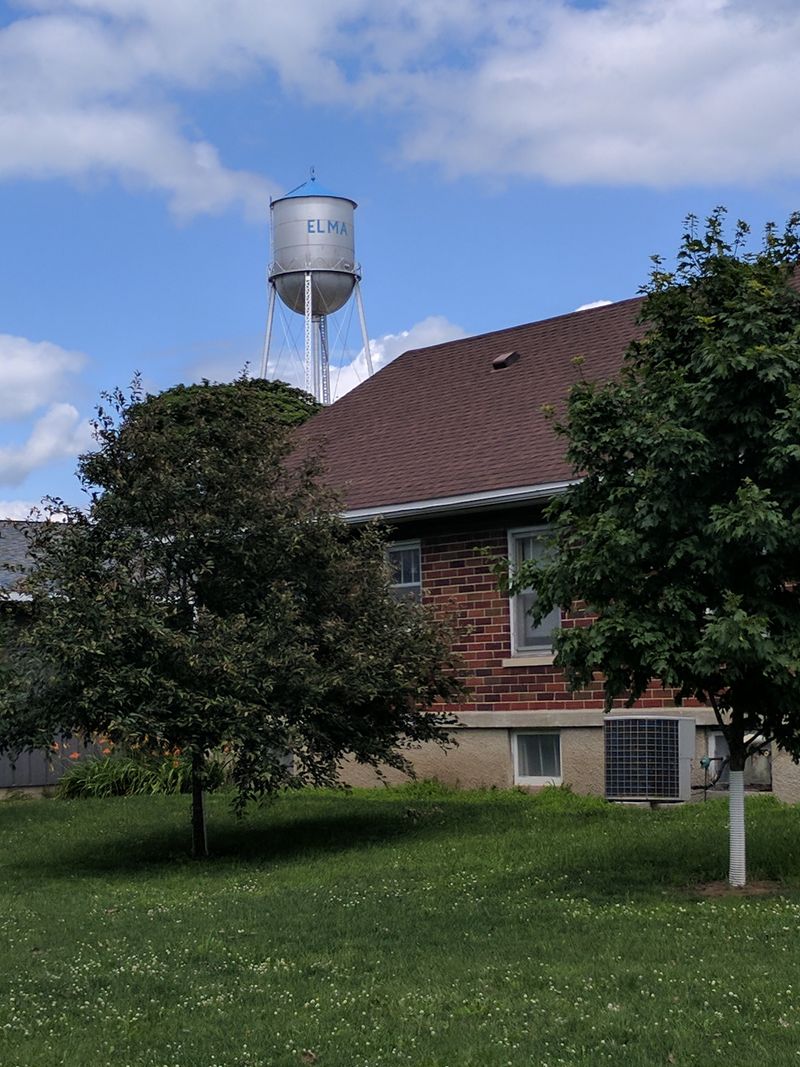
Northeastern Iowa’s gentle hills embrace Elma, a town that understands the power of community cooperation.
When populations shrink, some places panic and others, like Elma, get creative.
Residents here have built networks of mutual support that would make larger cities envious.
The volunteer fire department responds not just to emergencies but to neighbors needing help moving furniture or clearing storm debris.
Local businesses support each other in ways that defy typical competitive logic.
The grocery store promotes the cafe, the cafe recommends the hardware store, and everyone benefits from this cooperative spirit.
Elma’s schools serve as community anchors, hosting events that bring together multiple generations.
High school basketball games become town-wide celebrations where toddlers and grandparents cheer side by side.
The absence of commercial entertainment options has forced residents to create their own fun, resulting in creativity and genuine connection.
Summer evenings bring impromptu gatherings in parks, where families share picnic blankets and children play until dark.
Nobody checks their watch because there’s nowhere else they need to be.
This freedom from constant scheduling allows relationships to develop naturally, deepening over shared experiences rather than planned activities.
Visitors to Elma often comment on feeling immediately welcomed, as if they’ve returned to a hometown they never actually had.
That sense of belonging stems from the town’s commitment to putting people before profits and relationships before rushing.
5. Grand Mound
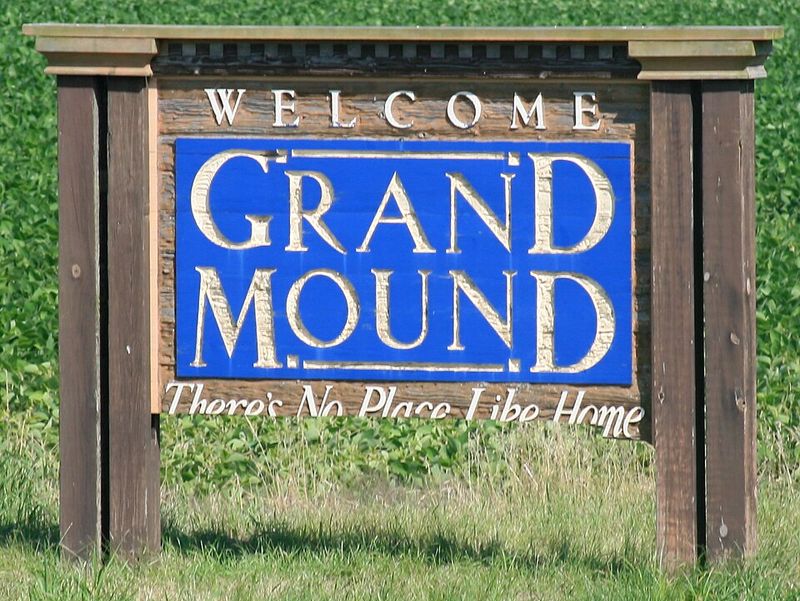
Eastern Iowa’s oldest incorporated town, Grand Mound carries history in its very bones.
Founded in 1834, this community has witnessed nearly two centuries of American life unfold along its quiet streets.
The town’s name comes from ancient Native American burial mounds that once dotted the landscape, connecting present residents to thousands of years of human history.
Grand Mound has seen boom times and decline, prosperity and hardship, yet something essential about the place endures.
That persistence comes from residents who understand that community isn’t about numbers but about commitment.
Historic buildings stand as tangible links to the past, carefully maintained by people who value continuity.
The old railroad depot reminds visitors of when Grand Mound served as a crucial transportation hub connecting farmers to markets.
Today, those trains still rumble through, but the town’s importance lies not in commerce but in preserving a way of life.
Local families trace their roots back generations, creating a living oral history that no textbook can match.
Elderly residents share stories of childhoods spent in a Grand Mound that looked remarkably similar to today’s version.
That continuity provides comfort in our rapidly changing world.
Visitors seeking historical authenticity find it here, not in reconstructed villages but in a real community that simply continues living.
Without tourist attractions demanding your time, you’re free to wander, observe, and absorb the atmosphere at your own pace.
Grand Mound teaches that sometimes the most profound experiences come from simply being present in a place that honors its past.
6. Hamburg
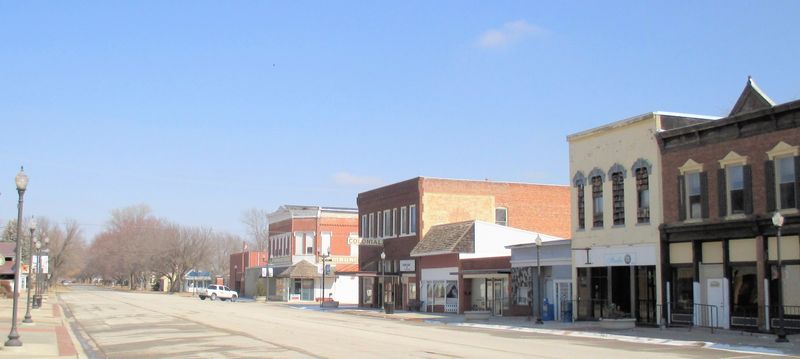
Perched along the Missouri River in Iowa’s southwestern corner, Hamburg knows something about resilience.
Devastating floods have tested this community repeatedly, yet residents keep rebuilding, keep believing, and keep supporting each other.
That determination reveals the true character of a place and its people.
Hamburg’s relationship with the river defines local life, bringing both beauty and occasional heartbreak.
When waters rise, the town responds with sandbagging efforts that unite everyone from teenagers to retirees.
These shared challenges forge bonds that comfortable suburban neighborhoods rarely experience.
Between flood events, the river provides recreation, scenic beauty, and a connection to the natural world.
Fishing spots along the banks become gathering places where stories are swapped and friendships deepen.
Hamburg’s downtown has been rebuilt multiple times, each iteration reflecting the era’s architecture while maintaining small-town character.
Local businesses operate with the knowledge that their neighbors are also their customers, creating accountability that big corporations never feel.
Service here means actually serving people, not just processing transactions.
The town’s size means everyone contributes to community life in visible ways.
There’s no anonymity, no hiding in the crowd, which creates both responsibility and belonging.
Visitors discover that Hamburg’s greatest attraction isn’t a landmark or museum but the spirit of people who refuse to give up on their hometown.
7. Mediapolis
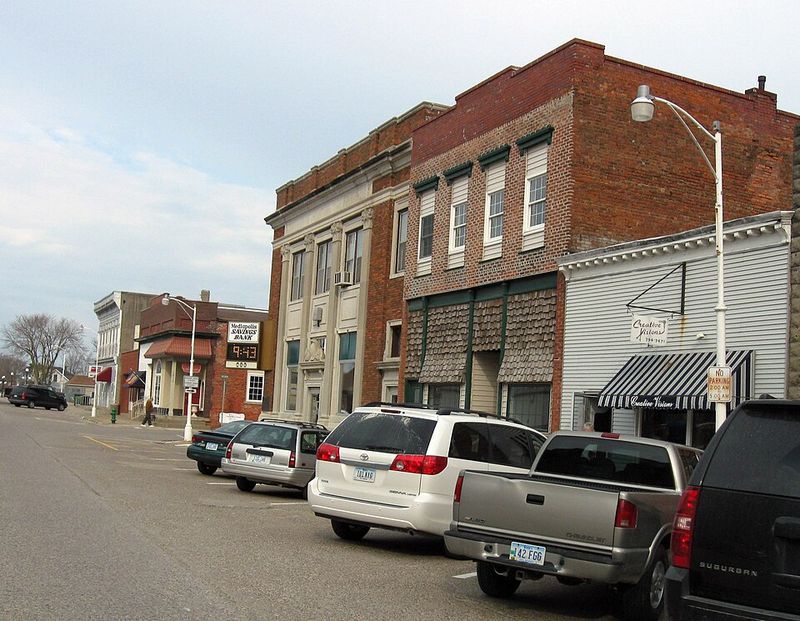
Southeastern Iowa’s gently rolling terrain cradles Mediapolis, a town that has found strength in collaboration.
The name itself suggests middle ground, and that’s exactly what the community has become: a balanced place where tradition meets pragmatism.
Mediapolis residents have embraced the Shrink Smart philosophy by focusing on what they can control rather than lamenting what they’ve lost.
Community gardens transform vacant lots into productive green spaces where neighbors work side by side growing vegetables.
These projects serve practical purposes while also creating opportunities for intergenerational connection and skill-sharing.
The local library functions as far more than a book repository, hosting everything from computer classes to community meetings to children’s story hours.
In smaller towns, institutions must serve multiple purposes, and that versatility strengthens community bonds.
Mediapolis schools remain sources of pride, with residents voting to support education even when budgets are tight.
That investment reflects a belief in the future and a commitment to the next generation.
Friday night activities center around school events, bringing the entire town together in support of local youth.
Main Street businesses have adapted to changing retail landscapes by emphasizing personal service and specialized offerings.
The hardware store provides expert advice along with supplies, becoming a resource rather than just a retailer.
Mediapolis proves that small towns can remain vital by being intentional about community building and resource sharing.
Without a packed tourist schedule, visitors can experience this intentionality firsthand, observing how cooperation creates resilience.
8. Pacific Junction
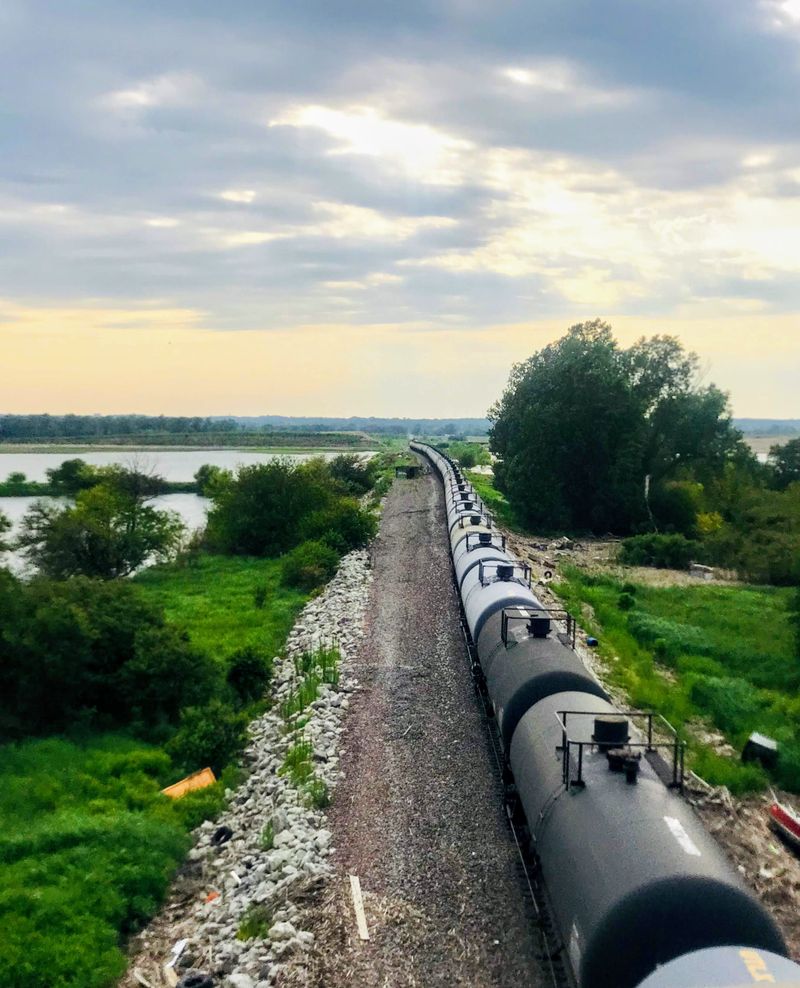
Where the Nishnabotna River meets the Missouri, Pacific Junction has long served as a crossroads community.
Railroad heritage runs deep here, visible in the tracks that still bisect the town and the historic depot that anchors downtown.
Like many Iowa towns, Pacific Junction has faced its share of challenges, including floods that forced difficult decisions about the community’s future.
Rather than abandoning their hometown, residents chose to adapt, relocate, and rebuild in safer areas.
That collective decision required trust, cooperation, and shared vision that only tight-knit communities can muster.
The rebuilding process brought people together in profound ways, turning crisis into an opportunity for renewal.
Today’s Pacific Junction reflects lessons learned from hardship, with stronger infrastructure and even stronger community bonds.
Local gatherings celebrate survival and resilience, honoring both the town’s history and its determination to persist.
The rivers that once threatened now provide recreation and natural beauty, reminding residents that challenges can become assets with the right perspective.
Fishing, boating, and riverside picnics connect people to the landscape that shapes local identity.
Pacific Junction’s small size means every resident matters, every contribution counts, and every voice can be heard.
Town meetings feel like extended family discussions rather than formal government proceedings.
Visitors witness democracy at its most direct, where civic engagement isn’t abstract but personal and immediate.
The absence of scheduled tourist activities becomes a feature rather than a bug, allowing authentic observation of community life.
9. Radcliffe
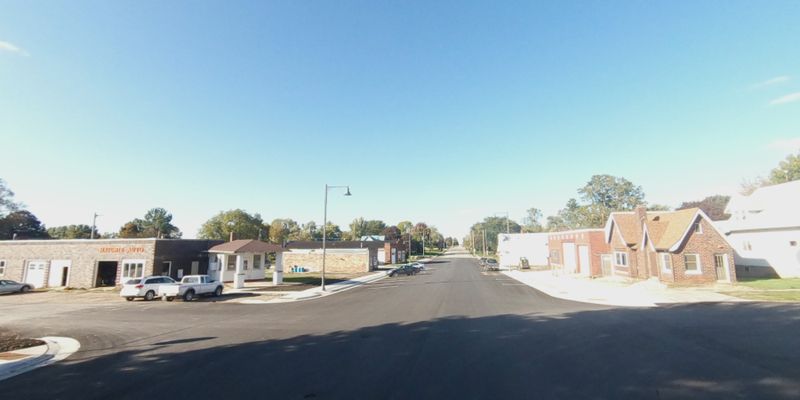
Central Iowa’s agricultural landscape surrounds Radcliffe, a town that has mastered the art of community satisfaction despite shrinking numbers.
Research has identified Radcliffe as a place where residents report high quality of life, proving that happiness doesn’t correlate with population size.
The secret lies in how the community has prioritized connection over growth, depth over breadth.
Radcliffe’s downtown maintains a lived-in character that feels genuine rather than preserved for tourists.
Businesses operate to serve locals first, and that focus creates authenticity that visitors immediately sense.
The cafe serves as an unofficial town hall where problems get solved over coffee and pie.
These informal networks of communication and decision-making work more efficiently than many formal government structures.
Community events reflect local interests rather than attempts to attract outside attention.
The annual celebration honors hometown heritage with parades, reunions, and activities designed by and for residents.
Visitors are welcome to join but not catered to, creating an authentic experience rarely found in tourist-oriented destinations.
Radcliffe’s parks provide green spaces where children play freely and families gather for impromptu picnics.
The absence of structured programming means play happens organically, fostering creativity and independence.
Elderly residents walk these same streets they’ve known for decades, greeting neighbors and maintaining routines that provide comfort and continuity.
That intergenerational presence creates stability and passes down community values through lived example rather than formal instruction.
10. Sac City
Northwestern Iowa’s county seat, Sac City stands as perhaps the best example of Shrink Smart success.
Researchers have specifically studied this community, documenting how intentional strategies have maintained quality of life despite population decline.
Sac City’s approach combines practical problem-solving with a commitment to preserving what makes small-town life appealing.
The historic courthouse anchors downtown, a beautiful building that represents civic pride and architectural heritage.
Rather than abandoning historic structures, the community has invested in maintenance and adaptive reuse.
This preservation creates visual continuity that helps residents feel connected to their town’s history.
Local leadership has focused on realistic goals rather than chasing unrealistic growth projections.
By accepting demographic realities, Sac City has avoided the desperation that leads some communities to make poor decisions.
Instead, strategic investments target quality improvements that benefit current residents.
Community surveys ensure that development reflects local priorities rather than outside consultants’ generic recommendations.
This participatory approach gives residents ownership of their town’s direction.
Sac City’s success attracts researchers, journalists, and other communities seeking to learn from their example.
Yet the town hasn’t let this attention change its fundamental character or inflate egos.
Residents remain grounded, focused on daily life rather than their role as a model community.
Visiting Sac City without a rigid schedule allows you to observe these dynamics naturally, understanding through experience rather than explanation.
Dear Reader: This page may contain affiliate links which may earn a commission if you click through and make a purchase. Our independent journalism is not influenced by any advertiser or commercial initiative unless it is clearly marked as sponsored content. As travel products change, please be sure to reconfirm all details and stay up to date with current events to ensure a safe and successful trip.
