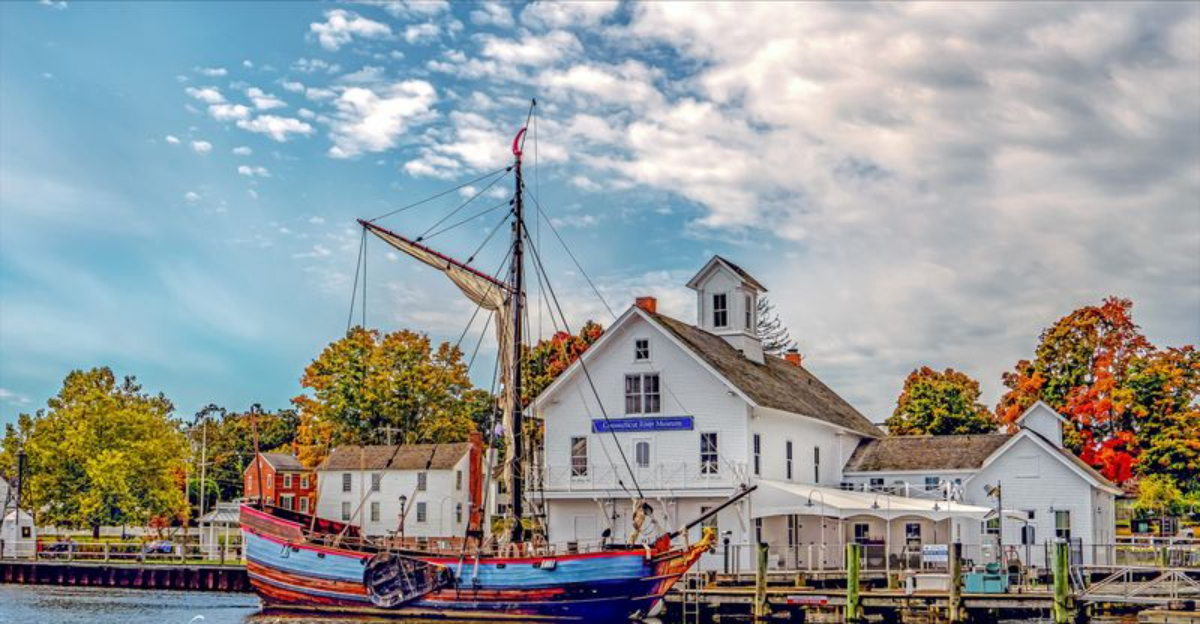
Tucked along the banks of the Connecticut River in Middlesex County, Essex is a charming town that transports visitors to an era when life moved at a slower, more gracious pace.
This picturesque community, made up of three distinct villages (Essex Village, Centerbrook, and Ivoryton), has preserved its 18th and 19th-century character with such care that wandering its tree-lined streets feels like stepping into a living history book.
Travelers are drawn here not just for the stunning river views and colonial architecture, but for the authentic sense of New England heritage that permeates every corner, from the wooden shipyards to the vintage steam train that still chugs through the countryside.
Whether you visit during the golden warmth of autumn when the foliage blazes with color, or in the quiet hush of winter when snow blankets the historic buildings, Essex offers a rare opportunity to experience small-town America as it once was, unhurried and genuinely welcoming.
Historic Main Street Architecture Frozen in Colonial Times
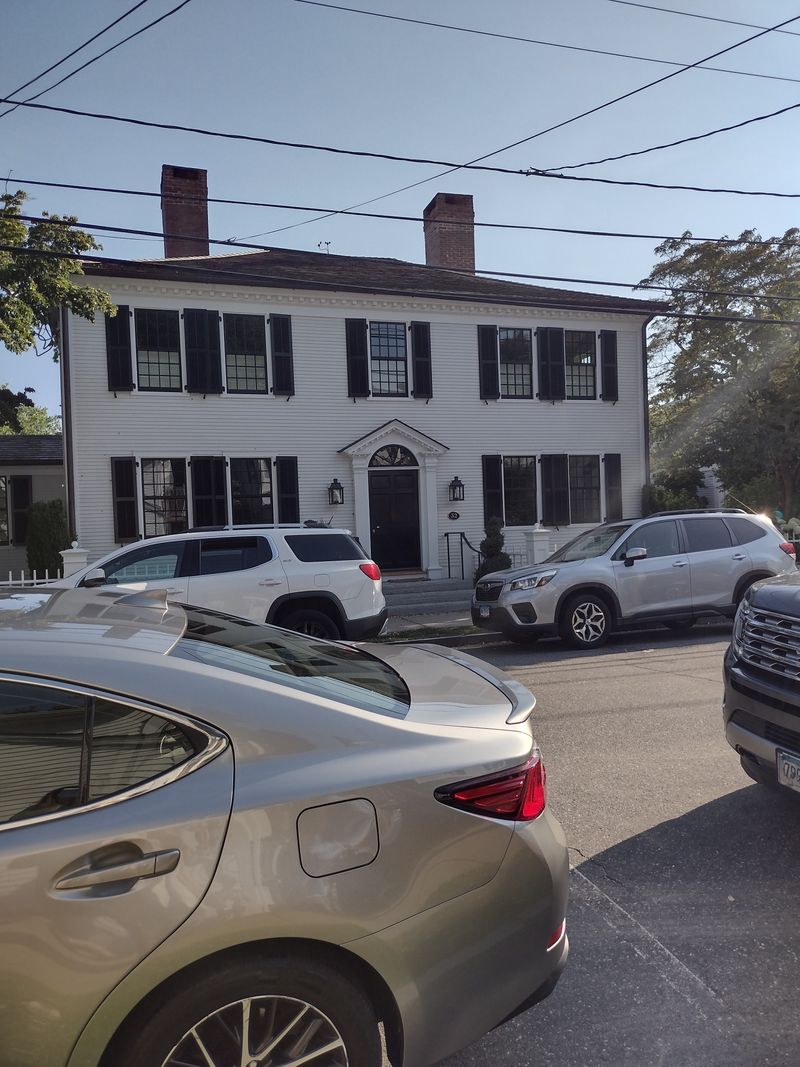
Walking down Main Street in Essex Village feels like entering a carefully preserved time capsule where every building tells a story from centuries past.
The streetscape showcases an extraordinary collection of 18th and 19th-century architecture that has survived remarkably intact, with white clapboard houses, black shutters, and hand-painted signs that evoke the Revolutionary War era.
Unlike many modern towns that have surrendered to chain stores and contemporary construction, Essex has fiercely protected its architectural heritage through strict preservation guidelines.
The buildings along Main Street still house independent shops, galleries, and businesses that respect the historical character of their surroundings.
Many structures feature original wide-plank flooring, exposed beam ceilings, and hand-forged hardware that craftsmen installed more than two centuries ago.
The town’s commitment to preservation extends beyond mere aesthetics.
Property owners must follow detailed regulations about paint colors, signage, and renovations to ensure that new changes blend seamlessly with the colonial character.
This dedication creates an immersive experience where modern intrusions remain refreshingly minimal.
As you stroll past the Griswold Inn, which has been welcoming travelers since 1776, or admire the pristine white churches with their soaring steeples, you understand why Essex consistently ranks among America’s most beautiful small towns.
The architectural harmony creates a visual rhythm that soothes the soul and reminds visitors of an era when buildings were crafted with pride and meant to endure for generations.
This streetscape represents more than pretty buildings.
It embodies a community’s determination to honor its past while remaining a vibrant, living place rather than a museum exhibit.
Connecticut River Maritime Heritage Lives On
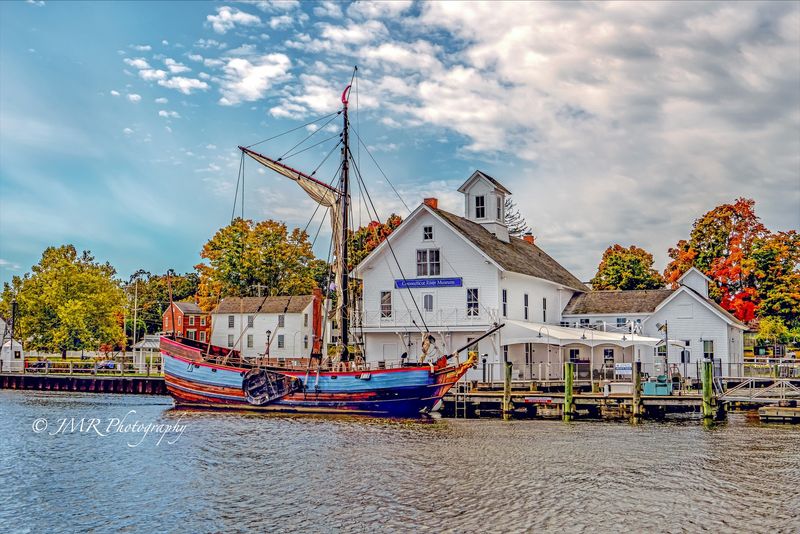
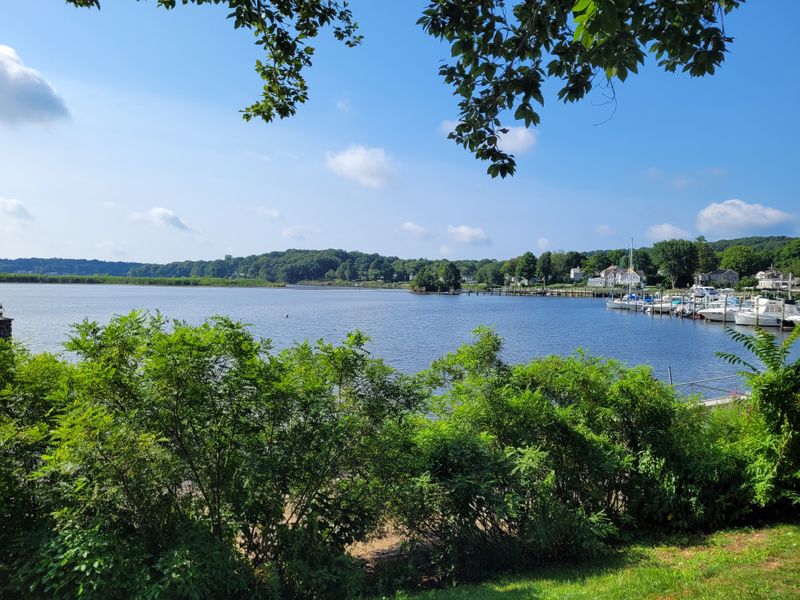
Essex’s identity has been inseparably linked to the Connecticut River since its founding, and that maritime tradition continues to shape daily life in ways that connect residents and visitors to the town’s seafaring past.
The waterfront area remains active with wooden boats, traditional sailboats, and classic yachts that would look perfectly at home in a 19th-century painting.
During the War of 1812, British forces recognized Essex’s importance as a shipbuilding center and raided the town, burning numerous vessels.
That legacy of craftsmanship never disappeared.
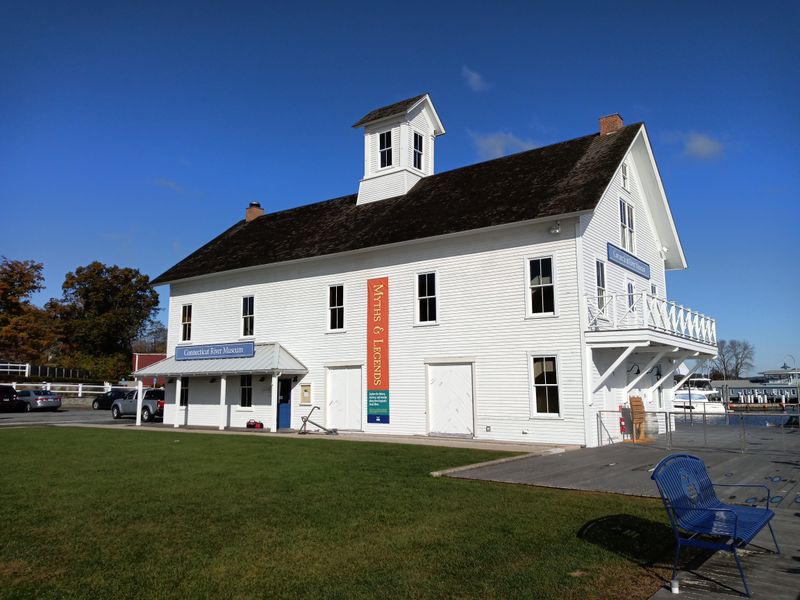
Today, the Connecticut River Museum at 67 Main Street preserves this maritime heritage with exhibits featuring ship models, navigational instruments, and artifacts that chronicle the river’s role in commerce and transportation.
The museum building itself, a restored 1878 steamboat warehouse, stands as a testament to the era when steamships carried passengers and cargo along this vital waterway.
Walking along the docks, you’ll often see boat builders and enthusiasts maintaining classic wooden vessels using traditional techniques passed down through generations.
The smell of varnish and the sound of hand tools working wood create a sensory experience that transports you backward in time.
Several local boatyards continue to specialize in wooden boat restoration and construction, keeping alive skills that have nearly vanished elsewhere.
The annual events celebrating this maritime culture, including boat shows featuring vintage craft, reinforce how deeply the river runs through Essex’s identity.
Standing at the water’s edge as sailboats glide past with the same grace they did centuries ago, you grasp how this timeless relationship between town and river creates an atmosphere that modern development cannot replicate.
Essex Steam Train and Riverboat Journey Through Yesterday
Few experiences capture the romance of historic travel quite like boarding the Essex Steam Train, where coal-fired locomotives pull restored vintage coaches through the Connecticut River Valley just as they did during the golden age of rail.
The journey begins at the beautifully maintained Essex Station, a classic railroad depot that immediately sets the nostalgic tone.
As the conductor calls “All aboard” and the whistle pierces the air, passengers settle into seats that could have transported travelers a century ago.
The rhythmic chug of the steam engine and the gentle swaying of the cars create a meditative quality entirely different from modern transportation.
Through the windows, the Connecticut countryside unfolds at a pace that allows you to actually see details: stone walls marking old property boundaries, historic farmhouses, and wetlands teeming with wildlife.
The train follows routes established in the 1800s, passing through landscapes that remain remarkably unchanged.
For the complete experience, passengers can transfer to a vintage riverboat for a cruise on the Connecticut River, combining two classic modes of 19th-century travel.
The riverboat glides past marinas, riverside estates, and natural areas while a narrator shares stories about the river’s history and the communities along its banks.
This combination of steam train and riverboat creates a journey that feels genuinely removed from the 21st century.
There are no highway views, no modern intrusions, just the timeless pleasure of slow travel through beautiful scenery.
Families with children especially appreciate this tangible connection to history, where youngsters can experience transportation as their great-grandparents knew it, complete with the smell of coal smoke and the sound of steel wheels on iron rails.
The Griswold Inn’s Unbroken Welcome Since 1776
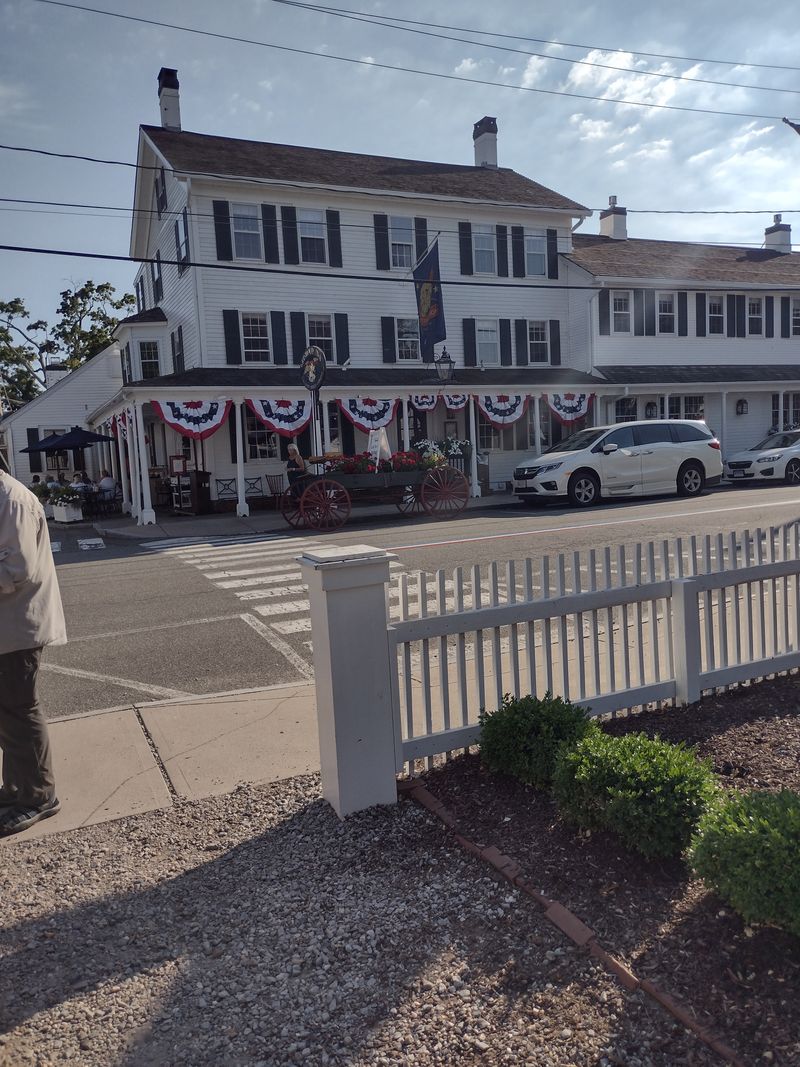
Standing proudly at 36 Main Street, the Griswold Inn represents an unbroken thread of hospitality stretching back to the year America declared its independence.
This remarkable establishment has welcomed travelers continuously since 1776, making it one of the oldest operating inns in the United States.
Walking through its doors means entering spaces where Revolutionary War soldiers, sea captains, shipbuilders, and countless ordinary travelers have sought rest and refreshment across nearly two and a half centuries.
The inn’s interior preserves this deep history with exceptional authenticity.
Low-beamed ceilings, wide-plank floors worn smooth by generations of footsteps, and fireplaces that have warmed guests through hundreds of New England winters create an atmosphere that simply cannot be replicated in newer establishments.
The Tap Room features a unique potbelly stove and a collection of maritime art and firearms that reflect Essex’s seafaring heritage.
The covered bridge bar, constructed from an actual 19th-century covered bridge, serves as both functional space and historical artifact.
Dining at the Griswold Inn means more than enjoying a meal.
It means participating in a tradition that has nourished travelers since before the Constitution was written.
The menu honors New England culinary traditions while the Sunday Hunt Breakfast, a longstanding tradition featuring live music, creates a convivial atmosphere that harkens back to community gatherings of earlier eras.
The guest rooms upstairs maintain period character while providing modern comfort, allowing visitors to sleep in spaces where history seems to whisper from the walls.
This inn doesn’t just preserve the past; it keeps it alive and functioning, proving that historic buildings can remain vibrant, relevant, and welcoming across the centuries.
Three Villages Preserving Distinct Historical Identities
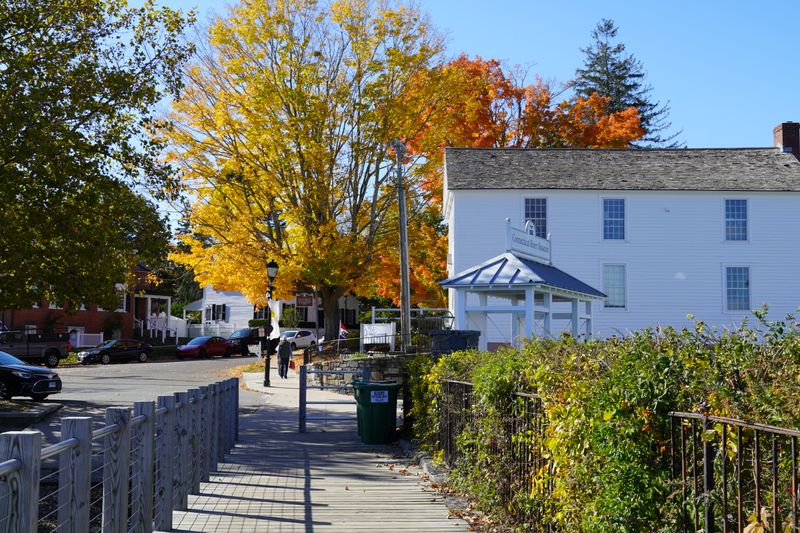
Essex’s unique character stems partly from its structure as three distinct villages, each maintaining its own historical identity and atmosphere while contributing to the town’s overall sense of timelessness.
Essex Village, clustered around the river and Main Street, embodies the maritime and commercial heart with its concentration of colonial architecture and waterfront access.
This village center feels like the quintessential New England town, complete with a white-steepled church, historic inn, and tree-shaded streets where generations of families have lived and worked.
Centerbrook developed around Falls River and became known for its mills and manufacturing heritage.
The village retains a more residential, quietly pastoral character with historic homes set among mature trees and winding roads that follow the natural landscape rather than imposing a rigid grid.
Artists and craftspeople have long been drawn to Centerbrook’s peaceful atmosphere, continuing a creative tradition that adds cultural richness to the community.
Ivoryton earned its distinctive name from the ivory industry that once thrived here, producing piano keys and other ivory goods in the 19th century.
The village developed its own character around this specialized industry, with worker housing and factory buildings that have been sensitively adapted to new uses while preserving their historical appearance.
The Ivoryton Playhouse, operating since 1911, maintains the village’s cultural legacy and draws theater enthusiasts to this small community.
This three-village structure prevents Essex from feeling like a single homogeneous town.
Instead, visitors discover varied neighborhoods, each with its own story and personality, yet all sharing a commitment to preserving their historical character.
This diversity within unity creates a richer, more layered experience than a typical small town offers, with different atmospheres to explore within a compact area.
Independent Shops in Historic Buildings
In an age when identical chain stores dominate most American towns, Essex stands apart with a Main Street lined with independent shops and galleries housed in buildings that predate the Civil War.
Shopping here means discovering one-of-a-kind items while supporting local artisans and business owners who have chosen to preserve both their buildings and the tradition of personalized service.
The retail experience in Essex feels fundamentally different from modern shopping.
Store owners often greet customers personally, sharing stories about their merchandise and the history of their buildings.
You might find hand-forged iron work, marine antiques, locally made pottery, or carefully curated vintage items that reflect the town’s heritage.
These aren’t generic gift shops filled with mass-produced souvenirs but genuine purveyors of quality goods with character and provenance.
The buildings themselves enhance the shopping experience.
Entering a shop means climbing worn wooden steps, ducking through doorways built for shorter 18th-century people, and browsing in rooms with original architectural details intact.
Many shops occupy former homes or commercial buildings that have served the community for generations, with creaky floors and uneven walls that testify to their age.
Art galleries showcase works by local and regional artists, often featuring maritime themes, Connecticut landscapes, and traditional crafts that connect to the area’s heritage.
Bookshops stock carefully selected titles including local history, maritime literature, and works by New England authors.
This thoughtful curation creates a shopping environment where browsing becomes a pleasure rather than an overwhelming chore.
The absence of corporate franchises and cookie-cutter retail preserves an economic model where personal relationships matter and commerce retains a human scale that has vanished from most American communities.
Town Green and Common Spaces for Community Gathering
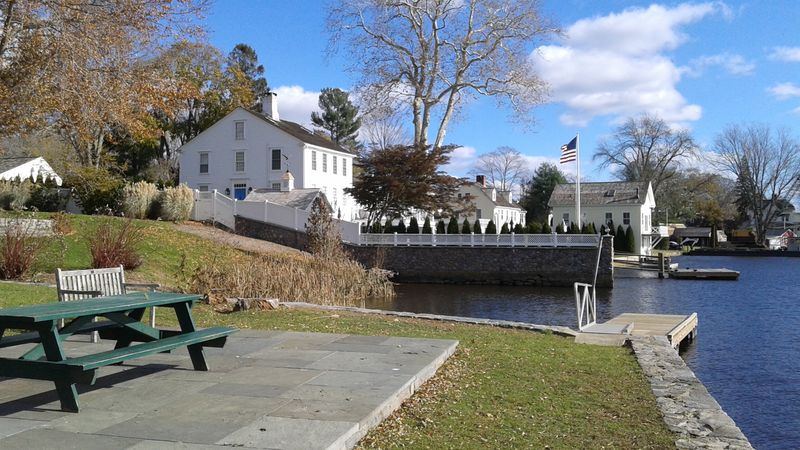
At the heart of Essex Village lies a classic New England town green, an open common space that has served as the community’s gathering place for centuries and continues to host the social interactions that build small-town connections.
This green space, surrounded by historic buildings and shaded by mature trees, represents a planning philosophy that prioritized community over commerce and public gathering over private profit.
Town greens originated in colonial New England as multipurpose spaces for militia training, livestock grazing, and public meetings.
While those specific uses have faded, Essex’s green maintains its role as a place where residents and visitors naturally converge.
During warmer months, you might see children playing, couples picnicking, or neighbors catching up on local news while their dogs socialize.
The green hosts seasonal events that strengthen community bonds, from summer concerts to holiday celebrations, continuing traditions that stretch back generations.
The buildings framing the green include the white-steepled Congregational Church, historic homes, and civic structures that create a harmonious architectural ensemble.
This visual coherence, with buildings oriented toward the shared common space rather than turned inward, reflects a social philosophy that valued public life and collective identity.
Sitting on a bench beneath the trees, you observe a pace of life that feels profoundly different from suburban or urban environments.
People actually stop to talk rather than rushing past.
The absence of through traffic creates a peaceful atmosphere where conversation and contemplation come naturally.
This common space, neither privatized nor commercialized, reminds visitors that public gathering places once formed the foundation of American community life.
Essex has preserved not just the physical green but the social patterns and values it represents, maintaining a model of community connection increasingly rare in modern America.
Seasonal Rhythms That Mark the Passage of Time
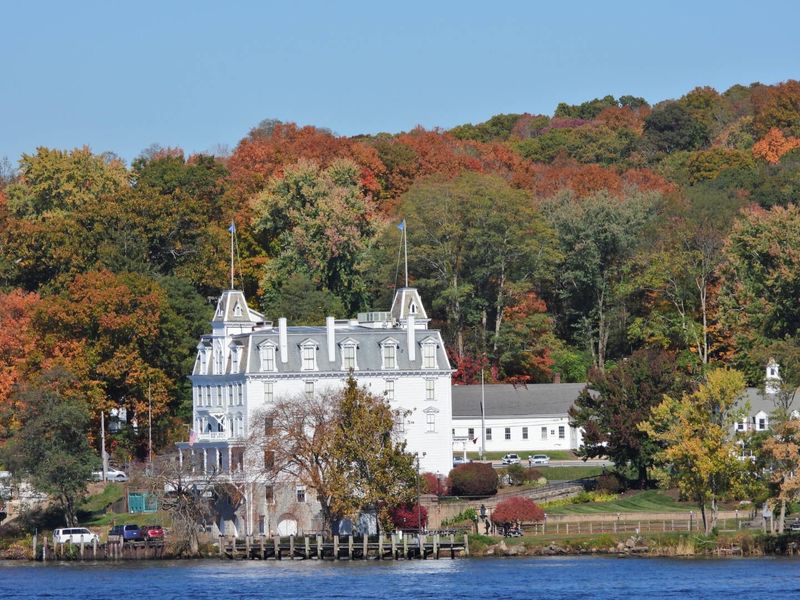
Life in Essex follows seasonal rhythms that connect residents and visitors to natural cycles largely ignored in climate-controlled modern environments.
The town’s character transforms with each season, creating distinct atmospheres that mark the passage of time in ways both beautiful and meaningful.
Autumn brings perhaps the most dramatic transformation as the hardwood forests surrounding Essex explode into brilliant reds, oranges, and golds.
The foliage creates a spectacular backdrop for the white colonial buildings, while cooler temperatures make walking and outdoor exploration particularly pleasant.
This is when the steam train journey becomes especially popular, as the vintage coaches roll through forests ablaze with color.
Local farms offer apple picking and pumpkins, connecting visitors to agricultural traditions that sustained earlier generations.
Winter wraps Essex in a quieter beauty as snow blankets the historic buildings and ice forms along the river’s edge.
The town takes on a hushed, almost reverential quality, with smoke rising from chimneys and warm light glowing from windows.
This is the season when the Griswold Inn’s fireplaces become especially welcoming and residents gather for community events that ward off winter’s isolation.
Spring arrives with daffodils and flowering trees that soften the colonial architecture, while summer brings the river fully alive with boating activity.
Warm evenings draw people outdoors for concerts on the green, sunset river cruises, and leisurely strolls through neighborhoods fragrant with honeysuckle and roses.
These seasonal changes create a living calendar that connects people to natural cycles.
Rather than experiencing an unchanging climate-controlled sameness throughout the year, visitors to Essex encounter a place where each season brings its own character, activities, and beauty.
This seasonal awareness fosters a different relationship with time, one that acknowledges change and impermanence while finding beauty in each phase of the annual cycle.
Absence of Modern Commercial Intrusions
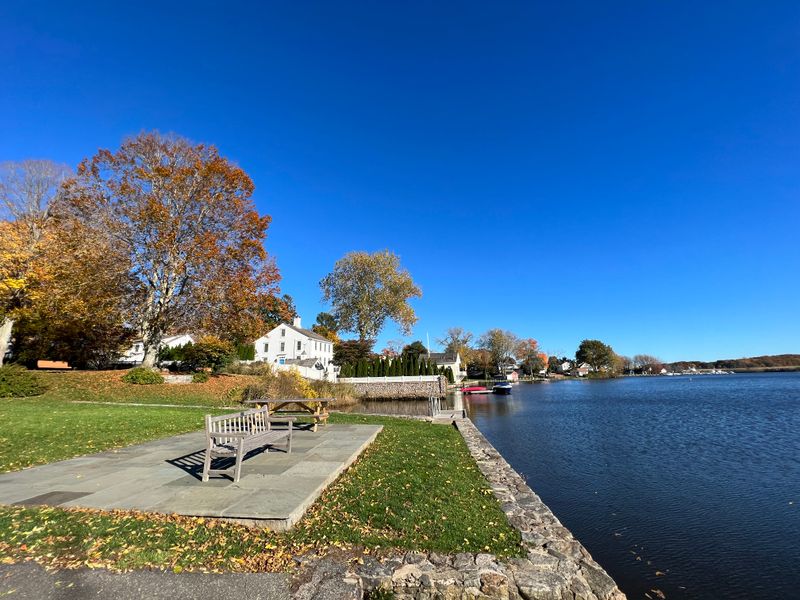
Perhaps nothing contributes more to Essex’s timeless quality than what you don’t see: the familiar logos, chain restaurants, big-box stores, and generic commercial development that dominate most American towns.
This absence creates a visual and cultural environment dramatically different from typical suburban landscapes.
Essex has successfully resisted the homogenizing forces that have made so many towns virtually indistinguishable from one another.
You won’t find golden arches, drive-through windows, or sprawling parking lots interrupting the historic streetscape.
The town’s planning and zoning regulations, combined with strong community values, have prevented the kind of commercial strip development that typically clusters around highway exits.
This preservation effort required conscious choices and sometimes difficult decisions about economic development.
The result is a town that has maintained its distinctive character and sense of place.
Visitors immediately notice this difference.
Without the visual clutter of competing corporate signage and franchise architecture, the historic buildings and natural landscape take center stage.
Your eye isn’t constantly assaulted by familiar logos and standardized building designs.
Instead, you notice architectural details, seasonal changes, and the unique character of individual buildings.
This creates a more restful, contemplative environment where beauty and history can be appreciated without constant commercial distraction.
The absence of chain stores also means that shopping and dining in Essex support local families and entrepreneurs rather than distant corporate shareholders.
This economic model keeps more money circulating within the community and gives residents greater control over their town’s character and future.
For visitors, this creates opportunities to discover unique establishments and form personal connections with business owners.
Essex proves that towns can prosper economically while resisting homogenization, offering a model increasingly rare but deeply appealing to travelers seeking authentic experiences rather than generic convenience.
Living History Rather Than Museum Preservation
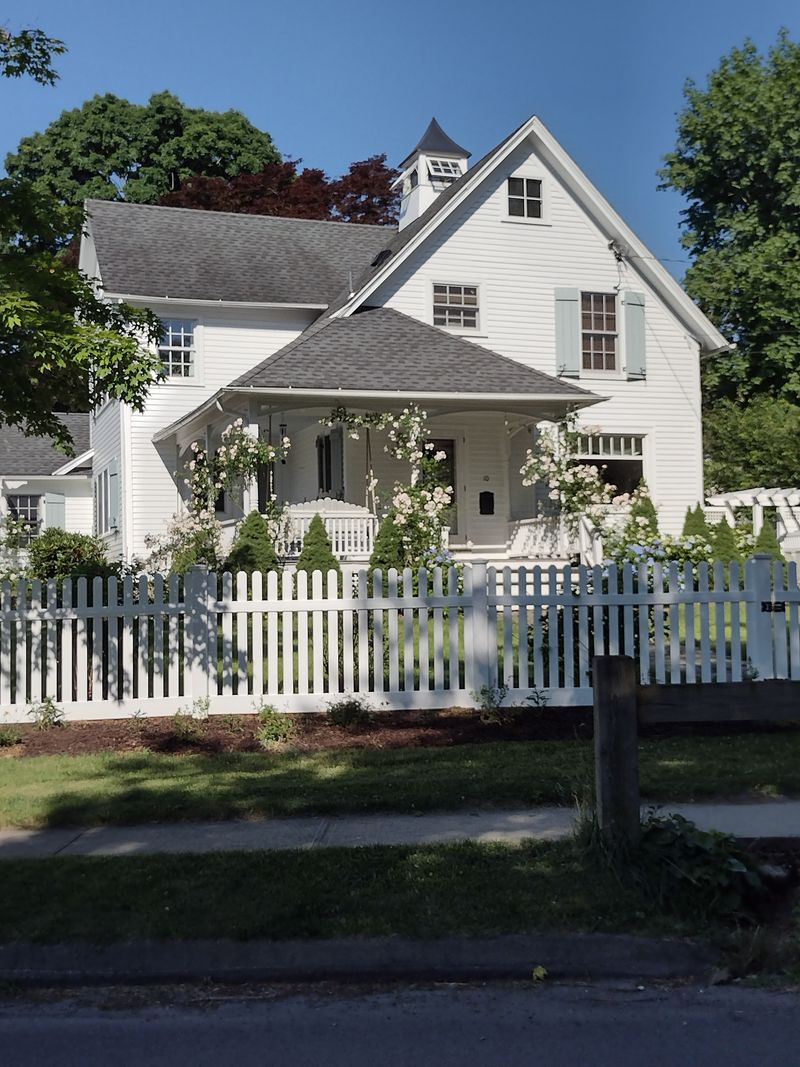
What makes Essex truly special is that it functions as a living, working community rather than a frozen museum exhibit or tourist-focused historic district.
Real people live in the historic homes, children attend local schools, and businesses serve genuine community needs alongside welcoming visitors.
This authenticity creates an atmosphere that staged historic villages and theme parks can never replicate.
Many historic preservation efforts inadvertently create sterile environments where buildings are maintained but communities die.
Essex has avoided this trap by ensuring that historic structures remain functional and economically viable.
The 18th-century homes house families, not just exhibits.
The historic commercial buildings contain working businesses, not just interpretive displays.
This ongoing use ensures that buildings receive the maintenance and care that preservation requires while remaining integrated into daily life.
Residents take pride in their town’s heritage without being imprisoned by it.
Modern necessities like plumbing, heating, and internet exist within historic structures, adapted sensitively to preserve architectural integrity while meeting contemporary needs.
This balance between preservation and practicality allows Essex to honor its past without becoming trapped in it.
Visitors benefit from this living history approach by experiencing authentic community life rather than a performance staged for tourists.
You might overhear genuine local conversations, witness regular community events, or observe the daily rhythms of small-town life that have continued for generations.
The town feels welcoming to visitors precisely because it doesn’t depend entirely on tourism.
Essex’s success in maintaining both historical integrity and contemporary vitality offers valuable lessons for communities struggling to preserve their heritage.
It demonstrates that historic preservation works best when buildings remain useful, when regulations balance protection with flexibility, and when communities value their past as a living inheritance rather than a burden or commodity.
Dear Reader: This page may contain affiliate links which may earn a commission if you click through and make a purchase. Our independent journalism is not influenced by any advertiser or commercial initiative unless it is clearly marked as sponsored content. As travel products change, please be sure to reconfirm all details and stay up to date with current events to ensure a safe and successful trip.
