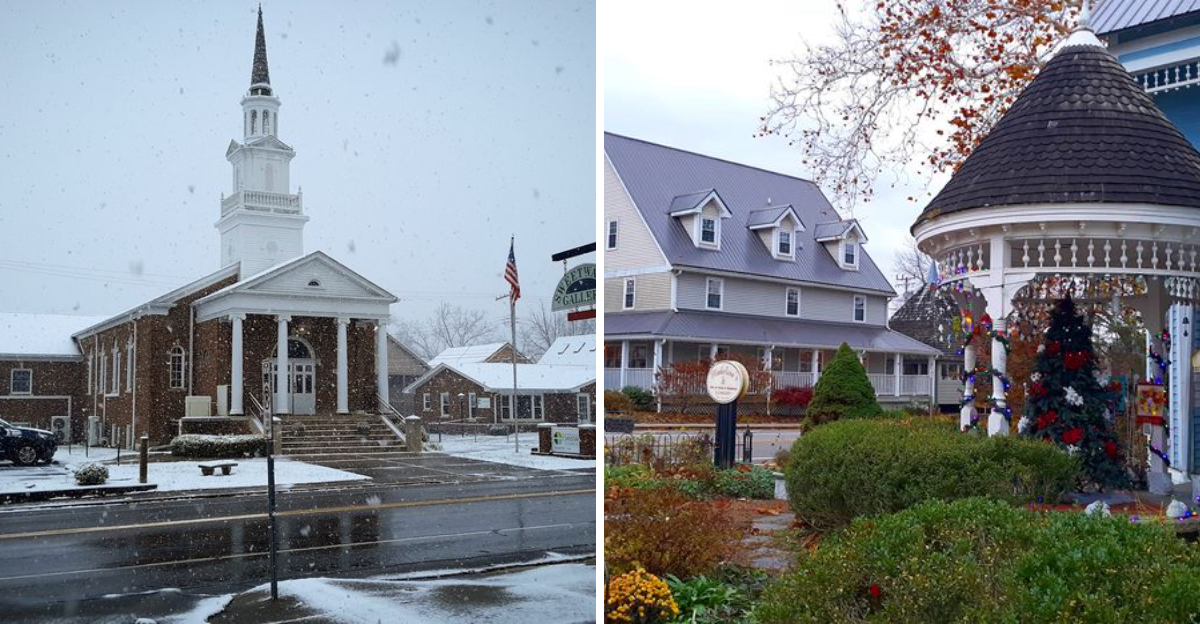
Tucked into the rolling hills of Brown County in southern Indiana, Nashville stands as a picture-perfect village that seems frozen in time.
With its wooden boardwalks, historic storefronts, and vibrant artist community, this small town has maintained an authenticity that feels almost too perfect to be real.
Travelers from across the Midwest flock here year-round to experience the autumn foliage, browse handmade crafts, and wander streets that look like they belong in a different century.
What makes Nashville so remarkably well-preserved, and why does it feel like stepping into a living museum?
We’ve based this feature on historical preservation records, visual observations, and impressions from our travel team. Perceptions of “well preserved” and atmosphere vary by visitor and over time. This assessment is unavoidably subjective.
The Brown County Art Colony Legacy Lives On
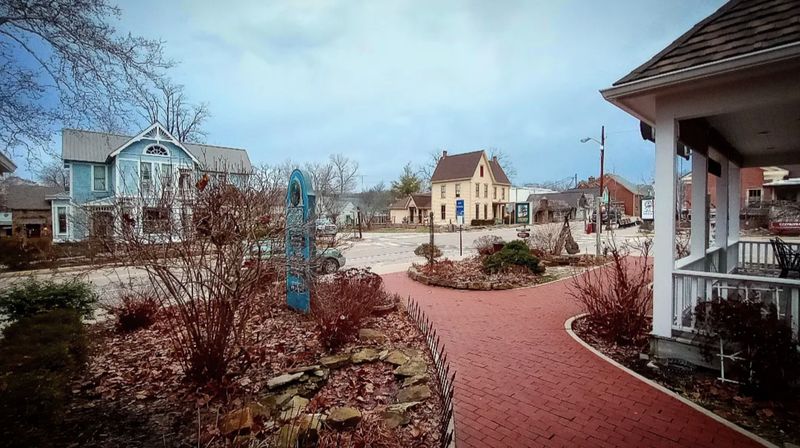
Artists began arriving in Nashville back in 1907, drawn by the unspoiled landscape and the way light filtered through the hardwood forests.
T.C. Steele, one of Indiana’s most celebrated impressionist painters, built his home and studio just outside town, and his presence attracted dozens of other creative minds.
This wasn’t just a passing trend but the foundation of a community that would shape Nashville’s identity for over a century.
Today, more than 300 artists still call Brown County home, making it one of the most concentrated artistic communities in the entire Midwest.
Walking down Van Buren Street, you’ll find galleries tucked into century-old buildings where painters, sculptors, and craftspeople display their work.
The Brown County Art Gallery, located at 1 Artist Drive, continues the tradition started over a hundred years ago.
What sets Nashville apart is how deeply the artistic heritage is woven into everyday life here.
Residents haven’t just preserved buildings; they’ve maintained the creative spirit that first put this town on the map.
You might spot an artist setting up an easel along a quiet country road or catch a demonstration of traditional pottery techniques.
The commitment to handmade, original art means that chain stores and mass-produced souvenirs have never gained a foothold.
Instead, every shop offers something unique, crafted by someone who likely lives just down the road.
This living artistic tradition keeps Nashville feeling authentic rather than manufactured for tourists.
The town hasn’t become a museum; it remains a working artist colony where creativity continues to flourish in the same hills that inspired those first painters.
Strict Preservation Ordinances Keep Modern Development at Bay
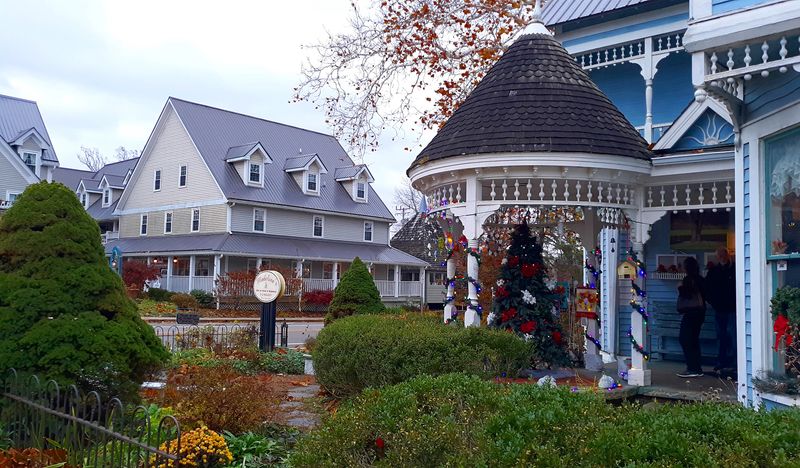
Nashville’s remarkably consistent appearance isn’t accidental but the result of carefully crafted local regulations.
The town council has implemented preservation ordinances that control everything from building materials to signage styles.
New construction must blend seamlessly with the historic character, using wood siding, traditional rooflines, and earth-tone colors.
Even modern businesses that move into town must adapt their branding to fit the established aesthetic.
You won’t find bright plastic signs or contemporary glass-and-steel architecture disrupting the streetscape.
These rules might seem strict, but they’ve created a visual harmony that makes Nashville feel cohesive and intentional.
Walking through town, your eye isn’t jarred by clashing styles or jarring modern intrusions.
Every building seems to belong, as if it has always been part of the landscape.
The ordinances also limit chain restaurants and national retailers, preserving the independent, local character that defines Nashville.
This means that every shop, cafe, and gallery is owned by someone invested in the community’s unique identity.
While some small towns struggle with empty storefronts and economic decline, Nashville has found economic vitality through preservation rather than modernization.
Visitors come specifically because it doesn’t look like everywhere else.
The wooden boardwalks that line the streets require constant maintenance, but the town commits resources to keeping them in excellent condition.
This dedication to upkeep prevents the shabby, neglected look that can plague historic areas.
Nashville looks well-preserved because it is actively preserved every single day through conscious choices and community commitment.
Geography Naturally Isolated the Town from Urban Sprawl
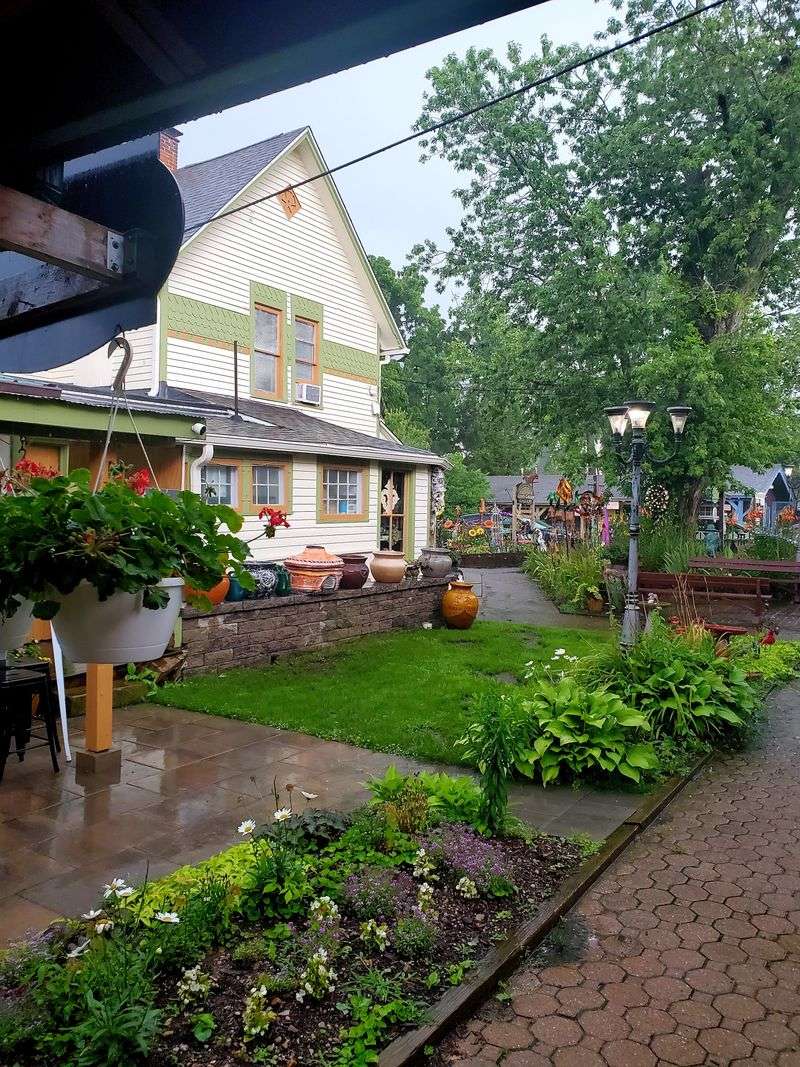
Brown County’s rugged topography has always made development challenging and expensive.
Unlike the flat farmland that dominates much of Indiana, this region features steep hills, narrow valleys, and rocky soil unsuitable for large-scale agriculture.
When highways were built across the state, they naturally followed easier routes through flatter terrain.
Nashville remained tucked away on winding two-lane roads that discourage casual pass-through traffic.
This geographic isolation meant that the suburban sprawl radiating from Indianapolis and other cities never reached Nashville.
There was no economic pressure to tear down old buildings for parking lots or to widen streets for increased traffic.
The town grew slowly, organically, at a pace that allowed preservation rather than replacement.
Brown County State Park, Indiana’s largest state park, surrounds Nashville with over 15,000 acres of protected forest.
This creates a natural buffer that prevents strip malls and housing developments from creeping toward town.
The park was established in 1929, ensuring that the scenic landscape artists fell in love with would remain largely unchanged.
Visitors approaching Nashville wind through miles of unbroken forest before the town suddenly appears.
This arrival experience enhances the feeling of discovering something special and separate from the modern world.
The challenging terrain that once kept Nashville economically isolated now serves as its greatest asset.
Those same steep hillsides and winding roads create the dramatic scenery that attracts thousands of visitors.
Geography gave Nashville the gift of time, allowing it to preserve its character while other towns modernized beyond recognition.
Tourism Economics Reward Authenticity Over Convenience
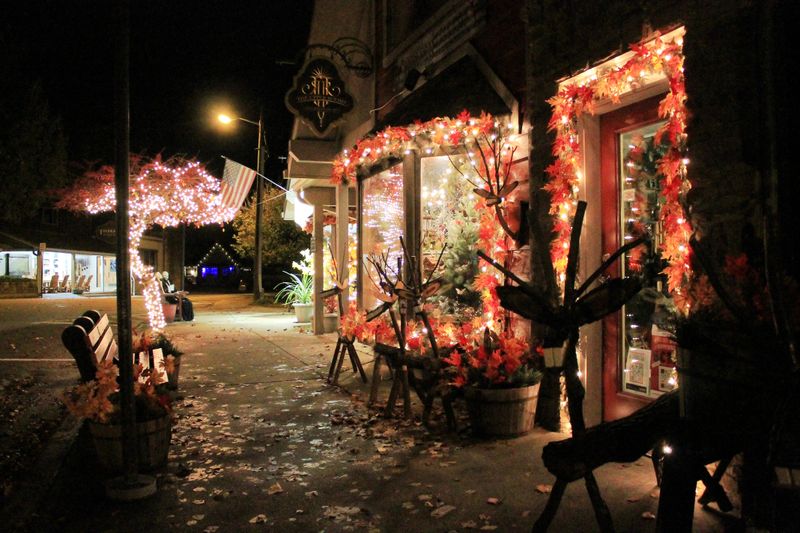
Most small towns face pressure to modernize because they need to attract businesses and residents.
Nashville discovered early that its historic character was itself an economic engine.
The town’s economy runs almost entirely on tourism, with visitors spending money at galleries, restaurants, bed-and-breakfasts, and shops.
Business owners quickly learned that tourists come specifically because Nashville doesn’t look like a typical American town.
Opening a chain restaurant or big-box store would actually hurt the local economy by diminishing the uniqueness that draws visitors.
This creates an unusual economic situation where preservation is more profitable than development.
A shop selling handmade furniture or original artwork generates more revenue and creates a better visitor experience than a generic souvenir store ever could.
Local business owners have a direct financial incentive to maintain the town’s authentic character.
The seasonal nature of Nashville’s tourism also shapes how the town operates.
October brings the most visitors, drawn by spectacular fall foliage that paints the surrounding hills in brilliant reds and golds.
During peak season, the town’s population swells dramatically, but the infrastructure remains intentionally small-scale.
There are no massive parking structures or wide boulevards designed for heavy traffic.
Instead, visitors park in small lots scattered around town and explore on foot.
This creates a more intimate, walkable experience that reinforces the historic atmosphere.
The economic model proves that small towns don’t have to sacrifice their character to survive; they can thrive by celebrating what makes them different.
The Log Cabin Architecture Creates Timeless Visual Appeal
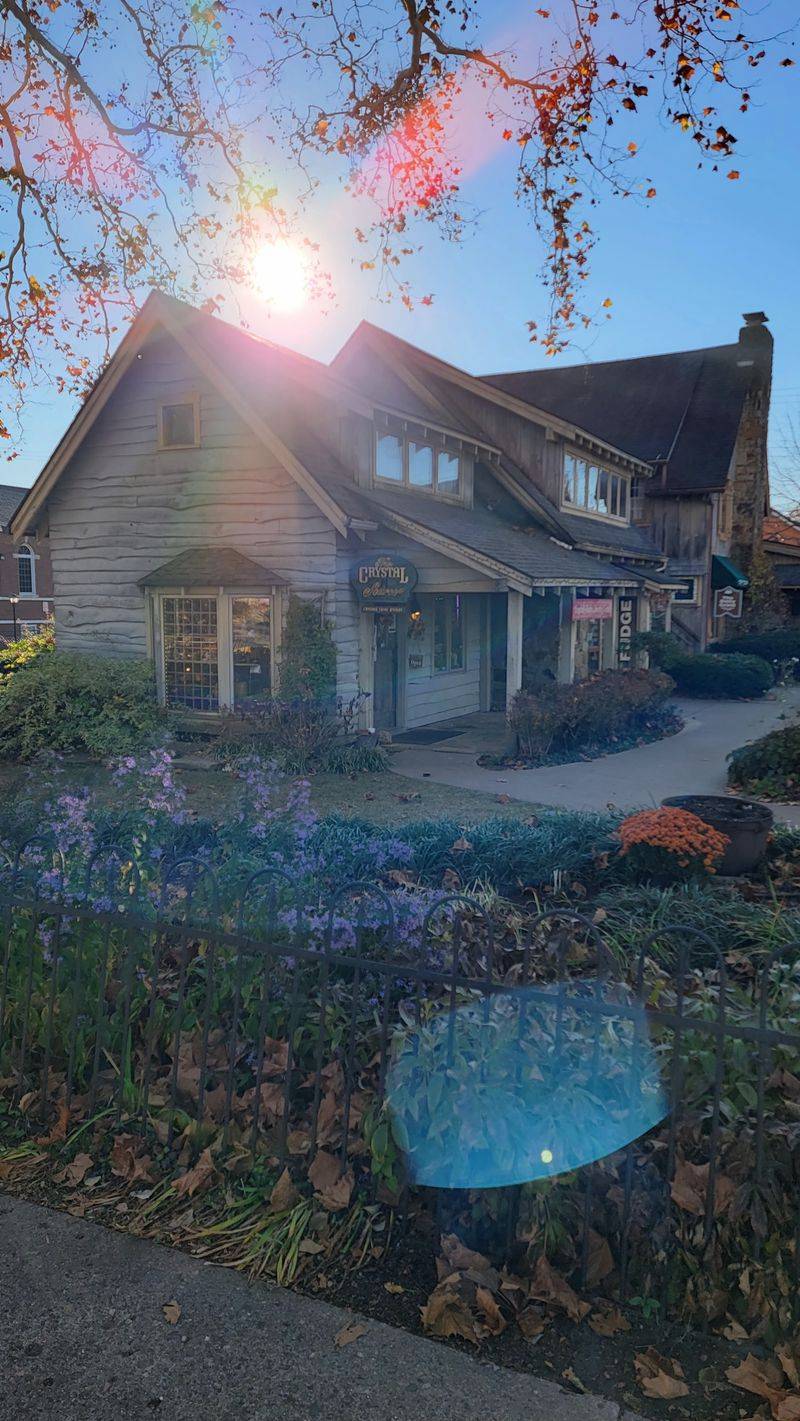
Many of Nashville’s most iconic buildings feature log cabin construction or wood siding that echoes pioneer-era aesthetics.
This architectural style connects the town visually to Indiana’s frontier history while creating a warm, rustic atmosphere.
The Brown County Pioneer Village, located at the corner of Gould Street and Old School Way, showcases authentic 19th-century log structures relocated from around the county.
Visitors can explore The Old Log Jail and other buildings that demonstrate how early settlers constructed their homes and businesses.
What’s remarkable is how Nashville’s commercial district adopted and maintained this aesthetic even as construction techniques evolved.
Buildings constructed in the 1920s and 1930s deliberately mimicked older styles, creating visual continuity.
This wasn’t historical accident but conscious choice by builders and business owners who recognized the appeal of rustic architecture.
Wood ages beautifully when properly maintained, developing rich patinas and character that synthetic materials can’t replicate.
The natural materials blend seamlessly with the surrounding forest landscape, making buildings feel like organic extensions of the environment.
Unlike brick or stone construction common in many Midwestern towns, wood construction feels less formal and more approachable.
It creates an atmosphere that’s welcoming rather than imposing, folksy rather than grand.
The log cabin aesthetic also carries powerful cultural associations with self-reliance, craftsmanship, and simpler times.
Visitors experience Nashville as a place where life moves at a different pace, partly because the architecture suggests a pre-industrial era.
Maintaining wooden structures requires constant attention, but Nashville’s commitment to this upkeep keeps buildings looking cared-for rather than shabby.
The architectural consistency creates a stage-set quality that makes the entire town feel like a carefully curated experience.
Seasonal Transformations Keep the Landscape Perpetually Interesting
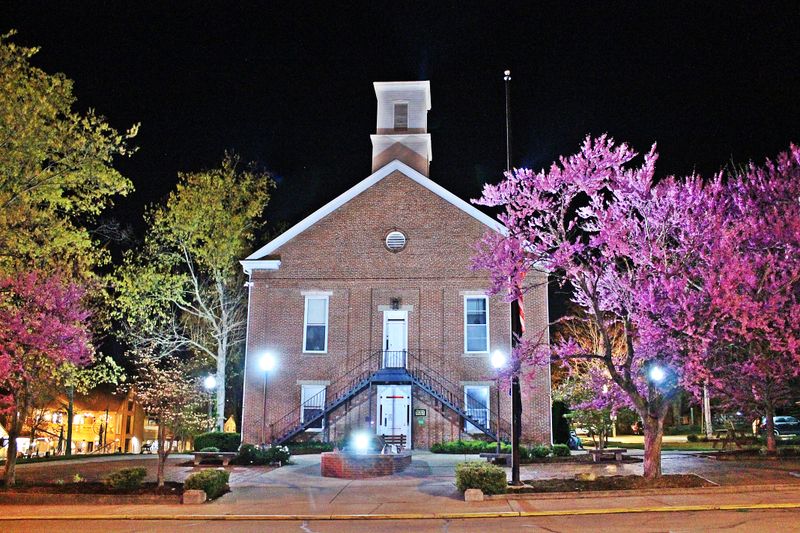
Brown County’s deciduous forests put on spectacular seasonal displays that keep the landscape constantly changing.
Spring brings delicate wildflowers carpeting the forest floor and fresh green leaves unfurling on thousands of trees.
Summer transforms the hills into a lush green paradise, with dense canopy providing cool shade along hiking trails.
Autumn is when Nashville truly shines, as maples, oaks, and hickories explode in brilliant shades of scarlet, orange, and gold.
The fall color typically peaks in mid-October, drawing visitors from across the Midwest who drive winding roads to witness the transformation.
Winter strips the hills bare, revealing the underlying topography and creating stark, beautiful vistas.
Snow occasionally blankets the town, transforming it into a scene from a vintage postcard.
This constant seasonal change means Nashville never becomes stale or monotonous.
Return visitors find a different experience depending on when they arrive.
The natural cycles also reinforce the town’s connection to the landscape rather than to modern commerce.
Nashville operates on nature’s schedule, with businesses adapting to seasonal visitor patterns.
Some shops close or reduce hours during quiet winter months, then expand operations when autumn crowds arrive.
This rhythm feels fundamentally different from cities where climate-controlled environments and artificial lighting erase seasonal distinctions.
Artists have always been drawn to the changing light and colors, and that tradition continues today.
You’ll often see painters working outdoors, trying to capture the particular quality of afternoon light filtering through October leaves or the misty mornings of early spring.
The seasonal drama keeps Nashville feeling alive and dynamic while maintaining its historic character.
Limited Infrastructure Prevents Overcrowding and Maintains Scale
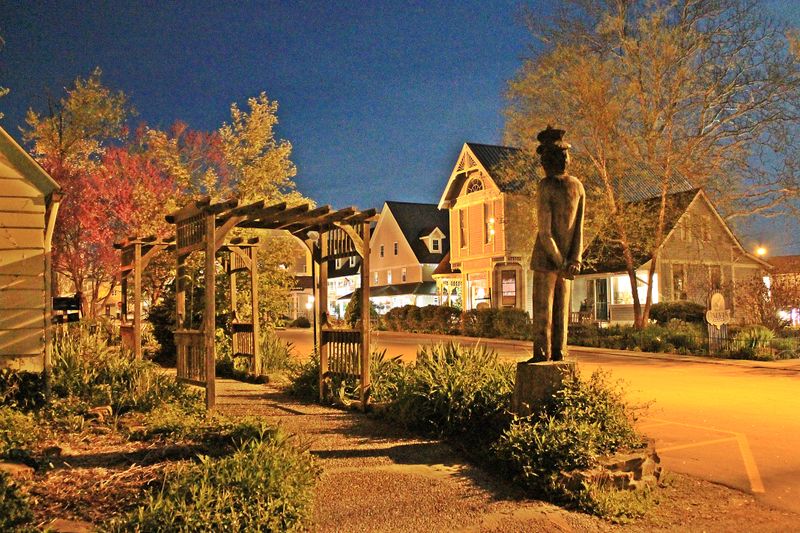
Nashville has never built the infrastructure necessary to accommodate massive crowds or rapid growth.
The roads remain narrow and winding, with limited parking scattered in small lots throughout town.
There’s no municipal water or sewer system extending beyond the town center, which naturally limits how much development can occur.
This infrastructure limitation acts as a built-in growth control mechanism.
During peak autumn weekends, the town reaches capacity quickly, with parking filling up and sidewalks becoming crowded.
Rather than expanding infrastructure to handle peak loads, Nashville simply accepts that there will be busy days when the town feels full.
This scarcity enhances the experience for those who visit during quieter times and prevents the town from losing its intimate character.
Many larger tourist destinations build massive parking structures and wide streets to accommodate crowds, but these changes fundamentally alter the character of a place.
Nashville has resisted this pressure, maintaining its small-town scale even as visitor numbers have grown.
The lack of chain hotels means overnight accommodations consist mainly of bed-and-breakfasts and small inns scattered around town.
These smaller-scale lodgings blend into the residential fabric rather than dominating the landscape.
Visitors stay in converted historic homes or cozy cabins tucked into the surrounding hills.
The limited infrastructure also means Nashville can’t host large conventions or events that would require significant facilities.
The town remains focused on individual travelers and small groups rather than tour buses and corporate gatherings.
This selective approach to tourism preserves the intimate, personal experience that makes Nashville special.
Sometimes the best preservation strategy is simply not building the capacity for dramatic change.
Strong Community Identity Resists Homogenization
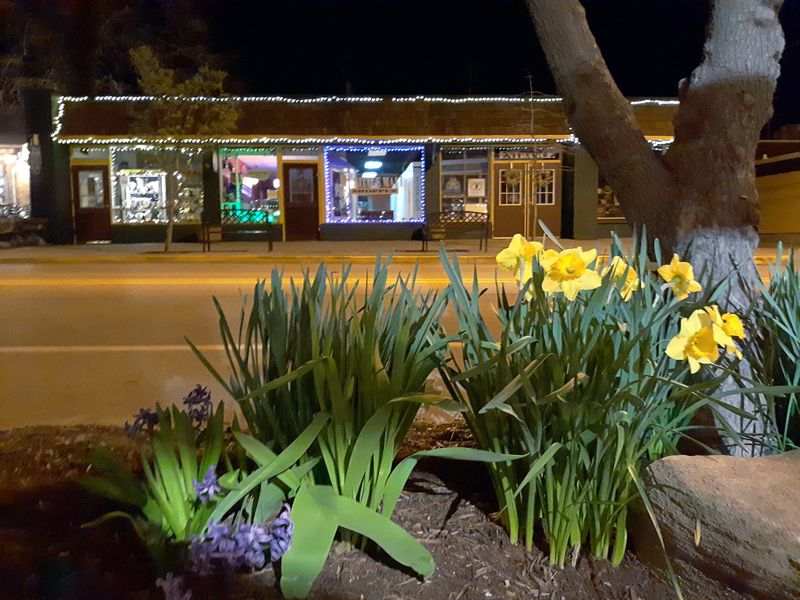
Nashville’s year-round residents maintain a strong sense of community identity distinct from the tourist economy.
Many families have lived in Brown County for generations, creating deep roots and shared history.
This isn’t a town that’s been taken over entirely by tourism; real people live here, raise children, and participate in community life.
The permanent population remains small, around 1,000 people, which allows for genuine community connections.
Residents know each other, participate in local government, and make collective decisions about the town’s future.
When development proposals arise that might threaten Nashville’s character, community members speak up at town meetings and planning sessions.
This civic engagement has repeatedly prevented changes that could have altered the town’s fundamental nature.
The artist community plays a particularly important role in maintaining Nashville’s identity.
These aren’t hobby artists but professionals who’ve chosen Nashville specifically because of its creative atmosphere and unspoiled landscape.
They have strong opinions about preserving the qualities that attracted them in the first place.
Local schools, churches, and civic organizations create social bonds that transcend the tourist economy.
Children grow up learning about the town’s artistic heritage and the importance of preservation.
This cultural education ensures that each new generation understands what makes Nashville special and worth protecting.
The community has successfully balanced welcoming visitors with maintaining local control over how the town evolves.
Business owners live in the community rather than being outside investors, giving them personal stakes in long-term preservation.
Strong community identity acts as an immune system against the homogenizing forces that have made many American towns indistinguishable from each other.
The Surrounding State Park Provides Endless Natural Context
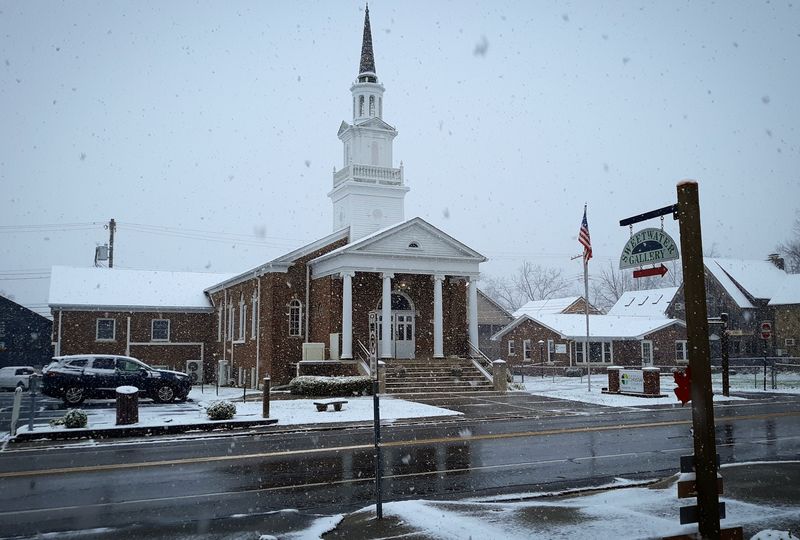
Brown County State Park serves as Nashville’s backyard, offering 15,000 acres of hardwood forest, rugged trails, and scenic overlooks.
Established in 1929, the park has protected the landscape that originally attracted artists and continues to define the region’s character.
Visitors can hike miles of trails that wind through terrain that looks much as it did a century ago.
The park provides context for Nashville, making the town feel like the natural gateway to wilderness rather than an isolated tourist attraction.
You can spend mornings exploring galleries in town, then drive minutes to trailheads where you’ll encounter deer, wild turkeys, and countless bird species.
The park’s Weed Patch Hill offers panoramic views across the county, with forested ridges extending to the horizon.
These vistas help visitors understand why artists fell in love with this landscape and why preservation matters.
The park also provides recreational opportunities that complement Nashville’s cultural attractions.
Families can camp, horseback ride, mountain bike, or simply enjoy picnics surrounded by nature.
This combination of cultural and natural experiences makes Brown County a destination where visitors can spend several days without exhausting the possibilities.
The protected parkland ensures that Nashville will never be surrounded by development.
The town remains an island of human settlement within a sea of forest, maintaining the relationship between civilization and wilderness that defines its character.
State park management has also remained consistent with preservation values, avoiding overdevelopment of facilities within the park itself.
Campgrounds and trails maintain a rustic character appropriate to the setting.
The symbiotic relationship between town and park creates a larger preserved landscape where Nashville feels like an authentic part of the natural environment rather than an artificial attraction.
Dear Reader: This page may contain affiliate links which may earn a commission if you click through and make a purchase. Our independent journalism is not influenced by any advertiser or commercial initiative unless it is clearly marked as sponsored content. As travel products change, please be sure to reconfirm all details and stay up to date with current events to ensure a safe and successful trip.
