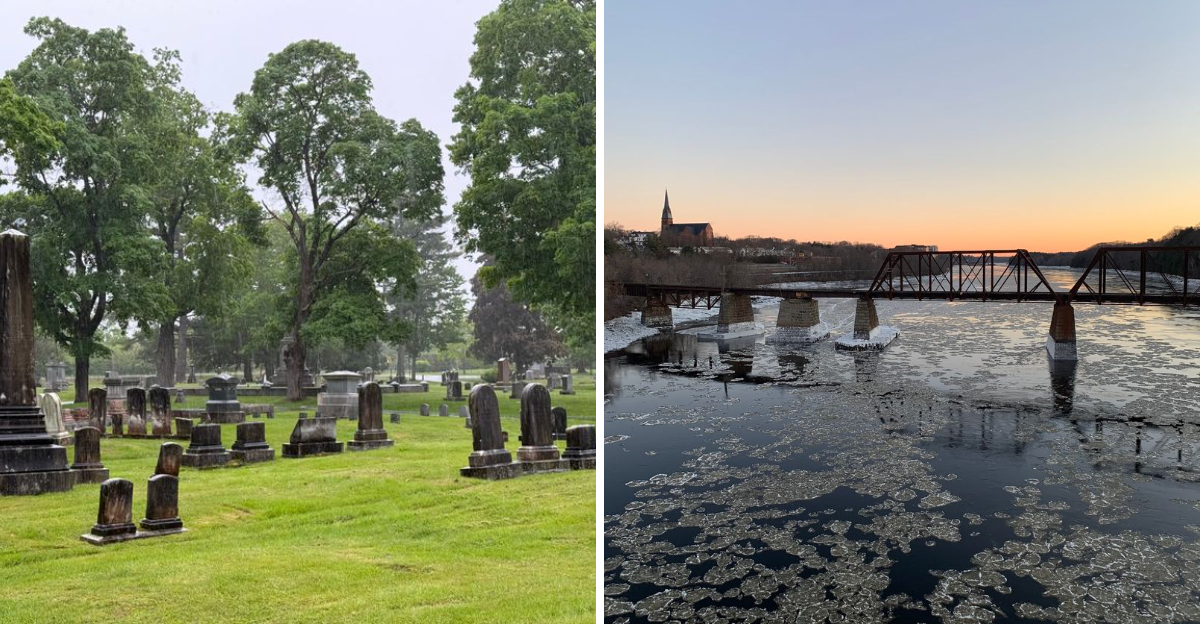
Bangor, Maine sits along the Penobscot River in the heart of the Pine Tree State, a place where fog rolls through quiet streets and Victorian mansions cast long shadows across weathered sidewalks.
This modest city of around 30,000 people has become famous as the home of horror writer Stephen King, whose eerie novels often mirror the moody atmosphere found here.
Walking through Bangor feels like stepping into one of his stories, where ordinary New England charm mixes with something darker lurking just beneath the surface.
From historic neighborhoods lined with Gothic architecture to forested trails where nature reclaims abandoned spaces, Bangor offers travelers an unforgettable journey into a landscape that inspired some of America’s most chilling fiction.
The Towering Paul Bunyan Statue on Main Street
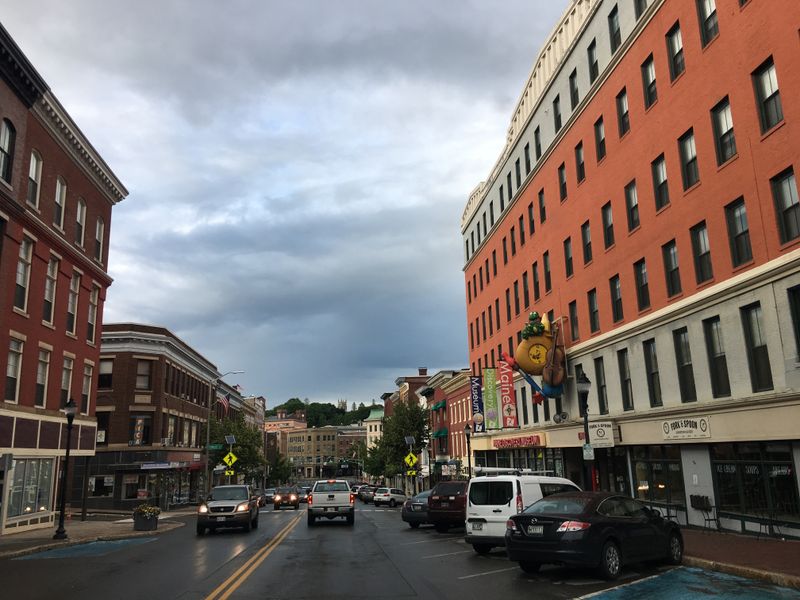
Standing 31 feet tall along Main Street, the Paul Bunyan statue greets visitors with an imposing presence that feels both welcoming and slightly unsettling.
This massive fiberglass lumberjack was built in 1959 to honor Bangor’s history as a major timber center during the 19th century.
His enormous axe and fixed grin create an oddly frozen moment in time, especially when clouds gather overhead and shadows stretch across the pavement.
Locals have grown accustomed to Paul’s watchful gaze, but first-time visitors often find themselves pausing to take in the sheer scale of this roadside giant.
The statue embodies that classic Stephen King element where something innocent becomes unnerving through context and atmosphere.
During foggy mornings or late autumn evenings, Paul Bunyan takes on an almost sentinel-like quality, as though guarding secrets from Bangor’s logging past.
Photographers love capturing this landmark against dramatic skies, which amplifies its mysterious character.
The surrounding area along Main Street features historic brick buildings that add to the old-fashioned New England aesthetic.
Many King fans make pilgrimages here specifically to photograph this iconic figure, recognizing how it represents the blend of Americana and eeriness found throughout his work.
The statue stands as a reminder that Bangor’s identity is rooted in rugged frontier history, timber barons, and hard-working communities.
Visiting Paul Bunyan offers travelers a perfect introduction to how ordinary landmarks can carry extraordinary atmosphere when viewed through the right lens.
Stephen King’s Victorian Mansion With Its Wrought Iron Gate
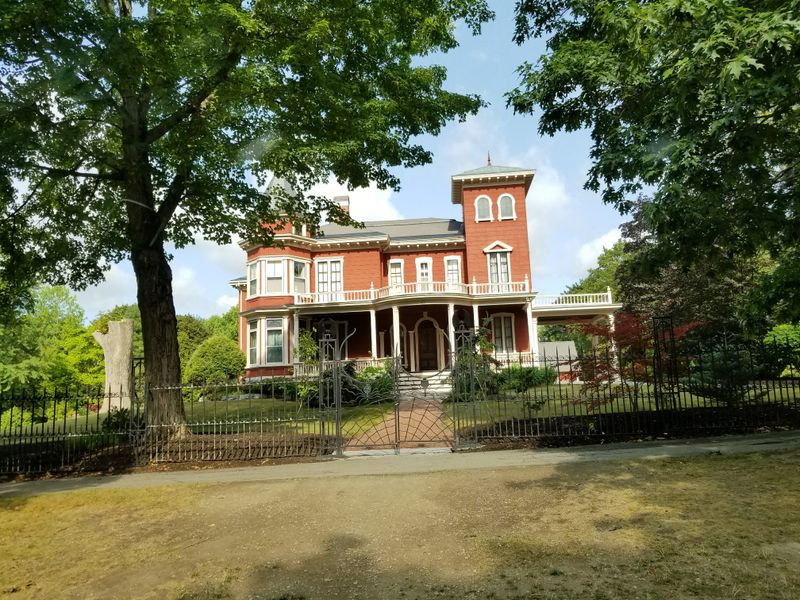
At 47 West Broadway stands one of Bangor’s most photographed residences, a striking Italianate Victorian mansion painted in deep red with black trim.
Stephen King purchased this home in 1980, and it has since become a landmark for horror fans traveling from around the world.
What makes the property truly memorable is its custom wrought iron fence decorated with bats, spiderwebs, and other Gothic motifs that seem pulled directly from a horror novel.
The fence was designed specifically for King and perfectly captures the playful yet spooky aesthetic that defines much of his public persona.
Visitors should remember this is a private residence, so respectful street-side viewing and photography are appropriate, but trespassing is not.
The mansion itself features turrets, bay windows, and ornate architectural details typical of prosperous 19th-century New England homes.
During October, the house takes on an even more atmospheric quality as autumn leaves scatter across the lawn and early darkness falls over the neighborhood.
The surrounding West Broadway area is filled with similar Victorian and Queen Anne style homes, creating a historic district that feels suspended in time.
Walking this street at dusk, with old-fashioned streetlamps flickering to life and wind rustling through ancient trees, travelers can easily imagine the settings King describes in his novels.
The mansion represents how Bangor’s architectural heritage provides endless inspiration for stories about small-town secrets and things that go bump in the night.
For King enthusiasts, simply standing outside this famous address offers a tangible connection to the author’s creative world.
Mount Hope Cemetery’s Winding Paths and Ancient Tombstones
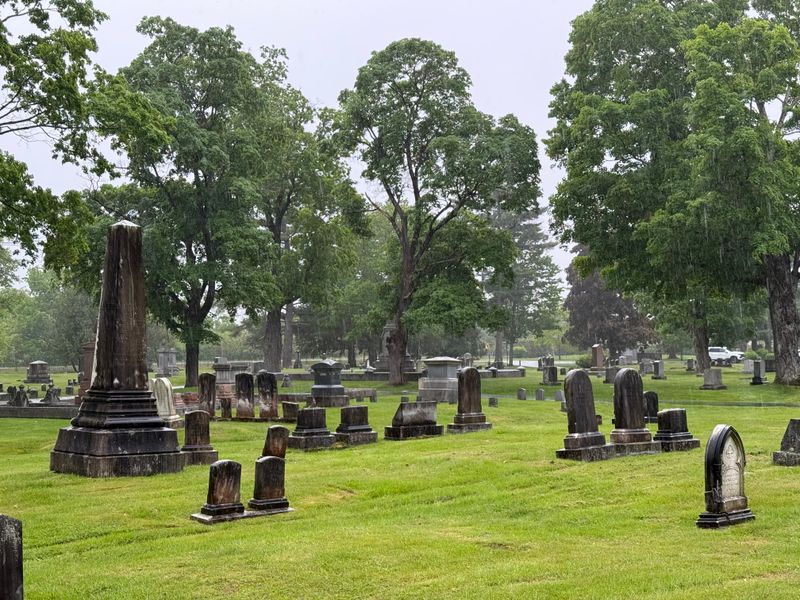
Mount Hope Cemetery, established in 1834, sprawls across 264 acres of rolling hills overlooking the Penobscot River, making it one of America’s oldest garden cemeteries.
The grounds feature winding pathways that disappear around corners beneath canopies of mature trees, creating an atmosphere both peaceful and mysteriously inviting.
Weathered tombstones from the 1800s lean at odd angles, their inscriptions worn smooth by more than a century of Maine weather.
Victorian monuments depicting angels, draped urns, and weeping willows add dramatic flair to the landscape, especially when morning fog drifts between the markers.
Stephen King himself has mentioned visiting this cemetery for inspiration, and it’s easy to see why writers and artists find creative fuel here.
The cemetery’s design follows the rural cemetery movement, blending burial grounds with park-like natural beauty meant for contemplation and leisurely walks.
During autumn, the foliage transforms the cemetery into a canvas of oranges, reds, and golds that contrast beautifully with grey stone monuments.
Notable burials include lumber barons, Civil War soldiers, and prominent Bangor citizens whose stories reflect the city’s rich history.
Visitors often report feeling a sense of timelessness here, as though the boundary between past and present grows thin among these ancient graves.
The cemetery remains open to the public year-round, and respectful exploration is encouraged for those interested in history, photography, or simply experiencing Bangor’s atmospheric side.
Walking these paths at twilight, when shadows lengthen and birdsong fades, offers travelers an unforgettable encounter with New England Gothic ambiance.
The Historic Downtown District With Empty Storefronts
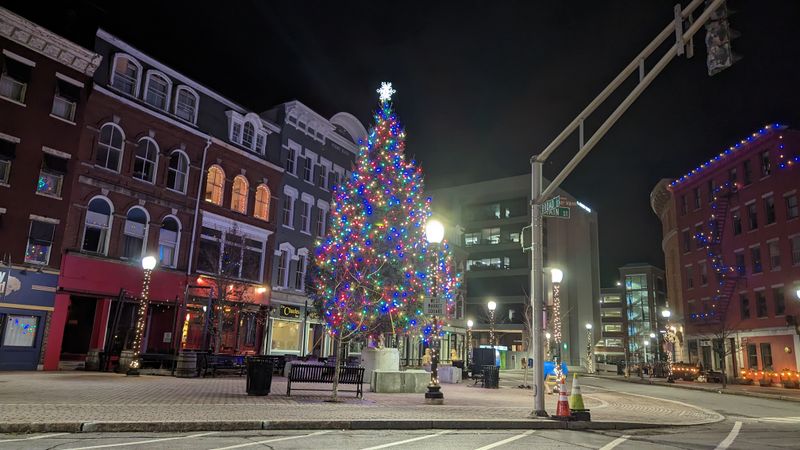
Bangor’s downtown core along Main Street and surrounding blocks showcases beautiful 19th-century commercial architecture, but also tells a story of economic shifts and changing times.
Many buildings feature ornate facades, decorative cornices, and large display windows that once housed thriving businesses during the city’s timber boom era.
Today, visitors will notice a mix of occupied shops, restaurants, and cultural venues alongside empty storefronts with faded signage and darkened interiors.
This combination of vitality and vacancy creates an atmosphere that feels simultaneously hopeful and haunted, perfectly capturing the small-town American experience King often explores.
The emptiness doesn’t signal complete abandonment but rather reflects the challenges many mid-sized New England cities face in the modern economy.
Walking these streets, travelers can peek through dusty windows into spaces frozen in time, imagining the shopkeepers and customers who once filled them with life.
The architectural details remain impressive even on vacant buildings, with carved stone decorations and vintage metalwork that speak to craftsmanship from another age.
Active businesses like local cafes, the public library, and the Cross Insurance Center provide anchors that keep downtown from feeling completely deserted.
During weekday afternoons, foot traffic can be light, adding to the quiet, contemplative mood that makes Bangor feel like a place where anything might happen.
Evening hours bring an even more pronounced stillness, with streetlights casting pools of amber glow on empty sidewalks.
This downtown landscape perfectly embodies the King-esque theme of ordinary places harboring extraordinary stories, where every shuttered door might conceal forgotten secrets.
Bangor City Forest’s Dense Woods and Hidden Trails
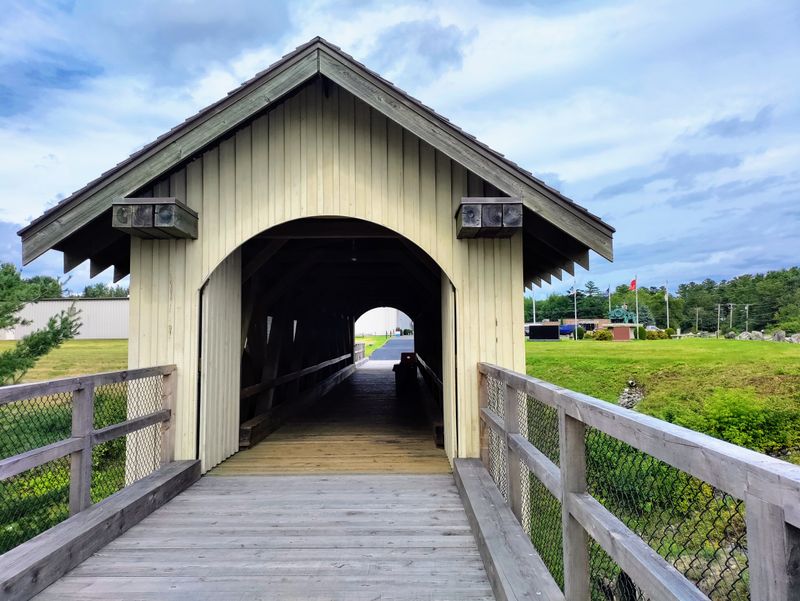
Just minutes from downtown Bangor, the 650-acre Bangor City Forest offers an immersive wilderness experience where nature reclaims its territory with impressive determination.
Tall pines, maples, and birches create dense canopy cover that filters sunlight into shifting patterns across moss-covered forest floors.
The trail system winds through terrain that ranges from gentle slopes to more challenging rocky sections, with paths sometimes narrowing to single-track routes.
Wildlife including white-tailed deer, beavers, porcupines, and various bird species inhabit these woods, and hikers occasionally spot evidence of their presence through tracks and calls.
The forest’s proximity to urban areas makes it feel like a secret world existing parallel to everyday life, accessible yet somehow separate and wild.
During overcast days or late afternoon hours, the woods take on a particularly atmospheric quality as shadows deepen and sounds become amplified in the stillness.
Some trails lead to small streams and wetland areas where beavers have built dams, creating ponds that mirror the sky above.
The forest floor is littered with fallen logs in various states of decay, demonstrating nature’s endless cycle of growth and decomposition.
For travelers seeking that classic Stephen King setting where civilization’s edge meets untamed wilderness, Bangor City Forest delivers perfectly.
The woods feel genuinely remote despite being within city limits, offering solitude and a slight edge of unease that comes from being surrounded by dense vegetation.
Hikers should stick to marked trails and remain aware of their surroundings, as it’s surprisingly easy to lose one’s bearings in these thick woods.
The Penobscot River’s Moody Waterfront and Fog

The Penobscot River flows through Bangor like a liquid boundary between the city’s present and its storied past as a major shipping port for timber.
Along the waterfront, remnants of the city’s industrial heritage remain visible in weathered pilings, old dock structures, and vacant warehouses that once bustled with activity.
Fog is a frequent visitor here, rolling off the water during morning hours and creating an atmosphere that obscures visibility and muffles sound.
When mist hangs heavy over the river, the waterfront transforms into something from a maritime ghost story, with shapes emerging and disappearing in the grey.
The river itself is tidal this far inland, meaning water levels rise and fall dramatically, exposing mudflats and rocky shores during low tide.
This constant change adds to the sense that the waterfront is never quite the same from one visit to the next.
Local history tells of the great log drives when millions of board feet of timber floated downstream toward sawmills and shipping points.
Today, the river moves quietly past the city, occasionally hosting recreational boaters but mostly flowing in peaceful solitude.
Walking paths along certain sections of the waterfront allow travelers to experience the river’s moody presence up close.
During autumn and winter, the water takes on dark, slate-grey tones that mirror the often-overcast skies above.
The combination of industrial decay, natural beauty, and ever-present fog creates a waterfront atmosphere that feels both melancholic and mysteriously compelling, perfect for contemplative walks and atmospheric photography.
Victorian Neighborhoods With Darkened Windows at Dusk
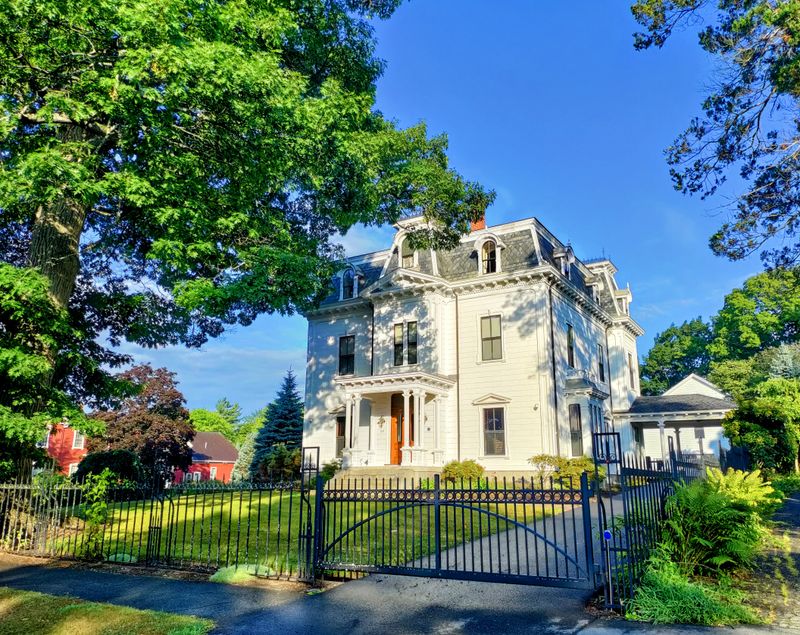
Beyond Stephen King’s famous residence, entire neighborhoods throughout Bangor feature stunning Victorian, Queen Anne, and Italianate homes dating from the city’s prosperous lumber era.
Streets like Broadway, Union, and surrounding areas showcase architectural details including turrets, wraparound porches, decorative shingles, and intricate woodwork.
Many homes have been lovingly maintained, their period features preserved through generations of ownership and careful restoration.
Others show signs of age with peeling paint, sagging porches, and overgrown yards that add to the slightly melancholic atmosphere.
As evening approaches and daylight fades, these neighborhoods take on a particularly evocative character.
Windows that were bright and welcoming during daytime become dark rectangles that reflect streetlights or remain completely black.
The tall, narrow proportions of Victorian architecture create dramatic silhouettes against twilight skies, with pointed rooflines and towers reaching upward.
Walking these streets after sunset, travelers can hear the creak of old wood, the rustle of leaves, and occasional distant sounds that seem amplified in the quiet.
The neighborhoods feel lived-in yet somehow frozen in time, as though the houses themselves remember earlier decades when Bangor was a booming frontier city.
Street lamps cast pools of amber light that don’t quite reach between houses, leaving shadowy gaps where imagination can run wild.
For anyone seeking that quintessential Stephen King small-town setting, these Victorian neighborhoods deliver an authentic experience of New England Gothic atmosphere that no movie set could replicate.
Long Winter Darkness and Seasonal Isolation
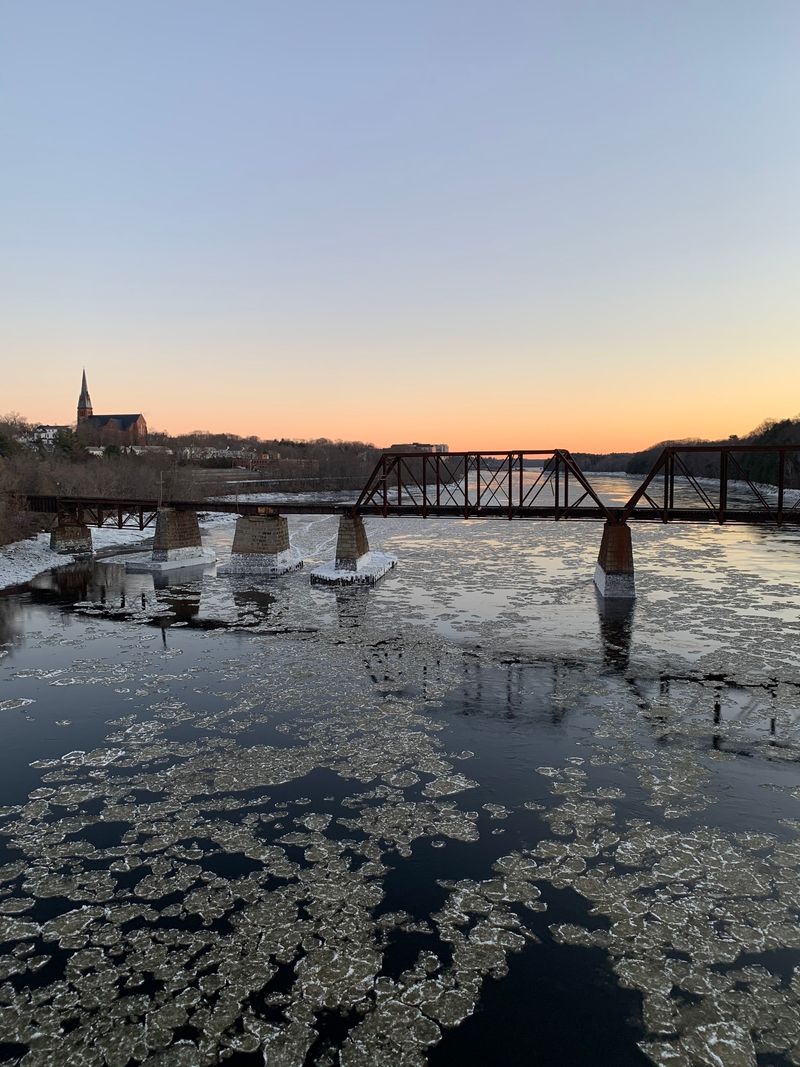
Bangor’s northern latitude means winter brings dramatically shortened daylight hours, with the sun setting as early as four o’clock in the afternoon during December and January.
This extended darkness creates a seasonal atmosphere that profoundly affects the mood and character of the city.
Snow arrives early and often lingers well into spring, covering the landscape in white that can feel either pristine or isolating depending on perspective.
Temperatures regularly drop below freezing, and bitter cold snaps can make venturing outdoors genuinely uncomfortable without proper preparation.
The combination of early darkness, cold temperatures, and snow-covered streets creates a sense of seasonal isolation that residents accept as part of life in northern New England.
For travelers visiting during winter months, this atmosphere offers an authentic taste of the harsh beauty that shapes regional character and culture.
Streets that bustle during summer become quiet and nearly empty on cold winter evenings, with most people retreating indoors early.
The darkness seems to press in from all sides, broken only by porch lights, street lamps, and the occasional glow from windows.
This is the Bangor that most closely mirrors Stephen King’s fictional settings, where isolation and darkness become characters in their own right.
Winter storms can dump significant snow, sometimes creating whiteout conditions that make familiar landscapes suddenly strange and disorienting.
Yet there’s also stark beauty in winter here, with ice formations along the river, frost-covered trees, and the particular silence that comes with heavy snowfall blanketing the city in white.
Dear Reader: This page may contain affiliate links which may earn a commission if you click through and make a purchase. Our independent journalism is not influenced by any advertiser or commercial initiative unless it is clearly marked as sponsored content. As travel products change, please be sure to reconfirm all details and stay up to date with current events to ensure a safe and successful trip.
