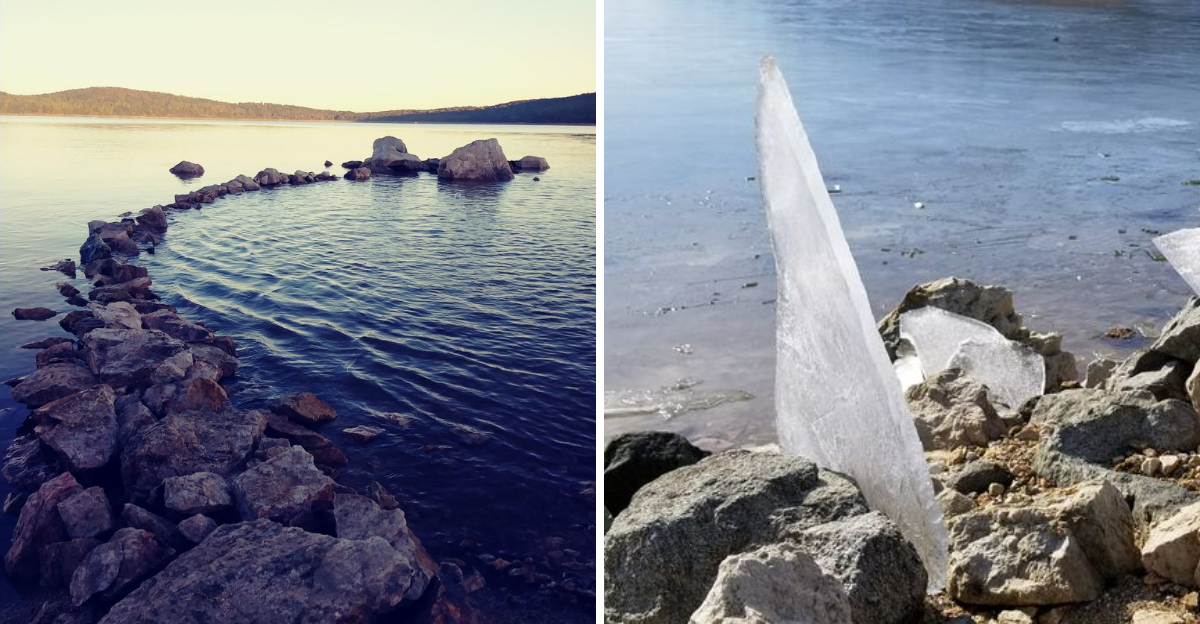
Round Valley Reservoir sits tucked away in Clinton Township, New Jersey, holding secrets beneath its crystal-clear waters that have puzzled visitors and locals for decades.
This man-made lake earned its eerie nickname after a string of unexplained drownings and mysterious disappearances turned what should be a peaceful recreation spot into something far more unsettling.
Created in the 1960s when the state flooded an entire valley to build a reservoir, the lake swallowed up old farmhouses, roads, and even a few forgotten cemeteries that still rest somewhere at the bottom.
Since then, more than two dozen people have lost their lives in these waters under circumstances that often leave investigators scratching their heads.
What makes a seemingly ordinary New Jersey lake so deadly that people started comparing it to the infamous Bermuda Triangle?
The answer might surprise you, because this isn’t just another spooky legend cooked up around a campfire.
Round Valley has real dangers lurking below the surface that even experienced swimmers and boaters need to respect.
Do you dare to uncover the mysteries that earned Round Valley its chilling nickname? Let’s jump in, but maybe not literally!
Deceptively Deep Waters Hide Sudden Drop-Offs
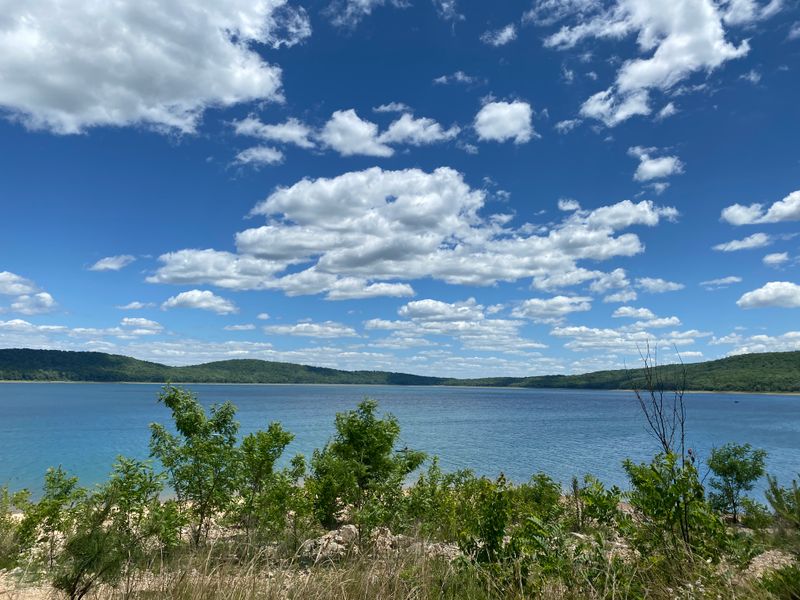
Round Valley Reservoir plunges to depths of nearly 180 feet in some spots, making it the deepest lake in New Jersey by a long shot. What makes these depths so dangerous isn’t just how far down they go, but how quickly the bottom drops away from the shoreline.
Swimmers who wade out thinking they’re in a typical lake suddenly find themselves in water way over their heads, sometimes just a few feet from where they could still touch bottom.
The reservoir was created by damming up a valley, which means the original landscape with all its hills, valleys, and uneven terrain still exists underwater. Picture walking along what seems like a gentle slope, then suddenly stepping off an underwater cliff you never saw coming.
That’s exactly what happens here, and it’s caught countless swimmers by surprise over the years.
Cold water from deep springs feeding the reservoir creates temperature layers that can shock your system and cause cramping without warning. Your muscles might work fine in the warm surface water, then seize up when you hit a pocket of frigid water lurking just below.
Even strong swimmers have struggled when their bodies suddenly stop cooperating in the middle of the lake.
The crystal-clear water that makes Round Valley so beautiful also creates a false sense of security, because you can see the bottom even when it’s dangerously deep. Your brain tricks you into thinking the water isn’t that deep because you can still see rocks and sand below, but you might be looking down through 30 or 40 feet of water.
This optical illusion has contributed to numerous close calls and tragedies at this New Jersey reservoir.
Underwater Structures From the Flooded Valley
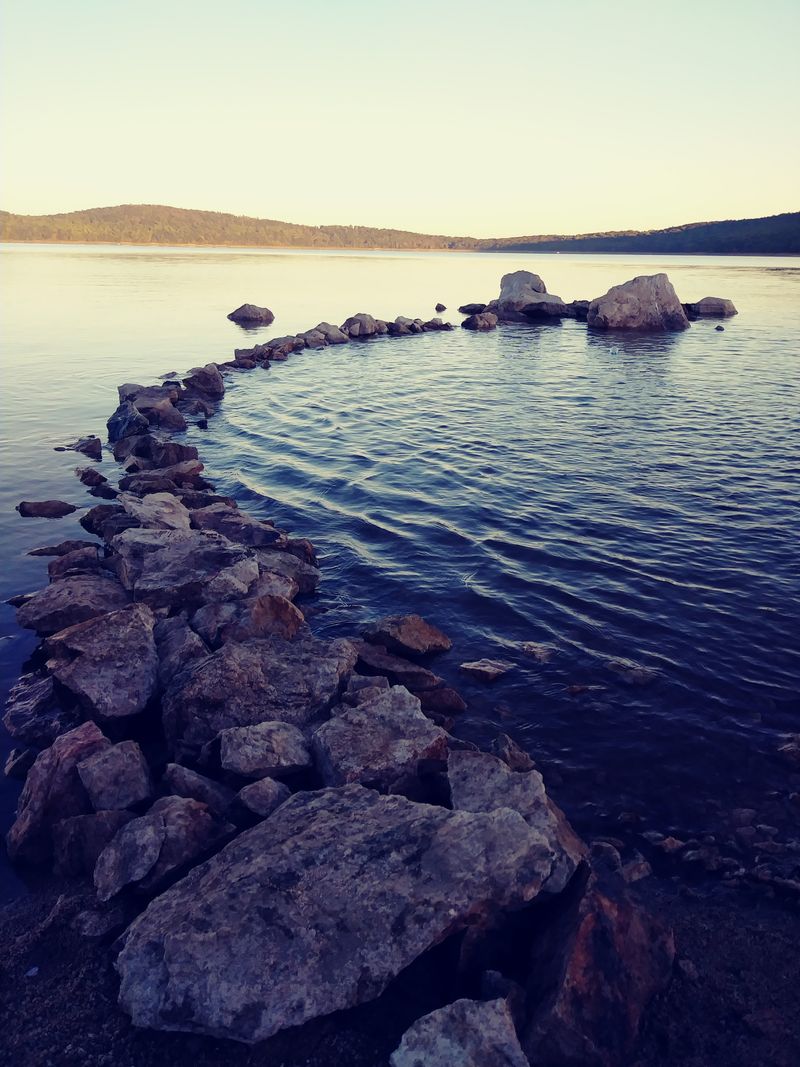
Before Round Valley became a reservoir in the 1960s, it was home to farms, houses, roads, and entire communities that got swallowed up when the state decided to flood the valley. All those structures still sit at the bottom today, creating an underwater obstacle course that divers explore but that poses serious risks for unsuspecting swimmers and boaters.
Old stone foundations, rusty farm equipment, collapsed barns, and even vehicles rest beneath the surface waiting to snag someone who ventures too close.
Scuba divers who explore the depths report finding remarkably well-preserved remnants of the valley’s past life, including intact stone walls, old wells, and foundations that look almost ready to move back into. But what’s fascinating for divers in proper gear becomes treacherous for swimmers who might get tangled in debris they can’t see from above.
Stories circulate about people getting their feet caught in old fence wire or getting disoriented when they accidentally swim into a submerged structure.
The reservoir also contains submerged trees that were never fully cleared before flooding, their branches reaching up like skeletal fingers toward the surface. These dead trees create particularly dangerous situations because they’re nearly invisible from above but can trap swimmers or puncture boats that come too close.
Several rescue operations have involved people who got caught in these underwater snags and couldn’t free themselves.
Local legends claim that some of the old cemeteries in the valley were never properly relocated before the flooding, meaning there might be graves somewhere beneath the water. While officials insist all burials were moved, the uncertainty adds another layer to Round Valley’s spooky reputation and makes people wonder what else might be down there that nobody talks about.
Powerful Underwater Currents Pull Swimmers Away From Safety
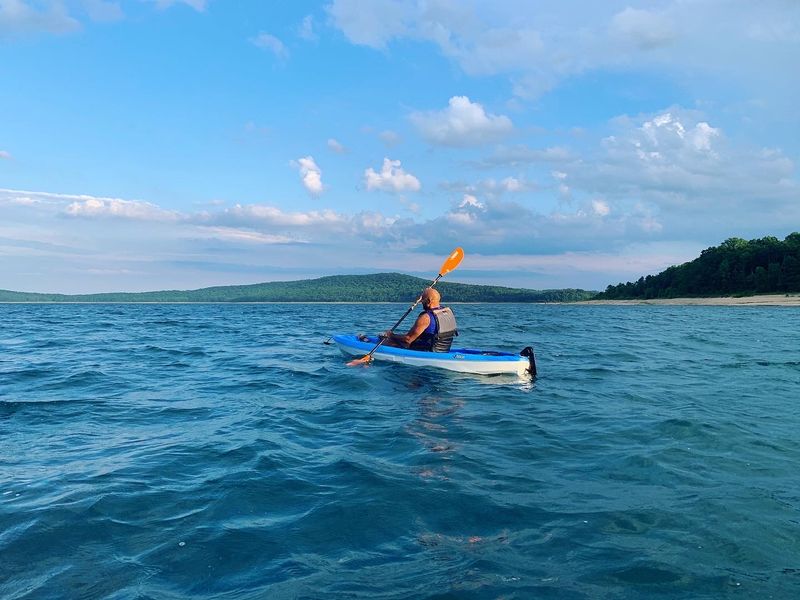
Round Valley Reservoir doesn’t have the obvious currents you’d expect in a river or ocean, which makes the powerful underwater flows here even more dangerous because people don’t see them coming. The reservoir gets fed by underground springs and streams that create invisible rivers flowing beneath the calm surface, pulling swimmers in directions they never intended to go.
These currents can be strong enough to exhaust even experienced swimmers who suddenly find themselves fighting to get back to shore.
Temperature differences in the water create convection currents that move in unpredictable patterns throughout the day. Warm surface water and cold deep water don’t mix evenly, causing circulation patterns that can drag you down or push you sideways when you least expect it.
Swimmers report feeling like invisible hands grabbed their legs and pulled them under, which is actually these thermal currents at work.
The dam structure that created the reservoir also affects water movement in ways that aren’t immediately obvious from the surface. Water flowing toward the dam intake creates suction effects in certain areas, and the release of water from the dam can trigger currents that ripple across the entire reservoir.
Boaters and swimmers who don’t understand these dynamics often position themselves in dangerous spots without realizing it until they’re already in trouble.
Wind patterns across the open water can whip up waves and surface currents surprisingly quickly, transforming calm conditions into challenging ones within minutes. The reservoir’s large surface area means wind has plenty of room to build up speed and push water around, creating conditions that look manageable from shore but become exhausting once you’re out in the middle trying to swim back against them.
Extreme Temperature Changes Cause Hypothermia
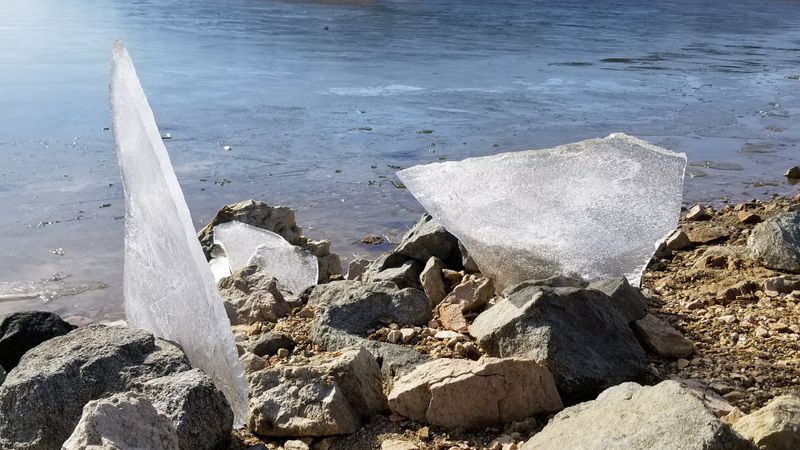
Surface temperatures at Round Valley might feel perfectly comfortable on a hot summer day, reaching the mid-70s and making the water seem inviting for a refreshing swim. But just a few feet below that warm layer, temperatures can plummet to the low 50s or even colder, cold enough to cause hypothermia if you’re exposed long enough.
This dramatic temperature difference catches swimmers completely off guard because they jump in expecting one thing and get hit with something totally different once they’re out past the shallow areas.
Hypothermia doesn’t just happen in winter or freezing conditions, it can sneak up on you in relatively cool water if you stay in long enough or if your body gets shocked by sudden cold. Your muscles stop working properly, your thinking gets fuzzy, and you lose coordination right when you need it most to swim back to safety.
Several drownings at Round Valley have been linked to hypothermia that set in after swimmers ventured into the colder deep water and couldn’t make it back.
The spring-fed nature of the reservoir means cold water constantly flows in from underground sources, keeping the deeper areas frigid year-round. Unlike shallow lakes that warm up throughout the summer, Round Valley maintains its icy depths no matter how hot it gets outside.
Swimmers who dive down to explore or who get caught in currents that pull them deeper suddenly find themselves in water cold enough to take their breath away, literally.
Even experienced cold-water swimmers underestimate how quickly hypothermia can affect your body when you’re also dealing with other challenges like currents, waves, or distance from shore. Your body burns through energy trying to stay warm, and that energy drain combined with physical exertion creates a dangerous situation faster than most people realize.
Limited Visibility in Deeper Areas
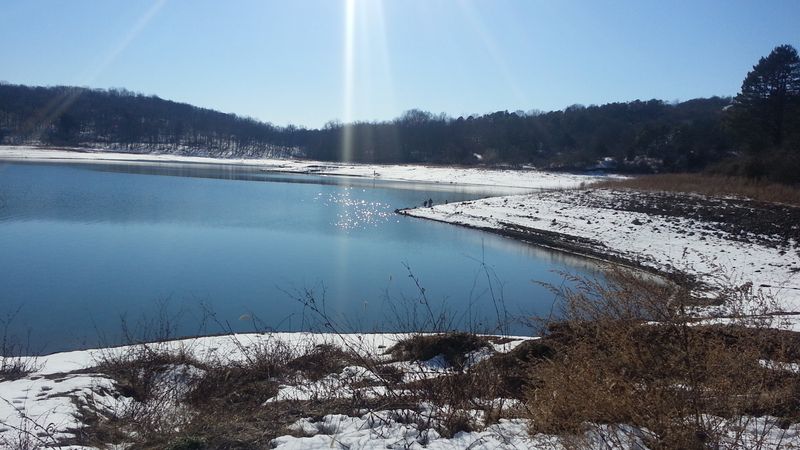
Round Valley’s reputation for crystal-clear water applies mostly to the shallower areas near shore, but venture out into the deeper sections and visibility drops dramatically. Rescue divers responding to emergencies often report being able to see only a few feet in front of them once they get below certain depths, making search operations incredibly challenging and time-consuming.
When someone goes under in deep water here, finding them becomes like searching for a needle in a haystack while wearing a blindfold.
The sheer depth of the reservoir means rescue teams have to search through layers of water where light barely penetrates and where the cold temperatures and pressure make diving difficult. Professional rescue divers can only stay down for limited periods before they need to surface, which stretches out search operations over hours or even days.
This delay has contributed to the tragic outcomes of many incidents at Round Valley, because even when rescuers respond quickly, actually locating someone in these conditions takes time that victims often don’t have.
Underwater debris and structures complicate search patterns because rescue teams have to carefully navigate around obstacles while trying to cover as much area as possible. Sonar equipment helps but isn’t perfect, especially in areas with lots of submerged objects that create confusing readings.
The irregular bottom topography from the original valley landscape means there are countless nooks, crevices, and depressions where someone could end up that are incredibly difficult to search thoroughly.
Weather conditions can shut down search operations entirely when winds kick up waves or when visibility at the surface makes it unsafe for rescue boats to operate. Families waiting for news about missing loved ones have endured agonizing delays when conditions prevented divers from continuing their work, adding to the emotional toll that these tragedies take on the community.
The Reservoir’s Massive Size
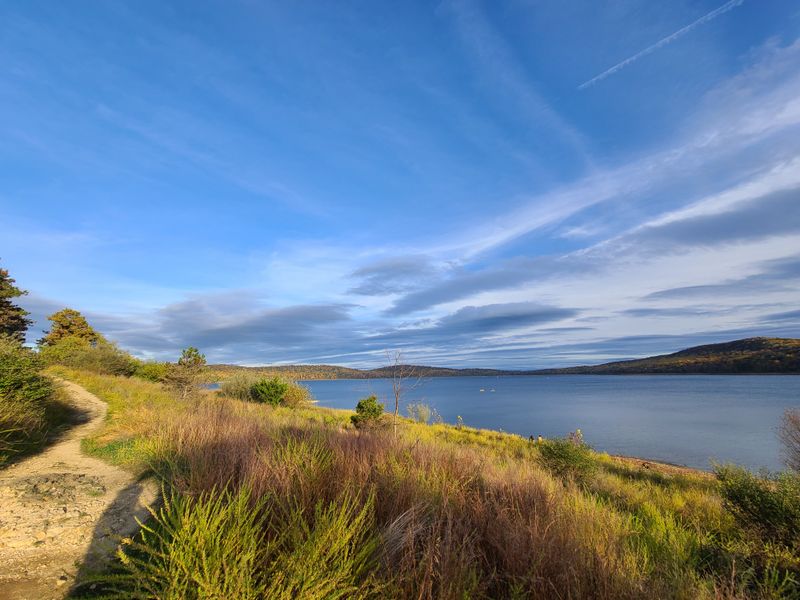
Covering approximately 2,350 acres of surface area, Round Valley Reservoir ranks as one of the largest bodies of water in New Jersey, and that size creates dangers that smaller lakes don’t have. Swimmers who venture out from shore can quickly find themselves a quarter mile or more from safety, a distance that seems manageable when you start but becomes exhausting when you’re already tired or fighting currents.
What begins as a pleasant swim can turn into a desperate struggle when you realize how far you’ve gone and how much energy it’ll take to get back.
Boaters who experience equipment failures or who capsize find themselves in similarly precarious situations, because the distances involved mean help might be far away even if someone spots you right away. Paddling a kayak or canoe across the reservoir makes for a great workout until something goes wrong and you’re stranded in the middle with no easy way to get assistance.
The park does have patrol boats during busy times, but they can’t be everywhere at once across such a massive area.
Cold water and physical exhaustion combine dangerously when you’re far from shore, because even if you’re not drowning, you might not have the strength to make it all the way back. Several incidents have involved swimmers who got in trouble not because they couldn’t swim, but because they simply ran out of energy before they could reach safety.
Rescue crews have pulled people from the water who were still conscious but too exhausted to keep going, and not everyone gets spotted in time.
The psychological aspect of being far from shore in deep water affects people differently, with some experiencing panic that makes bad situations worse. Looking back toward shore and seeing how far away it is can trigger anxiety that causes people to hyperventilate or make poor decisions, contributing to accidents that might have been avoided with a calmer approach.
Unpredictable Weather Patterns
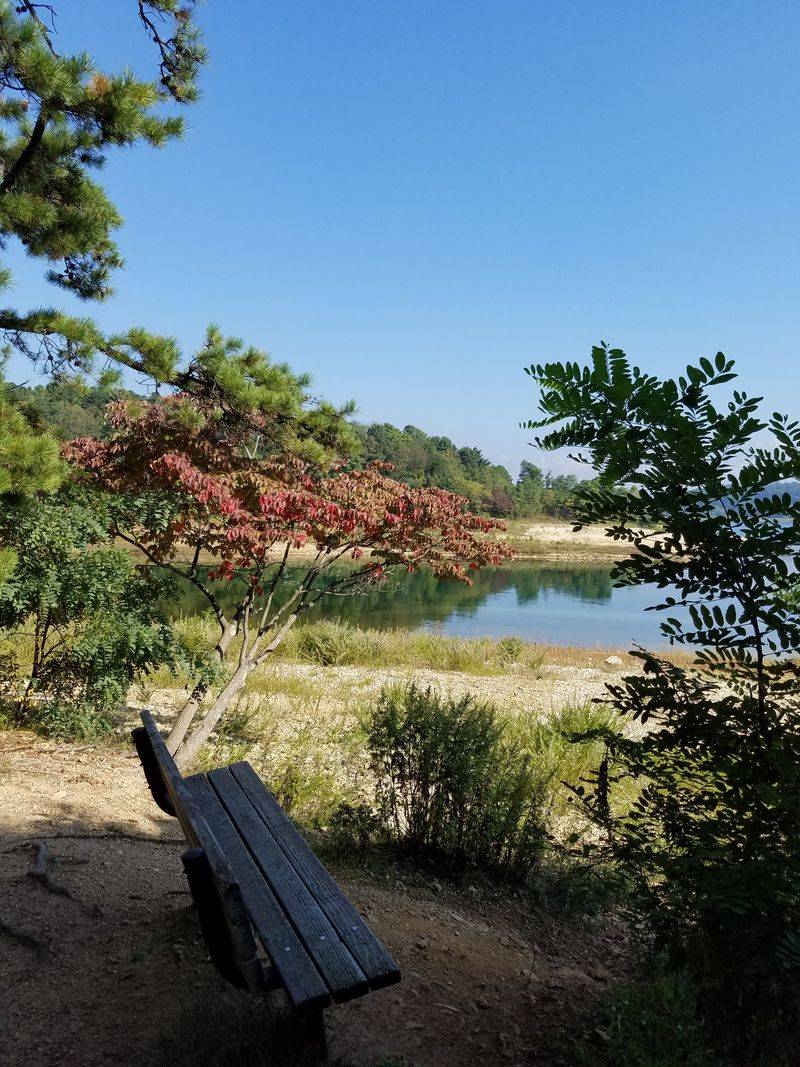
New Jersey weather can shift from beautiful to brutal with shocking speed, and Round Valley’s large open surface makes it particularly vulnerable to sudden changes that catch people off guard. Boaters and swimmers who head out under sunny skies might find themselves dealing with thunderstorms, high winds, or choppy waves within the span of just 15 or 20 minutes.
The reservoir’s location in the central part of the state puts it right in the path of weather systems that roll through with little warning, especially during summer when afternoon thunderstorms pop up seemingly out of nowhere.
Lightning poses an especially deadly threat on the water because you become the tallest object around with nowhere to hide if a storm rolls in while you’re out in a boat or swimming. Several close calls have involved people scrambling to get back to shore as lightning strikes got closer, and the fear of being caught in an electrical storm on open water keeps many visitors away during questionable weather.
Park officials sometimes have to clear the water when storms approach, but not everyone makes it back in time.
Wind can transform the reservoir’s surface from glassy calm to whitecaps in remarkably short order, creating conditions that challenge even experienced paddlers and making swimming back to shore much harder. Small boats and kayaks can capsize in rough water, dumping occupants into cold water far from help.
The wind also makes rescue operations more difficult because it’s harder to maneuver boats and spot people in trouble when waves are blocking your view.
Fog occasionally settles over the reservoir, particularly in early morning or evening, reducing visibility to near zero and causing people to become disoriented. Getting lost on the water might not sound possible, but when you can’t see the shoreline and you’re not sure which direction to paddle, panic sets in quickly and people make poor choices that put them in greater danger.
Lack of Lifeguards in Most Areas
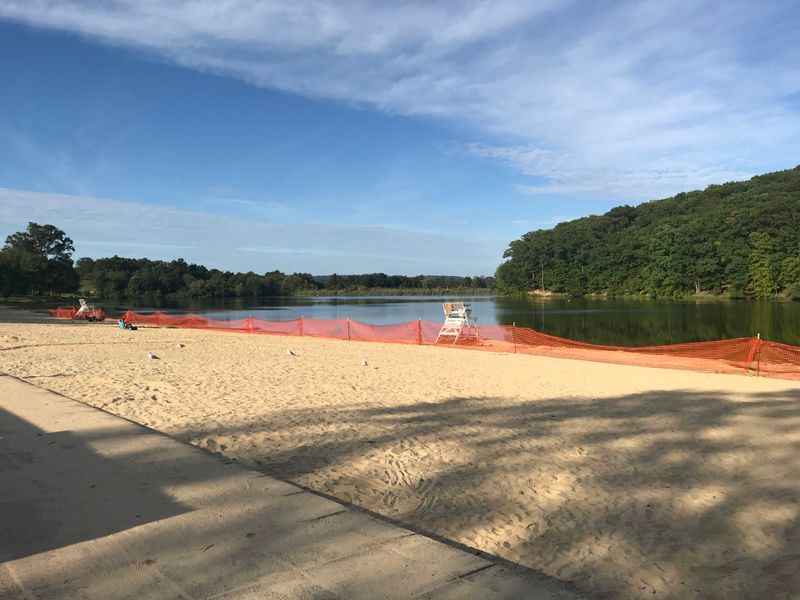
Round Valley Recreation Area does have lifeguards stationed at the main swimming beach during operating hours, but the vast majority of the reservoir’s shoreline remains unsupervised and unmonitored. Hikers who access remote parts of the lake, wilderness campers who set up along the shore, and boaters who decide to take a swim away from designated areas do so without any safety net if something goes wrong.
The assumption that help is nearby can be dangerously wrong depending on where you are on the reservoir, because some spots are miles from the nearest access point where rescue crews could launch a response.
Even at the supervised beach area, lifeguards can only watch the designated swimming zone, which represents a tiny fraction of the total shoreline. People who wander outside the marked boundaries thinking they’re still being watched have gotten into trouble beyond the view of the lifeguard stands.
The guards do their best, but they can’t monitor the entire lake, and some visitors don’t realize how quickly they’ve moved outside the protected area until they’re already in over their heads.
Response times for emergencies away from the main recreation area can stretch to 20 minutes or more depending on where the incident occurs and how quickly someone can alert authorities. In drowning situations, every second counts, and delays of even a few minutes can mean the difference between a rescue and a recovery operation.
The park’s size and the limited number of patrol boats mean that getting help to remote locations takes time that victims often don’t have.
Cell phone coverage around the reservoir can be spotty in some areas, which complicates efforts to call for help when emergencies happen. Hikers and campers who get in trouble might struggle to get a signal to make that crucial 911 call, and even if they do get through, explaining their exact location to dispatchers isn’t always straightforward when you’re somewhere along miles of unmarked shoreline.
Poor Judgments Contribute to Many of the Reservoir’s Tragedies
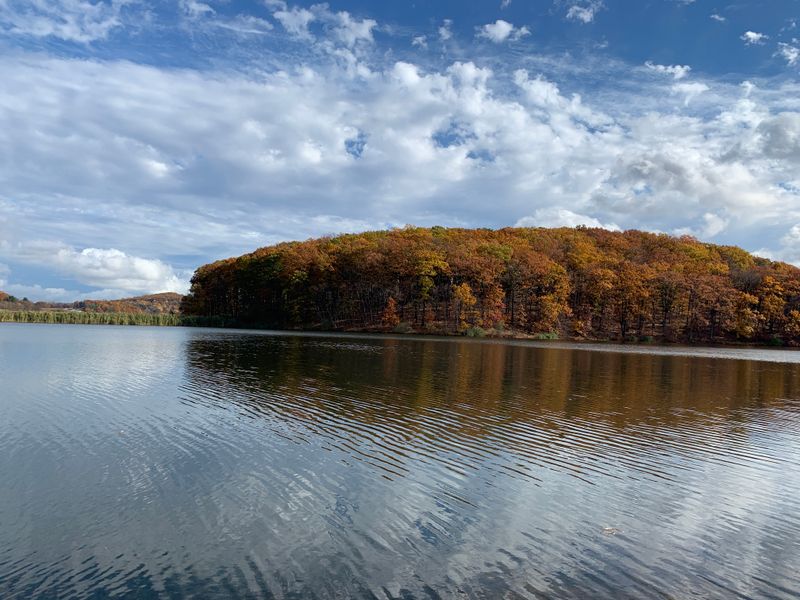
While the reservoir itself has plenty of natural hazards, human behavior and poor decision-making play major roles in many of the incidents that have earned Round Valley its dark reputation. Visitors who overestimate their swimming abilities, who ignore warning signs and safety guidelines, or who take unnecessary risks put themselves in danger that the lake’s natural conditions then exploit.
Park rangers and local emergency responders have seen the same patterns repeat over the years, with preventable tragedies occurring when people make choices they probably wouldn’t make if they thought more carefully about the risks.
Swimming alone ranks high on the list of dangerous behaviors that lead to problems at Round Valley, because when something goes wrong and nobody’s there to help or even notice you’re in trouble, bad situations become fatal ones. Buddy systems exist for good reasons, yet plenty of people venture into the water by themselves figuring they’ll be fine.
When they’re not fine, there’s nobody there to throw them a life jacket, pull them back to shore, or call for help while they can still be saved.
Ignoring weather warnings and staying on the water when conditions deteriorate has contributed to several emergencies over the years. People who convince themselves they can make it back before the storm hits or who don’t want to cut their day short often regret that decision when they find themselves fighting waves and wind that are stronger than they anticipated.
The temptation to push your luck rather than play it safe has put many visitors in situations they barely escaped from.
Lack of proper safety equipment like life jackets for everyone on board a boat or failing to file float plans that let someone know where you’re going and when you should be back creates situations where problems become catastrophes. These simple precautions could prevent many of the tragedies that occur, but not everyone takes them seriously until it’s too late to matter.
The Psychological Weight of the Reservoir’s History
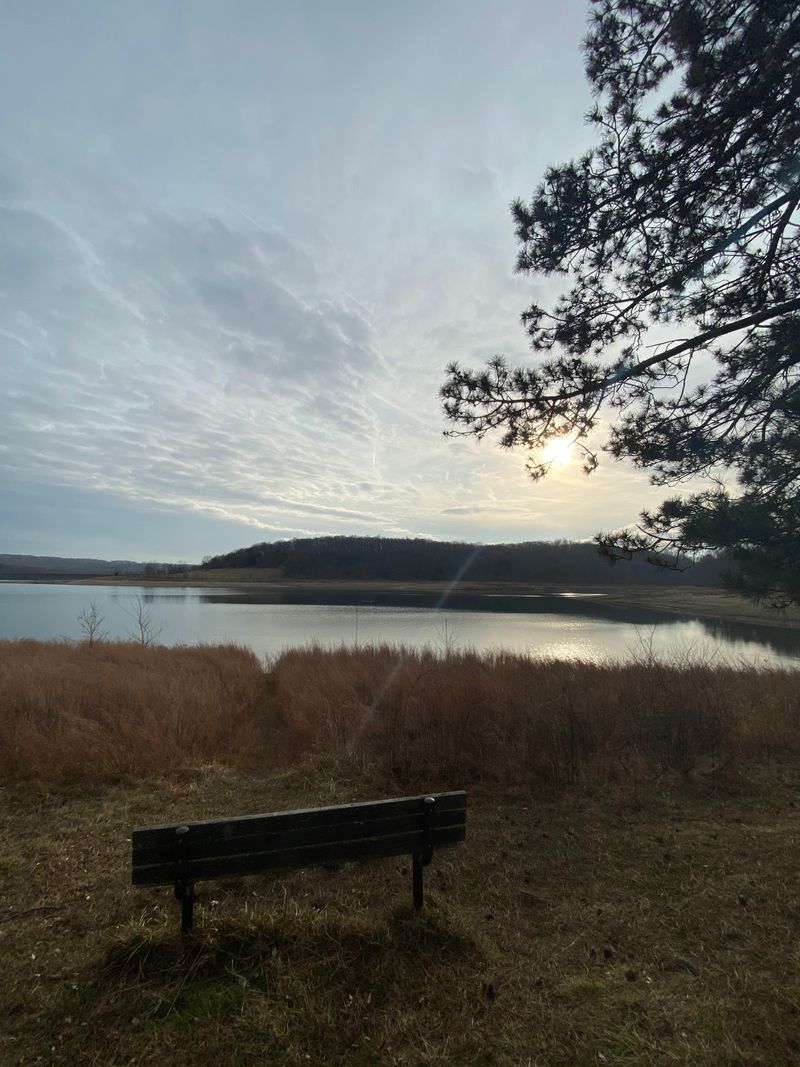
Round Valley’s reputation as the “Bermuda Triangle of New Jersey” creates a psychological atmosphere that affects how people approach the reservoir and how they interpret their experiences there. Visitors who arrive knowing the lake’s tragic history might feel more anxious or cautious, which can actually improve safety by making people more aware of risks.
But the spooky reputation can also attract thrill-seekers who want to test themselves against the supposedly dangerous waters, sometimes leading to the exact kind of risky behavior that causes accidents in the first place.
Local communities around Clinton Township carry the emotional weight of the lives lost at Round Valley, with many families having personal connections to someone who died there or who had a close call. This collective memory keeps the dangers fresh in residents’ minds and makes them more likely to warn visitors about being careful, but it also contributes to an almost mythical quality surrounding the reservoir that can make it hard to separate facts from exaggerations.
Some people avoid Round Valley entirely because the reputation scares them off, while others dismiss the warnings as overblown and end up underestimating real dangers.
Search and rescue teams who have worked multiple recovery operations at the reservoir deal with their own psychological burden from repeatedly responding to tragedies. These first responders know the lake’s dangers intimately and approach it with a level of respect and caution that casual visitors often lack.
Their experiences inform the safety recommendations and rules that govern the recreation area, rules that sometimes frustrate visitors who don’t understand why certain restrictions exist.
The question of whether Round Valley truly deserves its ominous nickname or whether its reputation has grown beyond what the statistics actually support remains a topic of debate. What’s undeniable is that this beautiful New Jersey reservoir demands respect, proper preparation, and smart decision-making from everyone who visits, because the combination of natural hazards and human error has proven deadly often enough that nobody should take this place lightly.
Dear Reader: This page may contain affiliate links which may earn a commission if you click through and make a purchase. Our independent journalism is not influenced by any advertiser or commercial initiative unless it is clearly marked as sponsored content. As travel products change, please be sure to reconfirm all details and stay up to date with current events to ensure a safe and successful trip.
