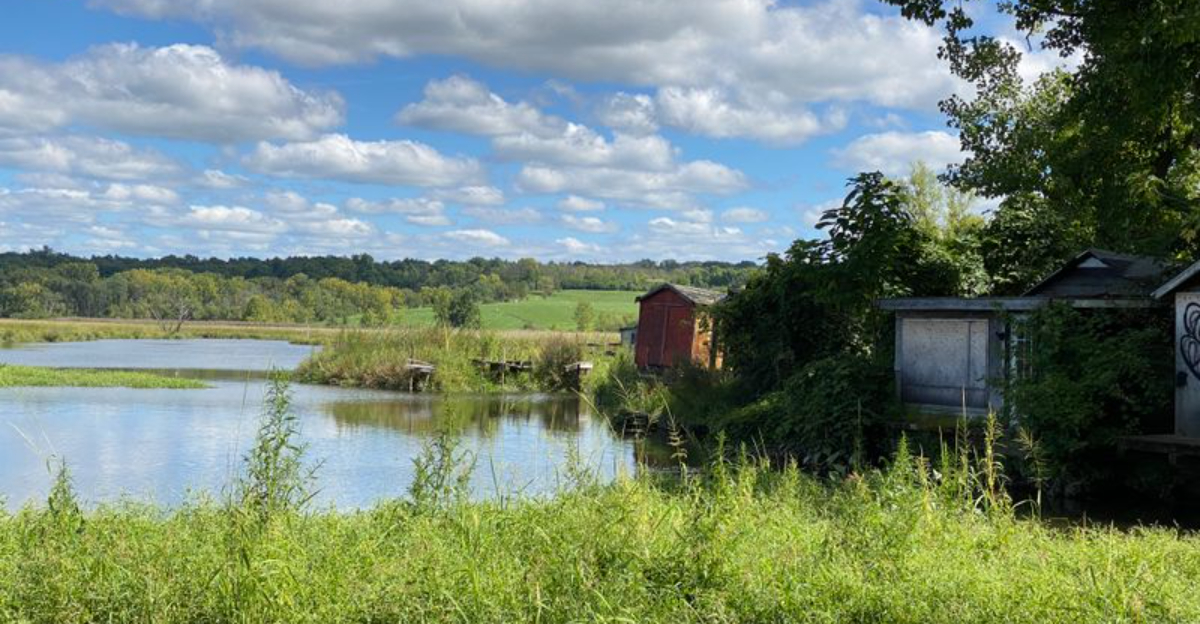
Hudson, New York sits quietly along the eastern bank of the Hudson River, about 120 miles north of Manhattan and two hours from the Atlantic Ocean.
This small city of fewer than 6,000 residents has become an unexpected muse for novelists, poets, and storytellers who find something irresistible in its tree-lined streets and historic architecture.
Writers have long been drawn to places that hold mystery, beauty, and a sense of timelessness, and Hudson offers all three in abundance.
Understanding why this particular village keeps appearing in novels reveals not just the magic of the place itself, but also what makes any location worthy of becoming a character in a story.
A Landscape Frozen in Time
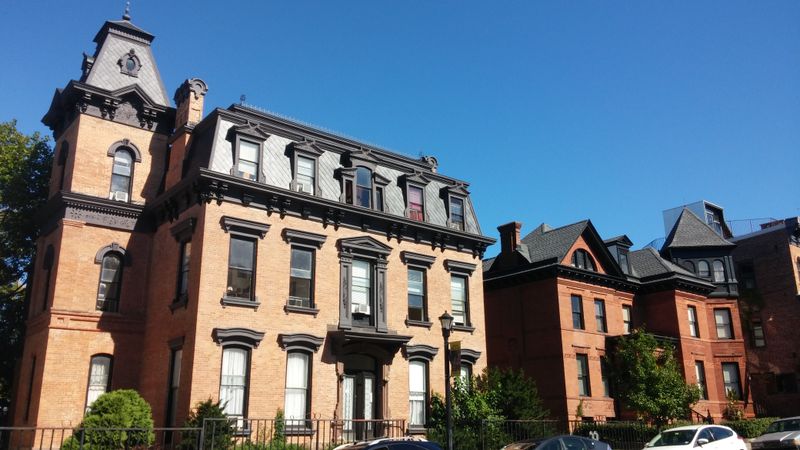
Walking through Hudson feels like stepping into a different era, where the past has not been erased but carefully preserved.
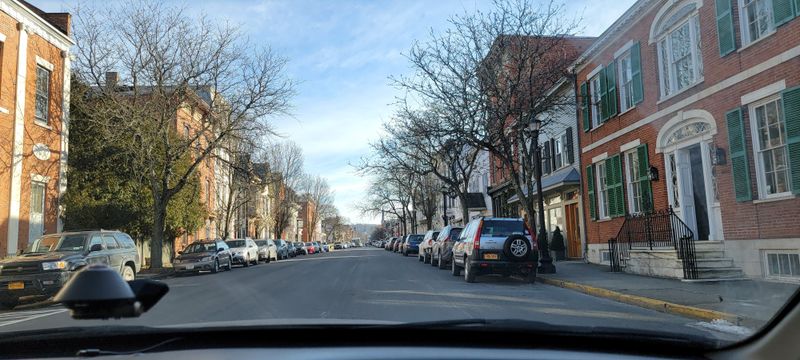
The city’s streets are lined with Federal and Victorian-style buildings that date back to the late 1700s and 1800s, their brick facades and ornate details still intact.
Warren Street, the main thoroughfare, stretches nearly a mile and showcases some of the finest examples of 19th-century architecture in the entire Hudson Valley.
For writers, this visual richness provides an instant backdrop that requires little invention.
The atmosphere here is thick with history, and every corner seems to whisper stories of whaling captains, river traders, and the families who built their fortunes along these waterways.
Novelists can place their characters on these sidewalks and let the setting do much of the storytelling work.
The buildings themselves become characters, silent witnesses to generations of human drama.
Unlike cities that have torn down their past to make room for glass towers and chain stores, Hudson has resisted that urge.
The result is a place that feels authentic, lived-in, and remarkably photogenic.
Writers who visit often find themselves taking notes not just on plot ideas but on architectural details, the way light falls on old brick, and the texture of weathered wood.
This kind of sensory richness is invaluable for creating believable fictional worlds.
Hudson offers a ready-made stage where imagination and reality blend seamlessly.
The River as a Living Presence
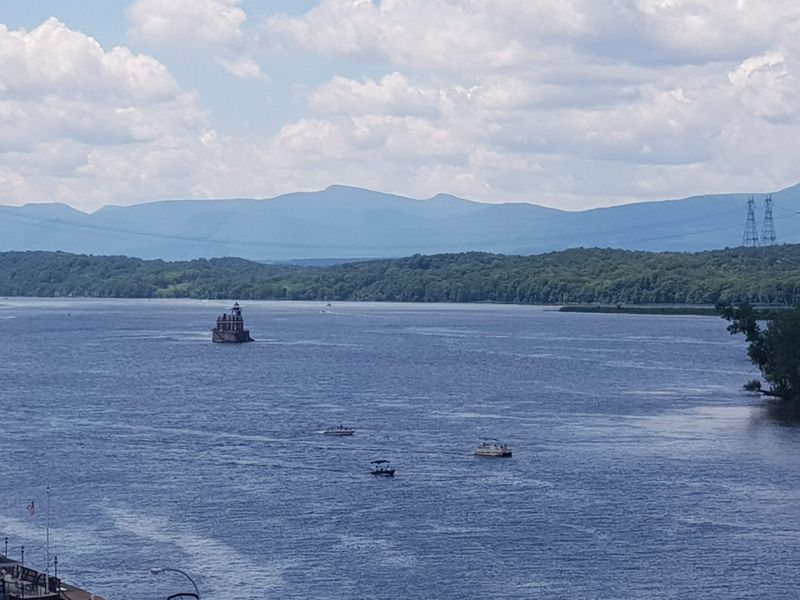
The Hudson River is not just a geographic feature but a living, breathing presence that shapes the identity of the city named after it.
From various vantage points throughout town, you can glimpse the wide, gray-blue expanse of water that has carried explorers, merchants, and dreamers for centuries.
Henry Hudson himself sailed these waters in 1609, searching for a passage to the Orient, and his journey gave the river its name.
For novelists, rivers are powerful symbols of change, journey, and the passage of time.
They serve as natural boundaries and connectors, places where characters can reflect, make decisions, or encounter turning points.
In Hudson, the river is both backdrop and metaphor, always present even when not directly visible.
The city’s location 120 miles from the Atlantic Ocean gives it a unique position, neither fully inland nor coastal, caught between two worlds.
This in-between quality makes it an ideal setting for stories about transition, transformation, or characters searching for belonging.
The river also brings a certain quality of light that painters and photographers have long admired.
The way morning mist rises off the water, or how sunset turns the surface to molten gold, creates moments of visual poetry.
Writers borrow this imagery to infuse their prose with atmosphere and mood.
The river reminds us that some forces are larger than human ambition, flowing steadily regardless of the small dramas unfolding along its banks.
A Haven for Artists and Creatives
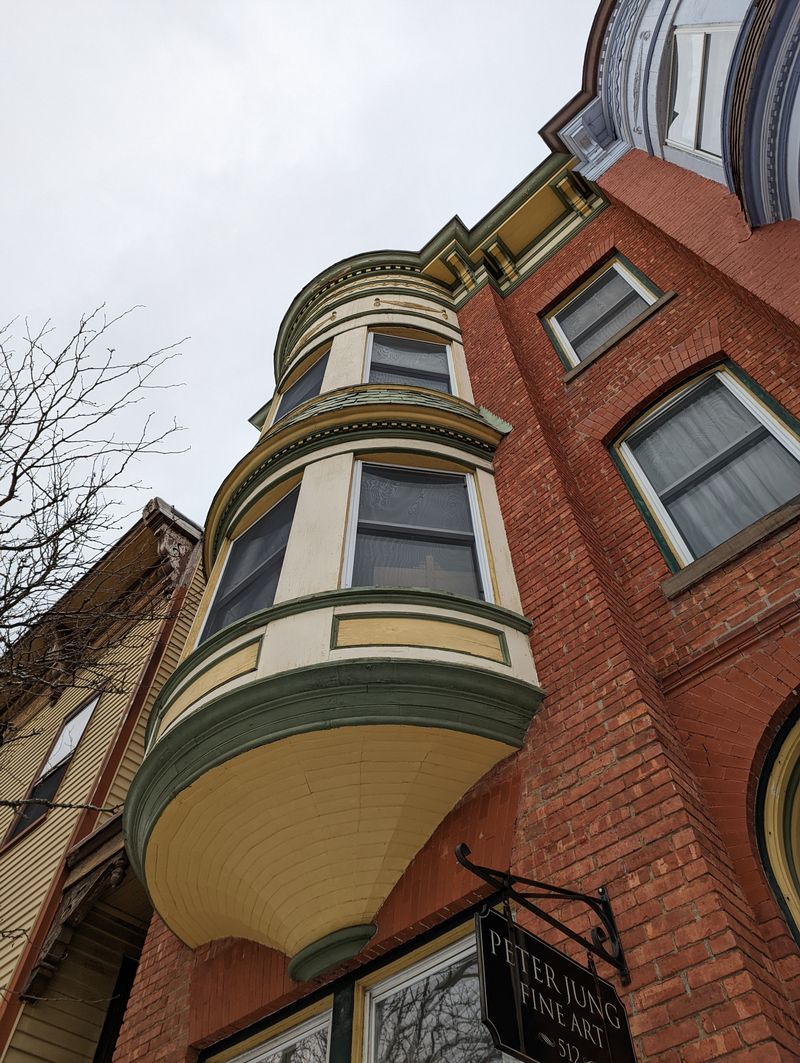
Over the past few decades, Hudson has transformed into a thriving arts community, attracting painters, sculptors, writers, and musicians from New York City and beyond.
This creative energy is palpable when you walk through town, with galleries occupying former storefronts and studios tucked into renovated warehouses.
When artists gather in one place, they create an ecosystem that nourishes creativity through conversation, collaboration, and friendly competition.
Novelists who spend time in Hudson find themselves surrounded by people who understand the creative process, who respect the need for solitude but also offer community when it is wanted.
The presence of so many creative minds generates a certain cultural electricity that can spark new ideas and approaches to storytelling.
Bookshops like Spotty Dog Books & Ale on Warren Street provide gathering places where readers and writers can connect over shared literary loves.
The shop combines a carefully curated selection of books with a bar serving craft beer, creating a relaxed atmosphere perfect for lingering conversations.
Coffee shops and cafes throughout town serve as informal writing studios, where novelists can work for hours over a single cup of coffee without feeling rushed.
This acceptance of the artistic temperament makes Hudson feel welcoming to creative people.
The town also hosts literary events, readings, and book launches that bring writers together and celebrate the written word.
Being part of a community that values literature makes the often-solitary work of novel-writing feel less isolated and more purposeful.
Seasonal Drama and Natural Beauty
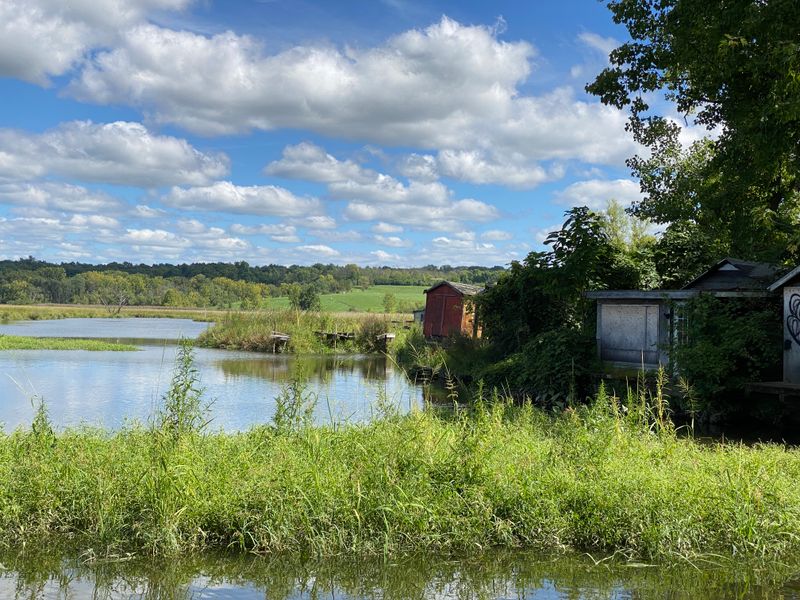
Hudson’s location in the Hudson Valley means it experiences four distinct seasons, each bringing its own visual drama and emotional resonance.
Spring arrives with cherry blossoms along residential streets and the slow greening of the hills that surround the city.
Summer brings warm, languid days perfect for exploring on foot, with outdoor cafes filling sidewalks and the river reflecting brilliant blue skies.
Autumn transforms the landscape into a painter’s palette of reds, oranges, and golds as the leaves turn and fall.
Winter brings a hushed quality, with snow softening the edges of buildings and creating a sense of cozy isolation.
For writers, these seasonal changes provide natural structure and symbolism for their narratives.
A story that begins in the hopeful bloom of spring can darken through summer and autumn, arriving at winter’s reckoning.
Or a winter opening can promise eventual renewal as the seasons cycle forward.
The changing light throughout the year also affects mood and atmosphere in ways that novelists can exploit.
The long, golden afternoons of summer feel entirely different from the early darkness of December, and these shifts in daylight shape how characters experience their world.
Hudson’s natural beauty extends beyond the city limits to the surrounding farmland, forests, and smaller villages that dot the countryside.
This variety of landscapes within a small geographic area gives writers options for different scenes and settings without requiring their characters to travel far.
Small-Town Intimacy With Urban Sophistication
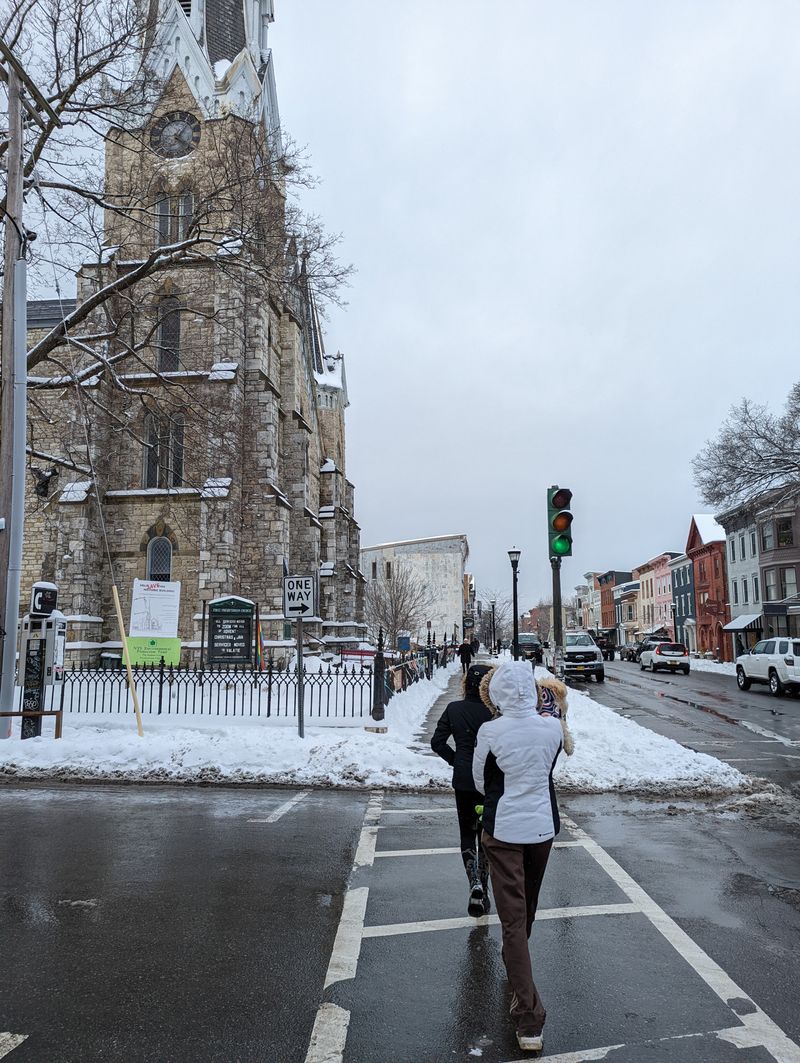
Hudson occupies a rare middle ground between sleepy rural village and bustling city, offering the best qualities of both.
With a population of fewer than 6,000 people, it retains the intimacy and walkability of a small town where you might run into the same faces repeatedly.
Yet it also boasts sophisticated restaurants, wine bars, antique shops, and cultural venues that would not be out of place in much larger cities.
This combination creates a unique social dynamic that novelists find endlessly fascinating.
In a place this size, everyone’s business becomes semi-public knowledge, creating the kind of interconnected relationships that drive compelling fiction.
Characters cannot simply disappear into anonymity the way they might in a metropolis.
Their actions have consequences that ripple through the community, and past mistakes or secrets have a way of resurfacing.
At the same time, Hudson attracts weekenders from New York City and visitors from around the world, bringing fresh perspectives and temporary disruptions to the local social fabric.
This influx of outsiders creates natural tension and opportunities for fish-out-of-water stories or romances between locals and visitors.
The sophistication of Hudson’s cultural offerings also means that characters who live here are not provincial or cut off from wider conversations.
They read widely, travel, and engage with contemporary ideas while still being rooted in a specific place.
This balance makes for more complex, interesting characters than stereotypical small-town residents.
Layers of History Waiting to Be Uncovered
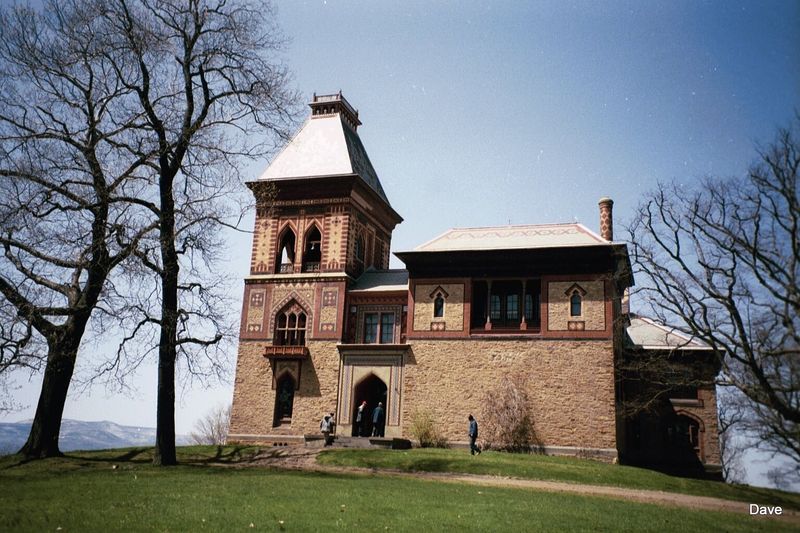
Hudson’s past is rich and sometimes surprising, providing novelists with endless material for historical fiction or contemporary stories with deep roots.
Founded in 1783 by New England whalers and merchants, the city became a prosperous port despite being 120 miles from the ocean.
During the 19th century, it was one of the busiest whaling ports in America, with ships sailing down the Hudson River to the Atlantic and beyond.
Later, the city developed a reputation as a place of vice and entertainment, with numerous bars, gambling houses, and brothels operating openly well into the 20th century.
This colorful past gives writers a treasure trove of stories to explore, from maritime adventures to tales of corruption and redemption.
The city’s architecture preserves these layers of history in physical form, with buildings that have served many different purposes over the centuries.
A structure that once housed a brothel might now be an upscale restaurant, and that transformation itself becomes a metaphor for change and reinvention.
Hudson also played a role in the abolitionist movement, with several Underground Railroad sites located in and around the city.
These historical threads can be woven into contemporary narratives, showing how the past continues to shape the present.
For novelists interested in research, Columbia County Historical Society offers archives and resources that bring the past to vivid life.
The availability of primary sources and local historians makes it easier to ground fictional stories in authentic historical detail.
A Sense of Mystery and Possibility
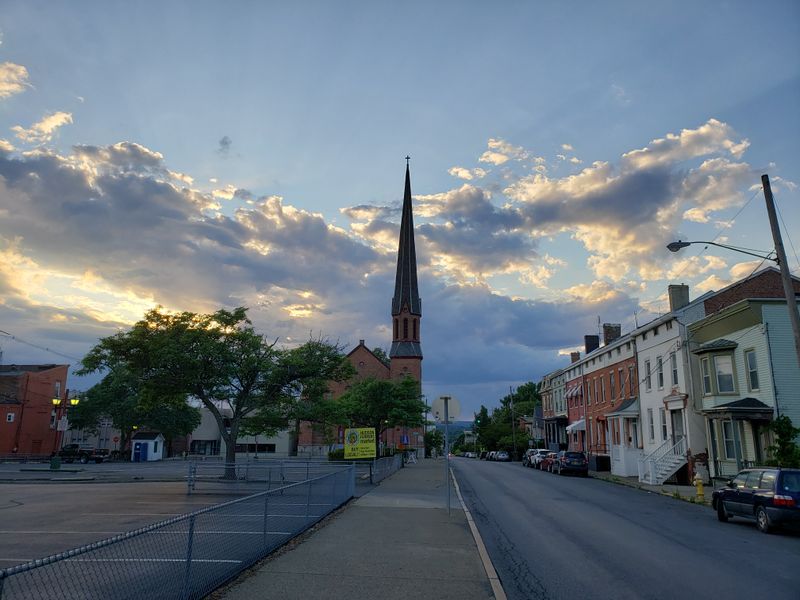
There is something inherently mysterious about Hudson, a quality that is difficult to define but impossible to ignore once you have spent time there.
Perhaps it comes from the fog that sometimes rolls in from the river, obscuring familiar landmarks and transforming ordinary streets into something dreamlike.
Or maybe it is the way certain buildings seem to hold secrets, their shuttered windows and locked doors inviting speculation about what lies within.
Empty storefronts and alleyways create pockets of shadow and silence even on busy afternoons, reminding visitors that not everything is visible or known.
For novelists, this atmospheric quality is pure gold, providing the perfect setting for mysteries, ghost stories, or psychological dramas.
The city feels like a place where anything could happen, where the boundary between the ordinary and the extraordinary might suddenly dissolve.
Characters walking these streets might stumble upon unexpected encounters, discover hidden truths, or find themselves changed in ways they did not anticipate.
Hudson also has a sense of possibility, of being a place in transition where the future has not yet been fully determined.
This openness makes it an ideal setting for stories about transformation, second chances, or characters reinventing themselves.
People come to Hudson to start over, to escape their pasts, or to discover who they might become in a place that allows for reinvention.
This narrative of possibility resonates with readers who may be contemplating their own life changes or dreaming of fresh starts.
Accessibility and Distance From New York City
Hudson’s location approximately 120 miles north of Manhattan places it at an ideal distance for writers seeking escape without complete isolation.
The two-hour drive or train ride from New York City makes it accessible for weekend retreats or longer stays without requiring a major relocation.
This proximity to one of the world’s literary capitals means that novelists can maintain connections with agents, editors, and the publishing industry while enjoying the peace and inspiration of a smaller community.
Many writers keep apartments or houses in Hudson as creative retreats, places they can go when they need to focus on a manuscript away from urban distractions.
The journey itself, whether by car along scenic routes or by Amtrak along the river, provides transition time between the hectic energy of the city and the calmer rhythms of Hudson.
This physical separation creates psychological space as well, allowing writers to shift mental gears and enter a more reflective, creative state.
At the same time, Hudson is not so remote that it feels cut off from contemporary culture and conversation.
Visitors from the city bring news, ideas, and energy, preventing the stagnation that can occur in truly isolated places.
The train station on South Front Street provides a direct link to Penn Station in Manhattan, making day trips in either direction entirely feasible.
This balance between accessibility and distance creates the perfect conditions for creative work, offering solitude when needed but connection when desired.
Hudson becomes a place apart without being entirely separate, a refuge that remains engaged with the wider world.
Dear Reader: This page may contain affiliate links which may earn a commission if you click through and make a purchase. Our independent journalism is not influenced by any advertiser or commercial initiative unless it is clearly marked as sponsored content. As travel products change, please be sure to reconfirm all details and stay up to date with current events to ensure a safe and successful trip.
