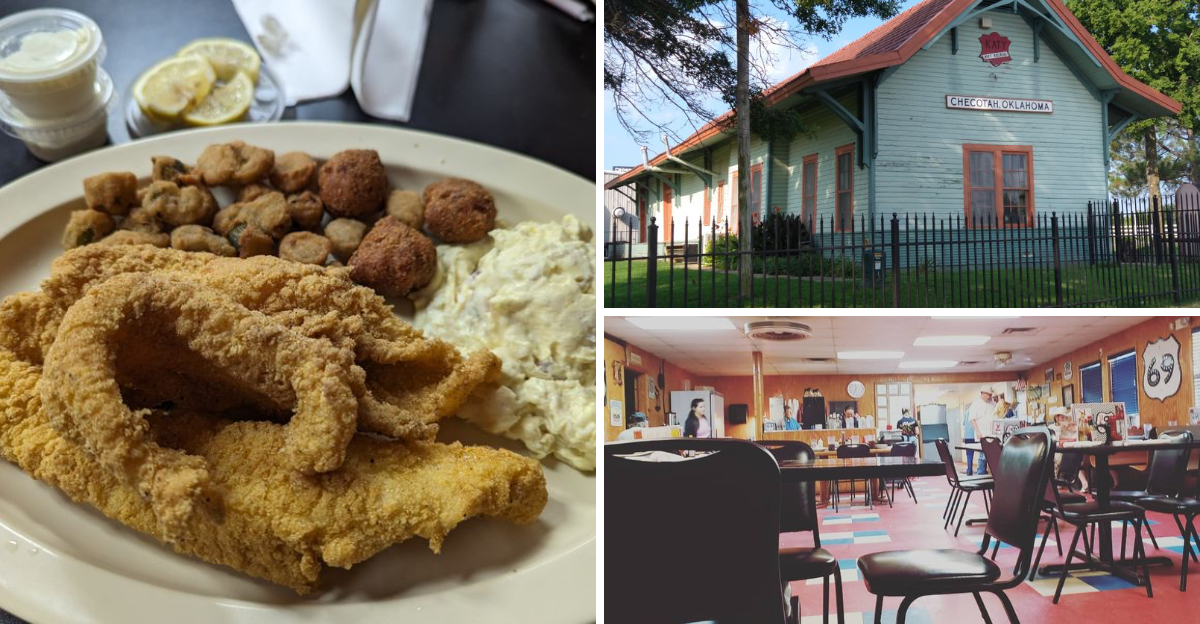
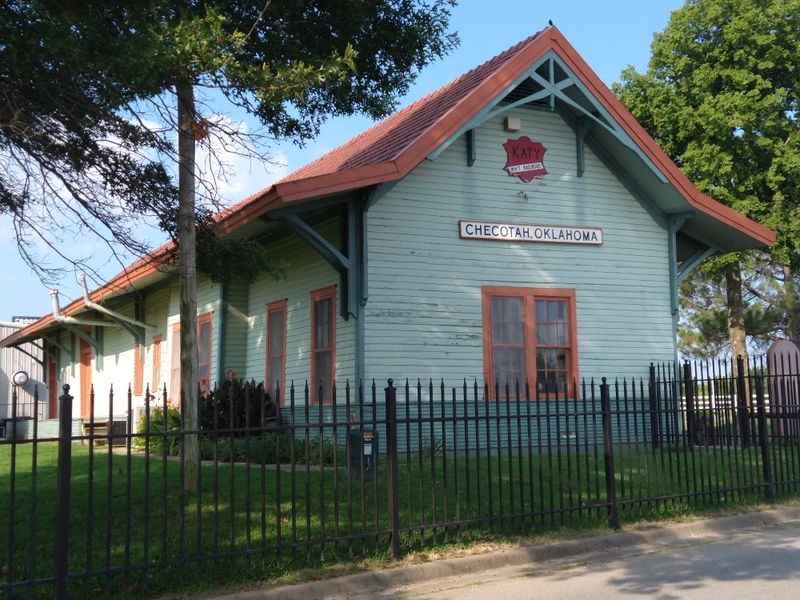
Checotah sits quietly in eastern Oklahoma, a modest town along historic Route 66 where the landscape stretches wide and the pace slows to something almost forgotten. Travelers pass through on their way to bigger cities, but those who stop discover a place where tradition runs deep and local pride shapes every meal.
The air here carries the scent of roadside diners and hometown cooking, the kind that brings people back year after year.
At the heart of this culinary loyalty stands 69 Diner, a spot where chicken-fried steak has become more than just a menu item. It represents a commitment to southern comfort that locals defend with fierce devotion.
The restaurant occupies a corner of town that feels both timeless and alive, where regulars fill booths and newcomers quickly understand why this Oklahoma staple tastes different here.
What makes one dish shine brighter in a single location? The answer lies in details that cannot be replicated elsewhere.
From the way ingredients come together to the hands that prepare them, chicken-fried steak at 69 Diner carries a signature that belongs only to Checotah. Understanding why requires looking beyond the plate to the people, place, and traditions that shape every bite.
Route 66 Heritage Shapes Local Food Culture

Checotah grew alongside Route 66, the Mother Road that carried travelers across America for generations. That highway brought diverse influences and hungry visitors, creating a food culture built on satisfying road-weary appetites with generous portions and bold flavors.
The chicken-fried steak tradition here developed as a response to those needs, becoming a signature offering that reflected both southern roots and frontier hospitality.
69 Diner sits on North Broadway, a stretch that once bustled with Route 66 traffic. Though the interstate redirected most travelers, the diner maintained its commitment to the kind of cooking that made the town a destination.
The recipe for their chicken-fried steak carries echoes of that highway era, when meals needed to be memorable enough to warrant a detour.
Oklahoma’s position as a crossroads state meant local cooks absorbed techniques from Texas, Kansas, and Arkansas, blending regional approaches into something distinctly their own.
Checotah benefited from this exchange, developing a style that balanced crispy breading with tender meat in proportions that satisfied without overwhelming.
The diner’s version honors that balance, maintaining a ratio perfected through decades of serving travelers and locals alike.
This heritage cannot be separated from the dish itself. The chicken-fried steak at 69 Diner tastes like history, like a town that understood its role as a stopping point and took pride in sending people back onto the road satisfied.
That legacy continues in every plate served, connecting present diners to a tradition forged along America’s most famous highway.
Small Town Ingredient Sourcing Makes the Difference
Georgia, the new owner who took over recently, maintains relationships with local suppliers that larger operations cannot match. Small town restaurants in Oklahoma often rely on regional meat providers who understand the specific cuts needed for proper chicken-fried steak.
The beef used at 69 Diner comes from sources that prioritize consistency over mass production, ensuring each piece meets the standards required for the dish.
Checotah’s size works to the diner’s advantage in this regard. Without the competition found in urban areas, Georgia can secure quality ingredients at rates that allow her to maintain affordability while refusing to compromise on what goes into the kitchen.
The flour, seasonings, and dairy products all come from suppliers who serve the region’s restaurant community, creating a network that supports traditional cooking methods.
This supply chain matters more than most diners realize. Chicken-fried steak requires specific meat texture to achieve the right tenderness after breading and frying.
The beef must be tenderized properly but not so thin that it loses substance. Local suppliers understand these requirements because they serve a community where the dish appears on nearly every menu, giving them expertise that distant distributors lack.
The result shows in every bite. The meat at 69 Diner carries a freshness and flavor that reflects its regional origins, tasting unmistakably of Oklahoma rather than generic frozen product.
Georgia’s commitment to these sourcing relationships ensures the chicken-fried steak maintains the quality that keeps customers returning, proving that great cooking starts long before ingredients reach the kitchen.
The Breading Technique Cannot Be Replicated
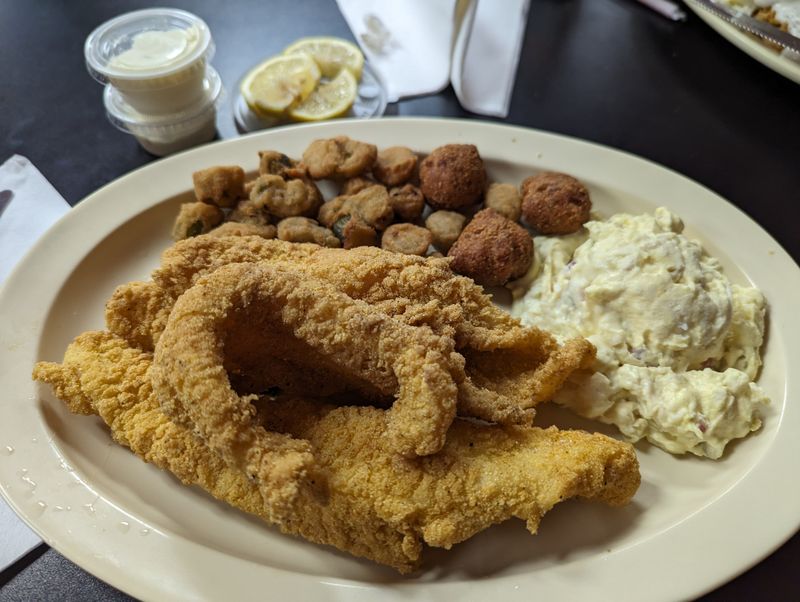
Achieving the perfect crust on chicken-fried steak requires a technique that balances science and instinct. The cooks at 69 Diner have refined their approach through countless repetitions, developing a method that creates a coating crispy enough to provide texture yet tender enough to complement rather than overpower the meat.
This balance proves difficult for restaurants that rely on standardized procedures or inexperienced kitchen staff.
The breading process involves multiple steps that must be executed with precision. The meat gets dredged in seasoned flour, dipped in an egg wash, then coated again before frying.
Each step requires proper timing and temperature control. Too much handling toughens the coating, while insufficient coverage leaves bare spots that compromise the final texture.
The kitchen team at 69 Diner performs these steps with practiced efficiency, their hands moving through motions honed over years.
Checotah’s culinary tradition means many local cooks learned these techniques from family members who worked in restaurants or cooked at home for generations. This knowledge transfer creates a pool of expertise that restaurants in the area can draw from, ensuring consistency even as staff changes.
New employees at 69 Diner receive training from veterans who understand the nuances that separate excellent chicken-fried steak from mediocre versions.
The frying itself demands constant attention. Oil temperature must stay within a narrow range to cook the meat through while achieving that signature golden crust.
Georgia and her team monitor their fryers carefully, adjusting heat as needed and never rushing orders. This dedication to process over speed results in chicken-fried steak that arrives at the table exactly as it should be, every single time.
Water Quality Affects Everything from Gravy to Texture
Few diners consider how water impacts their meal, but it plays a crucial role in chicken-fried steak preparation. Checotah’s water supply comes from sources that give it specific mineral content and pH levels, affecting how flour hydrates and how gravies thicken.
The egg wash that binds breading to meat behaves differently depending on the water mixed into it, creating subtle variations that accumulate into noticeable differences.
The gravy served over chicken-fried steak at 69 Diner depends entirely on water quality for its consistency and flavor. Made from pan drippings, flour, and milk thinned with water, the gravy must achieve a thickness that coats without becoming gluey.
Checotah’s water allows the cooks to reach this consistency naturally, without excessive thickeners or adjustments. Restaurants in areas with harder or softer water struggle to replicate the same results using identical recipes.
This factor remains invisible to customers but obvious to anyone who attempts to recreate the dish elsewhere. Cooks who move away from Oklahoma often report frustration trying to duplicate the chicken-fried steak they made back home, finding that their breading behaves differently or their gravy never quite matches.
The water they took for granted becomes the missing ingredient they cannot transport.
Georgia understands this advantage even if she does not advertise it. The diner’s kitchen uses Checotah’s water in every step of preparation, from mixing batter to cleaning equipment.
This consistency ensures that each batch of chicken-fried steak benefits from the same chemical interactions, creating reliability that customers taste even if they cannot identify the source. It represents yet another way this specific town provides conditions that cannot be found elsewhere.
Community Standards Keep Quality High
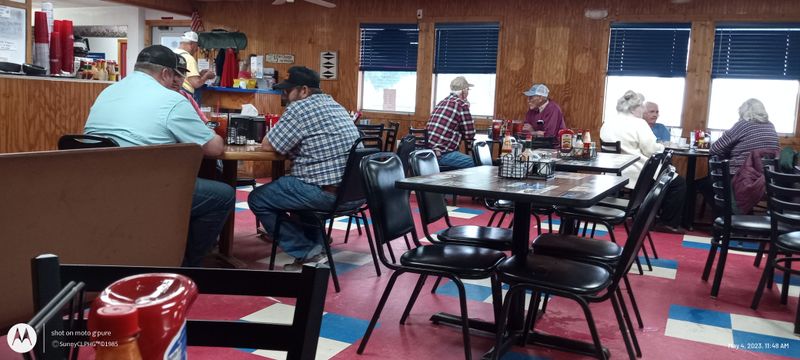
In Checotah, chicken-fried steak carries weight beyond simple sustenance. Locals grew up eating the dish at family tables and community gatherings, developing expectations shaped by generations of home cooks and restaurant meals.
This collective memory creates an unspoken standard that every establishment must meet or risk losing customers to competitors who understand what the dish should taste like.
69 Diner operates under constant evaluation from diners who know exactly how chicken-fried steak should appear, smell, and taste. Regular customers notice immediately if the breading seems thicker than usual or the gravy tastes different.
This vigilance keeps the kitchen accountable in ways that anonymous urban restaurants never experience. Georgia cannot afford to cut corners or make substitutions without facing feedback from people who have eaten her chicken-fried steak dozens of times.
This dynamic benefits travelers who stop at the diner hoping for an authentic Oklahoma experience. The same community pressure that demands consistency from local establishments ensures that visitors receive the same quality meal that regulars expect.
Unlike tourist-focused restaurants that can serve subpar food to customers who will never return, 69 Diner must satisfy people who will be back next week and the week after that.
Reviews mention the friendly waitresses and welcoming atmosphere, but behind that hospitality lies a practical reality. The staff knows many customers by name and remembers their preferences because those relationships matter to the business.
This familiarity extends to the food, where any decline in quality becomes personal rather than abstract. The chicken-fried steak tastes right in Checotah because the community demands it, creating accountability that preserves tradition through collective expectation.
Altitude and Climate Create Ideal Frying Conditions
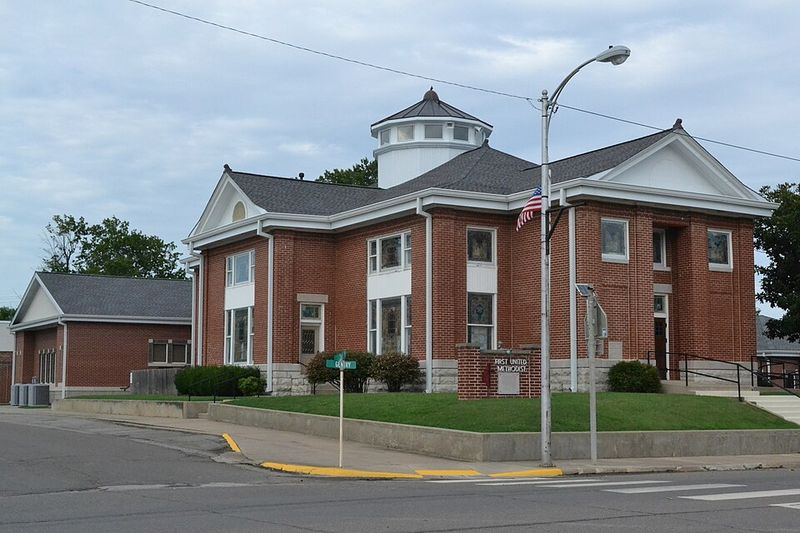
Checotah sits at an elevation that creates optimal conditions for deep frying. Air pressure affects oil temperature and how quickly moisture evaporates from food, influencing how breading crisps and how meat cooks through.
Eastern Oklahoma’s altitude puts the town in a range where these factors align perfectly for chicken-fried steak preparation, allowing cooks to achieve results that require more effort in higher or lower locations.
The region’s humidity levels also play a role that kitchen staff at 69 Diner have learned to work with rather than against. Oklahoma experiences distinct seasons with varying moisture content in the air, and experienced cooks adjust their techniques accordingly.
Summer humidity might require slightly longer frying times, while winter dryness demands attention to prevent breading from becoming too brittle. These micro-adjustments happen instinctively after years of cooking in the same environment.
Temperature fluctuations throughout the year give local cooks a broader range of experience than those in more stable climates. A kitchen team that has successfully fried chicken-fried steak through scorching summers and freezing winters develops adaptability that shows in consistent quality regardless of season.
The cooks at 69 Diner understand how weather affects their work, monitoring conditions and making subtle changes that keep the final product uniform.
These environmental factors cannot be transported or recreated artificially without significant expense. A restaurant in a different climate would need sophisticated equipment to replicate the atmospheric conditions that Checotah provides naturally.
The chicken-fried steak at 69 Diner benefits from geography in ways that have nothing to do with ingredients or technique, proving that location matters in ways most diners never consider when they sit down to eat.
The Diner’s History Creates Institutional Memory
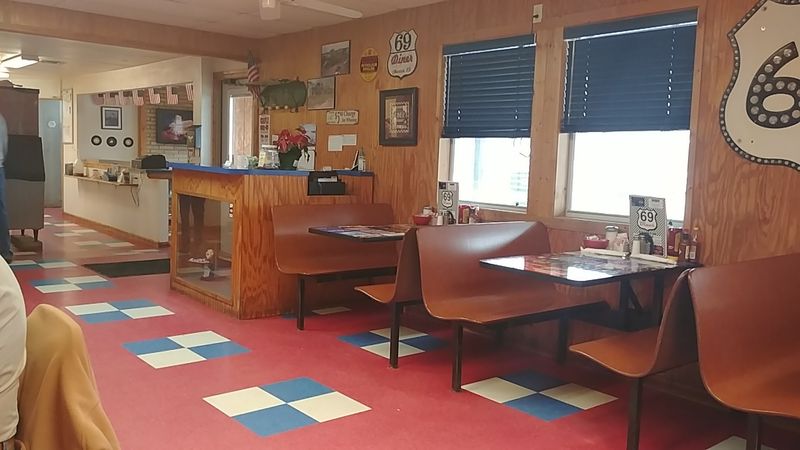
Operating under various names over the years, the location at 722 N Broadway has served chicken-fried steak through multiple generations of Checotah residents.
This continuity creates institutional memory that survives ownership transitions, with each new proprietor inheriting expectations and standards established by predecessors.
Georgia stepped into a legacy rather than starting from scratch, taking on responsibility for maintaining a tradition that predates her involvement.
Regular customers remember meals eaten at the same tables decades ago, comparing current offerings against memories formed in childhood or young adulthood. This long history means the chicken-fried steak must satisfy not just present appetites but also nostalgia for versions served years earlier.
The pressure to maintain consistency across time pushes the kitchen toward conservative preparation methods that honor tradition over innovation.
Reviews from longtime patrons reveal attachment that goes beyond food quality to encompass the entire dining experience. They mention specific waitresses by name and note changes in decor or menu offerings, demonstrating the deep familiarity that comes from repeated visits over years.
This relationship between restaurant and community creates stakes that franchise operations never experience, where failure means disappointing people who consider the establishment part of their personal history.
The diner’s survival through economic changes and shifting ownership proves its importance to Checotah’s identity. Other businesses have closed along North Broadway, but this location persists because it serves a function beyond simple food service.
The chicken-fried steak represents continuity in a changing world, a reliable constant that connects past to present. Georgia understands this role, maintaining the dish not just as a menu item but as a community anchor.
Regional Seasoning Preferences Define the Flavor Profile
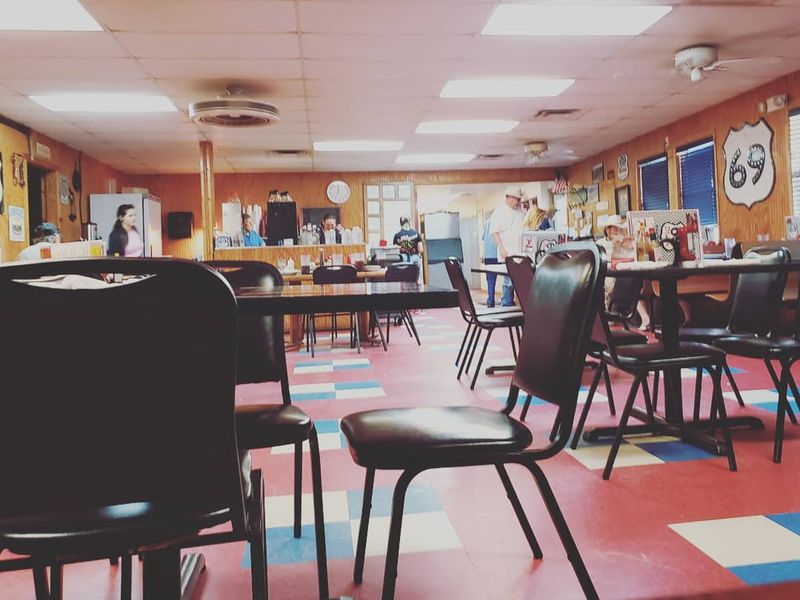
Oklahoma’s position between the South and Southwest creates a seasoning tradition that borrows from both regions while maintaining its own identity. The chicken-fried steak at 69 Diner reflects this balance, using spices that provide flavor without overwhelming the beef.
Black pepper features prominently, as do garlic powder and paprika, creating a profile that tastes distinctly of the region rather than generic southern cooking.
Local palates developed preferences through generations of home cooking and restaurant meals, establishing expectations about how much heat, salt, and savory depth chicken-fried steak should carry. Cooks at 69 Diner season their breading to match these preferences, avoiding both blandness and excessive spice.
This middle path satisfies the broadest range of customers while maintaining character that makes the dish memorable.
The gravy seasoning matters equally, requiring salt and pepper in proportions that enhance rather than mask the flavor of pan drippings and dairy. Georgia’s kitchen achieves this balance through careful tasting and adjustment, refusing to rely on premixed seasonings that standardize flavor across regions.
Their gravy tastes specifically of Oklahoma, carrying notes that locals recognize even if they cannot articulate what makes it right.
Travelers who order chicken-fried steak in multiple states often report that Oklahoma versions taste different, more balanced and less reliant on heavy seasoning to compensate for quality issues.
The dish at 69 Diner exemplifies this regional approach, letting quality ingredients shine while using spices to support rather than dominate.
This restraint requires confidence in sourcing and technique, trusting that properly prepared beef needs enhancement rather than disguise. The result speaks for itself in reviews that consistently praise flavor without mentioning excessive grease or overwhelming spice.
Dear Reader: This page may contain affiliate links which may earn a commission if you click through and make a purchase. Our independent journalism is not influenced by any advertiser or commercial initiative unless it is clearly marked as sponsored content. As travel products change, please be sure to reconfirm all details and stay up to date with current events to ensure a safe and successful trip.
