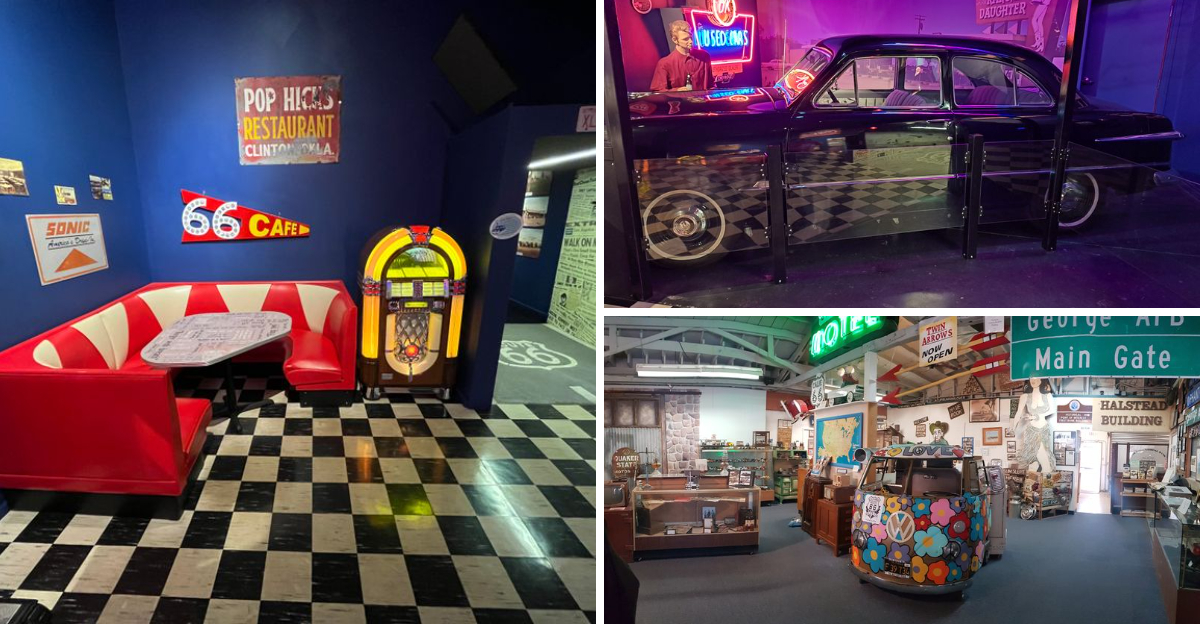
Nestled along the historic Route 66 in Clinton, Oklahoma, the Oklahoma Route 66 Museum at 2229 W Gary Blvd stands as a portal to America’s most beloved highway.
This remarkable museum captures the spirit of the Mother Road through decades of carefully preserved artifacts, vintage displays, and immersive exhibits that transport visitors back to the golden age of American road travel.
Travelers from across the globe make the pilgrimage to this cultural treasure, drawn by the promise of experiencing authentic Americana and understanding how one highway shaped the nation’s identity, commerce, and dreams of westward adventure.
Walking through its doors means stepping into a time machine where neon signs glow with memories, classic cars gleam under museum lights, and every corner tells a story of the people who lived, worked, and traveled along this legendary route.
Decade-by-Decade Journey Through American History
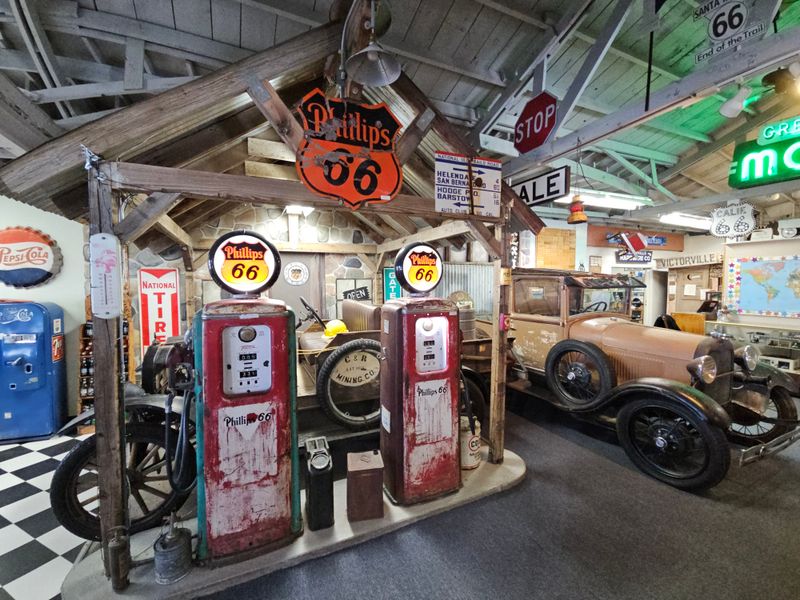
Walking through the Oklahoma Route 66 Museum feels like flipping through a living history book where each chapter comes alive with sights, sounds, and textures from different eras.
The museum organizes its collection chronologically, guiding visitors through distinct periods that showcase how Route 66 evolved from a dusty dirt road in the 1920s to a bustling commercial corridor in the 1950s and 60s.
Each decade receives its own dedicated space, complete with period-appropriate furnishings, advertisements, and cultural artifacts that defined those years.
The 1930s section captures the Dust Bowl migration with weathered suitcases and faded photographs of families heading west in search of better lives.
Moving forward, the 1940s area reflects wartime America with military memorabilia and ration books that tell stories of sacrifice and resilience.
By the time visitors reach the 1950s exhibits, the atmosphere shifts dramatically to one of prosperity and optimism, with chrome-laden car parts, bobby socks, and jukebox melodies filling the air.
The museum’s designers understood that history isn’t just dates and facts but rather a collection of moments, feelings, and experiences that shaped ordinary people’s lives.
This thoughtful curation allows modern travelers to understand not just what happened along Route 66, but how it felt to live during those transformative decades.
The progression through time creates an emotional journey that resonates with visitors of all ages, making history accessible and deeply personal.
Authentic Diner Recreation That Captures 1950s Roadside Culture
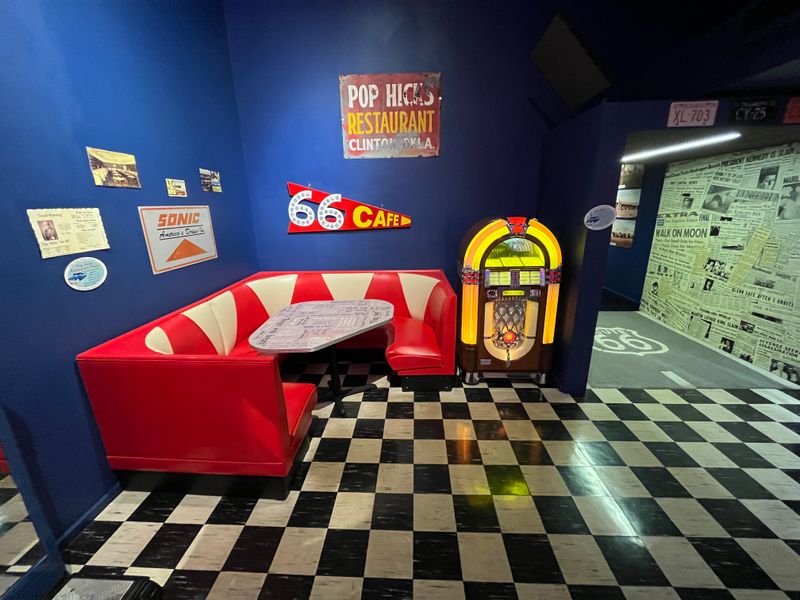
Step into the museum’s meticulously recreated 1950s diner and suddenly you’re transported to an era when roadside eateries served as the social hubs of highway travel.
The attention to detail in this exhibit is extraordinary, from the gleaming chrome napkin dispensers to the red vinyl booth seats that squeak authentically when you slide across them.
Checkerboard floor tiles stretch across the space, reflecting the overhead lighting just as they would have decades ago when families stopped for burgers and milkshakes after hours on the road.
The counter features spinning stools with chrome bases, positioned perfectly for imaginary conversations with equally imaginary waitresses who might have called everyone honey and kept coffee cups perpetually full.
Menu boards display prices that seem impossibly low by today’s standards, reminding visitors how much American culture and economics have changed over the past seventy years.
Vintage advertisements for Coca-Cola, pie, and blue plate specials adorn the walls, their faded colors and retro typography evoking nostalgia even for those who never experienced the original era.
This diner recreation serves as more than just a photo opportunity, though visitors certainly take advantage of the Instagram-worthy setting.
It represents a crucial piece of Route 66 culture, where travelers found not just food but community, rest, and a sense of connection during long journeys across the American landscape.
The exhibit reminds us that diners were democratic spaces where truckers, families, salesmen, and adventurers all shared the same counters and booths.
Vintage Neon Sign Collection Illuminating Highway Nostalgia
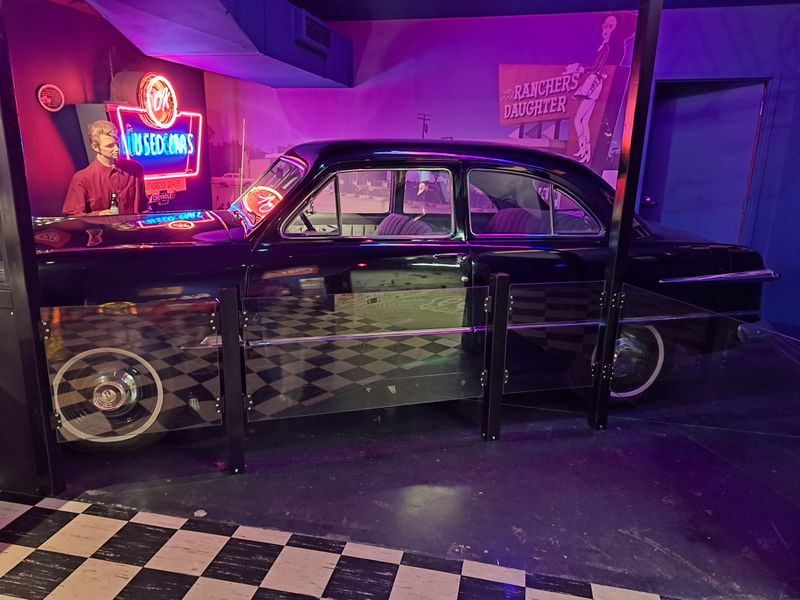
Few things capture the magic of mid-century American highways quite like the glow of vintage neon signs, and the Oklahoma Route 66 Museum houses an impressive collection of these luminous artifacts.
These aren’t mere reproductions or photographs but actual signs salvaged from motels, diners, gas stations, and tourist attractions that once beckoned weary travelers along the Mother Road.
Each sign tells its own story through distinctive typography, color choices, and design elements that reflected the optimism and creativity of postwar America.
Some feature playful imagery like cowboys, cacti, or arrows pointing toward promised comfort and hospitality just ahead.
Others showcase the streamlined elegance of mid-century modern design, with clean lines and bold lettering that communicated efficiency and progress.
The museum’s curators have arranged these signs to create an immersive environment where the warm glow of neon transforms the space into something resembling a twilight drive along Route 66 itself.
Visitors often find themselves pausing longest at this exhibit, mesmerized by the way these signs seem to pulse with memories and possibilities.
Many of the businesses these signs once advertised have long since disappeared, their buildings demolished or repurposed, making these glowing remnants even more precious as cultural artifacts.
The signs represent not just commercial advertising but an art form that has largely vanished from the American landscape, replaced by generic corporate branding and digital displays that lack the same warmth and character.
Classic Automobile Display Showcasing Transportation Evolution
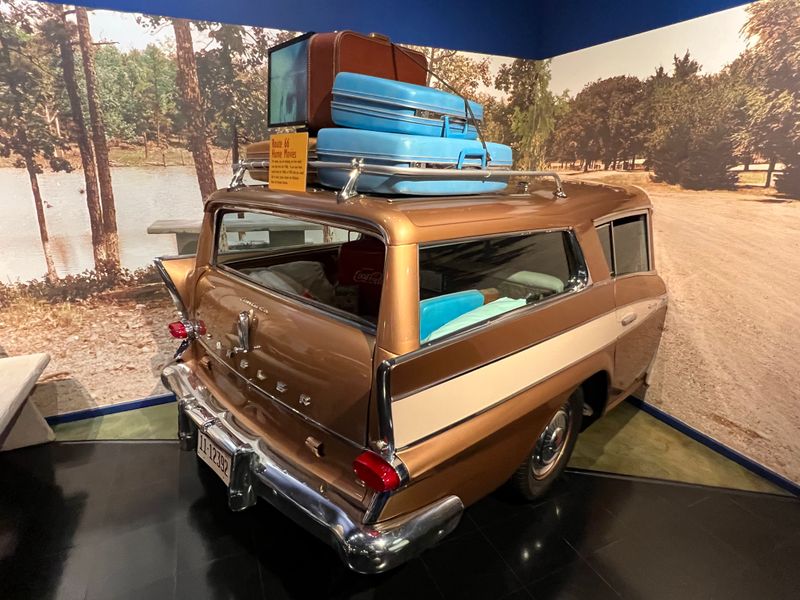
Automobiles weren’t just vehicles along Route 66 but rather symbols of freedom, prosperity, and the American dream itself, and the museum’s car collection reflects this cultural significance beautifully.
Several pristinely restored vehicles from different eras sit throughout the museum, each representing a distinct chapter in automotive and highway history.
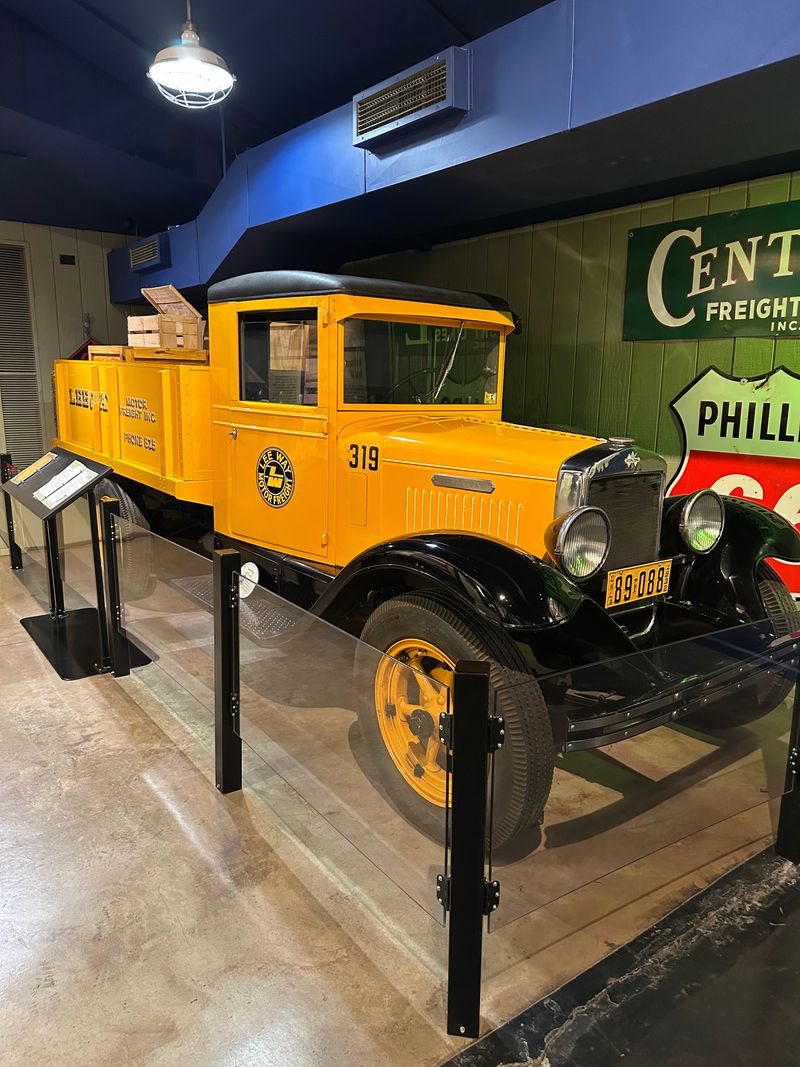
Early models from the 1920s and 30s demonstrate how rudimentary road travel once was, with their tall, boxy frames and minimal amenities that made long-distance journeys true adventures requiring preparation and courage.
By contrast, the sleek, powerful machines from the 1950s and 60s showcase how dramatically automobile design evolved, prioritizing comfort, style, and speed for families eager to explore America’s expanding highway system.
Each vehicle is positioned within contextual displays that include period-appropriate luggage, maps, travel guides, and other accessories that would have accompanied these cars on their journeys.
The museum doesn’t just present these automobiles as static objects but rather as time capsules that carried families, dreams, and possessions across thousands of miles of pavement.
Informative placards explain technical innovations, manufacturing details, and cultural significance, helping visitors understand how changes in automobile design both reflected and influenced American society.
Children press their faces against windows to peer inside at bench seats and dashboard designs that seem delightfully foreign compared to modern vehicles.
Adults often find themselves transported back to childhood memories of family road trips, recalling the particular smell and feel of vinyl seats on summer days.
Photographic Archives Documenting Ordinary Lives and Extraordinary Journeys
Among the museum’s most emotionally resonant elements are the hundreds of photographs that line the walls, capturing candid moments from Route 66’s heyday.
These aren’t professional tourism shots but rather personal snapshots, family photos, and documentary images that reveal the authentic human experience of highway travel.
Black and white images show dust-covered families standing beside their overloaded vehicles during the Depression-era migration westward, their faces revealing both exhaustion and determination.
Other photographs capture the joy of postwar prosperity, with grinning children posing in front of roadside attractions, their parents relaxed and smiling in ways that speak to newfound leisure time and disposable income.
Business owners stand proudly before their gas stations, motels, and restaurants, their expressions conveying the entrepreneurial spirit that drove Route 66’s commercial development.
The museum has collected these images from personal donations, historical societies, and archives, creating a visual narrative that spans decades and encompasses thousands of individual stories.
What makes these photographs particularly powerful is their ordinariness, the way they document moments that seemed unremarkable at the time but now represent irreplaceable glimpses into vanished ways of life.
Visitors often spend considerable time studying these images, searching faces for resemblances to their own relatives or recognizing locations they’ve passed through themselves.
The photographs transform abstract history into something deeply personal, reminding us that every era was lived by real people with hopes, challenges, and everyday experiences much like our own.
Music and Sound Design Creating Immersive Period Atmosphere
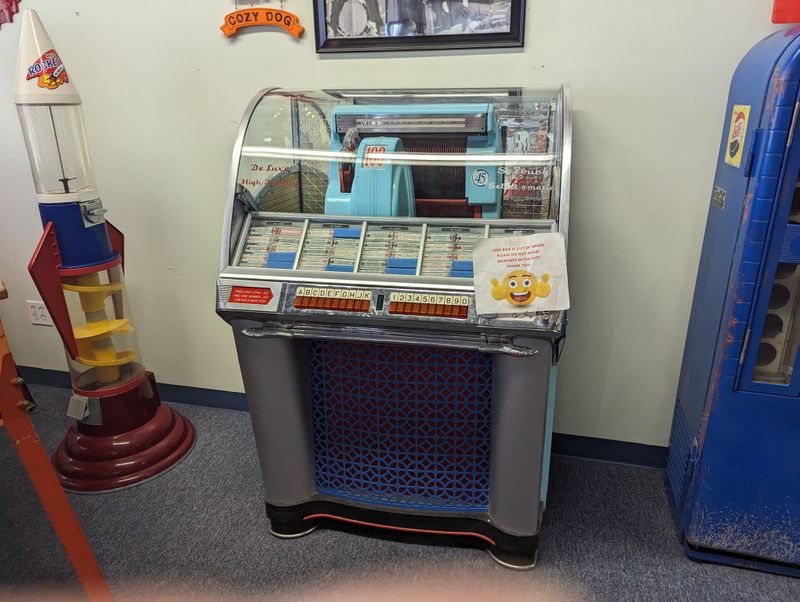
Sound plays a crucial role in the museum’s time-travel effect, with carefully curated music and audio elements that transport visitors aurally as well as visually.
Throughout the exhibits, period-appropriate music drifts from speakers and vintage radios, changing to match each decade’s distinctive soundtrack.
Big band melodies accompany the 1940s displays, while rock and roll rhythms energize the 1950s sections, creating an auditory journey that parallels the visual progression through time.
Several working jukeboxes allow visitors to select songs from various eras, offering an interactive element that brings musical history to life in a tangible way.
The museum also incorporates recorded oral histories, letting visitors hear firsthand accounts from people who lived, worked, and traveled along Route 66 during its peak years.
These voices, often elderly now, share memories of their youth with warmth and detail, describing everything from the taste of particular roadside pies to the feeling of crossing state lines for the first time.
Sound effects subtly enhance the atmosphere as well, with occasional recordings of vintage car engines, cash register bells, and other ambient noises that would have filled Route 66 establishments.
This layered approach to sound design creates an immersive environment that engages multiple senses, making the historical experience more complete and emotionally resonant.
Music has always been intertwined with highway culture, from songs about traveling to tunes played on car radios during long drives, and the museum honors this connection thoughtfully throughout its exhibits.
Artifacts from Vanished Businesses Preserving Commercial Heritage
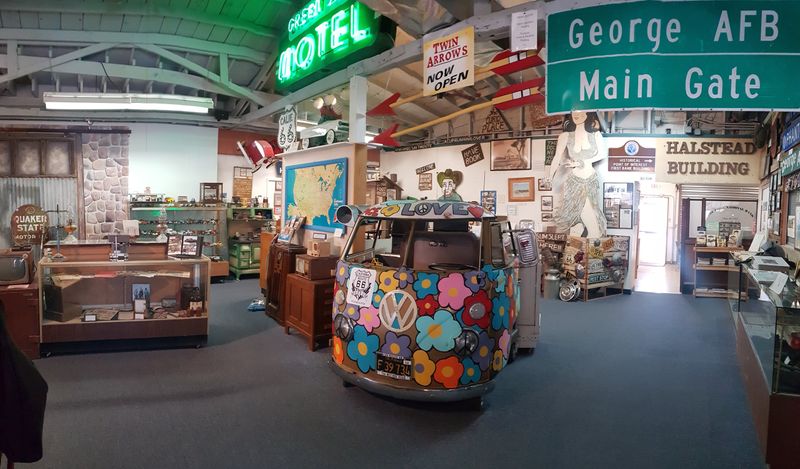
Scattered throughout the museum are countless small objects that once served practical purposes in Route 66 businesses but now function as precious historical artifacts.
Glass cases protect collections of motel room keys attached to oversized plastic tags designed to prevent guests from accidentally pocketing them, each tag advertising a different establishment with varying degrees of creative marketing.
Vintage gas station equipment includes ornate pump globes, oil cans with colorful graphics, and promotional materials from petroleum companies that competed fiercely for highway travelers’ business.
Restaurant menus printed on paper that has yellowed with age reveal not just prices and dishes but also regional variations in cuisine and the evolution of American eating habits over decades.
Tourist trap souvenirs, from rubber tomahawks to snow globes featuring roadside attractions, demonstrate the playful commercialism that characterized mid-century highway travel.
Many of these objects came from businesses that no longer exist, their buildings now empty or demolished, making these everyday items the only remaining evidence of enterprises that once thrived along the Mother Road.
The museum treats even humble objects with respect and context, explaining their use and significance in ways that help visitors understand the daily operations of Route 66 commerce.
These artifacts collectively paint a picture of an economic ecosystem that depended entirely on highway traffic, where success meant catching the attention of passing motorists and providing them with reasons to stop.
Examining these objects up close reveals the craftsmanship, design sensibilities, and marketing strategies of earlier eras.
Regional Maps and Travel Guides Charting the Mother Road’s Geography
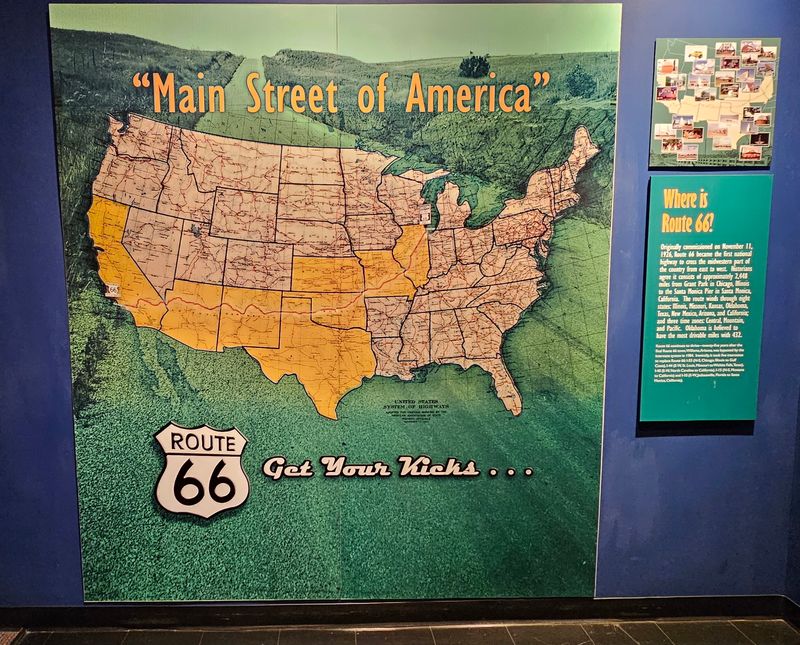
Before GPS and smartphones, travelers navigated Route 66 using paper maps, guidebooks, and handwritten directions, and the museum’s collection of these materials offers fascinating insights into how people once approached long-distance travel.
Colorful fold-out maps from various decades show Route 66’s path through eight states, with illustrations highlighting attractions, services, and points of interest along the way.
These maps weren’t just navigational tools but also promotional materials, often sponsored by gas companies, tire manufacturers, or state tourism boards eager to encourage highway travel.
Travel guides with titles promising the best stops, shortest routes, or most scenic diversions line display shelves, their pages marked and annotated by travelers who relied on them during actual journeys.
The museum’s map collection also documents how Route 66 itself changed over time, with realignments, bypasses, and improvements that altered the highway’s path and impacted communities along the way.
Comparing maps from different eras reveals how some towns prospered while others declined based on whether the highway ran through their main streets or bypassed them entirely.
Interactive map displays allow visitors to trace the full length of Route 66, understanding its relationship to the broader American landscape and transportation network.
For many visitors, especially those planning their own Route 66 road trips, these historical maps provide valuable context for understanding what they’ll see along the modern highway.
The maps also serve as beautiful examples of mid-century graphic design, with their bold colors, stylized typography, and illustrated landmarks that made geography visually appealing.
Personal Stories and Memorabilia Humanizing Highway History
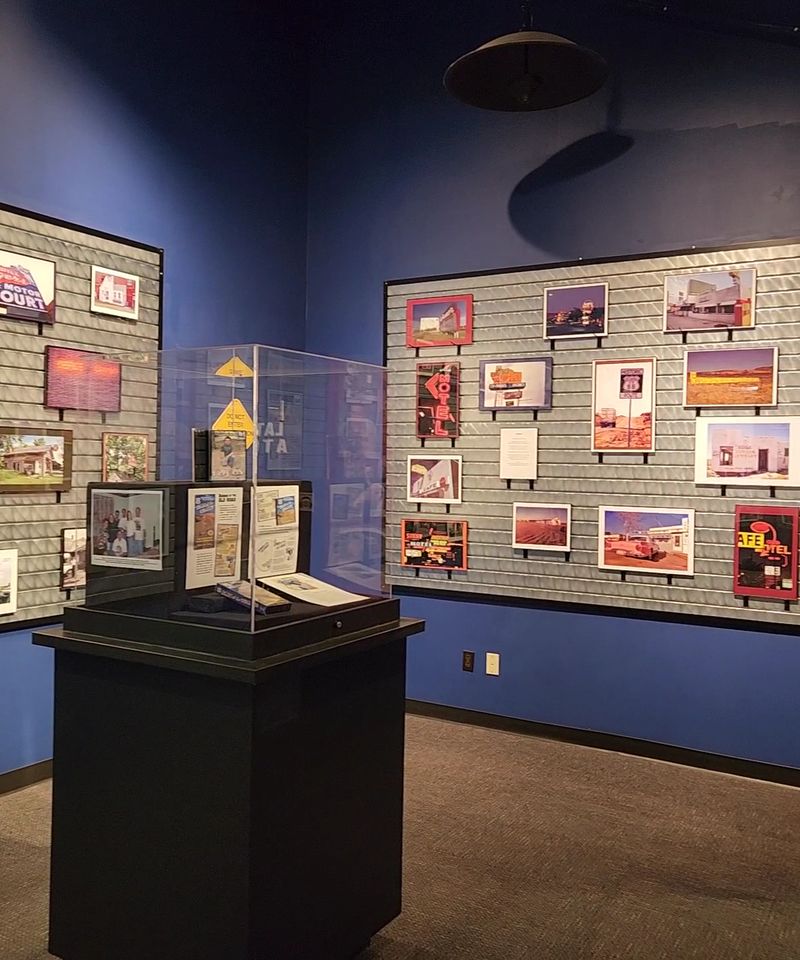
What truly makes the Oklahoma Route 66 Museum feel like time travel isn’t just the objects on display but the personal stories woven throughout the exhibits.
Handwritten letters from travelers to family members back home describe the wonders and challenges of their journeys, written in the intimate language of personal correspondence rather than polished prose.
Postcards with brief messages and colorful images of roadside attractions reveal how people once communicated their travels, sending tangible reminders of their adventures through the mail.
Diaries and journals kept by long-distance travelers record daily experiences, expenses, weather conditions, and impressions of places visited, offering unfiltered perspectives on Route 66 travel.
The museum has also collected oral histories through interviews with people who lived along the highway, operated businesses, or made memorable journeys during Route 66’s peak decades.
These first-person accounts, presented through video recordings, audio clips, and written transcripts, bring emotional depth and authenticity to the historical narrative.
Family memorabilia donated by descendants of Route 66 entrepreneurs and travelers includes everything from baby shoes worn during cross-country moves to wedding photos taken at roadside chapels.
Each personal item represents an individual life intersecting with the highway’s history, reminding visitors that Route 66 wasn’t just pavement and paint but rather a stage where millions of human dramas unfolded.
These intimate materials create emotional connections that purely factual exhibits cannot achieve, helping visitors understand history as lived experience rather than abstract information.
Dear Reader: This page may contain affiliate links which may earn a commission if you click through and make a purchase. Our independent journalism is not influenced by any advertiser or commercial initiative unless it is clearly marked as sponsored content. As travel products change, please be sure to reconfirm all details and stay up to date with current events to ensure a safe and successful trip.
