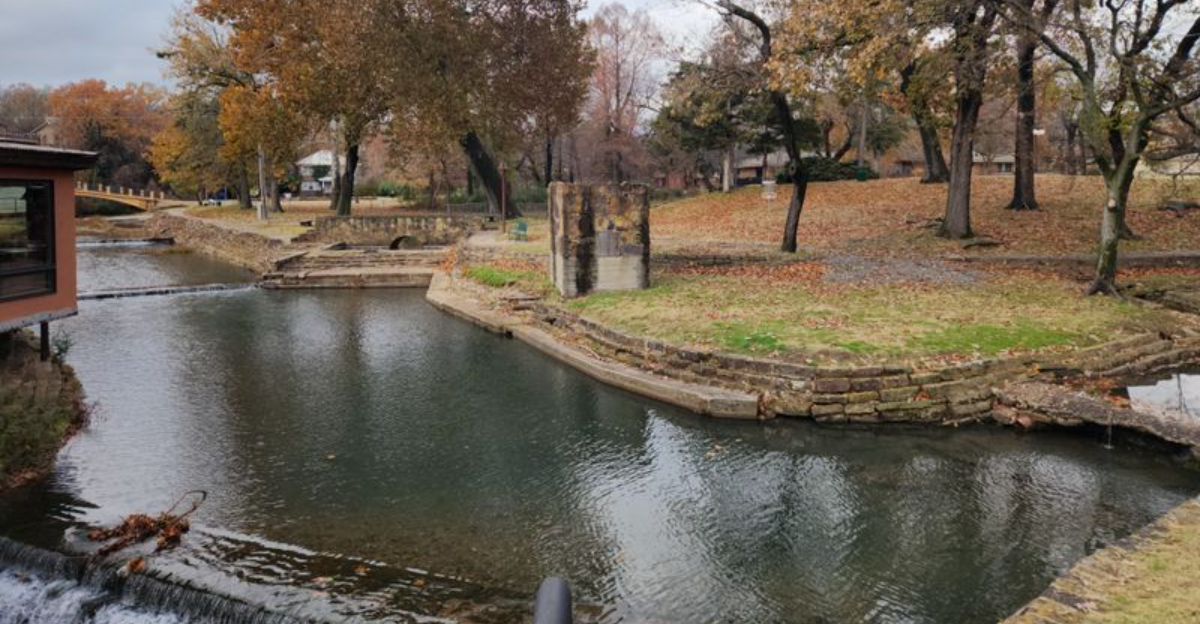
Nestled in the foothills of the Ozark Mountains, Tahlequah is a small Oklahoma town that surprises visitors with its lush riverside setting and distinct character that feels worlds away from the flat prairies many associate with the state.
This capital of the Cherokee Nation sits where the Illinois River meets Tahlequah Creek, creating a verdant landscape filled with rolling hills, dense forests, and crystal-clear waterways that draw paddlers and nature lovers from across the country.
With its rich Native American heritage, vibrant cultural scene, and outdoor recreation opportunities that rival destinations in Arkansas or Missouri, Tahlequah offers travelers an experience that defies typical Oklahoma expectations.
Whether you’re floating down the Illinois River on a warm summer day or exploring historic Cherokee sites, this riverfront town delivers an atmosphere that feels more like the Ozarks or Appalachia than the Great Plains.
The Ozark Mountain Setting Creates Unexpected Terrain
Most people picture Oklahoma as endless flat plains stretching toward the horizon, but Tahlequah sits in a completely different geographical zone that transforms expectations.
The town rests at the base of the Ozark Mountains, where dramatic elevation changes create a landscape of rolling hills covered in thick deciduous forests.
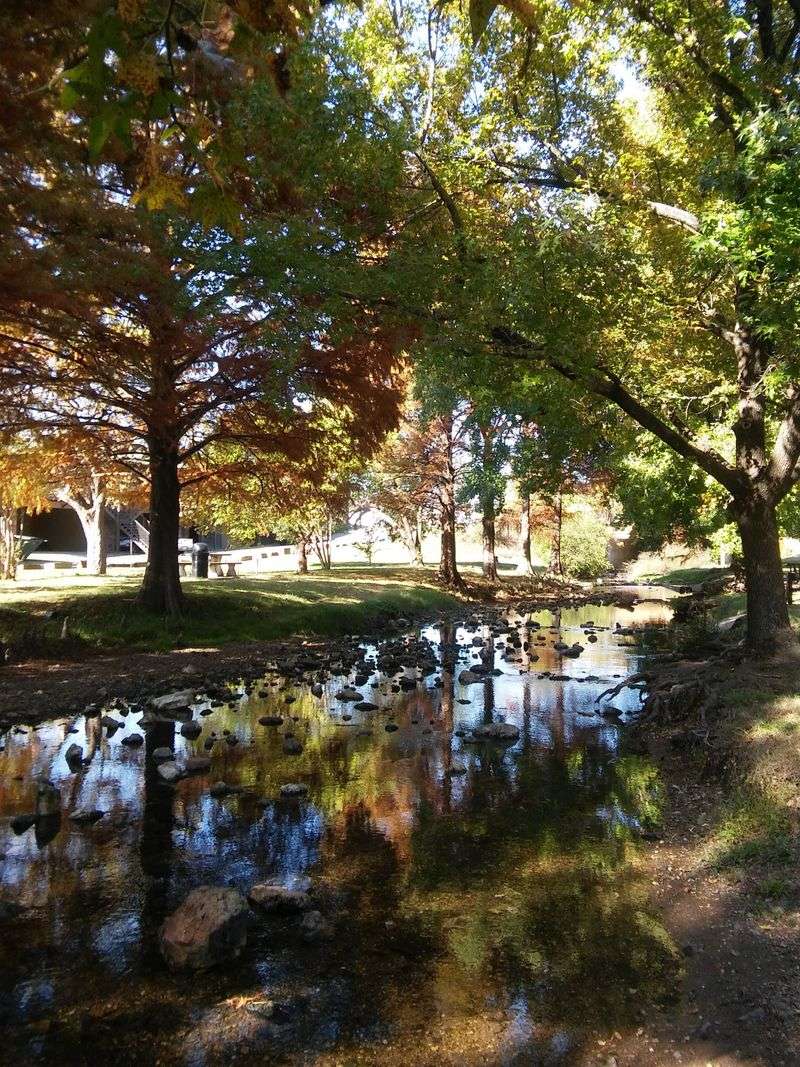
Oak, hickory, and cedar trees blanket the terrain, providing shade and creating a canopy that feels more like the forests of Arkansas or southern Missouri.
During autumn, these hillsides explode with color as leaves turn brilliant shades of red, orange, and gold.
The change in seasons here is dramatic and beautiful, unlike the more subtle transitions found in other parts of Oklahoma.
Spring brings wildflowers that carpet the forest floor, while summer creates a dense green environment that stays remarkably cool thanks to the tree cover and elevation.
Hiking trails wind through these hills, offering views that surprise first-time visitors who expected something entirely different.
The terrain invites exploration, with rocky outcroppings and hidden valleys that reward those willing to venture off the main roads.
This mountainous setting influences everything about Tahlequah, from the cooler temperatures to the types of wildlife that call the area home.
The landscape creates natural beauty that feels transported from neighboring states, making Tahlequah a destination that defies regional stereotypes and offers scenery that rivals better-known mountain towns across the South.
The Illinois River Dominates the Local Culture
Water defines life in Tahlequah in ways that feel completely foreign to most Oklahoma communities.
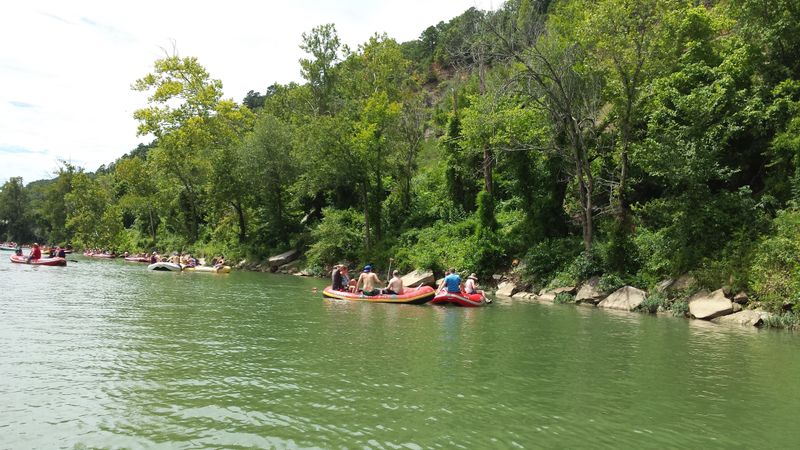
The Illinois River flows through the area with remarkably clear water that stays cool even during the hottest summer months.
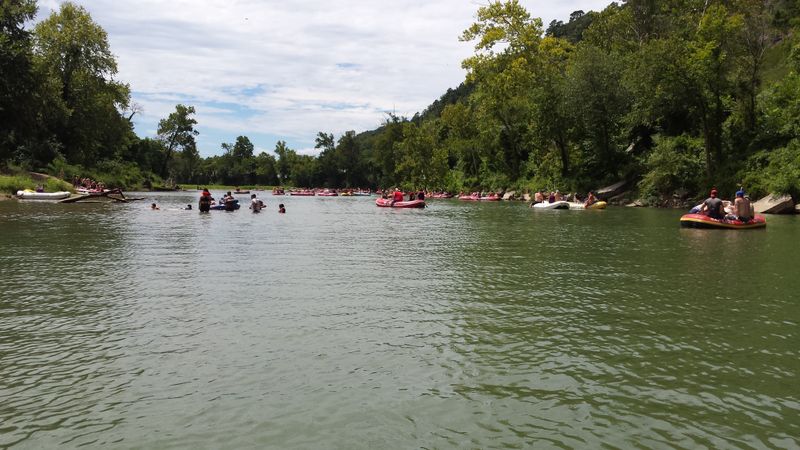
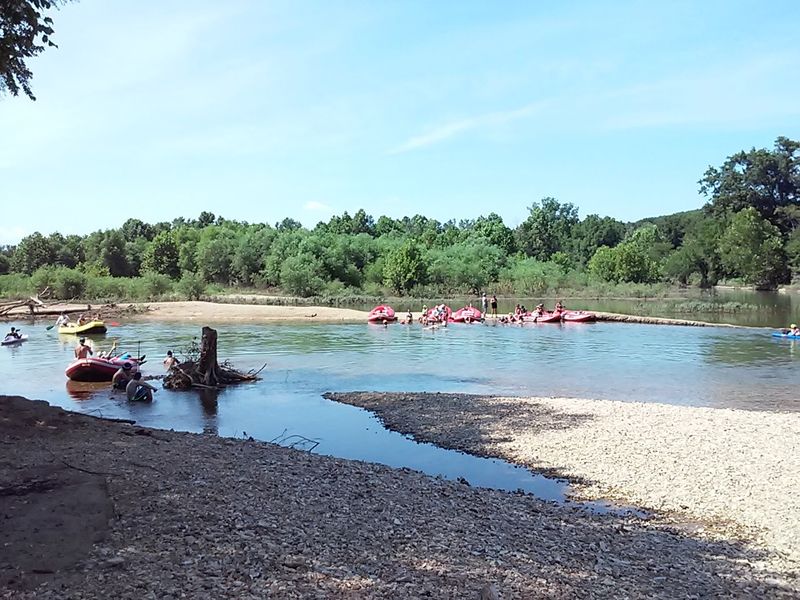
This river has created an entire culture around floating, a leisurely activity where people drift downstream on rafts, kayaks, canoes, or inner tubes.
During summer weekends, the river becomes a social hub where locals and visitors spend entire days on the water.
The experience feels more like something you would find in the hill country of Texas or the rivers of the Carolinas than in Oklahoma.
Outfitters line the highways leading into town, offering equipment rentals and shuttle services that have turned river recreation into a major industry.
The water quality here is exceptional, with visibility that allows you to see fish swimming below and rocks on the river bottom.
Gravel bars create natural stopping points where floaters can rest, swim, or enjoy picnic lunches in the middle of their journey.
The river environment supports diverse wildlife, including herons, kingfishers, and turtles that sun themselves on logs.
This aquatic ecosystem creates a different rhythm of life in Tahlequah, where summer plans revolve around river conditions and weather patterns that affect water levels and flow rates for optimal floating experiences.
Cherokee Heritage Shapes Every Corner
Walking through Tahlequah means walking through living history that continues to shape the present day.
The town serves as the capital of the Cherokee Nation, the largest Native American tribe in the United States.
This designation brings a cultural depth and institutional presence that creates an atmosphere unlike any other small Oklahoma town.
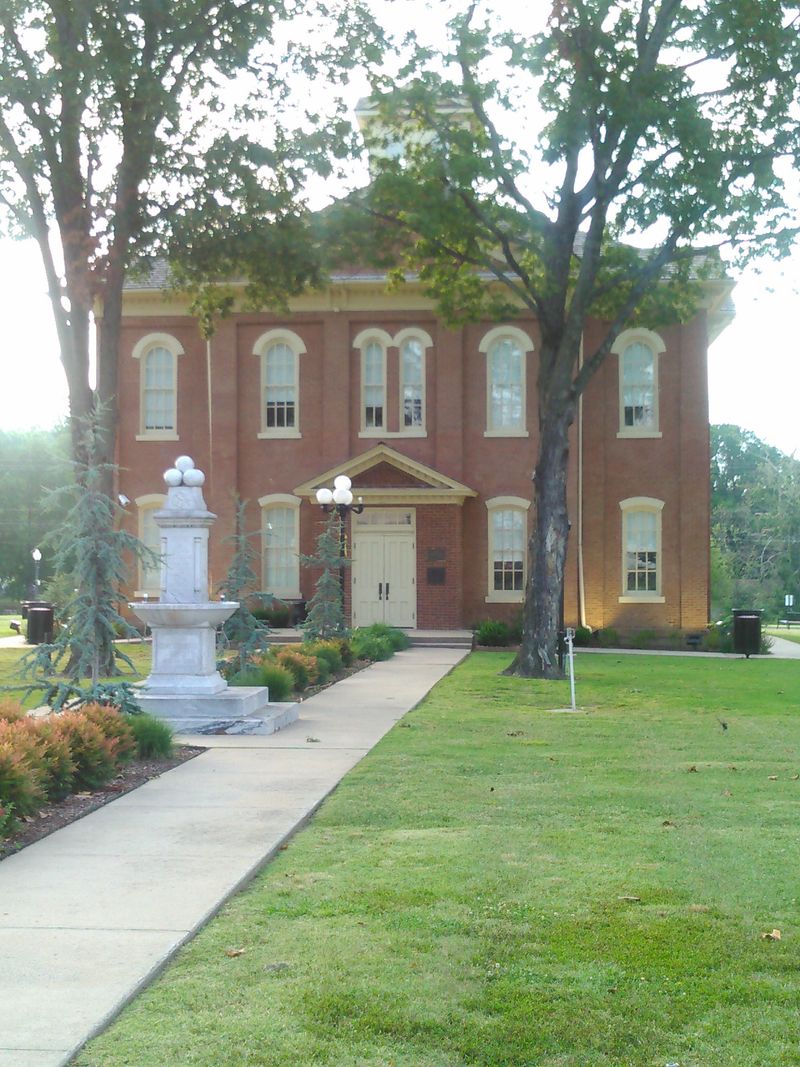
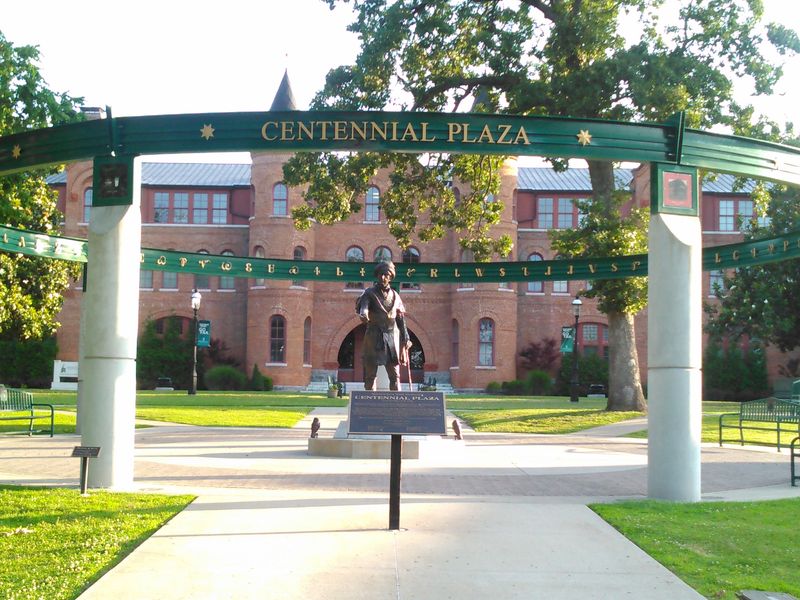
The Cherokee National Capitol building stands in the town square, a stunning brick structure that has housed tribal government since the 1800s.
Museums throughout the area tell the story of the Trail of Tears and the Cherokee people who rebuilt their nation after forced relocation.
The Cherokee Heritage Center, located at 21192 South Keeler Drive, offers immersive exhibits and a recreated ancient village that brings history to life.
Cultural events happen throughout the year, including traditional dances, language classes, and art exhibitions that celebrate Cherokee traditions.
Many businesses in town are Cherokee-owned, and the tribal government employs thousands of people, making the Native American presence central rather than peripheral.
Street signs include Cherokee syllabary, the written language invented by Sequoyah, adding visual reminders of the cultural landscape.
This deep connection to Cherokee identity creates a sense of place that feels distinct from surrounding areas, where history and culture remain actively practiced rather than simply commemorated in museums or monuments.
Northeastern State University Brings Youthful Energy
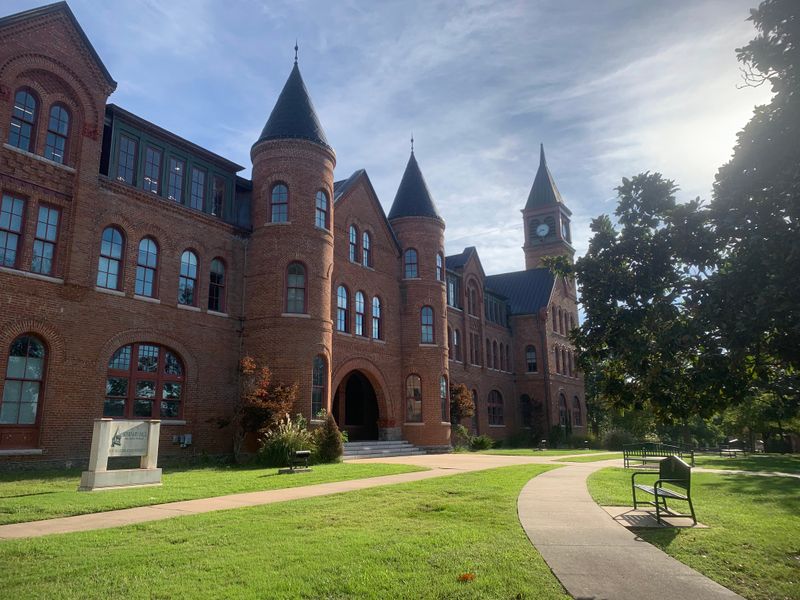
College towns possess a particular energy that transforms small communities, and Tahlequah benefits enormously from hosting Northeastern State University.
Founded in 1851 as the Cherokee National Female Seminary, NSU is one of the oldest institutions of higher learning west of the Mississippi River.
The university brings approximately 8,000 students to a town with a total population of around 17,000 people, creating a demographic mix that keeps the community vibrant.
Coffee shops, restaurants, and entertainment venues cater to student tastes, offering options that might not exist in a purely residential small town.
The campus itself features beautiful historic buildings mixed with modern facilities, creating an attractive environment for both students and visitors.
Cultural events hosted by the university, including theater productions, concerts, and lectures, provide entertainment options that enrich community life.
Student athletes compete in various sports, and game days bring additional excitement and crowds to local businesses.
The presence of faculty and staff adds intellectual diversity to the community, attracting professors and researchers from across the country.
This academic atmosphere creates conversations and connections that feel different from typical small-town dynamics.
The university also contributes to the local economy in significant ways, providing stable employment and attracting visitors for campus events, parent weekends, and graduation ceremonies that fill hotels and restaurants throughout the year.
Downtown Maintains Authentic Small-Town Character
Many small American downtowns have struggled with empty storefronts and declining businesses, but Tahlequah’s town center thrives with genuine vitality.
The downtown square surrounds the historic Cherokee courthouse, creating a focal point that draws both residents and visitors.
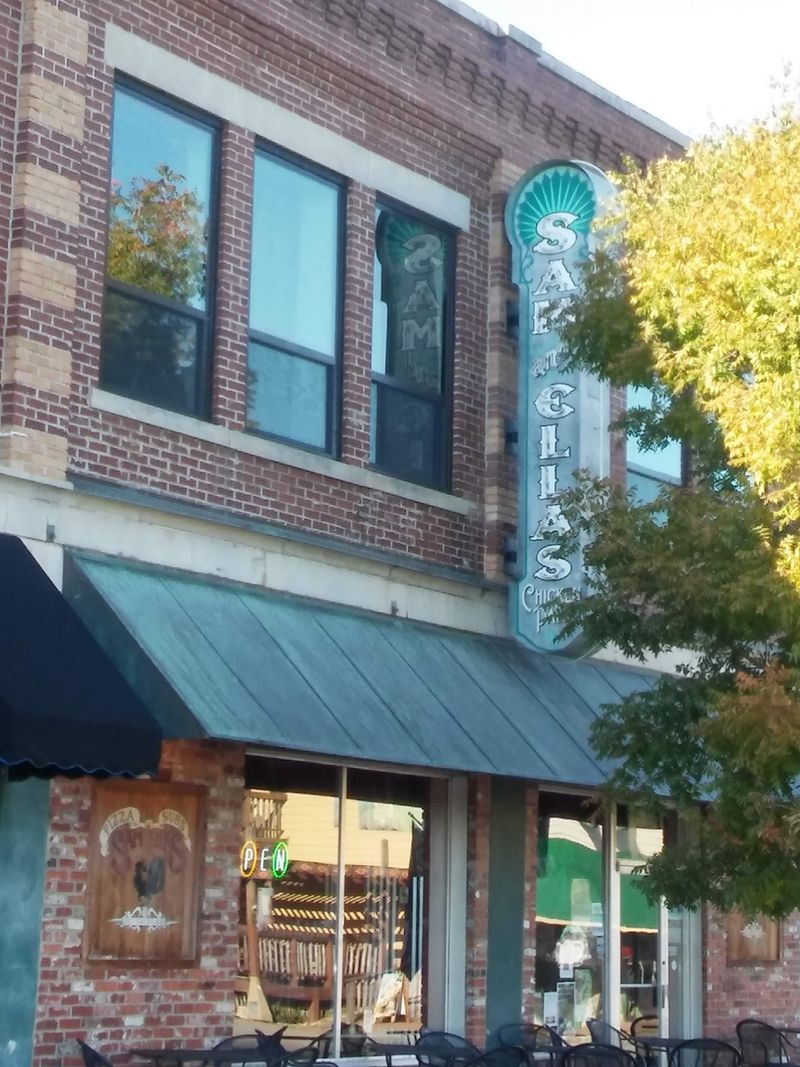
Locally-owned shops fill the brick buildings, offering everything from antiques to contemporary art without the chain stores that homogenize so many communities.
Restaurants serve diverse cuisines, from traditional Cherokee fare to Mexican food and American comfort dishes, often using locally-sourced ingredients.
The Tahlequah Farmers Market operates seasonally, bringing fresh produce, handmade crafts, and community connections to the downtown area.
Coffee shops like The Root provide gathering spaces where students, professionals, and retirees mix freely, creating the kind of social interaction that defines healthy communities.
Murals painted on building walls add visual interest and celebrate local history and culture.
The walkable layout encourages people to park once and explore on foot, discovering new businesses and running into neighbors along the way.
Events throughout the year activate the downtown space, including festivals, concerts, and holiday celebrations that bring crowds to the streets.
This authentic downtown experience feels increasingly rare in modern America, where online shopping and suburban sprawl have drained life from many town centers, making Tahlequah’s thriving core a reminder of what small-town America can be when communities invest in their historic hearts.
Seasonal Changes Create Dramatic Transformations
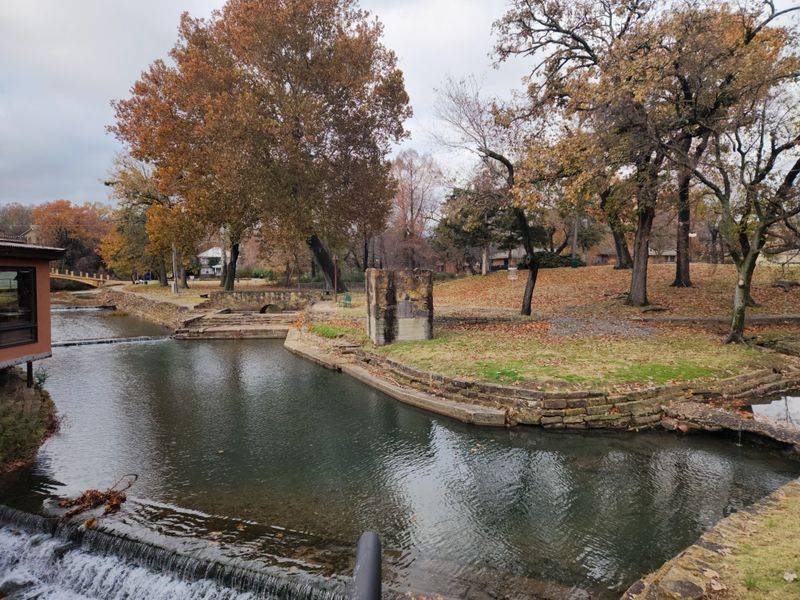
Four distinct seasons mark the passage of time in Tahlequah, each bringing its own character and outdoor opportunities.
Spring arrives with a rush of wildflowers, blooming redbuds, and dogwoods that paint the forests in pink and white.
The rivers run high with snowmelt from upstream, and temperatures warm gradually, making it perfect for hiking before the summer heat arrives.
Summer brings warm days ideal for river floating, with long daylight hours that encourage outdoor activities and evening gatherings.
The dense tree canopy provides natural air conditioning, keeping temperatures more moderate than in treeless parts of Oklahoma.
Autumn transforms the landscape into a spectacular display of color that rivals New England destinations.
The mixture of tree species creates layers of color, from golden hickories to crimson maples and deep red oaks.
Cooler temperatures make fall ideal for hiking, camping, and exploring the surrounding hills without the crowds that summer brings.
Winter arrives with occasional snow that dusts the mountains, creating scenic vistas and a quiet beauty.
While temperatures drop, the climate remains milder than northern states, and sunny winter days offer pleasant conditions for outdoor exploration.
This seasonal variety creates a dynamic environment where the landscape constantly changes, encouraging visitors to return throughout the year to experience different aspects of the area’s natural beauty and recreational opportunities that shift with the weather and seasons.
Outdoor Recreation Rivals Neighboring States
Adventure seekers find surprisingly diverse options in and around Tahlequah that compete with destinations in Arkansas and Missouri.
Beyond the famous river floating, the area offers extensive hiking trails that wind through state parks and natural areas.
Cherokee Landing State Park provides camping facilities, fishing access, and trails that showcase the natural beauty of the region.
Rock climbing opportunities exist on natural formations in the surrounding hills, attracting climbers who appreciate less-crowded alternatives to popular destinations.
Mountain biking trails have been developed in recent years, offering technical challenges and scenic routes through the forests.
Fishing enthusiasts find excellent opportunities in both rivers and lakes, with smallmouth bass, trout, and catfish among the species available.
Tenkiller Ferry Lake, located nearby, offers additional water recreation including sailing, skiing, and scuba diving in remarkably clear water.
Horseback riding trails wind through the countryside, and several outfitters offer guided rides for visitors unfamiliar with the terrain.
Bird watching attracts enthusiasts who come to spot species that inhabit the transition zone between prairie and mountain ecosystems.
The concentration of outdoor activities creates a recreation-focused culture where locals prioritize time spent in nature, and visitors can easily fill multiple days with different adventures without repeating activities or running out of new places to explore in the surrounding landscape.
Local Food Scene Reflects Regional Influences
Food in Tahlequah tells stories of cultural convergence, blending Cherokee traditions with Southern comfort food and modern culinary trends.
Several restaurants serve traditional Cherokee dishes including Indian tacos, grape dumplings, and bean bread that connect diners to indigenous foodways.
Fried catfish and barbecue represent Southern influences that have shaped Oklahoma cuisine for generations.
Sam and Ella’s Chicken Palace on Muskogee Avenue has become a local institution, serving crispy fried chicken that draws crowds from across the region.
Mexican restaurants reflect the significant Latino population that has become part of the community fabric, offering authentic flavors and family recipes.
Coffee culture has taken root with specialty cafes that roast their own beans and create gathering spaces for conversation and community building.
The university influence brings demand for diverse options, from Thai food to vegetarian choices that might not exist in similar-sized towns.
Farmers markets and local producers supply restaurants with fresh ingredients, creating farm-to-table connections that enhance quality and support regional agriculture.
Bakeries offer homemade pies, cookies, and pastries that provide sweet endings to meals or afternoon treats.
The food scene remains refreshingly unpretentious, focusing on flavor and hospitality rather than trendy presentations, creating dining experiences that feel genuine and welcoming to both locals and visitors exploring the town’s culinary landscape.
The Community Embraces Its Unique Identity
Perhaps most importantly, Tahlequah’s residents recognize and celebrate what makes their town special rather than trying to be something else.
The community takes pride in Cherokee heritage, environmental stewardship, and the recreational opportunities that define local life.
Festivals throughout the year celebrate this identity, from Cherokee National Holiday in September to river-focused events in summer.
Local businesses emphasize their connections to place, using Cherokee language in their names and incorporating regional themes in their branding.
Environmental consciousness runs high, with community efforts to protect water quality and preserve natural areas for future generations.
Residents actively participate in civic life, attending town meetings, supporting local schools, and volunteering for community organizations.
The mixing of different groups including Cherokee citizens, university students, longtime residents, and newcomers creates dynamic conversations and cultural exchange.
Visitors consistently comment on the friendliness of locals, who take pride in sharing their town with outsiders and recommending favorite spots.
This strong sense of place creates an atmosphere where people feel connected to something larger than themselves.
The result is a community that feels cohesive despite its diversity, unified by shared appreciation for the natural environment, cultural richness, and small-town qualities that make Tahlequah a destination that truly does feel different from the rest of Oklahoma and much of the surrounding region.
Dear Reader: This page may contain affiliate links which may earn a commission if you click through and make a purchase. Our independent journalism is not influenced by any advertiser or commercial initiative unless it is clearly marked as sponsored content. As travel products change, please be sure to reconfirm all details and stay up to date with current events to ensure a safe and successful trip.
