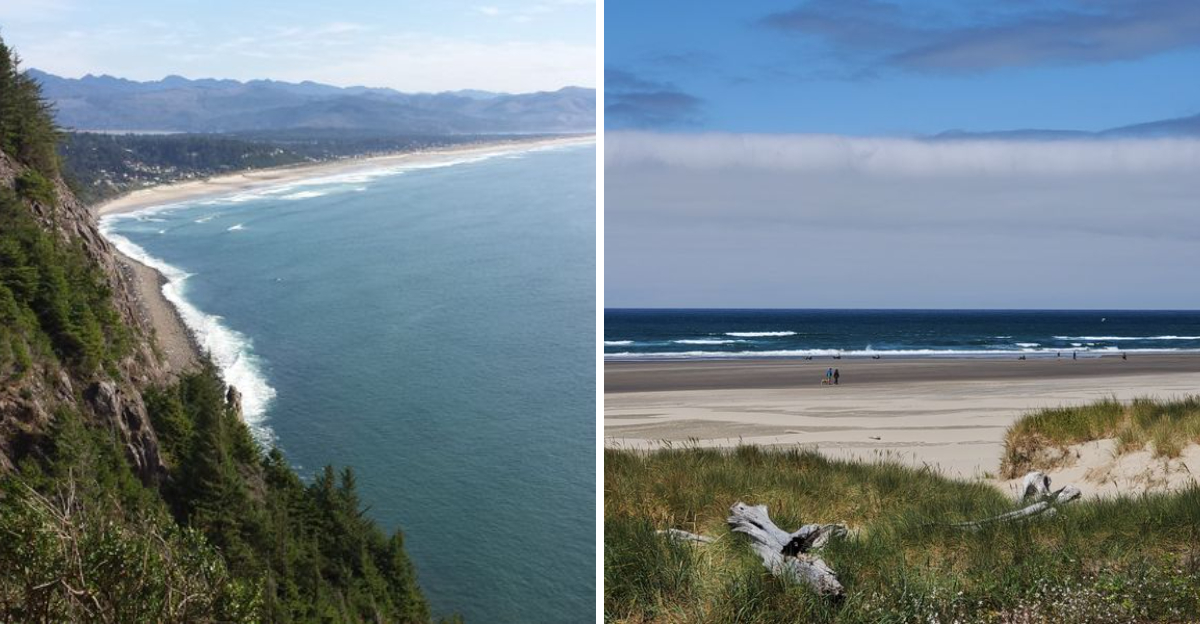
Nestled along Oregon’s northern coast, Manzanita is a small village where the rhythm of crashing waves becomes your daily soundtrack and the scent of salt air fills every breath.
With just over 600 residents, this quiet retreat sits roughly 25 miles from both Seaside and Tillamook, offering travelers a peaceful alternative to busier coastal destinations.
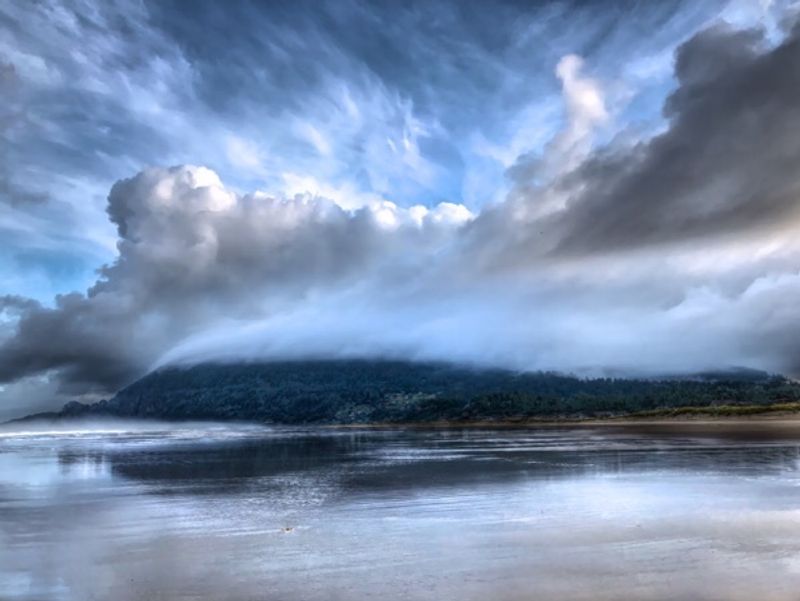
Seven miles of pristine beach stretch before you, framed by the dramatic silhouette of Neahkahnie Mountain rising from the ocean’s edge, creating a landscape that feels both intimate and wild.
Visitors who plan to stay a weekend often find themselves extending their reservations, captivated by morning fog that rolls through coastal pines and evenings spent watching storms gather over the Pacific horizon.
Seven Miles of Uncrowded Shoreline
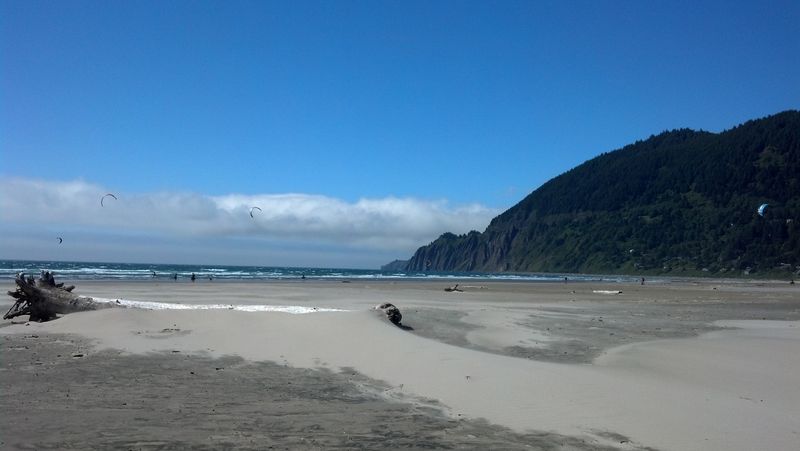
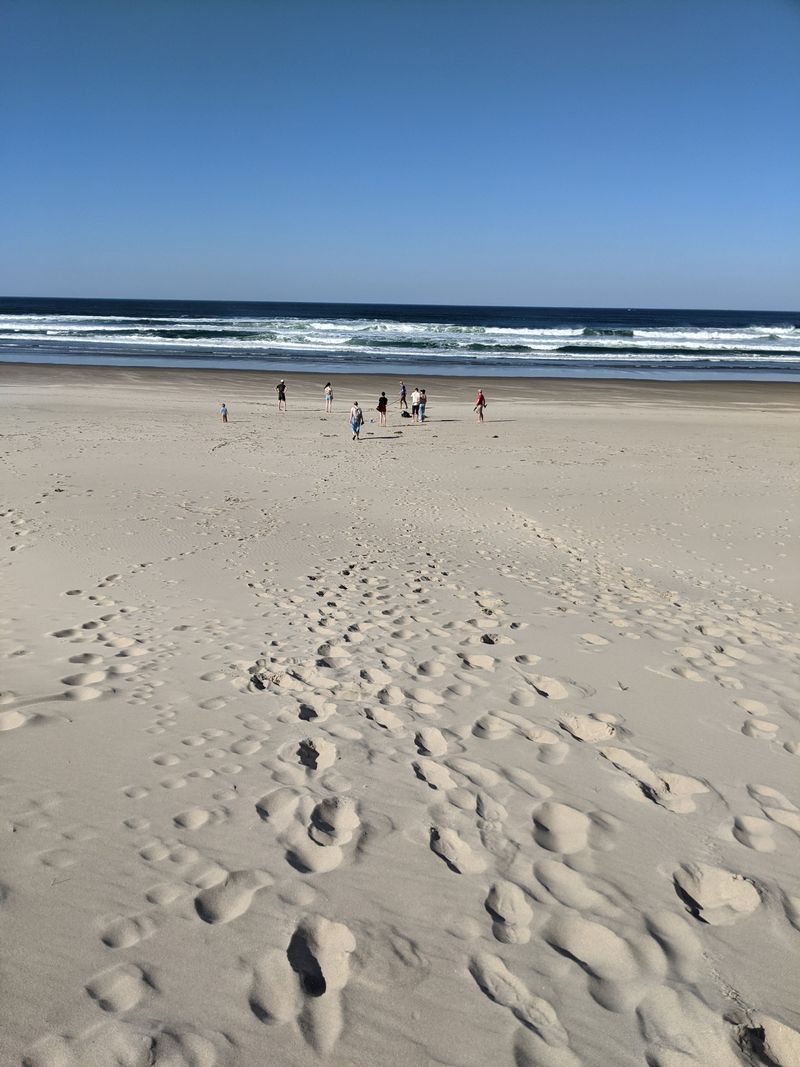
Walking the full length of Manzanita’s beach takes about two hours if you maintain a steady pace, but most visitors find themselves stopping every few minutes to examine tide pools or watch pelicans glide just above the waterline.
The sand here stretches wide and firm during low tide, creating a natural highway for beachcombers, joggers, and families pulling wagons loaded with blankets and picnic supplies.
Unlike many Oregon coast beaches where rocky outcroppings interrupt your path, Manzanita offers an unbroken stretch of shoreline that invites long, contemplative walks without the need to climb over obstacles or backtrack inland.
During summer months, the beach becomes dotted with colorful umbrellas and kites dancing in the constant breeze, yet it never feels crowded thanks to the sheer expanse of available space.
Winter transforms this same beach into a dramatic theater where storm watchers bundle in layers and position themselves to witness waves that crash with thunderous force against the shore.
Driftwood logs bleached silver by sun and salt create natural seating areas where you can rest and watch the endless parade of sandpipers racing along the foam line.
The gentle slope of the beach makes it ideal for children to play safely in the shallows while parents remain visible from their setup spots higher on the sand.
As evening approaches, the western sky becomes a canvas of orange and pink hues that reflect off wet sand, creating mirror images that photographers chase with their cameras.
This beach doesn’t demand anything from you except presence, offering a rare coastal experience where solitude remains possible even during peak travel seasons.
Neahkahnie Mountain’s Dramatic Presence
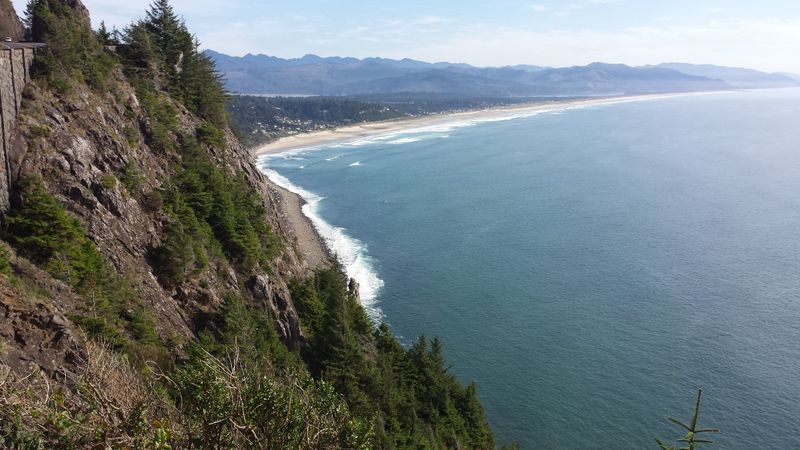
Rising 1,600 feet directly from the ocean’s edge, Neahkahnie Mountain creates a backdrop so striking that first-time visitors often pull over just to stare at its forested slopes tumbling toward crashing waves below.
The mountain’s name comes from the Tillamook language, and local legends speak of Spanish treasure buried somewhere on its steep flanks, adding an air of mystery to every hike along its trails.
Hiking to the summit requires about three miles of steady climbing through old-growth Sitka spruce and hemlock forests where the air stays cool even on warm summer days.
Trail conditions vary with the seasons, from muddy and slippery during winter rains to dusty and root-strewn in late summer, but the payoff at the top remains constant throughout the year.
From the summit, you can see miles of coastline stretching in both directions, with Manzanita appearing as a tiny collection of rooftops nestled between mountain and sea.
On clear days, the view extends past Cape Meares to the south and nearly to Cannon Beach in the north, offering perspective on just how rugged and undeveloped this stretch of Oregon coast remains.
Wildflowers blanket the upper slopes in spring, with lupine, Indian paintbrush, and wild iris adding splashes of purple, red, and yellow against the deep green forest backdrop.
The mountain also shelters Manzanita from the harshest coastal winds, creating a microclimate that feels slightly warmer and more protected than exposed beaches just miles away.
Whether viewed from the beach below or experienced from its summit trails, Neahkahnie Mountain defines the character of this coastal town in ways both practical and poetic.
Village Atmosphere That Rejects Commercialization
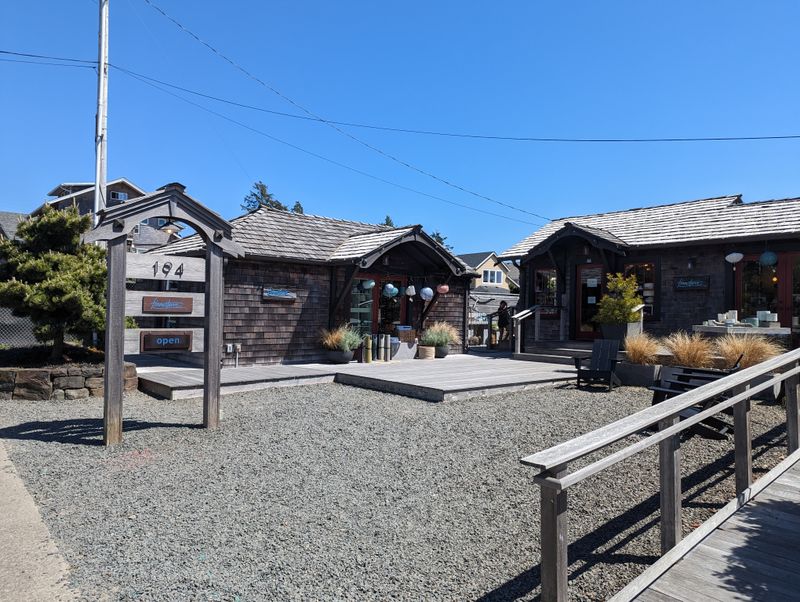
Manzanita’s commercial district consists of just a few blocks where locally owned shops and cafes operate without the neon signs, chain restaurants, or tourist traps that dominate larger coastal towns.
You won’t find a single stoplight in the entire town, and parking rarely presents a challenge even during the busiest summer weekends when visitors from Portland make the 90-minute drive to the coast.
The town enforces strict building codes that maintain a low-profile aesthetic, ensuring no structure blocks views or disrupts the natural landscape that draws people here in the first place.
Walking through the residential areas reveals charming beach cottages tucked among shore pines, many built decades ago when Manzanita served primarily as a quiet retreat for families seeking escape from city life.
Local businesses close early compared to urban standards, with most shops shuttering by six or seven in the evening, reinforcing the message that this place operates on a different, slower timeline.
There are no arcades, no souvenir shops selling mass-produced trinkets, and no businesses blasting music onto the sidewalks to attract attention from passersby.
Instead, you’ll find a small grocery store where locals greet each other by name, a bakery that sells out of fresh bread by noon, and a handful of galleries featuring work by regional artists.
This deliberate resistance to over-development creates an atmosphere that feels authentic rather than manufactured, where the town exists primarily for residents rather than tourists.
Visitors quickly adapt to this pace, finding themselves slowing down, making eye contact with strangers, and engaging in unhurried conversations that would feel out of place in busier destinations.
Nehalem Bay State Park’s Natural Playground
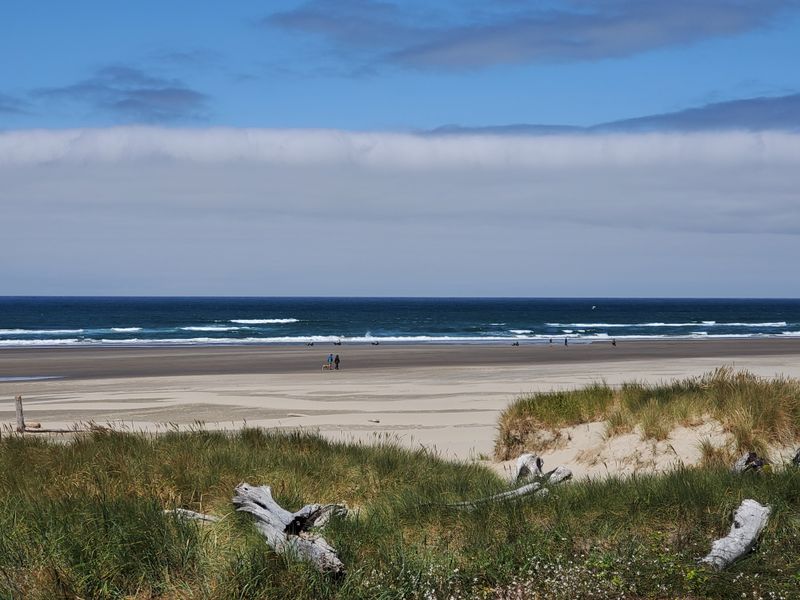
Just south of town, Nehalem Bay State Park spreads across a sandy peninsula where the Nehalem River meets the Pacific, creating a protected playground of dunes, forest, and calm bay waters.
The park offers over 300 campsites tucked among shore pines and spruce trees, providing one of the most popular camping destinations on the northern Oregon coast for families and RV travelers.
A four-mile paved bike path winds through the park, connecting camping areas to the beach and offering an easy, family-friendly route for cyclists of all skill levels.
The bay side of the park provides calm water perfect for kayaking, paddleboarding, and crabbing, activities that prove far more accessible than battling Pacific surf for families with young children.
During summer, the protected bay warms to temperatures that actually allow swimming without a wetsuit, a rarity along Oregon’s typically frigid coastline.
Horse riders frequently use the park’s beach access, and encountering riders trotting along the surf line at sunset creates a scene straight from a coastal postcard.
The park’s location at 9500 Sandpiper Lane makes it easily accessible from Manzanita, close enough for day visits but far enough to maintain a sense of wilderness and separation from town.
Birdwatchers flock here year-round to spot species ranging from great blue herons stalking the shallows to bald eagles perching in snags overlooking the water.
Evening campfires become social events where neighboring campers share stories, and the smell of grilling salmon mingles with salt air and wood smoke.
The park serves as Manzanita’s extended backyard, offering outdoor recreation options that give visitors reasons to stay active while maintaining the area’s uncommercial, nature-focused appeal.
Seasonal Storm Watching Spectacles
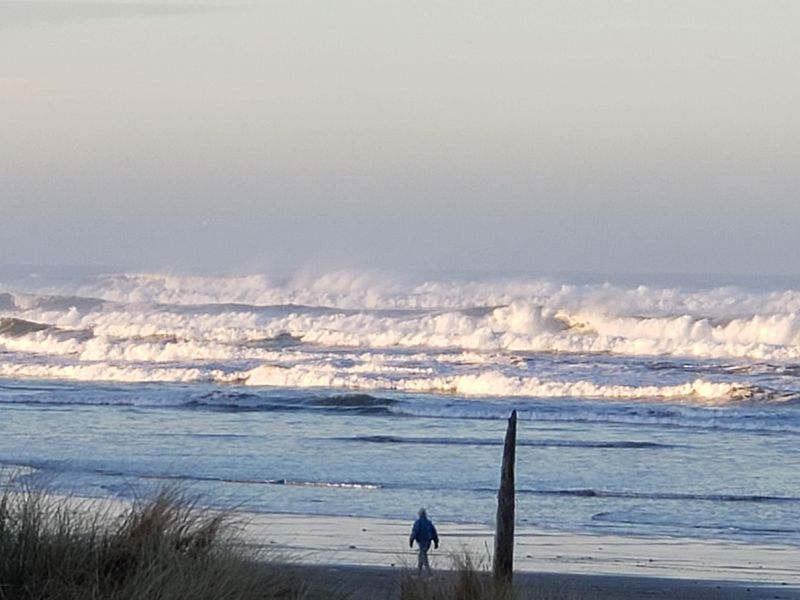
Between November and March, powerful Pacific storms slam into the Oregon coast with a force that transforms Manzanita from a peaceful retreat into nature’s most dramatic theater.
Waves during these storms can reach heights of 20 feet or more, sending spray high into the air and creating booming sounds that rattle windows in beachfront homes.
Rather than fleeing these conditions, a devoted group of visitors specifically plans trips around storm forecasts, booking rental homes with ocean views and stocking up on firewood and hot chocolate.
The experience of watching these storms from inside a cozy cottage, wrapped in blankets while wind howls and rain hammers against windows, creates a primal connection to the power of natural forces.
Brave souls venture onto the beach during breaks in the weather, bundled in waterproof layers, to walk among massive driftwood logs tossed around like twigs by the previous night’s waves.
The sound alone makes storm season unforgettable, a constant roar of wind and surf that drowns out all other noise and creates a white-noise cocoon that many find deeply calming.
Local rental agencies report that winter bookings have increased steadily over the past decade as word spreads about the unique appeal of off-season coastal visits.
Storm watching requires no special equipment or skills, just willingness to embrace weather that sends most tourists running for sunnier destinations.
The dramatic skies during these events, with dark clouds backlit by brief bursts of sunlight, create photographic opportunities that summer’s blue skies simply cannot match.
After storms pass, beachcombing reveals treasures washed ashore, from Japanese glass floats to unusual shells and perfectly smooth agates polished by their tumultuous journey.
Local Coffee Culture and Morning Rituals
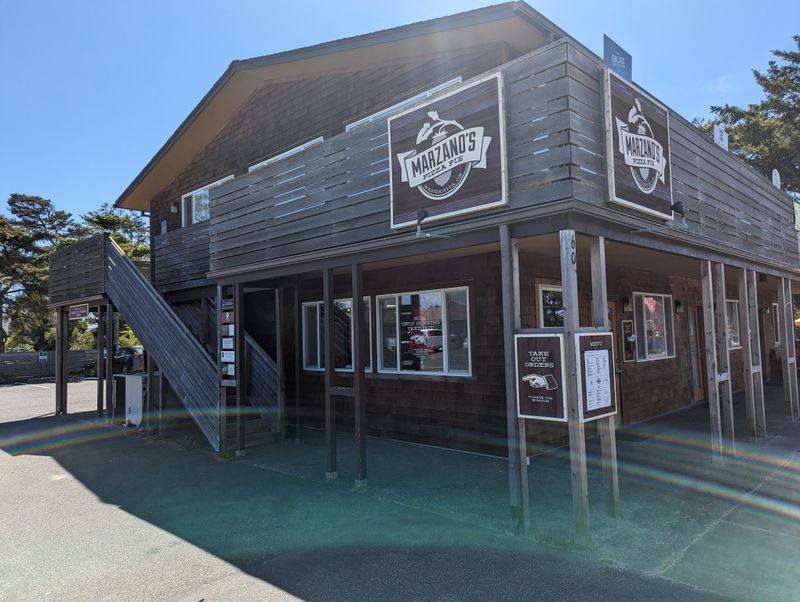
Morning in Manzanita begins with a pilgrimage to one of the town’s small coffee shops where locals and visitors gather to fuel up before beach walks and the day’s adventures.
These cafes function as community centers where regulars occupy favorite tables, baristas remember orders without asking, and bulletin boards advertise everything from yoga classes to lost cats.
The coffee itself tends toward the strong, dark roasts that Pacific Northwest culture demands, served in generous portions that warm cold hands after chilly morning beach walks.
Unlike urban coffee shops where customers hunker over laptops in isolation, Manzanita’s cafes encourage conversation, with communal tables and a relaxed atmosphere that invites strangers to chat about tide times and weather forecasts.
Many establishments bake their own pastries, filling the morning air with scents of cinnamon rolls, fresh bread, and berry scones that prove impossible to resist.
Seating often includes outdoor benches where you can sip your drink while watching the town slowly wake up, observing dog walkers and early surfers heading toward the beach.
These morning rituals become so ingrained during even short visits that many travelers find themselves missing this specific routine long after returning home to their regular lives.
The pace of service reflects the town’s overall tempo, with no rush to turn tables or hurry customers along, creating space for the kind of leisurely morning that modern life rarely permits.
Some visitors establish such strong connections to these morning spots that they plan return trips partly around the anticipation of that first cup of coffee in a familiar, welcoming space.
This simple daily practice of gathering for coffee creates a sense of community that includes travelers, making even first-time visitors feel like temporary residents rather than tourists passing through.
Proximity to Oswald West State Park
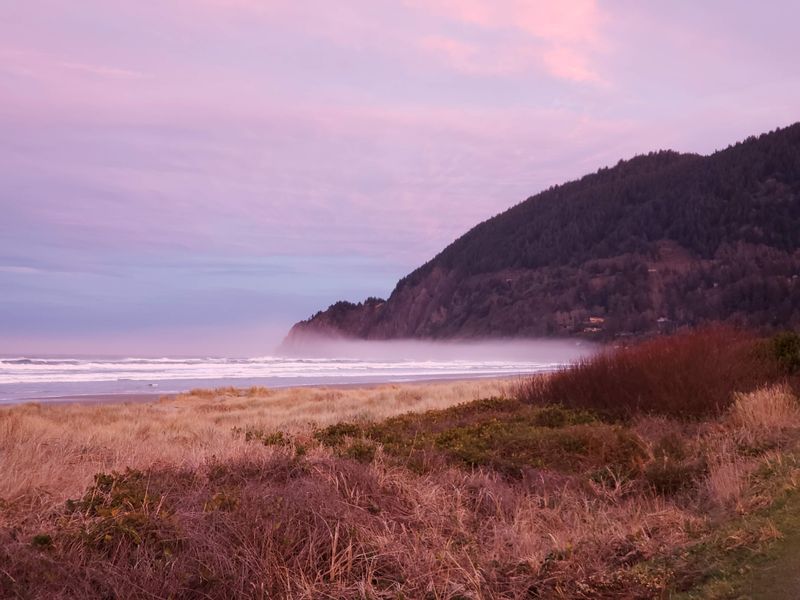
A ten-minute drive south of Manzanita brings you to Oswald West State Park, one of Oregon’s most spectacular coastal preserves where old-growth forest meets dramatic rocky shoreline.
The park protects over 2,500 acres of temperate rainforest, including some of the last remaining stands of massive Sitka spruce that once dominated the entire coastline.
Short Sands Beach, accessible via a half-mile trail through the forest, has become a legendary surfing spot where beginners can learn in relatively protected waters while more experienced surfers tackle the outer breaks.
The trail to the beach passes through a forest so lush and green that it feels almost tropical, with ferns carpeting the forest floor and moss draping every branch in shades of emerald and jade.
Smuggler Cove Trail offers a more challenging hike, climbing through the forest to viewpoints where you can watch waves explode against black basalt cliffs hundreds of feet below.
Cape Falcon Trail extends for over five miles along the coast, offering some of the most spectacular ocean views on the entire Oregon coast, with opportunities to spot whales during migration seasons.
The park’s location so close to Manzanita means you can enjoy world-class hiking and surfing without the long drives required to reach similar destinations from other coastal towns.
Wheelbarrows stationed at the parking area help campers transport gear to walk-in campsites nestled in the forest, creating a camping experience that feels remote despite being just steps from the highway.
This combination of accessibility and wildness makes Oswald West an extension of the Manzanita experience, offering variety and adventure while maintaining the same uncommercial, nature-focused character.
Many Manzanita visitors spend mornings on the town beach and afternoons exploring Oswald West, creating full days of coastal experiences without ever feeling rushed or crowded.
Small-Town Dining With Coastal Character
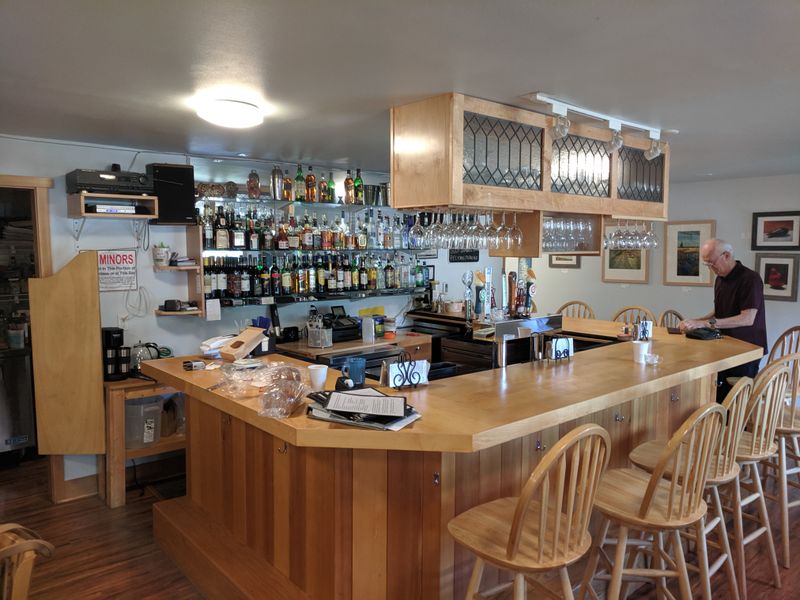
Manzanita’s dining scene operates on a scale that matches the town itself, with a handful of restaurants serving food that ranges from casual fish and chips to more refined preparations of locally caught seafood.
Reservations become essential during summer weekends and holidays, not because the town draws massive crowds but because limited seating fills quickly when visitors discover the quality available in such a small place.
Menus change with the seasons and available catch, with Dungeness crab appearing prominently during winter months and fresh salmon taking center stage during summer runs.
Several establishments occupy converted beach cottages, creating intimate dining spaces where you might share a room with only three or four other tables, fostering a sense of occasion that larger restaurants rarely achieve.
The casual dress code reflects coastal culture, where sandy feet and windblown hair fit perfectly in dining rooms where locals and visitors mix without pretension.
Wine lists tend to focus heavily on Oregon vineyards, particularly Willamette Valley pinot noirs that pair beautifully with salmon and other regional specialties.
Some restaurants operate with limited hours, opening only for dinner service Thursday through Monday, a schedule that would spell doom in urban markets but works perfectly in a town where slow food matches the slow pace of life.
Takeout options allow for beach picnics and cottage dinners, with fish tacos and clam chowder traveling well in paper containers that you can enjoy while watching sunset from the sand.
The lack of chain restaurants means every meal supports local owners who often work in their own kitchens and greet customers personally, creating connections that transform dining from transaction to relationship.
These modest but excellent dining options become another reason visitors extend their stays, wanting one more meal before returning to the wider selection but lesser quality of urban restaurant scenes.
Tide Pool Exploration at Low Tide
When tide charts show extreme low tides, typically during new and full moons, rocky areas near Manzanita transform into accessible aquariums where entire ecosystems emerge from beneath the waves.
Purple and orange sea stars cling to rocks in clusters, their tube feet creating suction that allows them to maintain position despite pounding surf that returns twice daily.
Anemones that appear as unremarkable blobs when exposed to air bloom into flower-like creatures when covered by even shallow water, their tentacles waving gently in the current.
Children and adults alike spend hours crouched beside pools, watching tiny fish dart between rocks and hermit crabs haul their borrowed shells across sandy bottoms.
The best tide pooling occurs during morning low tides when you can explore for several hours before incoming water reclaims these temporary windows into marine life.
Proper tide pooling etiquette matters here, with experienced explorers teaching newcomers to look but not touch, to replace any moved rocks carefully, and to avoid stepping on living creatures camouflaged against stone.
Bringing a waterproof identification guide helps put names to discoveries, from lined chitons to aggregating anemones, turning casual observation into informal education.
The rocky areas south of town toward Neahkahnie Mountain offer particularly rich tide pooling, with complex rock formations creating varied habitats that support diverse species.
Photographing tide pool creatures requires patience and a steady hand, but the reward comes in capturing images of intricate patterns and brilliant colors that most people never see.
This activity costs nothing, requires no special equipment beyond rubber boots, and offers engagement that spans generations, making it perfect for families seeking screen-free entertainment.
The temporary nature of tide pool access, available only during specific hours on certain days, adds urgency and specialness to the experience that makes it memorable long after the tide returns.
The Silence That Becomes Addictive
Perhaps the most powerful reason Manzanita proves difficult to leave has nothing to do with specific attractions and everything to do with what the town lacks, namely the constant noise that defines modern life.
At night, the absence of streetlights reveals stars in quantities that urban and suburban dwellers have forgotten exist, with the Milky Way visible as a bright band across the sky during clear weather.
The soundtrack consists entirely of natural elements, waves providing bass notes while wind through pine trees adds higher frequencies, creating a composition that never repeats exactly but never jars or disturbs.
No traffic noise penetrates the evening air, no sirens pierce the darkness, no leaf blowers shatter morning peace, allowing your nervous system to downshift in ways that feel almost medicinal.
This quiet allows space for thoughts that get drowned out in noisier environments, and many visitors report insights and clarity that emerge only after several days of immersion in this sonic simplicity.
The silence also makes you more aware of small sounds, the call of a raven overhead, the rustle of a deer moving through underbrush, the distant bark of sea lions on offshore rocks.
Conversations happen more naturally when you don’t need to shout over background noise, and the pace of speech slows to match the overall tempo of life here.
Sleep comes deeper and more restorative, with many visitors reporting the best rest they’ve experienced in years, their bodies finally releasing tension accumulated over months of urban living.
This quality of silence becomes something you crave after experiencing it, a standard against which all other environments get measured and often found wanting.
Returning home means confronting the noise you’ve learned to tune out, suddenly hearing it fresh through ears that remember what quiet actually sounds like, making Manzanita’s peace feel even more precious in retrospect.
Dear Reader: This page may contain affiliate links which may earn a commission if you click through and make a purchase. Our independent journalism is not influenced by any advertiser or commercial initiative unless it is clearly marked as sponsored content. As travel products change, please be sure to reconfirm all details and stay up to date with current events to ensure a safe and successful trip.
