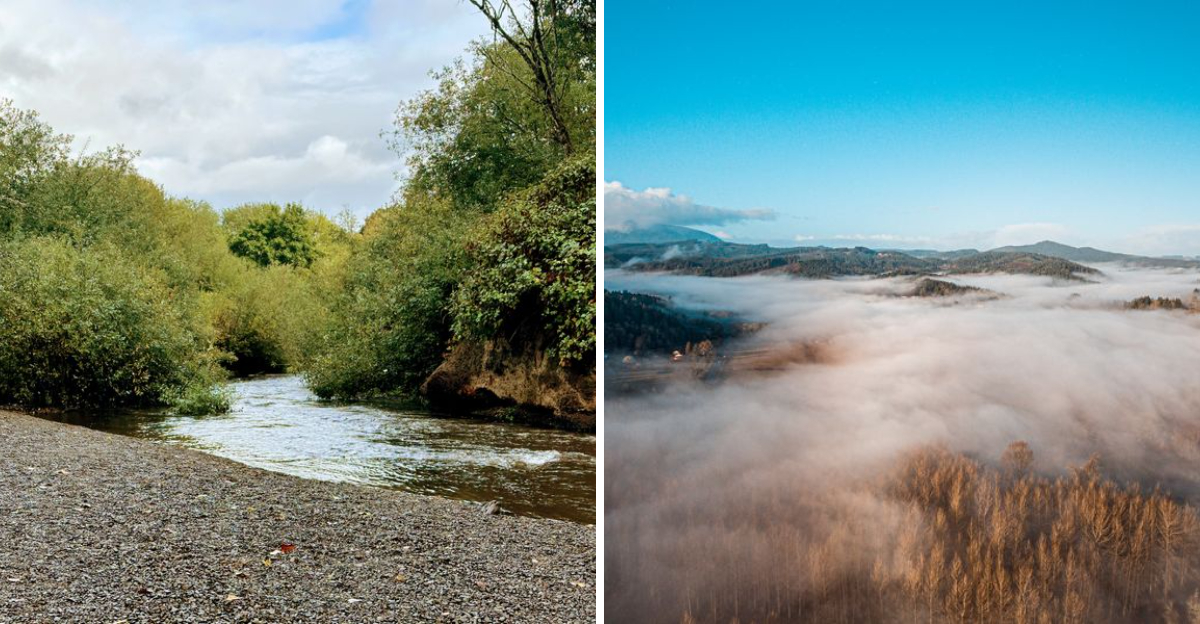
Tucked away in the Benton County hills of western Oregon, Philomath is a small city that once thrived on timber and logging, and today it still carries the spirit of those hardworking days in every corner of its streets.
Named after the historic Philomath College, this town of fewer than 6,000 residents sits just a short drive from Corvallis, yet it feels like stepping back into a quieter, simpler time.
Travelers who pass through often find themselves unexpectedly charmed by the authentic atmosphere, the well-preserved buildings, and the sense of community that seems to have been lost in busier places.
Whether you come for the scenery, the history, or just a peaceful escape from the rush of modern life, Philomath has a way of leaving you with a warm, nostalgic feeling that lingers long after you leave.
Historic Downtown Storefronts That Tell Stories of Timber Days
Walking down Main Street in Philomath feels like flipping through the pages of a well-loved history book.
The storefronts here are not shiny or modern, but instead they wear their age with pride, displaying architectural details that speak to the logging era when this town was bustling with workers and families.
Many of the buildings date back to the late 1800s and early 1900s, when timber was king and Philomath served as a vital hub for the industry.
You can still see the original brick facades, tall windows, and wooden awnings that once sheltered loggers and shopkeepers from the Oregon rain.
Some storefronts have been lovingly restored, while others show the gentle wear of time, creating a patchwork of past and present that feels incredibly authentic.
Local businesses occupy these spaces now, offering everything from antiques to coffee, but the atmosphere remains unchanged.
There is something deeply comforting about a place that refuses to erase its history in favor of trends.
As you stroll along the sidewalks, you might notice old photographs displayed in shop windows, showing scenes of loggers with their massive saws and horses hauling timber through muddy streets.
These images remind visitors that Philomath was built by grit and determination, and that legacy is still visible in every corner.
The downtown area is small enough to explore in an afternoon, yet rich enough in character to make you want to linger.
It is this blend of history and humble charm that makes travelers feel a sense of nostalgia, even if they have never been here before.
The Quiet Beauty of Marys River Winding Through Town
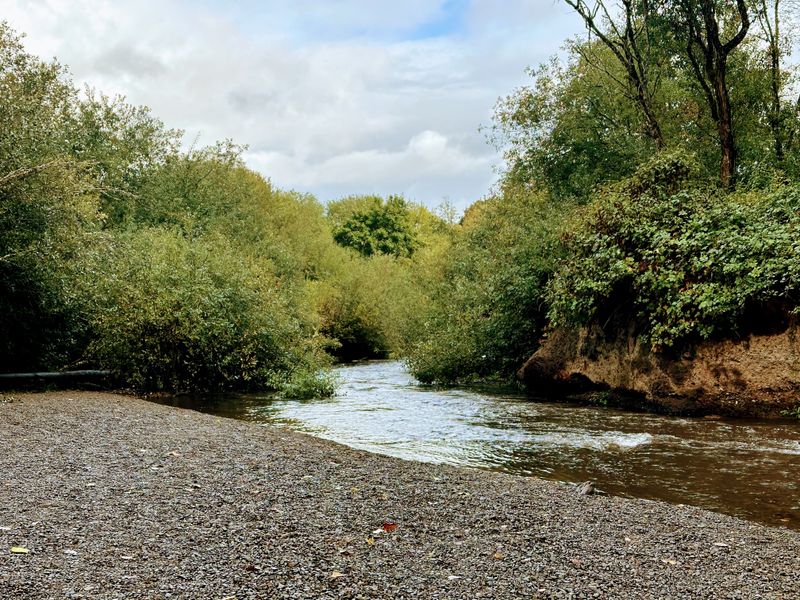
Marys River flows gently through Philomath, creating a natural centerpiece that adds to the town’s serene and timeless atmosphere.
This river is not grand or dramatic, but rather it moves quietly through the landscape, reflecting the sky and the surrounding trees in its calm waters.
During the spring and summer months, the riverbanks are lush with greenery, wildflowers, and the occasional heron standing perfectly still in the shallows.
In autumn, the leaves turn golden and orange, and they drift down onto the water, creating a scene that feels like it belongs on a postcard.
Even in winter, when the rain falls steadily and the river runs a bit higher, there is a peaceful beauty to the way the water moves through town.
Locals often walk along the paths near the river, and visitors are encouraged to do the same.
The sound of the water, the rustle of leaves, and the occasional call of a bird create a soundtrack that is both soothing and grounding.
There are no fancy boardwalks or tourist attractions here, just the simple pleasure of being near the water and taking in the natural surroundings.
For travelers who grew up near rivers or streams, this setting can trigger memories of childhood adventures and lazy summer afternoons.
Even for those without such memories, the river has a way of making you feel connected to something timeless and unchanging.
It is a reminder that nature continues its quiet work regardless of the pace of human life, and that sometimes the most meaningful experiences come from simply slowing down and paying attention.
Benton County Historical Museum and Its Logging Artifacts
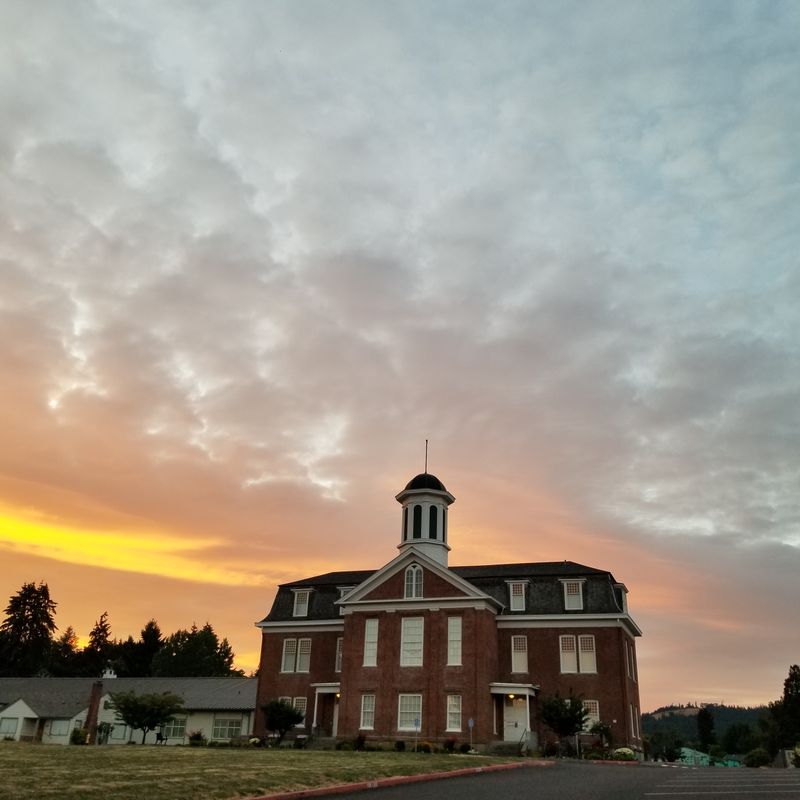
Located at 1101 Main Street in Philomath, the Benton County Historical Museum is a treasure trove of stories and objects that bring the logging era to life.
This museum is housed in a historic building that once served the community in a different capacity, and today it preserves the memory of the people and industries that shaped this region.
Inside, you will find displays of old logging tools, photographs of timber camps, and personal items that belonged to the men and women who worked in the woods.
There are also exhibits about Philomath College, the institution that gave the town its name, and about the Native American communities who lived in this area long before European settlers arrived.
The museum does an excellent job of telling these stories in a way that feels personal and respectful, avoiding the glossy commercialism that can sometimes flatten history into entertainment.
Visitors can spend an hour or more wandering through the exhibits, reading the handwritten labels, and examining the worn tools that were once essential to survival and livelihood.
There is something profoundly moving about standing in front of a massive crosscut saw and imagining the strength and skill it took to fell a giant Douglas fir.
The museum also hosts occasional events and talks, bringing in local historians and descendants of logging families to share their knowledge and memories.
For travelers, this museum offers context and depth, transforming a simple visit into a meaningful encounter with the past.
It is a place where nostalgia is not just a feeling but a carefully preserved record of real lives and real work.
Philomath College Ruins and the Spirit of Education
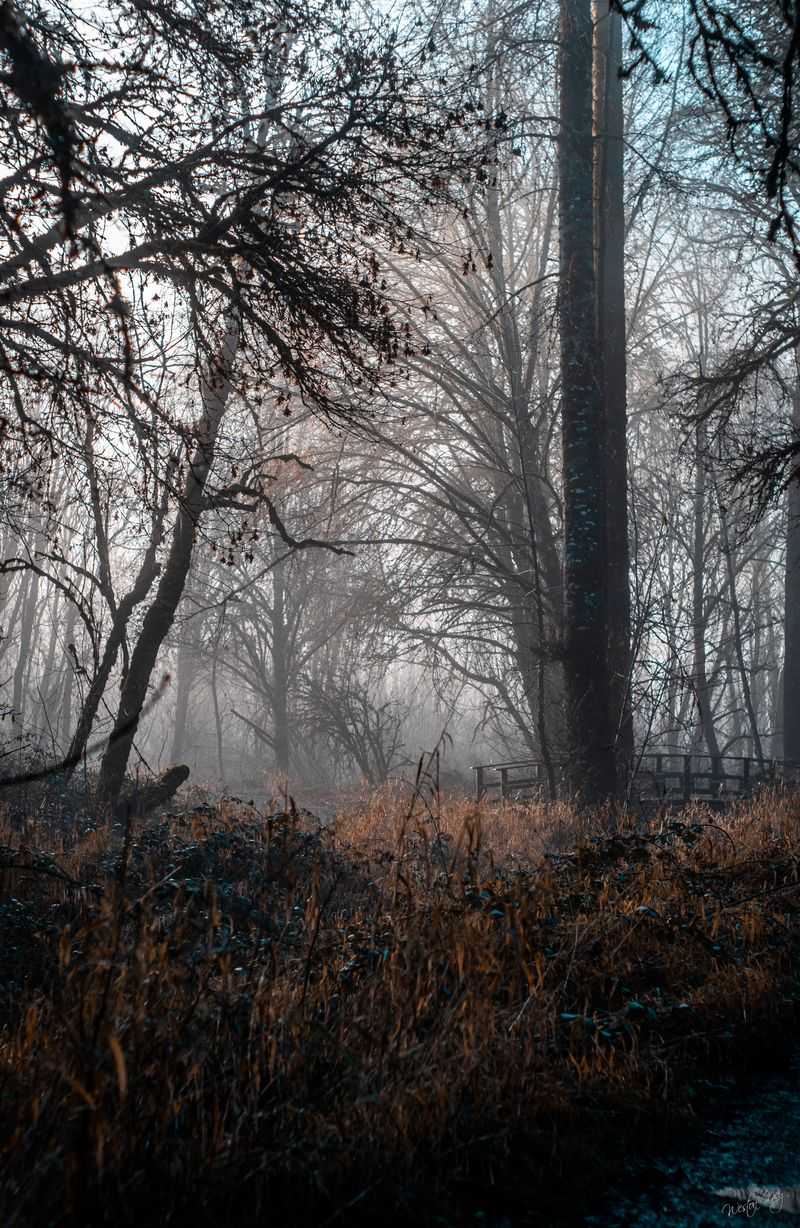
Philomath College was founded in 1867 by the United Brethren Church, and it served as an important educational institution for decades before closing its doors in the early 20th century.
Today, the remnants of the college campus stand as quiet reminders of the town’s commitment to learning and self-improvement, values that were especially important in a frontier community.
While much of the original campus has been lost to time, some structures and markers remain, and they continue to draw visitors who are curious about the town’s educational heritage.
The college was named after the Greek word for love of learning, and that spirit still seems to hover over the site, even in its current state of disrepair.
Walking around the area where the college once stood, you can almost hear the echoes of students reciting lessons, debating ideas, and preparing for lives beyond the logging camps.
For many families in the region, Philomath College represented hope and opportunity, a chance for their children to gain knowledge and skills that would open doors.
The fact that such an institution existed in a small logging town speaks volumes about the values and aspirations of the people who lived here.
Today, the ruins are a poignant symbol of both ambition and impermanence, a reminder that even the most solid institutions can fade with time.
Yet the legacy of the college lives on in the town’s name and in the pride residents feel about their history.
For travelers, visiting the site of Philomath College is a chance to reflect on the importance of education and community, and to feel a connection to the generations who came before.
Seasonal Changes That Paint the Landscape in Vivid Colors

One of the most striking things about Philomath is the way the landscape transforms with each season, creating a constantly shifting backdrop that enhances the town’s nostalgic appeal.
In spring, the hills around Philomath burst into life with wildflowers, fresh green leaves, and the sound of birdsong filling the air.
The rain that Oregon is famous for keeps everything lush and vibrant, and the light has a soft, diffused quality that makes even ordinary scenes look magical.
Summer brings warmer weather and longer days, perfect for exploring the trails and parks that surround the town.
The Marys River runs clear and inviting, and the forests are thick with ferns and moss, creating a fairy-tale atmosphere that feels both ancient and alive.
Autumn is perhaps the most nostalgic season in Philomath, as the trees turn brilliant shades of red, orange, and gold, and the air takes on a crisp, earthy scent.
The light becomes warmer and more golden, casting long shadows and making everything glow with a kind of quiet beauty.
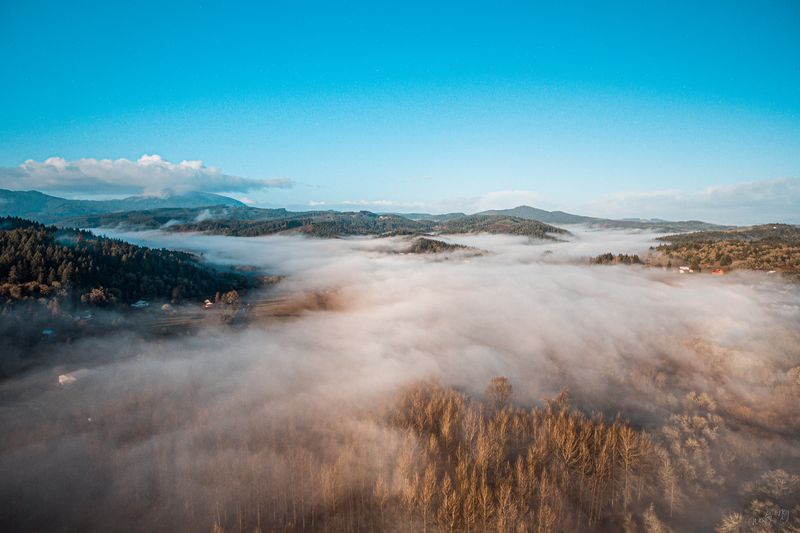
Winter, while wet and gray, has its own charm, with misty mornings and the occasional dusting of snow on the higher elevations.
The town feels even more peaceful during this time, as if it is resting and gathering strength for the next cycle of growth.
These seasonal changes remind travelers of the passage of time and the rhythms of nature, things that are easy to forget in the hustle of modern life.
Experiencing Philomath in different seasons can deepen your appreciation for the place and create memories that feel tied to specific moments in time.
Small-Town Cafes Where Locals Gather and Stories Are Shared
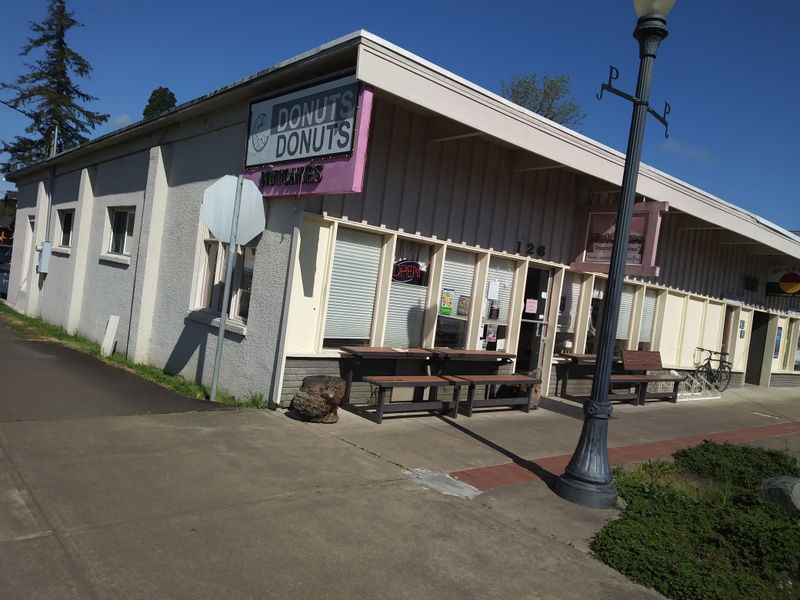
In Philomath, cafes are more than just places to grab a cup of coffee; they are community hubs where locals gather, catch up on news, and share stories that have been passed down through generations.
These establishments are modest and unpretentious, with mismatched furniture, chalkboard menus, and walls decorated with local art and old photographs.
The coffee is strong and hot, the pastries are homemade, and the atmosphere is warm and welcoming in a way that feels increasingly rare.
When you step into one of these cafes, you are likely to hear conversations about high school sports, upcoming town events, and the weather, topics that might seem mundane but that are the fabric of small-town life.
The baristas know their customers by name, and they remember how everyone likes their drinks.
There is a rhythm to the morning rush, a comfortable routine that has been repeated for years and that creates a sense of continuity and belonging.
For travelers, sitting in one of these cafes can feel like being let in on a secret, a glimpse into a way of life that is slower and more connected than what most people experience in cities.
You might find yourself striking up a conversation with a stranger who turns out to be a retired logger or a teacher at the local school, and these interactions can be surprisingly meaningful.
The nostalgia that travelers feel in these cafes is not just about the decor or the coffee, but about the human connections and the sense of community that they represent.
In a world that often feels fragmented and impersonal, these small-town cafes offer a reminder of what it means to be part of a place.
Surrounding Forests That Echo With the Sounds of the Past
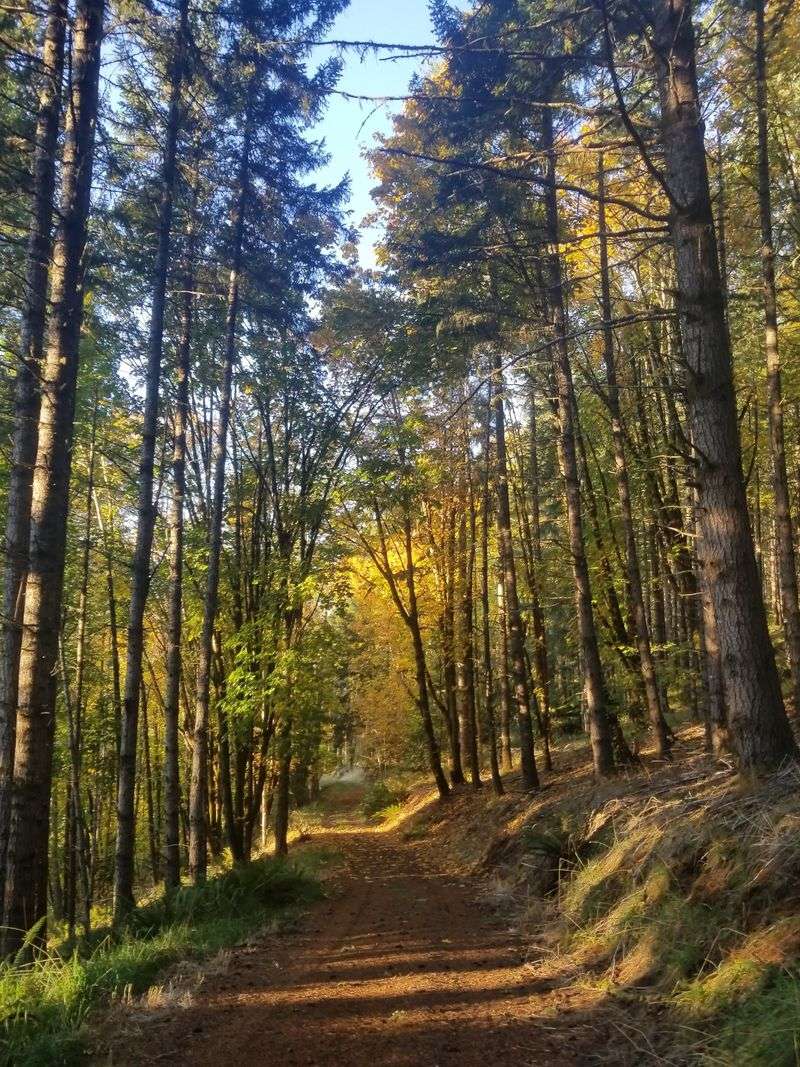
The forests around Philomath are not just scenery; they are living monuments to the logging industry that built this town and shaped its identity.
Towering Douglas firs, some of which are second or third growth, rise up from the forest floor, their trunks thick and their branches forming a canopy that filters the sunlight into soft, green-tinted beams.
The ground is carpeted with moss, ferns, and fallen needles, creating a cushioned path that muffles your footsteps and makes you feel as if you are walking through a cathedral.
These forests have a presence, a kind of quiet dignity that comes from having stood for decades or even centuries.
As you walk among the trees, it is easy to imagine the loggers who once worked here, felling giants with hand tools and hauling them out with teams of horses or early steam equipment.
The work was dangerous and exhausting, but it was also essential, providing the timber that built homes, schools, and businesses throughout the region.
Today, the forests are managed more sustainably, but the echoes of that earlier time remain.
You might come across old stumps that are wider than a car, remnants of trees that were cut down long ago, or you might find rusted equipment half-buried in the undergrowth, forgotten relics of a bygone era.
These discoveries add layers of meaning to your hike, transforming a simple walk into a journey through history.
The forests also offer a sense of peace and renewal, a chance to disconnect from technology and reconnect with the natural world.
For travelers, spending time in these woods can be a deeply nostalgic experience, evoking memories of childhood explorations or simpler times when life moved at a slower pace.
Community Events That Keep Old Traditions Alive
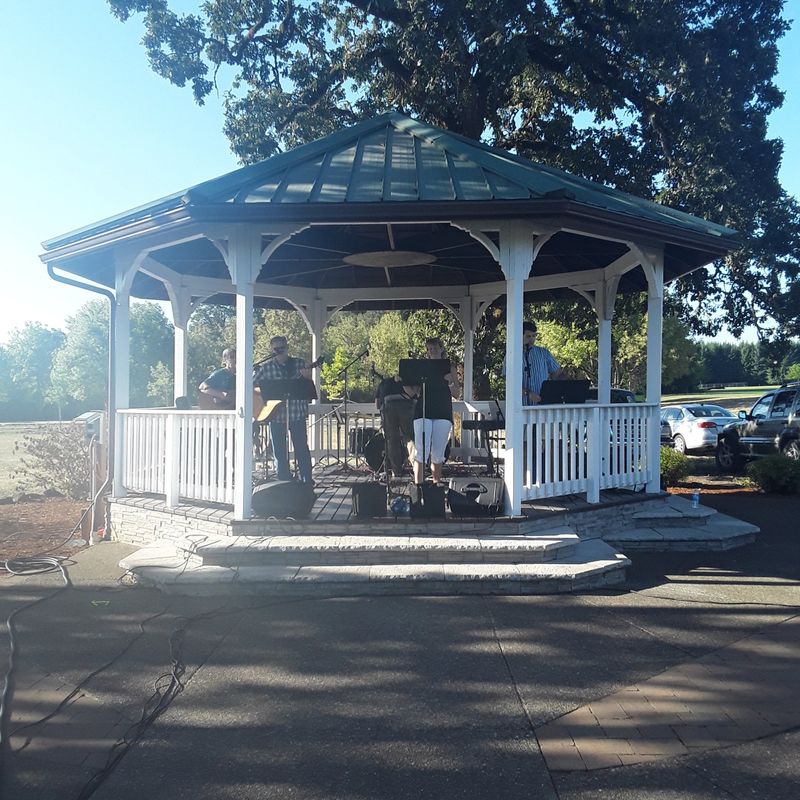
Philomath is a town that values its traditions, and throughout the year, residents come together for events that celebrate their shared history and strengthen community bonds.
These gatherings are not large or flashy, but they are heartfelt and genuine, reflecting the character of the people who live here.
The annual Philomath Frolic and Rodeo, for example, is a beloved event that brings together locals and visitors for a weekend of rodeo competitions, parades, and carnival rides.
It is a celebration of the town’s agricultural and logging roots, and it has been a fixture in the community for generations.
Watching the rodeo, you can see cowboys and cowgirls of all ages competing in events that require skill, courage, and a deep connection to the land.
The parade features vintage tractors, logging trucks, and floats decorated by local organizations, all moving slowly down Main Street while spectators wave and cheer.
There are also smaller events throughout the year, such as farmers markets, holiday celebrations, and concerts in the park.
These gatherings provide opportunities for people to connect, to support local businesses, and to pass down traditions to younger generations.
For travelers, attending one of these events can be a highlight of their visit, offering a chance to see the town at its most vibrant and to experience the warmth and hospitality that define Philomath.
The nostalgia that these events evoke is not just about looking back at the past, but about recognizing the continuity of community and the importance of coming together to celebrate what matters.
In a time when many communities feel fractured and disconnected, Philomath stands as an example of what is possible when people prioritize relationships and shared values.
The Unhurried Pace of Life That Invites Reflection
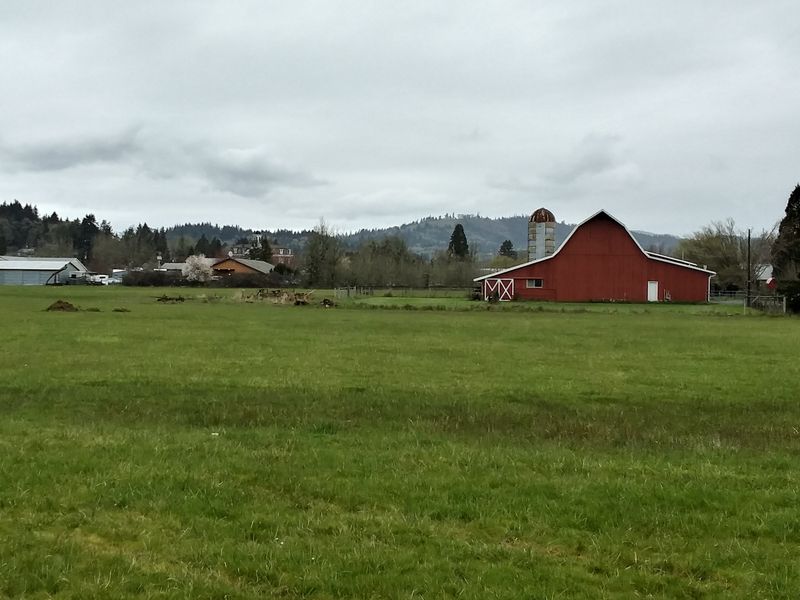
Perhaps the most nostalgic aspect of Philomath is not any single landmark or event, but rather the overall pace of life that permeates the town.
Time seems to move more slowly here, not because people are lazy or unambitious, but because they have chosen to prioritize quality of life over constant busyness.
There is no rush hour traffic, no crowded sidewalks, no sense of urgency that defines so many modern places.
Instead, there is a rhythm that feels natural and sustainable, a balance between work and rest, community and solitude.
As you walk through Philomath, you notice that people take time to greet each other, to stop and chat, to enjoy the simple pleasures of a sunny afternoon or a good cup of coffee.
This unhurried pace invites reflection, allowing you to think more clearly and to notice details that you might otherwise overlook.
You might find yourself sitting on a bench, watching the clouds drift by, or standing by the river, listening to the water and feeling a sense of calm that is hard to find in busier environments.
For many travelers, this slower pace is both a relief and a revelation, a reminder that life does not have to be a constant race toward the next goal or achievement.
It is also deeply nostalgic, evoking memories of a time when life was simpler, when people had more time for each other and for themselves.
Philomath offers a glimpse of that way of life, and for those who are willing to slow down and embrace it, the experience can be transformative.
The town leaves travelers with a sense of longing, not for a specific past, but for a way of being that feels more authentic and more human.
Dear Reader: This page may contain affiliate links which may earn a commission if you click through and make a purchase. Our independent journalism is not influenced by any advertiser or commercial initiative unless it is clearly marked as sponsored content. As travel products change, please be sure to reconfirm all details and stay up to date with current events to ensure a safe and successful trip.
