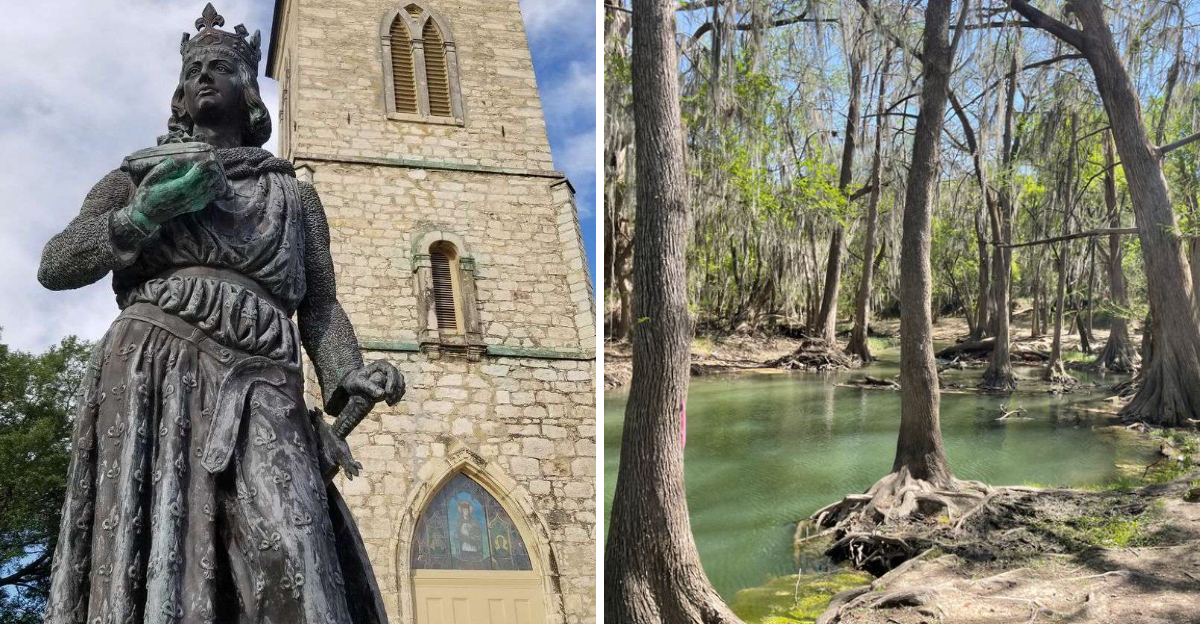
I have driven through plenty of small Texas towns where you blink and suddenly you are past them. Castroville is not one of those places.
The buildings alone make you slow down, with their steep roofs and old world details that look more French countryside than Hill Country. I parked near the square thinking I would stretch my legs for a few minutes.
A few minutes turned into hours. I wandered past historic homes, stopped for a long lunch, and ended up in conversations with locals who seemed genuinely glad someone new had shown up.
There is a personality here that feels natural, not staged. Castroville does not try to be different.
It just is, and that is what makes it stand out.
The Alsatian Architecture That Stops You In Your Tracks
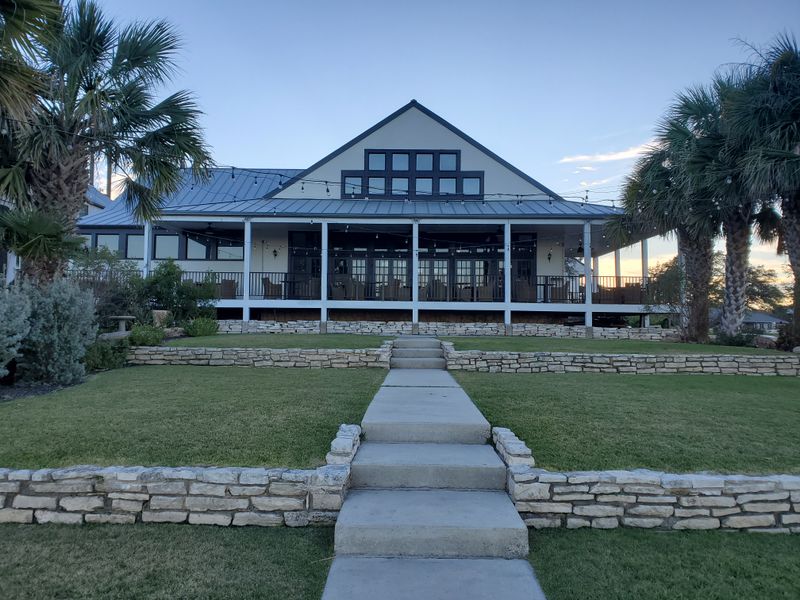
Walking through Castroville feels like stepping into a European postcard. The buildings here don’t look like typical Texas structures.
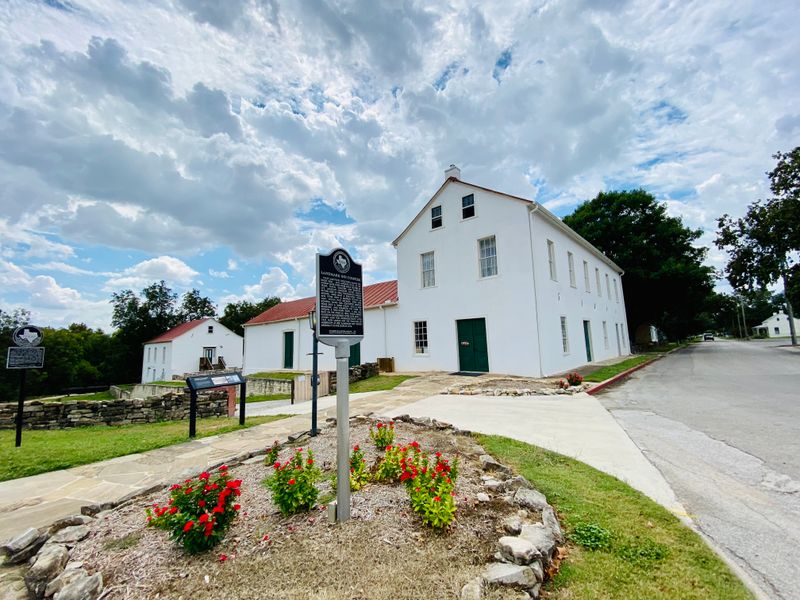
Instead, you’ll find steep-pitched roofs, thick limestone walls, and wooden shutters that tell the story of the Alsatian settlers who founded this town in 1844.
Henri Castro, a French empresario, brought families from the Alsace region of France to establish a colony in the Texas wilderness. These settlers built homes and businesses using techniques from their homeland, creating architecture that still stands strong today.
The craftsmanship is remarkable when you look closely at the details.
Some of the oldest structures date back over 170 years. You can see the original hand-hewn beams and stone foundations that have weathered generations of Texas summers and winters.
Many buildings now house antique shops, cafes, and small businesses, but their historic character remains beautifully preserved.
I spent an entire afternoon just photographing the different architectural styles. Each building has its own personality, from the simple farmhouse designs to the more elaborate commercial structures downtown.
The town takes serious pride in maintaining these treasures, and it shows in every carefully restored window frame and doorway.
Haby’s Alsatian Bakery And The Best Pastries You’ll Ever Taste
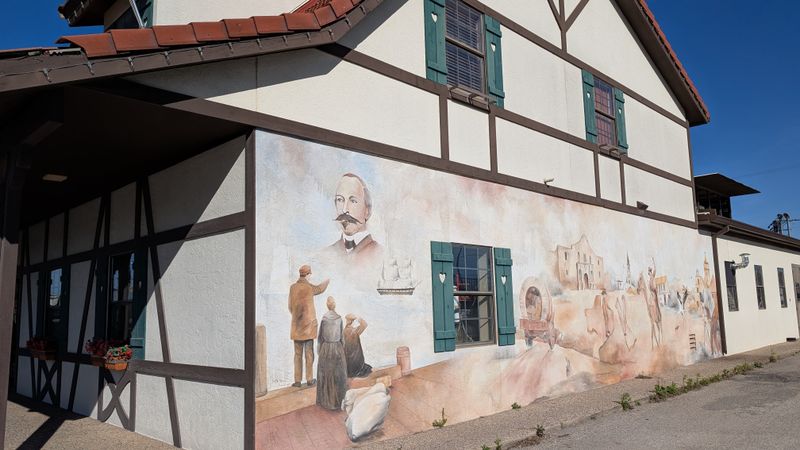
There’s a line outside Haby’s Alsatian Bakery most mornings, and for good reason. This family-run bakery has been serving authentic Alsatian pastries since 1974, using recipes passed down through generations.
The smell of fresh-baked bread and sweet pastries hits you the moment you open the door.
I tried the apple strudel first, and it completely changed my understanding of what strudel should taste like. The pastry was flaky and delicate, the apples perfectly spiced, and the whole thing melted in my mouth.
Then I sampled their famous bear claws, cinnamon rolls, and a slice of cream cheese coffee cake that I’m still thinking about weeks later.
What makes Haby’s special isn’t just the quality of the baking. It’s the warmth of the family running it and their commitment to preserving traditional methods.
They still make everything from scratch daily, starting work before dawn to ensure fresh pastries are ready when customers arrive.
The bakery sits in a charming historic building at 207 U.S. Highway 90 East, Castroville, Texas.
Get there early because popular items sell out quickly, especially on weekends. Bring cash if you can, though they do accept cards now.
The Medina River Running Through Town
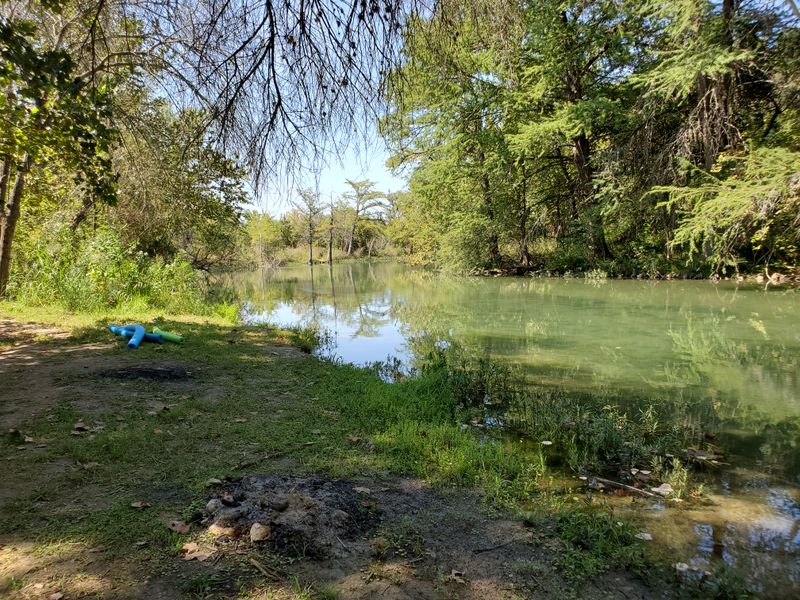
The Medina River winds through Castroville like a liquid thread connecting past and present. Early settlers chose this location specifically because of the river’s reliable water source.
Today, it provides a peaceful escape where you can actually hear the water flowing over limestone rocks and see fish swimming in the clear shallows.
I found several spots along the river perfect for just sitting and watching the world slow down. Local families come here to wade in the water during hot summer months.
The river stays surprisingly cool even when temperatures climb into the high 90s, thanks to spring-fed tributaries upstream.
Fishing is popular here, with catfish, bass, and perch common catches. You’ll also spot herons, egrets, and other water birds hunting along the banks.
The trees growing beside the river create natural shade that makes afternoon walks pleasant even in summer heat.
Several public access points let you reach the water easily. Some locals told me about swimming holes they’ve enjoyed since childhood, passed down through generations.
The river isn’t dramatic or wild, but it has a gentle, timeless quality that perfectly matches Castroville’s overall character and unhurried pace.
Historic St. Louis Catholic Church Standing Proud Since 1868
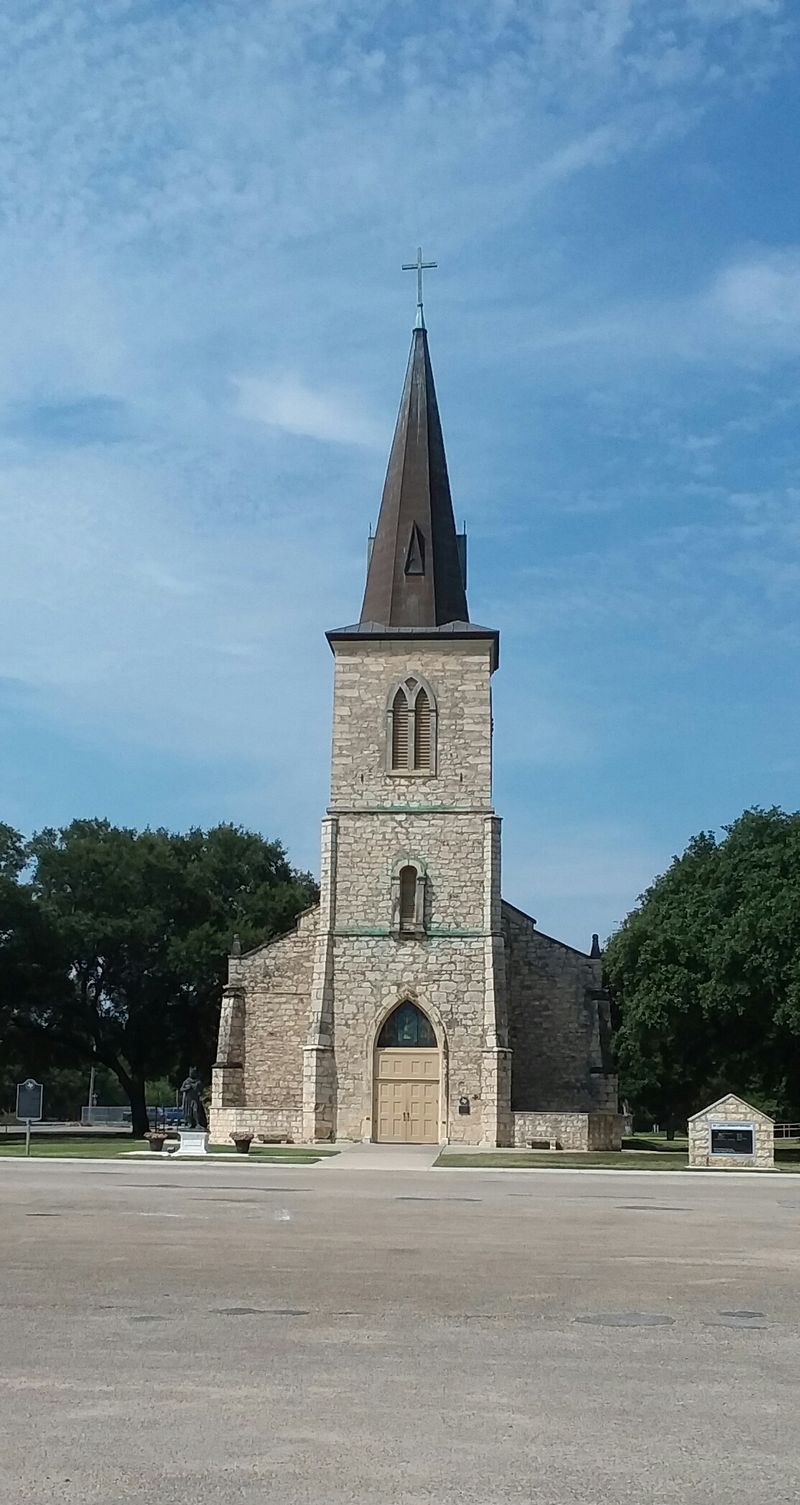
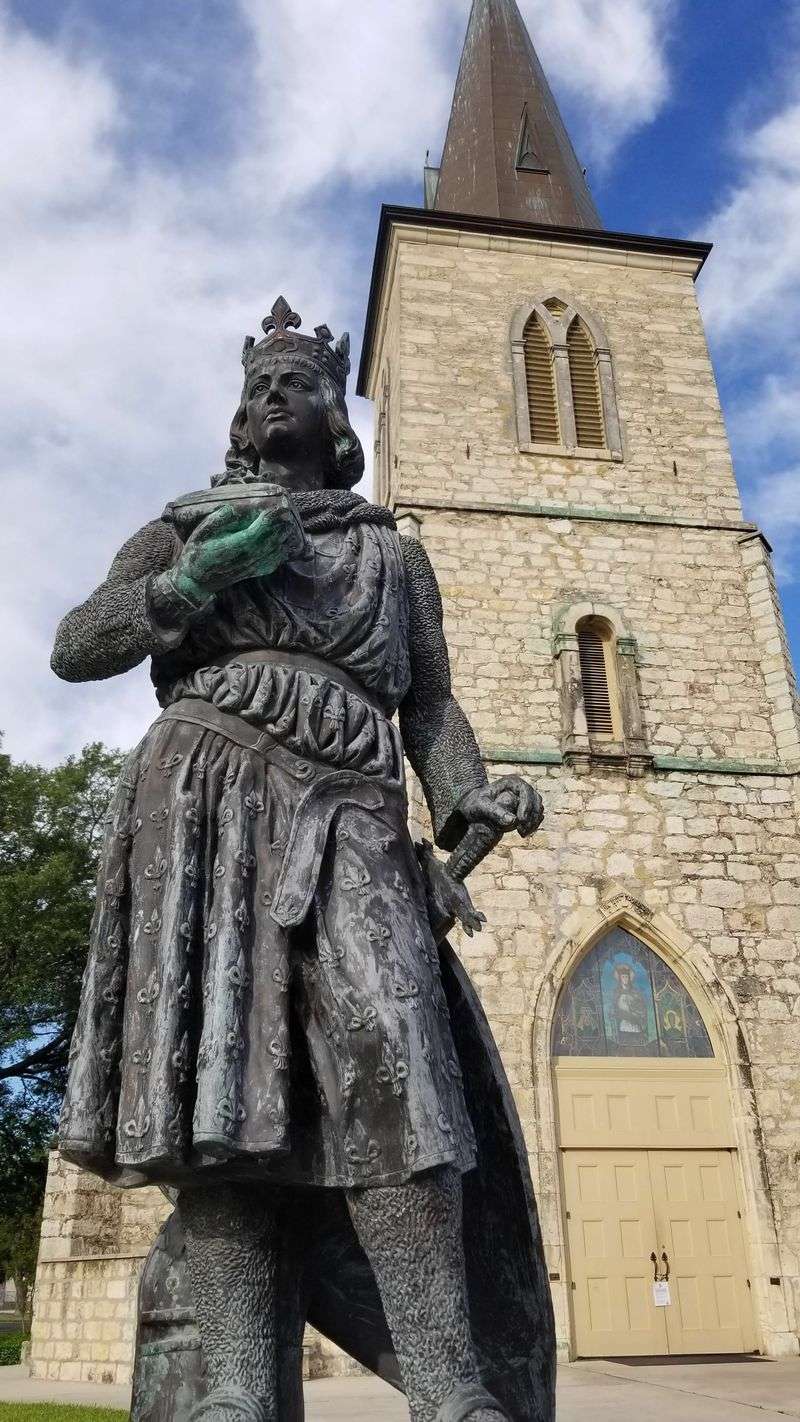
St. Louis Catholic Church rises above the town square like a beacon of faith and history. Built in 1868, this stunning structure replaced an earlier church that served the original Alsatian colonists.
The white exterior and tall steeple make it visible from almost anywhere in town, a constant reminder of the community’s deep religious roots.
The Gothic Revival architecture features pointed arch windows, a design element the settlers brought from Europe. Inside, you’ll find beautiful stained glass windows that cast colored light across wooden pews where families have worshipped for over 150 years.
The craftsmanship throughout the building is exceptional, from the hand-carved details to the carefully maintained altar.
I visited on a quiet weekday afternoon when the church was open for prayer. The peaceful atmosphere inside contrasted sharply with the busy world outside.
You could feel the weight of history in that space, imagining the countless baptisms, weddings, and funerals that have taken place within these walls.
The church sits at 1114 Angelo Street, Castroville, Texas, right in the heart of the historic district. Even if you’re not religious, the building’s architectural and historical significance makes it worth visiting.
The parish still holds regular services, continuing a tradition that stretches back to the town’s founding.
The Landmark Inn State Historic Site
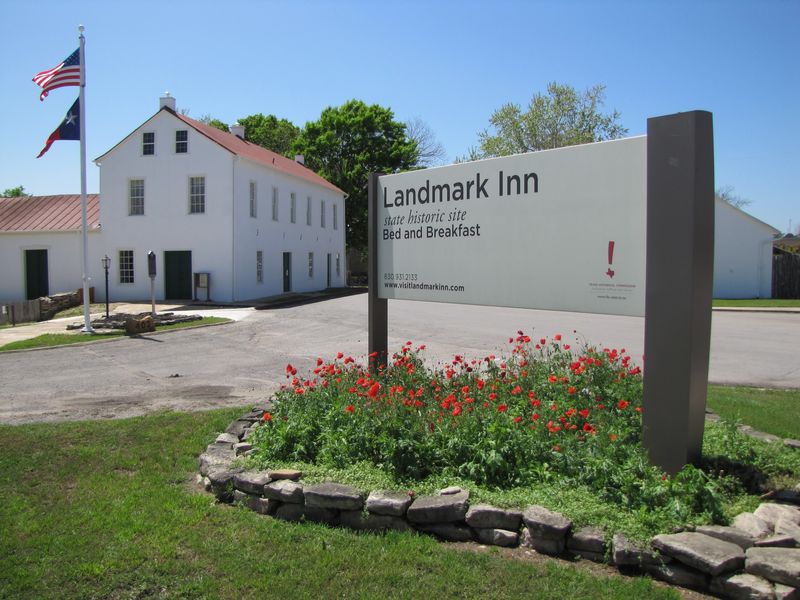
The Landmark Inn tells Castroville’s story better than any history book could. This beautiful stone structure started as a home and store in the 1840s, then became a bathhouse using water from a nearby spring, and eventually transformed into an inn that hosted travelers for over a century.
Today, it operates as a state historic site where you can actually spend the night in restored period rooms.
I took the guided tour and learned fascinating details about life in frontier Texas. The building’s thick limestone walls kept interiors cool before air conditioning existed.
The original bathhouse section still has the stone tubs where travelers once soaked after long dusty journeys from San Antonio or points west.
The gardens surrounding the inn are gorgeous, filled with native plants and shaded by massive oak trees that were already mature when the Civil War ended. Walking these grounds, you can easily imagine stagecoaches pulling up and weary travelers grateful to find such comfortable accommodations in the middle of nowhere.
The site is located at 402 Florence Street, Castroville, Texas. Tours run regularly, and staying overnight gives you a unique opportunity to experience historic lodging authentically restored.
The staff are knowledgeable and passionate about sharing the building’s remarkable history with visitors.
Koenig Park And Its Peaceful Green Spaces
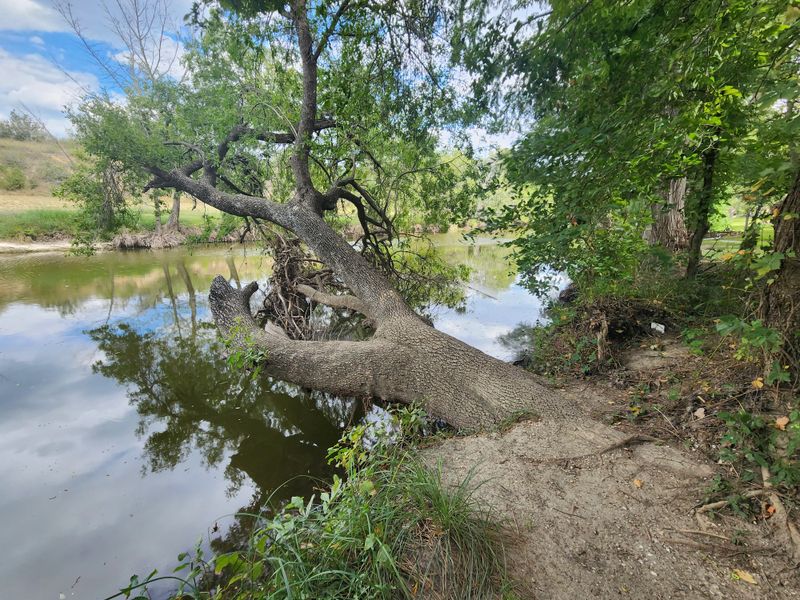
Sometimes you just need a quiet spot to sit under a tree and do absolutely nothing. Koenig Park provides exactly that kind of space.
Located along the Medina River, this community park offers shade trees, picnic tables, playground equipment, and plenty of room for kids to run around safely.
I stopped here one afternoon when I needed a break from sightseeing. Families were scattered throughout the park, some having picnics, others watching children play.
The atmosphere was relaxed and friendly, with people happy to share their space without any sense of crowding or tension.
The park features well-maintained facilities including clean restrooms, covered pavilions perfect for group gatherings, and walking paths that meander through the grounds. The river access point here is gentle and shallow, ideal for wading on hot days.
Several large oak trees provide natural shade that makes summer visits comfortable.
Local events sometimes take place here, from small concerts to community gatherings. But most days, it’s simply a peaceful green space where residents come to unwind.
I watched a grandmother teaching her grandchildren to skip rocks in the river, a scene that perfectly captured Castroville’s unhurried, family-centered character. The park sits at 1115 Paris Street, Castroville, Texas, easily accessible from downtown.
The Castroville Regional Park And Outdoor Recreation
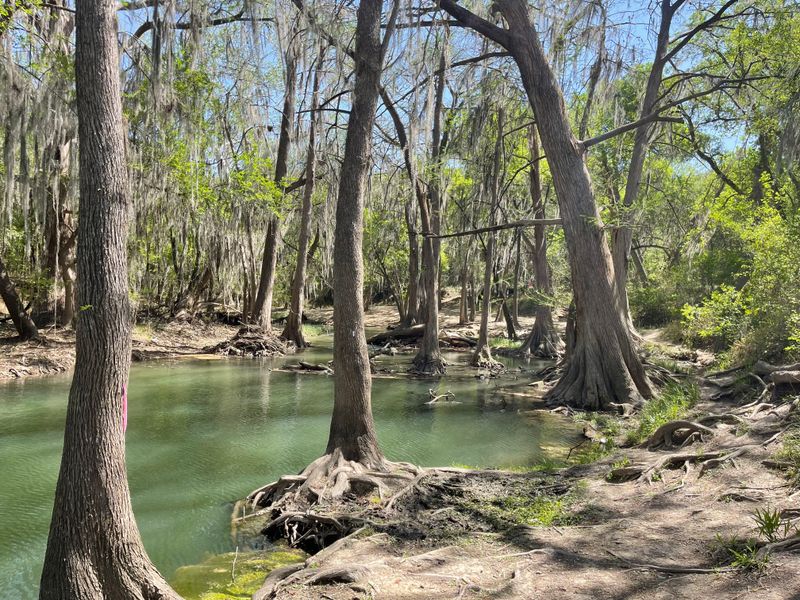
Castroville Regional Park sprawls across a much larger area than the smaller town parks, offering serious outdoor recreation opportunities. Baseball fields, soccer pitches, walking trails, and open spaces make this a hub for community sports and family activities.
The park sits on the town’s outskirts, where development gives way to more rural landscapes.
I visited on a Saturday morning and found the place buzzing with activity. Youth soccer games occupied several fields while families walked the trails and kids played on modern playground equipment.
The park feels newer and more developed than some of the historic sites downtown, but it serves an important role in community life.
The walking trails loop through the property, offering easy paths suitable for all fitness levels. You’ll see joggers, dog walkers, and families pushing strollers throughout the day.
The open design means you can watch multiple activities simultaneously, creating a lively atmosphere that showcases Castroville’s active, engaged community.
Pavilions with picnic tables are available for rent, making this a popular spot for birthday parties and family reunions. The facilities are clean and well-maintained, reflecting the town’s commitment to providing quality recreational spaces.
You’ll find the park at 1209 Fiorella Street, Castroville, Texas, with ample parking and easy access from the main roads.
The Small-Town Shopping Experience On Main Street
Shopping in Castroville bears no resemblance to visiting a mall or big-box store. The downtown area features independently owned shops tucked into historic buildings, each with its own character and specialty.
I spent hours browsing through antique stores, gift shops, and boutiques, discovering unique items I’d never find anywhere else.
One antique shop occupied an old stone building with creaky wooden floors and treasures stacked on every available surface. The owner knew the history of many items, sharing stories about where pieces came from and who might have owned them originally.
Another shop specialized in Texas-made products, from local honey to handcrafted jewelry to artwork by regional artists.
What makes shopping here special is the personal interaction. Store owners actually talk to customers, offering recommendations and sharing information about their products.
There’s no pressure to buy, just genuine interest in helping visitors find something meaningful. Several shops sell Alsatian-themed items celebrating the town’s heritage, from decorative pieces to cookbooks featuring traditional recipes.
The stores keep varying hours, with some closed on certain weekdays, so checking ahead helps avoid disappointment. Most concentrate along U.S.
Highway 90, the main road through downtown. Parking is generally easy to find, and you can walk between shops, enjoying the historic architecture between stops.
The Genuine Small-Town Hospitality That Welcomes Strangers
Statistics and architecture tell part of Castroville’s story, but the people complete it. From my first conversation with a bakery customer who insisted I try the strudel to the shop owner who spent twenty minutes telling me about the town’s history, I felt genuinely welcomed everywhere I went.
This wasn’t the forced friendliness of tourist destinations. It was authentic warmth from people proud of their community.
At a local cafe, I struck up a conversation with a couple who had lived in Castroville for over forty years. They shared recommendations for things to see, stories about how the town had changed, and invited me to come back during the festival season.
A woman at the historic church noticed me taking photos and offered to tell me about the building’s restoration project.
This hospitality extends beyond just being polite. People here seem to understand that their town is special and want visitors to appreciate it fully.
They’ll point you toward hidden gems, warn you about places that aren’t worth your time, and treat you like a potential neighbor rather than a tourist passing through.
That genuine kindness might be Castroville’s sweetest surprise. In a world that often feels rushed and impersonal, finding a place where strangers still say hello and actually mean it feels remarkable.
It’s the kind of town that makes you think about what really matters in building a good community.
Dear Reader: This page may contain affiliate links which may earn a commission if you click through and make a purchase. Our independent journalism is not influenced by any advertiser or commercial initiative unless it is clearly marked as sponsored content. As travel products change, please be sure to reconfirm all details and stay up to date with current events to ensure a safe and successful trip.
