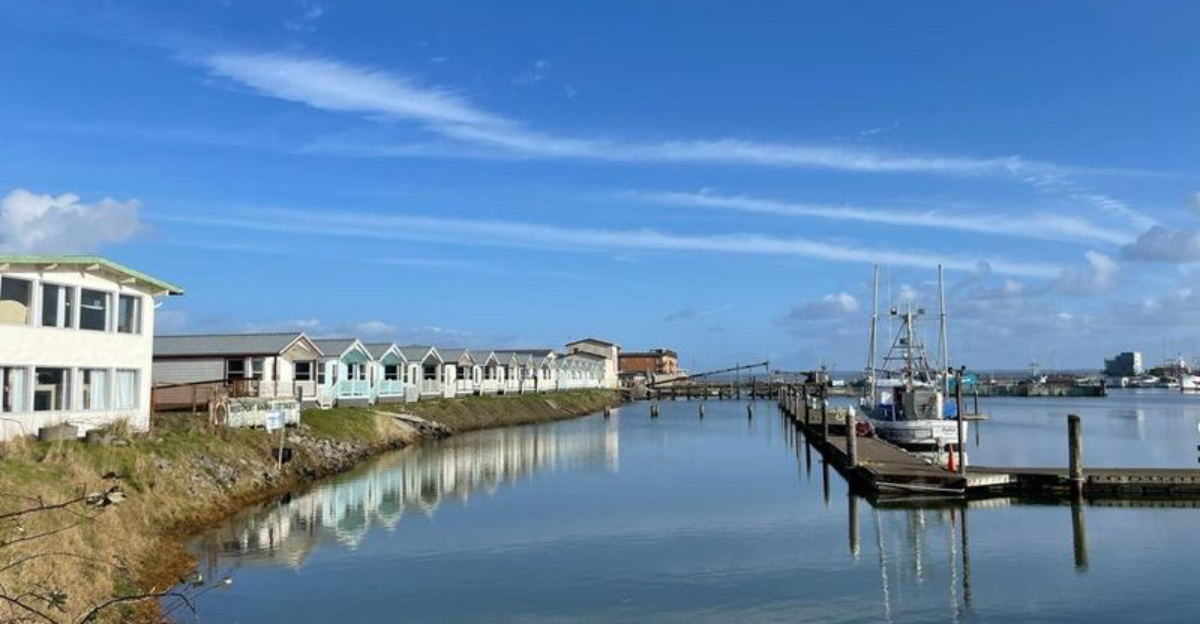
You arrive in Westport, Washington, and the air already hints at the ritual you are about to join.
A calendar here is not just dates, it is tides, seasons, and chowder styles that locals can track by scent and sky.
If you follow the shoreline, you will see how every shift in weather shapes what lands in your bowl.
Keep reading, because this coastal village turns chowder into a compass that helps you read the Pacific and your own appetite.
Menus begin to look like weather reports, full of clues about what the morning fog and evening wind will bring.
You realize quickly that people here do not eat chowder despite the climate, they eat it in conversation with the climate.
Even small details, like steam slipping out a cracked window, start to feel like part of the local forecast.
Every walk along the harbor becomes a quiet lesson in how the town reads clouds, currents, and appetite together.
By the end of the first day, you catch yourself planning your next bowl based on the color of the sky.
A Harbor Town Built on Tide and Timing
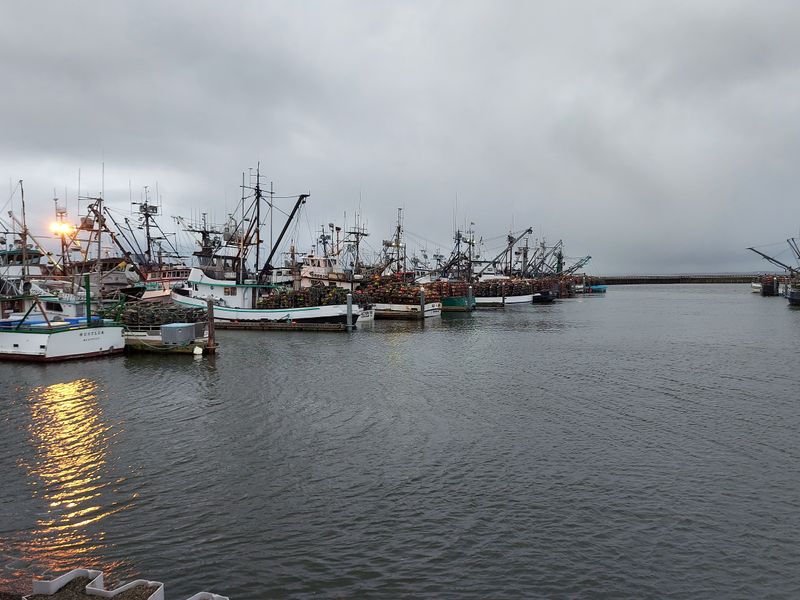
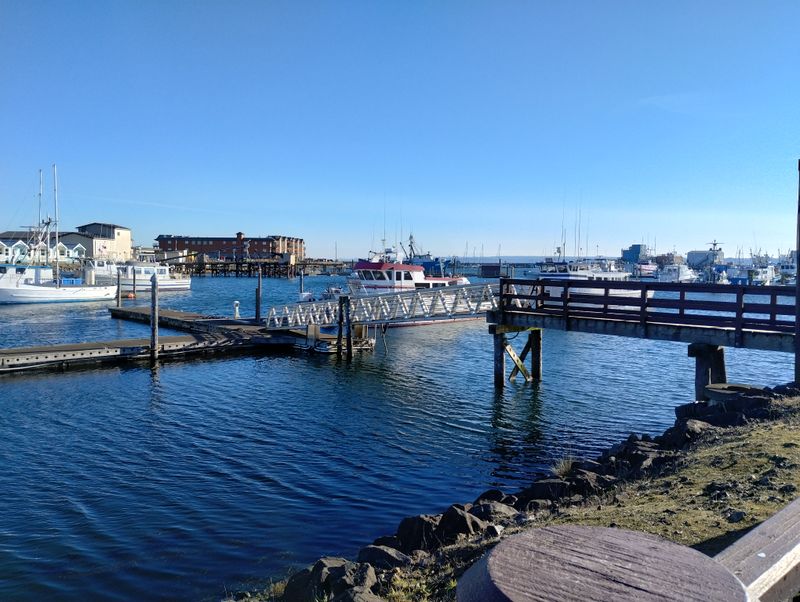
Westport sits at the mouth of Grays Harbor, where commercial boats, charter vessels, and shellfish harvesters define the local schedule.
Walking the marina, you notice how engines idle in rhythm with tide charts, and conversations reference swell forecasts more than calendars.
That pulse sets your timing too, because you begin to crave a bowl right when the air turns briny and the gulls lift.
Residents track the tides and seasons closely, and chowder traditions grew naturally out of that rhythm.
The daily shift from fog to clearing skies cues different textures, and kitchens near the docks adapt without fuss.
Even the breeze seems to carry a hint of cream when boats slide in with shellfish.
Addresses like Westport Marina, 326 Lamb Street, Westport, Washington 98595, anchor the experience with a clear sense of place.
From the boardwalk rails, you can watch crews rinse gear and understand why freshness is a townwide value.
The harbor scene is not staged, it is simply how Westport, Washington works.
By the time you circle back to the street, the chowder calendar feels less like a metaphor and more like a schedule you are happy to keep.
Tide tables hang beside menus, and you notice how often eyes flick from one to the other.
Skippers swap notes with cooks on the dock, turning fresh reports into quiet decisions about the day’s pot.
You start to see how each slip in the marina corresponds to a different kind of story on the plate.
Even the sound of halyards tapping masts feels like it keeps time with simmering pots back on shore.
The harbor becomes less of a backdrop and more of a clock that everyone knows how to read.
A Community Where Chowder Marks the Calendar
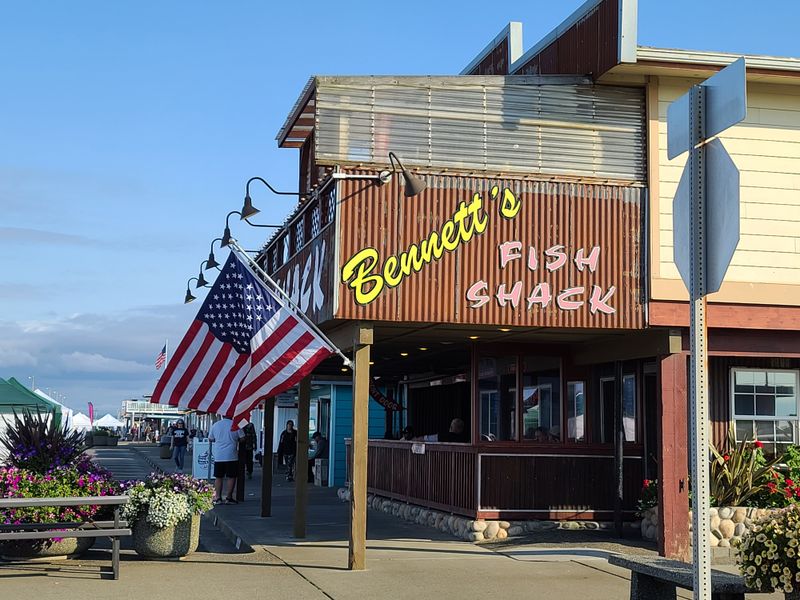
Locals talk about chowder the same way others discuss harvest cycles.
On quiet mornings, neighbors compare notes about texture and smoke as if they were describing weather patterns.
By afternoon, the conversation turns to which shops lean lighter because the day calls for something bright.
Winter brings thicker, cream forward bowls.
Handwritten boards often mention body and warmth, a promise that fits rain slick streets and salt whipped hair.
Even the way doors swing shut against a gust seems to emphasize cozy interiors.
Spring leans lighter.
You notice clear broths and gentle aromatics, the kind that pair with longer daylight and easy walks along Neddie Rose Drive, Westport, Washington 98595.
Summer often adds fresh catches.
The chowder calendar is shorthand for how the coast tastes month by month, and you can read it just by listening to conversations drifting out of open windows.
Holiday plans and school events sometimes get described in terms of which chowder is usually on around that time.
You hear phrases like early January thickness or late spring brightness delivered without irony.
Visitors who stay more than a weekend begin to adopt the same language, almost by osmosis.
Menus shift quietly, yet locals notice every small change in garnish or richness.
The whole town seems to agree that keeping track of chowder is just another way of keeping track of the year.
Fishing Culture That Feeds the Tradition
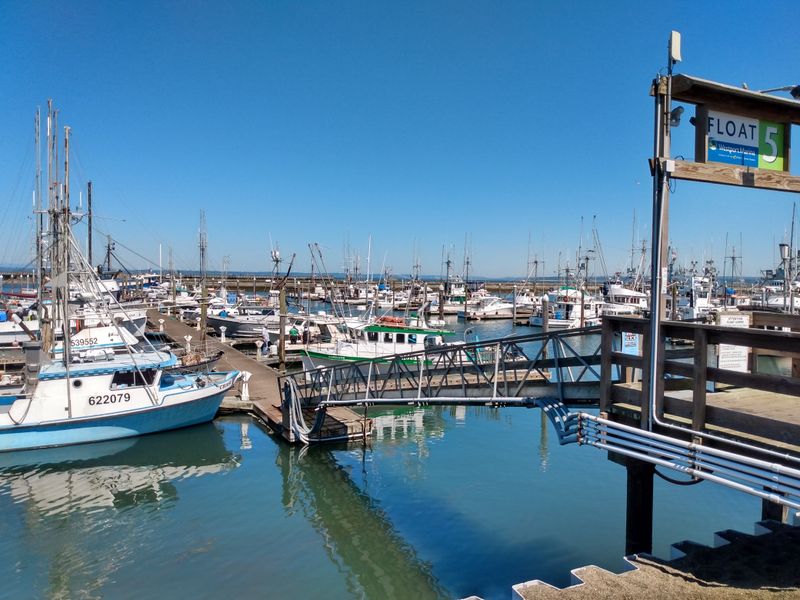
Razor clams, surf clams, and coastal seafood form the backbone of Westport’s food identity.
The gear stacked along the pier tells the story in steel and rope, with each crate pointing to a recipe waiting in town.
When you watch crews tidy lines, you understand how technique ashore mirrors precision at sea.
When clam digs open on Washington’s beaches, the town shifts gears, and chowder shops respond with recipes built on the newest harvest.
That pivot shows up quickly in chalk notes and staff chatter near Float 11 at 2601 Westhaven Drive, Westport, Washington 98595.
You can feel the tempo quicken as trucks roll in and doors swing out to greet the catch.
Menus rarely shout about trends, they simply express what came in that week.
It feels honest, and it keeps you tuned to the shoreline even when you sit indoors.
The result is a living tradition that is clear in every spoonful.
In Westport, Washington, the sea writes the outline and the town fills in the details.
You can watch knives working through catches on cutting tables and know that some of it will end up in a kettle nearby.
Old timers describe past seasons by remembering which years were perfect for certain styles of chowder.
Even the smallest bait shops feel woven into the food story, because they keep the wider system running.
Cooks talk about particular boats the way bakers talk about favorite mills or orchards.
In this village, the distance from dock to bowl feels short, but the chain of knowledge behind it feels long.
Razor Clam Seasons That Signal the Start of Peak Bowls
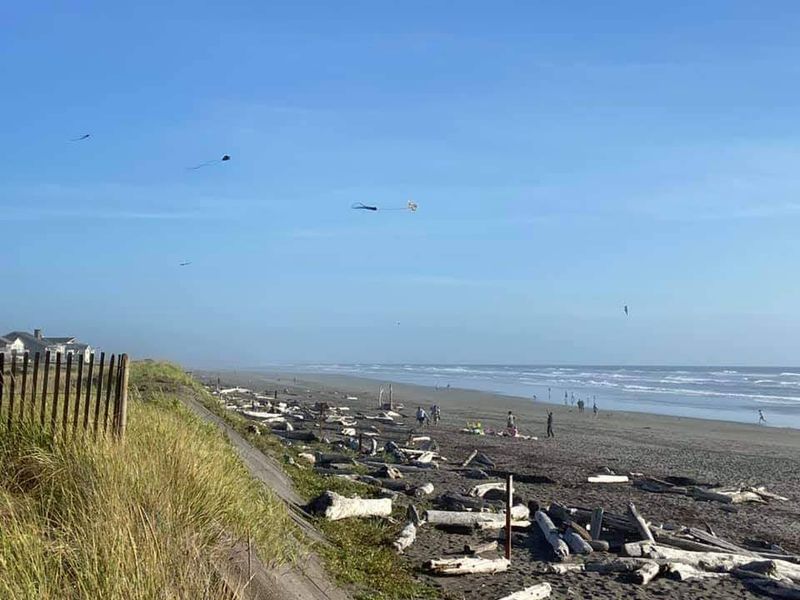
State managed razor clam digs occur in scheduled openers throughout fall, winter, and early spring.
As dates approach, conversations ripple from the beach to town, and you can sense a shared countdown.
Headlights often arc across pre dawn sand, a quiet sign that the calendar just turned a page.
These dates serve as milestones for locals, who plan visits to their favorite chowder spots based on when fresh clams hit town.
Shops near Westhaven State Park, 2701 Westhaven Drive, Westport, Washington 98595, start adjusting hours and prepping stock.
The change is subtle but steady, like a shoreline that never stops moving.
Beach walks turn into menu decisions, and waves help set the mood for what you will order later.
You may carry a bucket, or just a mental list of places to stop after the drive back.
Either way, the rhythm is comforting because it ties appetite to place.
In Washington, a bowl becomes a timestamp you can taste.
As opening dates get closer, chalk signs begin to leave more space, waiting for the exact wording.
Families compare headlamp batteries and boot conditions in the same breath they use to rank recent bowls.
Mud on vehicles in town becomes a quiet badge that says you earned your dinner the wet way.
Restaurants seem to lean in, ready with extra stockpots that only see service during these windows.
When the season pauses, the town shifts back to other shellfish, but you can feel everyone watching the schedule.
Family Restaurants That Treat Chowder as a Craft
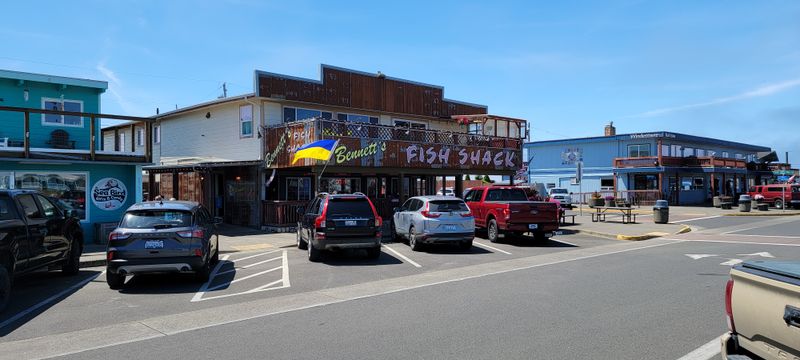
Long running eateries in Westport and nearby Westhaven keep steady chowder menus, adjusting texture and ingredients as the year changes.
Inside, you see wood trim, sea charts, and quietly humming heaters that make a gray day feel inviting.
The rooms feel lived in, like places that know your order before you do.
Some shops prefer smoky depth.
Others focus on clean brine, with a clarity that mirrors the open water outside the windows on Ocean Avenue, Westport, Washington 98595.
Regulars talk about body and finish with the care of seasoned tasters.
Locals follow each version closely.
The result is a friendly map with different stops for different moods, all within a short walk of the harbor.
You can try one place for silk and another for brightness, then pick a favorite after a few evenings.
In Westport, Washington, craft often looks like patience, and patience tastes like balance.
You might see recipe cards tacked above prep stations, worn at the edges from years of reference.
Second and third generation owners talk about minor tweaks as if they were major life decisions.
Servers describe bowls with the same calm precision used for local weather or tide advice.
Regulars time their visits to catch particular batches, knowing which days tend to lean smokier or lighter.
Each dining room feels like a small chapter in a longer story that the town writes together.
A Harborfront That Reinforces the Habit
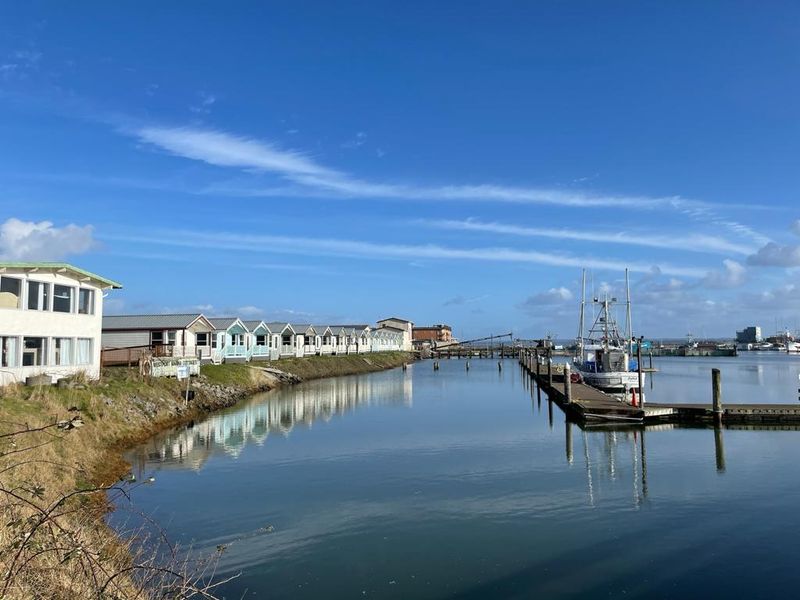
Steam rising from the docks, gulls calling overhead, and the slow roll of Pacific air all contribute to the chowder culture.
The boardwalk guides you along railings polished by wind and hands, and every turn frames a different slice of water.
It is easy to linger, which is probably why a second bowl never feels excessive.
Visitors often say the environment itself makes the habit feel inevitable.
Benches near 2201 Westhaven Drive, Westport, Washington 98595, invite you to sit, watch rigging sway, and think about where to stop next.
The whole scene feels like a gentle suggestion to keep exploring.
You read the marina almost like a gallery, with textures replacing captions.
From cleats to pilings, each detail points back to the sea and the kitchens nearby.
The harborfront becomes a path lined by options rather than a single destination.
In Washington, the setting nudges you from view to table with no rush at all.
Every step past coils of rope and stacks of crab pots whispers that the source is never far away.
Even empty slips feel expectant, like spaces where the next good batch is only a crossing away.
On still days, the smell of broth seems to mingle with the softer scent of drying nets.
You catch glimpses of bowls through windows and realize how often people eat while facing the water.
The line between watching the harbor and planning your next order fades until they feel like the same activity.
Winter Storms That Make Chowder a Necessity
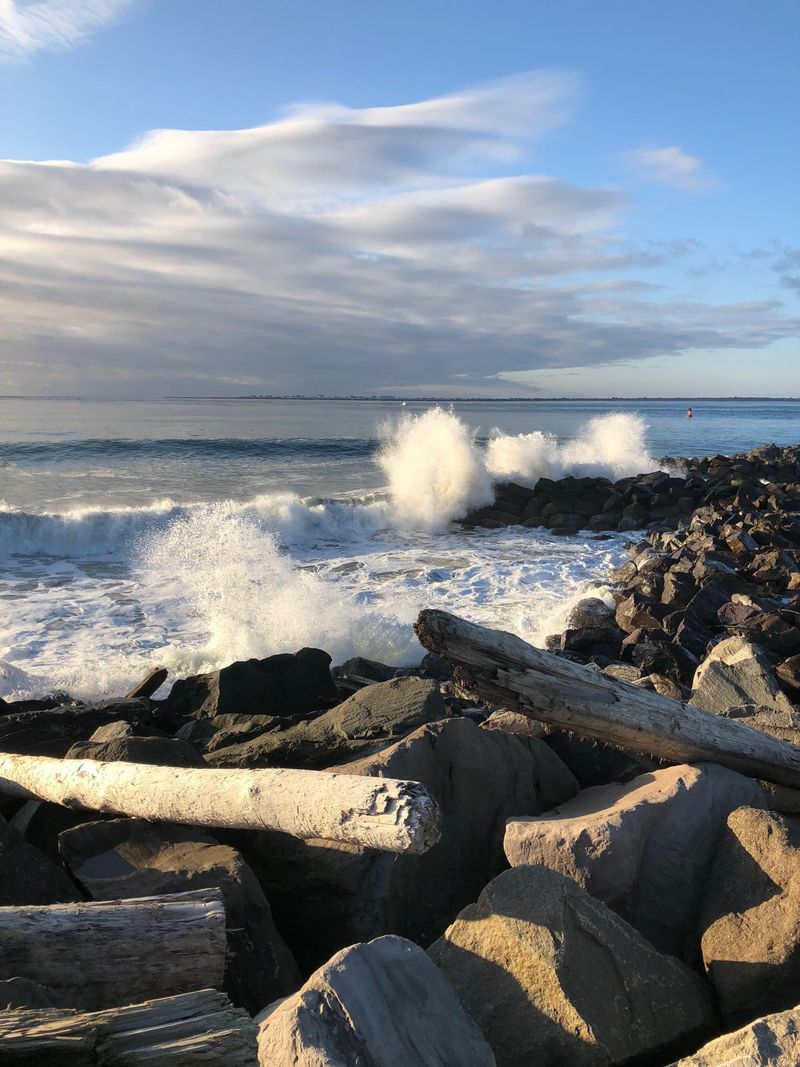
Westport sees powerful coastal fronts that bring rain, wind, and cold.
On days like that, the sky lowers and the streets glisten, and you scan windows for the glow that means heat and seats.
Your pace quickens because the air encourages a destination with warmth built in.
For residents, chowder doubles as comfort and routine, a reliable warm anchor amid rapidly shifting weather.
Interiors along Montesano Street, Westport, Washington 98595, offer that steadiness with sturdy booths and steady heaters.
It is not just about getting dry, it is about feeling settled again.
Coats hang heavy on hooks, and conversations return to thickness and steam like a mantra.
There is a relief in that shared habit, a sense that everyone understands the assignment.
When the wind finally eases, you leave with color back in your cheeks.
Washington storms make the bowl feel earned, which somehow makes it taste better too.
Streetlights glow off standing puddles while flags snap flat against their poles.
You pass fogged windows where silhouettes lean over bowls, shoulders relaxing with each spoonful.
The contrast between stinging rain outside and fragrant steam inside never gets old.
Storm days turn restaurants into informal meeting points where people check in on each other.
When you step back out, the chill feels sharper, but the warmth you carry makes the walk easier.
A Surf Town With a Cold Weather Food Identity
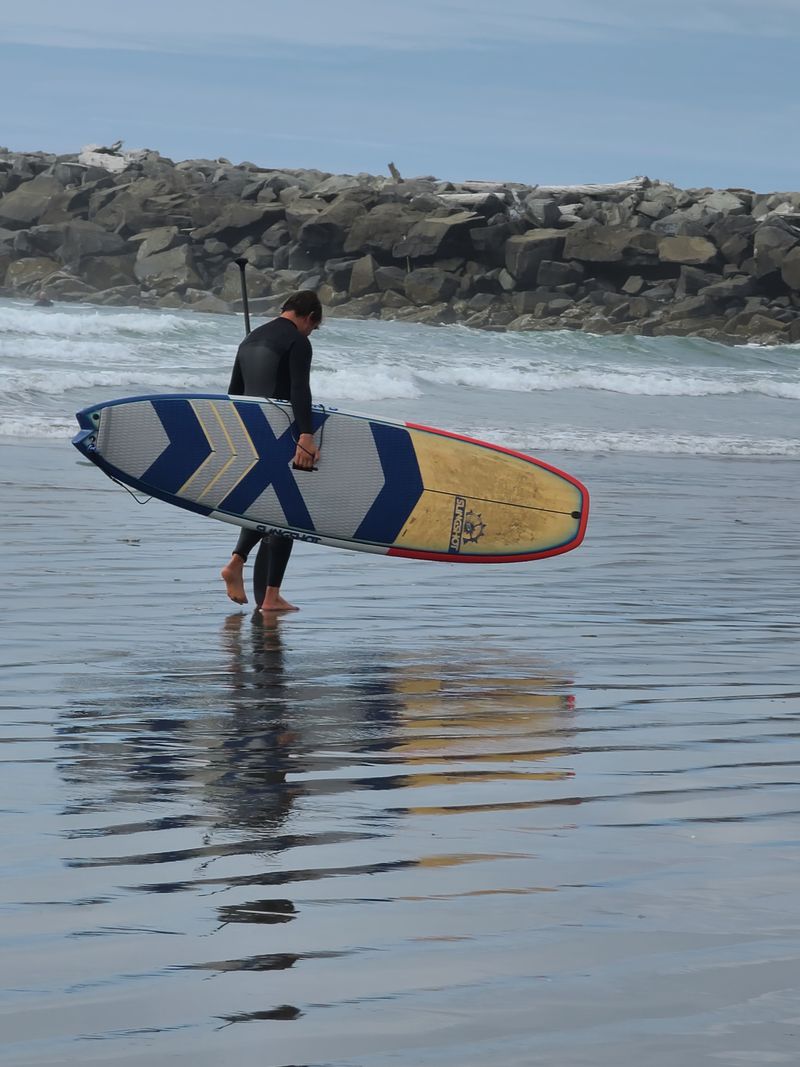
Although Westport is known for surfing and beachgoing, the town’s heart leans heavily on maritime tradition.
When swells line up at the jetty, the shoreline hums, yet the kitchens still tell the quieter story of place.
You can feel both currents at once and choose which one you need that day.
Chowder remains the most recognizable expression of that identity, bridging the gap between sport season and fishing season.
After time at Westhaven Jetty, Westhaven Drive, Westport, Washington 98595, the pull toward a heated room feels natural.
Salt on your jacket pairs with the first inhale of savory steam in a way that feels inevitable.
The town never presents a clash, only a sequence that makes sense for the climate.
Boards dry while boots warm, and you reset without losing any of the ocean energy.
That rhythm is why surf and soup share the same sentence here.
In Washington, coastal life means motion outside and comfort inside, both equally prized.
Waxed boards resting against walls and wet suits hung to dry sit only a few steps from steaming pots.
Breakfast might belong to the waves, but dinner almost always belongs to something slow and simmered.
Surf reports end up mentioned at tables alongside reviews of which place hit the right thickness that week.
Visitors learn quickly that you can watch a storm roll in from the jetty then warm up with a bowl without ever feeling rushed.
The town’s balance of exertion and comfort makes the chowder feel like part of the gear, not an optional extra.
Local Rivalries That Stay Friendly but Strong

Residents debate which spot has the best winter chowder or the best spring variation.
These conversations sound playful, but everyone listens closely for tips on timing and texture.
You will hear a dozen opinions before you reach the end of the block.
These rivalries shape the local calendar, giving each month or opener its unofficial favorite.
The talk flows easily along Forrest Street, Westport, Washington 98595, where neighbors trade updates like tide notes.
It is a game that rewards curiosity and punctual arrivals.
Maps get marked with small stars, and routes change based on what people say that week.
You can join in by comparing warmth, aroma, and finish after a few stops.
The sharing never feels competitive, because everyone wants you to find your match.
In Washington coastal towns, enthusiasm travels faster than any forecast.
A mention of one place’s chowder can spark a chain of stories that covers three or four others.
You hear about secret ingredients spoken of with a smile, more suggestion than confession.
Taste tests become casual hobbies, and people remember favorite bowls the way others remember concerts.
Even menu tweaks travel fast, delivered with the urgency of a good piece of local news.
The result is a constantly updated mental map that keeps everyone pleasantly busy and well fed.
A Coastal Village That Made Chowder Its Compass
Westport’s obsession is not a trend.
It is a reflection of a harbor town pacing itself by ocean cycles, seasonal catches, and the comfort of a bowl that changes with the year.
Once you see the pattern, you start planning your days the same way locals do.
For travelers, the chowder calendar becomes one of the most distinctive ways to understand this Pacific community.
You can trace it from the docks to the sidewalks near the Grays Harbor Lighthouse parking area at 1020 W Ocean Avenue, Westport, Washington 98595.
That path links water, weather, and the warm spaces that welcome you after both.
It is an easy guide to follow, and a satisfying one to repeat each season.
The more you return, the more details you notice and the simpler your choices become.
Everything aligns with tide and time, which is exactly how this place prefers to move.
In Washington, a village can be small and still hold a map big enough for every appetite.
Travelers often arrive with generic plans, then find their days quietly reorganizing around bowls and tides.
You might start with a lighthouse or a jetty, yet the story you tell later centers on a particular evening’s chowder.
Locals can give directions using tides, wind, and favorite counters in the same sentence.
The town’s scale makes it easy to follow your appetite without ever losing your bearings.
When you leave, it is tempting to check the calendar one more time, just to see what you will be missing next week.
Dear Reader: This page may contain affiliate links which may earn a commission if you click through and make a purchase. Our independent journalism is not influenced by any advertiser or commercial initiative unless it is clearly marked as sponsored content. As travel products change, please be sure to reconfirm all details and stay up to date with current events to ensure a safe and successful trip.
