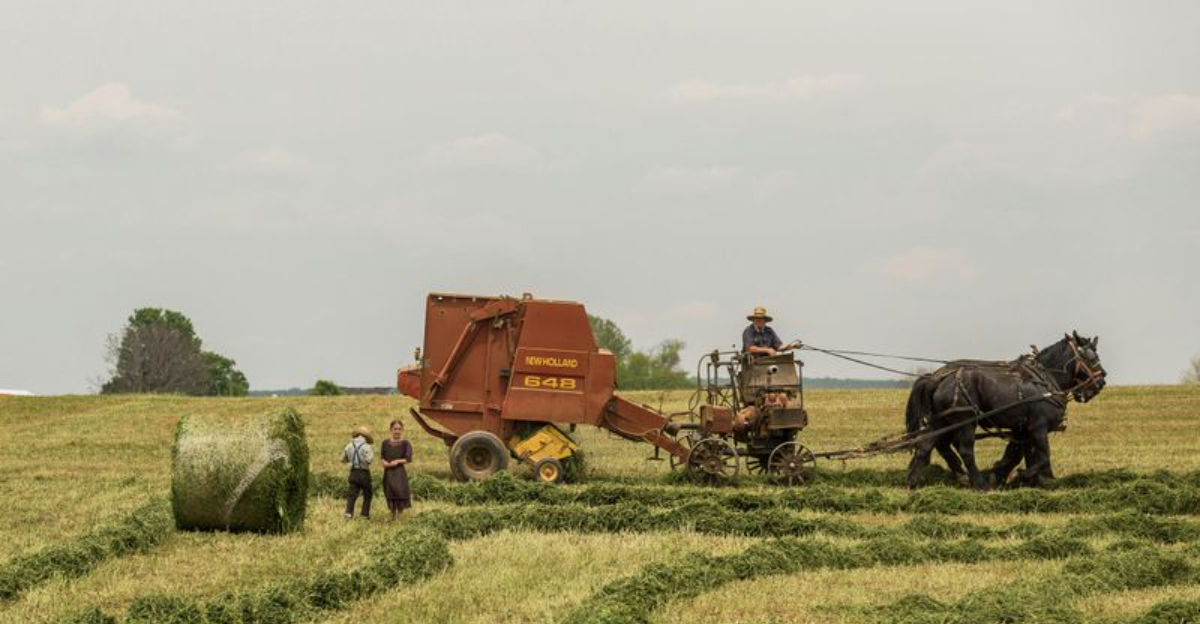
Lancaster County sits in the heart of southern Pennsylvania, where rolling farmland stretches as far as the eye can see and horse-drawn buggies share the road with modern cars.
Travelers come here to experience a pace of life that seems untouched by the rush of the 21st century, where Amish communities live much as their ancestors did centuries ago.
The moment you arrive, something shifts in the air around you, and the constant pressure to hurry simply melts away.
Understanding why time feels different here reveals not just the secrets of Amish culture, but also reminds us of rhythms we have lost in our modern world.
Horse-Drawn Buggies Replace Rush Hour Traffic

Black buggies pulled by sturdy horses clip-clop down country roads at speeds that barely reach ten miles per hour.
Watching these traditional vehicles pass by creates an instant connection to a simpler era when travel meant taking your time and noticing the scenery.
The Amish reject cars not out of stubbornness but from a desire to keep their communities close-knit and connected to the land.
When you drive behind a buggy on Route 340, you cannot speed past or honk impatiently.
Instead, you slow down to match their pace, and suddenly the roadside details come into focus.
You notice the way sunlight filters through the leaves, the patterns of crops in the fields, and the hand-painted signs advertising fresh eggs or quilts for sale.
This forced deceleration becomes a gift rather than an inconvenience.
Your breathing slows, your shoulders relax, and the urgency that usually drives your day begins to fade.
The buggies serve as moving reminders that life does not require constant acceleration.
Children wave from the back of open buggies, their faces lit with simple joy rather than the glow of screens.
Families travel together in these small spaces, talking and sharing the journey in ways that car trips rarely allow.
The horses themselves move with steady rhythm, unbothered by the world’s demands for speed and efficiency.
Their presence on the roads transforms driving from a race against time into a meditation on patience.
Even tourists who arrive feeling rushed find themselves adopting this gentler pace within hours of their arrival.
The buggies do not just share the road with modern vehicles.
They challenge our assumptions about progress and remind us that slower can sometimes mean richer, deeper, and more meaningful.
Farmland Stretches Without Billboards or Distractions
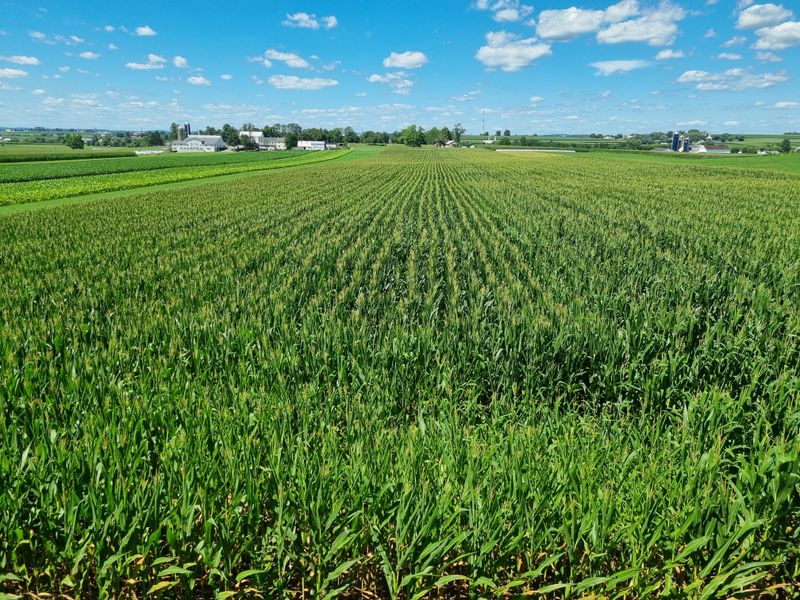
Vast fields of corn, wheat, and tobacco roll across the landscape in unbroken waves of green and gold.
Unlike most American highways, the roads through Lancaster County remain refreshingly free of advertising clutter.
No flashing signs demand your attention, no billboards interrupt the horizon with messages about what you should buy or where you should eat.
This absence of visual noise allows your mind to settle into a quieter state.
Your eyes can rest on the natural beauty of the countryside without constant interruption.
The Amish farms themselves blend into the landscape with simple white houses and large red barns that seem to have grown from the earth rather than been imposed upon it.
Clothes hang on lines stretched between wooden posts, drying in the breeze as they have for generations.
Gardens burst with vegetables in neat rows, tended by hand rather than machines.
Windmills turn slowly, pumping water from deep wells.
Everything you see serves a practical purpose rather than trying to sell you something or grab your fleeting attention.
This visual simplicity creates space for your thoughts to wander and settle.
Without the constant bombardment of advertising messages, your brain stops working so hard to filter information.
The result feels like taking off a heavy backpack you did not realize you were carrying.
Time expands when your environment stops shouting at you.
The fields change with the seasons in ways that feel significant because you can actually see them.
Spring planting, summer growth, fall harvest, and winter rest all unfold at their natural pace.
Watching these cycles reminds you that some things cannot and should not be rushed.
Handmade Crafts Require Hours Instead of Minutes
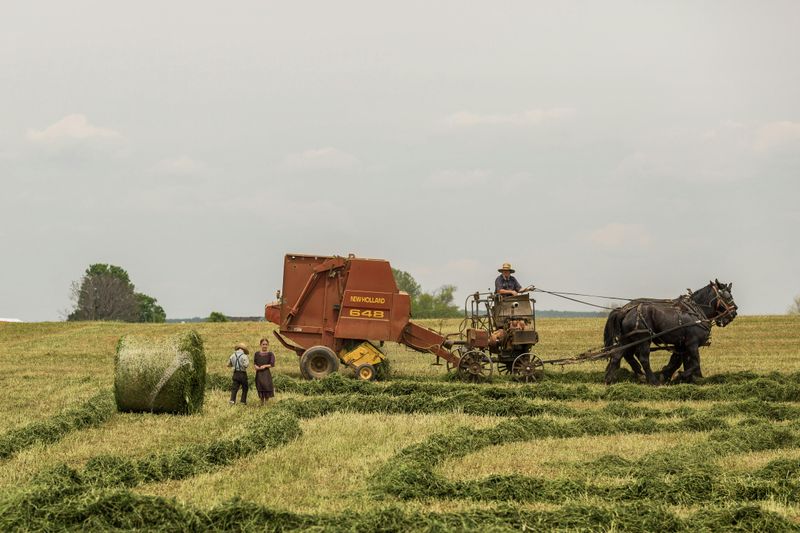
Quilts stitched by hand take months to complete, with thousands of tiny stitches creating intricate patterns passed down through generations.
Walking through craft shops in towns like Bird-in-Hand or Intercourse, you encounter objects that represent genuine human time and skill.
Each wooden toy, woven basket, or handmade candle carries the mark of the person who created it.
These items cost more than mass-produced alternatives, but their value lies in the care invested in their making.
An Amish woman might spend an entire winter creating a single quilt, working by lamplight after her daily chores are finished.
Her daughter learns the craft by sitting beside her, mastering techniques that cannot be taught through videos or quick tutorials.
This transmission of knowledge happens slowly, through repetition and patient correction.
Furniture makers still use traditional joinery methods that require years of apprenticeship to master properly.
Tables, chairs, and cabinets emerge from their workshops without a single nail, held together by precise cuts and careful fitting.
The wood itself must be selected, seasoned, and understood before it can be shaped.
Rushing these processes results in inferior products that fall apart or lose their beauty.
When you purchase something handmade in Amish country, you take home a piece of unhurried time.
The object serves as a reminder that quality and speed rarely go together.
Your own relationship with time shifts slightly when you surround yourself with things made slowly and with intention.
You begin to question the value of instant gratification and convenience.
Perhaps some things truly are worth waiting for, worth making by hand, worth doing right even when it takes longer.
Sunday Silence Blankets the Countryside
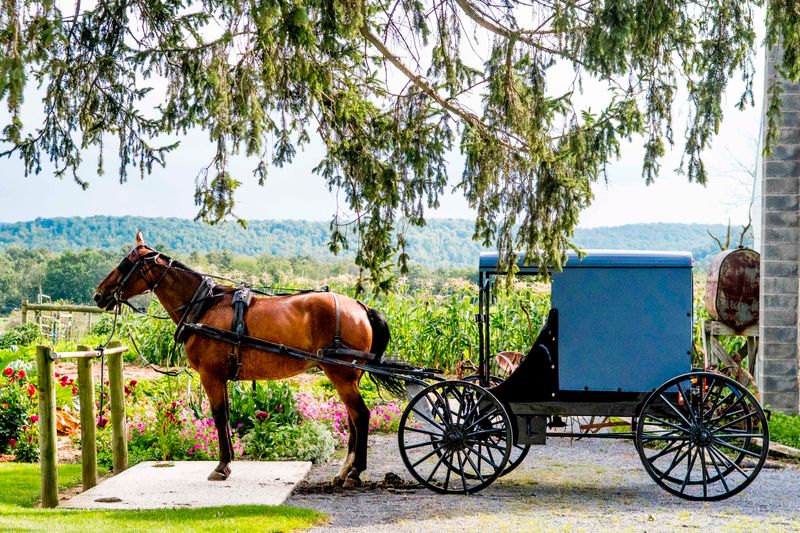
Every Sunday, the usual rhythms of farm work cease completely across Amish communities.
No plows turn the soil, no hammers ring from workshops, no buggies hurry along the roads on errands.
Families gather for worship in homes that take turns hosting church services, singing hymns in German that echo their European roots.
The entire day becomes devoted to rest, reflection, and community connection.
If you visit Lancaster County on a Sunday, the silence strikes you immediately.
Even the tourists seem to move more quietly, unconsciously respecting the sacred pause that has settled over the land.
Roadside stands that sell produce and baked goods close their shutters.
Fields that bustle with activity on weekdays stand empty and still.
This weekly practice of complete rest provides a counterpoint to our culture of constant productivity.
The Amish do not check email on Sundays or catch up on work they missed during the week.
They do not use their day off to run errands or tackle home improvement projects.
Instead, they simply stop.
This radical act of stopping challenges our modern assumption that we must always be doing something.
The silence on Sundays feels almost thick, like something you could touch or wrap around yourself.
Birds sing more loudly when human activity quiets down.
Wind moves through the crops with a sound you rarely notice on busier days.
Time itself seems to pool and deepen when an entire community agrees to pause together.
Experiencing this weekly rhythm, even as an outsider, reminds you that rest is not laziness but rather a necessary part of human flourishing.
Meals Made from Scratch Take All Morning
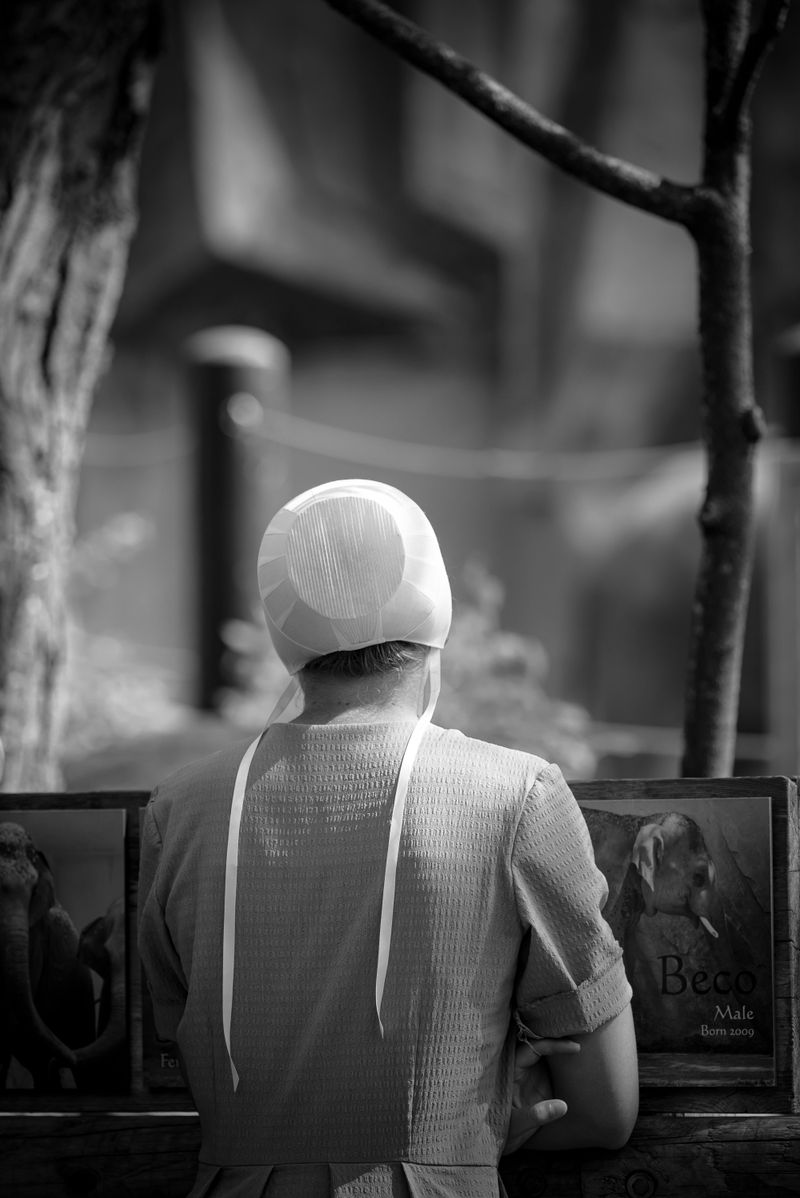
Breakfast at an Amish farmhouse begins hours before anyone sits down to eat.
Bread dough rises slowly in ceramic bowls covered with clean cloths.
Eggs collected from the henhouse that morning get scrambled in cast-iron skillets.
Bacon from pigs raised on the farm sizzles and fills the kitchen with its rich aroma.
Nothing comes from a box or a drive-through window.
Every component of the meal requires attention, from peeling potatoes to churning butter to brewing coffee from freshly ground beans.
Restaurants that serve Amish-style cooking maintain these traditions, offering meals that take time to prepare properly.
At places like Shady Maple Smorgasbord at 129 Toddy Drive in East Earl, you encounter buffet tables laden with dishes made the old-fashioned way.
Chicken pot pie with hand-rolled noodles, mashed potatoes whipped until fluffy, green beans cooked with bacon, and shoofly pie sweetened with molasses all represent hours of kitchen work.
Eating food prepared this way changes your relationship with meals.
You cannot wolf down something that took half a day to make.
The food demands respect, attention, and gratitude.
Families who cook together also slow down together.
Children learn to measure flour, knead dough, and stir sauces under the watchful eyes of parents and grandparents.
Conversation flows naturally during food preparation in ways that rushed microwave dinners never allow.
Stories get told, jokes get shared, and relationships deepen while hands stay busy with simple tasks.
When you finally sit down to eat, the meal becomes an event rather than a brief interruption in your day.
Time spent preparing food is never wasted because it nourishes both body and soul.
Seasonal Rhythms Dictate Daily Activities

Spring arrives in Lancaster County with planting that must happen when the soil reaches the right temperature and moisture level.
No amount of human impatience can make seeds sprout faster than nature intends.
Amish farmers read the land and sky with skills inherited from countless generations of agricultural ancestors.
They plant by the phases of the moon and watch weather patterns with careful attention.
Summer brings long days of cultivation, weeding, and tending that cannot be rushed or skipped.
Crops grow at their own pace, indifferent to human schedules or desires for instant results.
Fall harvest demands intense work from dawn until dark, gathering what the land has produced before winter arrives.
Food gets preserved through canning, drying, and cold storage in root cellars dug deep into the earth.
Winter forces a slowdown, with shorter days and frozen ground limiting outdoor work.
This becomes the season for indoor projects, for repairing tools and equipment, for craft work and family time.
Living according to these natural cycles means accepting that some things simply cannot happen outside their proper season.
You cannot harvest in spring or plant in fall.
Each season brings its own tasks and rhythms that must be honored.
This connection to natural time stands in sharp contrast to our climate-controlled, always-available modern lifestyle.
We buy strawberries in January and pumpkins in July, divorced from the reality of when these foods actually grow.
The Amish eat what the season provides, which means their diet changes dramatically throughout the year.
This seasonal eating creates anticipation and appreciation.
The first strawberries of summer taste sweeter when you have waited months for them.
Time feels slower when you must wait for things to happen in their natural order.
One-Room Schoolhouses Teach at Human Pace

Children walk to school along country roads, arriving at simple white buildings that serve students of all ages in a single classroom.
These one-room schoolhouses operate without computers, interactive whiteboards, or any of the technology that dominates modern education.
Teachers, often young Amish women who completed eighth grade themselves just a few years earlier, guide students through lessons at a pace that allows for genuine understanding.
Older students help younger ones, creating a community of learners rather than isolated individuals competing for grades.
The school day begins with prayer and singing, grounding everyone in shared values before academic work starts.
Subjects get taught in deliberate sequence, with plenty of time for practice and repetition.
No one rushes through material to meet standardized testing deadlines or keep up with distant curriculum mandates.
Recess happens outdoors regardless of weather, with children playing traditional games that require no equipment beyond imagination and energy.
Lunch comes from metal pails packed at home that morning, with children sitting together to eat and talk.
The absence of bells, announcements, and constant transitions allows learning to unfold more organically.
Students work until they truly understand a concept rather than moving on simply because the clock says it is time.
This approach produces young people who can read, write, calculate, and think clearly without the anxiety that plagues many modern students.
Education happens at human speed, respecting the reality that different children learn different things at different rates.
The schoolhouse itself, often heated by a wood stove and lit by windows rather than fluorescent lights, creates an environment that feels timeless.
Walking past one during the school day, you might hear children reciting lessons in unison or singing hymns in German.
These sounds connect directly to educational practices from centuries past, proving that some methods work regardless of era.
Central Market Preserves Centuries-Old Trading Traditions
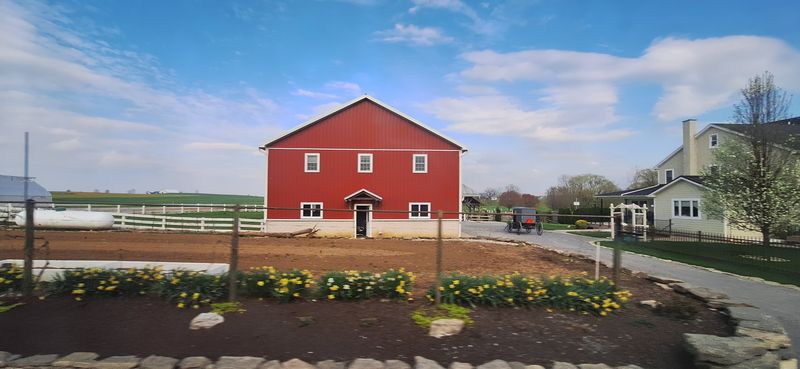
Lancaster’s Central Market at 23 North Market Street in downtown Lancaster has operated continuously since the 1730s, making it one of the oldest farmers markets in America.
The current red-brick building dates to 1889 and houses vendors who sell directly to customers just as their ancestors did.
Walking through the market on a Tuesday, Friday, or Saturday morning, you step into a commercial tradition that predates supermarkets by centuries.
Amish and Mennonite farmers bring produce picked that morning, still damp with dew.
Bakers offer bread and pastries made before sunrise in home ovens.
Butchers cut meat to order while you wait, wrapping it in brown paper tied with string.
Cheese makers let you sample their products, discussing the differences between varieties with genuine expertise.
Every transaction involves human interaction, conversation, and relationship.
You cannot rush through this kind of shopping the way you speed through a grocery store with a cart and a list.
Instead, you must slow down, look at what is actually available, ask questions, and make decisions based on what looks best that particular day.
The vendors know their regular customers by name and remember their preferences.
This personal connection transforms shopping from a chore into a social experience.
The market building itself, with its high ceilings and historical architecture, reminds you that commerce was once about community rather than just convenience.
No one rushes you along or makes you feel like you are holding up the line.
Time expands to accommodate conversation, consideration, and genuine human connection.
Leaving the market with your basket full of real food from real farmers, you carry home more than just groceries.
You take with you the memory of unhurried exchanges and the satisfaction of supporting people who grow and make things with their own hands.
Landis Valley Museum Preserves Pre-Industrial Life
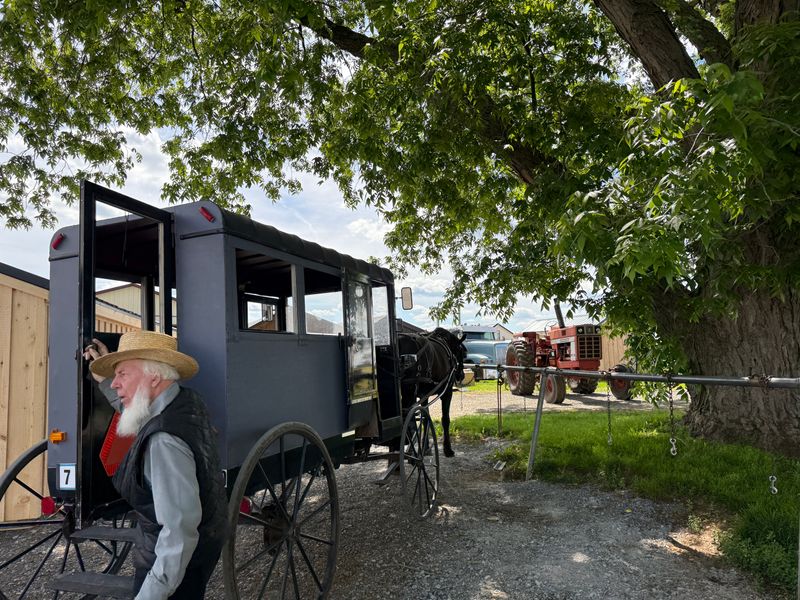
North of Lancaster city, the Landis Valley Village and Farm Museum at 2451 Kissel Hill Road recreates Pennsylvania German rural life as it existed before electricity and engines changed everything.
Walking through the museum grounds feels like traveling backward in time to an era when daily tasks required hours rather than minutes.
Costumed interpreters demonstrate traditional crafts like spinning wool, forging iron, and making pottery using techniques that demand patience and skill.
You can watch someone weave fabric on a loom, the shuttle passing back and forth in hypnotic rhythm as cloth gradually takes shape.
The process cannot be hurried without ruining the work.
Gardens grow heirloom vegetables that our ancestors would recognize, varieties that have been largely replaced by modern hybrids bred for shipping rather than flavor.
Animals on the farm belong to heritage breeds that served multiple purposes, providing meat, milk, eggs, and labor.
Everything at Landis Valley connects to a way of life where self-sufficiency required diverse skills and constant work.
Yet that work happened at a pace that allowed for craftsmanship, community, and satisfaction.
The museum helps visitors understand what has been lost in our rush toward convenience and speed.
Pre-industrial life was harder in many ways, with physical labor and fewer comforts.
But it also offered a different relationship with time, one where people controlled their own rhythms rather than being controlled by machines and schedules.
Children who visit the museum often become fascinated by activities like churning butter or grinding grain, tasks that seem exotic in our push-button world.
They discover that making things by hand can be satisfying in ways that instant gratification never provides.
The museum preserves not just objects and buildings but also knowledge about how to live at human speed.
This wisdom becomes increasingly valuable as more people recognize the costs of our accelerated modern lifestyle.
Railroad Museum Celebrates Era of Slower Travel
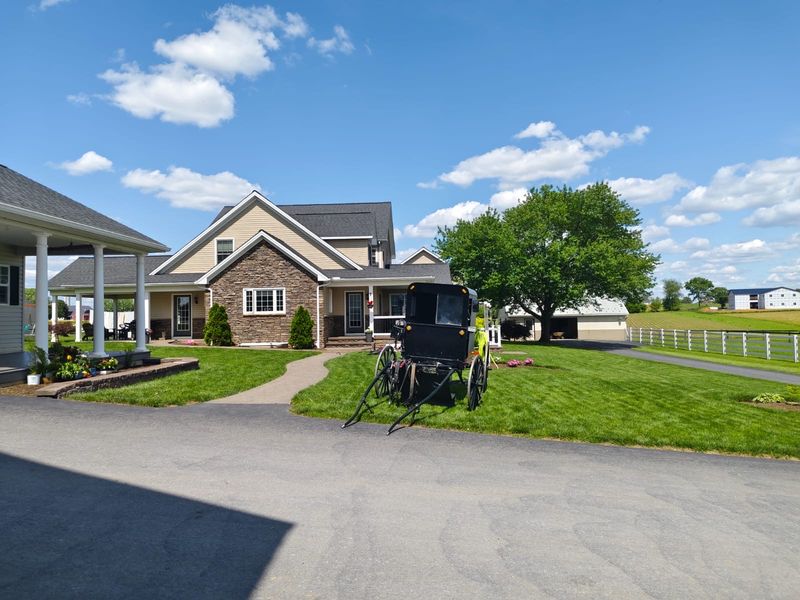
In Strasburg, southeast of Lancaster, the Railroad Museum of Pennsylvania at 300 Gap Road houses an impressive collection of vintage trains that represent a time when travel meant taking days rather than hours.
These magnificent machines once carried passengers and freight across the country at speeds we would now consider painfully slow.
Yet riding a train in the age of steam meant actually experiencing the journey rather than simply enduring it.
Passengers watched the landscape unfold outside their windows, ate meals in dining cars, and slept in berths that rocked gently with the motion of the rails.
Travel was an event in itself, not just an inconvenient gap between departure and destination.
The museum displays everything from tiny handcars to massive locomotives, each representing human ingenuity and craftsmanship.
These machines were built to last for decades, maintained by skilled workers who understood their every part.
Walking through the collection, you can examine the details that made each train unique.
Ornate metalwork, hand-painted signs, and carefully upholstered seats all reveal an era when even industrial products received artistic attention.
Nobody rushed through the design and construction of these trains.
Engineers solved problems through careful thought and testing rather than computer simulations.
Nearby, the Strasburg Rail Road still operates steam trains on a short line through Amish farmland, offering rides that let you experience authentic slow travel.
The train chugs along at modest speed, whistle blowing, smoke trailing from the stack.
Children press their faces to the windows, excited by sights that would bore them on a highway.
Parents relax into their seats, freed from the responsibility of driving.
The museum and operating railroad together preserve the memory of a time when getting somewhere slowly was not a problem but simply how travel worked.
Susquehannock State Park Offers Timeless River Views
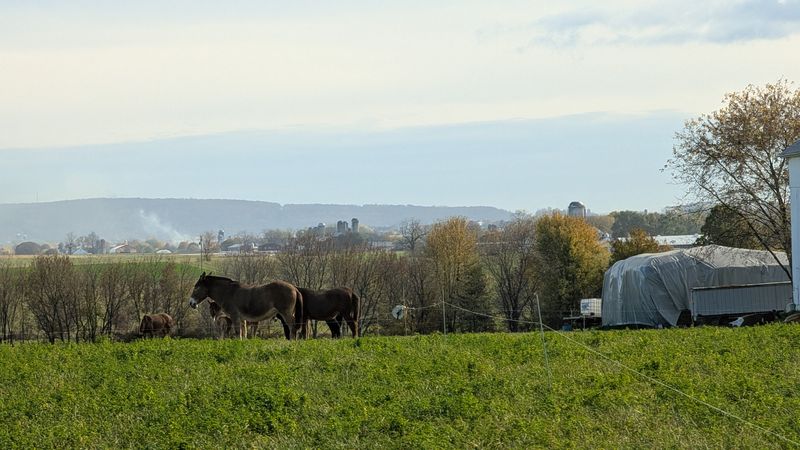
South of Lancaster, Susquehannock State Park overlooks the wide Susquehanna River from high bluffs covered in mature forest.
The river has flowed through this valley for thousands of years, carving its path through ancient rock layers completely indifferent to human concerns.
Standing at one of the park’s overlooks, you see a landscape that has changed little since Native Americans fished these waters and hunted in these woods.
The river moves at its own pace, sometimes swift with spring runoff, sometimes lazy in summer heat, sometimes locked under winter ice.
Its rhythms follow patterns set long before humans arrived and will continue long after we are gone.
This perspective on deep time, on processes that dwarf human lifespans, naturally makes your daily worries seem smaller and less urgent.
Hiking the park’s trails, you move through forest where trees measure their lives in decades and centuries.
Oaks that were saplings when the American Revolution began now tower overhead, their branches creating cathedral-like spaces beneath.
These trees grew slowly, adding one ring per year, never rushing, never trying to speed up their development.
Yet they achieved greatness through patient, steady growth.
Birds migrate through the park following ancient routes encoded in their genes, arriving and departing on schedules set by the sun and seasons.
Deer move through the underbrush at dawn and dusk, browsing and resting according to instincts honed over millennia.
Everything in the natural world operates on timescales that ignore human impatience.
Spending time in places like Susquehannock State Park recalibrates your internal clock.
You remember that you are part of natural systems that cannot be rushed or controlled.
The park offers no wifi, no cell service in many areas, and no entertainment beyond what nature provides.
This disconnection from digital urgency allows genuine rest and restoration that vacations rarely deliver anymore.
Dear Reader: This page may contain affiliate links which may earn a commission if you click through and make a purchase. Our independent journalism is not influenced by any advertiser or commercial initiative unless it is clearly marked as sponsored content. As travel products change, please be sure to reconfirm all details and stay up to date with current events to ensure a safe and successful trip.
