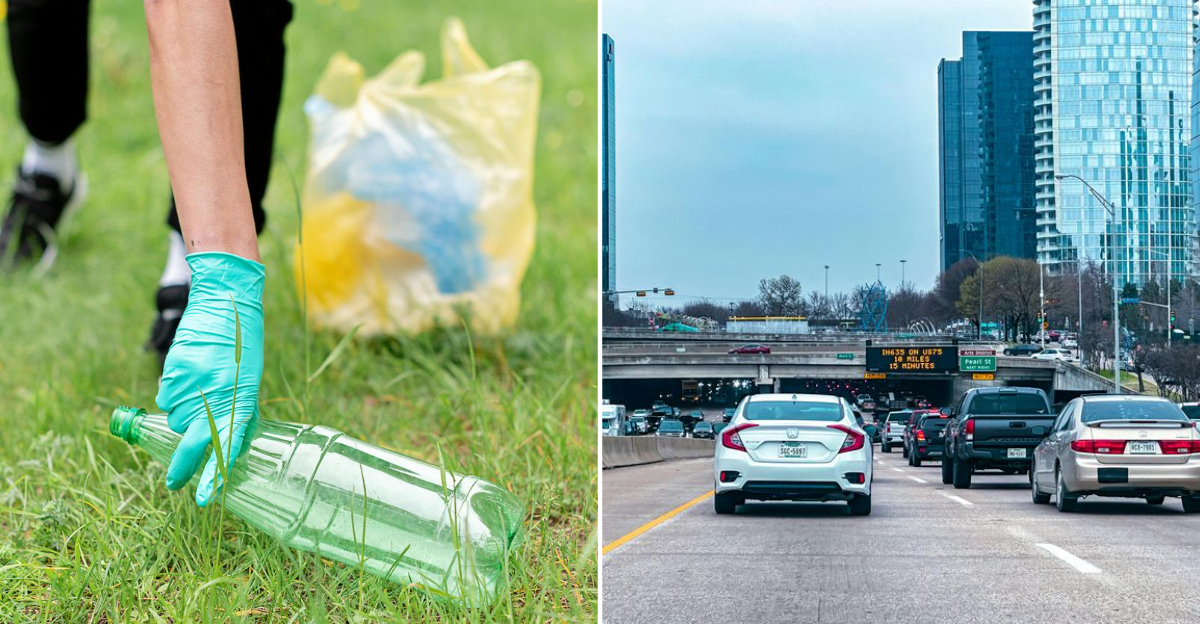
Have you ever visited a popular Texas spot and thought, “Wow, this place feels way more crowded than it should”?
That’s because tourist parties are showing up in bigger numbers than ever, and not everyone is happy about it.
What looks like fun on the surface, big groups celebrating, snapping photos, and filling up local hangouts, can quickly turn into a headache for the people who live and work there.
Locals say these gatherings often overwhelm small towns and natural areas, leaving behind noise, litter, and traffic jams.
Businesses sometimes struggle to keep up with the sudden demand, while residents feel their everyday routines get disrupted.
Even parks and outdoor spaces are seeing the impact, with more wear and tear than they can handle.
Of course, tourists bring energy and money, and Texas thrives on visitors. But when the parties get too big, the balance tips, and the charm of these spots starts to fade.
Curious how this plays out across the state? Make sure to keep on reading.
1. Overcrowding Pushes Quiet Spots Past Capacity
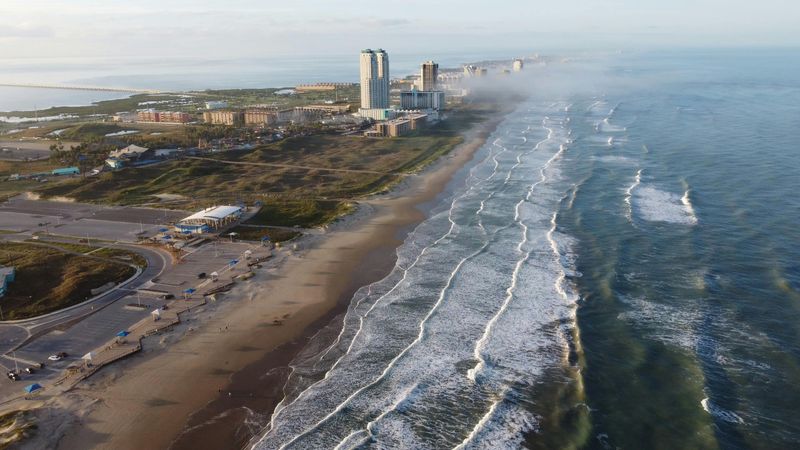
Here is the thing no one wants to admit. In Texas, party focused travel brings sudden population spikes to small beach towns, river access points, and entertainment districts.
You roll up thinking it is a casual weekend, and suddenly the lot is full, the sidewalk is shoulder to shoulder, and the mood changes fast.
Places like South Padre Island, Austin, and Hill Country towns were not built for massive short term surges. These aren’t mega stadium districts with endless shuttles and overflow lots.
They are lean systems that work great until the wave hits, then everything feels tight and reactive.
The result is strained roads, parking, and public services that locals feel immediately.
Trash pickup schedules fall behind, traffic officers shift overtime, and closures pop up when spaces hit capacity.
If you plan a visit, expect lines, arrive early, and remember someone’s daily life gets rerouted to handle that spike.
I felt it last time on the island causeway when a simple drive swallowed an entire afternoon. The beach was still pretty, but the stress stuck around.
A little planning helps, but crowd math always wins when the surge is that big.
2. Noise Complaints Surge During Peak Weekends

You know that moment when a chill night shifts into loud chatter and music echoing off houses? Large tourist gatherings often spill into residential neighborhoods.
Cities regularly report spikes in noise complaints tied to visitor heavy weekends, and the pattern is not subtle.
Repeated disturbances lead to enforcement actions and community frustration. Folks trying to sleep for work get jolted, and officers end up babysitting blocks that were quiet a year ago.
That tension lingers the next morning, even after everyone leaves.
I have stayed near downtown Austin and felt walls hum late into the night. I think it is about shared space and basic respect.
If you visit, keep voices low, mind the time, and treat those streets like your own.
Neighborhoods remember how weekends feel. When the sound meter climbs, patience drops.
Do your future self a favor and be the person others are glad to see again.
3. Traffic And Reckless Driving Increase Near Hotspots
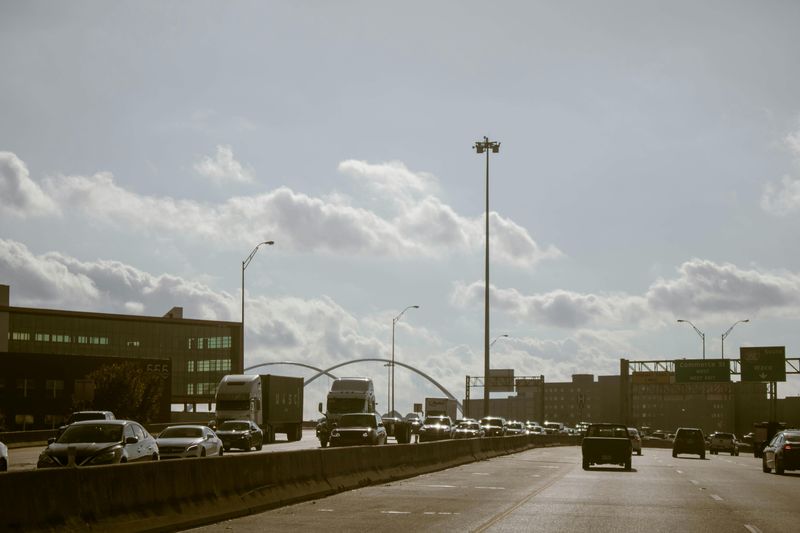
Ever notice how the driving gets jumpy near big party zones? Party travel concentrates vehicles into compact areas, which pushes tempers and quick lane changes.
Law enforcement reports higher rates of speeding, congestion, and unsafe driving near major tourist zones.
These conditions increase accident risks for both locals and visitors. It takes one impatient move to ripple through a crowded block.
When streets lock up, emergency access gets tougher, and small mistakes carry bigger consequences.
I try to park once and walk when I hit Austin or South Padre on busy weekends. It saves nerves and puts me in control of the pace.
A short stroll beats a long standoff with a stressed intersection.
If you must drive, slow down, signal early, and watch for people darting between cars. The goal is getting everyone home intact.
Texas trips feel better when the road stress stays low.
4. Litter Quickly Overwhelms Natural Areas
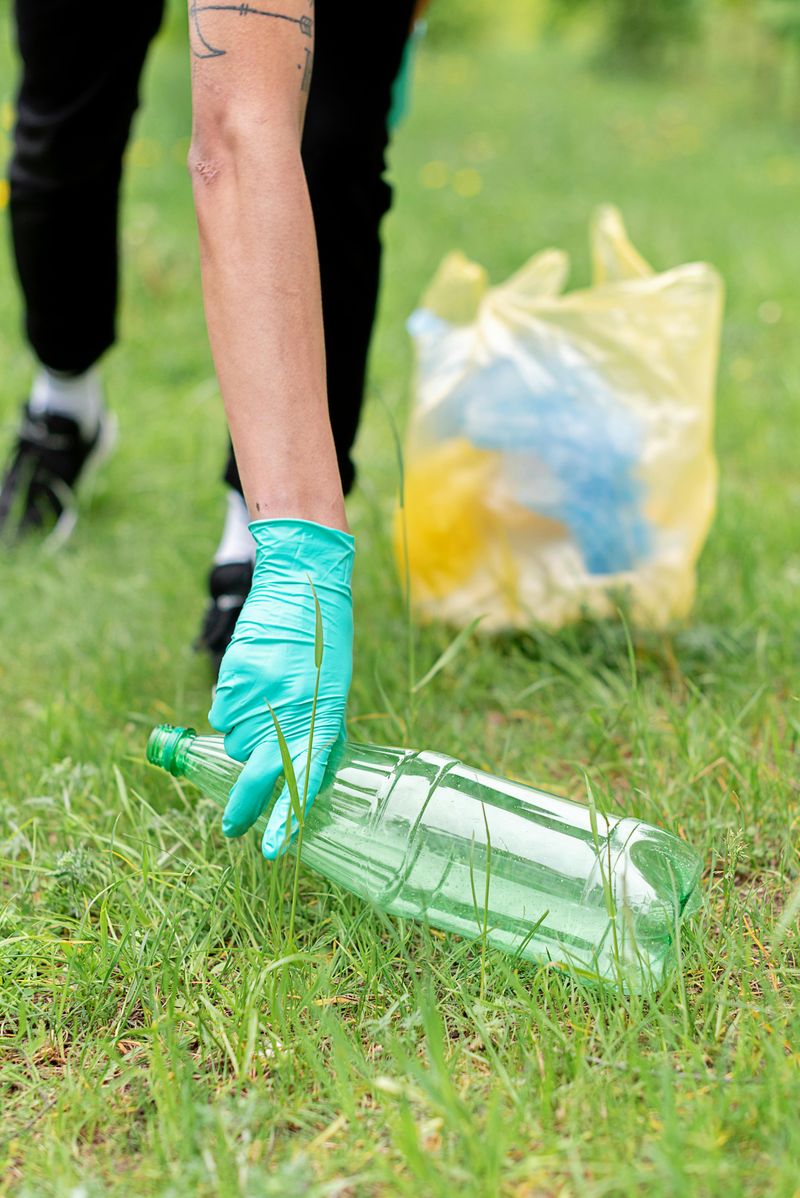
This one hurts to see up close. Busy weekends leave beaches, rivers, and parks covered in trash, and it happens fast.
Cleanup crews and volunteers are frequently needed after peak travel periods, and they deserve real thanks.
Wildlife habitats and water quality suffer as a result. A single tossed wrapper is small, but a thousand of them reshape a shoreline.
You feel it underfoot, and you smell it when the wind turns.
I pack a bag and gloves now, because it feels better to leave a place nicer than I found it.
Simple moves like packing out what you bring and helping for five quiet minutes change the whole scene. Texas nature rewards effort with clean water and calmer views.
On the Guadalupe and the coast, I have watched small teams turn chaos into order. It is satisfying to pitch in and then sit back with a clear horizon.
That is the trip memory worth keeping in my opinion.
5. Unauthorized Fires Create Serious Safety Risks
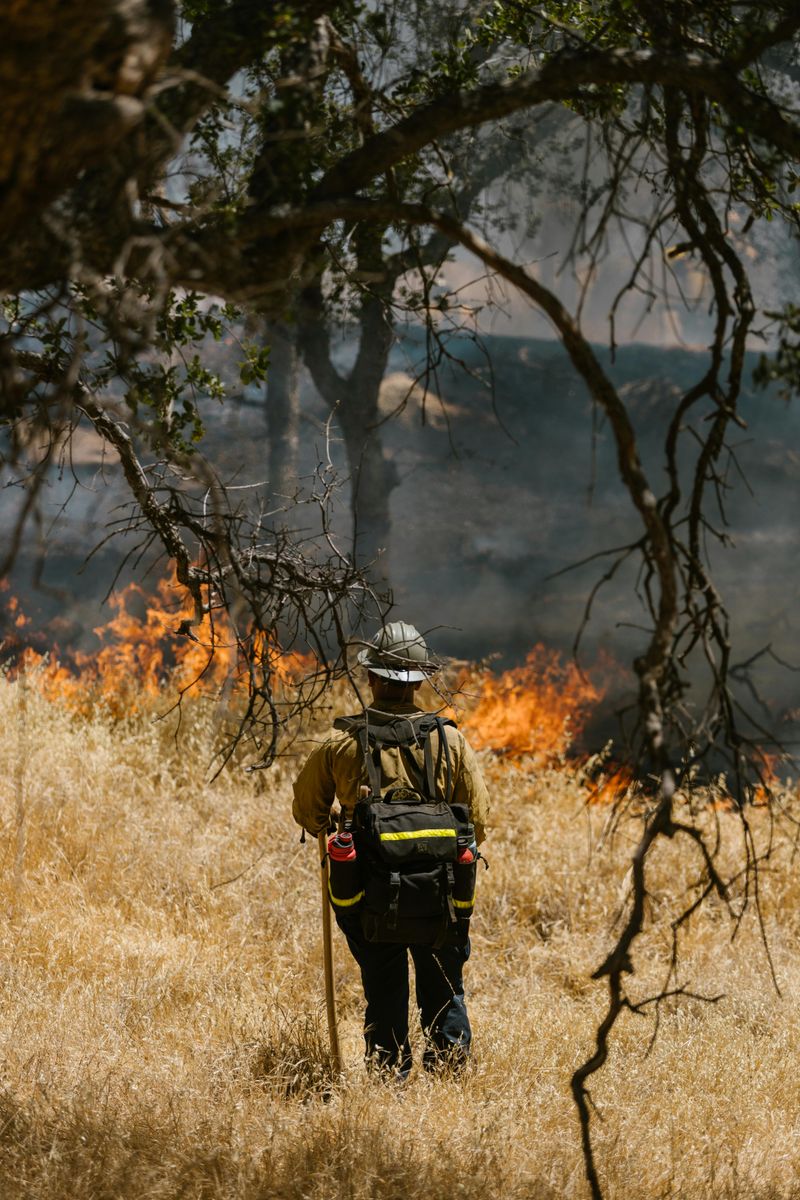
Fire looks cozy until it is not. Tourist groups sometimes light fires in prohibited areas or during burn bans, which turns a chill night into a risky one.
In dry regions of the state, even a small fire can spread rapidly.
Fire departments and park rangers treat these violations seriously due to wildfire risk. A spark in tall grass can outrun you before anyone finds water.
The margin for error is tiny when the wind picks up and the ground is thirsty.
When I camp or hang by the river, I check current rules and skip flames if there is any doubt. Lanterns and layers keep you warm without putting neighbors in danger.
It is about enjoying the place without making it carry your mistakes.
If you see someone starting a pit where it is not allowed, a friendly heads up goes a long way. Most folks are not trying to cause harm.
Clear signs and steady choices keep Texas landscapes safe.
6. Illegal Camping Triggers Closures And Fines
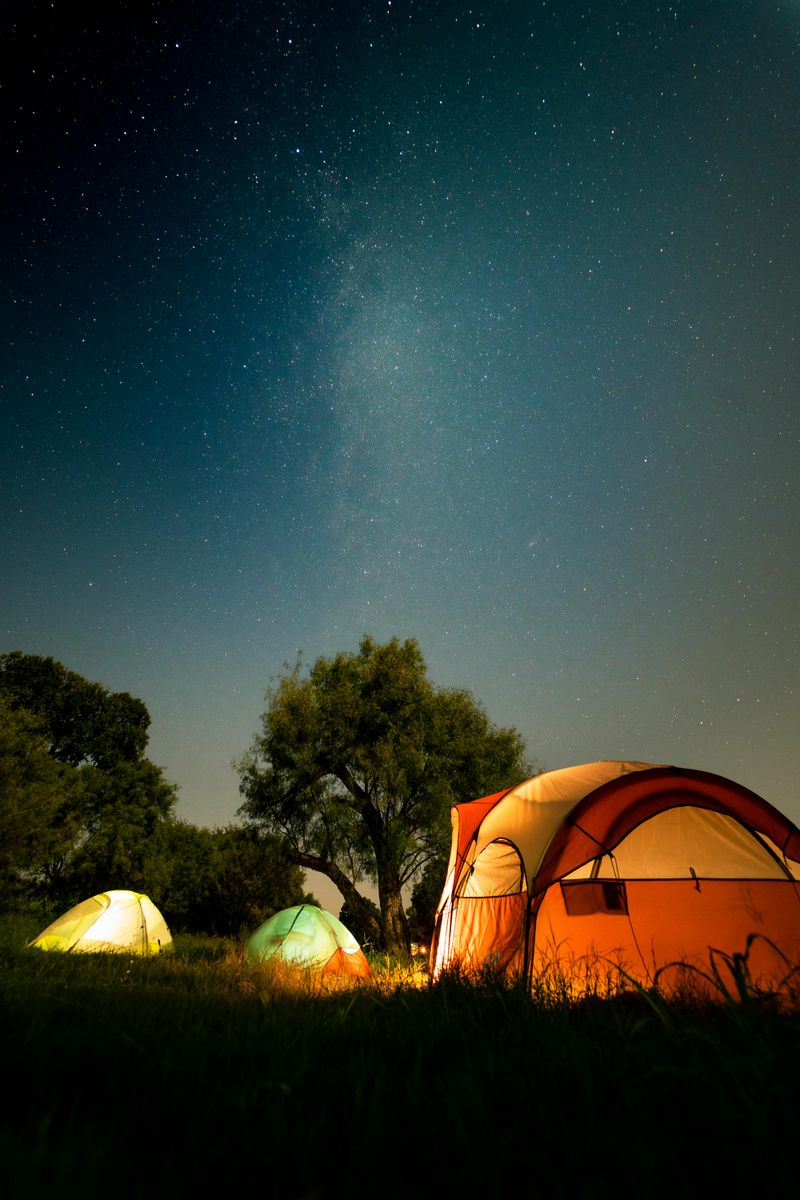
It looks harmless to tuck a tent by the water, but the ripple effects are real. Visitors often camp outside designated areas when official sites fill up.
This damages land, blocks emergency access, and forces temporary closures.
Park officials issue citations to prevent repeat violations. It is not about being strict for fun, it is about keeping trails open and safe for everyone.
When people spread out without a plan, fragile spots get trampled and signage gets ignored.
You can try to book ahead or pivot to a different park if sites are full. Sleeping where it is allowed avoids those late night conversations that no one enjoys.
Plus, designated pads tend to sit on sturdier ground that can handle traffic.
Texas has plenty of space, but not every patch is ready for a tent. If a ranger says move along, it is not personal.
It is how the place stays healthy for the next round of road trips.
7. Public Spaces Are Used Beyond Intended Limits
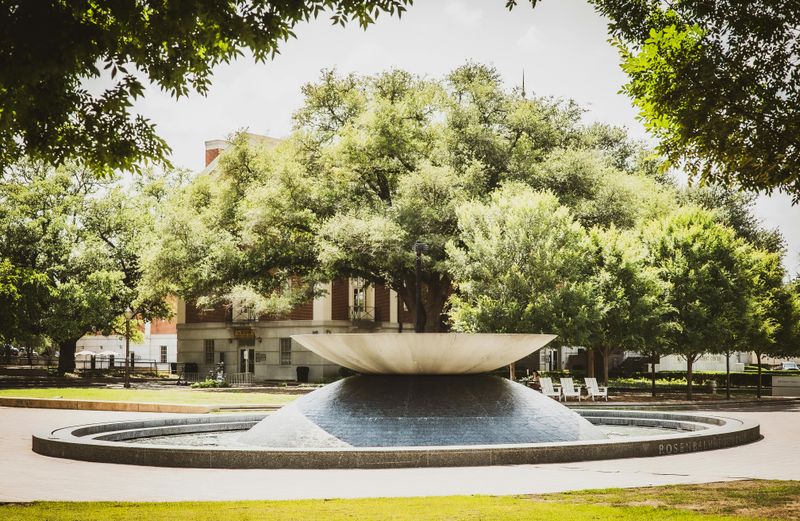
Some plazas and riverbanks just get swamped.
Large gatherings overwhelm parks, riverbanks, and downtown plazas, and the strain shows in broken turf and long lines.
Facilities designed for day use struggle with extended, high impact activity.
Restrooms, trails, and infrastructure wear out faster than planned. Maintenance crews play catch up and end up patching instead of improving.
That cycle leaves locals feeling like their daily spots are stuck in triage.
When I plan a stop in a busy district, I keep the visit short and light on gear. Less setup means less footprint, and it helps staff keep things moving.
Small choices add up when the crowd is already pushing capacity.
Cities here work hard to keep public areas inviting. You can meet them halfway by using spaces the way they were meant to be used.
That care shows up in cleaner paths and fewer closures.
8. Unpermitted Events Create Safety Concerns
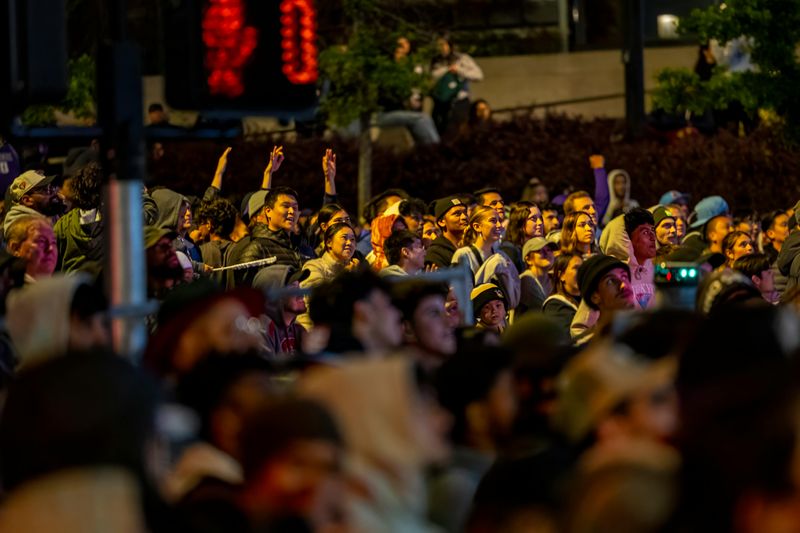
I have stumbled into pop up gatherings that felt fun at first, then uneasy.
Some tourist parties evolve into large events without permits, which means no plan for what happens if something goes sideways.
Without permits, there is no crowd control, emergency planning, or oversight.
Cities intervene when gatherings become unsafe or disruptive. That can mean shutting down access and clearing areas that were supposed to be open for simple use.
The short term buzz fades into a long evening of reroutes and frustration.
If you are organizing a meetup, check the rules and work with the city. A little structure keeps people safe and protects the place you wanted to celebrate.
It also keeps neighbors from feeling blindsided by a tidal swell of visitors.
Texas has room for good times, but good times need a plan. A permitted event with clear boundaries lets everyone relax.
That is how a casual day stays sweet instead of tense.
9. Emergency Services Face Heavier Call Volume

You can measure party weekends by the scanner chatter. Busy weekends increase calls for medical help, traffic incidents, and crowd control.
Emergency responders are stretched thinner during these periods and have to triage hard.
This can delay response times elsewhere in the community.
A routine call across town waits because resources sit tied up near the crowd. It is a tough balance and it wears on teams who already juggle a lot.
When I am out on those nights, I keep plans simple and friends close. Clear meeting points help if phones don’t work or streets close.
You are doing the crew a favor by not becoming the next call.
Texas hospitality includes looking out for each other. If something feels off, step back early and give space to the pros.
The smoother it runs, the faster help reaches the people who truly need it.
10. Social Media Fuels Unplanned Crowd Surges
One viral post can rewrite your afternoon plan. A quiet swimming hole or scenic overlook turns packed almost overnight, and the mood flips from peaceful to buzzing.
Local authorities have little warning before crowds arrive.
These sudden surges often lead to safety and access issues. Parking spills onto shoulders and trails clog in both directions.
Without time to set up control points, staff are stuck reacting on the fly.
When I see a trending spot, I save it for a calmer time and pick a backup nearby. The view is better when you can breathe and hear the wind.
It feels less like chasing a feed and more like actually being there.
The scenery in this state is generous, and there is always another overlook a few miles away. Choose the one that is not boiling over.
Your trip gets quieter, and the place gets a break.
11. Property Damage Rises After High-Traffic Weekends
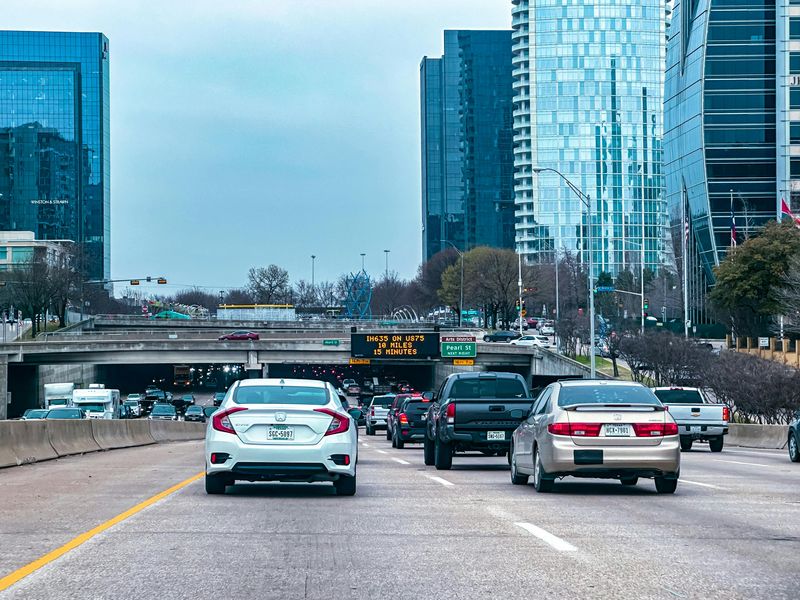
Walk a park after a heavy weekend and you notice the scars. Public amenities like restrooms, railings, and signage see higher damage rates when big crowds roll through.
Graffiti and vandalism complaints increase in party heavy zones and drain budgets fast.
Repair costs fall on local governments and taxpayers. That means fewer upgrades and more patch work for spaces everyone shares.
It is frustrating because a little care would prevent a lot of it.
I have watched crews repaint the same wall more times than I can count. They keep showing up, and that persistence deserves respect.
Keeping hands off surfaces and packing out stickers goes further than you think.
Texas pride shows in tidy parks and working fixtures. If we all treat gear like it belongs to us, the repairs slow down.
That leaves more room for actual improvements instead of endless fixes.
12. Communities Push Back To Protect Livability
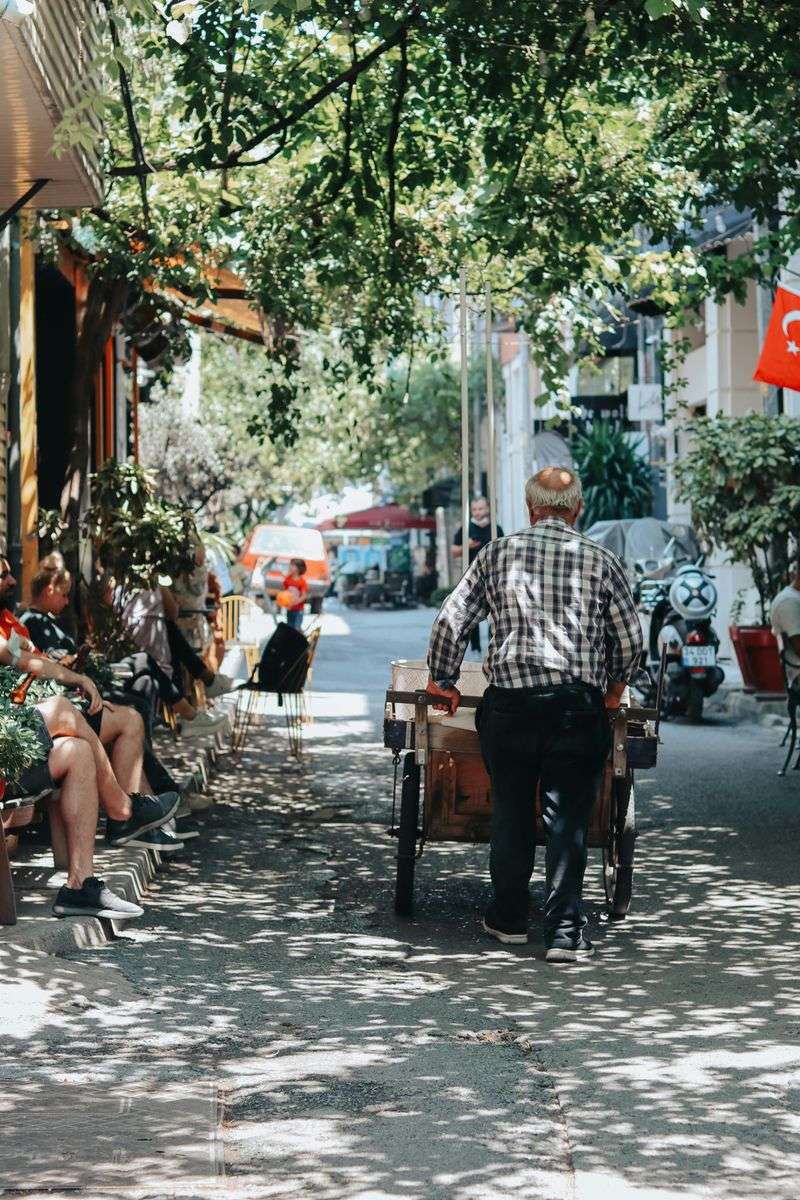
Here is where the story turns. Residents increasingly call for stricter rules during peak tourist seasons because daily life gets squeezed.
Cities respond with curfews, closures, or enforcement crackdowns to restore balance.
The goal is restoring balance between tourism and daily life, not shutting doors for good. Most folks want visitors, they just want sanity back on weekends.
Clear rules and consistent follow through help rebuild trust.
On recent drives through Hill Country, I heard the same message from shopkeepers and neighbors. Come visit, be kind, and keep things reasonable so everyone can enjoy it.
That tone makes it easier for travelers to adjust plans without feeling scolded.
Make sure to plan ahead, read the signs, and leave places calmer than you found them. That is how the road stays fun for both sides.
Dear Reader: This page may contain affiliate links which may earn a commission if you click through and make a purchase. Our independent journalism is not influenced by any advertiser or commercial initiative unless it is clearly marked as sponsored content. As travel products change, please be sure to reconfirm all details and stay up to date with current events to ensure a safe and successful trip.
