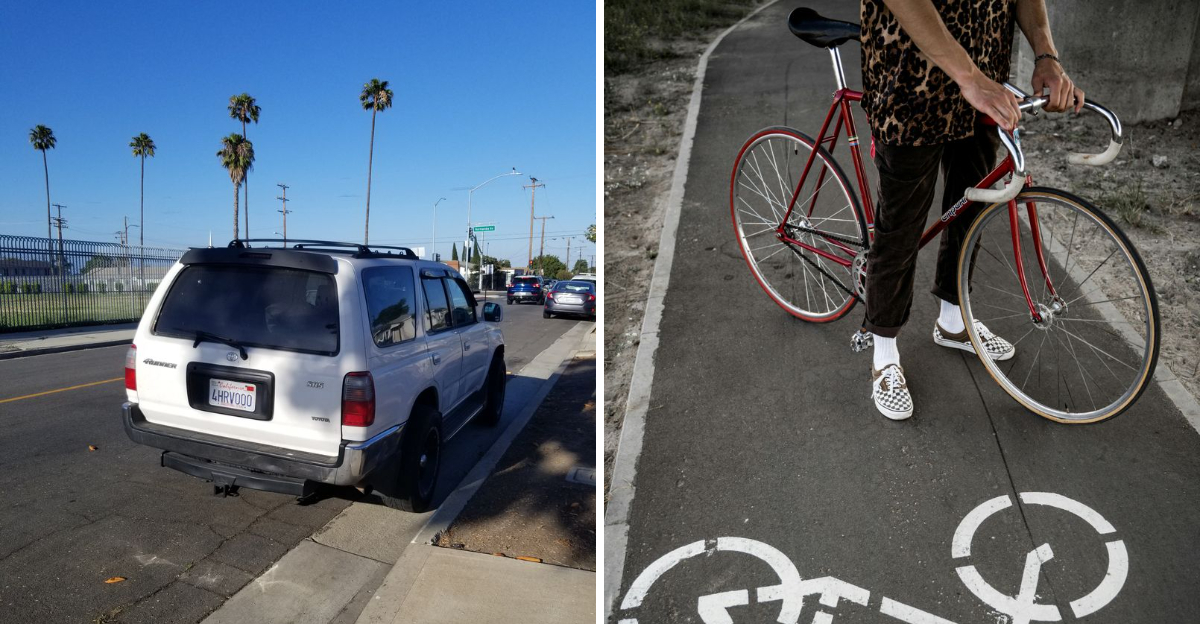
California may look like a carefree paradise, but tourists quickly learn the rules are anything but casual.
From sipping wine on the beach to feeding a squirrel, everyday actions can lead to surprising fines.
Locals know the quirks, but visitors often stumble into penalties without realizing they’ve crossed a line.
It’s part of the state’s effort to protect nature, safety, and community traditions, even if it feels over the top.
1. Jaywalking Where The Signals Say No

You might think crossing mid block is harmless, but California treats unlawful street crossing as a real safety issue.
Police can ticket you for stepping off the curb when the red hand is solid, even if the street looks empty.
The goal is to protect pedestrians and keep traffic moving predictably across cities with complex intersections and quick light cycles.
State law allows cities to enforce jaywalking rules, and officers will cite tourists who rush for photos or beat the timer.
Recent updates narrowed some enforcement, yet you can still be fined when a reasonable hazard exists.
That means if cars are near, or your move forces drivers to brake, a ticket can follow fast.
Signals matter in California, so wait for the walking person or a clear countdown that still allows enough time.
Marked mid block crosswalks and scramble intersections are common in downtown cores that attract visitors.
Even if locals dash across, you cannot assume the same risk without consequences.
Use corners, respect the paint on the pavement, and avoid wandering between parked cars.
The fine is not only the hit to your wallet, but also the time spent dealing with paperwork during a short trip.
Tourism districts love foot traffic, though safety citations tend to spike during major events.
If a street performer or a skyline shot tempts you to step out, pause and scan for a legal cross point.
California signage is generally clear, but construction zones and temporary reroutes can be confusing.
Ask a crossing guard or follow the crowd only when the signal invites you to move.
When in doubt, take the longer route to the corner and keep your day running smoothly.
2. Parking On Street Sweeping Days

Hidden in plain sight, street sweeping signs catch visitors by surprise.
California cities rotate weekly cleanings, and parking during the posted hours brings an automatic ticket.
Travelers often arrive at night, miss the fine print, and wake to a bright envelope under the wiper.
Look for metal signs that list the weekday and window when the sweeper passes.
Some neighborhoods also have tow warnings if you block the path on narrow streets.
Fines vary by city, and they can be steep enough to sting more than a casual coffee run.
Hotel desk staff can usually confirm the local schedule if you ask before bedtime.
Apps and city websites publish calendars, but temporary notices sometimes override the routine.
Construction detours and special events may expand no parking zones without much fanfare.
Skip the guesswork by choosing lots with posted allowances and predictable rules.
In coastal towns the sweeper clears sand and leaves that clog storm drains.
Inland areas focus on dust, pollen, and debris that reduce air and water quality.
California prioritizes runoff management, so blockages can trigger bigger environmental issues.
Do a slow roll along the curb and read each sign before you commit to a space.
If meters are covered or bagged, assume a temporary restriction applies.
Your rental agreement does not cover tickets, and the processing fees can add a second bite.
3. Feeding Wildlife In State And National Parks

Tossing a snack to a cute animal feels friendly, but it causes real harm and fines follow.
California parks enforce strict no feeding rules to protect both wildlife and visitors.
Animals that learn to beg can become aggressive and lose critical foraging skills.
Park rangers cite violations when food sharing or intentional luring is observed.
Even crumbs on the ground attract pests and endanger sensitive species.
Fines may escalate when protected animals are involved or when warnings are ignored.
Use bear safe bins and lock containers in areas with posted guidance.
National parks and state parks across California share aligned policies and clear signage.
From redwood groves to desert canyons, the rules are consistent for a reason.
Human food leads to diet imbalance and dangerous encounters near campsites.
Keep distance, use long lenses for photos, and pack out every scrap.
Rangers patrol popular pullouts at dawn and dusk when wildlife appears.
Educational talks explain the science behind behavior changes in habituated animals.
If a child drops snacks, pick them up quickly and seal them away.
Use designated picnic tables and keep food within arm’s reach while eating.
You will leave a lighter footprint and avoid a citation that ruins the mood.
4. Sitting On Coastal Bluffs Beyond Rope Lines

Those rope lines near cliff edges are not decoration, and crossing them can mean a fine.
Coastal bluffs in California erode quickly after storms and king tides.
Authorities rope off unstable zones to prevent collapses and rescue operations.
Tourists often sneak past for a better view or a photo, which triggers enforcement.
Citations may be issued by park officers or local lifeguards with jurisdiction.
Rescues endanger responders and cost significant resources that budgets cannot spare.
Stay behind ropes, read the posted maps, and use designated overlooks.
Seasonal shifts can move the safe boundary farther inland after heavy rain.
Cracks and undercut shelves might be hidden by vegetation or sand.
Strong winds near headlands can destabilize footing without warning.
Choose marked viewpoints that sit on engineered foundations or bedrock.
Tripods and long exposures are fine when placed on the correct side of the line.
Families should keep kids within arm reach and away from crumbly edges.
Drone operators also face restrictions at many popular coastal sites.
Check local notices to avoid both safety fines and airspace violations.
The view still feels wild when you follow the simple boundaries.
5. Blocking Bike Lanes While Loading Or Ridesharing

Green paint on the pavement is not a suggestion, and blocking bike lanes draws tickets.
California invests in protected corridors to separate people on bikes from moving traffic.
Stopping for a quick photo or rideshare pickup inside the lane is an enforceable violation.
Officers and parking control staff monitor areas near venues and hotels where this happens often.
Loading zones are usually one block away, even if they seem inconvenient in the moment.
Using hazard lights does not legalize the stop or change local rules.
Expect higher enforcement during commute peaks and around stadium events.
Tourists can avoid fines by planning pickup points on cross streets.
Map apps show colored lines and icons that flag protected segments.
Some corridors include flexible posts and curbs that make illegal stops obvious.
California cities publish bike network maps with legal loading alternatives.
Hotel valets often have designated rideshare stalls you can request.
Ask the driver to circle once or meet on the far side of the block.
Cyclists rely on clear lanes to avoid sudden merges into fast traffic.
Your patience improves safety and keeps your budget focused on fun.
Respect the paint and the posted signs, and your day will roll smoothly.
6. Leaving Food Outside In Bear Country
In mountain regions, leaving food or scented items out can trigger a citation.
California agencies require bear safe storage at many campgrounds and trailheads.
Coolers on picnic tables signal an easy meal and create dangerous patterns.
Rangers check sites in the evening and early morning when issues spike.
Even toiletries and trash belong in lockers or sealed vehicles where allowed.
Some parks mandate that vehicles remain closed and free of visible food.
Violations increase when visitors arrive late and skip the orientation board.
Read the rules at the kiosk and place everything inside the metal box.
Unlocked lids or dangling bags are treated as noncompliance in posted areas.
California protects both black bears and people by enforcing consistent standards.
Ticket revenue is not the aim, and education usually comes first for minor mistakes.
Repeat offenses and food conditioned bear activity draw stronger penalties.
Use unscented products, double bag items, and avoid cooking near sleeping areas.
Dispose of grey water in designated sumps or bathrooms as signs direct.
If a bear approaches, back away slowly and alert a ranger if safe.
Secure storage keeps wildlife wild and preserves peaceful nights for everyone.
7. Littering On Beaches And Trails
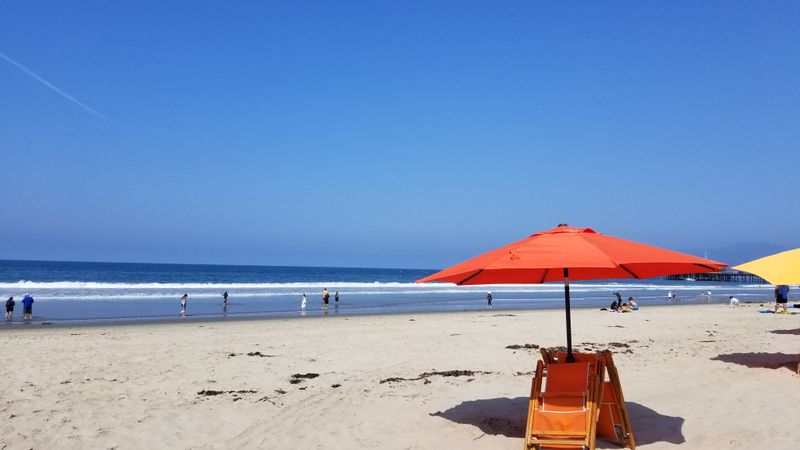
Dropping a wrapper or leaving a chair behind can earn a citation on California shores.
Beach cities and park districts enforce strict litter laws to protect waterways.
Wind and tides carry debris far beyond the spot where it fell.
Trailheads display fines and provide bins for both trash and recycling.
Officers and stewards patrol during busy weekends and holiday evenings.
They appreciate volunteers, but they also ticket when rules are ignored.
Pack it in and pack it out is the standard outdoor ethic here.
Stash a small bag in your daypack and gather micro trash on the way back.
Cigarette waste, glass, and broken plastics bring extra scrutiny near playgrounds.
California emphasizes storm drain education to keep oceans and rivers healthy.
Many beaches host cleanups where tourists are welcome to join for an hour.
City websites and visitor centers list events that fit morning plans.
If bins are overflowing, carry your waste to the next access point.
Do not rely on gulls or the tide to remove your footprint from the sand.
A small pause today saves a costly fine and keeps the coastline beautiful.
Your photos will look better when the shoreline stays pristine for everyone.
8. Using Drones In Restricted Airspace

Drone footage looks epic, but many California sites prohibit takeoff and landing.
Parks, beaches, and city facilities often sit under restricted airspace or wildlife zones.
Pilots can be cited for launching from within boundaries even if flying over public land.
Local ordinances add layers to federal rules that casual users overlook.
Airport proximity and heliports create invisible circles of enforcement.
Nesting seasons for seabirds and raptors bring temporary closures near cliffs.
Rangers and city officers check popular viewpoints where buzzing disturbs visitors.
Fines increase when drones interfere with rescue operations or privacy.
Use official maps and apps that display notices and controlled zones.
California coastal cities post signs at overlooks and bluff top parks.
Commercial operations require permits that hobbyists rarely obtain on vacation.
Launch from legal areas only, and keep visual line of sight every moment.
Avoid crowds, respect altitude limits, and steer clear of marine mammals.
If a ranger asks you to land, comply immediately and show registration.
The views remain stunning without risking wildlife or a hefty penalty.
Plan ground based shots and keep the trip stress free and legal.
9. Taking Sand Or Rocks As Souvenirs
It feels harmless to pocket a shell or a handful of sand, but removal can be illegal.
California safeguards public beaches and parks by restricting the collection of natural materials.
Erosion control and habitat protection rely on leaving the shore as you found it.
Rangers and lifeguards cite visitors when they observe intentional gathering.
Commercial scale collecting triggers heavier penalties and potential confiscation.
Even small scoops add up when millions of people visit the same coastline.
Buy souvenirs from local shops and keep the ecosystem intact for the next walk.
Interpretive signs explain how dunes and cobbles buffer winter waves.
The science supports a simple choice that also avoids a fine.
Headlands and tide pools are especially sensitive to removal and disturbance.
California regulations are posted at many entrances and access points.
If you are unsure, ask a ranger or check the park website before collecting.
Leave stones, driftwood, and shells in place for photos only.
Kids enjoy treasure hunts that end with a picture rather than a pocket.
You will still bring home a memory without the risk of enforcement.
Respecting limits keeps beaches healthy and trips worry free.
10. Stopping In Red Or Yellow Curb Zones

Painted curbs tell a story, and ignoring the color leads to tickets in minutes.
California uses red for no stopping and yellow for commercial loading during posted times.
Tourists often misread the small print and leave a car for a quick errand.
Parking control agents watch busy blocks where turnover matters most.
If a sign says passenger loading only, you must stay with the vehicle.
Red curb segments near corners protect sight lines and emergency access.
Even a brief pause for photos can count as a violation when engines are running.
Check for white curb zones that allow short passenger pickups with limits.
Meters may allow payment by app, though restrictions can override them.
Read both the pole sign and the curb text to understand the rules.
California cities use consistent colors, but time windows differ by block.
Look for tow away notices that activate during rush hours or events.
Keep your blinkers off and pull into legal spaces before stepping away.
Valet stands and garages reduce guesswork when schedules are tight.
A few extra minutes of planning can save your budget from surprise fines.
Your itinerary will run smoother when curb colors guide your choices.
11. Snoozing In Your Car Overnight Where Prohibited
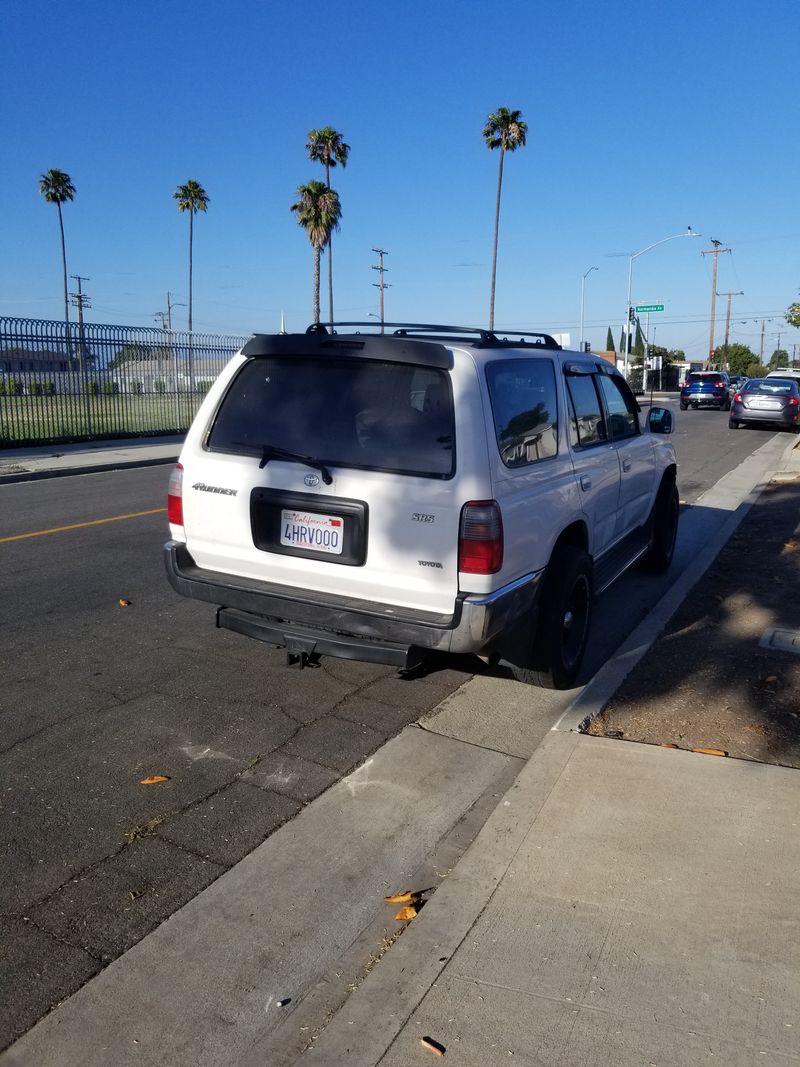
A quick nap after sunset can turn into a citation when lots ban overnight stays.
California destinations protect neighborhoods by limiting car camping on public streets.
Signs often restrict sleeping in vehicles within posted hours near beaches and parks.
Enforcement increases in coastal towns and scenic turnouts popular with van travelers.
Some cities provide designated safe parking programs with permits and rules.
Tourists should choose campgrounds or lodgings rather than risk a late knock.
Rest areas along highways have time limits that preclude overnight setups.
Window covers, cooking, or gear laid outside can escalate a simple warning.
If fatigue hits, seek a hotel or an approved site before it gets late.
California prioritizes safety while balancing the needs of residents and visitors.
Websites and visitor centers list legal options for overnight parking with fees.
State park campgrounds post availability and close gates at set hours.
Truck stops and private lots may require manager permission in writing.
Always read the lot entrance sign and confirm restrictions before settling in.
The sunrise will feel better when you wake without a ticket or stress.
Plan ahead, rest well, and keep your trip comfortable and compliant.
Dear Reader: This page may contain affiliate links which may earn a commission if you click through and make a purchase. Our independent journalism is not influenced by any advertiser or commercial initiative unless it is clearly marked as sponsored content. As travel products change, please be sure to reconfirm all details and stay up to date with current events to ensure a safe and successful trip.
