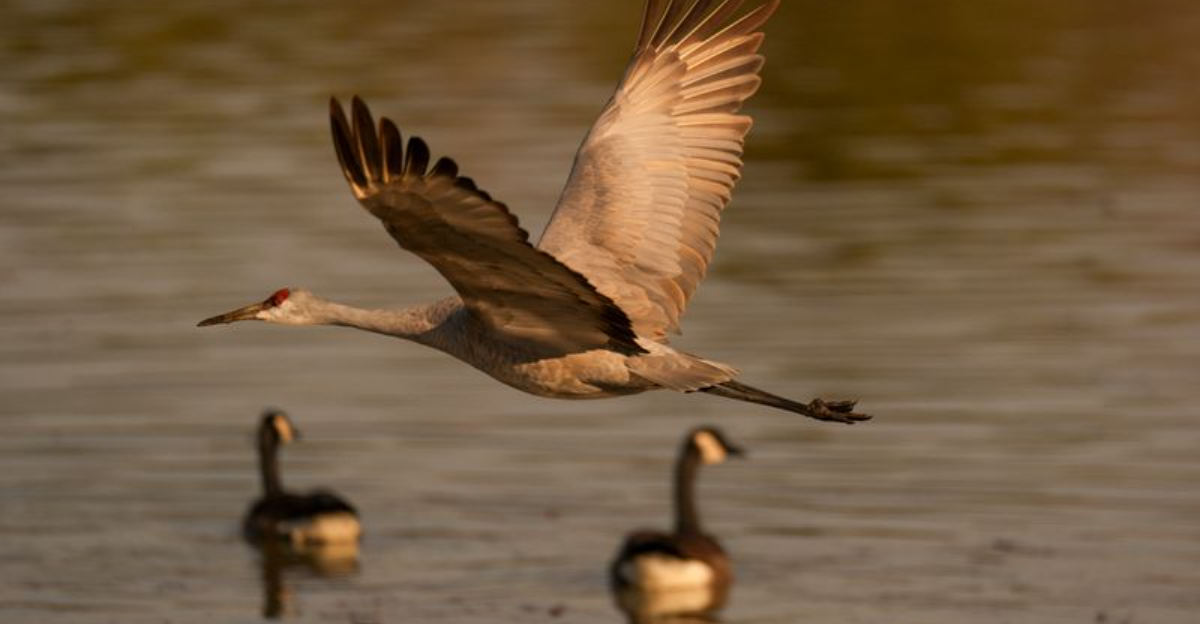
It’s a sunny Connecticut afternoon: a picnic blanket unfurls, kids giggle, ducks waddle closer – and then a ranger appears with a clipboard. Surprise turns to confusion. How could a fistful of bread in a postcard-pretty park lead to a fine? Here’s the twist: feeding ducks feels wholesome, but in Connecticut it’s a ticketable offense with very real ecological and community reasons behind it.
Human Food Hurts Ducks
Bread feels like love, but for ducks it’s empty calories that crowd out real nutrition. Routine handouts can lead to malnutrition, liver stress, and a wing deformity called angel wing, which twists growing feathers and can ground a duck for life. That picture-perfect nibble moment can quietly sabotage a bird’s long-term health and flight.
Crackers and popcorn aren’t better; they’re the avian equivalent of carnival snacks. Park staff see the consequences – birds dependent on handouts and struggling through winters they’d otherwise handle. Fines exist partly to interrupt this cycle, nudging visitors toward better habits.
If you care about the ducks (and we know you do), the kind choice is letting them forage naturally. Your photos still sparkle, minus the crumbs – and the birds stay sleek, strong, and migratory, as they’re meant to be.
It’s (Actually) Against the Rules
Connecticut’s parks may look like invitations to feed the locals, but many towns – Rocky Hill, Plainville, East Granby – explicitly ban it. The signs are there, modest and earnest, often tucked next to trail maps or rules about fishing, and easy to miss if you’re juggling snacks and sunscreen.
Yet the ordinances have teeth: fines typically land between $50 and $250, depending on where you are and whether it’s a repeat offense. Rangers and local police aren’t looking to spoil anyone’s memory; they’re enforcing rules crafted from wildlife data and public health concerns. Travelers assume these notices are gentle suggestions, like “stay on trail,” but in Connecticut they’re binding law.
The surprise sting of a citation makes more sense when you realize towns are trying to protect birds, water quality, and other visitors. Read the board by the kiosk – and keep the bread for your picnic.
Too Many Ducks, Too Little Space
Artificial feeding turns small ponds into buffet lines, drawing more birds than the habitat can handle. Overcrowding ramps up stress, fights, and close contact – perfect conditions for disease outbreaks like avian cholera and botulism. One generous family’s loaf becomes a signal across the waterway network, concentrating flocks and tipping a delicate balance.
The shoreline vegetation takes a beating, nesting sites get trampled, and the whole system frays. Locals remember when ponds felt quieter and cleaner; enforcement tightened as the crowds grew and sick birds appeared. The fine isn’t about scolding tourists – it’s a brake lever for a runaway feedback loop.
Skip the handouts and you help keep populations spread out and resilient, with healthier birds and calmer waters. That’s the serene New England scene you came for.
It Pollutes the Water (and the Park)
What goes into ducks must come out – and when flocks balloon from handouts, droppings pile up fast. Nutrient-rich waste fuels algae blooms that turn clear ponds murky, sometimes releasing odors that compete with your picnic. Extra nutrients can also stress fish and invertebrates, unraveling the food web beneath the surface.
On shore, benches get messy, paths slick, and strollers splattered. Municipal crews end up scrubbing what used to be an easy Saturday stroll. That’s why fines show up alongside signage and education: they’re part of a toolkit to keep parks pleasant for everyone.
Connecticut’s postcard charm depends on good water quality; simple restraint helps keep it that way. Take your pictures, breathe the piney air – and let the pond stay clean enough to mirror the sky.
It Changes Natural Behavior
Once ducks learn that humans equal snacks, their wild instincts take a back seat. They hang near picnic tables instead of foraging, skip seasonal movements, and sometimes grow bold – nudging knees, stealing chips, or hissing at toddlers. Connecticut towns noticed the pattern: more crowding, more nips, more calls to animal control.
Enforcement rose not to shame visitors, but to keep wildlife wild and encounters gentle. When birds rely on tourists, they’re more vulnerable to lean seasons and less equipped to handle weather shifts. And yes, aggressive ducks dampen the park magic fast.
The fix is simple: admiration over feeding. Watch them dabble for minnows and seeds as nature intended – it’s a richer story, and it keeps both beaks and fingers out of trouble.
Signs: Easy to Miss, Hard to Ignore
Travel days are full – navigation, snacks, sunscreen, bathrooms – so tiny rule signs can fade into background blur. In Connecticut, the “No Feeding Waterfowl” notice might share space with fishing limits and pond depth info, turning into fine print for hurried eyes.
But legally, posted is posted, and officers will point to the sign you breezed past. Towns learned subtlety beats clutter, yet subtle signs still count. If you pause at the kiosk for two breaths, you’ll often spot the rule and avoid a ticket. Think of it as part of local etiquette, like yielding on narrow bridges or packing out trash.
The bonus: those two breaths give you time to tune in to birdsong and the slow sparkle of the pond. Miss the sign, meet the fine; see the sign, keep the vibe.
Local Ordinances, Real Consequences
Behind every gentle sign is an ordinance with numbers, sections, and a penalty schedule. Rocky Hill lists fines at $50 per offense; other towns scale higher for repeat violations. This isn’t performative policy – councils crafted it after fielding complaints about mess, unsafe water, and pushy birds.
Rangers prefer warnings when they can, but patterns matter. If a park keeps seeing bread showers, citations follow to reset expectations. Tourists often learn this the awkward way, receipt in hand beside a patient ranger. You don’t need to read the entire code before a walk, but assume feeding bans have bite.
Treat waterfowl like the wildlife they are, and you’ll stay in the clear – no paperwork, no lecture, just tranquil ripples and time well spent.
Disease Risks You Can’t See
Overcrowded, hand-fed flocks share more than crumbs – they share pathogens. Close quarters and carbohydrate-heavy diets stress immune systems, making outbreaks like avian botulism more likely. Sick birds don’t read park maps; they wander where kids play, dogs sniff, and shoes track.
While most risks target birds, degraded water and surfaces can ripple into community health concerns. Connecticut tightened enforcement after episodes of die-offs and messy shorelines that required cleanups. Think of a fine as a nudge away from an invisible chain reaction.
Keeping ducks on wild diets and natural spacing is a strong public health move disguised as simple restraint. Leave feeding to ecosystems, and let your contribution be a clean bench, a quiet path, and a photo of a healthy, wary mallard.
Better Ways to Enjoy the Ducks
If you love ducks – and who doesn’t – swap crumbs for curiosity. Bring binoculars to watch dabbling techniques, or a camera to catch the emerald flash on a drake’s head. Some Connecticut parks now feature duck-safe feeders or educational signs; check town websites or kiosks before you visit.
A quiet sit spot teaches more than a bread crust ever could. Kids can count species, sketch beaks, or spot tail flicks and feeding dives. You’ll leave knowing you protected the scene you came to admire, and you’ll dodge fines while you’re at it. Keep the baguette for your brie and blueberries.
The pond will sparkle cleaner, and the ducks will thank you by staying wild.
A Traveler’s Gentle Rule of Thumb
When in doubt, follow the local current: admire, don’t alter. Connecticut’s prettiest parks rely on small, collective choices – like letting wildlife find their own meals. If a rule seems fussy, there’s usually a story behind it: sick birds, murky water, or a toddler chased by a brash mallard.
Your best souvenir is a sense of place kept intact. Read the board, pocket the bread, and choose a bench over a handout. You’ll save a few dollars, spare a ranger an awkward talk, and leave the pond just as you found it – calm, clear, and alive.
Next time you visit, the ducks will still be there, wary in the best way. That’s the New England memory worth keeping.
Dear Reader: This page may contain affiliate links which may earn a commission if you click through and make a purchase. Our independent journalism is not influenced by any advertiser or commercial initiative unless it is clearly marked as sponsored content. As travel products change, please be sure to reconfirm all details and stay up to date with current events to ensure a safe and successful trip.
