Illinois’ closed amusement piers, once bustling with joy, now stand as haunting relics of a bygone era. These structures, scattered along Lake Michigan and various inland lakes, captivate the adventurous spirit of many travelers. However, this allure often leads to fines and legal troubles.
Understanding the history, reasons for closure, and consequences of trespassing can help visitors make informed decisions while respecting local laws. This article delves into the curious fascination with these decaying landmarks and the importance of preserving them.
The Allure of Illinois’ Forgotten Piers
Glimpsing an old pier silhouetted against the sunset over Lake Michigan can evoke a sense of wonder and nostalgia. These forgotten structures, with their rusting railings and weathered wood, seem to whisper stories of past summer joys.
For many tourists, the eerie beauty of these decaying piers is almost magnetic, drawing them into a world frozen in time. The quiet, desolate surroundings offer an unexpected escape from the modern hustle.
Yet, this allure is not without risk. The temptation to explore these haunting sites often overrides caution, leading many to ignore warning signs and barriers. The charm of experiencing a slice of history firsthand is a powerful motivator, but it comes with consequences if safety guidelines are not respected.
A Brief History of Illinois’ Amusement Waterfronts
The golden age of amusement piers in Illinois is a cherished chapter in the state’s history. These waterfronts once bustled with life, offering rides, games, and entertainment to countless visitors each summer.
However, as maintenance costs soared and safety standards evolved, many of these piers fell into disrepair. The once-vibrant attractions became liabilities, leading to their eventual closure.
Today, they stand as poignant reminders of a time when simple pleasures defined summer fun. Though their heyday has passed, the memory of these lively piers continues to captivate the imagination of both locals and tourists alike.
Why They’re Off-Limits Today
Beneath the surface attraction, closed piers often harbor serious dangers. Structural instability is a primary concern, with decaying materials posing risks of collapse and injury.
Ownership issues further complicate access, as many piers are privately held, and liability concerns prompt stringent restrictions. Legal responsibilities prevent owners from allowing public entry, leaving these landmarks off-limits.
While these measures may seem harsh, they protect both the public and these historic structures from further degradation. Trespassers not only risk personal safety but also contribute to the ongoing decay of these once-glorious sites.
The Tourist Temptation to Explore Anyway
In today’s digital world, the urge to explore restricted sites is fueled by social media and urban exploration trends. Photographers and thrill-seekers share captivating images of these sites, often glamorizing the experience.
Such posts can make trespassing seem adventurous and picturesque, enticing others to follow suit. The promise of capturing a unique shot or uncovering a hidden gem can be hard to resist.
Yet, this trend overlooks the legal and safety implications, as well as the potential damage to these fragile structures. While the allure of social media fame is strong, the risks involved are often underestimated.
What Happens When Tourists Cross the Line
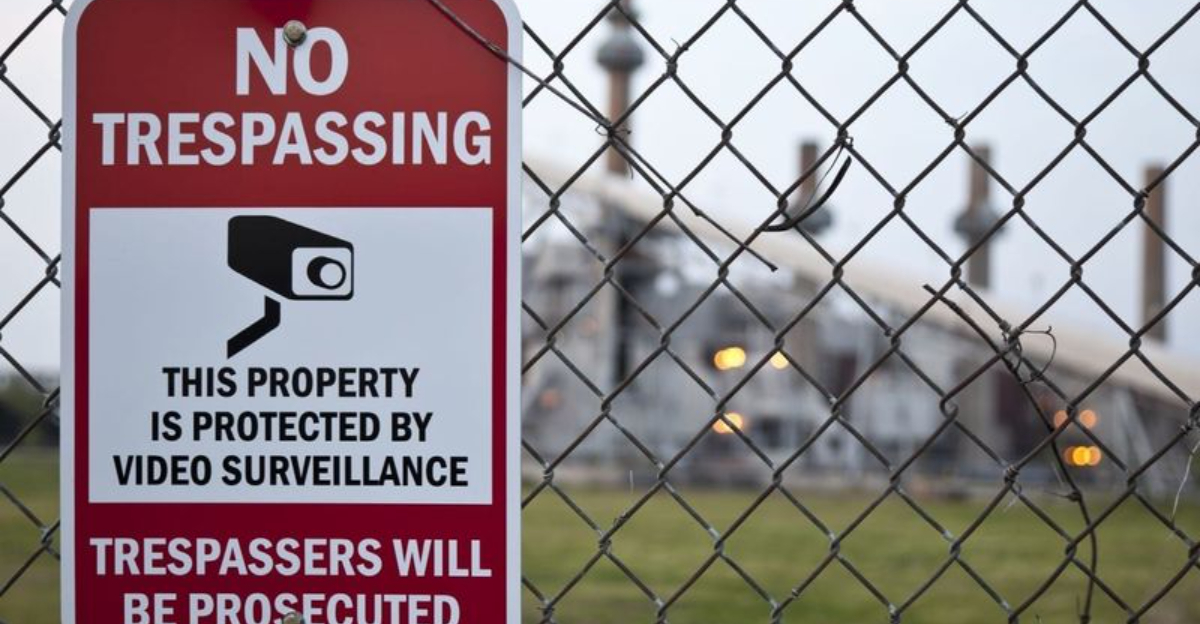
Crossing into closed areas can result in significant legal repercussions. Trespassers may face fines, citations, or even arrest, depending on the severity of the violation.
Local authorities are vigilant in patrolling these sites to prevent accidents and preserve property integrity. Ignoring posted signs can lead to legal trouble that outweighs the thrill of exploration.
Understanding and respecting boundaries is crucial. Tourism should enhance appreciation for local heritage, not lead to legal battles or financial penalties. A moment of curiosity can quickly become a costly mistake if caution is disregarded.
The Safety Risks Few Visitors Consider
The decaying infrastructure of closed piers hides numerous hazards. Rotted wood, rusty nails, and unstable supports create dangerous conditions for unsuspecting visitors.
Beneath the surface, strong currents and hidden debris pose additional threats. Many overlook these perils in pursuit of an adventure, underestimating the risks involved.
Ignoring these dangers can lead to serious injury or worse. Safety must be prioritized over curiosity, ensuring that what remains of these historic sites is viewed from a safe distance rather than explored recklessly.
How Local Communities Work to Preserve What’s Left
Many local communities are actively working to preserve what remains of their historic piers. Efforts to stabilize and restore these structures aim to protect their cultural significance for future generations.
In some cases, piers are repurposed into safe public spaces, offering new life and enjoyment for visitors. Collaborative efforts between local governments and volunteers are key to these preservation projects.
These initiatives not only safeguard the physical remnants but also keep the stories and spirit of these piers alive. By following guidelines and supporting preservation, visitors can contribute positively to these efforts.
Why Respecting Barriers Protects More Than Just Visitors
Respecting boundaries is essential for both visitor safety and the preservation of Illinois’ historic piers. Barriers and signs are in place to protect against accidents and damage to these fragile structures.
By honoring these restrictions, tourists help preserve the integrity and history of the piers, allowing them to remain part of the landscape for future generations to appreciate.
Beyond personal safety, respecting these sites contributes to broader conservation efforts. It ensures that the stories and memories encapsulated within these piers are not lost to time or decay.
Dear Reader: This page may contain affiliate links which may earn a commission if you click through and make a purchase. Our independent journalism is not influenced by any advertiser or commercial initiative unless it is clearly marked as sponsored content. As travel products change, please be sure to reconfirm all details and stay up to date with current events to ensure a safe and successful trip.
