Kentucky welcomes millions of visitors each year to explore its stunning caves, rolling hills, and famous bourbon distilleries.
Unfortunately, many tourists accidentally find themselves on the wrong side of the law during their adventures.
Understanding these common mistakes can help you enjoy the Bluegrass State without facing fines, criminal charges, or embarrassing encounters with park rangers and police officers.
1. Stealing Cave Formations
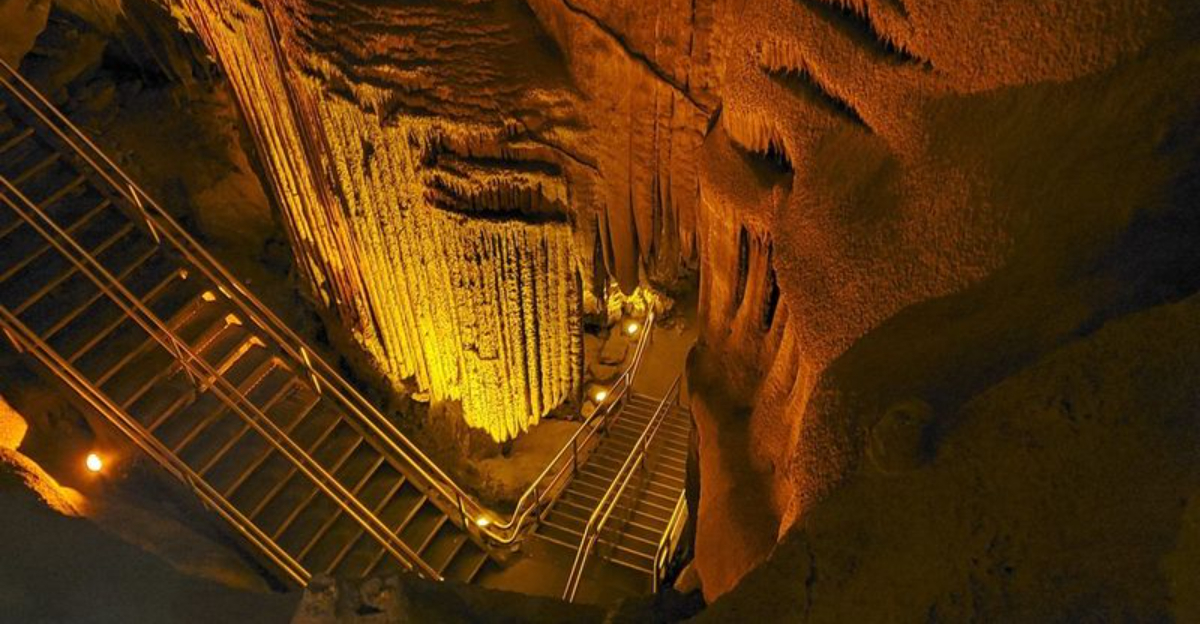
Breaking off stalactites or flowstones might seem like grabbing a harmless souvenir, but these ancient formations take thousands of years to develop. Visitors at Mammoth Cave and other Kentucky caverns face serious federal charges when caught damaging speleothems.
The temptation to pocket a glittering crystal proves strong for many tourists. However, these formations belong to protected government property, making their removal both theft and vandalism.
Fines can reach thousands of dollars, and repeat offenders may face jail time. Cave ecosystems depend on these delicate structures remaining intact for future generations to appreciate and study.
2. Removing Geological Specimens
That beautiful geode or unusual fossil looks perfect for your collection back home. What tourists often miss is that removing these specimens from state or national land counts as theft of scientific resources.
Sites like Big Bone Lick State Historic Site attract fossil hunters hoping to find prehistoric treasures. Rangers regularly catch visitors stuffing pockets with rocks, bones, and geological samples they believe are abandoned or unwanted.
Scientific research depends on these materials remaining in their natural context. State law protects geological features to preserve Kentucky’s natural heritage, and violators face substantial penalties including confiscation and fines.
3. Disturbing Archaeological Artifacts
Finding an arrowhead while hiking feels like discovering hidden treasure. The excitement of holding a piece of history makes many tourists slip the artifact into their backpack without thinking twice.
Kentucky’s Antiquities Act makes removing archaeological items from public land a felony offense. Pottery shards, stone tools, and other relics provide crucial information about indigenous peoples who lived here centuries ago.
Context matters tremendously in archaeology—where an item sits tells scientists important stories. Taking artifacts destroys irreplaceable historical records, which is why authorities prosecute these cases aggressively with heavy fines and potential imprisonment.
4. Poaching Protected Plants
Wild ginseng fetches impressive prices on the market, making it tempting for tourists to harvest a few plants they spot during forest hikes. Rare wildflowers also attract visitors who think picking one bloom won’t hurt anything.
Conservation laws exist because overharvesting has pushed many plant species toward extinction. Officers patrol popular trails specifically watching for illegal plant collection, and they know exactly what to look for.
Poaching charges carry serious consequences including substantial fines and confiscation of harvesting equipment. Even claiming ignorance rarely helps, visitors are expected to know and follow state conservation regulations protecting Kentucky’s botanical heritage.
5. Illegal Possession of Animal Parts
Stumbling across shed deer antlers or beautiful feathers during a hike seems like finding natural gifts from the forest. Tourists assume these abandoned items are free to collect and take home as mementos.
Federal laws like the Migratory Bird Treaty Act strictly regulate possession of animal parts, even those found naturally. State regulations add additional layers of protection for native wildlife species and their remains.
Rangers regularly stop hikers carrying antlers, feathers, or bones without proper permits. The fines surprise tourists who genuinely believed they were allowed to keep found wildlife specimens, but ignorance provides no legal protection.
6. Violating Bourbon Transport Limits
The Bourbon Trail offers incredible tasting experiences and gift shop temptations at every stop. Enthusiastic tourists often purchase cases of their favorite bottles, planning to share Kentucky’s liquid gold with everyone back home.
State alcohol transport limits exist to prevent illegal distribution and tax evasion. Officers at state borders and during traffic stops check vehicle contents, catching surprised visitors who exceed personal use quantities.
Violations result in confiscation of excess bottles and significant fines. Some tourists face additional charges if authorities suspect commercial intent rather than personal consumption, turning a vacation souvenir into a legal nightmare.
7. Unauthorized Barrel Removal
Charred oak barrel staves make unique decorative pieces that scream authentic Kentucky bourbon experience. Tourists spot interesting wood pieces near barrel storage areas and assume distilleries discard or give away these materials freely.
Taking any distillery property without explicit permission constitutes theft, regardless of how abandoned or worthless items appear. Security cameras monitor storage areas, and staff members know when pieces go missing.
While distilleries eventually sell used barrels and components through official channels, unauthorized removal brings theft charges. Visitors caught leaving with unpurchased barrel pieces face embarrassment, criminal records, and bans from future distillery visits.
8. Vandalism of Historic Structures
Weathered cabins and rustic structures scattered throughout Kentucky’s parks tell stories of pioneer life and early settlements. Some tourists view these buildings as abandoned ruins fair game for souvenir hunting.
Removing signs, boards, or architectural elements from protected historic sites destroys irreplaceable cultural resources. Each piece contributes to understanding how Kentuckians lived and built communities generations ago.
Park officials take these violations extremely seriously because damage cannot be undone. Vandalism charges bring hefty fines, restitution costs, and potential jail time depending on the severity of destruction to state-protected historical property.
9. Ignoring Restricted Area Signs
Restricted area signs exist for genuine safety and preservation reasons, not to spoil anyone’s fun. Tourists eager for unique photos or exclusive experiences frequently duck under barriers at caves and distilleries.
Cave passages beyond public areas may collapse unexpectedly or contain dangerous drops into darkness. Distillery fermentation and aging rooms pose risks from alcohol vapors, heavy equipment, and contamination concerns that could ruin entire batches.
Security personnel and rangers monitor these areas carefully. Trespassers face immediate ejection, substantial fines, and potential criminal charges depending on damage caused or danger created by their unauthorized presence in protected zones.
10. Misunderstanding Folklore Laws
Internet folklore about bizarre laws like the famous pocket ice cream cone statute entertains tourists but creates dangerous misconceptions. Visitors spend time laughing about fake regulations while remaining oblivious to actual enforceable laws.
Real violations like open container ordinances and distracted driving laws result in tickets and fines throughout Kentucky. Officers don’t care about ice cream cones but actively enforce legitimate traffic and public conduct regulations.
Tourists who dismiss all local laws as ridiculous folklore get unpleasant surprises when pulled over or cited. Taking time to research actual Kentucky statutes prevents embarrassing and expensive legal problems during vacation adventures.
Dear Reader: This page may contain affiliate links which may earn a commission if you click through and make a purchase. Our independent journalism is not influenced by any advertiser or commercial initiative unless it is clearly marked as sponsored content. As travel products change, please be sure to reconfirm all details and stay up to date with current events to ensure a safe and successful trip.
