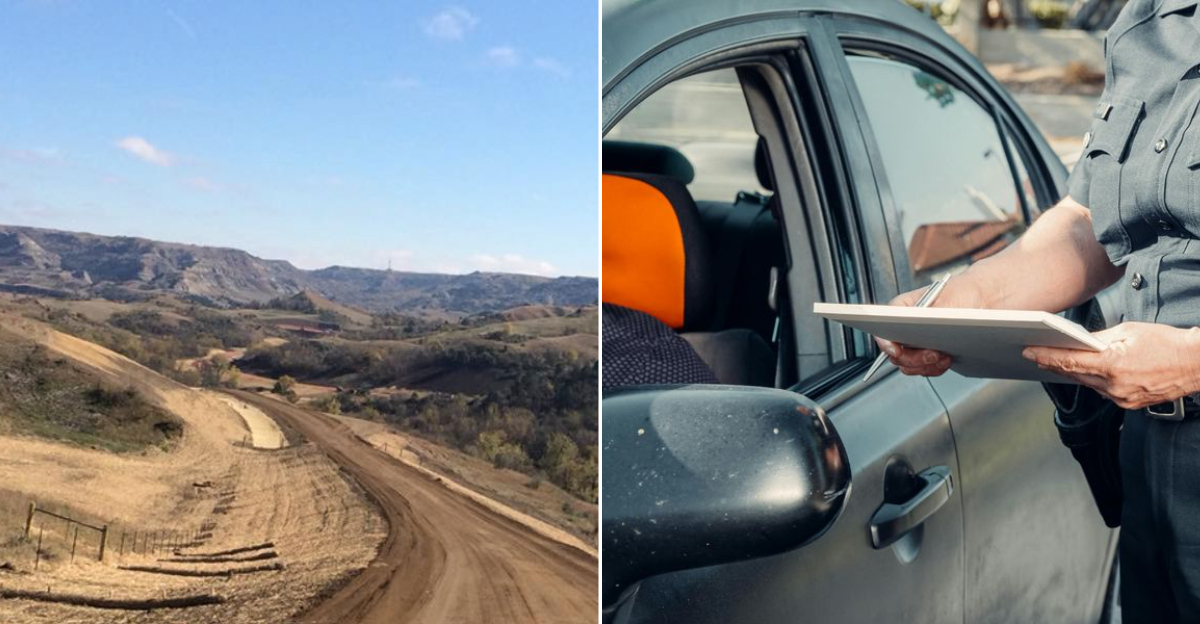
You know those big open fields you see when you cruise across North Dakota, the ones that look like you could just hop out and grab a cool rock for the car? You absolutely should not do that, and it is not just a fussy local rule, it is a real legal situation that can hit your wallet fast.
A lot of that land only looks public from the road, which is how people get tripped up. Farmers and land managers take those rocks seriously because they affect equipment, drainage, and even local geology.
Once something is disturbed, it can set off a chain reaction that takes real money and time to fix. If we are road tripping out there, we should talk about what is actually going on and where to point the camera instead of the trunk.
Most Fields Are Privately Owned Land
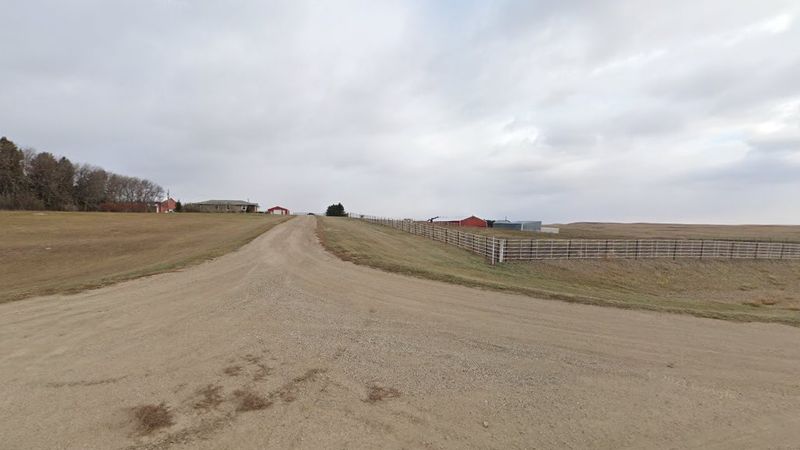
Here is the part that surprises people: most of those wide fields you see are privately owned, even when there is no fence or sign in sight.
In North Dakota, land can be posted digitally or simply recognized as private, so wandering out feels casual but it is trespassing.
Picture pulling off near Menoken and seeing a scatter of glacial stones shining in the sun, calling your name. That field likely belongs to a working farm with boundaries that look invisible from the road.
If you step out and pocket a rock, that is removing property without permission. It also counts as entering land you do not control, which can trigger fines right there.
Need an address to ground it while planning? Burleigh County fields out by 221 E Main Ave, Bismarck, ND are mostly private parcels surrounding town, even when they feel open.
It is tricky because the prairie reads like a public park. It is not, and the law treats it accordingly.
The simple script is this, and it will save headaches.
If you cannot ask the owner, you should not step onto the field or take anything from it.
Removing Rocks Is Classified As Property Damage
It sounds odd until you think about it: a rock on someone else’s land counts as their property.
Taking it or disturbing it can be tagged as theft or property damage depending on the situation.
Out by Mandan, near 205 1st Ave NW, Mandan, ND, you will see fields where rocks mark edges and protect seedbeds. Move those and you are changing how that land works.
Law enforcement does not have to guess intention, they look at effect.
If a farmer reports missing stones or ruts and footprints, that becomes a clean paper trail.
North Dakota keeps this straightforward because agriculture is the backbone here. Damage, even small, adds up during tight planting windows.
So, if a rock looks like it is just chilling by the road, assume it matters to someone. Ask yourself if grabbing it could change how equipment passes or how rows line up.
Your best souvenir is a photo you took from the shoulder with your feet on public right of way. That keeps the field intact and you out of a citation chat.
Farmers Rely On Those Rocks For Soil Management
This part is practical, not picky. Farmers use rocks to weigh down erosion mats, anchor tarps, and keep corners marked when wind tries to erase everything.
Head near Jamestown around 600 2nd Ave NE, Jamestown, ND and you will notice fields that look clean but still keep stones along certain rows. Those stones can slow wind scouring and hold things in place after a heavy blow.
Take one, and a little system stops working. That might mean a loose cover swings open and knocks seedlings around next week.
Soil management is a chain of small habits you barely notice from the road.
Rocks become tools, cheap and local, that fit the puzzle without fuss.
The trick on our drive is to spot how farmers organize edges and leave them alone. Photograph the line, not the line’s parts.
If you want a hands on moment, look for public land pullouts or parks nearby. Stutsman County has marked access areas where you can stand and look without stepping into a crop.
Even Small Removals Add Up Over Time
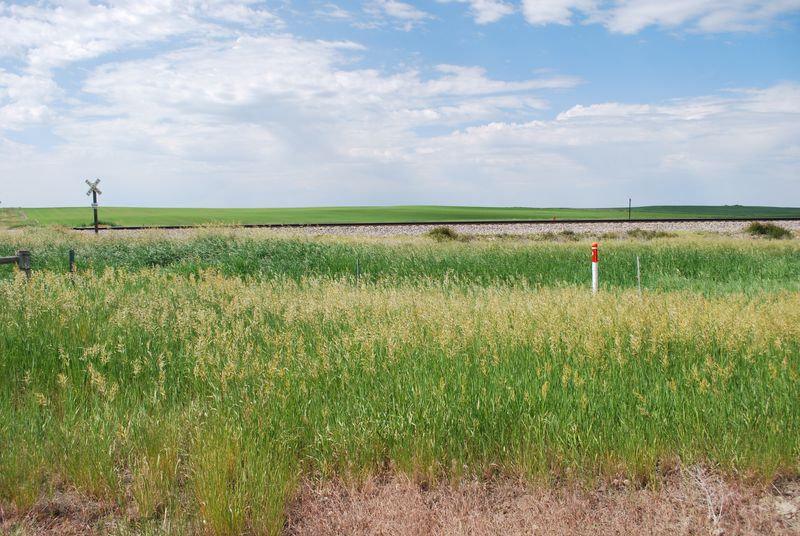
One rock does not feel like anything when it goes into a glove compartment. Multiply that by a busy travel season and you get missing markers and ragged field edges.
Around Fargo near 200 3rd St N, Fargo, ND, the countryside looks wide open, which invites quick stops for souvenirs.
Locals notice tire tracks on approaches and gaps where stones used to sit.
It is death by a thousand casual grabs. Farmers then spend extra hours replacing what disappeared and smoothing fresh ruts.
Enforcement exists partly to stop that slow drip. A fine changes behavior faster than a stern chat at the gate.
We can do better by leaving things exactly where they rest.
Take the picture, tell the story, let the field work continue.
If you want something tactile, try a visitor center rock display you can handle but not take. That scratches the itch without pulling from a working landscape.
Rock Removal Can Affect Drainage And Erosion
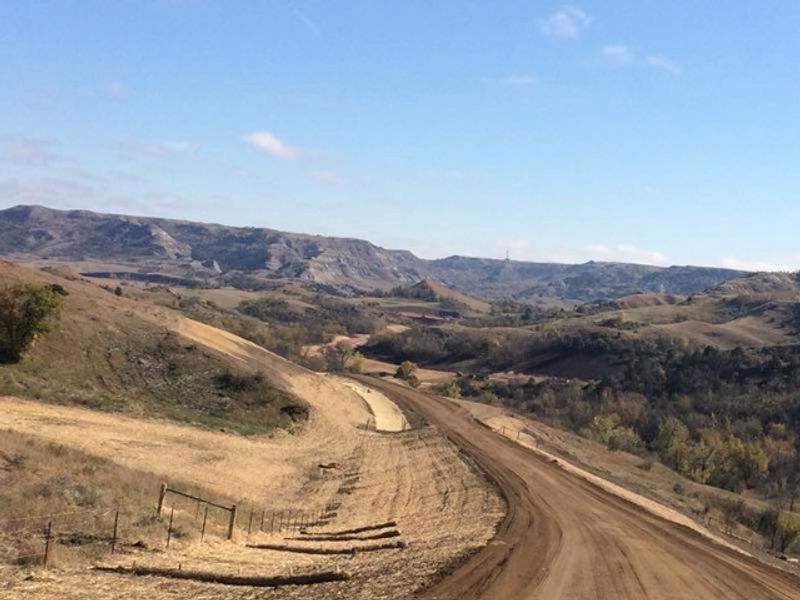
This is the sneaky part people do not see from the road shoulder. Rocks redirect little trickles after rain, and those trickles decide where water settles and where soil stays put.
Near Valley City around 254 Central Ave N, Valley City, ND, fields ripple with low spots and gentle swales. Stones parked at the right points slow water just enough to keep rows from washing out.
Pull a few and you might nudge water into a rut that grows with each storm.
Over a season, that becomes a scar a tractor has to straddle.
Drainage tile, culverts, and stones all share the job. Mess with one piece and you change the whole pattern.
We can appreciate the design without touching it. Watch how water wants to move and how simple objects steer it calmly.
If rain just passed, stay on pavement and admire the sheen from a distance. Mud tracks on soft ground become their own problem for landowners.
Historic And Geological Protections Apply In Some Areas
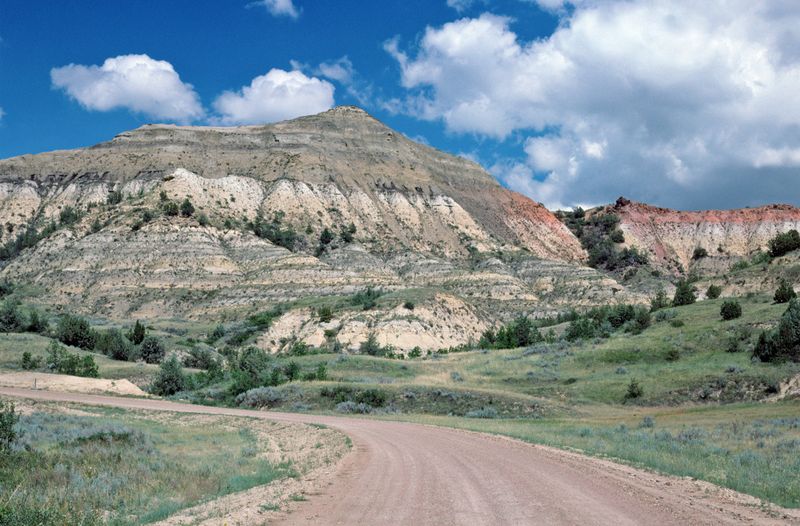
Here is where it gets official. Some rocks sit inside protected geological formations or near historic sites where collecting anything is squarely prohibited.
If we swing by Theodore Roosevelt National Park, 315 2nd Ave, Medora, ND, the rules get crystal clear. Stay on trails, leave rocks and formations exactly where they are, and keep hands off the ground souvenirs.
Out on state school trust lands and wildlife management areas, similar protections can apply.
Signs may be small, but the policy still stands even if you miss one.
Archaeological materials are off limits everywhere. That includes shaped stones, flakes, or anything that looks like worked rock, no debate.
Think of these places as open air museums with living landscapes.
Your ticket is the view, and you do not pocket the exhibits.
Want a keepsake? Hit a visitor center store in Medora and pick something that did not come from the park or a nearby field.
Local Law Enforcement Enforces Trespassing Rules Strictly
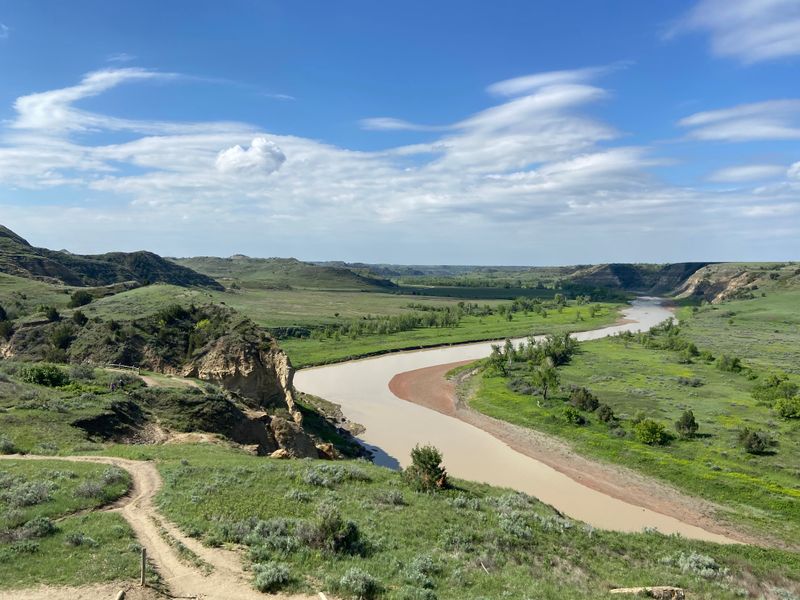
Deputies out here are used to the routine. A farmer calls, an officer shows up, and a roadside conversation turns into a citation if needed.
Drive near Minot and you will see fields rolling out from 515 2nd Ave SW, Minot, ND 58701 into long open views. That space is gorgeous and also carefully managed under county rules.
Law enforcement is not out to ruin vacations. They are backing the folks who keep the land productive and safe.
If you are unsure about a pull off, ask at a local office or visitor center first. A two minute chat beats the paperwork you do not want.
North Dakota takes trespass clarity seriously with posted systems that can be digital. Even if you do not see a stake, the property line still exists.
When in doubt, stay on the road shoulder and keep your hands in your pockets. It is simple, respectful, and hassle free.
Visitors Often Misread Open Land As Public Space
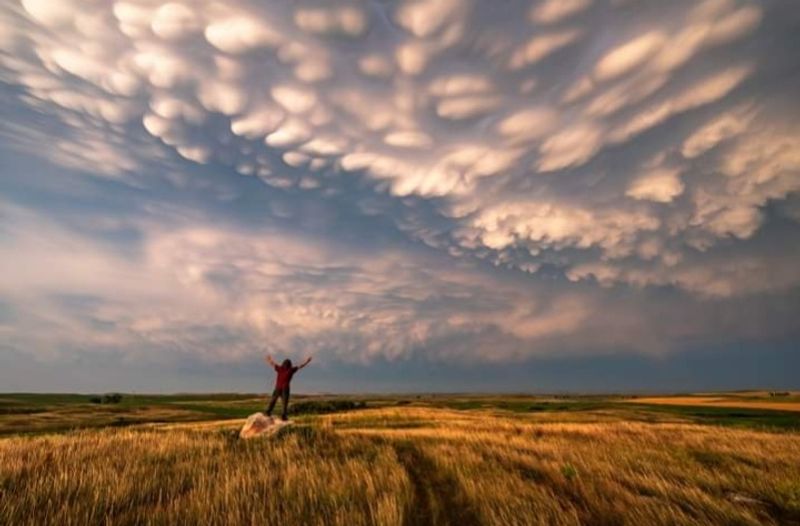
I get why it happens. Open prairie reads like an invitation, especially if you grew up with public lands where wandering is normal.
In and around Grand Forks, near 255 N 4th St, Grand Forks, ND, the patchwork of private and public parcels makes guessing risky.
One step off gravel could put you on a family farm, not a casual walking path.
The visual cues are subtle out here. No fences, few signs, just sky and grass and a thin approach off the road.
That is why we plan our stops. We choose marked overlooks, trailheads, or true public areas where lingering is welcome.
North Dakota rewards patience when you get the access right.
You see everything with less stress and no one wonders why you are parked in their approach.
So let the landscape feel big without stepping into it uninvited. A little map check keeps the vibe friendly.
Fines Are Used To Discourage Repeat Behavior

A fine is not just a punishment here. It is the quickest way to stop the pattern of people grabbing rocks and teaching their friends to do the same.
Think about the roads west of Dickinson, tied to 99 2nd St E, Dickinson, ND for bearings. If one car stops and pockets a stone, the next car thinks it is fair game and the habit spreads.
Money consequences reset that social cue.
The rumor of a ticket travels faster than a polite sign in a strong prairie wind.
Officials want the fields steady and the roadside quiet. No confrontation, no ruts, no missing markers, just calm travel.
We can pass that culture along by how we act. Talk about the rule before we stop, and it becomes normal to leave things be.
The souvenir is the story and the photo. You keep the memory, the land keeps its rocks.
Respecting Land Use Laws Prevents Larger Conflicts
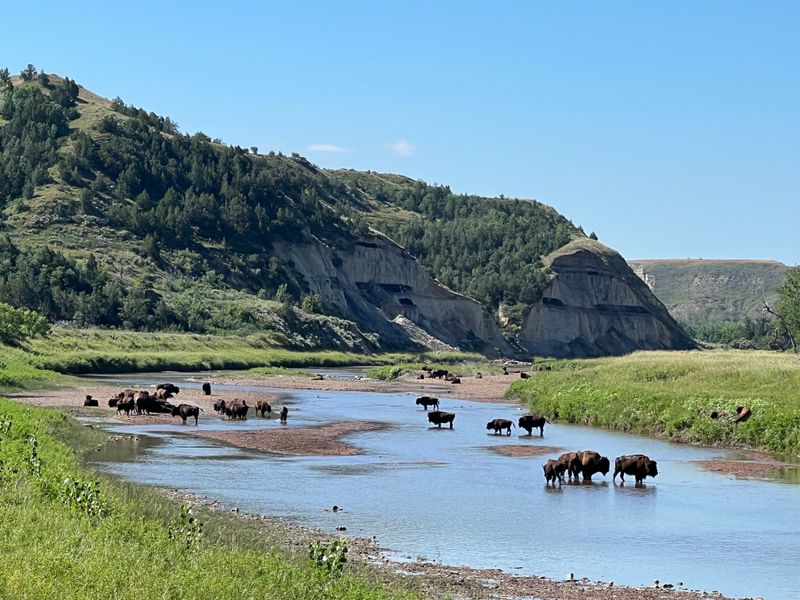
This is where the road trip stays fun. Respecting the rules keeps you out of arguments and lets locals stay focused on their work.
Close to Williston, around 22 E Broadway, Williston, ND, the energy is busy and the fields are working hard.
If travelers treat approaches like parking lots and rocks like souvenirs, tensions rise fast.
Instead, we roll slow, stop where it is public, and wave from the shoulder. That simple posture feels good for everyone.
North Dakota and its communities are welcoming when you match their pace. The land is not a theme park, it is a livelihood and a home.
So yeah, admire every stone you see.
Just leave it where it is and your day keeps its easy rhythm.
We will find plenty of places to stand and look without stepping into someone’s job. That is the kind of memory that ages well.
