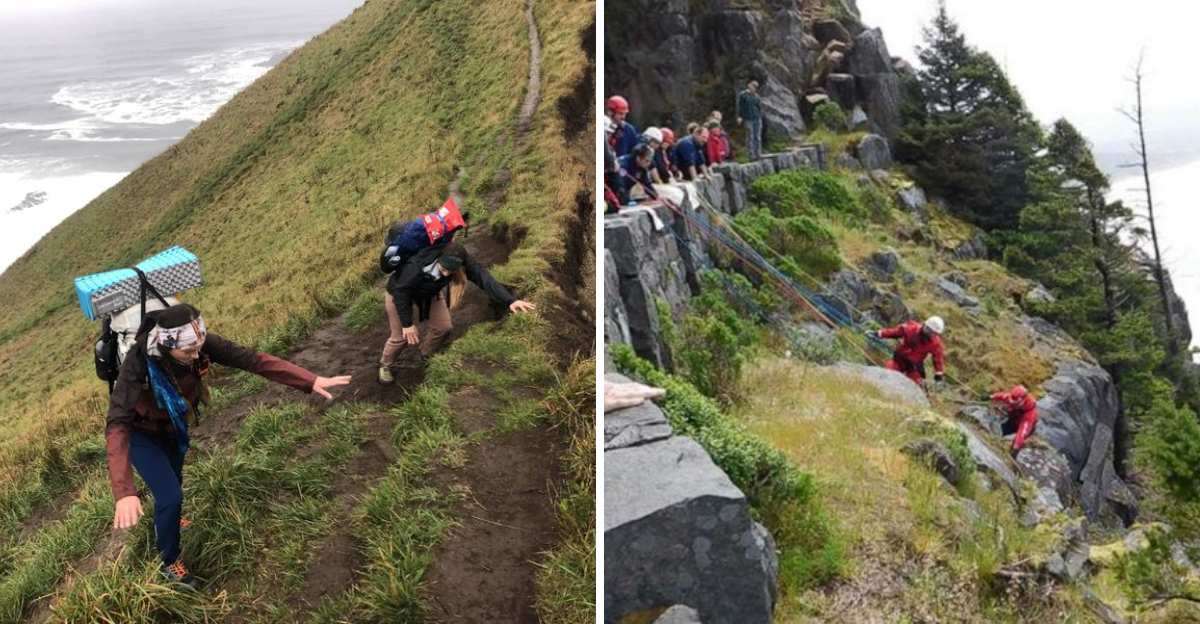
Oregon’s dramatic coastline draws thousands of visitors each year, eager to snap photos of crashing waves and towering cliffs. But many tourists don’t realize these stunning edges are more fragile than they appear.
Park rangers have been issuing hefty fines to those who ignore warning signs and venture onto dangerous cliff areas, and the problem keeps growing. Erosion, unstable ground, and protected habitats make these zones off-limits for good reason.
What looks like a perfect photo op could be a costly – and risky – mistake.
Erosion Happens Faster Than You Think
Coastal cliffs along Oregon’s shoreline wear away much quicker than most visitors imagine. Wind, rain, and salt spray constantly chip away at the rock and soil, creating hidden weak spots that can collapse without warning.
What looks solid from a distance might be barely holding together up close. Rangers report finding fresh cracks and crumbling sections after every major storm season. The ground near cliff edges often consists of loose soil and weathered rock rather than stable bedrock.
Walking on these areas speeds up the natural breakdown process. Each footstep can dislodge small pieces and widen existing cracks. Over time, hundreds of tourists trampling the same spots create serious damage.
Park officials place warning signs where erosion is most active. Ignoring these markers puts you at risk and contributes to the problem. Staying on designated trails helps preserve these natural wonders for future generations while keeping everyone safe from sudden collapses.
Fines Range From Hundreds to Thousands
Breaking the rules on Oregon’s protected coastal areas comes with serious financial consequences. First-time offenders typically face citations starting around $250, but repeat violations or particularly reckless behavior can push penalties well over $1,000. Rangers have authority to issue tickets on the spot when they catch tourists in restricted zones.
The exact amount depends on several factors. Causing visible damage to vegetation or geological features increases the fine substantially. If your actions endanger others or require rescue operations, you’ll face additional charges. Court appearances may be required for more serious violations.
Many visitors are shocked when they receive these citations. They often claim they didn’t see the signs or thought the rules didn’t apply to quick photo stops. Unfortunately, ignorance isn’t accepted as an excuse in these cases.
The money collected goes toward conservation efforts and trail maintenance. Still, most people would rather spend that cash on their vacation than on a penalty for poor judgment.
Warning Signs Are There for Good Reason
Bright yellow caution signs dot Oregon’s most vulnerable cliff areas, yet many tourists walk right past them. These markers aren’t suggestions or decorations. They indicate spots where geologists and safety experts have identified real hazards. Park officials carefully study each location before deciding where signs are needed.
Some visitors assume the warnings are exaggerated or meant for inexperienced hikers only. This dangerous mindset has led to numerous close calls and actual accidents over the years. The signs mark areas where the ground has previously given way or where testing shows instability.
Taking selfies near warning signs has become a troubling trend. People treat the barriers as photo props rather than safety equipment. Rangers frequently encounter groups posing directly beside signs that clearly state the area is off limits.
Respecting these boundaries isn’t about limiting your fun. The markers help everyone enjoy Oregon’s beauty without tragic consequences. Following posted rules shows consideration for your own safety and the natural environment.
Social Media Drives Risky Behavior
The quest for dramatic photos has become a major factor in cliff-related violations. Tourists see stunning images online and want to recreate them, often without realizing the photographer broke safety rules or took serious risks. Getting that perfect shot for followers seems worth the danger to some visitors.
Rangers notice patterns tied to viral posts. When a particular viewpoint gets popular online, they see increased trespassing in that exact spot. People climb over barriers and ignore closure signs to match images they’ve seen. The cycle continues as each person posts their own version, inspiring others to follow.
Influencers and travel bloggers sometimes share content without mentioning they accessed restricted areas. Their followers assume these locations are open to everyone. This creates dangerous misunderstandings about what’s actually allowed.
Beautiful photos from safe, designated viewpoints exist throughout Oregon’s coast. You don’t need to break rules or risk your life for memorable vacation pictures. The best memories come from experiences you can look back on without regret or injury.
Rescue Operations Are Expensive and Dangerous
When someone falls or gets stranded on unstable cliff areas, emergency teams put their own lives at risk during rescue attempts. Helicopter operations, rope teams, and Coast Guard vessels all get deployed for these preventable situations. Each rescue can cost taxpayers tens of thousands of dollars in resources and personnel time.
Responders must navigate the same treacherous terrain that caused the problem in the first place. They work in challenging conditions with limited visibility and unstable footing. Weather along the Oregon coast can change rapidly, adding extra complications to already difficult operations.
Some tourists who require rescue later receive bills for the services rendered. Besides the fine for trespassing, they may owe money for the emergency response. These combined costs can reach staggering amounts, turning a vacation into a financial nightmare.
Every rescue diverts resources from other emergencies. When teams are busy saving careless cliff walkers, they can’t respond as quickly to other urgent situations. Staying in safe areas shows respect for emergency personnel and your community.
Native Plants Suffer From Foot Traffic
Rare coastal vegetation clings to life in Oregon’s harsh cliff environments, adapted over centuries to survive salt spray and strong winds. When tourists trample these areas, they destroy plants that can’t recover quickly or at all. Some species found along these edges exist nowhere else on earth.
Wildflowers, grasses, and small shrubs help hold the soil together with their root systems. Crushing them removes this natural stabilization, making erosion worse. A single person walking across a vegetated cliff top can kill plants that took years to establish. Groups of visitors cause even more extensive damage.
Restoration efforts are costly and time-consuming. Environmental teams must carefully replant native species and protect them while they take root. Success isn’t guaranteed, especially in exposed coastal locations where growing conditions are already challenging.
Staying on marked paths preserves these delicate ecosystems. You can still enjoy incredible views without stepping on fragile plant communities. Protecting native vegetation means future visitors will see the same natural beauty you came to experience.
Weather Makes Cliffs Even More Unstable
Oregon’s coastal weather creates constantly changing conditions that affect cliff stability. Heavy winter rains saturate the soil, making it heavier and more likely to slide. Strong winds batter the edges, loosening rocks and widening cracks. Fog reduces visibility, making it harder to spot dangerous areas.
Summer might seem safer, but dry conditions cause different problems. Soil becomes loose and crumbly, offering less support. Sudden temperature changes make rocks expand and contract, creating stress fractures. Even beautiful, sunny days don’t guarantee the ground beneath your feet is secure.
Storm season brings the highest risk of sudden collapses. Rangers often close entire sections of coastline when conditions become particularly hazardous. These temporary closures frustrate some visitors, but they prevent serious accidents and deaths.
Checking current conditions before your visit helps you plan safely. Park websites and visitor centers provide updates about closures and warnings. Respecting weather-related restrictions shows good judgment and keeps your Oregon adventure enjoyable rather than tragic. Nature sets the schedule here, not human convenience.
Children Are Especially Vulnerable
Kids naturally want to explore and often don’t understand danger the way adults do. They run ahead on trails, chase each other near edges, and climb on rocks without considering consequences. Parents sometimes get distracted taking photos or enjoying views while their children wander into hazardous areas.
A child’s smaller size means they can slip through gaps in fencing or barriers that would stop adults. Their lighter weight might seem safer, but unstable ground can give way under anyone. Rangers report several close calls each season involving young visitors who ventured too close to cliff edges.
Teaching children about respecting boundaries before visiting coastal areas makes everyone safer. Explaining why certain spots are off limits helps them understand rather than just follow rules blindly. Making it a game to spot and read warning signs together keeps kids engaged and aware.
Holding hands near cliff viewpoints isn’t overprotective, it’s smart parenting. Designated viewing areas provide plenty of excitement without unnecessary risk. Your family vacation should create happy memories, not emergency room visits or worse.
Legal Liability Falls on the Visitor
Many tourists mistakenly believe park services are responsible if they get hurt in restricted areas. Actually, entering clearly marked dangerous zones shifts legal liability to the visitor. Signs and barriers serve as official warnings, meaning you accept the risk by ignoring them.
Insurance companies often refuse to cover injuries sustained while breaking posted rules. Medical bills from a cliff-related accident can reach hundreds of thousands of dollars, all coming out of your own pocket. Some visitors have faced lawsuits after their reckless behavior caused damage or required expensive rescue operations.
If your actions endanger others, you could face criminal charges beyond simple fines. Causing someone else’s injury or death while trespassing in closed areas brings serious legal consequences. Court cases can drag on for years, affecting your life long after your vacation ends.
Reading and following posted regulations protects you legally and physically. Park officials establish these rules based on expert assessment and past incidents. Taking personal responsibility for your choices means enjoying Oregon’s beauty without legal nightmares following you home.
Safer Viewpoints Offer Better Experiences
Oregon has invested millions in creating spectacular viewing platforms that provide stunning vistas without danger. These designated spots often offer better angles and more comfortable positions for photography than risky cliff edges. Railings and stable surfaces let you relax and truly enjoy the scenery instead of worrying about your footing.
Many official viewpoints include educational signs explaining the geology, wildlife, and history of the area. You’ll learn interesting facts while taking in breathtaking views. Benches and picnic areas at safe locations make perfect spots to rest and soak up the coastal atmosphere.
Professional photographers regularly use these designated areas to capture award-winning images. You don’t need dangerous access to get memorable shots. Proper viewpoints are positioned to showcase the landscape’s best features during different times of day.
Visitor centers provide maps showing all the safe viewing locations along your route. Planning your stops around these spots ensures you see everything worthwhile without taking foolish risks. The most rewarding travel experiences come from appreciating nature responsibly, not from breaking rules for a temporary thrill.
Dear Reader: This page may contain affiliate links which may earn a commission if you click through and make a purchase. Our independent journalism is not influenced by any advertiser or commercial initiative unless it is clearly marked as sponsored content. As travel products change, please be sure to reconfirm all details and stay up to date with current events to ensure a safe and successful trip.
