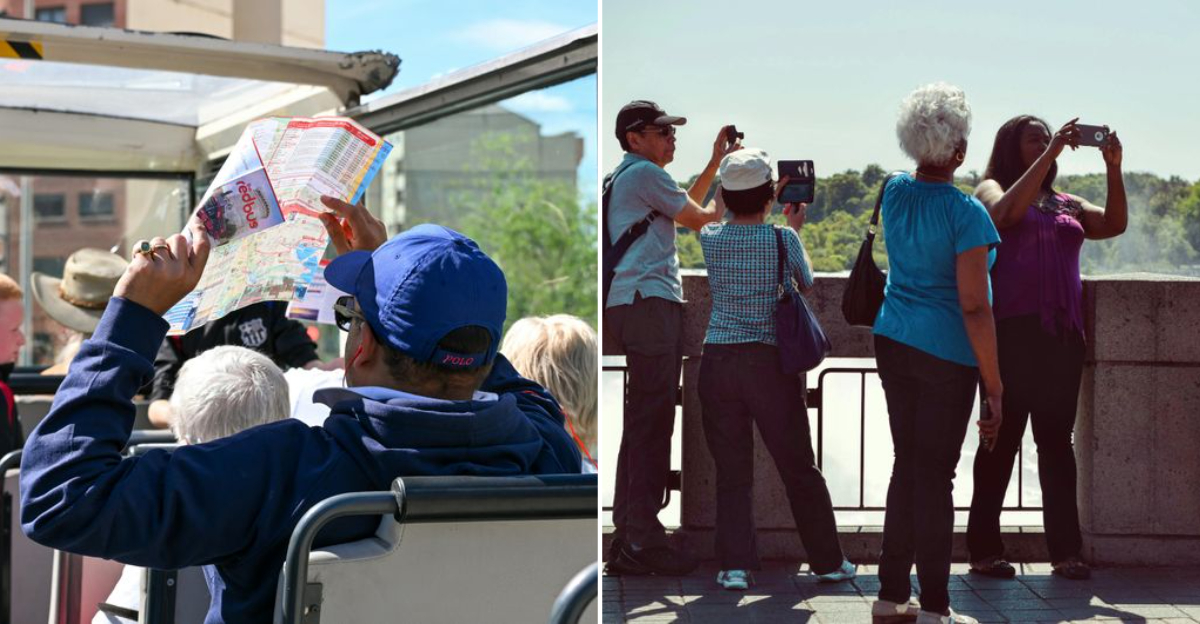
Ever booked a tour and wondered if it was the real deal? In South Carolina, that question has landed some travelers in serious trouble.
Fake tours have popped up in popular spots, promising history walks, ghost stories, or scenic boat rides, but without the proper licenses or permits.
Tourists often don’t realize they’re signing up for something unofficial until law enforcement steps in. For locals, it’s frustrating to see visitors misled, and for travelers, it can turn a fun trip into a stressful one.
The problem isn’t always about bad intentions. Sometimes it’s just people trying to cash in on the demand without following the rules.
But the consequences are real: fines, legal consequences, and vacations cut short. South Carolina’s tourism industry thrives on authenticity, and fake tours undermine that trust.
So while exploring new places should be exciting, it’s also a reminder to double-check who you’re booking with. After all, the best memories come from experiences that are both fun and legitimate.
1. Misleading Tour Claims Trigger Consumer Protection Laws

You know that feeling when a tour listing sounds too good to be true?
In South Carolina, treating hype like fact can land you in legal trouble because the state takes deceptive practices seriously.
If you promise private access, expert history talks, or special entry and then show up with none of it, the law sees that as misrepresentation.
Here is how it plays out. A traveler posts an irresistible pitch, people pay, and the experience does not match what was said.
That mismatch is not just disappointing, it can trigger consumer protection investigations when money changes hands on misleading claims.
Even small exaggerations can snowball if buyers complain. Officials look at screenshots, messages, and itineraries, then compare them to what happened.
When they see a clear gap, they can treat it as fraud and move fast.
The solution is simple and not boring. Say exactly what you can deliver, and be ready to prove it with permits or credentials if you mention them.
If plans change, tell guests quickly and offer options that feel fair.
On a road trip you might want to improvise, but keep your copy honest. Share what is real, not what sounds catchy.
That way you protect your travelers, your trip, and yourself.
2. Operating Without Permits Or Licenses Is Illegal
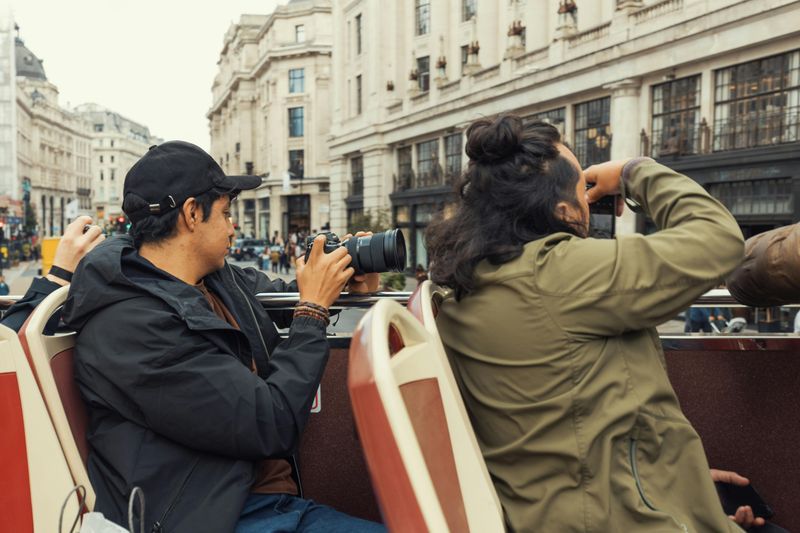
Let me say it straight: if you collect money for a tour in the state without the right permits or a basic business license where it is required, you are asking for a citation.
Rangers and code officers take this seriously, especially in busy historic districts and popular parks.
Think about crowded sidewalks or fragile coastal areas. Cities and park systems use permits to control group size, routes, and safety rules.
When you skip that step, you stand out fast, and not in a good way.
I have watched friendly chats turn tense when an officer asks for paperwork and the guide does not have it. No one wants that, trust me.
Permits make the difference between a smooth day and a forced shutdown.
Before you promote anything, check the city website and the park’s commercial use page. Requirements vary, so you need to read the details carefully.
Save copies of approvals on your phone and bring printed versions.
Planning a casual road trip is fun, but running a tour is still a business. Treat it that way and the vibe stays relaxed.
Your guests will notice the confidence that comes with being legit.
3. False Advertising Can Lead To Arrest

Flashy listings are tempting, but in South Carolina, misleading itineraries and promotional photos can cross a legal line.
When people pay based on those claims, investigators can treat it as false advertising.
If they find real harm, you might see legal actions instead of just complaints.
It does not take much. A promise of exclusive museum access or private rooftops that do not exist becomes the core of the case.
Screenshots, emails, and social posts become evidence.
Officials do not love chasing this, but they will. It protects travelers and the reputation of the places people love exploring.
Tourism here runs on trust, and false ads punch holes in it.
Your fix is easy, even if it takes restraint. Use current images you shot yourself or licensed ones that actually match the site.
Describe the route, time frame, and what guests will see in plain terms.
When you under promise a little, people usually walk away happy. Over promise, and they might walk straight to a complaint form.
Keep your copy honest and you will keep your trip drama free.
4. Trademark Misuse Draws Legal Trouble

Slapping a city seal or an official logo on your tour page looks legit, but it can create real legal heat.
In South Carolina, using protected names or marks without permission reads like false endorsement. That confuses visitors and invites quick pushback.
I have seen flyers that look government approved when they are not. People sign up thinking it is sanctioned, then discover it is just a traveler hustling.
That gap draws authorities into the picture fast.
Even similar names can be a problem if they trick folks into thinking you are affiliated. I think it is about preventing confusion and keeping marketing clean.
Before you post, scrub your materials. Stick to your own brand, your face, and your words.
If you want to reference an official site, link to it without using their marks.
When you play it straight, guests trust you more anyway. You will also sleep better on your road trip, without worrying about a phone call that starts with a stern hello.
Keep your materials yours and you will be fine.
5. City And Zoning Codes Restrict Street Sales

Street energy is fun until a pop up ticket pitch blocks a narrow sidewalk. Cities in this state regulate where commercial activity happens, and tours are part of that.
If you sell on a busy corner without permission, expect enforcement.
Historic areas manage crowd flow so residents and visitors can move. That means limits on group size, meetup points, and amplified voices.
When those rules get ignored, code officers step in.
I like spontaneity, but I also like not getting cited. A simple call to the city or a check on the website tells you where you can gather and how to handle payments.
Keep it tidy and you will blend in.
Some operators only sell online and meet guests at approved locations. That often keeps things smooth.
It also shows you respect the neighborhood.
When you are road tripping through South Carolina, treat sidewalks like shared space. Sell where it is allowed, not where it is convenient.
You will save yourself a long conversation with a clipboard.
6. Safety And Liability Rules Matter

Nothing ruins the mood like an avoidable mishap on a tour. This state expects commercial guides to handle safety basics like insurance, emergency plans, and site specific rules.
If something goes wrong without that groundwork, you could face more than a stern warning.
Think simple and practical. Carry a first aid kit, know the route, and understand the site’s guidelines.
Park rangers can ask about your plan and your coverage.
Even for urban walks, safety matters. Crowd control, crossing streets, and heat management count.
When guests feel looked after, everything else clicks.
Keep records handy, digital and printed. If someone asks, you can show preparedness in seconds, and that reduces stress for everyone involved.
A road trip can be lighthearted and still professional. Build safety into your habits, not just your pitch.
It signals you care and keeps you out of trouble.
7. Complaints Often Spark Investigations

Enforcement rarely starts with a random patrol. In South Carolina, it usually begins when someone complains about a sketchy tour or a crowded meetup.
Other guides notice patterns and speak up. Guests file forms when promises fall flat, and neighbors call about noise and big groups outside their homes.
When that happens, investigators check permits, ads, and payment records. It is not dramatic, just steady and thorough.
If they see a clear violation, they move.
Clear communication is key for both tourists and tour operators. It’s important to share accurate information, respond quickly, and address any issues that arise.
Most people are reasonable when they feel heard.
As you roll through the state, keep your footprint small and respectful. When the vibe stays considerate, complaints tend to fade.
That is good for you and the next traveler too.
8. Tour Guide Licensing Used To Be Required
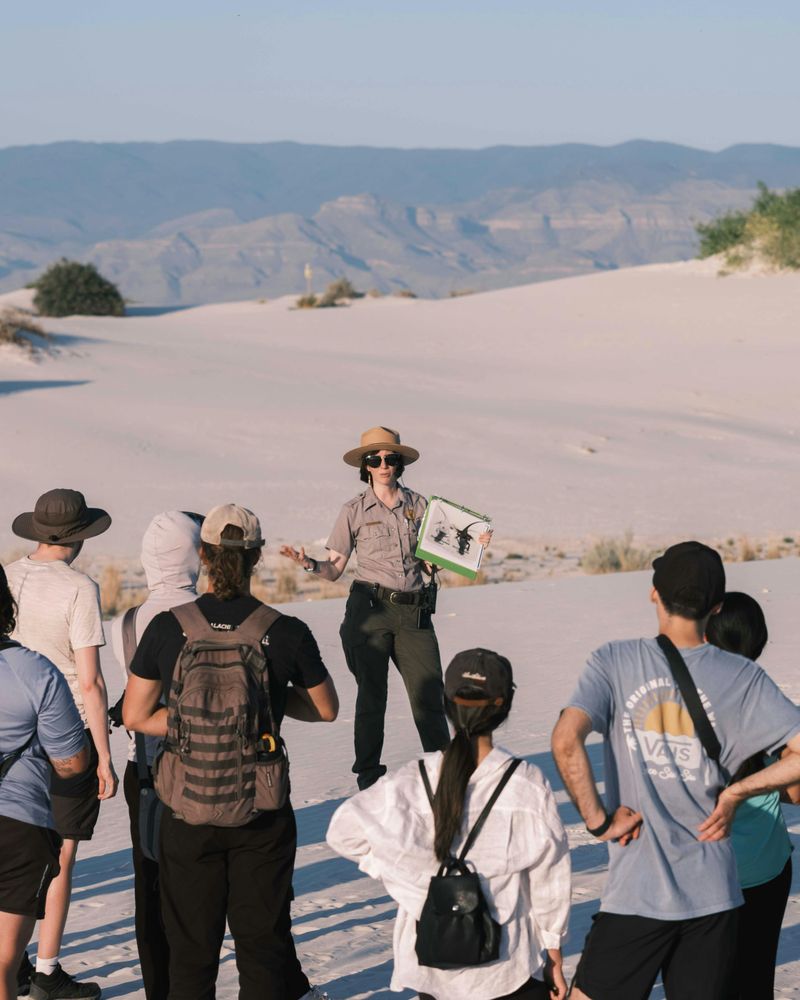
Here is a twist: Charleston used to require paid guides to pass a licensing exam, and that shaped the whole scene.
Courts later knocked those rules out as speech restrictions, which shifted the landscape.
Now there is confusion. Travelers think no rules exist anymore, but other regulations still matter.
You cannot assume that a court decision means open season on tours.
The state still enforces consumer protection, permits, and safety standards. Cities maintain crowd control and zoning rules.
Parks manage commercial use with separate approvals.
If you plan to lead a walk, read the current guidance from the city and the parks you visit. The names of the rules changed, not the need to follow them.
Just know that clear expectations help your trip stay easy.
I like the freedom to speak casually about history and culture. I also like finishing the day without paperwork drama.
Respect the rules and enjoy the storytelling.
9. Scammers Exploit Tourists Too
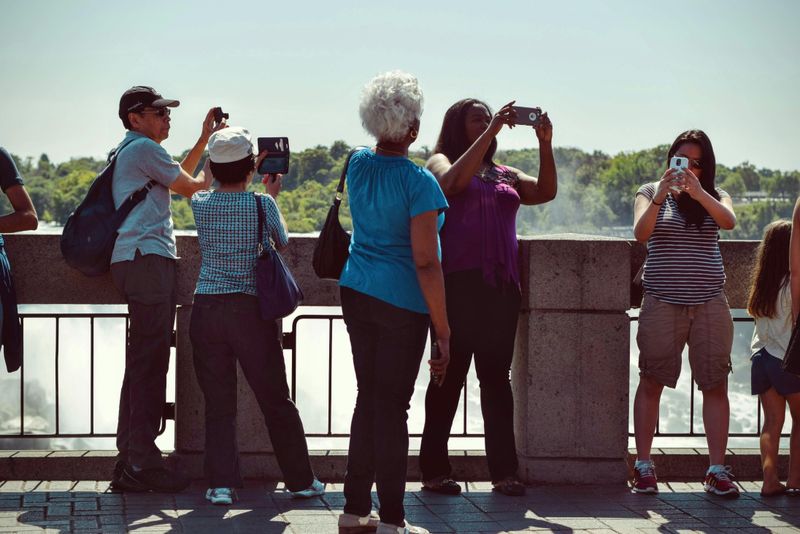
Let us be honest. Not every misleading tour comes from an uninformed traveler.
Some are deceptive practices that target visitors.
South Carolina sees the same tactics you see everywhere. Impersonated officials, fake permit badges, and slick websites that disappear after payment.
It feels personal when you are the one who paid.
When a scam crosses into forged documents or stolen identities, it becomes a criminal case. That can pull in travelers who helped promote it without realizing.
Sharing a link can spread the problem fast.
Your move is to verify, so call the venue, message the park office, and ask for a permit number. Cross check the operator’s name with public records.
If you get a weird vibe, walk away. A real guide will not push you to decide immediately.
Make sure to trust your gut and your trip will feel lighter.
10. Social Media Amplifies The Problem
Social media turns a casual idea into a crowd before you have a plan. In South Carolina, a trending tour post can bring attention, money, and trouble in a flash.
When guests complain online, officials often see it too.
I like sharing trip moments as much as anyone, but once you accept payment, the vibe changes. You are running a business, even if it started as a friendly meetup.
Use your channels to be transparent. Post clear policies, refund steps, and last minute changes.
Keep comments open so people can ask questions.
If something feels off, pause bookings and fix it. You will lose less trust by stopping than by pushing through a messy day.
This state is friendly, and the platforms are loud. Keep your promises small and your updates quick.
That is how you ride the wave without getting pulled under.
11. State Parks And Historic Sites Have Extra Rules

Parks and historic sites are gorgeous, and they come with their own rulebooks. In South Carolina, commercial use requires permits that sit on top of city requirements.
Skip them and you might be escorted out by staff with careful smiles.
Trailheads, boardwalks, and fragile habitats need careful group management. That is why there are limits on where you stop and how big the group is.
It protects the land and keeps visitors moving.
Historic districts run similar rules around crowd flow and access. Even if the streets feel open, there are guidelines about where to gather.
Follow them and your guests will barely notice.
Call ahead, read the site’s commercial policy, and carry proof. Staff appreciate operators who do the homework.
I think it makes everyone’s day smoother.
On a long road trip through the state, those small steps save you stress. You get the views without the lectures, and that sounds like a win to me.
12. Arrests Happen When Fraud Crosses Into Offence
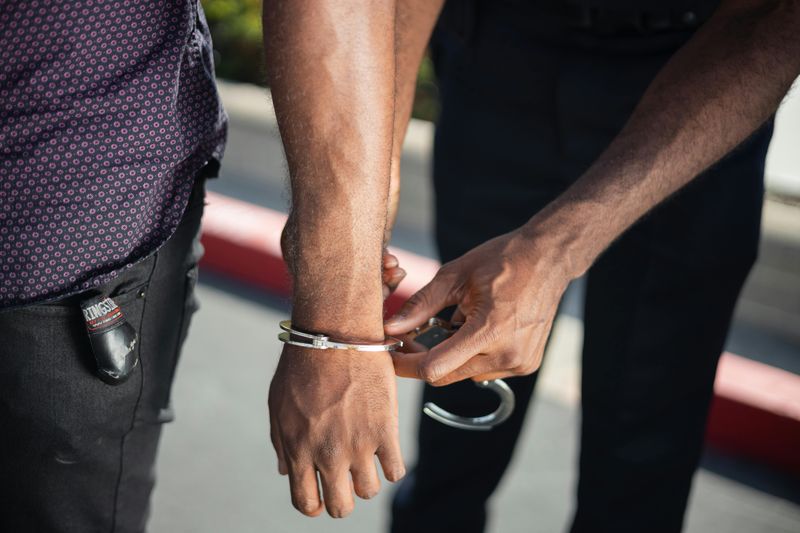
Here is the bottom line. When a tour pitch doesn’t match reality, or false claims are made, it stops being a simple misunderstanding.
Investigators look for patterns. Multiple complaints, altered documents, and inconsistent stories will do it.
Once trust is undermined, authorities may take swift action.
No one wants that on a road trip. You are here to enjoy the coast, the marsh light, and the layered history.
Keep your business clean so the memories stay bright.
If you mess up, fix it fast. Refunds, apologies, and documentation go a long way.
Tourists generally appreciate when mistakes are handled transparently and responsibly.
South Carolina rewards sincerity and straightforward planning, so stay transparent, follow the rules, and you will be fine. The only story you take home will be the one you wanted to tell.
