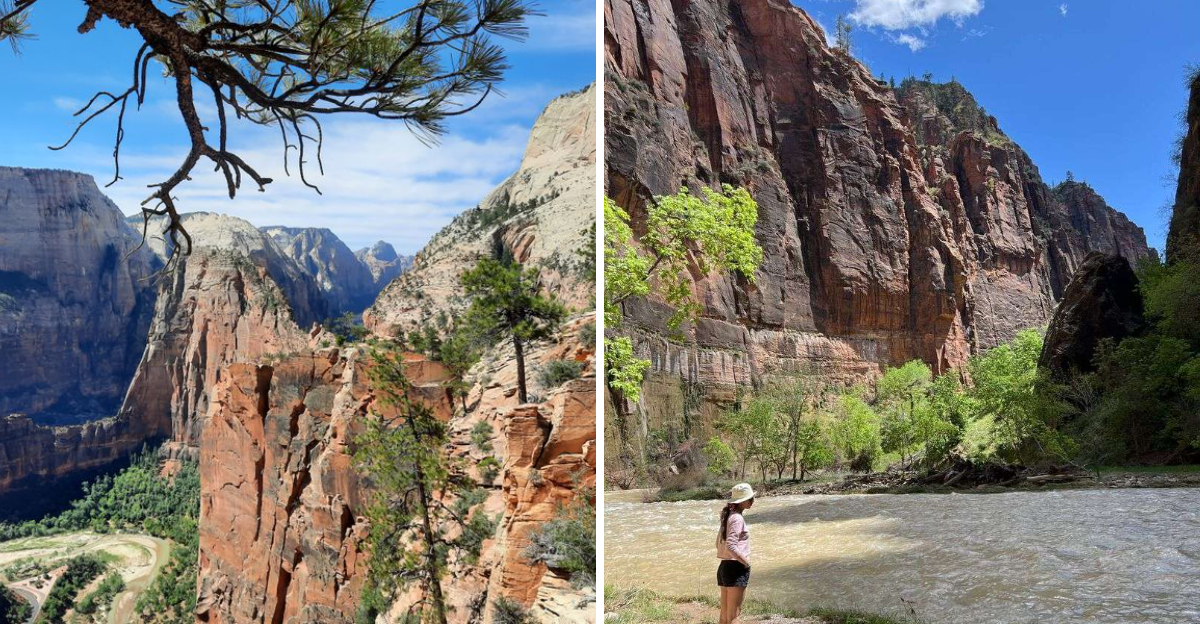
Zion National Park stands as one of Utah’s most breathtaking natural wonders, drawing millions of visitors from around the globe each year.
This stunning canyon landscape offers towering red rock cliffs, emerald pools, and hiking trails that challenge and inspire adventurers of all skill levels.
From the moment travelers step into the park, they find themselves surrounded by geological formations that have been carved over millions of years by the Virgin River.
The park’s unique combination of dramatic scenery, diverse wildlife, and outdoor activities creates an unforgettable experience that keeps people coming back year after year.
Whether you’re an experienced hiker looking for your next challenge or a family seeking a memorable vacation, Zion delivers natural beauty that exceeds expectations.
The buzz around this Utah canyon isn’t just hype; it’s backed by real experiences that transform casual visitors into passionate advocates.
People leave Zion with stories to share, photos that barely capture its majesty, and a burning desire to return.
Let’s explore what makes this national park so special and why it continues to dominate travel conversations.
The Narrows Offers an Unforgettable Water Hiking Experience
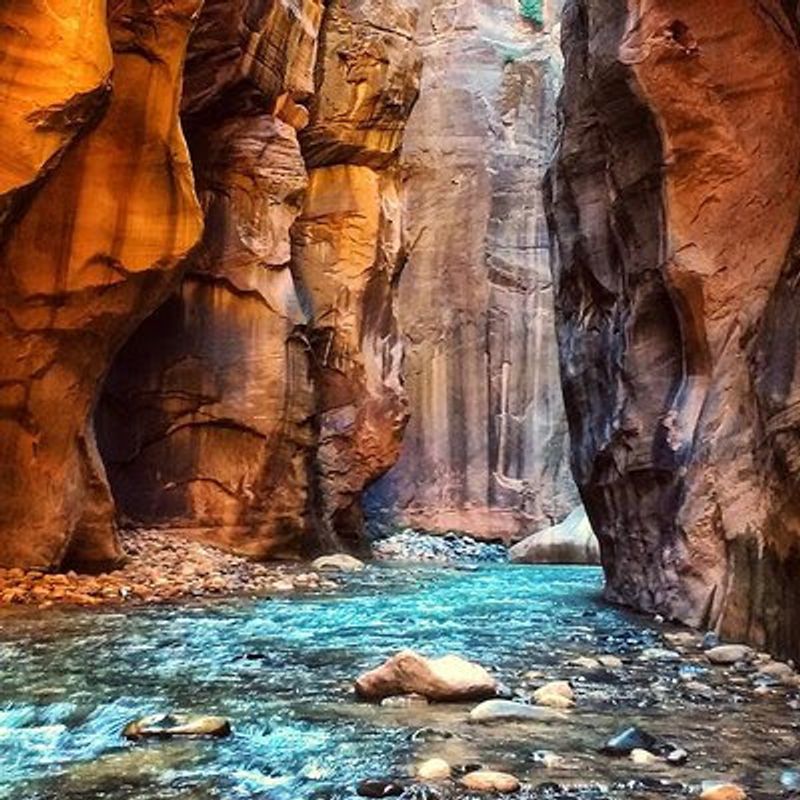
Walking through a river while surrounded by canyon walls that stretch a thousand feet above you sounds like something from a fantasy novel, but that’s exactly what The Narrows delivers.
This incredible hike takes you right through the Virgin River, where the water becomes your trail and the canyon walls narrow to just 20 feet wide in some sections.
The experience feels otherworldly as sunlight filters down from above, creating magical light beams that dance across the water’s surface.
Most people start their journey at the Temple of Sinawava, where a paved path gradually transitions into the river itself.
You’ll want to rent special water shoes and a walking stick because the river bottom can be slippery and the current surprisingly strong in certain areas.
The water depth changes with the seasons, ranging from ankle-deep in late summer to waist-deep during spring runoff.
What makes this hike truly special is how it engages all your senses in ways that regular trails simply cannot match.
The cool water provides relief on hot days, while the sound of flowing water creates a peaceful soundtrack to your adventure.
Every turn reveals new perspectives, with side canyons, hanging gardens, and unique rock formations appearing around each bend.
Photographers absolutely love The Narrows because the lighting conditions create stunning opportunities throughout the day.
The best time to visit is typically between June and September when water levels are more predictable and temperatures are warmer.
Many hikers spend three to four hours exploring the lower section, though more adventurous souls can obtain permits for overnight trips deeper into the canyon.
This hike consistently ranks as one of the top experiences in all of America’s national parks, and once you’ve walked through these mystical waters, you’ll understand exactly why travelers can’t stop raving about it.
Angels Landing Provides Heart-Pounding Views for Brave Hikers
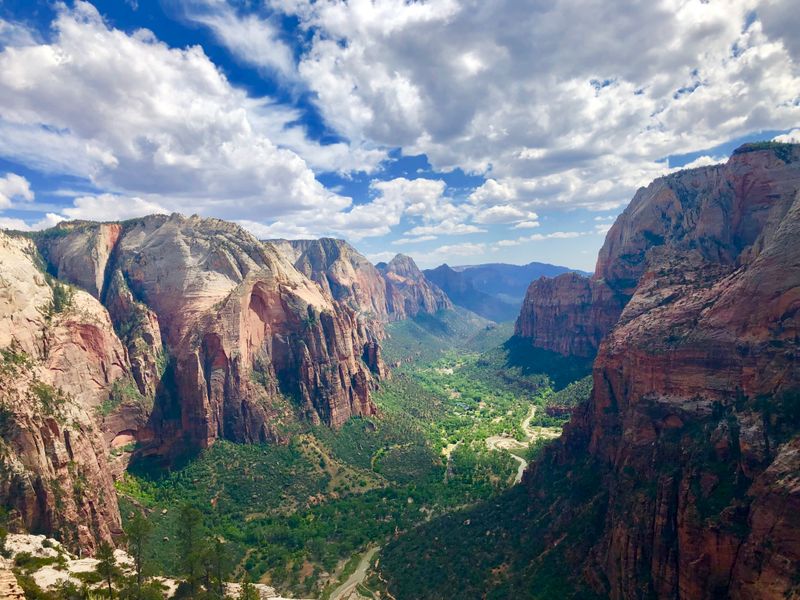
Few hiking trails in America generate as much conversation, excitement, and nervous energy as Angels Landing.
This famous route has earned its reputation as one of the most thrilling hikes in the United States, featuring a final half-mile section where the trail narrows to a rocky spine with thousand-foot drops on both sides.
Chains bolted into the rock provide handholds as you carefully make your way to the summit, where 360-degree views reward your courage.
The journey begins innocently enough with a paved path along the Virgin River, but things get serious when you hit Walter’s Wiggles; a series of 21 steep switchbacks carved into the mountainside.
Your legs will burn and your lungs will work overtime, but the engineering of these switchbacks is actually quite impressive.
After conquering the wiggles, you’ll reach Scout Lookout, where many hikers decide whether to continue to the actual summit or call it a day with already spectacular views.
The final push to Angels Landing requires both physical fitness and mental determination because the exposure is real and intense.
Holding onto the chains while other hikers pass in the opposite direction demands focus, patience, and respect for the mountain.
Due to overwhelming popularity, the park now requires permits obtained through a lottery system, which actually improves the experience by reducing crowding on the narrow sections.
Sunrise and sunset hikes offer cooler temperatures and incredible lighting, though you’ll need to plan carefully with your permit time.
The entire round trip typically takes four to five hours, covering five miles with 1,500 feet of elevation gain.
People who complete this hike often describe it as a life-changing experience that tests their limits while delivering views that photographs simply cannot capture.
The combination of physical challenge, mental fortitude, and natural beauty creates stories that hikers share for years to come.
Emerald Pools Trail Welcomes Families with Accessible Beauty
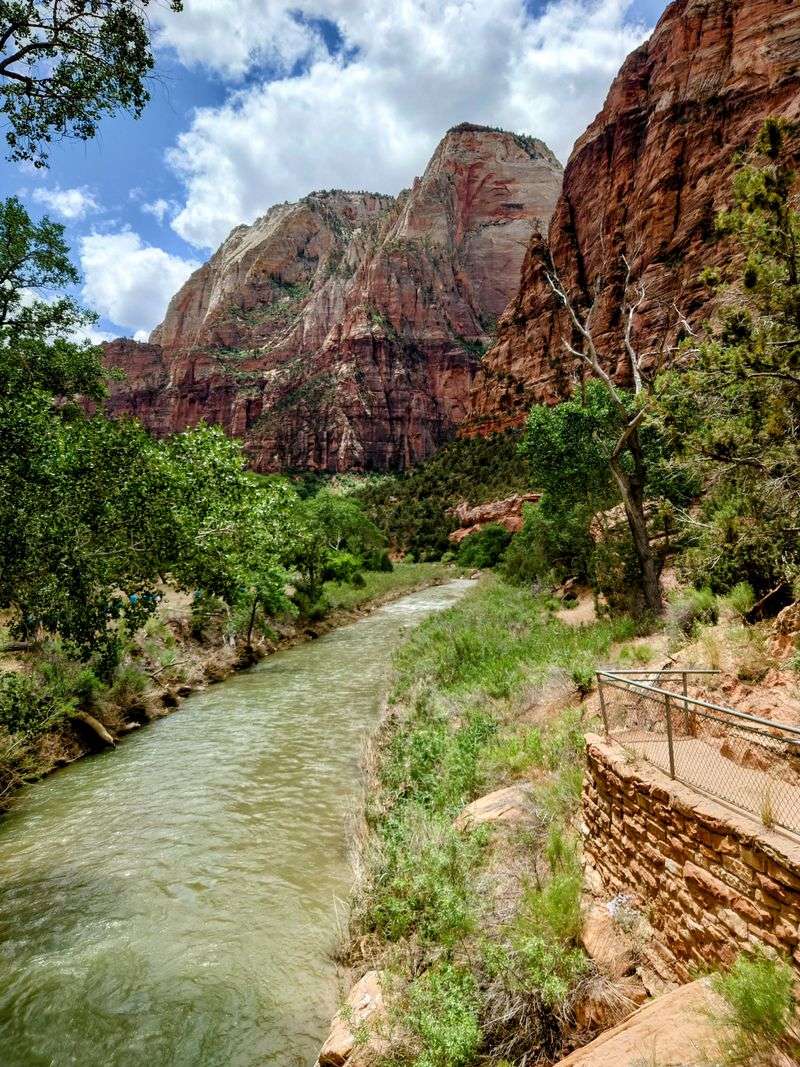
Not every memorable Zion experience requires extreme physical challenges or nerves of steel, and the Emerald Pools Trail proves this beautifully.
This network of trails offers three different pool destinations—Lower, Middle, and Upper—allowing families and casual hikers to choose their own adventure based on time, energy, and ability levels.
The Lower Emerald Pool trail is even paved and wheelchair accessible, making Zion’s beauty available to virtually everyone.
The Lower Pool sits at the base of a cliff where water seeps through the rock and creates a curtain of droplets that shimmer in the sunlight.
Kids absolutely love walking behind this waterfall curtain, and on hot summer days, the mist provides a refreshing break from the desert heat.
The paved path makes this a perfect option for grandparents, families with strollers, or anyone seeking beauty without brutal climbs.
If you’re feeling more adventurous, the Middle and Upper Pools require more effort but deliver increased rewards.
The Middle Pool features a larger waterfall and more dramatic scenery, while the Upper Pool offers solitude and a sense of accomplishment.
The entire trail system connects, so you can easily turn a short walk into a longer exploration depending on your group’s energy and interests.
Spring and early summer bring the most dramatic waterfalls as snowmelt feeds the pools with rushing water.
By late summer, the flow decreases significantly, though the pools maintain their emerald-green color year-round.
Many visitors combine this hike with other activities in the same day since the Lower Pool can be completed in less than an hour.
The Emerald Pools area also provides excellent opportunities for wildlife spotting, with mule deer frequently grazing near the trails in early morning and late afternoon.
This trail represents Zion’s ability to offer meaningful experiences for every fitness level, ensuring that physical limitations don’t prevent anyone from creating special memories in this remarkable canyon.
Weeping Rock Trail Showcases Unique Geological Wonders
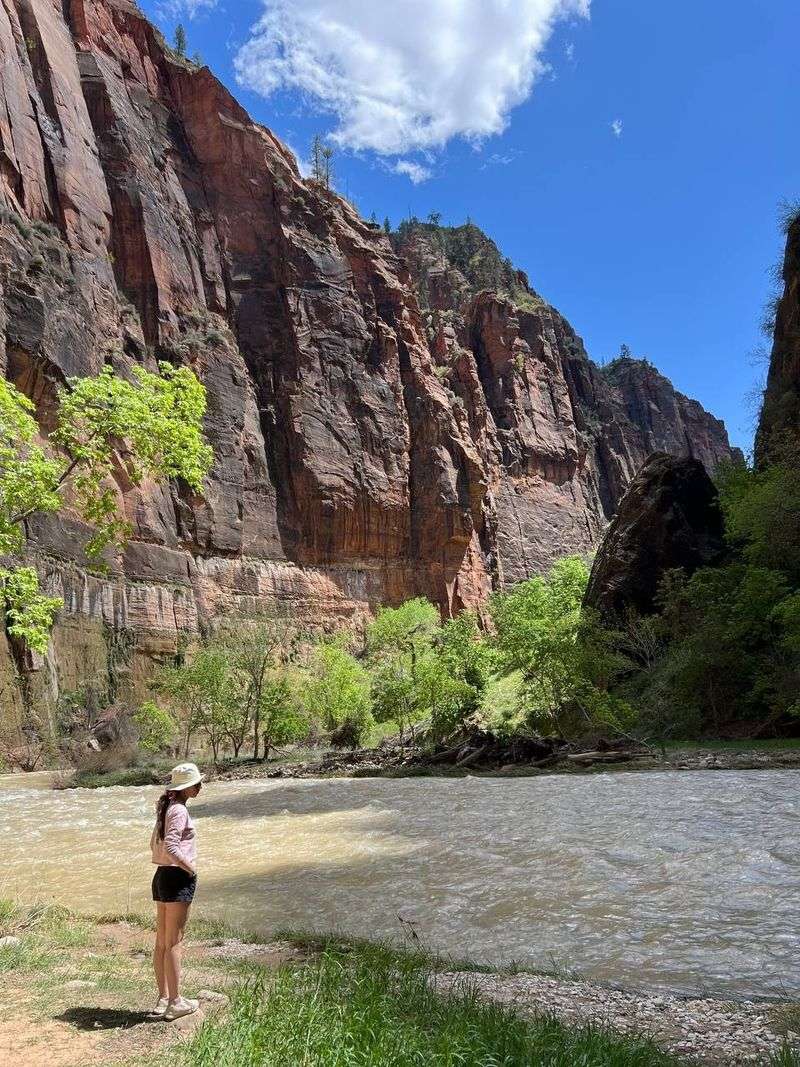
Sometimes the most captivating natural phenomena come in small packages, and Weeping Rock is a perfect example of this.
This short but striking 0.4-mile trail officially reopened in September 2025 after extensive repairs to its railings and stairs, making it safe for visitors eager to witness one of Zion National Park’s most unique natural features.
At the alcove, water literally weeps from the rock face, having taken roughly 1,200 years to slowly filter through the porous Navajo sandstone above before emerging at the surface.
The constant trickle nourishes a vibrant hanging garden that feels impossibly green and lush against the surrounding desert landscape, offering a rare oasis of life in the rugged canyon environment.
Visitors often pause here, mesmerized by the delicate ferns, mosses, and other plants that thrive in this tiny, self-contained ecosystem, seemingly suspended in time.
While the trail itself is now open, other routes from the same trailhead, including Hidden Canyon and the East Rim Trail, remain closed for 2025 due to ongoing maintenance and safety concerns.
Access to Weeping Rock is available via Shuttle Stop #7, allowing visitors to experience the site safely while enjoying sweeping views of the surrounding cliffs and canyon walls.
Even a brief visit offers a powerful glimpse into the park’s ancient water cycle and the quiet, enduring beauty of Zion’s geological wonders.
Kolob Canyons Section Provides Solitude Away from Crowds
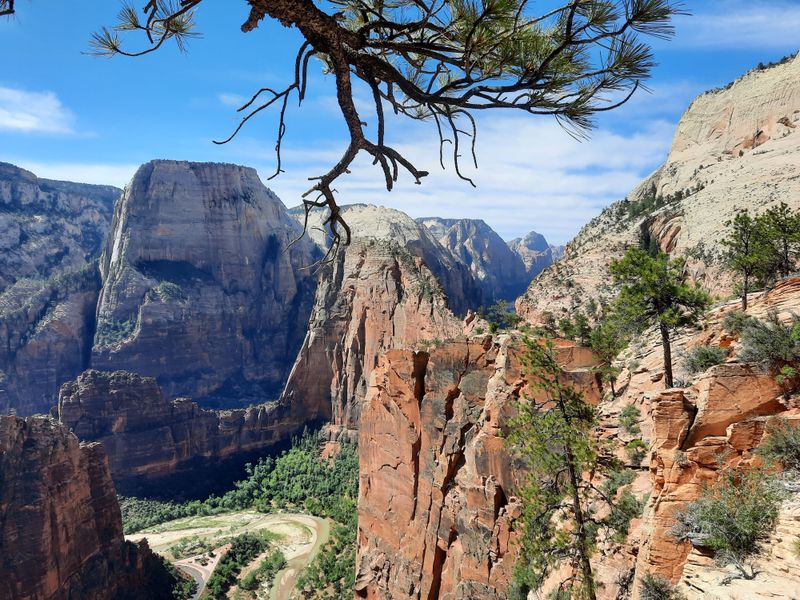
While millions flock to Zion’s main canyon, savvy travelers discover that the park actually includes a separate section that offers equally stunning scenery with a fraction of the visitors.
Kolob Canyons sits in the northwest corner of the park, accessed from Interstate 15 rather than the main entrance near Springdale.
This geographic separation means that many visitors never make it here, which is exactly what makes it special for those who do.
The five-mile scenic drive climbs through a series of finger canyons, with pullouts offering spectacular viewpoints where you can actually hear yourself think.
The red rock formations here rival anything in the main canyon, with towering cliffs and deep canyons creating dramatic landscapes that feel more personal and intimate.
You can stop at overlooks, take photographs, and enjoy the scenery without jostling for position with dozens of other tourists.
Several hiking trails branch off from the scenic drive, including the route to Kolob Arch, one of the world’s largest natural arches.
The 14-mile round trip to the arch represents a serious commitment, but shorter trails like the Timber Creek Overlook Trail provide rewarding experiences in just one mile.
These trails see so little traffic that you might have entire vistas to yourself, creating opportunities for solitude that simply don’t exist in the main canyon during peak season.
The Kolob Canyons Visitor Center provides information, maps, and ranger talks that help orient visitors to this lesser-known section.
Fall brings spectacular color to the high-elevation areas, with maples and oaks adding gold and red accents to the red rock backdrop.
Winter often closes the upper portions of the scenic drive due to snow, but when accessible, the snow-covered landscape creates a completely different aesthetic.
If you’re seeking the Zion experience without the Zion crowds, Kolob Canyons delivers exactly that combination.
The 45-minute drive from the main canyon is worth every mile for travelers who value peace, quiet, and the feeling of discovering something that hasn’t been completely overrun by tourism.
Diverse Wildlife Encounters Create Unexpected Magical Moments
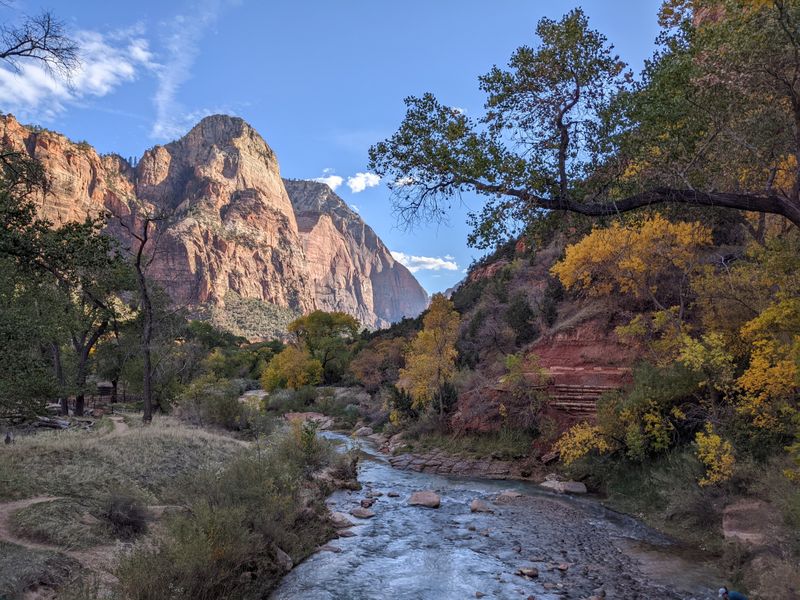
People come to Zion expecting rocks and trails, but many leave with wildlife stories that rival their hiking adventures.
The park’s diverse ecosystems support an impressive array of animals, from tiny ringtail cats to massive California condors with nine-foot wingspans.
These unexpected encounters add layers of excitement and wonder to visits, creating memories that photographs of landscapes alone cannot provide.
Mule deer are the most commonly spotted large mammals, often grazing near trails and even wandering through the visitor center area.
Their large ears; which give them their name; swivel independently to detect sounds from different directions, and watching them browse peacefully against the backdrop of red cliffs creates perfect photo opportunities.
During fall, male deer sport impressive antlers and engage in behaviors related to mating season, adding extra interest for wildlife observers.
Bighorn sheep represent the park’s most iconic wildlife, though spotting them requires more luck and patience.
These incredible climbers navigate seemingly impossible cliff faces, their specialized hooves providing grip on narrow ledges where few other animals dare to venture.
The best chances for sheep sightings come in winter and early spring when they descend to lower elevations, particularly near the east entrance and along Highway 9.
California condors, once nearly extinct with only 22 individuals remaining in the wild, now soar above Zion thanks to intensive conservation efforts.
Seeing one of these massive birds gliding on thermal currents represents a privilege and a conservation success story.
Each condor carries a numbered tag, and rangers can often identify individual birds and share their personal histories.
Smaller creatures also contribute to the park’s biological richness, including canyon tree frogs, collared lizards, and numerous bird species.
Early morning and evening hours provide the best wildlife viewing opportunities when animals are most active and temperatures are cooler.
These living elements of Zion’s ecosystem remind visitors that national parks protect not just scenery but entire functioning natural communities that have existed here for thousands of years.
Dear Reader: This page may contain affiliate links which may earn a commission if you click through and make a purchase. Our independent journalism is not influenced by any advertiser or commercial initiative unless it is clearly marked as sponsored content. As travel products change, please be sure to reconfirm all details and stay up to date with current events to ensure a safe and successful trip.
