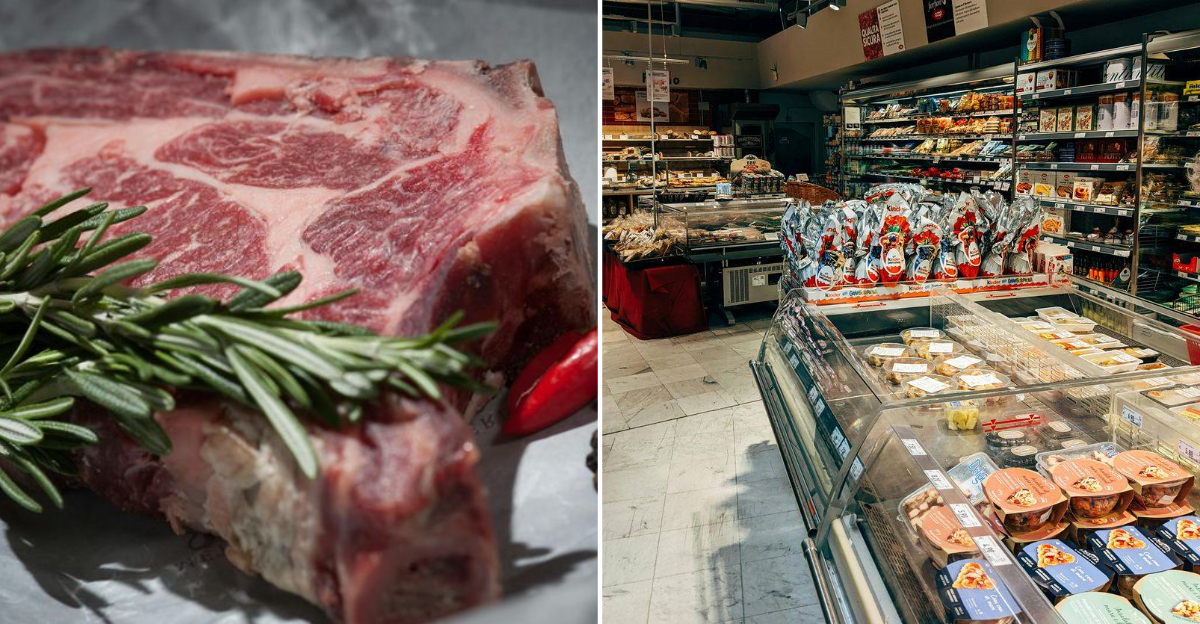
Why would anyone drive to Kentucky just to shop for groceries? It sounds odd at first, but that’s exactly what’s happening.
With rising food prices across the country, Kentucky has become a surprising destination for travelers looking to stretch their budgets.
Some come for lower costs on everyday essentials, while others are after specific cuts of meat or regional products they can’t easily find back home.
For locals, it’s a mix of curiosity and routine. They’re used to seeing familiar faces in the aisles, but now they’re sharing space with out-of-state shoppers who plan their trips around weekly deals.
What started as a practical choice has turned into a trend, where grocery runs double as road trips.
It’s not glamorous, but it’s real life: saving money matters, and people are willing to travel for it. The real draw, though, isn’t just the price.
It’s the flavor. Kentucky stores are known for fresh cuts of meat, regional specialties, and produce that tastes like it came straight from the farm.
For many travelers, that freshness makes the trip worth it. After all, good food isn’t just about filling the cart.
It’s about bringing home something that feels authentic.
1. Authentic Local Flavor At Farm Markets
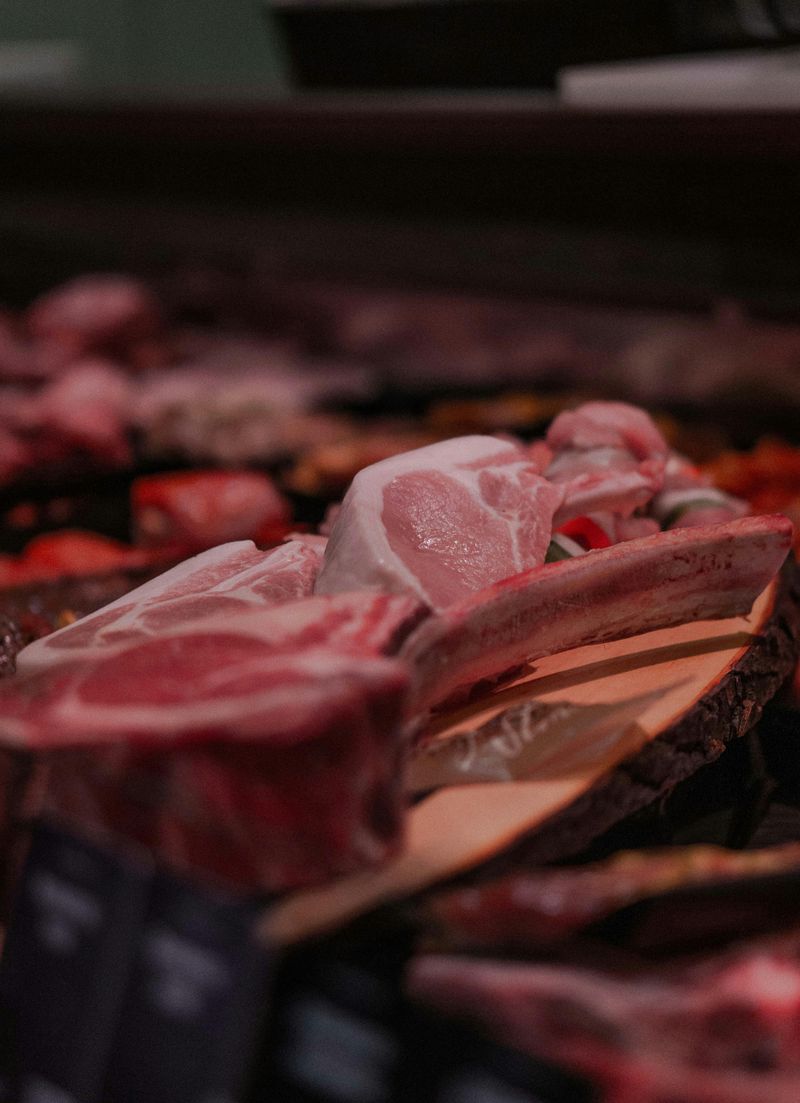
You know that feeling when a market just pulls you in? Kentucky farm markets have that easy pull, the kind that makes you slow down and look twice.
You step under a simple canopy, and it feels like a conversation with the countryside.
What makes it click is the chorus of small producers. You see labels from Kentucky Proud and stories written in marker on brown tags.
It’s not fancy, but it’s personal, and that lands.
I like how these stalls trace a map of the state in small talk. Folks point you toward another stand or a nearby farm store, and suddenly your morning plan changes.
It becomes a breadcrumb trail of real places and real people.
There is something grounding about markets that double as community hangouts. You hear a banjo, a kid laughing, a neighbor waving across the way.
Travelers come for the feeling as much as the goods. The pace is human, not rushed, and the selection tells you what is in season right now.
You leave with a bag and a mood lift.
Ever notice how a simple purchase can anchor a memory? That happens here again and again across Kentucky.
The markets make you part of the story, even if only for a morning.
2. “Kentucky Proud” Means Genuine Farm-to-Table Products
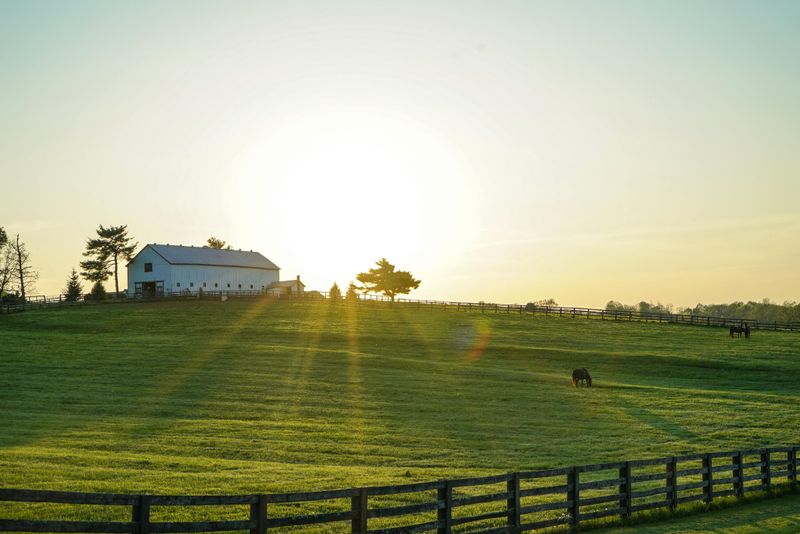
When you see “Kentucky Proud” on a tag, you feel like someone shook your hand for real. It’s a simple signal that what you’re holding has roots in this state.
I think that matters when you want your travel to connect to the place.
The label keeps things clear without the hard sell. You are not guessing where it came from or who made it.
It gives you a path to the farm and the people behind it.
What I love is how it simplifies choices. You scan a shelf, spot that logo, and suddenly the decision gets easy.
It turns shopping into a small vote for local work.
It also sets the bar for quality and care. You can feel the pride in how products are presented and handled.
The details show up in small, reliable ways.
In Kentucky, that logo shows up in markets, co-ops, and quiet country stores. It ties together rural backroads and city neighborhoods.
You end up exploring both without forcing it.
If you want a quick filter while traveling, this is it. Look for the leaf and the name you can trust.
Your bag gets better, and your story does too.
3. A Growing Agritourism Movement
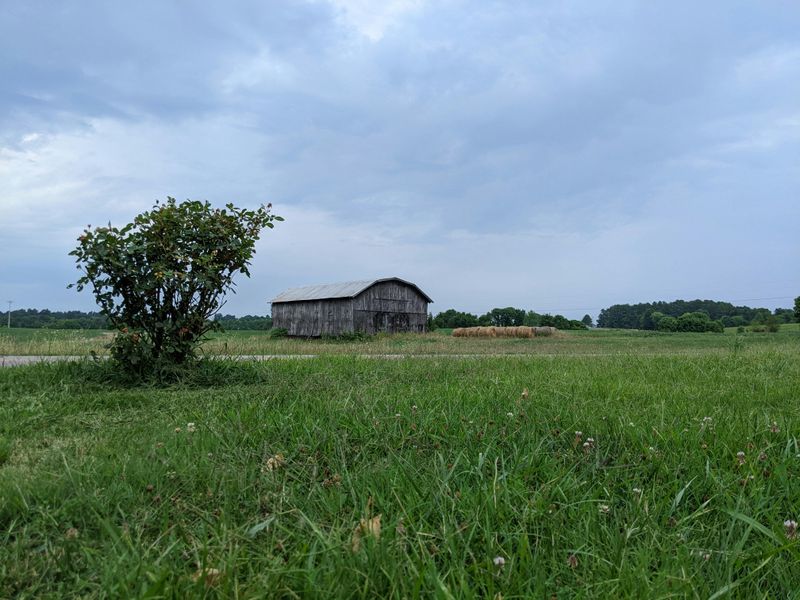
Have you ever combined a farm visit with your grocery run? Kentucky makes that feel easy and normal.
One hour you are in a field, the next you are picking up what was just discussed.
Agritourism here is hands-on without being fussy. You meet growers, see how they care for land, and connect the dots.
The experience turns a simple purchase into a memory.
I like when a tour opens with practical details. You get soil talk, animal care, and what stewardship looks like.
It is not distant or abstract, just clear and grounded.
Then you walk into the market area and everything clicks. Shelves mirror what you just learned outside, and that loop from field to cart sticks with you.
These visits usually lead to longer routes on your road trip. One farm introduces another, then a town market and a cooperative store.
The state becomes a network instead of a checklist.
If travel is about learning, this is the classroom you remember. You leave with something you can carry and a story you can tell.
That is why agritourism keeps growing here.
4. Fresh And Specialty Cuts Tourists Cannot Find At Home
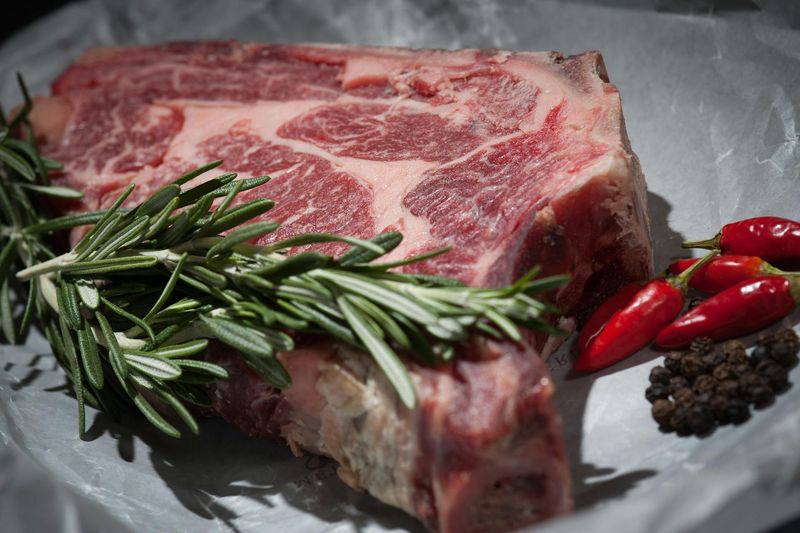
Let’s talk about those specialty counters that stop you in your tracks. In Kentucky, small butcher shops take pride in careful work.
You can see the craft in how the cases are set up and how staff talk through choices.
There is a calm confidence behind the counter. Questions get real answers rather than quick lines.
You learn what is in season and what is at its best.
The fun part is discovery, a cut you have never tried shows up, and the story comes with it. You leave with something new and a plan for later.
I like the pace in these shops. Nobody rushes you, and suggestions feel friendly.
It is an easy way to feel like a local for a minute.
Across towns in this state, these places hold a steady spot in daily life. People come for advice as much as for the goods, and that trust is earned day after day.
Travel makes more sense when you bring home something with a backstory. Specialty counters give you exactly that.
It is simple, human, and definitely worth the stop.
5. Culinary Tourism Puts Food Shopping On The Map
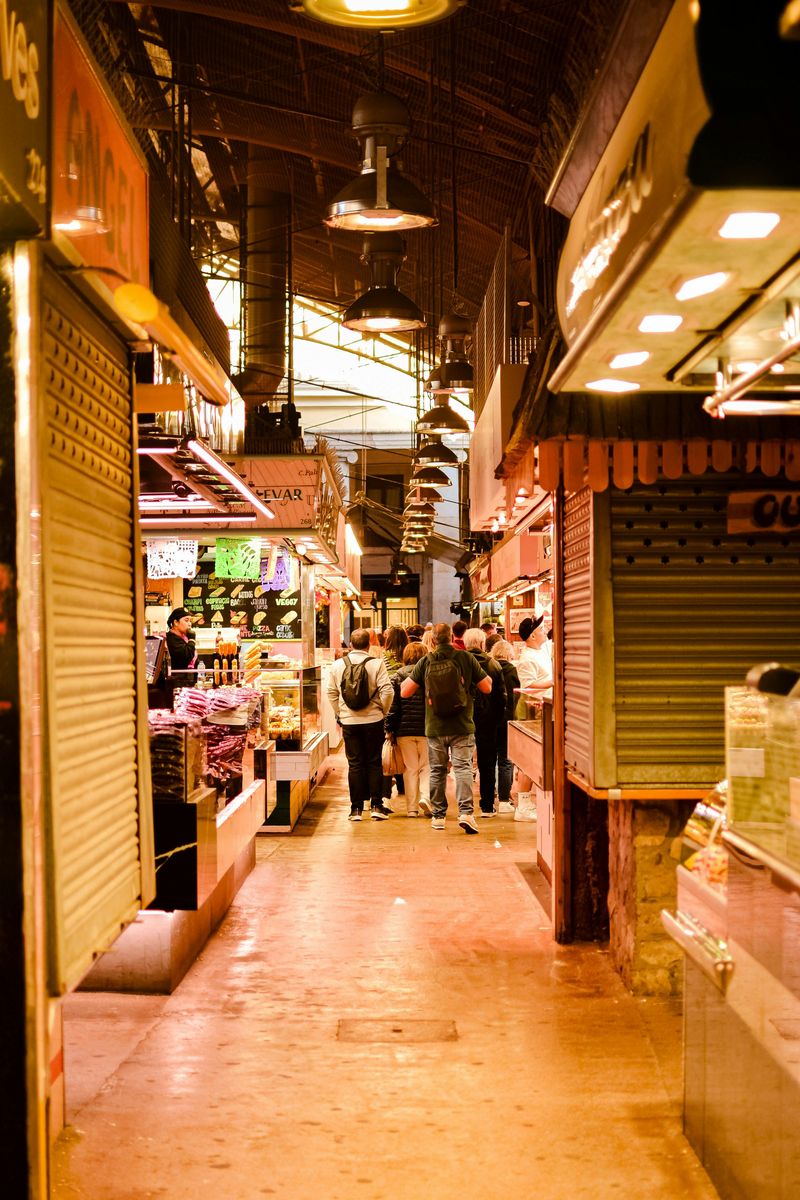
You know how some trips center on museums or trails. In Kentucky, grocery runs sneak into the itinerary and refuse to leave.
Food shopping becomes part of the story instead of a side errand.
That shift is easy to feel. Markets double as cultural stops, and staff play the role of guides.
You get directions, tips, and a few local legends thrown in.
Planning around food stops adds texture. You move from a farm visit to a neighborhood store without losing the thread.
The day feels connected and relaxed in my opinion.
Maps start collecting notes and arrows. One marker leads to another within a short drive, and the route writes itself while you go.
Kentucky makes this kind of travel friendly and low pressure. Towns welcome curious wanderers who ask simple questions.
The answers usually send you to another good spot.
By the end of the day, your bags and your notebook look equally full. You remember faces as much as places, and that is food tourism working the way it should.
6. Supporting Small Producers And Farmers
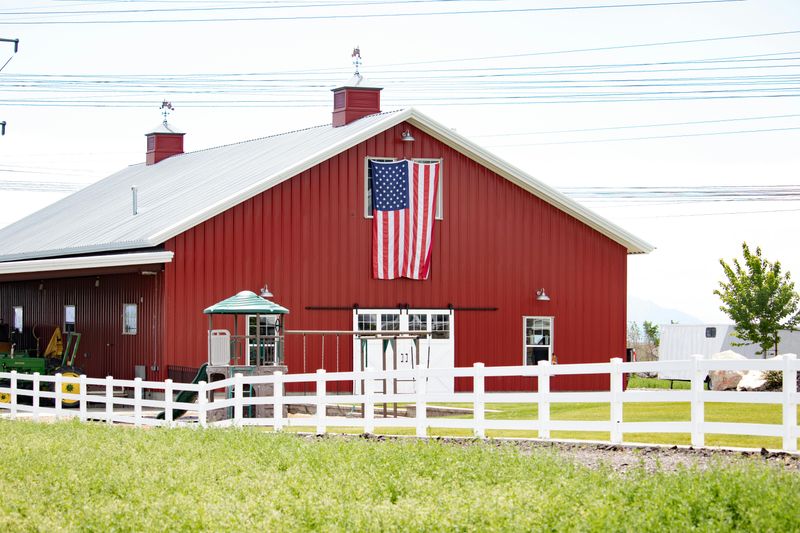
Spending money with small producers in Kentucky feels good and practical. You know it keeps the wheels turning for families who live close by.
That kind of support turns shopping into a small act of care.
The exchanges are simple and warm. You ask a question, someone answers with real context.
It feels like neighbors even if you are passing through, and I love that.
What sticks is the rhythm of local work. Early mornings, careful packing, clear labeling, honest presentation: those details add up when you look at a shelf.
As a traveler, you get to join that rhythm for a moment. You take home something that reflects the land and the hands.
The value goes beyond the item itself.
Communities here treat these markets as anchors. They bring people together across towns and backroads.
You can feel the strength in that connection.
Choose the small stand and you feel the difference immediately. The conversation is the best part of the purchase, and it makes the road feel friendly and alive.
7. Seasonal And Harvest Shopping Experiences
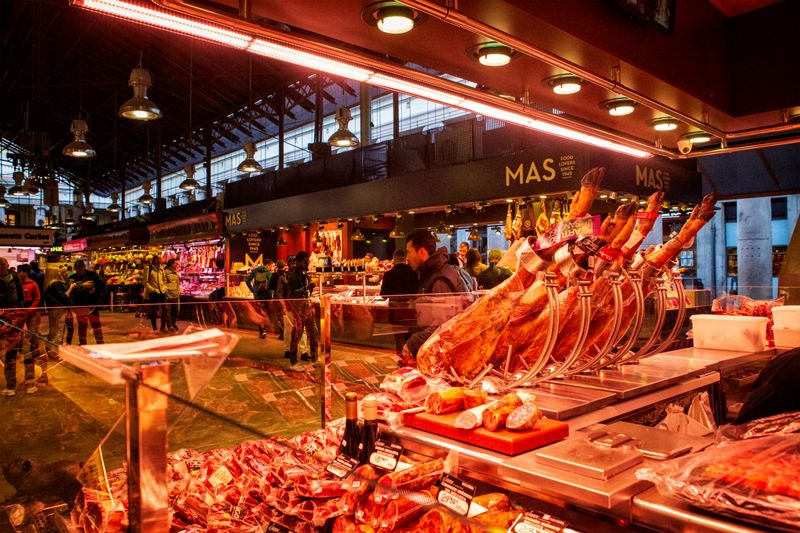
Timing a visit with Kentucky’s harvest season adds a little spark. Markets glow with color and energy when the calendar flips.
You feel a cheerful kind of urgency in the air.
I like how seasons shape choices without pressure. You are nudged by what is fresh and ready, not by trends.
The result is more fun and less second guessing.
Every display becomes a tiny scene. Baskets, signs, and a few lights make the mood, and it feels welcoming from the first step inside.
There is also a rhythm to conversations. People talk about weather, fields, and what is next week’s highlight.
Across the state, seasonal markets make road trip planning easy. You point the car toward the next town and the schedule follows.
The drive gets more interesting with each stop.
Travel has a way of stretching time when you lean into the season. You remember the glow, the chatter, and the small wins.
That is why harvest trips stick.
8. Farm Animals And Ranch Experiences On The Side
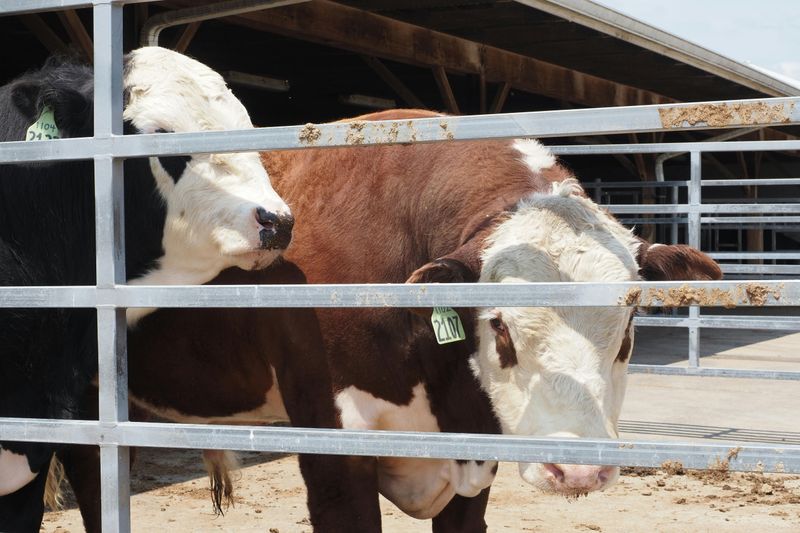
Curious about where everything starts? Kentucky farms welcome visitors with clear paths and calm guidance.
You see animals from safe spots and learn how daily care works.
The tours feel real without being intense. Staff explain routines in simple steps, and you leave with a steady respect for the work.
I like the little details along the way: clean barns, labeled gates, and simple boards that explain tasks. It is practical and easy to follow.
Pairing a tour with a market visit makes sense. You connect the dots from pasture to shelf, and the day takes on a nice flow.
Across Kentucky, these visits fit nicely into a road trip. You can spend a morning learning and an afternoon exploring town.
It is a gentle pace that feels right in my opinion.
Travel lands deeper when it includes context. These farm moments give you that context in a friendly way.
You carry it into every shop you visit.
9. Community Market Culture Appeals To Explorers
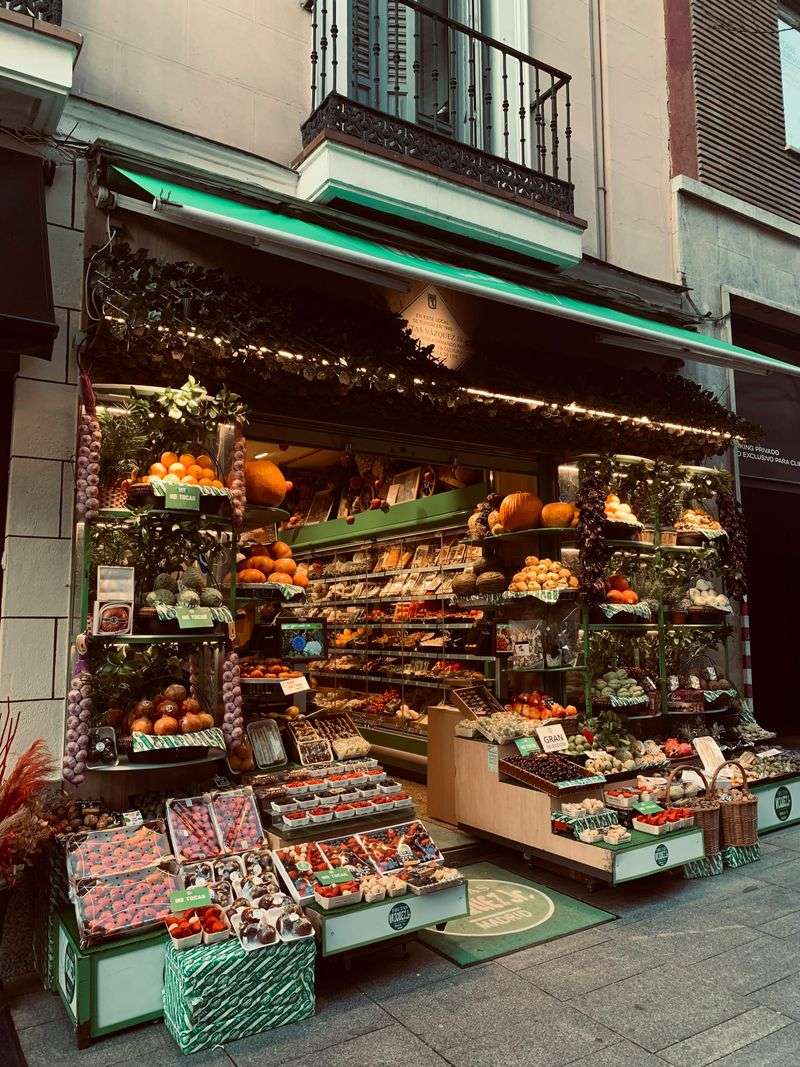
Some markets feel like a small town square even inside a city. Kentucky does that especially well.
You step in and hear a mix of music, chatter, and friendly greetings.
Explorers love the layers. One corner highlights crafts while another hosts a demo.
It is easy to wander and get pleasantly lost.
The mood makes you want to linger. You pick up something, then hang back to watch a musician set up, and that slow pace eases you into the day.
Talking with regulars helps you map the scene. They share the best times to come and who to look for.
I think it feels like getting backstage notes.
This culture repeats with local twists, each spot has its own rhythm and favorite traditions. You learn them through small chat and a little patience.
By the time you head out, you know a handful of names. The market becomes a place to return to, not just a stop, and that is the real hook for travelers.
10. Tradition Meets Modern Tastes
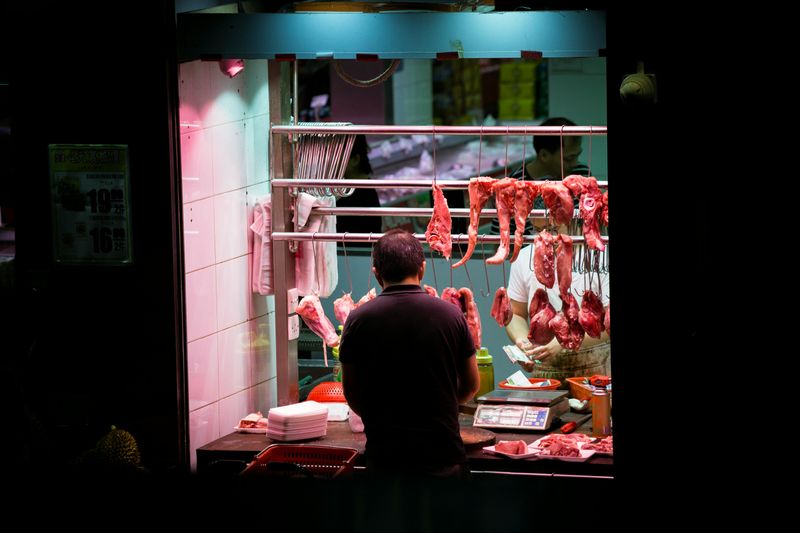
One reason Kentucky markets feel fresh is the balance of old and new. You see vintage signs next to clean displays.
I feel like it is a style that tells a longer story without trying too hard.
Heritage practices sit comfortably beside modern ideas. People keep what works and test new approaches.
The blend creates steady, interesting variety.
I like how this shows up in small choices, like simple labeling, thoughtful sourcing, and friendly explanations.
You understand what you are buying and why.
The spaces carry history in a light way. A reused counter here, a classic logo there, and it all adds gentle charm to the room.
Travelers pick up on this quickly in Kentucky towns. The mood invites questions and easy conversation.
You end up learning while you browse.
That mix of tradition and curiosity makes repeat visits tempting. You wonder what has changed since last time.
The answer is usually something worth seeing.
11. Personalized Food Shopping As Souvenir
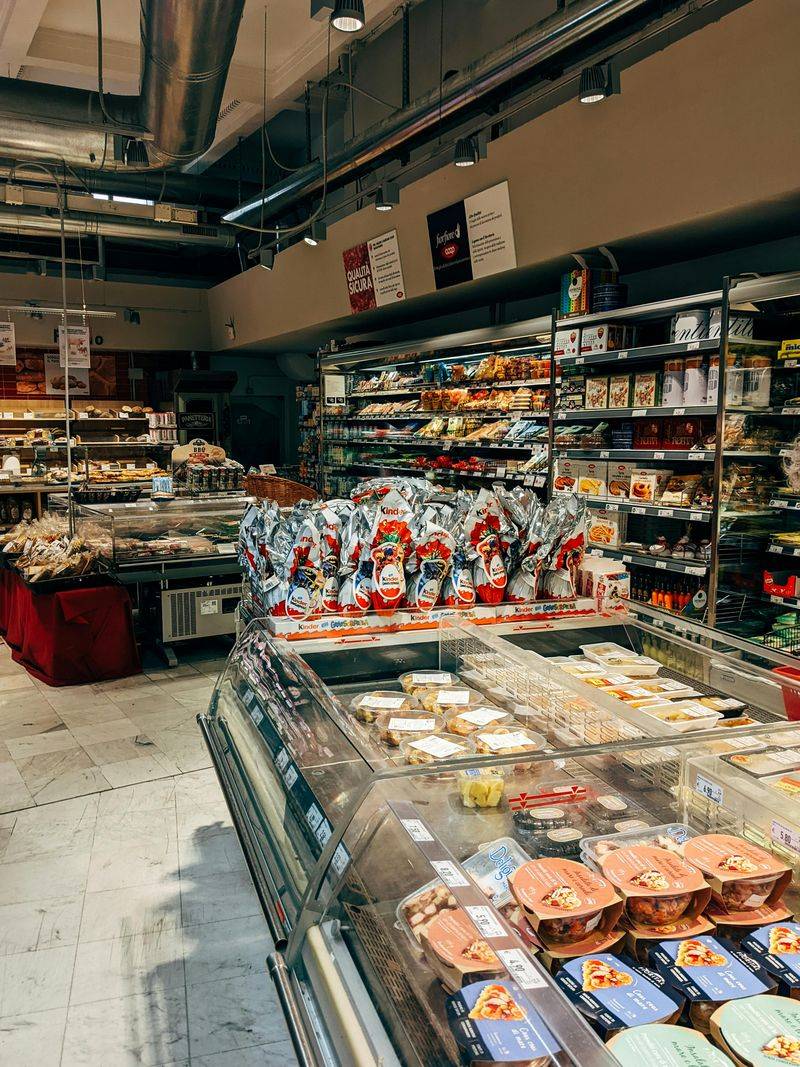
Souvenirs do not need to sit on a shelf. In Kentucky, your best keepsakes might ride home in a cooler.
They carry the mood of your trip in a way that sticks.
I like choosing things that feel personal. You remember a conversation, a smile, and a little advice.
Those details make every stop more meaningful.
Packing up feels like closing chapters. Each item links back to a place and a face.
It becomes your map in reverse.
This approach changes how you plan stops, because you look for stories rather than displays. That shift keeps travel light and open.
The state makes it easy with clear labels and helpful staff. They guide you kindly without pushing, and you end up with exactly what fits your trip.
Back home, you unpack and the road comes with it. The sounds, the views, and the friendly chats return.
That is a souvenir you will want to repeat.
