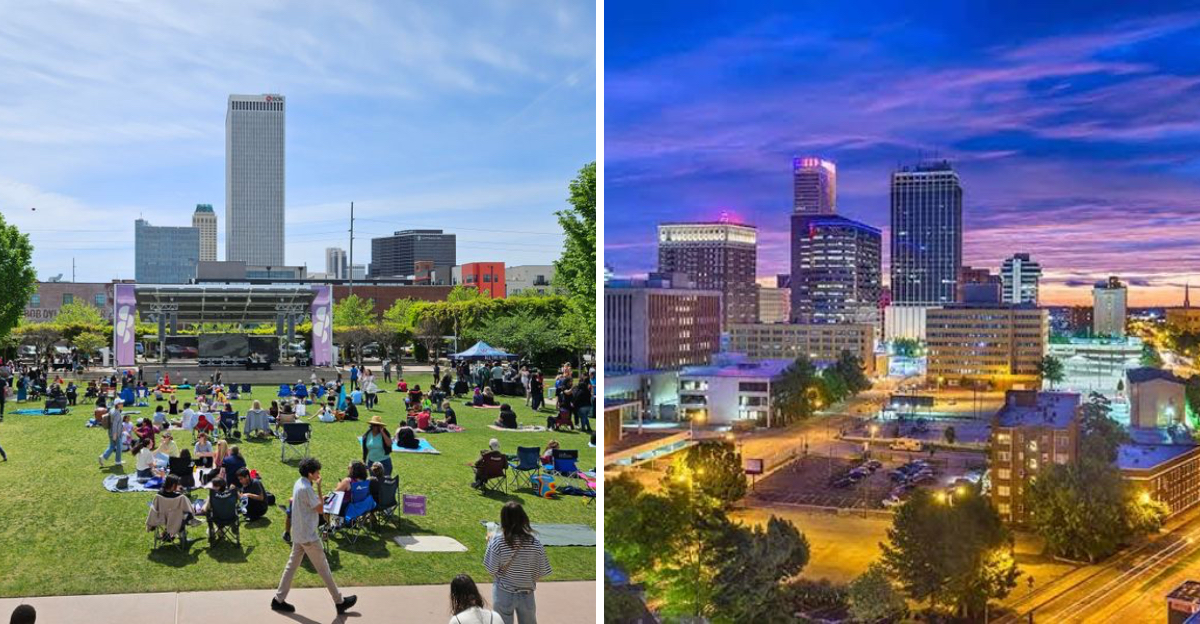
Tulsa rests along the Arkansas River in northeastern Oklahoma, where oil wealth and prairie heritage have shaped a city known for art deco towers, wide boulevards, and historic districts that tell stories of boom times and cultural crossroads.
Neighborhoods like Maple Ridge and Swan Lake draw visitors with their grand early twentieth-century homes, leafy streets, and architectural charm that speaks to a golden age of prosperity.
Yet as tourism swells and crowds spill into these quiet residential pockets, locals find themselves retreating indoors, closing curtains, and guarding their privacy in ways that reflect a growing tension between preservation and popularity.
Privacy Vanishes When Homes Become Photo Backdrops
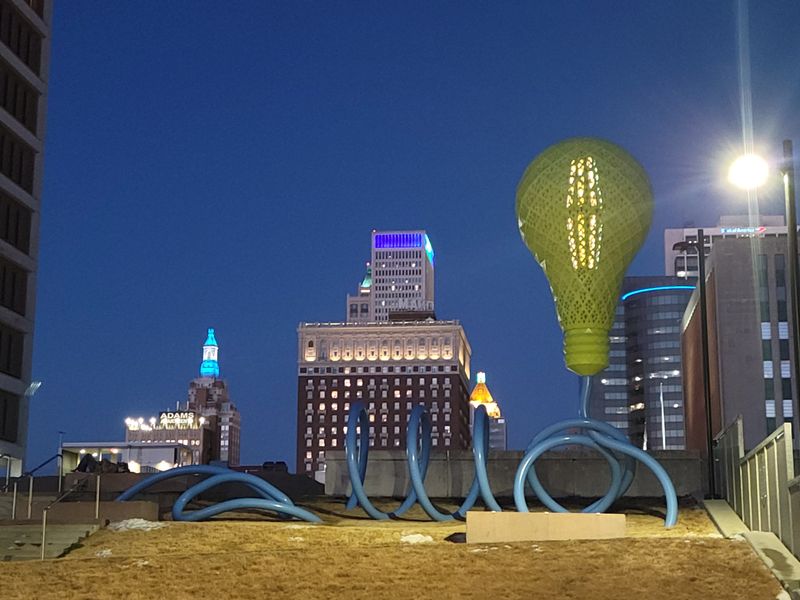
Front porches that once offered a place to greet neighbors now feel exposed when strangers pause to snap photos of Tudor facades and craftsman details.
Residents in Maple Ridge and surrounding areas report visitors peering through windows, stepping onto lawns, and even knocking on doors to ask about interior tours.
What started as innocent admiration has evolved into intrusive behavior that makes homeowners uncomfortable in their own yards.
Many families have installed security cameras and no-trespassing signs to reclaim a sense of boundaries.
Children playing outside are interrupted by tourists asking to photograph them in front of vintage architecture.
Elderly residents who once sat on their stoops now stay inside to avoid being caught in the background of travel snapshots.
The charm that drew people to these blocks in the first place is being eroded by the very attention it attracts.
Locals miss the days when their streets were simply places to live rather than sets for social media content.
Some homeowners have taken to closing blinds during peak visiting hours, sacrificing natural light for the sake of privacy.
Others have planted tall hedges or erected fences to create physical barriers between their lives and the lens of curious outsiders.
The loss of openness and neighborly visibility has changed the character of these communities in subtle but significant ways.
What was once a welcoming atmosphere now feels guarded and defensive.
Residents understand that their homes are part of Tulsa’s architectural heritage, but they also deserve the right to live without constant observation.
Balancing public appreciation with private comfort remains an ongoing struggle.
Parking Becomes a Daily Battle for Residents
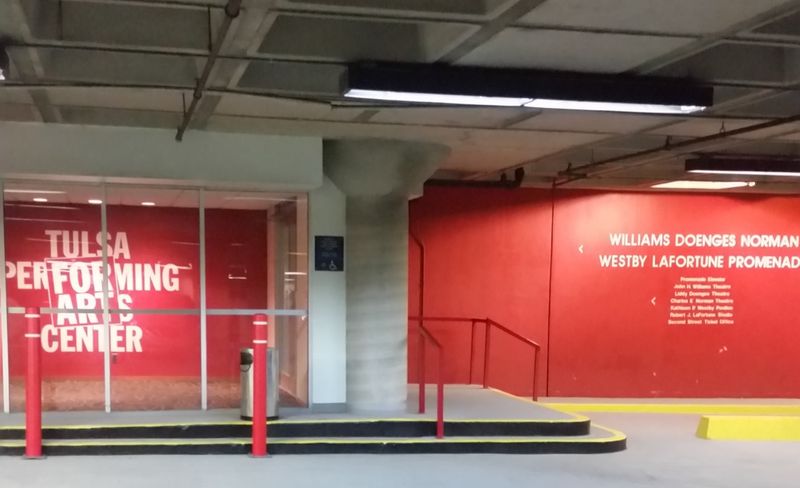
Visitors arriving by car fill every available curb space, leaving residents circling their own blocks in search of a spot near their homes.
Streets designed for a quieter era now struggle to accommodate the influx of vehicles that accompany tour groups and sightseers.
Driveways get blocked by travelers who assume a quick stop for a photo will go unnoticed.
Residents returning from work or errands often find themselves forced to park several streets away, hauling groceries or packages across long distances.
Elderly neighbors and those with mobility challenges face particular hardships when convenient parking disappears.
Some homeowners have resorted to posting polite signs reminding visitors that these are active residential streets, not public lots.
Others have contacted city officials to request permit parking zones that prioritize local access over tourist convenience.
The frustration builds on weekends and during festivals when crowds swell and the parking crunch intensifies.
Delivery drivers struggle to find space, delaying packages and services that residents rely on.
Emergency vehicle access becomes a concern when streets are packed bumper to bumper with tourist cars.
Neighbors who once enjoyed leisurely walks now navigate sidewalks crowded with visitors consulting maps and taking selfies.
The sense of ownership and ease that comes with living in a neighborhood has been compromised by the constant presence of outsiders.
Residents feel like guests in their own community, waiting for a lull in foot traffic to step outside.
The parking issue is more than an inconvenience; it symbolizes a larger loss of control over the spaces people call home.
Noise Levels Spike During Peak Visiting Hours
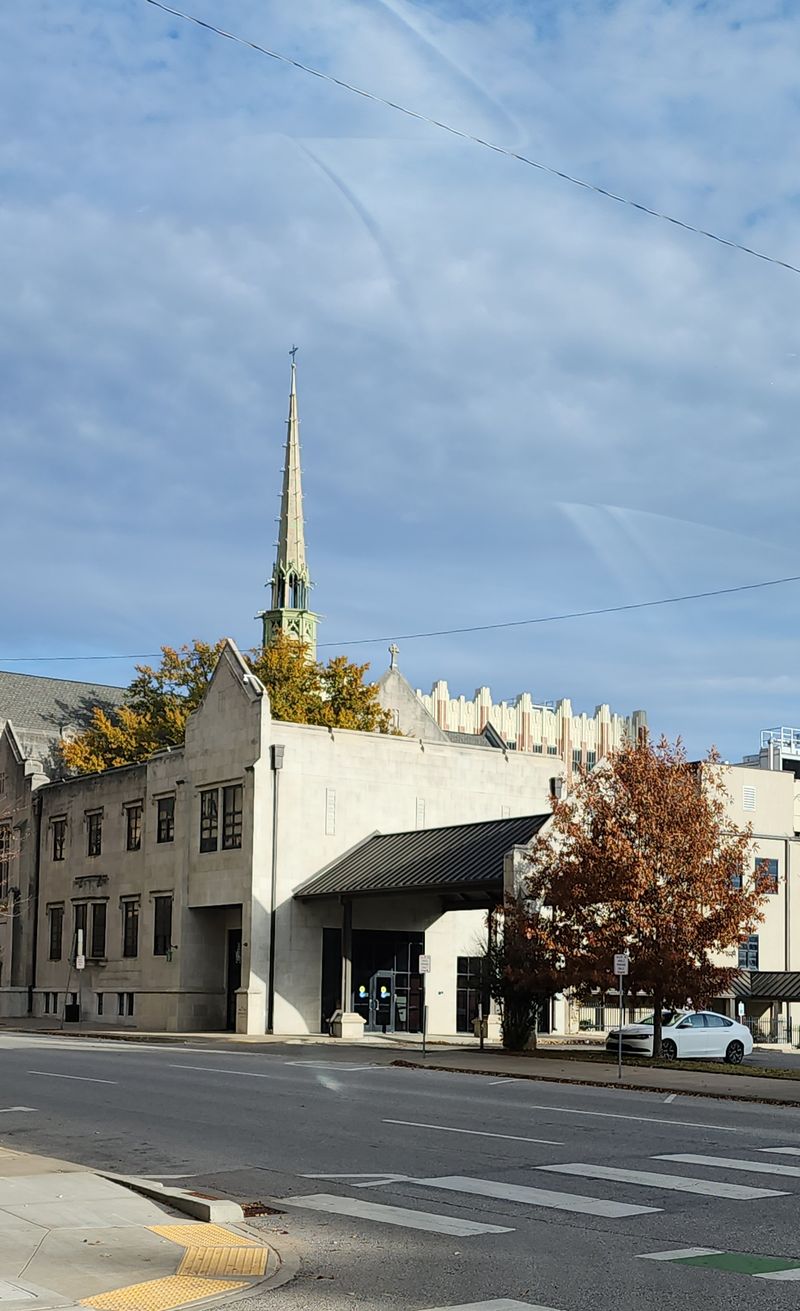
Tranquil mornings once marked by birdsong and distant lawnmowers now feature the hum of tour buses and the chatter of large groups moving from house to house.
Residents who work from home find it difficult to concentrate when tour guides use megaphones or speakers to narrate the history of nearby buildings.
Evenings that used to be reserved for quiet relaxation are interrupted by visitors lingering past dusk, laughing and talking loudly as they explore.
Families with young children struggle to maintain consistent nap schedules when sudden bursts of noise shatter the peace.
Dogs bark incessantly at the parade of unfamiliar faces passing by windows, adding to the overall din.
Residents have started closing windows even on pleasant days, sacrificing fresh air to muffle the sounds of tourism.
The cumulative effect of constant activity wears on people who chose these neighborhoods for their calm and quiet character.
Some locals report feeling on edge, never quite able to relax in their own homes.
The noise issue extends beyond daytime hours, with visitors sometimes arriving early or staying late to catch the best light for photographs.
Weekend mornings that once offered a slow start are now punctuated by the arrival of tour groups before residents have finished their coffee.
The rhythm of daily life has been disrupted, replaced by a schedule dictated by tourist traffic patterns.
Neighbors who used to gather outside for conversations now retreat indoors to escape the constant commotion.
The sense of serenity that defined these streets has been replaced by a low-grade tension that lingers throughout the day.
Trash and Litter Accumulate on Private Property
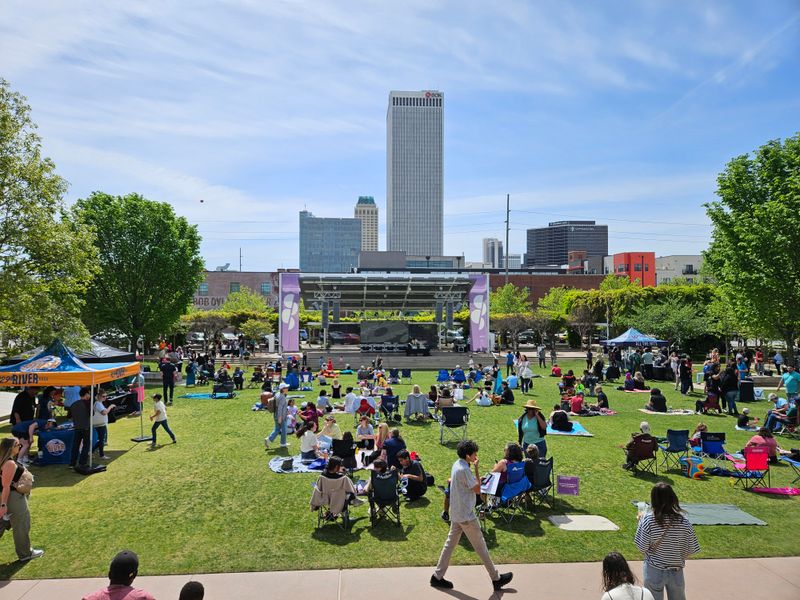
Coffee cups, water bottles, and snack wrappers appear on lawns and flowerbeds as visitors treat residential spaces like public parks.
Homeowners spend time each evening walking their property to collect debris left behind by tourists who lack convenient trash receptacles.
The problem intensifies during warmer months when foot traffic increases and people carry refreshments while they explore.
Residents have found cigarette butts, food containers, and even discarded maps tucked into hedges or tossed onto porches.
The extra cleanup duty feels like an unfair burden imposed on people who simply want to maintain their homes.
Some neighbors have installed small trash cans near the street in hopes of encouraging visitors to dispose of waste properly, but these often overflow or get ignored.
The litter issue extends beyond aesthetics; it attracts pests and creates unsanitary conditions that affect quality of life.
Residents worry about the impact on local wildlife and the message it sends about respect for private property.
Children playing in yards encounter trash they have to navigate around, and pet owners fear their animals will ingest something harmful.
The effort required to keep yards clean has turned what used to be light maintenance into a daily chore.
Homeowners feel disrespected when their carefully tended gardens become dumping grounds for tourist convenience.
The lack of accountability makes the problem worse, as visitors move on without witnessing the consequences of their actions.
Residents have contacted city officials to request more public waste bins in high-traffic areas, but solutions have been slow to arrive.
The litter problem underscores a broader issue of boundaries and the expectation that tourists will treat residential spaces with the same care they would their own homes.
Property Values Face Uncertain Futures
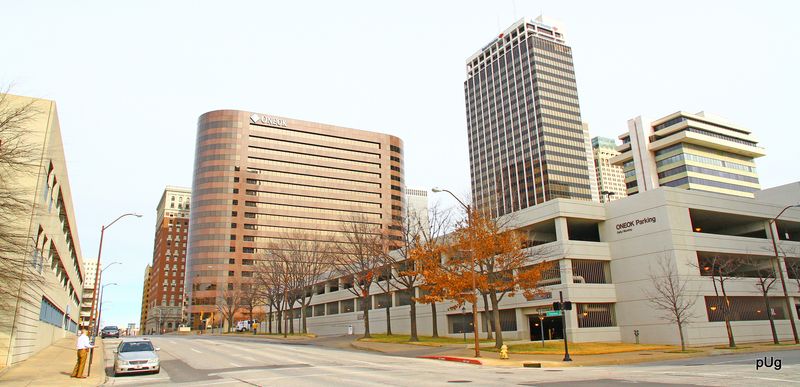
Homeowners who invested in these neighborhoods for their character and tranquility now wonder if the influx of tourists will ultimately help or harm their property values.
On one hand, increased visibility and interest in historic districts can raise desirability and attract buyers who appreciate architectural significance.
On the other hand, the daily disruptions and loss of privacy may deter families seeking peaceful residential settings.
Real estate agents report mixed reactions from potential buyers, with some enchanted by the charm and others concerned about the crowds.
Long-term residents feel caught between pride in their homes and frustration with the attention they generate.
The uncertainty makes it difficult to plan for the future or decide whether to stay or sell.
Some homeowners fear that continued tourist pressure will lead to zoning changes that allow more commercial activity, fundamentally altering the character of their blocks.
Others worry that the neighborhoods will become less family-friendly as the focus shifts from residential life to visitor experience.
The debate over property values reflects deeper questions about what these communities should prioritize: preservation, accessibility, or the comfort of current residents.
Investors eyeing the area see opportunity, but longtime locals see the erosion of the qualities that made their neighborhoods special in the first place.
The tension between economic potential and livability creates divisions among neighbors who once shared common goals.
Homeowners associations struggle to balance welcoming visitors with protecting the interests of their members.
The future of these historic streets hangs in the balance, shaped by decisions made today about tourism management and community priorities.
Residents hope that Tulsa officials will find ways to celebrate the city’s architectural heritage without sacrificing the quality of life that makes these neighborhoods worth preserving.
Safety Concerns Rise with Unfamiliar Faces
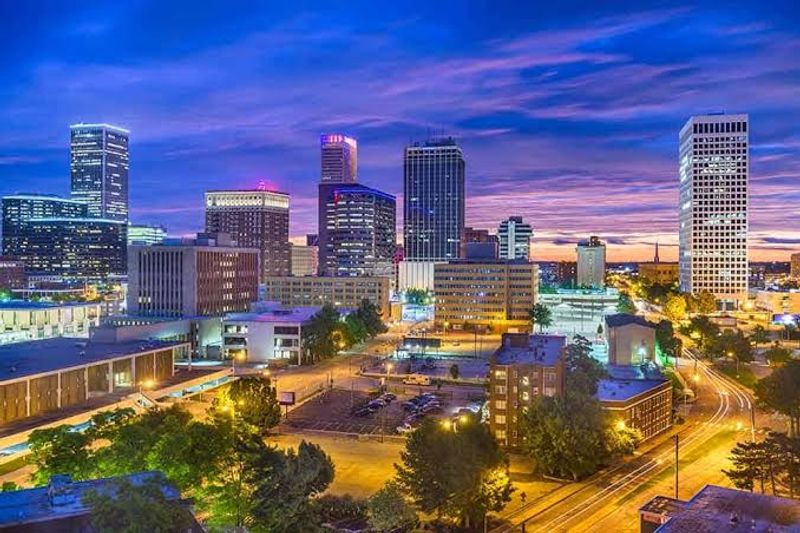
Neighbors who once recognized every person walking past their homes now see a constant stream of strangers, making it harder to spot potential threats or unusual activity.
The sense of security that comes from knowing your community has been diluted by the influx of visitors who come and go without connection to the area.
Parents worry about letting children play unsupervised when they cannot distinguish between tourists and individuals with less benign intentions.
Residents report an increase in minor incidents such as packages disappearing from porches and gates being left open, though it is difficult to determine whether tourists are responsible.
The sheer volume of foot traffic makes it easier for bad actors to blend in and move through the neighborhood unnoticed.
Homeowners have invested in doorbell cameras and neighborhood watch apps to compensate for the loss of natural vigilance that comes with a close-knit community.
The need for heightened security measures feels like a step backward for streets that once thrived on trust and familiarity.
Elderly residents who lived through decades without locking their doors now feel compelled to take precautions they never needed before.
The psychological impact of constant surveillance and wariness takes a toll on the overall sense of wellbeing.
Residents miss the comfort of knowing their neighbors were looking out for each other and that unusual activity would be quickly noticed and addressed.
The anonymity that tourism brings has eroded the social fabric that held these communities together.
Neighbors who once chatted on sidewalks now hurry inside, unsure who is a visitor and who belongs.
The loss of communal awareness has made people feel more isolated and vulnerable in their own homes.
Safety concerns are not just about crime; they reflect a deeper unease about the changing nature of the neighborhood and the loss of the intimate, protective atmosphere that once defined it.
Local Infrastructure Strains Under Tourist Pressure
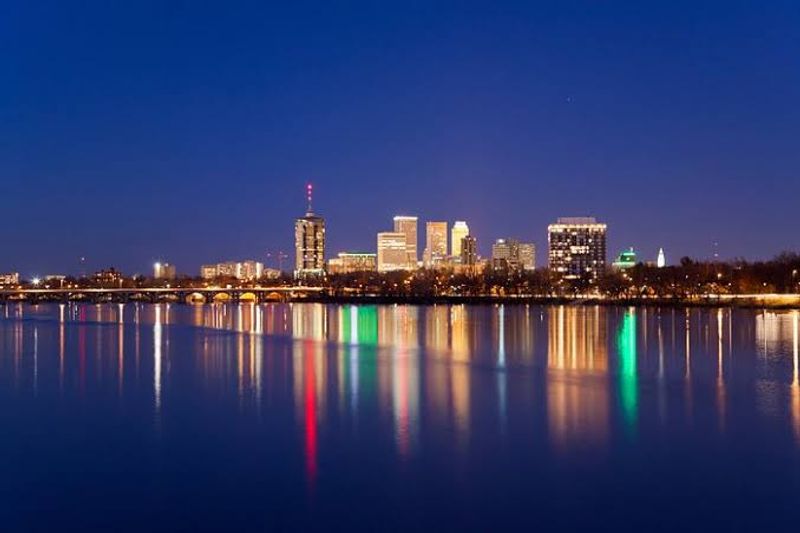
Sidewalks designed for occasional foot traffic now show signs of wear from the constant parade of visitors exploring on foot.
Curbs and street edges suffer damage from vehicles parking carelessly or maneuvering in tight spaces not intended for heavy use.
Public restrooms are scarce in residential areas, leading some tourists to seek facilities at nearby businesses or, in unfortunate cases, to create sanitation issues in alleys or behind bushes.
Residents bear the brunt of infrastructure strain through delayed maintenance, increased noise from repairs, and the general wear and tear that comes with overuse.
The city budget allocated for these neighborhoods was calculated based on residential needs, not the demands of high tourist traffic.
Streetlights, benches, and other amenities that serve locals are appropriated by visitors, leaving residents with less access to the resources they fund through taxes.
The imbalance creates resentment and a sense that the neighborhoods are being exploited for tourism revenue without adequate reinvestment in the community.
Residents have petitioned for infrastructure upgrades, but progress is slow and often contingent on proving that the issues are tourism-related rather than general aging.
The strain extends to utilities, with water and sewer systems in older districts not designed to handle the additional load from public use.
Trash collection schedules remain unchanged despite the increased volume of waste generated by tourist activity.
Residents feel like their neighborhoods are being treated as tourist attractions without the corresponding support systems that public parks or museums receive.
The lack of investment in infrastructure sends a message that the comfort and needs of residents are secondary to the appeal of the area to outsiders.
Locals worry that continued neglect will lead to deterioration that undermines the very qualities that make these neighborhoods worth visiting in the first place.
Community Events Become Overcrowded and Impersonal
Block parties and neighborhood gatherings that once fostered close bonds among residents now attract outsiders who see them as part of the tourist experience.
The intimate, familiar feeling of community events is lost when strangers outnumber locals and the focus shifts from connection to spectacle.
Residents who organized these gatherings to strengthen neighborhood ties find themselves managing crowds and dealing with logistical challenges they never anticipated.
Food prepared for a small group disappears quickly when visitors help themselves, leaving longtime neighbors without the refreshments intended for them.
The spontaneous, relaxed nature of local events gives way to a more formal, managed approach designed to accommodate larger numbers.
Children who looked forward to running freely with friends now navigate spaces filled with unfamiliar adults taking photos and treating the event like a performance.
The sense of ownership and pride that residents felt in their community traditions has been diluted by the presence of people with no stake in the neighborhood’s future.
Some locals have stopped attending events altogether, preferring to avoid the crowds and the loss of the personal touch that made these gatherings meaningful.
Others have moved celebrations indoors or to private locations, sacrificing the public, inclusive spirit that once defined neighborhood culture.
The shift has created a divide between those who welcome the broader participation and those who mourn the loss of intimacy.
Residents worry that the next generation will grow up without the same sense of community cohesion that previous generations enjoyed.
The overcrowding of events is symptomatic of a larger issue: the transformation of living neighborhoods into tourist destinations where the needs and traditions of residents take a backseat to visitor experience.
Locals hope to reclaim their community spaces and find ways to celebrate their heritage without losing the personal connections that make these neighborhoods more than just historic sites.
Cultural Identity Shifts as Outsiders Define the Narrative
Longtime residents who carry the stories and memories of their neighborhoods find themselves sidelined as tour guides and travel bloggers shape the public narrative.
The lived experience of families who weathered economic shifts, racial tensions, and urban renewal gets overshadowed by curated tales designed to appeal to visitors.
Locals see their streets reduced to photo opportunities and historical footnotes, stripped of the complexity and nuance that comes from generations of lived experience.
The emphasis on architecture and aesthetics often ignores the social history and cultural contributions of the people who built and sustained these communities.
Residents of color, in particular, feel erased when tourism narratives focus on oil wealth and grand homes while glossing over the struggles and achievements of diverse populations.
The commercialization of heritage turns deeply personal stories into commodities, packaged and sold without input from those who hold the memories.
Neighbors who once gathered to share oral histories and family lore now see their stories co-opted and simplified for mass consumption.
The loss of control over their own narrative leaves residents feeling like extras in someone else’s story.
Efforts by community groups to reclaim the narrative through local tours and educational programs struggle to compete with the reach and polish of commercial tourism operations.
The shift in cultural identity affects how residents see themselves and their place in the city’s broader history.
Younger generations absorb the outsider perspective, losing touch with the authentic, unvarnished stories that shaped their neighborhoods.
The tension between preservation and authenticity becomes more pronounced as tourism prioritizes marketability over truth.
Residents want their neighborhoods to be appreciated, but not at the cost of erasing the people and stories that give these places meaning beyond their architectural appeal.
Reclaiming the narrative requires intentional effort and a commitment from the city of Tulsa, Oklahoma to center the voices of those who call these historic streets home.
Dear Reader: This page may contain affiliate links which may earn a commission if you click through and make a purchase. Our independent journalism is not influenced by any advertiser or commercial initiative unless it is clearly marked as sponsored content. As travel products change, please be sure to reconfirm all details and stay up to date with current events to ensure a safe and successful trip.
